
Review · DUBLIN COUNTY
Dublin: LGBT Pride Walking Tour with Queer History
Dublin tells its queer story in street corners. This two-hour walk links places such as the General Post Office, Liberty Hall, Trinity College, and The George with the people who helped change Ireland. I like the way it connects national events to personal lives, and I especially like the mix of serious history, humor, and present-day issues. Guide Helena is praised for her warmth, energy, and personal touch.
The main consideration is that this is an English-language walking tour, so you need comfortable shoes and enough interest in social history to enjoy two hours of discussion. Some stories are painful, covering exclusion and abuse as well as progress. Still, the route offers a thoughtful look at how Ireland moved toward marriage equality and legal recognition for LGBTQ+ people.
Key points to know before you book
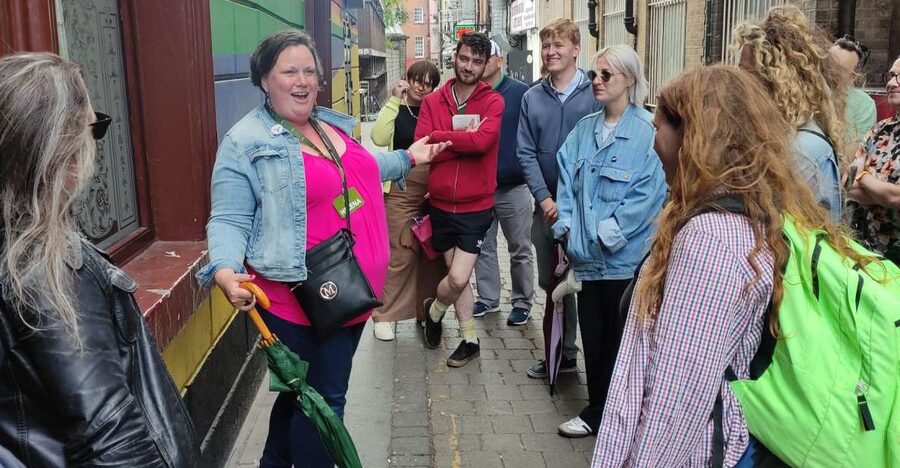
- Helena brings warmth and personality: Her humor, personal anecdotes, and willingness to answer questions make the tour feel welcoming rather than formal.
- The route covers major Dublin landmarks: You pass the General Post Office, Liberty Hall, Trinity College, Hirschfield Centre, Diceman’s Corner, and The George.
- The focus is people as much as places: Stories include Dr Lydia Foy, Panti Bliss, Irish revolutionaries, Pride pioneers, and gender identity campaigners.
- It shows progress without skipping the hard parts: The tour traces a path from exclusion and abuse to equal rights and marriage equality.
- It lasts two hours and returns to the start: Meet outside the Old Storehouse Bar & Restaurant, look for the green umbrella, and finish back at the same meeting point.
- The price is reasonable for a specialist history tour: At $27 per person, you are paying for a live guide and a focused subject that is difficult to experience through a standard city tour.
Dublin’s queer story begins with people, not plaques
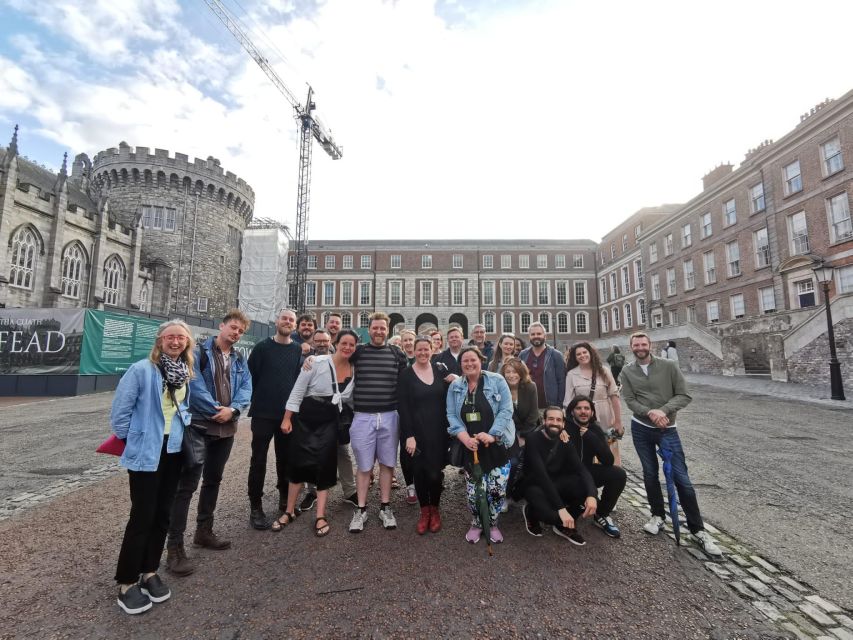
A standard Dublin sightseeing walk can give you churches, Georgian streets, pubs, and revolution-era landmarks. This tour asks you to look again at familiar places and consider the LGBTQ+ figures connected with them. That change in viewpoint is its main value.
The route links public history with private courage. You hear about Irish revolutionaries, civil rights campaigners, Pride march pioneers, and people who fought for legal recognition of their gender identity. The result is not a separate story sitting off to one side of Irish history. It shows how queer lives formed part of the country’s political and social changes.
I like this approach because the stops are not treated as background scenery. Liberty Hall matters because it is connected with the first Pride protest. Trinity College opens a discussion about the Sexual Liberation Movement. The General Post Office brings revolutionary history into the conversation through the story of Panti Bliss and other queer figures.
You should expect a talk-heavy walk rather than a sightseeing tour filled with long interior visits. The landmarks help frame the stories, but the main experience is listening, asking questions, and moving through central Dublin with a guide who knows how to make the subject accessible.
More History Walking Tours in Ireland
- 2-Hour Historical Walking Tour from Dublin
★ 5.0 · 875 reviews - Historical 2-Hour Guided Walking Tour of Dublin
★ 4.7 · 865 reviews - Dublin’s Haunted History Walking Tour
★ 4.3 · 345 reviews
Meeting Helena outside the Old Storehouse
Your starting point is directly outside the Old Storehouse Bar & Restaurant. Look for a guide carrying a green umbrella. That detail matters in a busy central area, where a clear meeting signal saves time and confusion.
The activity lasts two hours and ends back at the meeting point. That makes it easy to fit into a day of sightseeing, since you do not need to arrange transport from a distant finish. It also gives you a useful central base for continuing your Dublin plans afterward.
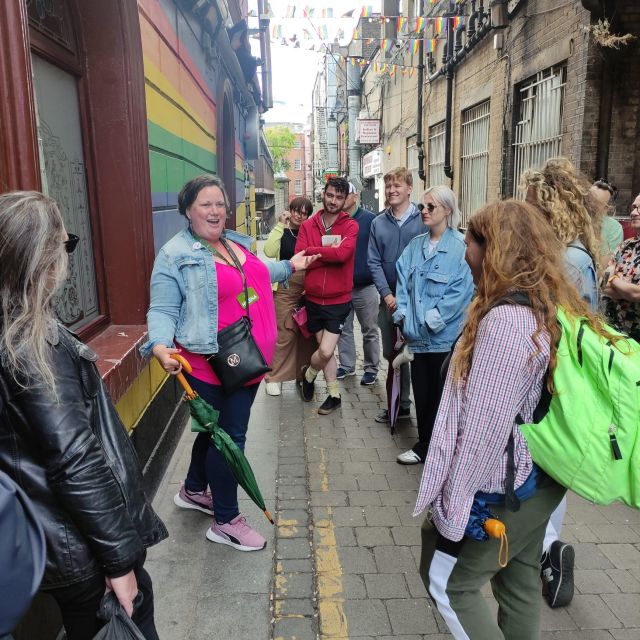
Helena receives especially strong praise for being welcoming, witty, energetic, and easy to talk with. Her personal anecdotes add a human touch, while her ability to answer questions helps the walk feel like a conversation rather than a memorized speech. One particularly warm account describes her as accommodating and friendly enough that the two hours passed quickly.
The guide’s manner is important here. Queer history includes discrimination, abuse, political resistance, and painful personal experiences. Helena’s humor and warmth appear to help balance those subjects without making light of them. You can expect an educational walk, but not a stiff lecture.
The General Post Office and queer revolutionaries
The General Post Office is one of Dublin’s best-known historic landmarks, usually associated with the 1916 Rising and the wider story of Irish independence. On this tour, it becomes a place to hear about queer figures connected with revolutionary and public life.
The stop helps widen your view of Irish history. National movements are often presented through a narrow set of famous names, while the lives of queer people are left out. Here, the discussion brings those experiences into the same public story.
Panti Bliss is one of the figures included. Known for her public role as a drag performer and LGBTQ+ campaigner, she represents a modern form of queer activism that combines performance, public debate, and political pressure. Her story helps connect earlier struggles with current arguments about equality and recognition.
You should not expect a long visit inside the General Post Office as part of the tour. The value comes from standing at the landmark while the guide changes the way you understand it. If you have already seen the building on another Dublin walk, this stop gives it a new purpose.
Liberty Hall and the first Pride protest
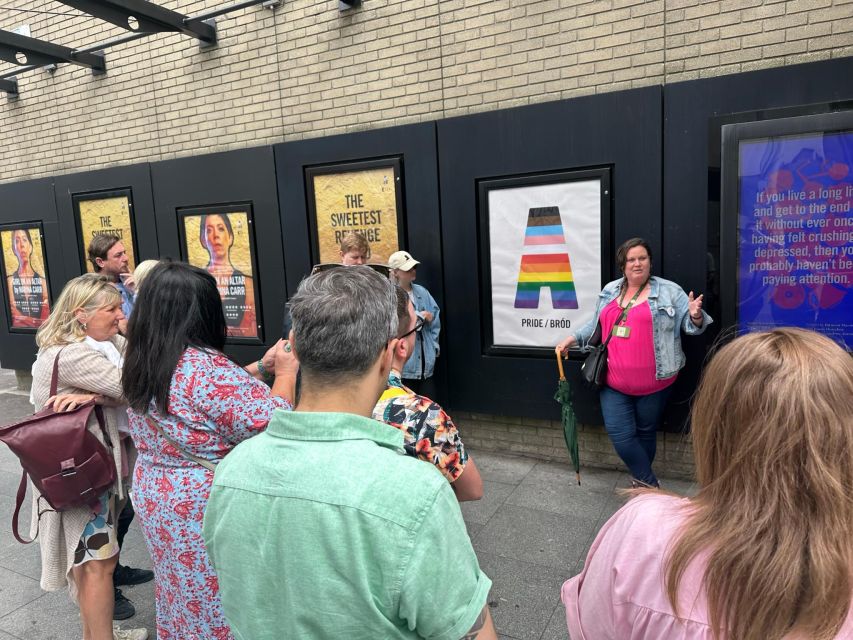
Liberty Hall is one of the most important stops because it is linked with the first Pride protest discussed on the tour. That detail places Irish LGBTQ+ activism within the broader story of public protest and civil rights.
A Pride event can look very different depending on the political climate. In a place where legal and social acceptance is still developing, marching in public can be an act of courage rather than simply a celebration. Liberty Hall lets the guide explain that earlier atmosphere and the risks faced by people who demanded recognition.
This part of the walk is valuable because it avoids presenting equality as something that arrived automatically. Legal change came after organizing, public protest, personal testimony, and sustained pressure. You get a clearer sense of how a movement grows from small acts of visibility into national change.
The stop also gives the tour emotional weight. The story is not only about legislation. It is about people claiming space in their own city and insisting that their lives deserved to be seen.
More History Walking Tours in Dublin:
- Deliciously Dublin: The Artisan Donut Walking & History Tour
★ 5.0 · 329 reviews - Dublin: Macabre History Walking Tour
★ 4.9 · 95 reviews - Semi-Private (8people max) 2.5 Hr Dublin Walking Tour
★ 5.0 · 69 reviews - History and Hauntings of Salem Guided Walking Tour
★ 5.0 · 14,564 reviews
Trinity College and the Sexual Liberation Movement
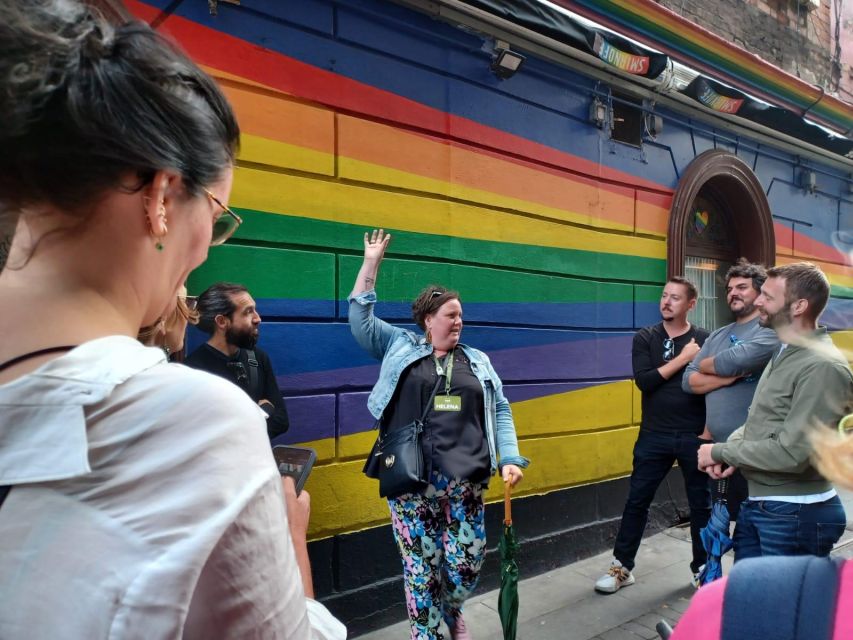
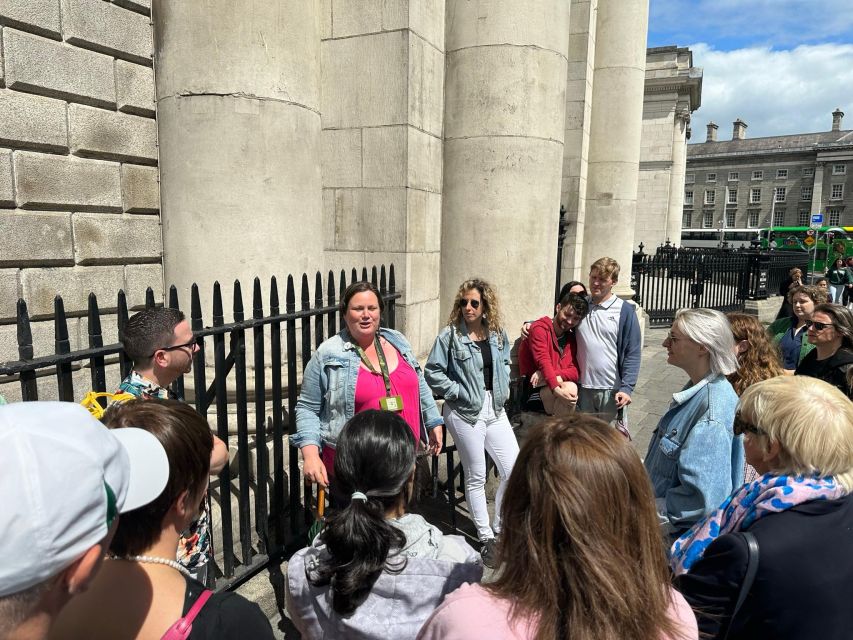
The route continues past Trinity College, where the discussion turns to the Sexual Liberation Movement. Trinity is a natural setting for a conversation about changing attitudes, student activism, education, and the way ideas move from private discussion into public action.
This section should appeal to you if you enjoy social history more than a simple list of dates. The movement is presented as part of a wider challenge to older ideas about sexuality and identity. The guide connects the places you are seeing with the debates that shaped modern Ireland.
Trinity College is also a useful reminder that historic change rarely comes from one group alone. Students, campaigners, legal advocates, public figures, and ordinary people all contribute in different ways. The tour’s strength is its effort to place those strands together.
As with the other stops, you are mainly viewing the location from the street. The route is not a college interiors tour. Its purpose is to use Trinity as a setting for discussion, so you should book it for interpretation rather than access to campus buildings.
Dr Lydia Foy and the fight for gender recognition
Dr Lydia Foy’s story is one of the tour’s most important sections. Her experience is used to explain the long campaign for legal recognition of gender identity and the significance of the Gender Recognition Act.
This subject gives the tour a clear link to present-day rights. It shows that LGBTQ+ history is not only about gay and lesbian activism, Pride marches, or well-known entertainment figures. Trans rights and legal identity are a central part of the story too.
The discussion also illustrates how slow legal change can be. Campaigns for recognition may continue for years, even when public awareness has begun to shift. By including Dr Foy, the tour shows the human cost of being denied official recognition and the persistence needed to change the law.
I appreciate that this topic appears alongside stories of celebration and public Pride. It keeps the tour from becoming too cheerful or too tidy. Ireland’s progress is real, but the route makes clear that progress came through conflict, patience, and personal sacrifice.
Hirschfield Centre, Diceman’s Corner, and The George
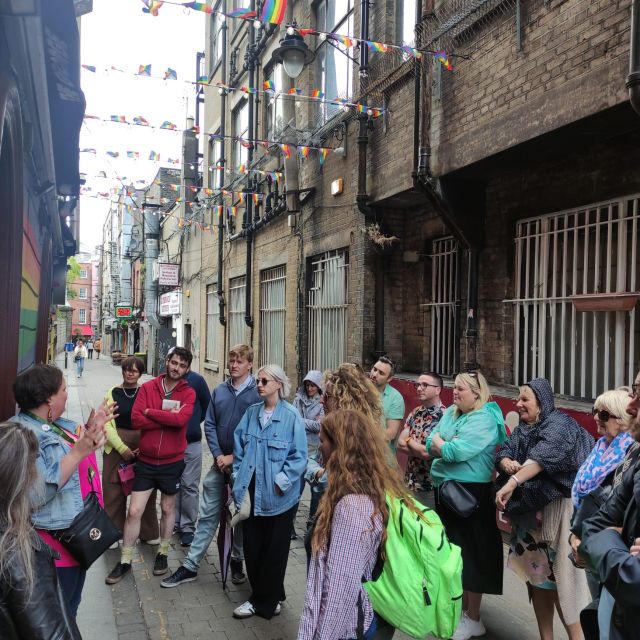
The walk also passes several places with a more social and community-focused connection to Dublin’s queer life. These include the Hirschfield Centre, Diceman’s Corner, and The George.
The Hirschfield Centre adds another layer to the story by pointing toward community organization and support. A movement needs more than public demonstrations. It also needs meeting places, advice, friendship, and spaces where people can gather safely. The stop helps explain that less visible side of activism.
Diceman’s Corner brings the route into a more personal and cultural setting. Places connected with nightlife and social life matter because community is built in ordinary conversations as well as political campaigns. The guide uses these locations to show how queer Dublin developed its own gathering points.
The George is described as Ireland’s most iconic LGBTQ venue. Its presence on the route gives you a clear example of a place that is both social and symbolic. For many people, venues such as this offer a public space for celebration and connection. They also show how much city life has changed from the days when LGBTQ+ people had fewer safe places to meet.
These stops should not be confused with a pub crawl. The included experience is a guided walking tour, not a package of drinks or entry to venues. You pass important locations and hear their stories. If you want nightlife afterward, The George may help you decide where to continue, but that is separate from the tour itself.
From exclusion to marriage equality
The tour’s larger story is Ireland’s shift from exclusion and abuse toward equal rights and marriage equality. That change is one reason this walk offers more than a niche subject. It helps you understand a major part of modern Irish society.
The guide places legal progress alongside the people who pushed for it. You hear about civil rights agitators, Pride pioneers, campaigners for gender recognition, and public figures who made queer life harder to ignore. Their paths were different, but together they helped change public discussion.
The story is also described as checkered, which is important. Ireland’s movement toward equality was not smooth or complete. A thoughtful tour should leave room for both pride and criticism, and this one appears designed to do that.
You may come away with a better understanding of why marriage equality is such a significant milestone. It was not simply a change in legal paperwork. It reflected a much wider shift in how the state, the media, public institutions, and communities treated LGBTQ+ people.
Why the $27 price can be good value
At $27 per person, this is fairly priced for a two-hour specialist tour with a live English-speaking guide. You are not paying for admission to a major attraction. You are paying for the guide’s preparation, interpretation, and ability to connect scattered places into one understandable story.
That matters in Dublin, where many important LGBTQ+ sites are not marked with large signs. Without a guide, you might walk past Liberty Hall, Diceman’s Corner, or other locations without knowing their relevance. The tour turns ordinary streets into a connected lesson in social history.
The value is strongest if you want context and conversation. It is less useful if you mainly want interior access, entertainment, or a fast overview of famous Dublin sights. A standard city tour would cover more general attractions, while this walk gives you a narrower and more personal subject.
The experience has a five-star rating from 24 reviews, with repeated praise for Helena’s warmth, humor, energy, and ability to make difficult subjects interesting. That pattern suggests the guide is a major part of what you are buying, not just the route itself.
Practical planning for the two-hour walk
Wear comfortable shoes. The activity takes place on foot, and the supplied information does not promise seating at each stop. Dublin weather can change quickly, so a light waterproof layer is sensible, although only comfortable footwear is specifically listed as something to bring.
The tour is wheelchair accessible. If access needs are important to you, you can still confirm the details when booking, but the activity is presented as suitable for wheelchair users.
The live tour is in English. You should choose it only if you are comfortable following a spoken history tour in that language. Since the route includes political, legal, and social topics, being able to follow the guide closely will make a big difference.
You can cancel up to 24 hours in advance for a full refund, and the reserve-now, pay-later option gives you some flexibility. Check the available starting times before booking, since the exact departure time is not fixed in the information provided.
Who will enjoy this Dublin walking tour?
I would recommend it to anyone interested in LGBTQ+ history, civil rights, Irish social change, or the personal stories behind public movements. It also suits repeat visitors who have already seen Dublin’s headline attractions and want a more focused way to understand the city.
Families with older children or teenagers may find it worthwhile. One parent specifically took the tour with a teenage son, who enjoyed it as much as the adult. The guide’s humor and friendly manner can help keep the subject approachable for younger people.
It is also a good choice for LGBTQ+ visitors looking for a meaningful connection with Dublin. You do not need to identify as LGBTQ+ to appreciate it, though. The tour is really about how a community fought for visibility, safety, dignity, and equal treatment.
You may want to skip it if you dislike walking, prefer silent sightseeing, or want a tour centered on Dublin Castle, museums, or architecture. You also need to be ready for difficult material. The guide balances serious moments with humor, but the history cannot be separated from discrimination and abuse.
Should you book it?
Book this tour if you want to understand Dublin through the people and campaigns that changed Irish attitudes. The strongest reasons are Helena’s engaging style, the clear range of locations, and the way the walk links personal stories with national events.
At $27, it offers good value for a focused two-hour experience, especially if you would otherwise pass these sites without knowing their importance. Bring comfortable shoes, arrive outside the Old Storehouse with the green umbrella in mind, and expect a thoughtful conversation rather than a conventional sightseeing checklist.
FAQ
How long does the Dublin LGBT Pride walking tour last?
The tour lasts two hours.
What language is the tour in?
The live guided tour is in English.
Where does the tour start?
Meet your guide directly outside the Old Storehouse Bar & Restaurant. Look for someone carrying a green umbrella.
Where does the tour finish?
The tour ends back at the meeting point.
What places does the tour visit or pass?
The route includes the General Post Office, Liberty Hall, Trinity College, the Hirschfield Centre, Diceman’s Corner, and The George.
Which people are discussed on the tour?
The tour includes stories about Dr Lydia Foy, Panti Bliss, Irish revolutionaries, civil rights campaigners, Pride pioneers, and gender identity campaigners.
Is the walking tour wheelchair accessible?
Yes, the activity is listed as wheelchair accessible.
What should I bring?
Bring comfortable shoes for the two-hour walk.
Can I cancel the tour for a refund?
Yes. You can cancel up to 24 hours in advance for a full refund.
Just added around Dublin
- Dublin: Macabre History Walking Tour★ 4.9 · 95 reviews
- Wicklow Historic Gaol: 1-Hour Tour★ 4.4 · 56 reviews
- The History of Dublin With Locals: 1916 Easter Rising PRIVATE Tour★ 5.0 · 73 reviews
- Dublin Historical Centre Private Food Tour with 8 Food Tastings★ 5.0 · 152 reviews
- Semi-Private (8people max) 2.5 Hr Dublin Walking Tour★ 5.0 · 69 reviews
- Dublin Private Highlights & History of 1916 Easter Rising Tour★ 5.0 · 154 reviews
- Deliciously Dublin: The Artisan Donut Walking & History Tour★ 5.0 · 329 reviews
- Dublin’s Haunted History Walking Tour★ 4.3 · 345 reviews
History Walking Tours, compared.

History and Hauntings of Salem Guided Walking Tour
Read our review →
Freedom Trail History Small Group Walking Tour
Read our review →
Historic Charleston Guided Sightseeing Walking Tour
Read our review →
Tapas Walking Tour with Food, Wine, and History
Read our review →
Savannah History and Haunts Candlelit Ghost Walking Tour
Read our review →
A History of Terror – Belfast City Centre Walking Tour
Read our review →Browse the lists this tour appears in