
Review · DUBLIN
Interactive Guided Tour of Printing History
Printing changed the world in ways you can still see in daily life. At Dublin’s National Print Museum, a one-hour guided tour turns that big idea into something physical: type you can arrange, ink you can handle, and a press you can operate.
I like two things right away. First, you get to see an original 1916 Proclamation, one of Ireland’s most important printed documents. Second, the collection is made for working, not just staring at objects behind glass. The main drawback is the short running time, since an hour gives you a lively introduction but not time to study every machine.
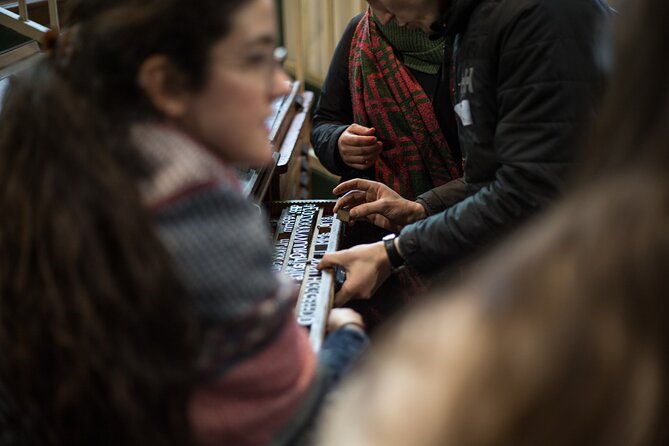
I also like the small group limit of 10 people. That matters here because the best parts involve demonstrations and hands-on activities. Guides such as Ciarán, Anne, Ann, and Jacinda have been praised for making the subject clear and entertaining, especially for children.
Key points to know before booking
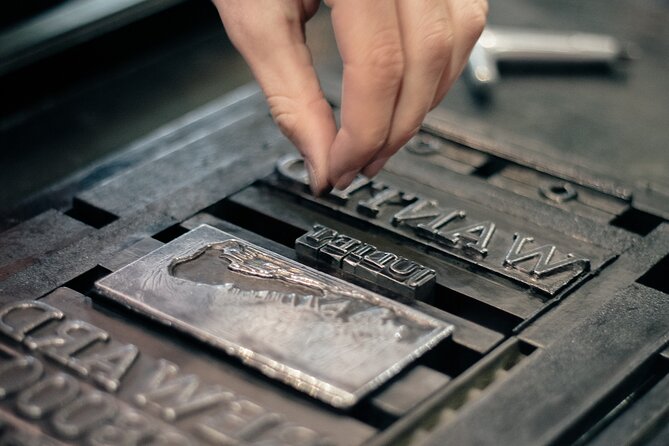
- Handle the printing process yourself: You can compose your name in type and print a poster to take home.
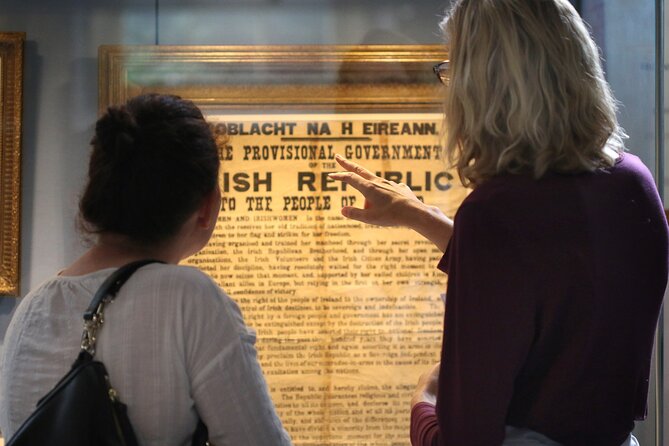
- See the 1916 Proclamation: The original document gives the visit a direct link to Irish political history.
- Expect an engaging guide: Ciarán and Anne are especially noted for humor, songs, stories, and clear explanations.
- Plan for about one hour: The tour is compact, so it fits neatly into a Dublin sightseeing day.
- Small groups improve the experience: A maximum of 10 people makes it easier to see demonstrations and take part.
- Add time for the cafe and shop: The museum has a cafe and gift shop, both useful if you want to linger after the tour.
Why Dublin’s printing museum is worth your time
Dublin has famous literary and historic sights, but this museum offers a different angle. Instead of only reading about books, newspapers, politics, and public debate, you see the machines and methods that helped put words into people’s hands.
That physical side is the reason I think this visit works so well. Printing was slow, skilled work for much of the last few centuries. Type had to be arranged letter by letter. Ink had to be applied evenly. Paper had to meet the press at the right moment. The tour makes that effort easier to understand because you do not just look at a finished page.
The museum also helps explain why printing mattered beyond literature. Printed words spread political ideas, religious arguments, news, instructions, and public announcements. In Ireland, that connection becomes especially clear when you see the 1916 Proclamation.
For children, the museum offers a welcome change from rooms where the main rule is do not touch. For adults, the visit connects familiar expressions and everyday printed material with the tools that produced them. One guide explained the origin of mind your p’s and q’s, a small detail that shows how printing found its way into ordinary speech.
More Guided Tours in Dublin:
- Historical 2-Hour Guided Walking Tour of Dublin
★ 4.7 · 865 reviews - DayTripper Dublin: A Guided City Walking Tour
★ 5.0 · 90 reviews - Full-Day Irelands Ancient Boyne Valley Private Guided Tour
★ 5.0 · 36 reviews
Arriving at the National Print Museum on Haddington Road
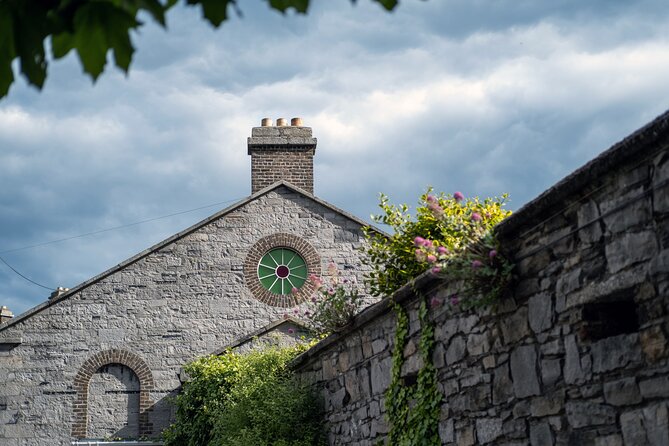
The tour begins at the National Print Museum, Haddington Road, Dublin, D04 E0C9. It ends at the same place, so you do not need to arrange a second meeting point or find your way across town after the tour.
The museum is near public transportation, which makes it practical to add to a day in Dublin. The information provided does not specify a particular bus or tram route, so check your route planner before leaving. A mobile ticket is accepted, and confirmation is supplied when you book.
The building and its surroundings have received warm praise for being well maintained. You may want to arrive with enough time to get oriented rather than walking in at the last second. The tour lasts approximately one hour, but the cafe and shop give you a reason to stay longer.
The group limit is 10 people. That is a useful detail, not just a number. In a large group, a demonstration involving small pieces of type can be hard to see. A smaller group gives you a better chance to hear the guide and take your turn at the practical parts.
Gutenberg, movable type, and the change in everyday life
The tour begins with the printing press and Johannes Gutenberg’s invention in 1439. You are not simply given a date and sent onward. The guide shows how printing methods worked over the centuries and why the press had such a broad effect.
I like this kind of introduction because it gives the machines a purpose. You begin to see printing as a system rather than a collection of old equipment. A press is not interesting only because it is old. It is interesting because it changed how quickly and widely people could share ideas.
The demonstrations are a strong part of the experience. You might see how type is composed, how ink is used, and how the press transfers words or images onto paper. The museum’s working collection helps make these steps easier to follow.
The tour also gives you small links to modern language. Learning where a phrase such as mind your p’s and q’s came from adds a little humor to the technical explanation. Children can enjoy the odd phrases and moving parts, while adults can think about how much work went into printed material before digital tools.
The 1916 Proclamation gives the tour a serious center
The original 1916 Proclamation is the most important single object on this visit. It is not just an old sheet of paper. It is a printed document tied directly to one of the defining political moments in Irish history.
Seeing the actual artifact helps you understand the power of printed words in a way a reproduction cannot quite match. The document had to be produced, distributed, and read at a time when printing was a physical and political act. The guide explains its production story, adding useful context to the object itself.
This is where the museum connects particularly well with Dublin’s other major literary and historic attractions. If you have visited the Book of Kells and Trinity Library, the National Print Museum makes a good companion stop. Trinity shows the beauty and age of the handwritten book tradition. The print museum shows another stage in the spread of the written word.
The Proclamation also keeps the tour from becoming only a machinery lesson. You see that presses could produce political documents with real consequences. The visit stays approachable, but it does not treat printing as a minor craft.
A few more history tours around Dublin worth a look
- Dublin Historical Centre Food Tour with 8 Food Tastings & Drinks
★ 5.0 · 1,718 reviews - 2-Hour Historical Walking Tour from Dublin
★ 5.0 · 875 reviews - Celtic Boyne Valley & Ancient Sites Day Tour From Dublin
★ 4.5 · 865 reviews - From Dublin: Celtic Boyne Valley and Ancient Sites Tour
★ 4.5 · 618 reviews
The hands-on printing activity is the main attraction
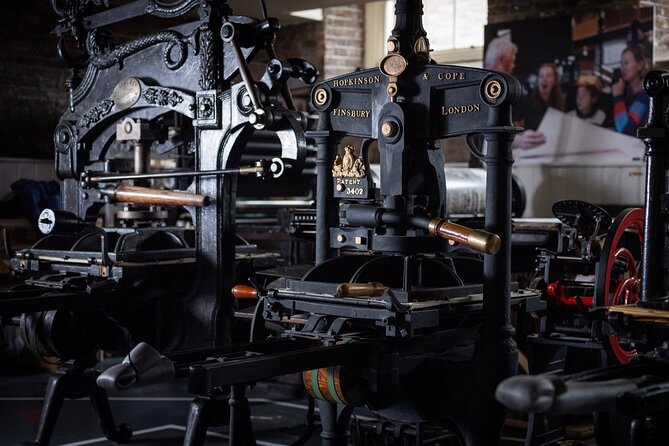
The most memorable part is the chance to compose your own name in type and print a personalized poster. This is where the tour moves from explanation to participation.
You handle the individual letters, arrange them, and see how the pieces become a finished printed item. It is a simple activity, but it gives you a better sense of the work involved. A modern printer can produce text with a few clicks. Here, each letter has to be placed correctly, and the final result depends on careful preparation.
You can take the poster home, which gives the visit a useful souvenir rather than a generic gift-shop purchase. It also makes the activity work well for families. A child may not remember every date from the tour, but handling type and carrying home a printed poster creates a clear memory of how the process worked.
The experience may leave you with ink on your hands. That is part of the charm, though I would not choose your finest clothing for an activity involving old presses and printing ink. The supplied information does not give specific clothing advice, so treat that as a practical precaution rather than a museum rule.
The hands-on element is also good for adults. It is easy to understand printing in theory, but arranging type yourself shows how much patience and precision the craft required.
Guides make the difference in this compact tour
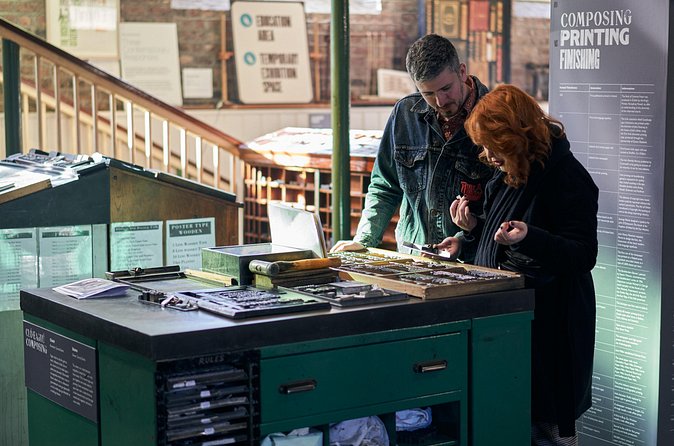
The quality of the guide matters because the subject could otherwise become technical. The strongest guide comments focus on Ciarán, Anne, Ann, and Jacinda.
Ciarán is especially praised for working well with families. His use of jokes and songs helps hold the attention of young children, including children aged four, seven, and nine. That is a useful sign if you are deciding whether the tour will suit your family. The explanations are not presented as a lecture aimed only at adults.
Anne is described as friendly and enthusiastic, with a talent for making the printing activity enjoyable. Ann has also shared her favorite typefaces, which adds a personal touch for anyone interested in letter design. Jacinda is praised for making the printed words feel lively and clear.
Guide assignments can change, so you should not book on the assumption that one particular person will lead your tour. The useful point is that the experience depends heavily on staff who enjoy the subject and know how to make it accessible.
The guide also controls the pace. With only an hour, good storytelling matters. The best version of this visit gives you enough background to understand the presses, then moves you toward the demonstrations before attention fades.
A good family outing, with enough for adults too
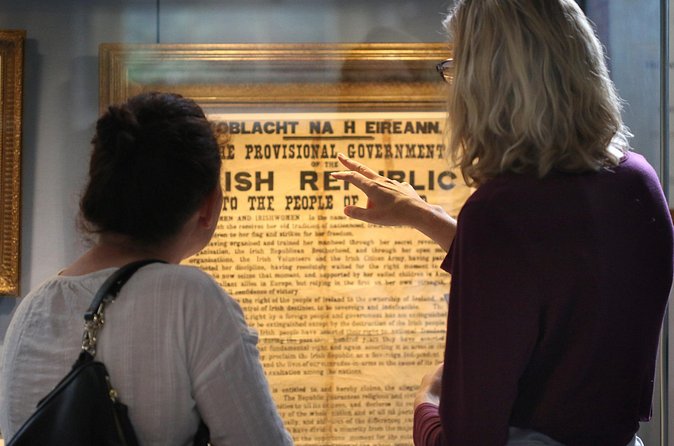
I would recommend this most strongly to families with school-age children, people interested in Irish politics, readers, writers, designers, and anyone who likes practical museum experiences.
Young children have moving machinery, printing demonstrations, jokes, songs, and a chance to make something. Older children can connect the visit to history, media, and technology. Adults get the deeper story of how printed material shaped public life.
It also works well for a couple or solo visitor who wants something different from Dublin’s better-known stops. The museum is compact, and the guided format gives your visit focus. You do not need to arrive with specialist knowledge of typefaces or printing.
The main limitation is that this is not a full afternoon attraction by itself. The guided portion lasts about an hour. If you want to examine every press closely, browse the gift shop, or use the cafe, allow extra time beyond the stated tour length.
The tour is offered in English. Most people can participate, and service animals are allowed. The supplied details do not provide a full accessibility description, so you should contact the museum directly if you need specific information about surfaces, seating, or access inside the building.
Price, timing, and overall value
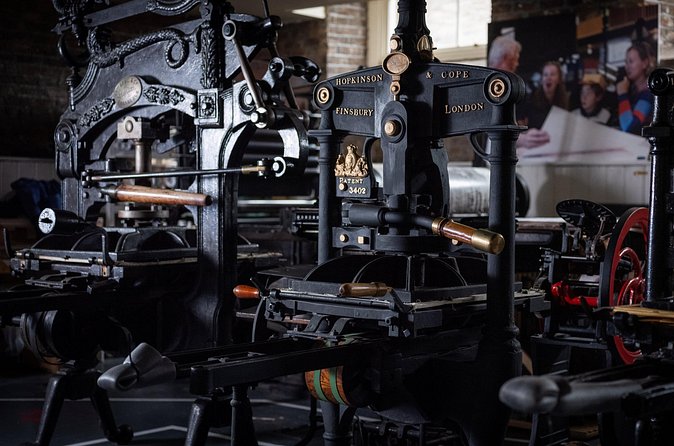
At $7.20 per person, this is an inexpensive Dublin activity. The value is particularly good because the price includes more than entry to a room of objects. You receive a guided explanation, live demonstrations, and a practical printing activity with a poster to take home.
The low price also makes it easy to fit into a wider day. You can visit the museum without giving up a major part of your sightseeing budget or schedule. A one-hour tour is short enough to combine with other stops, while the small group size adds a more personal feel than a large general admission crowd.
The price is less attractive if you are hoping for a long, detailed workshop. This is an introduction, not a full course in letterpress printing. You get a taste of the craft and its history, not extended time at a press.
Book around five days ahead if your schedule is fixed. That is the average booking pattern provided for this activity, and the maximum of 10 people can make popular times less flexible. Free cancellation is available if you cancel at least 24 hours before the start time. Changes or cancellations inside that window are not accepted for a refund.
Cafe, gift shop, and a little extra time
The museum has a cafe beside or near the exhibition area, and it has been praised as a pleasant, reasonably priced place to stop. The tour itself does not include a cafe visit, so treat it as an optional extra.
The gift shop is useful if you want a souvenir connected to printing rather than a standard Dublin keepsake. You might find unusual presents linked to type, books, or the written word. The details provided do not list particular products, so I would not plan a purchase around a specific item.
The grounds and facilities are also described as well maintained. If the weather is good, give yourself a little time to enjoy the setting rather than rushing away when the guided hour ends.
Should you book this Dublin printing tour?
Yes, if you want a short, affordable activity with real participation. The combination of the 1916 Proclamation, working presses, lively guides, and a poster you print yourself gives the museum more substance than its low price suggests.
I would book it for a family day, a literary-themed Dublin itinerary, or a break from grand buildings and display cases. It is also a smart companion to Trinity College’s Book of Kells because the two experiences show different stages in the life of the written word.
Skip it only if you want a long workshop or have no interest in books, politics, design, machinery, or hands-on museums. For everyone else, this is a compact stop with a clear payoff: you leave understanding printing better, and you carry home something you made yourself.
FAQ
Where does the guided tour begin?
It begins at the National Print Museum on Haddington Road, Dublin, D04 E0C9, Ireland.
Where does the tour end?
The activity ends back at the National Print Museum meeting point.
How long does the tour last?
The guided experience lasts approximately one hour.
What language is the tour offered in?
The tour is offered in English.
How many people can join the tour?
The tour has a maximum group size of 10 people.
Can I print something during the visit?
Yes. You can compose your own name in type and print a personalized poster to take home.
Is the museum suitable for children?
Most people can participate, and the guided activities have been made engaging for children, including young children. Jokes, songs, demonstrations, and hands-on printing are part of the experience.
Can I cancel for a full refund?
Yes. You can cancel at least 24 hours before the experience start time for a full refund. Cancellations or changes made less than 24 hours before the start time are not accepted for a refund.
Just added around Dublin
- Private Dublin Historical and Heritage Tour by Bike★ 5.0 · 30 reviews
- DayTripper Dublin: A Guided City Walking Tour★ 5.0 · 90 reviews
- Historical Walking Tour of Dublin★ 5.0 · 50 reviews
- Dublin LGBTQ Pride Historical and Cultural Walking Tour★ 5.0 · 91 reviews
- Full-Day Irelands Ancient Boyne Valley Private Guided Tour★ 5.0 · 36 reviews
- Interactive Living History in Dalkey Castle near Dublin City★ 5.0 · 133 reviews
- Hidden Dublin: Haunted History Walking Tour v2.0 2026★ 4.5 · 188 reviews
- Glendalough Night Hike and History Tour★ 5.0 · 55 reviews
Dublin History Tours, compared.
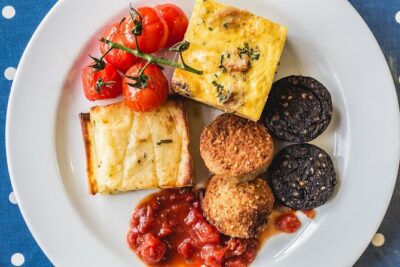
Dublin Historical Centre Food Tour with 8 Food Tastings & Drinks
Read our review →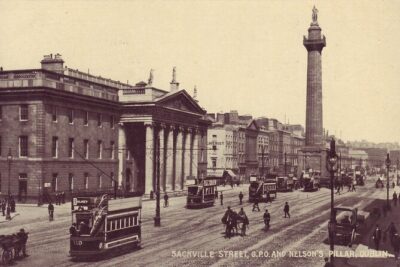
Historical 2-Hour Guided Walking Tour of Dublin
Read our review →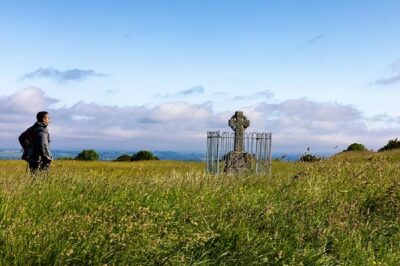
Celtic Boyne Valley & Ancient Sites Day Tour From Dublin
Read our review →
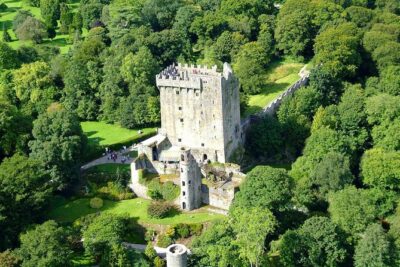
Dublin to Cork, Blarney Castle & Cóbh Heritage Centre by train
Read our review →
Jeanie Johnston Tall Ship Irish Famine History Tour
Read our review →
Browse the lists this tour appears in