
Review · DUBLIN COUNTY
Dublin: Jeanie Johnston Tall Ship Irish Famine History Tour
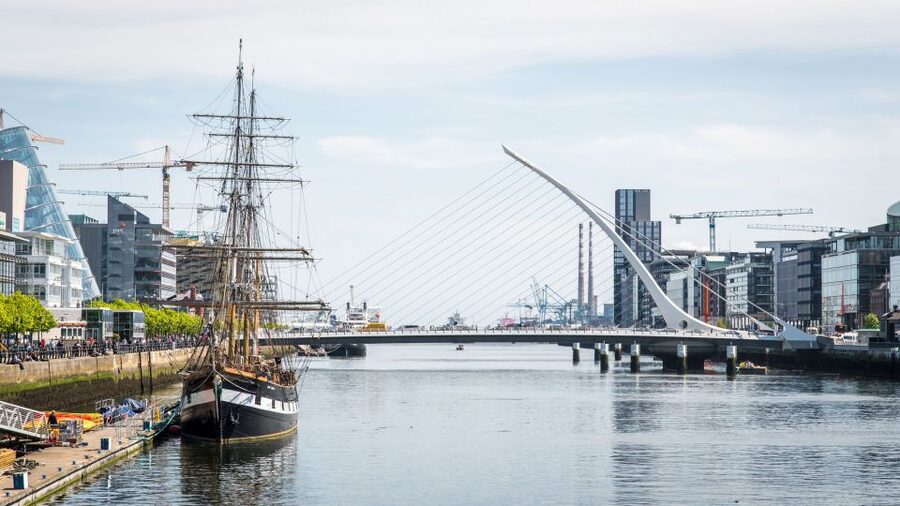
Famine stories come alive below deck. The Jeanie Johnston gives Dublin’s past a physical setting: creaking timber, low ceilings, tight bunks, and the North Dock outside. I like the way the tour connects national history with the personal stories of passengers and crew. I also like its tidy 50-minute length, which fits neatly into a morning or afternoon of sightseeing. The main drawback is access: narrow ship spaces, stairs, and uneven movement make this a poor choice for wheelchair users or anyone with limited mobility.
The tour is guided in English, and the storytelling is its real strength. Guides including Steve, Claire, Owen, Eoin, Katrina, Catriona, Ronan, and Gearoid have been praised for mixing clear facts with humor and warmth. At $16 per person, it offers solid value, especially for families and first-time visitors who want more than a quick photograph of a ship.
Key points to know before boarding
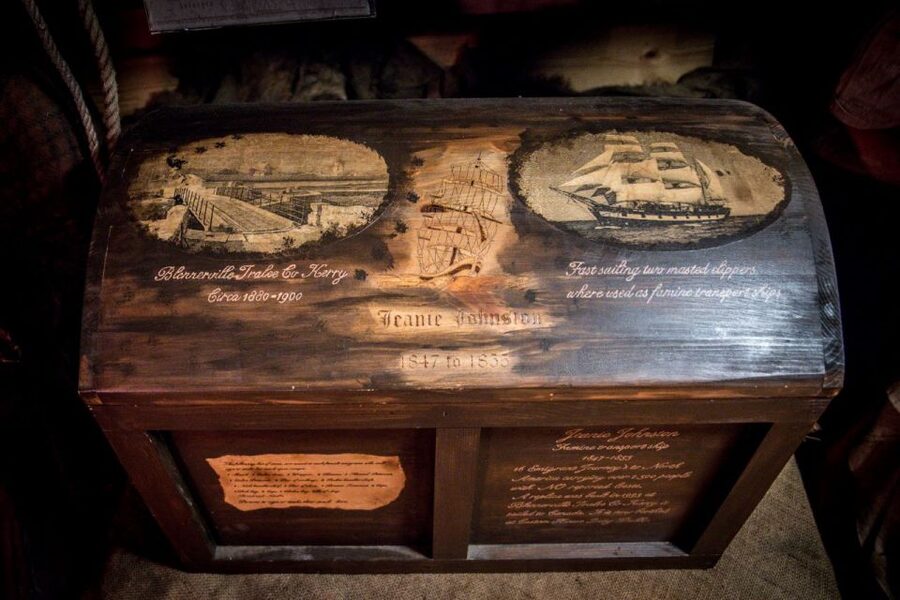
- The ship tells a human story: You hear about individual passengers, how they paid for their crossing, what they ate, and what happened after reaching America.
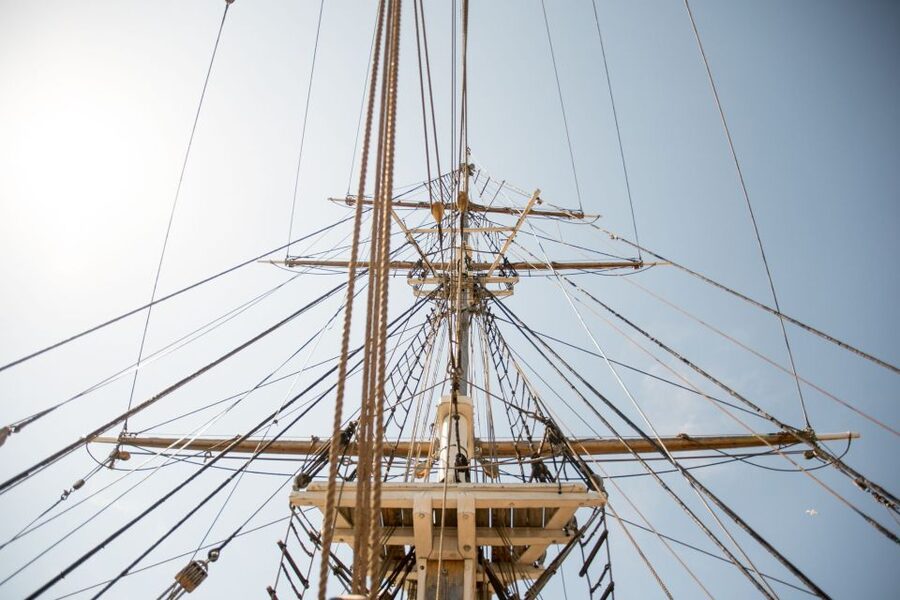
- The upper deck starts the tour: You see the masts, timberwork, and Docklands from the deck while learning how the original ship changed from carrying timber to carrying people.
- Below deck is the emotional center: Cramped quarters show why famine voyages were dangerous, uncomfortable, and often deadly.
- The tour lasts about 50 minutes: It is long enough to explain the ship and famine migration without taking over your day.
- The guide can make or break the visit: Steve, Claire, Owen, Eoin, Katrina, Catriona, Ronan, and Gearoid have all been singled out for strong storytelling and friendly answers.
- Comfortable shoes matter: The ship is not recommended for people with mobility impairments and is not suitable for wheelchair users.
Why the Jeanie Johnston matters in Dublin
Dublin has plenty of grand Georgian buildings, museums, and pub-lined streets. The Jeanie Johnston offers something different: history you encounter inside the place where it happened. You are not just reading about famine migration. You are standing in a reconstructed sailing ship designed to show how people crossed the Atlantic under harsh conditions.
During the famine years, about one million Irish people left Ireland. Around 2,500 passengers made the voyage on the Jeanie Johnston across its journeys. Their reasons were practical and painful. Food shortages, poverty, eviction, and the hope of finding work pushed families toward a dangerous trip overseas.
That scale matters. The famine was not only a story of failed crops and political decisions. It was also a story of families trying to stay alive, paying for passage, choosing what little they could carry, and facing an uncertain future in another country.
I find the ship especially useful for putting numbers into human terms. A figure such as one million emigrants can feel distant. A narrow sleeping area and a personal story make it easier to understand what one part of that movement meant for an ordinary family.
A few more history tours around Dublin worth a look
- Dublin Historical Centre Food Tour with 8 Food Tastings & Drinks
★ 5.0 · 1,718 reviews - 2-Hour Historical Walking Tour from Dublin
★ 5.0 · 875 reviews - Celtic Boyne Valley & Ancient Sites Day Tour From Dublin
★ 4.5 · 865 reviews
Starting on the upper deck
The tour begins on the upper deck, where you get a proper look at the vessel before going below. This is the best place to appreciate the ship as a working tall ship rather than only as a museum exhibit.
You can see the masts and the craftsmanship of the replica. The guide explains the original Jeanie Johnston, then tells you how the replica was built. You also learn about the ship’s earlier career carrying timber before it began transporting people.
That change in purpose is worth noting. A vessel built to move cargo was not suddenly transformed into a comfortable passenger liner. The people carried across the Atlantic had to live within the limits of a working sailing ship. The design helps explain why the voyage became such a test of endurance.
The upper deck also gives you a different view of Dublin’s Docklands. You hear gulls, feel the wind, and look across the water from a ship rather than from the quay. The view is not the main reason to book the tour, but it adds atmosphere and gives you a good place for a photograph.
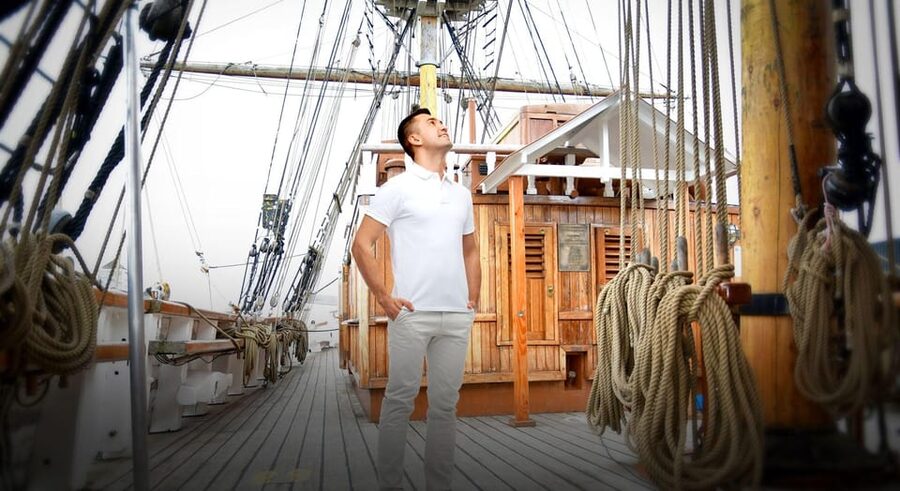
Bring comfortable shoes. You may need to move around the ship carefully, and the tour is not designed for people with limited mobility. If you have trouble with stairs or confined spaces, consider this before paying.
Going below deck into cramped quarters
The strongest part of the visit comes below deck. Here, you see the tight quarters where as many as 250 passengers spent most of their time. They were allowed only about half an hour of fresh air each day, a detail that quickly changes your sense of the ship.
You can imagine the lack of privacy, the smell, the noise, and the difficulty of resting while so many people shared a confined space. The setting makes the voyage feel physical. This is not a polished ocean liner with private cabins. It is a crowded ship carrying people whose lives had already been disrupted by hunger and poverty.
The tour explains the risks passengers faced, including illness, starvation, and disaster at sea. You also learn what they ate, how they paid for their crossing, and how they passed the time. Those details are important because they move the story away from a general lesson and toward daily life.
Personal stories help most here. You meet passengers and crew through the guide’s narration, with their choices and hardships used to explain the wider famine experience. The result can be emotional, but the presentation is not simply bleak. Guides use humor where it fits, answer questions, and keep the group involved.
Some of the ship’s figures and displays may feel vivid to younger children. One guide, Catriona, was praised for helping a ten-year-old visitor get past a fear of the mannequins. Another guide, Katrina, kept children aged eight and eleven involved by bringing them into the storytelling. That makes the tour a reasonable family choice, especially if your children can focus for about an hour.
The personal stories make the history stick
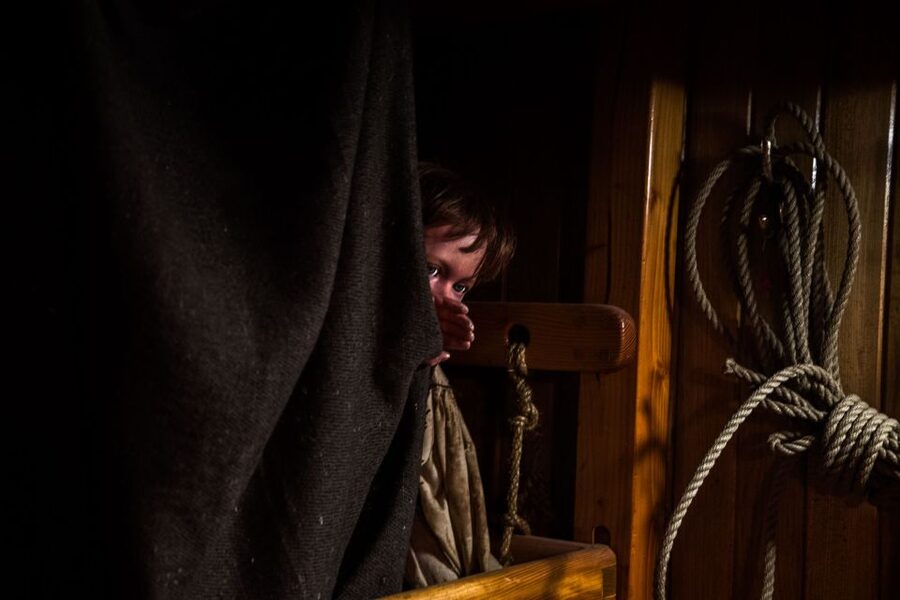
The tour’s most praised feature is the guide’s ability to make difficult history understandable. Steve has been described as clear, friendly, and entertaining, even with a group that included four children aged seven to fifteen. Claire has been praised for combining humor with strong factual detail. Owen answered questions carefully, while Eoin was noted for balancing seriousness with warmth.
Those names matter less than the pattern. This is a live guided tour, not an audio track or a room of silent displays. The guide can respond to the group, explain an unfamiliar term, and adjust the pace when children or curious adults ask questions.
You should feel free to ask questions. The experience works best when the guide can connect the ship’s details to what interests you. If you want to know about the passengers, food, payment for the journey, or life after arrival, those are all part of the story.
The tone also seems well judged. Famine history requires care, but a tour that is relentlessly grim can become hard to follow. The strongest guides use humor lightly, then return to the seriousness of the subject. That balance helps you stay engaged without making light of the suffering.
Same place, a different slice of the past:
- Historical 2-Hour Guided Walking Tour of Dublin
★ 4.7 · 865 reviews - From Dublin: Celtic Boyne Valley and Ancient Sites Tour
★ 4.5 · 618 reviews - Dublin to Cork, Blarney Castle & Cóbh Heritage Centre by train
★ 4.5 · 510 reviews - Dublin’s Haunted History Walking Tour
★ 4.3 · 345 reviews
What life was like during the Atlantic crossing
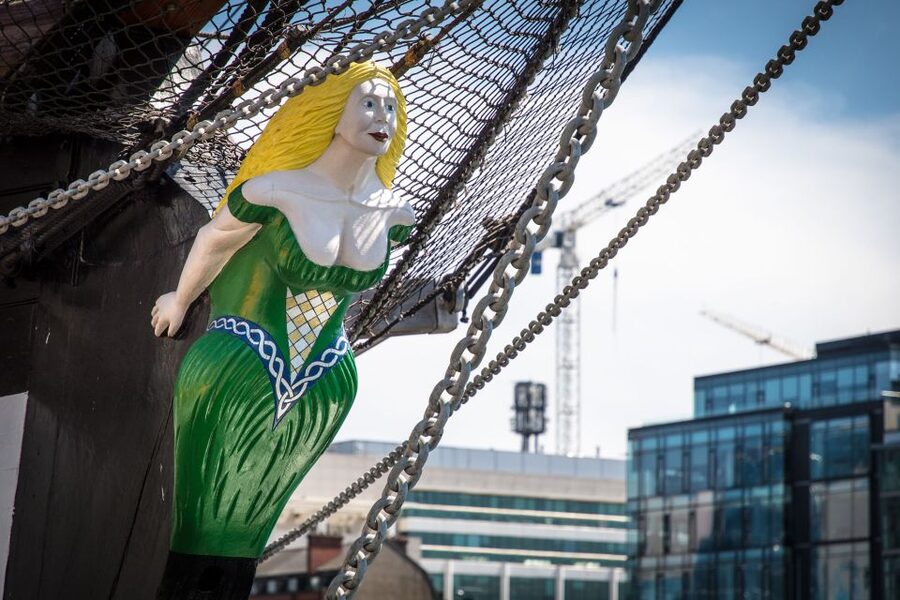
The crossing was not just a difficult trip. For many passengers, it was a gamble with an uncertain result. They were leaving a country in crisis and heading toward a destination where work, housing, and acceptance were not guaranteed.
On board, they dealt with limited space, poor conditions, disease, and the threat of starvation. The tour explains that passengers emerged for only a short period of fresh air each day. This detail gives you a clearer sense of how little control people had over their surroundings.
You also hear how they spent their time. That may seem like a small point, but it helps you picture the voyage as weeks of waiting rather than one dramatic moment. People had to sleep, eat, talk, worry, and care for children in the same crowded setting.
The final part of the story concerns what awaited passengers at their destination. The ship does not present emigration as a simple happy ending. Reaching America meant survival for some, but it also meant separation, hard work, and a completely changed life.
One striking fact included in the tour is that nobody died on the Jeanie Johnston’s 16 voyages to America. That does not make the journey comfortable or safe in general. Instead, it gives this particular ship a remarkable place in the wider story of famine migration, especially when compared with the disease and deaths associated with other famine ships.
How the 50-minute length affects the visit
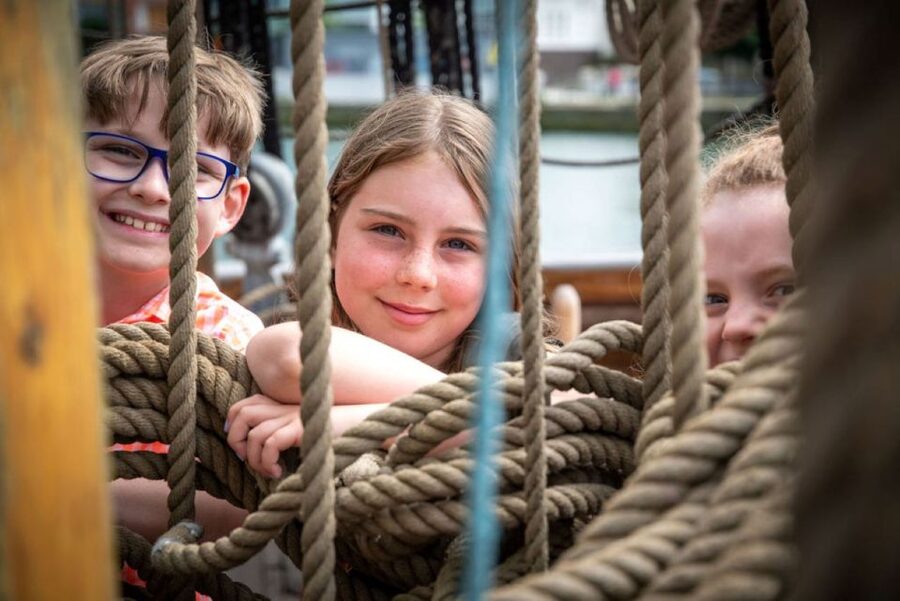
Fifty minutes is a useful length for this experience. It gives the guide time to cover the upper and lower decks, explain the ship’s past, and tell several passenger stories without turning the visit into a half-day commitment.
I would place it alongside other Docklands sights rather than treat it as a full-day activity. You can visit the ship, then continue exploring Dublin 1 on foot. The meeting point is at City Moorings, Custom House Quay, in Dublin’s North Dock area, and the tour ends back there.
The set duration also helps families. Children who might lose interest during a long museum visit have a clear beginning and end. Several young visitors remained engaged, but the subject is serious and the lower deck can feel intense, so parents should judge their children’s interest and comfort.
The short format does mean you cannot expect every part of famine history to receive equal attention. The tour focuses on the ship, the passengers, the crew, and the voyage. If you want a broad academic study of the famine, you will need another museum or book as well.
Is $16 good value?
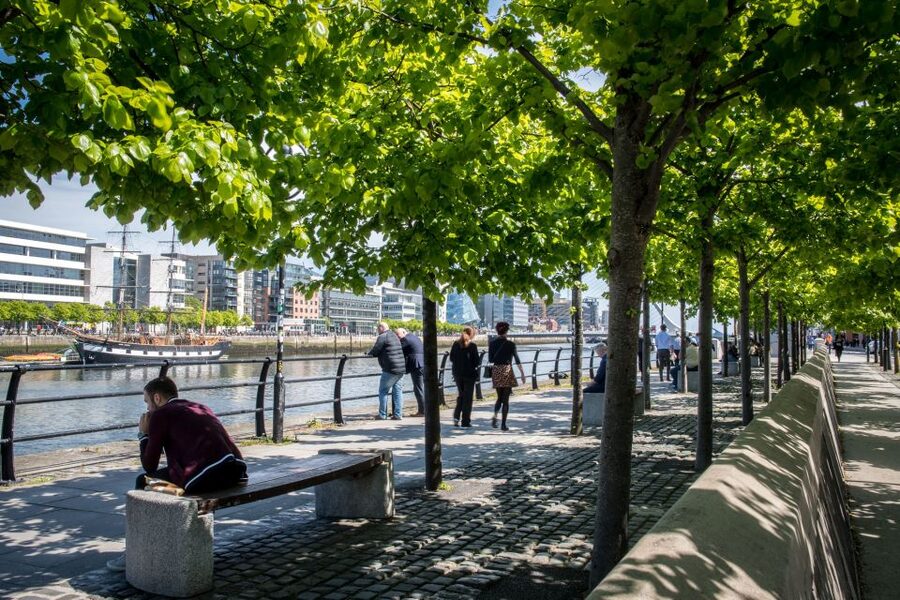
At $16 per person, I consider this a fair and useful Dublin attraction. You receive entrance to the ship and a live guided tour, not just access to a deck and a few signs.
The value comes from the combination of setting and explanation. A ship photograph by itself costs nothing, but it tells you very little. A guide who explains how the ship changed careers, how passengers paid for their passage, and how people lived below deck gives the visit much more weight.
The experience also avoids the time commitment of a larger attraction. For about 50 minutes, you get a focused history lesson in a memorable location. That makes the price easier to justify if you are interested in Irish history, family emigration stories, maritime history, or Dublin’s Docklands.
I would be less enthusiastic if you dislike guided tours or have no interest in famine history. The ship is attractive, but its real purpose is storytelling. Without the guide, you would miss much of what makes the visit worthwhile.
Practical advice for families and first-time visitors
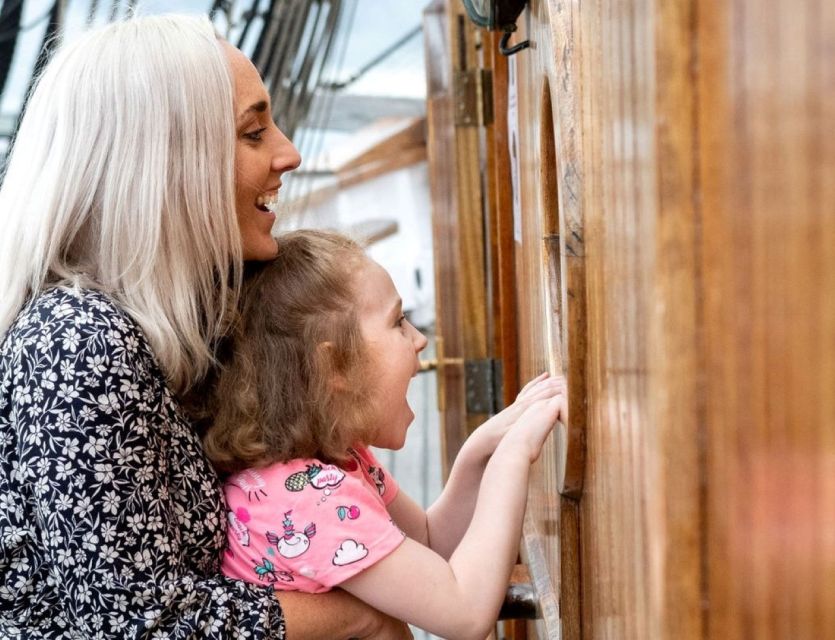
Wear shoes that feel secure and comfortable. The ship is not suitable for wheelchair users or people with mobility impairments, so check your own needs before booking.
The tour is in English. If you need another language, this experience may not suit you because English is the only language specified.
Arrive ready to listen rather than rush. The guide may ask where people are from and use that small introduction to get the group talking. This simple approach has helped create a friendly mood and makes the tour feel less like a lecture.
If you are visiting with children, prepare them for a serious subject and for the cramped lower deck. The right guide can keep children involved, answer repeated questions, and use humor to hold their attention. The tour has worked well for families with children from roughly primary-school age through the teen years, based on the age groups specifically described.
You may also want to allow time before or after the tour for photographs on the upper deck and around Custom House Quay. The ship is one of the area’s most photographed sights, and the Docklands setting gives you a useful change of view from central Dublin’s streets.
Who should book the Jeanie Johnston?
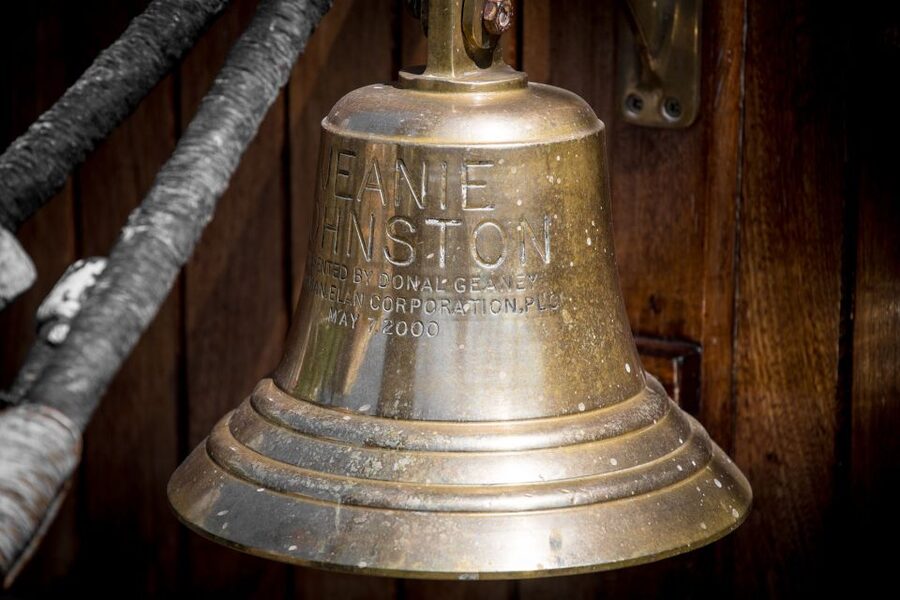
I recommend this tour if you want Irish history told through real people and a physical place. It suits first-time visitors who want a compact Dublin activity, families with school-age children, and anyone tracing Irish emigration or famine history.
It is also a good choice if you have already seen Dublin’s major churches and museums and want to explore the Docklands. The ship adds a different perspective, both literally and historically.
I would skip it if you need step-free access, dislike confined spaces, or want a long, self-guided visit. The 50-minute format is focused, and the English-language guide is central to the experience.
For the best result, book when you can give the tour your full attention. Listen for the small details about food, payment, fresh air, and the passengers’ possible futures. Those details are what turn a pretty tall ship into a powerful lesson about why people left Ireland.
FAQ
Where does the Jeanie Johnston tour start?
The tour starts at the Jeanie Johnston Tallship, City Moorings, Custom House Quay, Dublin 1.
Where does the tour finish?
The activity ends back at the meeting point on the ship.
How long does the tour last?
The guided tour lasts approximately 50 minutes. Starting times vary, so check availability when booking.
What language is the tour in?
The live guided tour is conducted in English.
What does the ticket include?
The ticket includes entrance and access to the guided tour of the Jeanie Johnston Tallship.
Is the tour suitable for wheelchair users?
No. The tour is not suitable for wheelchair users or people with mobility impairments.
Can I cancel for a full refund?
Yes. You can cancel up to 24 hours in advance for a full refund. You can also reserve now and pay later, according to the booking terms.
Should you book this Dublin ship tour?
Book it if you want a short, well-priced history experience with strong live storytelling. The ship, the cramped lower deck, and the personal accounts give famine migration a human scale that a standard city walk may not provide.
The best reason to go is the guide. Steve, Claire, Owen, Eoin, Katrina, Catriona, Ronan, and Gearoid have all shown the kind of clear, warm delivery that helps this difficult subject reach adults and children alike. Just wear comfortable shoes, expect stairs and confined spaces, and allow yourself time to listen. At $16, the Jeanie Johnston earns its place on a Dublin itinerary.
Just added around Dublin
- Dublin: LGBT Pride Walking Tour with Queer History★ 5.0 · 24 reviews
- Dublin: Macabre History Walking Tour★ 4.9 · 95 reviews
- Wicklow Historic Gaol: 1-Hour Tour★ 4.4 · 56 reviews
- The History of Dublin With Locals: 1916 Easter Rising PRIVATE Tour★ 5.0 · 73 reviews
- Dublin Historical Centre Private Food Tour with 8 Food Tastings★ 5.0 · 152 reviews
- Semi-Private (8people max) 2.5 Hr Dublin Walking Tour★ 5.0 · 69 reviews
- Dublin Private Highlights & History of 1916 Easter Rising Tour★ 5.0 · 154 reviews
- Dublin’s Haunted History Walking Tour★ 4.3 · 345 reviews
Dublin History Tours, compared.

Dublin Historical Centre Food Tour with 8 Food Tastings & Drinks
Read our review →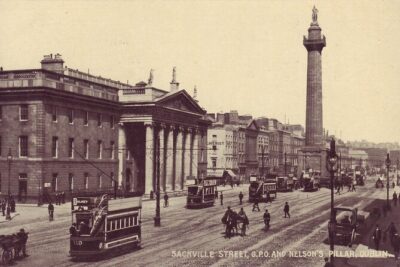

Historical 2-Hour Guided Walking Tour of Dublin
Read our review →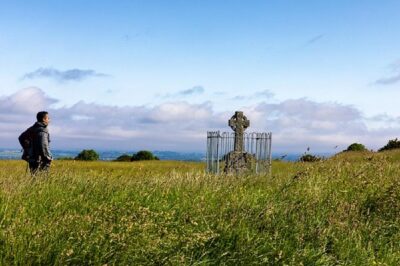
Celtic Boyne Valley & Ancient Sites Day Tour From Dublin
Read our review →

Dublin to Cork, Blarney Castle & Cóbh Heritage Centre by train
Read our review →

Deliciously Dublin: The Artisan Donut Walking & History Tour
Read our review →Browse the lists this tour appears in