
Review · CUSCO REGION
Cusco: Historic Walking Tour with Pisco Sour and Music Show
Cusco reveals itself on foot. This two-hour walk links the Plaza de Armas, Qoricancha, Inca stonework, and San Blas with a drink at the end. I like the small groups of up to 10 and the chance to visit a luthier’s workshop, an unusual stop that adds a local touch. I also like the mix of major sights and quieter streets.
The main catch is the price and tip arrangement. At $10, it looks like a paid tour, but it follows the style of a free walking tour where a tip may still be expected. The Andean music stop can also change if the venue is closed. Still, guides such as Erick, Nilo, and Niki have been praised for making the walk both fun and informative.
Key points to know before you go
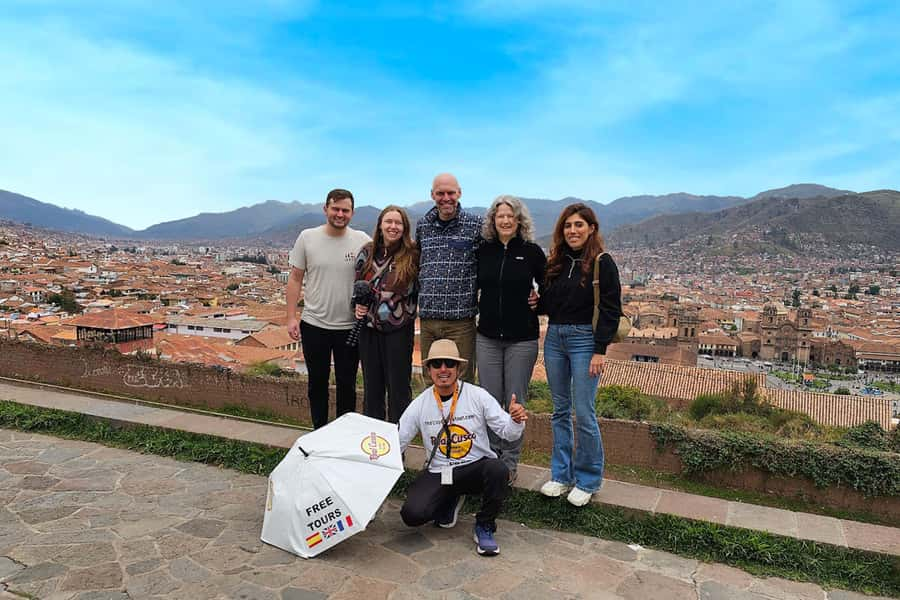
- The route begins by the Inca Fountain in the Plaza de Armas, where your guide carries a white umbrella.
- Qoricancha and Inca stonework anchor the history lesson, with stops for the 12 and 13 angled stones and the Andean Trilogy.
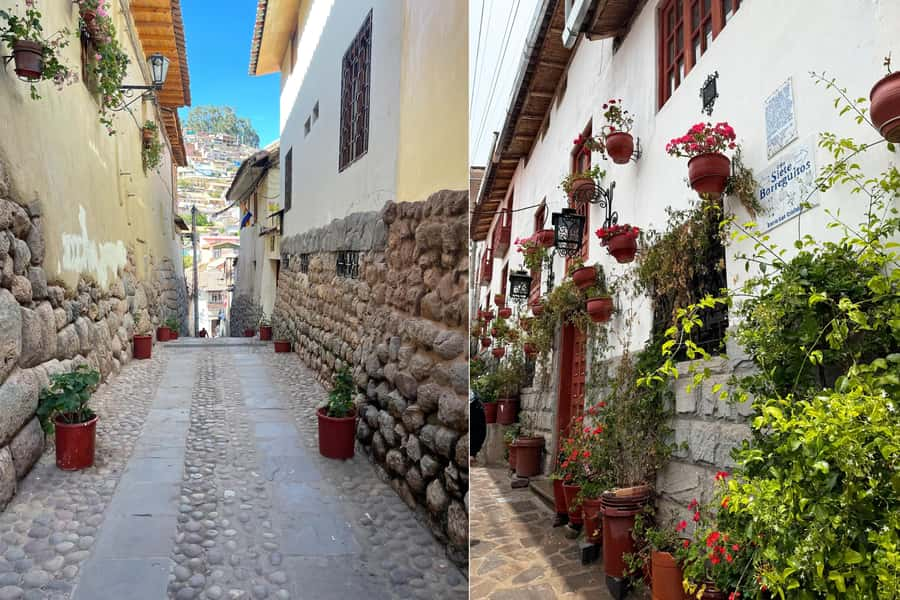
- San Blas adds steep, photogenic streets, city views, and the much-admired 7 Borreguitos Street.
- A luthier’s workshop and Andean music show make this more than a standard city walk.
- You finish with a Pisco Sour or Chicha Morada, included in the $10 price.
- The two-hour outing suits first-time visitors, though it is not designed for wheelchairs or people with limited mobility.
Starting in Cusco’s Plaza de Armas
Meet beside the Inca Fountain in the Plaza de Armas at the listed coordinates, -13.516772, -71.9787231. Look for the guide with a white umbrella. That detail matters in a busy square, where groups and tour signs can be easy to miss.
The opening stretch gives you a useful first look at central Cusco. You see the Cathedral and the Company of Jesus, two major buildings that show how Spanish colonial power reshaped the Inca capital. Your guide explains the sights as you walk, so you are not simply taking photographs of grand façades without context.
The Cathedral is an important first stop because the square brings together several layers of Cusco in one place. The colonial buildings occupy the center, while Inca foundations and stonework remain part of the city beneath and around them. This tour is best at showing those layers from the street.
Entry to museums is not included. That keeps the price low, but it also means you should not expect a long indoor visit to the Cathedral or another museum. If you want a detailed look inside, plan a separate visit and budget for any admission.
More History Walking Tours in Peru:
- Walking tour in the Historic Center of Arequipa
★ 4.4 · 180 reviews - Arequipa: Walk through the Historic Center of the City
★ 4.9 · 87 reviews - History and Hauntings of Salem Guided Walking Tour
★ 5.0 · 14,564 reviews
Qoricancha and the stones that explain Inca Cusco
The walk continues to Qoricancha, the former Sun Temple. This is one of the most important places on the route, and it gives the guide a chance to explain Inca beliefs, building methods, and the changes brought by Spanish colonization.
The name Qoricancha is commonly translated as Golden Enclosure. The tour does not include museum admissions, so the value here comes mainly from the guide’s explanation and the exterior setting. If the inside of the temple is a priority, check the entry arrangements separately.
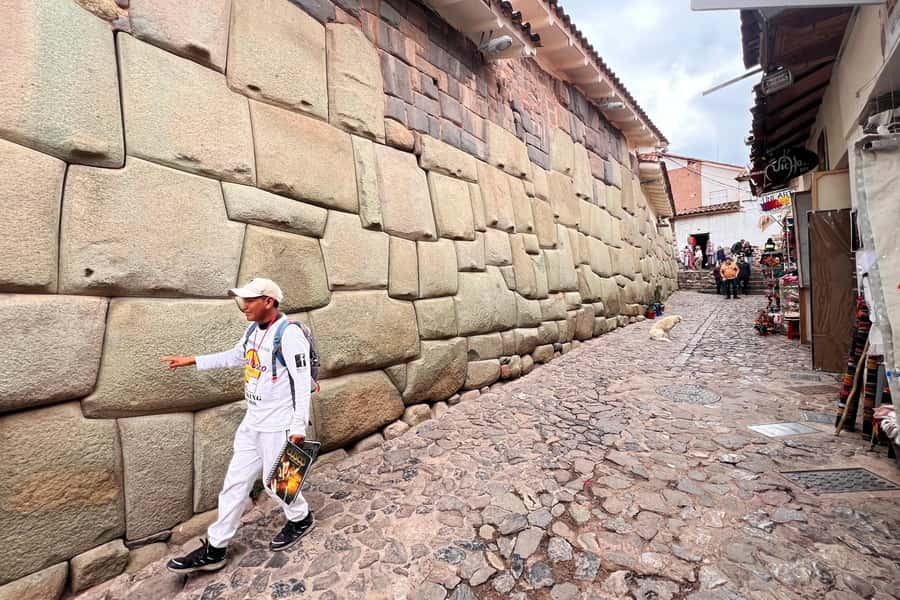
You also stop at the famous 12 and 13 angled stones. These stones are a quick but memorable lesson in Inca masonry. Their tightly fitted edges show how carefully the walls were built, and they help you notice details that are easy to walk past on your own.
The route includes the Andean Trilogy, represented by the condor, puma, and snake carved into an Inca wall. These figures carry symbolic meaning in Andean culture. The stop works well because your guide can point out the shapes rather than leaving you to guess what you are seeing.
This part of the tour is especially useful early in a Cusco visit. After hearing the basic ideas behind the city’s stonework and symbols, you will recognize them more easily at other sites around the region.
San Blas, steep lanes, and the city views
From the central area, the group heads toward San Blas. This neighborhood is known for narrow streets, traditional character, and its hilltop position above central Cusco. The walk is not flat, and the stone streets can be uneven, so comfortable shoes are a practical choice.
San Blas gives the tour a different pace. The Plaza de Armas can feel formal and grand, while San Blas offers smaller streets and a more residential feel. You pass through picturesque lanes and stop at points with broad views over the city.
The route includes 7 Borreguitos Street, described as one of the most photogenic streets in Cusco. This is the kind of stop that makes a walking tour useful. You get a clear place for photographs, but you also arrive with someone who can explain why the neighborhood looks the way it does.
Some groups have enjoyed a sunset viewpoint during the walk. The exact light will depend on the start time and the day’s conditions, so do not book solely for a guaranteed sunset. If your schedule allows, an evening departure may give you a better chance of seeing the city in softer light.
A luthier’s workshop and Andean music
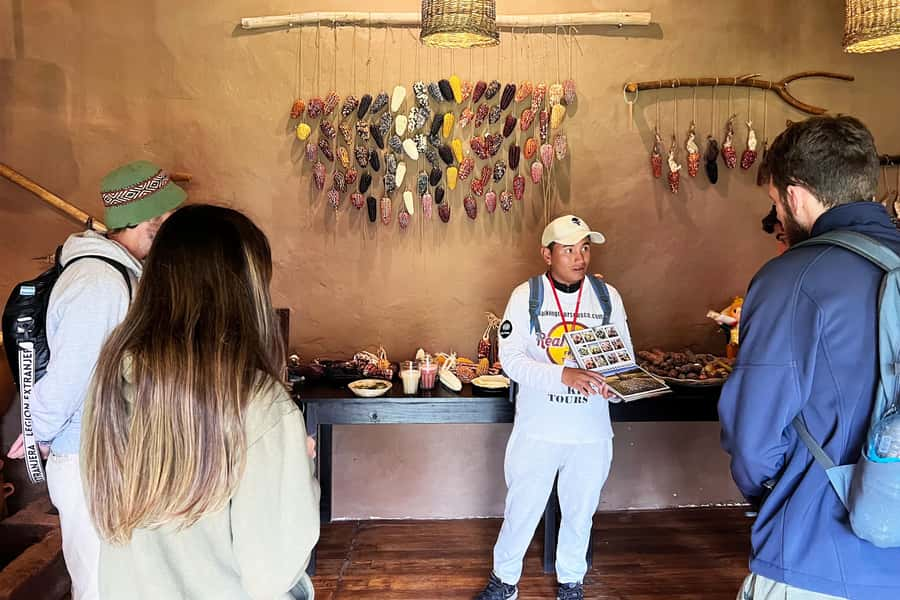
One of the more unusual inclusions is a visit to a luthier’s workshop. A luthier makes and repairs musical instruments, and this stop gives you a look at a skilled local craft rather than another church or archaeological wall.
The workshop also prepares you for the Andean music portion of the route. You are scheduled to watch a music show and hear traditional instruments in a local setting. This adds sound and craft to a tour that could otherwise be mostly architecture and history.
There is one important qualification. The music venue may occasionally be closed. One group missed this part and was directed toward a local dance show afterward. That substitute worked well for the people involved, but it was not the experience they had specifically chosen.
I would treat the music show as a welcome extra, not the sole reason to book. The Plaza de Armas, Qoricancha, Inca walls, and San Blas walk still form the main value of the tour. If the music is your top priority, confirm the day’s program when you meet the guide.
More Shows in Peru:
- Lisbon: Live Fado Show with Port Wine in Historic Center
★ 4.7 · 4,166 reviews - Porto: An Intimate Fado Show in a Historical Tavern
★ 4.8 · 2,055 reviews - Lisbon: Fado Show with Wine in a Historic Venue
★ 4.8 · 1,294 reviews - 2.5 Hour Philadelphia History Tour with Washington War Tent Show
★ 5.0 · 924 reviews
Manco Capac and the final drink
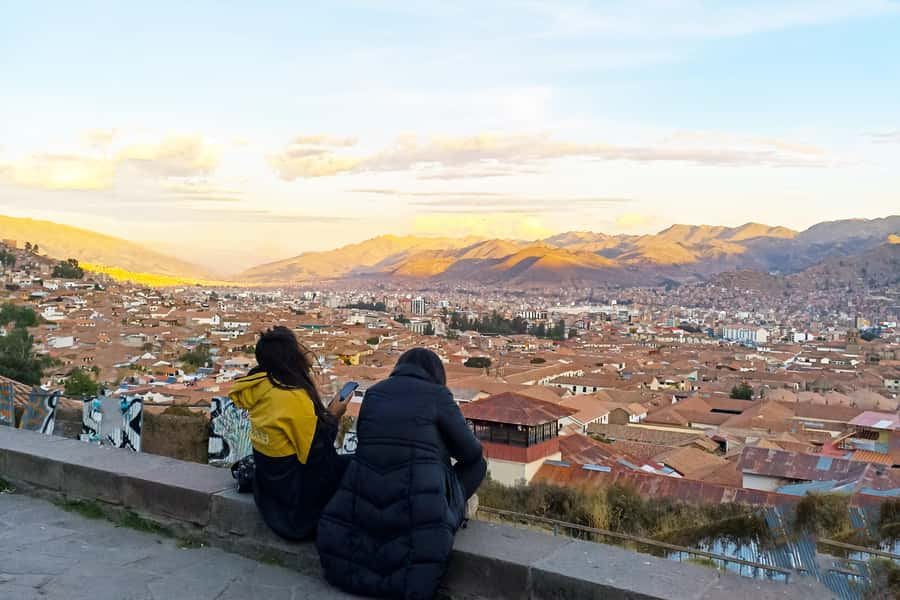
The route includes the Temple of the First Inca Ruler, associated with Manco Capac. This stop connects the city’s physical streets to the origin stories of the Inca rulers. It is a fitting point late in the walk because you have already seen the political, religious, and architectural sides of Cusco.
The tour ends with a choice of Pisco Sour or Chicha Morada. Pisco Sour is Peru’s famous national cocktail, made with pisco and known for its sharp, frothy character. Chicha Morada is a non-alcoholic Peruvian drink, so you have a clear alternative if you do not drink.
The final toast takes place at a restaurant or local venue. The setting can be a pleasant way to finish, and one group especially liked the small restaurant used for the toast. Do not expect a full meal. The included drink is a closing treat, not lunch or dinner.
I like this ending because it gives the tour a natural stopping point. You can ask a final question, gather suggestions from the guide, and then continue your evening nearby.
What the guides add to the walk
The strongest part of this experience is the guiding. The comments about Erick, also spelled Eric in some feedback, repeatedly highlight his energy, humor, historical explanations, and practical tips. Nilo was also praised for keeping the group in good spirits, while Niki received high marks for clear communication.
One guide was described as a professional anthropologist. That does not mean every departure will have an anthropologist, but it shows the level of cultural explanation that may be available. The best guides do more than recite dates. They explain how Inca beliefs, Spanish rule, architecture, and modern Cusco fit together.
The bilingual guiding is offered in English and Spanish. A French-language departure requires at least four customers, so French speakers should not assume every scheduled tour will run. The English groups can be very small. One departure had only three people, making it feel close to a private walk.
A small group of 10 is a useful limit in San Blas. Narrow lanes are easier to manage, and you can hear the guide without being buried in a crowd. Small groups also make it simpler to ask questions about food, local customs, shopping, or what to see next.
Is $10 good value?
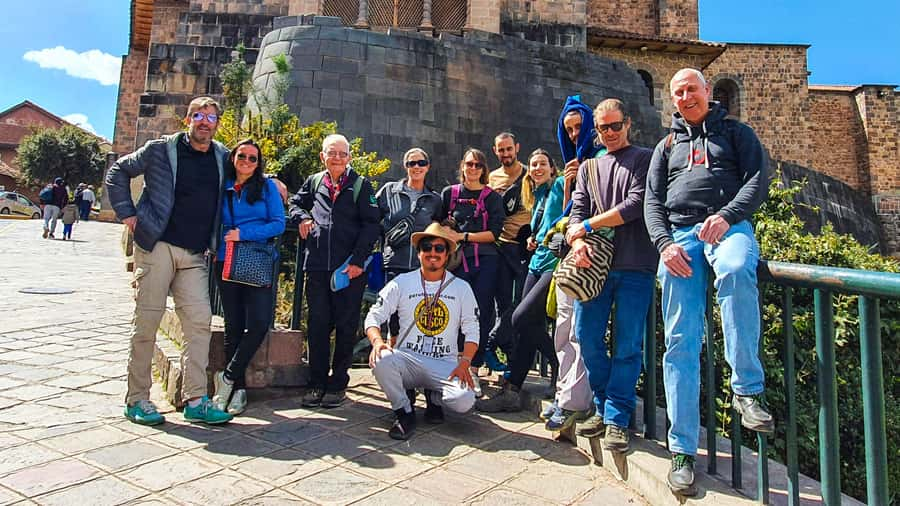
At $10 per person, this is a low-cost way to get an introduction to central Cusco. You receive a bilingual guide, a two-hour route, a luthier visit, an Andean music component, and a Pisco Sour or non-alcoholic drink.
The price needs a clear explanation. This operates in the style of a free walking tour, with the expected tip effectively built into the way people think about payment. Some people felt the arrangement was unclear because free sign-ups may also be available in the main square, followed by a tip at the end.
That does not make the tour poor value, but it does affect how you compare options. If you join a free walk and tip generously, your final cost may be similar. The paid booking gives you a reserved place and a stated small-group format, but you should confirm exactly what payment is expected at the end.
For a first afternoon in Cusco, I think the package is worthwhile if you want structure, a drink, and a route that includes both famous sights and San Blas. It is less compelling if you only want a basic orientation and are happy to arrange a free walk directly in the square.
Who should book this Cusco walk?
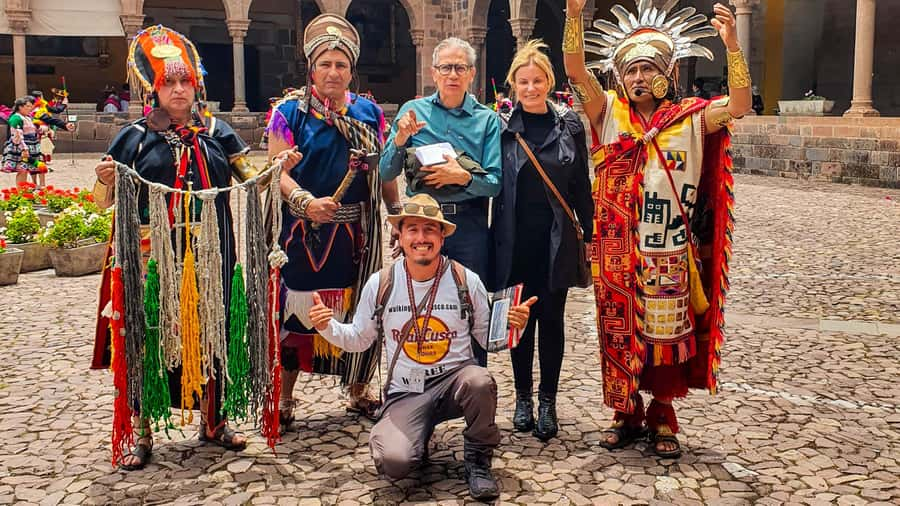
This tour suits first-time visitors who want to get their bearings quickly. The two-hour length is manageable, and the route covers enough ground to help you decide which places deserve a longer return visit.
It is also a good fit for people who enjoy history with a social finish. You hear about Inca culture and Spanish colonization, see important stonework, visit a working instrument maker, watch Andean music, and share a drink at the end.
You should think twice if you have mobility limits. The tour is not suitable for wheelchair users or people with mobility impairments. San Blas includes sloping and uneven streets, and the route requires walking between several stops.
It is also not suitable for babies under one year, people over 95, or people with hearing impairments, according to the stated restrictions. Those limits are worth checking before you pay.
Bring comfortable footwear and keep your expectations flexible. The order of stops can change, the music venue may be closed, and the exact route may differ from the description. One small group saw more of the city than expected after the route changed, and they were happy with the result. That flexibility can work in your favor, but it means the printed sequence is not a guarantee.
Should you book it?
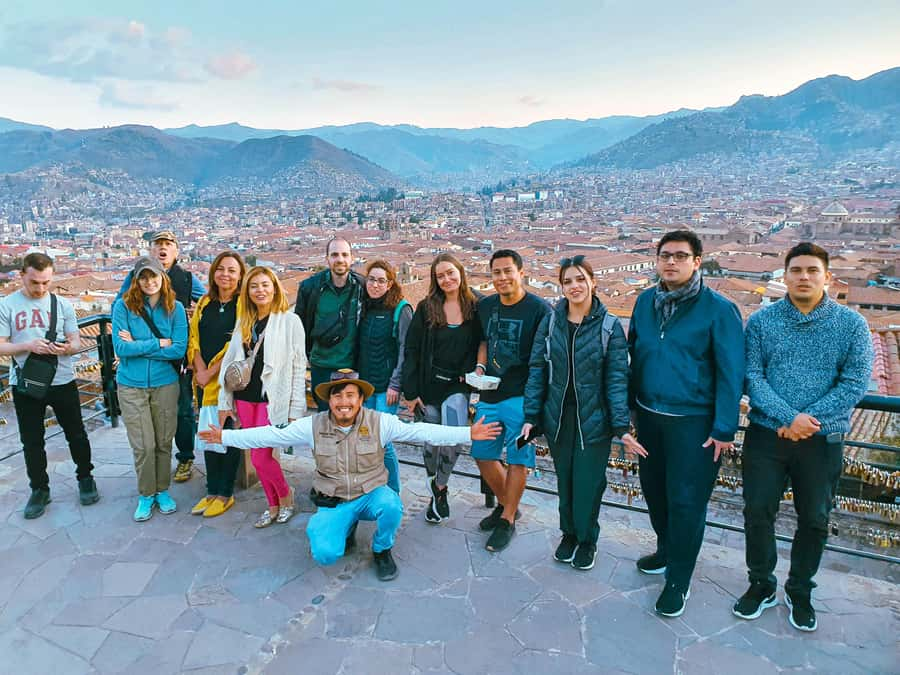
Book this tour if you want a short, social introduction to Cusco with solid history, San Blas streets, city views, local music, and a drink. It is especially useful near the start of your stay, when a guide can point out places you might return to later.
Skip it if your main goal is an in-depth interior visit to Qoricancha or the Cathedral, since museum entries are not included. Also skip it if you dislike walking uphill or feel uncomfortable with a paid free-tour format and a possible tip at the end.
For most visitors who want a friendly orientation at a modest price, I would book it, but I would confirm the tip arrangement and ask whether the music show is operating that day.
FAQ
Where does the Cusco walking tour meet?
Meet next to the Inca Fountain in the Plaza de Armas. The meeting point coordinates are -13.516772, -71.9787231, and the guide will be holding a white umbrella.
How long does the tour last?
The walking tour lasts two hours. Starting times depend on availability.
Which languages are available?
The tour is offered in English and Spanish. A French-guided tour requires at least four customers to proceed.
Is the Pisco Sour included?
Yes. The tour includes either a Pisco Sour or a non-alcoholic drink. The non-alcoholic option is Chicha Morada.
Does the tour include museum entry?
No. Museum admission is not included. Any museum visits are optional and require separate payment.
Is the tour suitable for wheelchair users?
No. The experience is not suitable for wheelchair users or people with mobility impairments.
How large is the group?
The group is limited to 10 participants. Some departures may be much smaller, with one English-language group having only three people.
Just added around Peru
- Piramids of Tucume Tour, Sican Museum and Lambayeque city tour★ 5.0 · 30 reviews
- Arequipa, Historic and Colonial City and Santa Catalina Monastery★ 4.5 · 42 reviews
- Aymara Route Mystical Cultural Tour★ 4.7 · 27 reviews
- Machu Picchu: historical and photographic guided tour★ 4.9 · 27 reviews
- Lima: Historic Downtown, Miraflores & Catacombs Private Tour★ 4.5 · 28 reviews
- Lima: Historical, Colonial, and Modern City Tour★ 4.3 · 21 reviews
- Cusco: Historical Guided City Tour with 4 Inca Ruins★ 4.5 · 99 reviews
- Arequipa: Walk through the Historic Center of the City★ 4.9 · 87 reviews
History Walking Tours, compared.
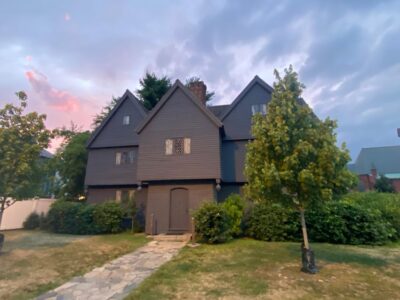
History and Hauntings of Salem Guided Walking Tour
Read our review →
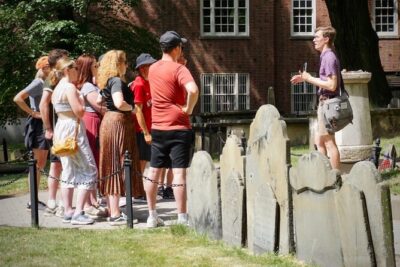
Freedom Trail History Small Group Walking Tour
Read our review →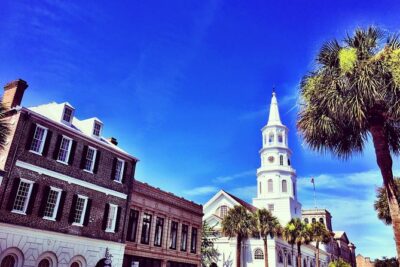
Historic Charleston Guided Sightseeing Walking Tour
Read our review →
Tapas Walking Tour with Food, Wine, and History
Read our review →
Savannah History and Haunts Candlelit Ghost Walking Tour
Read our review →
A History of Terror – Belfast City Centre Walking Tour
Read our review →Browse the lists this tour appears in