
Review · PUNO REGION
Aymara Route Mystical Cultural Tour
Ancient stones give this day real character. The Aymara Route links unusual sites south of Puno, from the Temple of Fertility and square Chullpas de Molloco to the mysterious Aramu Muru portal. I especially like the mix of archaeology and living cultural practice, plus the chance to see the Waru Warus, an old farming system built around raised circular fields.
The tour also offers excellent value at $32 per person, with transport, entrance tickets, and an official tourism guide included. The main consideration is the pace: you cover several places in roughly eight hours, and at Aramu Muru you may need to choose between a short walk and a ceremony, depending on the day’s plan.
The route has a strong 4.7 rating from 27 bookings, with particular praise for comfortable transport, clear explanations in Spanish and English, and free drone videos on some departures. This is a better choice for curious sightseers than for anyone wanting a slow, private day at one archaeological site.
Five things to know before you book
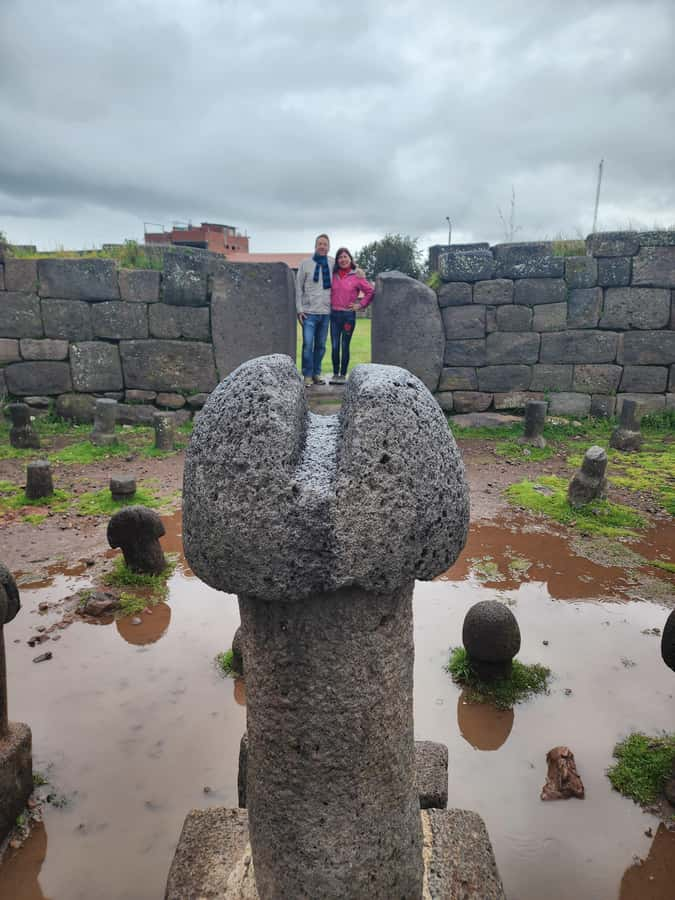
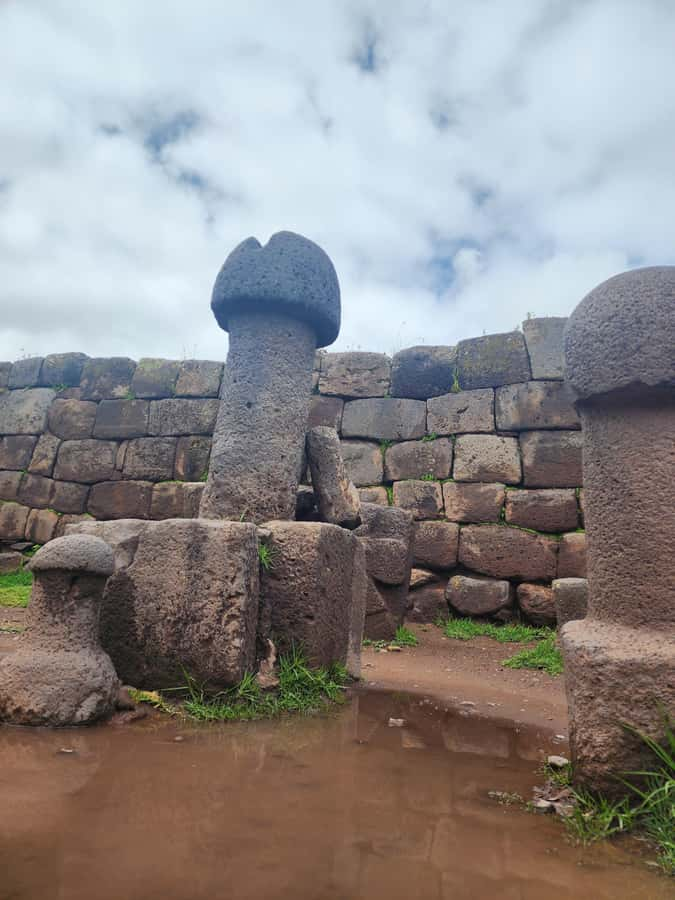
- The Temple of Fertility is the bold opening stop: Chucuito’s unusual stone figures make this an unexpectedly memorable first visit.
- Molloco differs from Sillustani: You see three square towers, one circular tower, and burial niches beneath the ground.
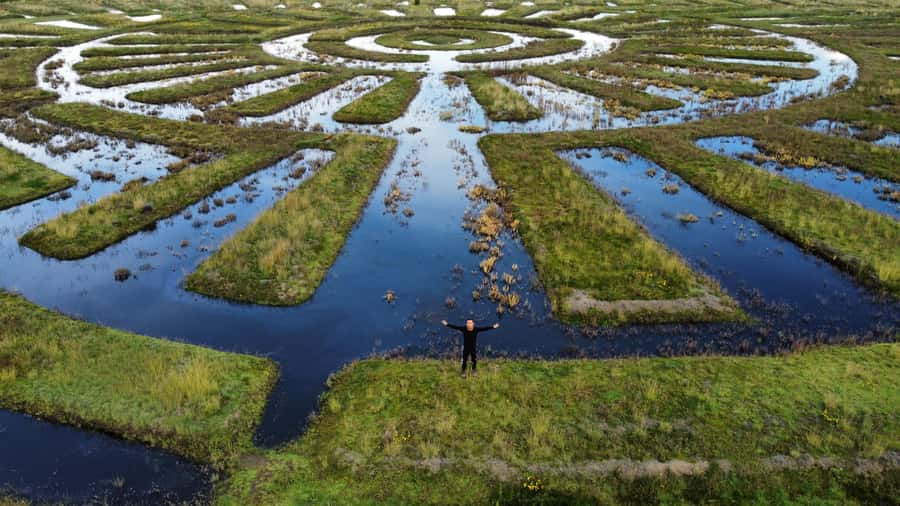
- Waru Warus explain old Andean farming: The raised circular fields show how local people tested ways to grow grains and tubers.
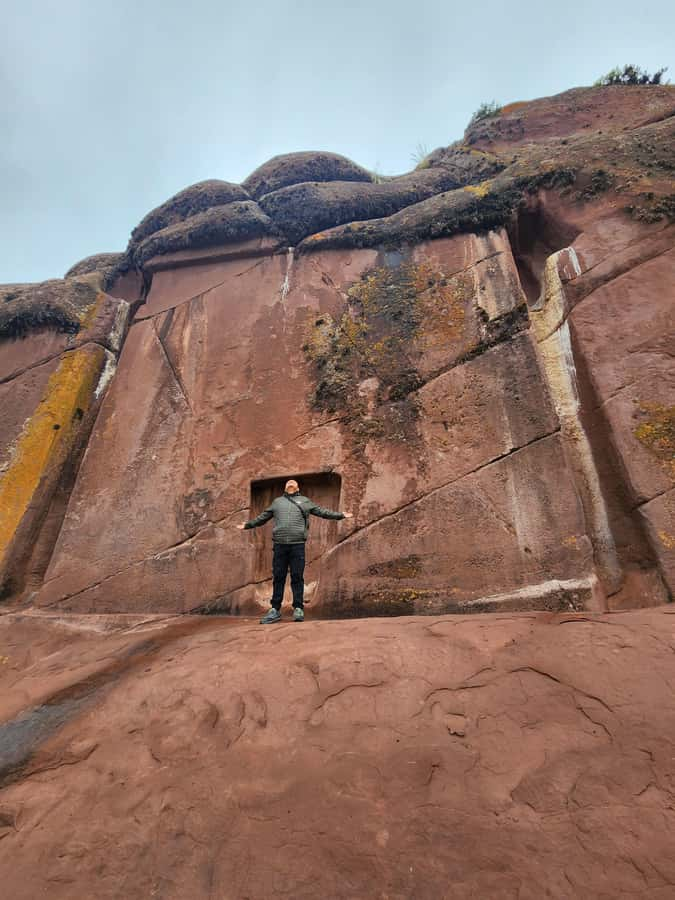
- Aramu Muru is the day’s most atmospheric stop: Rock formations, meditation, a possible ceremony, and optional walking give you a choice in how to experience it.
- The price covers the basics: Transport, entry tickets, and an official guide are included, making $32 a strong deal.
- Plan for sun and altitude: Bring a hat, sunglasses, comfortable shoes, water, cash, and biodegradable insect repellent.
Why this route is different from a standard Puno day trip
Many day trips from Puno focus on Lake Titicaca. This one heads south through the Puno Region, using unusual archaeological and cultural stops to tell a broader story about the Aymara area.
You will not spend the whole day inside a major museum or at one famous ruin. Instead, the route connects smaller sites that are easier to overlook when you plan independently. That variety is the main appeal. One stop deals with fertility symbolism, another with burial architecture, another with farming technology, and another with ritual and meditation.
The advertised duration is eight hours, with the day generally ending around 4 or 5 pm in Puno. The detailed schedule adds up to about 7 hours and 10 minutes, so allow a full day once pickup and road time are included. One itinerary entry shows 30 hours at the Ilave stop, which is clearly inconsistent with the total duration and should not be treated as an actual 30-hour visit.
More Local Culture and Traditions Tours in Peru:
- Amsterdam Food and Cultural Tour with Tastings
★ 5.0 · 4,315 reviews - Sevilla Food Tour: Tapas, Wine, History & Traditions
★ 5.0 · 3,468 reviews - Tromsø: Reindeer Camp and Sami Cultural Tour with Lunch
★ 4.7 · 3,326 reviews
Chucuito and the Temple of Fertility
The first major stop is Chucuito, south of Puno. The visit lasts roughly 45 minutes to an hour and includes a guided walk, sightseeing, photographs, and time to look around.
The Temple of Fertility is not a grand temple in the usual sense. Its main attraction is a group of stone phallic figures: six smaller examples and one larger central figure. The subject is direct, even comic at first glance, but the site gives you a useful window into fertility symbolism and the way older Andean beliefs are presented today.
You should expect some time for photographs and possibly a look at local souvenirs. One of the strongest practical tips from the day is simple: do not rush the first stop. The unusual subject makes it easy to treat the site as a quick joke, but the guide’s explanation adds context and makes the visit more worthwhile.
The walking here is not described as difficult, yet comfortable shoes remain a good idea. You will be outside, exposed to strong high-altitude sun, so sunglasses and a hat are useful from the start.
Molloco’s four chullpas and underground niches
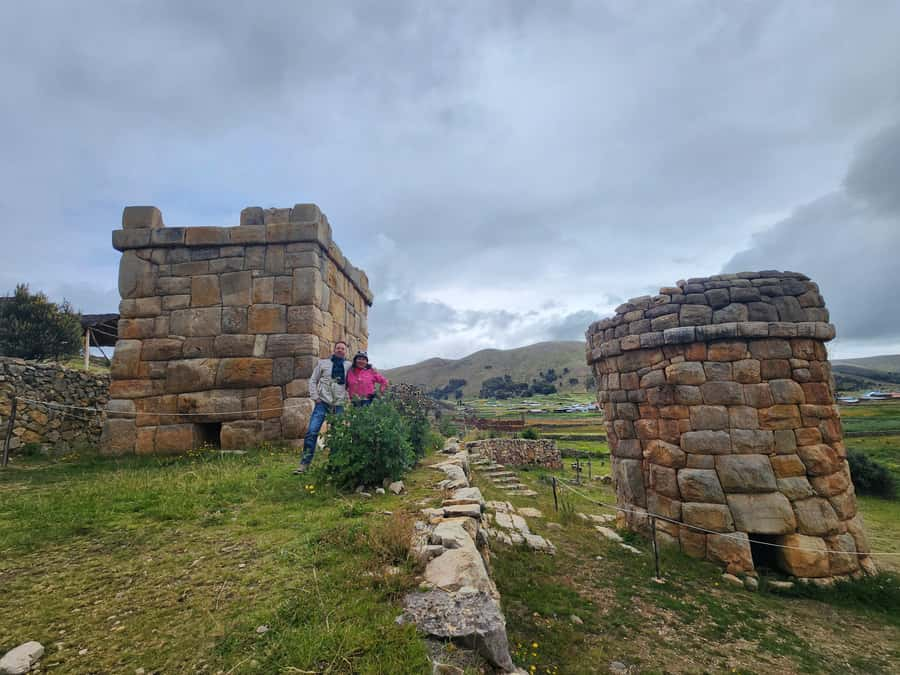
The route then continues to Acora for the Chullpas de Molloco. This stop lasts around 45 minutes to an hour and includes a guided visit, walking, sightseeing, and photo time.
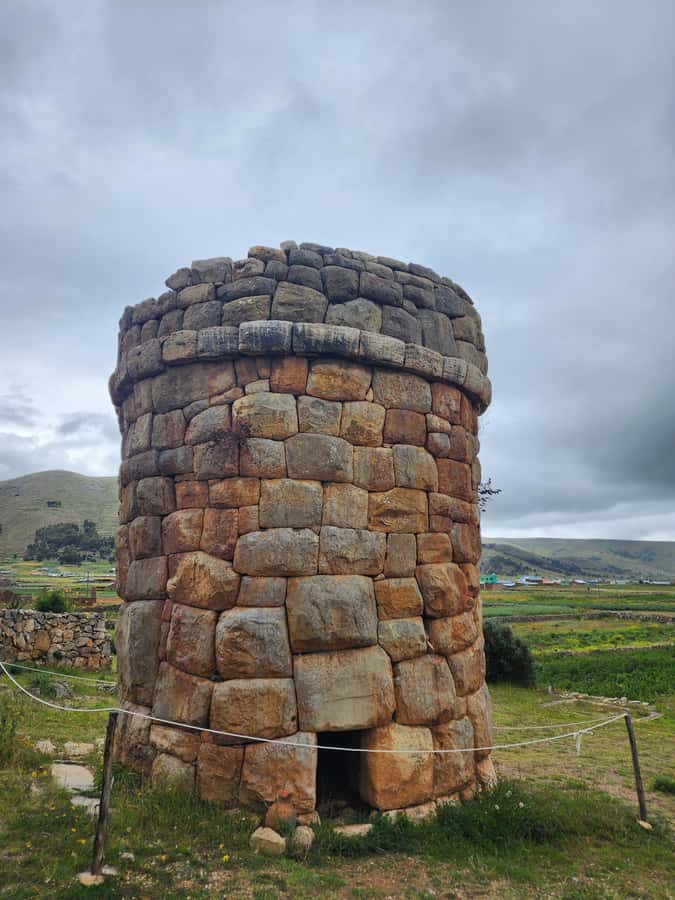
Molloco is worth seeing because its towers differ from the more familiar Chullpas de Sillustani. Here, you can see three square-style towers and one circular tower. That variation gives the guide something concrete to explain, rather than simply showing you another set of ancient stone structures.
The site also has niches beneath the floor. These are an important detail because they make the place feel more complex than a row of towers viewed from a distance. Pay attention when the guide points out the layout and construction. The smaller features can be easy to miss if you only focus on the towers.
This is a good place to ask questions. The tour is designed around a live guide in Spanish or English, and the guide’s explanations are a major part of the value. The transport gets you there, but the comparisons with Sillustani and the explanation of the underground niches help you understand why Molloco deserves its own stop.
Waru Warus and old Andean farming methods
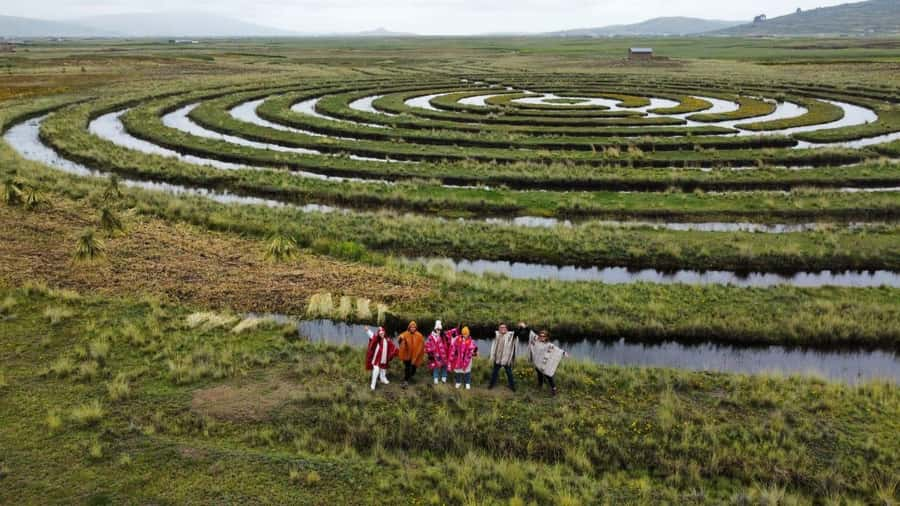
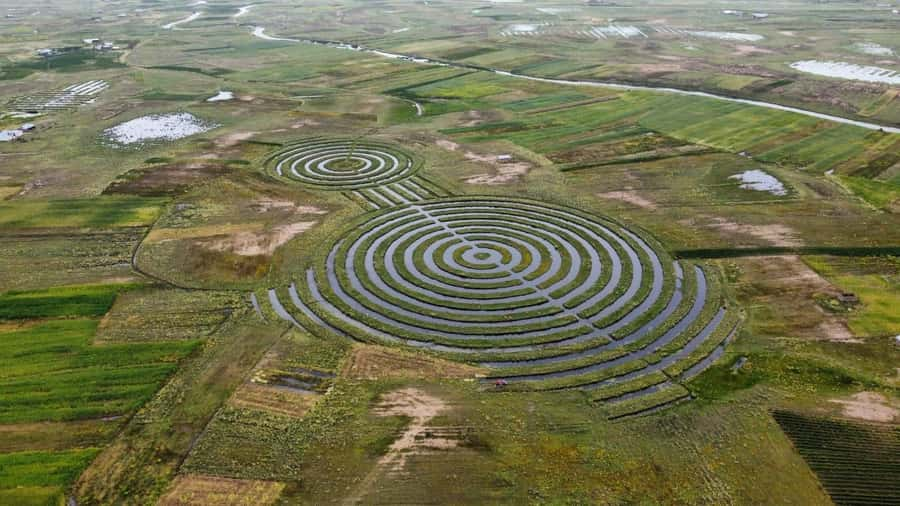
The Circular Andean Waru Warus are among the most useful stops for understanding daily life in the region. The visit is in Acora and lasts about 45 minutes.
Waru Warus use raised earthwork areas and surrounding channels. The site is presented as an ancestral agricultural laboratory for the domestication of Andean grains and tubers. In plain terms, you are looking at an old system for working with local crops and difficult growing conditions.
This stop may not have the instant visual impact of a monumental ruin. Its value comes from the idea behind it. You begin to see that Andean ingenuity was not limited to stone buildings or ceremonial sites. Farming itself involved testing methods, managing soil and water, and adapting crops to the highland environment.
The guide can make a big difference here. One booking included drone footage that showed the circular design from above. That angle is especially useful because the pattern can be hard to grasp from ground level. Drone videos have been provided free on some tours, but they should be treated as a welcome extra rather than a guaranteed feature.
A few more history tours around Peru worth a look
- Lima’s Vibrant Heritage: Exploring the City’s Landmarks Half-day
★ 4.5 · 581 reviews - Lima: Historic Center Street Food, Market, and Eateries Tour
★ 4.9 · 216 reviews - Walking tour in the Historic Center of Arequipa
★ 4.4 · 180 reviews - Cusco: Historical Guided City Tour with 4 Inca Ruins
★ 4.5 · 99 reviews
The Ilave stop and the practical middle of the day
The schedule includes a stop near Ilave, listed with time for a break, photographs, free time, shopping, sightseeing, and walking. The supplied timing is inconsistent, showing 30 hours even though the whole route lasts about eight hours. In practical terms, you should expect a short break rather than an extended stay.
This part of the day gives you breathing room between archaeological sites. You might have time to buy something, stretch your legs, or take photographs. Bring cash because shopping and optional food purchases are not covered by the tour price.
Food arrangements are not fully fixed in the supplied details. One account describes a barbecue restaurant with several options at a reasonable price, but you should confirm the meal plan with the guide rather than assume lunch is included. The $32 price covers transportation, entrance tickets, and the official guide, not a stated meal.
Aramu Muru, meditation, and the choice at the portal
Aramu Muru is the emotional high point for many people. The visit lasts about an hour and includes a guided explanation, free time, meditation, and time to see the rock formations.
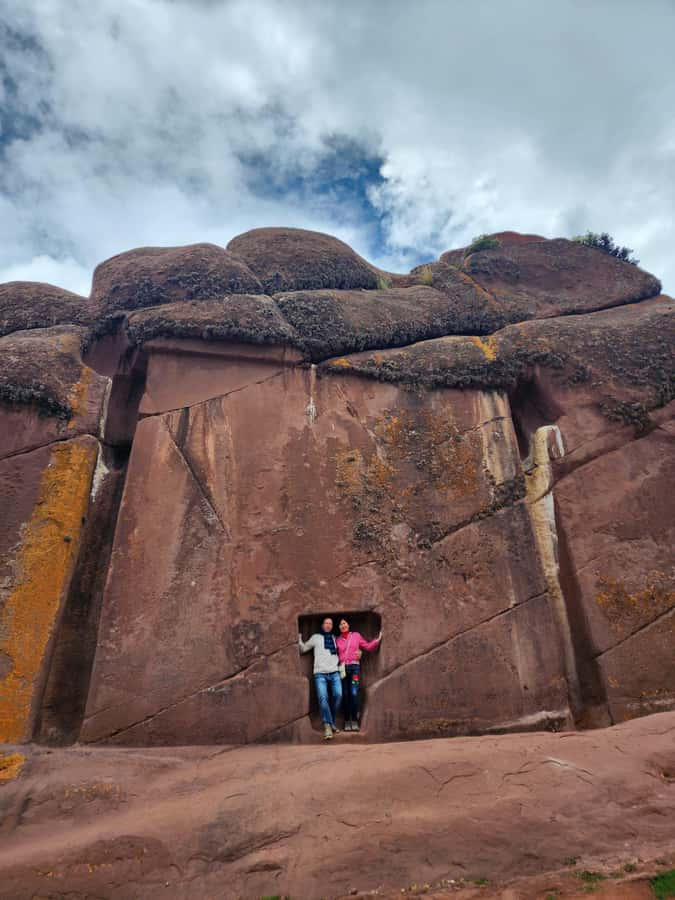
The Portón de Aramu Muru is a carved-looking stone formation surrounded by open highland scenery. Its appearance has encouraged many mystical interpretations, so your guide may discuss both the physical site and its spiritual associations. Keep an open mind, but also remember that the experience is cultural and symbolic rather than a proven supernatural event.
The tour description specifically includes meditation and a ceremony at Aramu Muru. Some departures may ask you to choose between an initiation-style ritual and a short mini-trek. This choice matters because the walk offers better photo angles, while the ceremony provides a more inward, participatory experience.
You should decide based on your interests and comfort level. If you want photographs and movement, choose the walk. If you prefer a reflective cultural activity, the ceremony may be more meaningful. One booking described the ritual as intense, while others preferred the mini-trek for its views.
This is also the place where the day may feel less tightly scripted. You get free time, and the guide can help explain what is happening. Wear shoes you can walk in and bring a camera, but do not expect every activity to be available at once.
Juli, the Rome of America, and the final stop
The route continues toward Juli, described as the Rome of America. The supplied schedule gives this stop about an hour. It includes a beach and other optional activities, though the exact choices are not specified.
The name suggests a place with notable religious and colonial associations, but the information provided focuses mainly on the beach and optional activities. You should think of Juli as a change of mood after the stone sites and meditation at Aramu Muru.
This final stop also gives the group a chance to relax before returning to Puno. Since the day includes several short visits, the beach setting can provide a welcome pause. Ask the guide what optional activities are available on your departure, as these may affect how you use the hour.
The itinerary lists the finish at Cajamarca 236, Puno 21001, while the general description says the tour ends in Puno around 4 to 5 pm. Pickup is included, but you need to send your hotel address and, preferably, a phone number or WhatsApp contact so the operator can coordinate the meeting point.
Transport, guiding, and what the price really buys
At $32, this tour offers good value if you want to cover several sites without arranging separate taxis and entry fees. First-class transportation is included, along with tickets and an official tourism guide.
The vehicle matters on a route like this. You spend much of the day moving between Chucuito, Acora, Aramu Muru, and Juli, so a comfortable bus makes the schedule easier. The transport has received especially strong praise, including one description calling it the most comfortable vehicle used during a Peru trip.
The guide is just as important. The strongest part of the service is not simply pointing out rocks. A good guide connects the sites, uses maps and photographs, answers questions, and switches between Spanish and English when needed. English-speaking participants are accommodated, though bilingual guiding can sometimes mean explanations take a little longer.
A minor vehicle problem was handled with a replacement vehicle in about half an hour on one departure. That does not guarantee that every delay will be solved so quickly, but it suggests the operator has a practical response when something goes wrong.
What to bring for a full day outside
Pack lightly, but do not arrive unprepared. The essentials are:
- Comfortable walking shoes
- Sunglasses and a hat
- Comfortable clothes
- A camera
- Cash for shopping or food
- Biodegradable insect repellent
Check the weather and local social conditions one day before departure. The operator also asks for a contact number, so make sure your phone works and that the pickup details are clear.
This is not a suitable activity for people with epilepsy, according to the tour information. If you have a health concern related to altitude, walking, bright sunlight, or meditation activities, ask the operator before booking.
Who should book the Aymara Route?
I would choose this tour if you want a full day of variety and prefer lesser-known sites to a single major attraction. It suits visitors based in Puno who want archaeology, agriculture, ritual, photographs, and a little free time in one package.
It is also a good fit if you value a guide who explains what you are seeing. The towers at Molloco and the Waru Warus can be easy to misunderstand without context. The guide turns scattered stops into a connected story about Aymara culture and life in the southern highlands.
I would hesitate if you dislike changing locations often or want a quiet, unhurried day. The itinerary is busy, and the stop at Aramu Muru may involve a choice between activities. Anyone expecting a polished luxury excursion should also look closely at the transport and meal arrangements before paying.
Should you book this $32 cultural tour?
Yes, if the unusual route appeals to you. The combination of the Temple of Fertility, Molloco’s mixed tower designs, circular Waru Warus, Aramu Muru, and Juli gives you a day that feels different from the standard Puno circuit.
The best reasons to book are the low price, included tickets, comfortable transport, bilingual guiding, and the chance to choose between a ceremony and a short walk at Aramu Muru. The main tradeoffs are the busy schedule, uncertain lunch details, and occasional inconsistency in the published timing.
Send your hotel address and WhatsApp number in advance, carry cash and sun protection, and ask what Aramu Muru activity is planned. With those details settled, the Aymara Route offers a varied and affordable way to see a side of the Puno Region that many short visits miss.
FAQ
How long does the Aymara Route take?
The tour is advertised as an eight-hour activity. The detailed timing gives a total of about 7 hours and 10 minutes, with the day generally ending in Puno around 4 to 5 pm.
What is included in the $32 price?
The price includes an official tourism guide, first-class transportation, and entrance tickets for the places visited.
Is hotel pickup included?
Yes. Pickup is included, but you need to send the address of your hotel. Providing a phone number or WhatsApp contact is recommended so the operator can coordinate the pickup.
Which languages are available?
The live guide is available in Spanish and English.
What places does the tour visit?
The route includes Chucuito and its Temple of Fertility, the Chullpas de Molloco, the Circular Andean Waru Warus in Acora, Aramu Muru, and Juli, also called the Rome of America.
Is lunch included?
The supplied tour information does not state that lunch is included. Food and barbecue options may be offered during the day, so bring cash and confirm the arrangements with the guide.
Can I choose an activity at Aramu Muru?
The tour includes meditation and a ceremony at Aramu Muru. Some departures may offer a choice between a short mini-trek and an initiation-style ritual.
What should I bring?
Bring comfortable shoes, sunglasses, a hat, a camera, comfortable clothes, cash, and biodegradable insect repellent.
Who should not take this tour?
The activity is not suitable for people with epilepsy. You should also check the weather and local social conditions the day before departure.
Just added around Peru
- Piramids of Tucume Tour, Sican Museum and Lambayeque city tour★ 5.0 · 30 reviews
- Arequipa, Historic and Colonial City and Santa Catalina Monastery★ 4.5 · 42 reviews
- Machu Picchu: historical and photographic guided tour★ 4.9 · 27 reviews
- Lima: Historic Downtown, Miraflores & Catacombs Private Tour★ 4.5 · 28 reviews
- Lima: Historical, Colonial, and Modern City Tour★ 4.3 · 21 reviews
- Cusco: Historic Walking Tour with Pisco Sour and Music Show★ 4.6 · 65 reviews
- Cusco: Historical Guided City Tour with 4 Inca Ruins★ 4.5 · 99 reviews
- Arequipa: Walk through the Historic Center of the City★ 4.9 · 87 reviews
Local Culture & Traditions Tours, compared.

Amsterdam Food and Cultural Tour with Tastings
Read our review →
Sevilla Food Tour: Tapas, Wine, History & Traditions
Read our review →
Tromsø: Reindeer Camp and Sami Cultural Tour with Lunch
Read our review →
Half Day Dominican Republic Cultural Tour : Small Group
Read our review →
Ultimate Melbourne Walking Tour: History, Laneways & Culture
Read our review →
Tromsø: Sámi Reindeer Sledding and Sami Cultural Tour
Read our review →
Kyoto Gion: 2-Hour Geisha Culture & History Walking Tour
Read our review →
Marrakech Historical and Cultural Tour – Half Day City Tour
Read our review →Browse the lists this tour appears in