
Review · FLORENCE
Art and History in Florence: Small Group Walking Tour
Florence rewards curious walkers. This 95-minute tour links the city’s biggest sights, from Palazzo Medici Riccardi and San Lorenzo to the Duomo, Uffizi, Ponte Vecchio, and Palazzo Pitti. I like the art-focused storytelling and the chance to cover a lot of Florence in one outing. I also like that the walk includes practical local advice, with guides such as Francesco, Julia, Giovanni, and Luigi praised for explaining the city in clear, lively ways.
The main catch is pace. You visit nine major places in about an hour and a half, with roughly ten minutes at most stops. Museum and church admission is not included, so this is an orientation walk rather than a substitute for seeing Florence’s interiors. Also, the group can reach 50 people, so the experience may not always feel as personal as the small-group label suggests.
Key points to know before you book
- Nine landmarks in 95 minutes: You get a fast route through Florence’s historic center and across the Arno.
- Medici power shapes the walk: Palaces, churches, statues, and public squares connect into one clear story.
- Guides make the difference: Francesco, Julia, Giovanni, Luigi, Raffaello, and others received especially warm praise for clear explanations and personality.
- Tickets are separate: The walk does not include entry to the Duomo, Uffizi, Pitti Palace, churches, or other museums.
- The group size can vary: The maximum is 50, though some departures may be much smaller.
- Good first-day choice: The route helps you decide which museums, churches, and neighborhoods deserve more of your time.
A fast introduction to Florence’s power centers
The tour begins at Florence Tours on Via Camillo Cavour, 21R, near public transportation. From there, you move through the center on foot and finish back at the same meeting point.
That start and finish point matters. Florence’s center is compact, but a first walk can feel like a maze of grand façades, narrow lanes, church fronts, and busy squares. Having a fixed route helps you get your bearings before you set off on your own.
The walk is built around Florence’s political, religious, and artistic story. The Medici family appears again and again, not as an isolated palace dynasty but as a force that shaped churches, government buildings, public sculpture, and the city’s grandest streets.
You also get an audioguide system, which can help you hear the guide in crowded areas. This is useful near the Duomo, Piazza della Signoria, and Ponte Vecchio, where street noise and foot traffic can make a live explanation harder to follow.
More History Walking Tours in Italy
- Basilica Santa Croce: Walking Among the Masters of Florence
★ 5.0 · 107 reviews - Florence: Fashion History Guided Walking Tour & Museum Visit
★ 4.2 · 72 reviews - Florence Highlights: Guided Walking Tour of the Historic Center
★ 5.0 · 27 reviews
Palazzo Medici Riccardi and the Medici story
The first stop is Palazzo Medici Riccardi, with about ten minutes scheduled for the visit. This is a smart place to begin because the Medici family’s influence explains much of what follows.
You can expect the guide to set up the rise of a banking family that became Florence’s ruling dynasty and major patron of art. The stop is brief, so it works best as a visual and historical introduction rather than a full palace visit.
Admission is not included. The tour format does not promise an interior visit, so you should treat this as a stop for exterior explanation unless your guide says otherwise. If you want to see the palace inside, plan a separate visit and check opening details for your date.
San Lorenzo and Florence’s religious center
Next comes San Lorenzo, where the scheduled stop lasts about ten minutes and admission is free. This part of the route adds an important religious layer to the political story.
The church and surrounding area are closely tied to the Medici family, and the stop helps you see how powerful families used churches to express status, faith, and family memory. Giovanni was praised for explaining how churches were built and why they mattered, while other guides focused on the families behind Florence’s architecture.
This is also a useful place to ask questions. The strongest guides on this tour appear to adjust their explanations to the group, rather than simply reciting dates. If you have an interest in architecture, religion, or family power, San Lorenzo may be one of the most rewarding short stops.
The Cathedral of Santa Maria del Fiore
The Duomo is the visual center of Florence, and the tour gives it roughly ten minutes. Even with limited time, this stop can help you read the building instead of simply photographing it.
The Cathedral of Santa Maria del Fiore, its dome, and the surrounding buildings form one of Europe’s most recognizable city views. Your guide can point out artistic details, religious purpose, and the competition that helped shape Florence’s monumental center.
Do not confuse this guided stop with a full Duomo visit. Entrance is not included, and the schedule does not leave time for a complete look inside. One guide, Julia, was praised for taking a small party inside when the line was short, but that was a special circumstance rather than something you should count on.
If you plan to climb the dome, visit the cathedral interior, or see the baptistery and bell tower, arrange those tickets separately. The walking tour is useful first because it gives context before you enter.
More Small-Group History Tours in Italy
- VIP Colosseum Underground and Ancient Rome Small Group Tour
★ 4.5 · 332 reviews - Lecce History and Street Food Tasting Small Group Tour
★ 5.0 · 288 reviews - Small-Group Rome to Pompeii & Amalfi: Day of History & Sea
★ 5.0 · 239 reviews - Colosseum Forum Ancient Rome Small Group Tour for Kids Families
★ 5.0 · 198 reviews
Museo Casa di Dante and the medieval city

The route continues to Museo Casa di Dante, with about ten minutes scheduled. Admission is not included.
This stop shifts the focus from Medici Florence to the city’s medieval literary and political world. Dante’s name is deeply tied to Florence, and the museum offers a way to connect streets and buildings with the city’s earlier civic life.
The short stop is best understood as an outside orientation unless your guide makes a different arrangement. If Dante, medieval Florence, or Italian literature is a major interest, you may want to return later with enough time for a proper museum visit.
That is one of the useful features of the tour: it shows you where your interests are strongest. You may discover that you want more time with Dante, less time in a crowded square, or a second look at the Medici sites.
Palazzo Vecchio and Piazza della Signoria
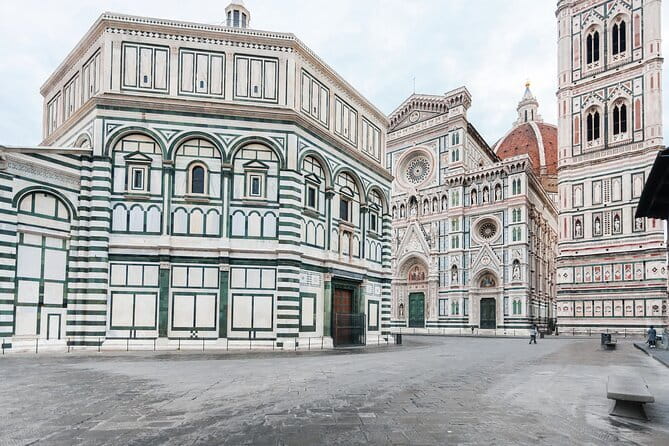
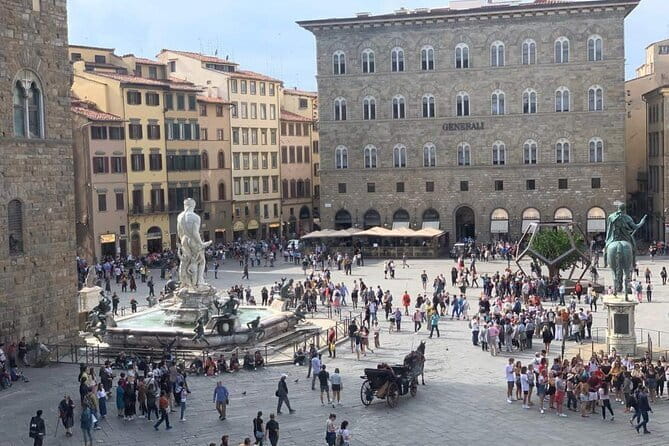
Palazzo Vecchio and Piazza della Signoria are separate stops, each scheduled for about ten minutes. In practice, they form one of the most important sections of the walk.
Palazzo Vecchio represents Florence’s civic and political power. Piazza della Signoria turns that power into a public display, with statues and architecture arranged in a space that has long carried political meaning.
Giovanni received especially strong praise for teaching people how to look at statues, understand their placement, and connect them to the families and goals behind them. That kind of explanation adds real value here. You are not just seeing a famous sculpture. You are learning why it was placed in a particular square and what message it was meant to send.
Palazzo Vecchio admission is not included. The same applies here as elsewhere: the tour offers a guided introduction, while a separate ticket is needed for an interior visit.
The Uffizi from the outside
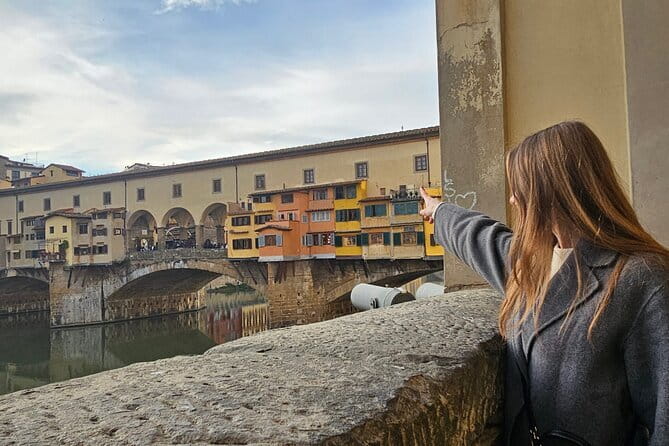
Le Gallerie Degli Uffizi receives another ten-minute stop. The Uffizi is one of Florence’s essential art museums, but the tour does not include admission.
That limitation is worth understanding before you book. You will not have time to study Botticelli, Leonardo, Michelangelo, or the museum’s other major works during this walk. Instead, the guide can explain the building’s role, its connection to Florence’s ruling family, and its place beside the Arno.
This stop is particularly useful if you have not yet planned your museum visits. It can help you decide if the Uffizi deserves a major block of your schedule. If it does, reserve a separate museum entry and allow far more than ten minutes.
Ponte Vecchio and the walk across the Arno
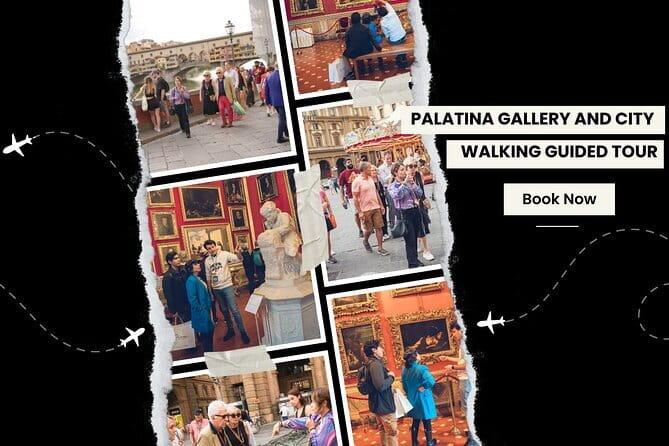
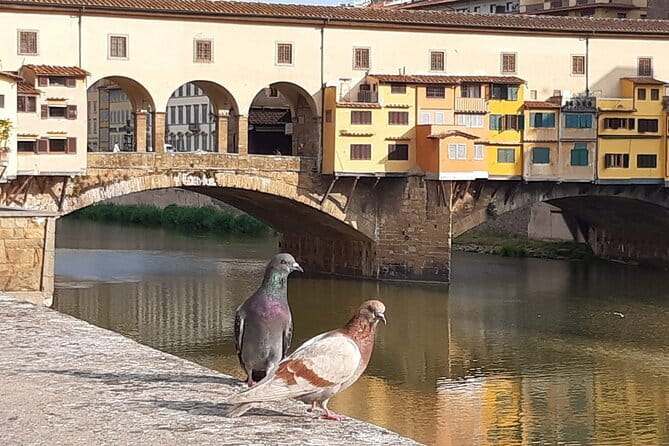
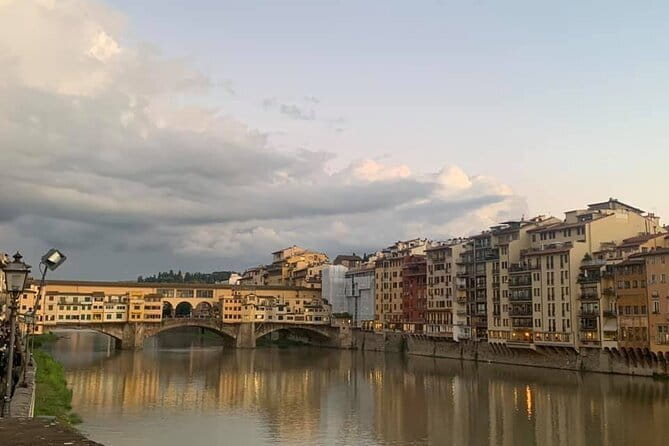
Ponte Vecchio is one of the free stops and receives about ten minutes. The bridge gives the walk a change of scenery and a clear physical crossing from the historic center toward the Oltrarno.
The bridge is famous for its shops and views over the Arno, but the guide can give it more meaning by connecting it with Florence’s rulers, commerce, and the changing use of the city’s public spaces. The route also offers a welcome break from enclosed streets and grand façades.
Crowds can make this section slow. Keep your belongings secure and stay close to the guide, especially if your group is large. The audioguide system should help, but you still need to pay attention to where the group is moving.
Palazzo Pitti, the final Medici residence
The final major stop is Palazzo Pitti, with about 15 minutes scheduled. This is the longest stop on the route, and it brings the Medici story to a fitting close.
Palazzo Pitti was built by the merchant Luca Pitti as a display of wealth and power. In 1549, Eleanor of Toledo, the wife of Cosimo I, bought the palace, and it was later expanded. The Medici grand dukes moved there from Palazzo Vecchio, making it their official residence.
The palace complex now includes several attractions:
- Galleria Palatina
- Appartamenti Reali
- Galleria d’Arte Moderna
- Galleria del Costume
- Museo degli Argenti
- Boboli Gardens
None of these admissions is included in the walking tour. The 15-minute stop gives you a useful introduction and helps you decide if the palace and Boboli Gardens deserve a return visit.
I would not try to combine this tour with a full Pitti visit immediately afterward unless you have allowed plenty of time and confirmed entry arrangements. The walk ends back at the original meeting point, so you will need to account for the return journey before beginning another activity.
Why the guides matter so much
The strongest part of this experience is the human element. Francesco was praised for combining humor, cultural insight, and a teacher’s ability to make complicated history easy to follow. His background as a history teacher and former chef gave his explanations both structure and warmth.
Julia received praise for tailoring the walk to the people in her group, offering food and wine suggestions, helping with a later tour, and adjusting the route when timing mattered. Giovanni was noted for clear English, careful pacing, shaded places to talk, and especially strong explanations of statues and aristocratic families.
Luigi was appreciated for his energy, personal recommendations, and willingness to suggest places for food and drinks after the walk. Raffaello brought an art-history professor’s approach, connecting architecture, artistic periods, and religious influences.
You cannot guarantee a particular guide, and that is important. The quality of the walk may depend heavily on who leads it. The individual accounts point to a strong guide team overall, but one experience was only average after what appeared to be a last-minute guide change. Another departure began later than scheduled, which caused some inconvenience.
Price, pace, and overall value
At $30.01 per person, this is a reasonable price for a guided introduction to central Florence. You are paying for a route through nine major sights, live commentary, an audioguide system, and help making sense of a city that can otherwise feel like one enormous art museum without labels.
The value is strongest if this is your first day in Florence. You can learn the basic map, hear the main political and artistic story, and identify the places you want to revisit. The price is less attractive if you already know the center well or would rather spend 95 minutes inside one museum.
The phrase small group needs a little caution. The maximum is 50 people. Some departures may be much smaller, and one praised experience had only two couples, but you should be prepared for a larger group. Ask questions early, stay near the guide, and use the audio system when available.
The walk is offered in English. Most people can participate, but you should be comfortable walking between multiple city-center stops. Wear practical shoes, bring water, and remember that you will spend most of the time outside.
Booking 51 days ahead on average suggests that popular dates can fill early. If your schedule is fixed, booking ahead is sensible. You can cancel for a full refund up to 24 hours before the start time. Changes or cancellations inside that window are not accepted for a refund.
Who should book this Florence walk?
I would choose this tour for a first visit, a short stay, or a morning when you want a clear introduction before tackling the museums. It suits you if stories about Medici power, public sculpture, architecture, and Florence’s artists interest you more than a long indoor visit.
It also works well for people who appreciate local suggestions. Several guides offered advice on food, wine, later sightseeing, and lesser-known places. That extra conversation can be just as useful as the formal commentary.
I would skip it if you already have a firm plan for the Duomo, Uffizi, Palazzo Vecchio, and Pitti Palace and want substantial time inside each. I would also reconsider if a group of up to 50 would frustrate you.
Should you book it?
Book it if you want a brisk, story-led introduction to Florence for about $30. The route covers an impressive amount of ground, and the best guides turn statues, palaces, and squares into connected pieces of the city’s story.
Do not book it expecting museum entry or an intimate seminar. Think of it as a smart orientation walk, then return to the places that catch your interest. For a first day in Florence, that can be excellent value.
FAQ
Where does the tour start?
It starts at Florence Tours, Via Camillo Cavour, 21R, 50129 Firenze FI, Italy.
Where does the tour end?
The tour ends back at the original meeting point.
How long does the tour last?
The experience lasts approximately 1 hour and 35 minutes.
What language is the tour offered in?
The tour is offered in English.
Is the tour conducted on foot?
Yes. It is a guided walking tour through central Florence.
How many people can be in the group?
The maximum group size is 50 people.
Are museum and church entrances included?
No. Entrance to museums and churches is not included in the price.
Is admission to the free stops included?
San Lorenzo, Piazza della Signoria, and Ponte Vecchio are listed as free stops. Other attractions on the route do not include admission.
Is an audioguide provided?
Yes. Audioguide systems are included.
Can I cancel for a full refund?
Yes. You can cancel at least 24 hours before the experience start time for a full refund. Cancellations or changes made less than 24 hours before the start time are not accepted.
More Small-Group History Tours in Florence
- London Small Group Tour of Historical Pubs
★ 5.0 · 10,422 reviews - Madrid Tapas & Taverns Small Group Food & History Tour
★ 5.0 · 2,664 reviews - Hidden Alleyways and Historic Sites Small-Group Walking Tour
★ 5.0 · 2,335 reviews - New Orleans Small-Group Haunted History Carriage Tour
★ 4.5 · 2,289 reviews
More History Walking Tours in Florence
- Essential Florence Walking Tour to discover its history
★ 5.0 · 21 reviews - History and Hauntings of Salem Guided Walking Tour
★ 5.0 · 14,564 reviews - Lisbon: History, Stories and Lifestyle Walking Tour
★ 4.8 · 10,902 reviews - Boston: Freedom Trail History Small Group Walking Tour
★ 5.0 · 6,450 reviews
Just added around Florence
- Florence Highlights: Guided Walking Tour of the Historic Center★ 5.0 · 27 reviews
- The History of Florence: The Renaissance Era Private Tour★ 5.0 · 49 reviews
- Florence tour of the historic center. Stories, legends and gossip★ 5.0 · 27 reviews
- EXCLUSIVE – Wine Tasting near Florence with Castle and Ancient Cellars Tour★ 5.0 · 34 reviews
- Private Tour of the Historic Center of Florence by Golf Car★ 4.5 · 40 reviews
- Private Chianti Classico Tour with wine and food tasting in a Historic Estate★ 4.5 · 23 reviews
- Pitti Palace and Palatine Gallery: A Royal Art and History Tour★ 4.5 · 42 reviews
- Private Guided Visit Florence’s Santa Croce Basilica and Ancient Leather School★ 5.0 · 19 reviews
History Walking Tours, compared.
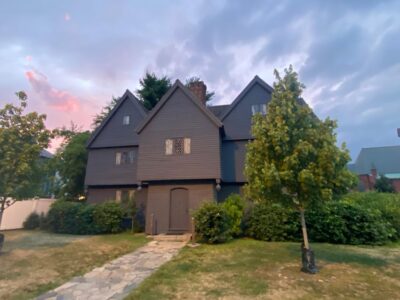
History and Hauntings of Salem Guided Walking Tour
Read our review →
Freedom Trail History Small Group Walking Tour
Read our review →
Historic Charleston Guided Sightseeing Walking Tour
Read our review →
Tapas Walking Tour with Food, Wine, and History
Read our review →
Savannah History and Haunts Candlelit Ghost Walking Tour
Read our review →
A History of Terror – Belfast City Centre Walking Tour
Read our review →Browse the lists this tour appears in