
Review · FLORENCE
Florence Highlights: Guided Walking Tour of the Historic Center
Florence rewards a good first walk. This tour links the city’s major landmarks with quieter corners, pairing live English commentary with a self-guided app you can use at your own pace. I like the easy central meeting point and the chance to see everything from the Duomo to lesser-known medieval towers without paying for attraction admission. The main drawback is its flexible format: some people may find the organization less personal, and one report described a late start and a monotonous guide.
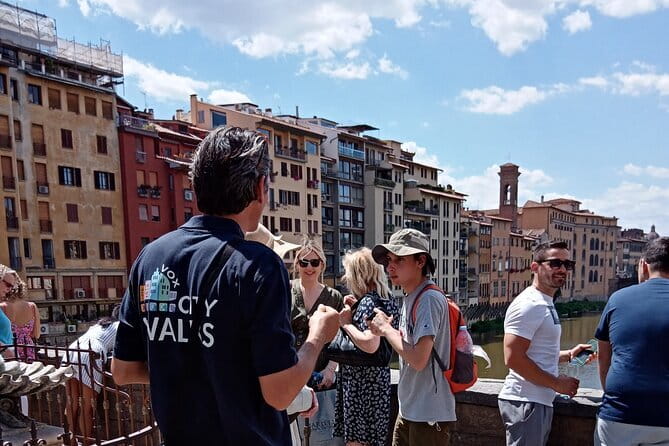
The price is about $30.12 per person, which is fair if you want a quick orientation before exploring Florence on your own. You should arrive five minutes early at Café Firenze on Via de’ Martelli, look for the guide in a dark blue Vox City uniform, and download the audio guide before you arrive.
Key points to know before you book
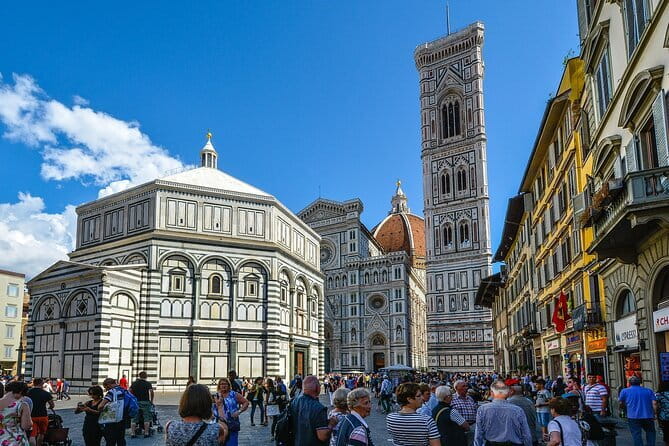
- A fast tour of Florence’s historic center: The route covers the Duomo, Baptistery, Giotto’s Bell Tower, Palazzo Vecchio, the Uffizi area, Piazza della Signoria, and several historic churches and palaces.
- Live guide plus self-guided app: You can follow the English-speaking guide or use the multilingual audio content in English, French, German, Italian, Spanish, or Chinese.
- Useful flexibility: The walking pass remains valid for 12 months from your chosen date, and the app can help you locate the guide if you pause and rejoin the route.
- No museum entries included: You see the exteriors of major sights, but admission to places such as the Uffizi Gallery, the Duomo complex, and Palazzo Vecchio is not covered.
- A small-group feel is possible, but not guaranteed: The maximum group size is 30, and some departures may be much smaller.
- A practical first look at Florence: At 90 minutes, it gives you a city orientation without taking up most of your day.
Why this short Florence walk works well
Florence is compact, but its center can feel like a parade of grand names: Medici, Brunelleschi, Donatello, Dante, Strozzi. A guide helps connect those names to the streets under your feet. This walk is designed as an introduction rather than a full museum experience, so you spend most of the time outside, moving from one landmark to the next.
I like that the route does not stop at only the postcard sights. You see major monuments, but you also pass old towers, palaces, market streets, and a church with Roman-era foundations. That broader view helps you understand Florence as a living city, not just an open-air collection of famous facades.
The format is slightly unusual. You receive a 90-minute guided walk in English, plus access to a sightseeing app with recorded audio in six languages. You need your own phone and headphones, which are not supplied. Scan the QR code on your voucher and download the audio before meeting the guide. That simple step matters, since poor phone service or a dead battery could make the self-guided part less useful.
The tour has a maximum of 30 people. That is manageable for a city walk, though it is not the same as a private visit. Some departures may feel intimate. One booking had only two people and two guides, Elisabetta and Laura, while another praised Laura’s guiding and the flexibility of the app.
More History Walking Tours in Italy
- Basilica Santa Croce: Walking Among the Masters of Florence
★ 5.0 · 107 reviews - Florence: Fashion History Guided Walking Tour & Museum Visit
★ 4.2 · 72 reviews - Art and History in Florence: Small Group Walking Tour
★ 5.0 · 25 reviews
Starting at Via de’ Martelli
The meeting point is Café Firenze at Via de’ Martelli, 50/r, near the corner of Via de’ Pucci. This is a convenient place to begin because you are close to the Duomo and several of the city’s central streets.
Arrive five minutes early. Look for a guide wearing a dark blue Vox City uniform. The details are basic, but they reduce the usual Florence meeting-point confusion, especially in a busy central area where several walking tours may gather at once.
The tour is offered in English with live commentary. If English is not your preferred language, the recorded guide is available in English, French, German, Italian, Spanish, and Chinese. This gives you a useful choice: listen to the live guide for atmosphere and route details, then use the app for extra context or a second language.
Santa Maria Novella and the first church stop
The first church stop is described as a roughly 700-year-old church built on the site of a monastery, with art by Donatello. This opening sets the tone for Florence, where religious buildings also function as art galleries and political markers.
You will admire the exterior and hear the story of the site rather than enter as part of the tour. That distinction is important. The experience does not include admission to attractions, so you should not expect a museum-style visit or time to study every artwork inside.
Still, the church gives you an early lesson in how Florence developed. Monastic foundations, powerful families, major artists, and public life often share the same few blocks here. A guide can point out those connections much faster than a guidebook can.
Mercato Nuovo and the famous piglet
The route continues to the covered Mercato Nuovo, recognizable by its Renaissance-style arches and its popular piglet fountain. This is a welcome change from formal squares and imposing churches.
The market offers a sense of Florence’s street life. The piglet is a small landmark, but it is also one of those easy photo stops that gives the walk a lighter moment. If you want a picture, keep it quick so you do not lose the group.
The market stop also helps you see how the center works beyond its grand monuments. Florence’s history is not locked inside palaces. It appears in market arcades, pavement, fountains, and old trading streets.
More Old Town and Historic Centre Walks in Italy
- Private Tour of the Historic Center of Florence by Golf Car
★ 4.5 · 40 reviews - Florence tour of the historic center. Stories, legends and gossip
★ 5.0 · 27 reviews - Rome in a Day Tour with Vatican, Colosseum and Historic Center
★ 4.5 · 1,042 reviews - Rome Food Tour in the Historic Centre with 8+ Food Tastings
★ 5.0 · 1,000 reviews
Piazza della Signoria and Palazzo Vecchio

Piazza della Signoria is one of the route’s major stops. Its unusual shape and long political role make it more than a pretty square. This was the public stage of Florence, where government, ceremony, and civic power came together.
Nearby, you look up at Palazzo Vecchio, Florence’s town hall and one of the city’s best-known symbols. Its heavy medieval form carries a clear message of authority. From the outside, you can appreciate its role in Florence’s political story without spending time inside.
The guide’s commentary is especially useful here because the square can feel crowded and visually overwhelming. There are statues, palace walls, arcades, and passing pedestrians competing for your attention. A good explanation gives order to the scene.
Neptune’s Fountain and the Loggia dei Lanzi

The next stops bring you to a Medici-era fountain created nearly 500 years ago, followed by the Loggia dei Lanzi, an arched gallery filled with historic statues.
This section is ideal for people who want a quick introduction to public sculpture. The Loggia is open to the square, so you can see its statues without a ticket. It is one of Florence’s best outdoor art spaces, though the open setting means you may need to pause and look carefully as people move around you.
The fountain and gallery also show how Florence used public art to project power. The Medici family did not limit its influence to private rooms. It placed symbols of wealth and authority where everyone could see them.
The Uffizi area without a museum ticket
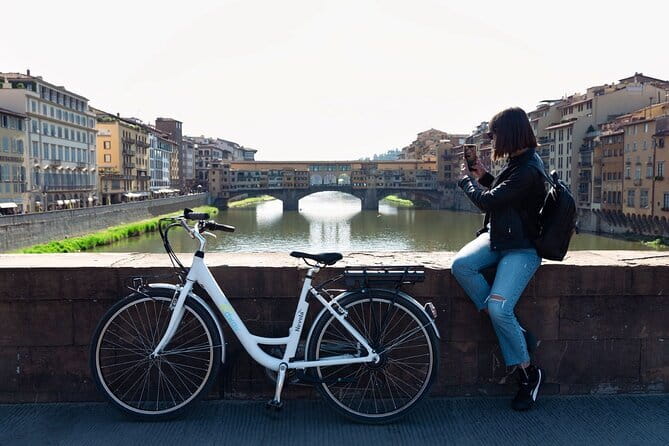
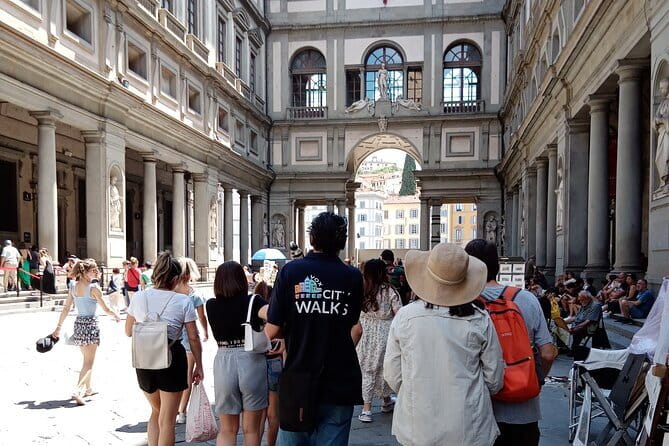
The route passes the Uffizi Gallery, home to a world-class collection of Italian Renaissance sculpture and painting. This is one of the clearest places where the tour’s limits matter.
You will see the gallery from outside and receive context about its importance, but entry is not included. If the Uffizi is a priority, plan a separate visit and reserve enough time for it. A 90-minute city walk cannot replace several hours among Botticelli, Leonardo, Michelangelo, and other major works.
What the tour does provide is orientation. You learn where the gallery sits in relation to Palazzo Vecchio, the Arno area, and the main center. That can make a later museum visit easier to plan.
Romanesque stonework and the smaller piazzas

The route includes one of Florence’s oldest churches, noted for its Romanesque architecture, and a triangular piazza lined with Gothic and Renaissance palaces. These stops are useful because they move beyond the standard Duomo and Uffizi circuit.
Romanesque architecture can look plain beside Florence’s decorated marble facades, but that is part of its appeal. Heavy forms, rounded arches, and older stonework show an earlier side of the city.
The triangular square offers another lesson in Florence’s dense urban design. Rather than a broad modern plaza, you get a shaped public space surrounded by old buildings. Keep your eyes on the upper stories as well as street level. The facades often tell as much about the city’s past as the monuments do.
Palazzo Bartolini Salimbeni and Palazzo Strozzi
One stop features a High Renaissance palace designed by Baccio d’Agnolo. Another brings you to Palazzo Strozzi, built by the Strozzi family, long-time rivals of the Medici.
These palace stops add social and political context. Florence’s leading families competed through banking, government, art, and architecture. Their buildings were public statements, not just private homes.
Palazzo Strozzi is especially helpful for understanding that the Medici were not the only family shaping the city. The rivalry gives Florence’s grand architecture a human edge. Wealthy families wanted influence, status, and control, and they expressed those goals in stone.
The squares, towers, and Basilica of San Lorenzo
The walk also reaches one of Florence’s popular squares, where statues line a fountain known as the Fountain of the Naiads. The route then points toward a tall church connected with several Medici burials.
This church is Basilica of San Lorenzo, one of the key Medici sites. Even from outside, it helps explain the family’s role in Florence. The Medici were not simply wealthy patrons who paid for art. They were closely tied to the city’s religious and political institutions.
You also pass the Chestnut Tower, one of the best-preserved towers in the historic center. Medieval Florence once had many family towers, and this surviving example gives you a feel for the city’s older defensive and residential character.
These smaller details are among the best reasons to choose this walk. The Duomo gets the photographs, but towers and side streets help you picture what Florence was like before the Renaissance transformed its public image.
The Duomo, Brunelleschi’s dome, and the Baptistery
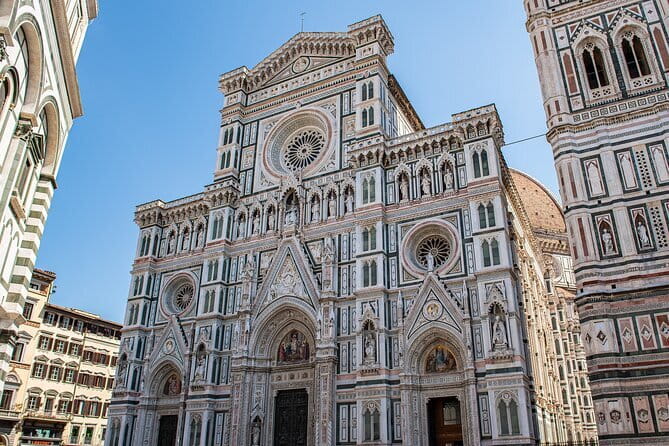
The grandest part of the route is the Cathedral of Santa Maria del Fiore. Its enormous dome, designed by Filippo Brunelleschi, dominates the city skyline and remains Florence’s defining sight.
You will likely pause for photographs and hear why the dome matters. The tour does not include entry, a dome climb, or access to the cathedral interior. If you want those experiences, arrange them separately.
The Baptistery comes next. This striking octagonal building served as Florence’s exclusive place for baptism for centuries. Its shape and age make it an important part of the cathedral complex, not just a smaller building beside the main church.
Then comes Giotto’s Bell Tower, a free-standing campanile more than 80 meters tall and nearly 700 years old. The group views it from ground level. Even without climbing, you can appreciate how its position beside the cathedral creates one of Florence’s most memorable architectural groups.
The route also points out the oldest surviving building in the historic center, with foundations dating to the Roman era, though its exact origins are uncertain. That is a useful reminder that Florence’s story reaches much further back than the Renaissance.
Dante, medieval Florence, and the final stretch
The walk passes the museum dedicated to Dante Alighieri, the poet associated with The Divine Comedy. You may not enter, but the stop gives you a literary connection to the city.
Dante helps widen the picture. Florence is known around the world for painting, sculpture, and architecture, but its importance also comes from writing, politics, religion, and language. His presence adds another layer to the streets you are walking through.
The final portion returns you toward the central meeting area. Because the activity ends where it begins, you can easily continue sightseeing, stop for lunch, or use the app later to revisit a location.
How the flexible app changes the experience
The self-guided feature is the most distinctive part of this tour. You can join the live walk, leave when you need a break, and use the app to locate the guide and rejoin the route. One person used the service this way, stopping when hungry and continuing later.
That flexibility is valuable in Florence, where a short walk can quickly turn into a long day on stone streets. You may want coffee, a meal, or extra time at the Duomo. The option to pause makes this more forgiving than a standard fixed walking tour.
It can also make the experience less personal. One critical account described a late start, little introduction, organizational problems, and a monotonous delivery. That does not appear to be the usual experience, since the overall rating is 4.8 from 27 reviews and 93 percent recommend it, but you should know that guide quality can vary.
Price, timing, and who should book
At about $30.12, this is good value if you want a short introduction to Florence’s center and plan to explore museums on your own. You get a live 90-minute walk, multilingual recorded content, and a sightseeing app, but no attraction admissions, phone, or headphones.
I would choose it for a first morning in Florence, especially if you want help finding your bearings before visiting the Uffizi or cathedral complex. It also suits people who like freedom rather than a tightly controlled group schedule.
I would not choose it as your only Florence experience if you want detailed museum interpretation, interior visits, or a private guide. The route covers a lot of ground, so some stops receive only a short explanation.
Free cancellation is available up to 24 hours before the start time. Changes or cancellations made inside that window are not refunded, and the pass remains valid for 12 months from your selected date, which gives you useful protection if your plans shift.
Should you book this Florence walking tour?
Book it if you want a broad, affordable introduction to Florence with the option to pause and continue. The route covers the city’s essential landmarks while adding churches, towers, palaces, and smaller public spaces that many quick visits miss.
Skip it if you need guaranteed personal attention or a deep look inside the major monuments. For the best experience, arrive early, download the app, bring headphones, and treat the walk as your city orientation. Then spend the rest of your day returning to the places that caught your eye.
FAQ
How long is the Florence walking tour?
The guided walking tour lasts 90 minutes. The overall experience is described as lasting approximately one to two hours.
What language is the live tour offered in?
The live commentary is in English.
Which languages are available in the audio guide?
The recorded audio guide and sightseeing app are available in English, French, German, Italian, Spanish, and Chinese.
Where does the tour begin?
The tour begins at Café Firenze, Via de’ Martelli, 50/r, near the corner of Via de’ Pucci in Florence.
Where does the tour end?
The activity ends back at the meeting point.
How do I find the guide?
Arrive about five minutes early and look for a guide wearing a dark blue Vox City uniform.
Are attraction admission tickets included?
No. Entry to attractions is not included in the tour price.
Do I need to bring my own phone and headphones?
Yes. A mobile device and headphones are not provided. You should scan the QR code on your voucher to download the audio guide before arrival.
Can I cancel the tour for a full refund?
Yes, if you cancel at least 24 hours before the experience start time. Cancellations or changes made less than 24 hours before the start time are not refunded or accepted.
More History Walking Tours in Florence
- Essential Florence Walking Tour to discover its history
★ 5.0 · 21 reviews - History and Hauntings of Salem Guided Walking Tour
★ 5.0 · 14,564 reviews - Lisbon: History, Stories and Lifestyle Walking Tour
★ 4.8 · 10,902 reviews - Boston: Freedom Trail History Small Group Walking Tour
★ 5.0 · 6,450 reviews
More Old Town and Historic Centre Walks in Florence
- Madrid Essential: Historic Center, Plaza Mayor & Royal Palace
★ 5.0 · 6,416 reviews - Lisbon: Live Fado Show with Port Wine in Historic Center
★ 4.7 · 4,166 reviews - Valencia Old Town Tour with Wine & Tapas in 11th Century Historic Monument
★ 5.0 · 3,234 reviews - Prague Old Town, Medieval Underground and Dungeon Historical Tour
★ 4.5 · 3,227 reviews
Just added around Florence
- Florence tour of the historic center. Stories, legends and gossip★ 5.0 · 27 reviews
- The History of Florence: The Renaissance Era Private Tour★ 5.0 · 49 reviews
- EXCLUSIVE – Wine Tasting near Florence with Castle and Ancient Cellars Tour★ 5.0 · 34 reviews
- Private Tour of the Historic Center of Florence by Golf Car★ 4.5 · 40 reviews
- Private Chianti Classico Tour with wine and food tasting in a Historic Estate★ 4.5 · 23 reviews
- Pitti Palace and Palatine Gallery: A Royal Art and History Tour★ 4.5 · 42 reviews
- Private Guided Visit Florence’s Santa Croce Basilica and Ancient Leather School★ 5.0 · 19 reviews
- Guided Medici Tour Florence: Discover Mysteries & History★ 4.0 · 23 reviews
Old Town & Historic Centre Walks, compared.
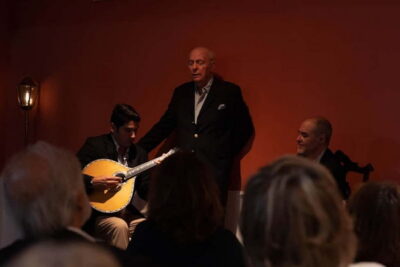
Live Fado Show with Port Wine in Historic Center
Read our review →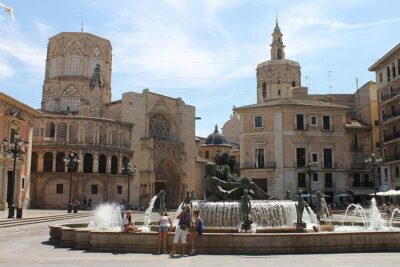
Valencia Old Town Tour with Wine & Tapas in 11th Century Historic Monument
Read our review →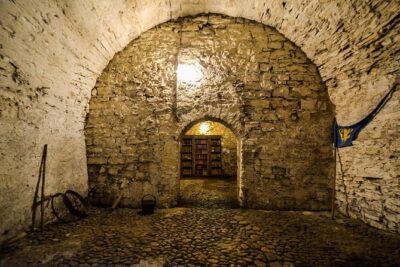
Prague Old Town, Medieval Underground and Dungeon Historical Tour
Read our review →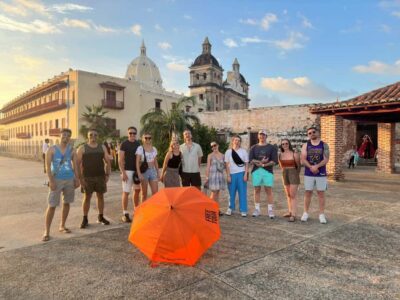
Historic Center and Getsemaní Shared Walking Tour
Read our review →
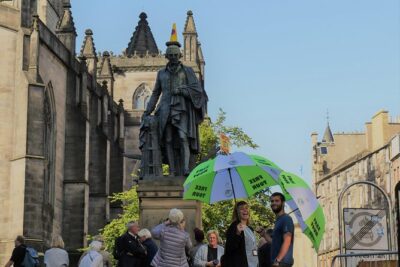
Old Town Walking Tour History and Tales in Edinburgh
Read our review →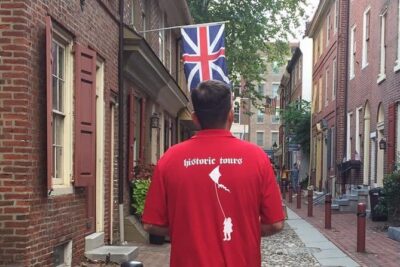
Philadelphia Old City Historic Walking Tour with 10+ Top Sites
Read our review →
Saadian Tombs & Bahia Palace, Medina Guided Tour
Read our review →Browse the lists this tour appears in