
Review · GRANADA
Albayzín y Sacromonte, Unesco Heritage Neighborhoods
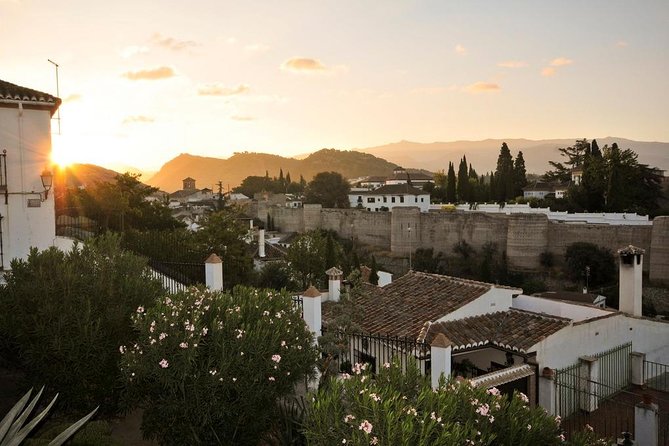
Granada climbs quickly. This two-and-a-half-hour walk takes you through the Albayzín and Sacromonte, two neighborhoods where Muslim Granada, Christian Granada, and living local traditions meet. I like the small group of up to 15 people and the chance to see the city on foot rather than from behind a bus window. I also like the late-afternoon start, which can bring warm light to the Alhambra and Sierra Nevada.
The main drawback is the terrain. You will walk up and down steep lanes, cobblestones, and stairs, and the guide cannot remove the hills. There have also been a few serious reports of guides failing to appear, so keep your booking confirmation and meeting details handy.
Key points to know before booking
- Two old neighborhoods in one walk: See the Albayzín’s winding lanes and the cave homes of Sacromonte in a single outing.
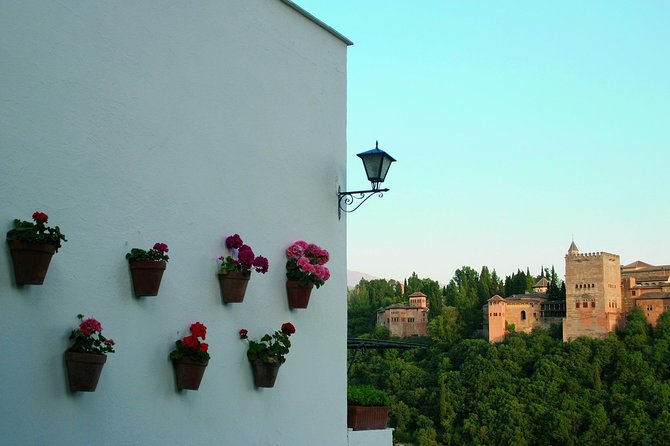
- Excellent viewpoints: San Nicolás and San Cristóbal offer memorable views toward the Alhambra and Granada.
- A 5:00 pm departure: The timing may give you softer light for photographs, especially as the afternoon moves toward evening.
- A real uphill walk: Expect inclines, steps, and uneven cobblestones, though the pace is described as reasonable rather than punishing.
- Guided navigation matters: The Albayzín is easy to lose yourself in, and a local guide helps connect the streets, buildings, and viewpoints.
- Good value at $21.78: You receive an official tourism guide and about two and a half hours of walking, but food, drinks, and monument entry are extra.
Why the Albayzín deserves your first afternoon
The Albayzín is one of Granada’s oldest quarters. It grew as a Muslim settlement alongside the Alhambra, the Realejo, and the former Arrabal de Bib-Arrambla. At its height, roughly 40,000 people lived here, supported by about 30 mosques.
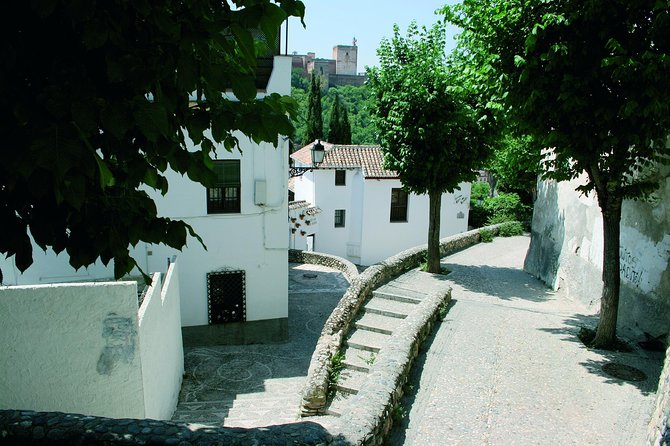
You can still sense that older city in the plan of the streets. Lanes twist, narrow, and occasionally seem to end without warning. Small squares open suddenly, giving you a patch of light and space before the walls close in again. This is exactly the kind of place where a guide earns the fee. You can wander alone, but you may miss the meaning of what you are seeing or spend half your time trying to find your way back.
The neighborhood also preserves traces of its Muslim past. Look for remains of mosques, old minarets, and Spanish-Muslim cisterns. The tour does not include entry to paid monuments, so this is mainly an outdoor history walk, with the streets themselves acting as the main attraction.
I especially like the cármenes, traditional Granada houses with gardens. They are often hidden behind plain walls, which makes the occasional glimpse all the more rewarding. Mudejar towers add another layer, reflecting the blend of Christian and Islamic building traditions that shaped much of southern Spain.
The Albayzín is not simply an open-air museum. People still live here, and the lanes have an everyday feel. That matters. You are not just looking at old stone. You are walking through a functioning neighborhood, where history sits beside ordinary homes, shops, and city life.
More UNESCO World Heritage Tours in Spain:
- Essentials of Valencia and its World Heritage Sites
★ 4.5 · 405 reviews - Alcalá World Heritage Tour
★ 4.8 · 24 reviews - World Heritage Shirakawa-go and Experience Tours from Kanazawa
★ 5.0 · 4,049 reviews
San Nicolás and San Cristóbal: the views that justify the climb
The viewpoints are among the strongest reasons to book this walk. San Nicolás is the famous one, with a direct view toward the Alhambra and the Sierra Nevada beyond it. San Cristóbal offers another angle across Granada.
The exact amount of time spent at each viewpoint can vary with the guide and group, but the walk gives you several chances to stop for photographs. One useful detail from the tour feedback is that the pace usually leaves room for pictures instead of forcing everyone onward immediately. That is welcome here. The views are not the sort you want to rush past.
A practical warning: popular viewpoints can become crowded, especially at the end of the day. A person with a selfie stick once made it difficult for others in the group to see and photograph the scene. Stay aware of the people around you, and take your turn at the front of the viewing area.
The late start at 5:00 pm is well chosen for atmosphere. You may catch the Alhambra in changing light, though the precise sunset effect depends on the season. The tour is not advertised as a sunset tour, so do not book it with a guarantee of a particular sunset. Think of evening light as a pleasant possibility.
Sacromonte’s caves and flamenco traditions
From the Albayzín, the walk continues toward Sacromonte, the traditional Roma quarter of Granada. The area rises along a dry, reddish hill marked by agaves and prickly pears. Its setting looks quite different from the tighter lanes of the Albayzín, with broad views toward the Alhambra, the hillside homes, and the Valparaíso Valley below.
Sacromonte is best known for its cave homes. These are not isolated holes in the hillside. The caves are grouped along ravines, forming their own streets and small clusters. A typical cave layout placed the kitchen near the entrance, next to the dining area, with one or two bedrooms farther inside, depending on the space available.
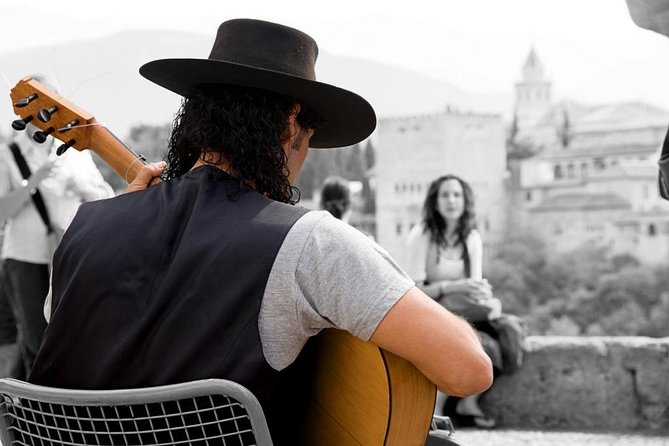
For centuries, these caves have been associated with Roma families, bohemians, and flamenco performers. The neighborhood’s flamenco tradition is expressed in the zambras, intimate performances tied to Sacromonte’s local culture. The tour gives you context for that tradition, but it does not include a flamenco show.
The supplied route allows about 45 minutes in Sacromonte. That is enough to understand the area and take in its views, but not enough for an exhaustive visit to every cave or cultural site. If Sacromonte becomes your favorite part of Granada, you may want to return later with more time.
It is also important to approach the neighborhood with respect. The cave homes and local traditions are not stage scenery. Listen carefully to the guide, avoid treating residents’ homes as photo props, and remember that a picturesque street can also be somebody’s front door.
What the guide adds to the walk
The guide is the difference between a pleasant stroll and a useful introduction to Granada. This route crosses a maze of streets, and the guide handles the navigation while explaining how Muslim and Christian communities shaped the city.
Named guides praised in the feedback include Ana, Jaime, Juana, and Alexandra. Ana was singled out for her work with the group. Jaime was praised for explaining the relationship between Muslims and Christians, while Juana was noted for keeping a reasonable pace on the hills and stairs. Alexandra also received strong approval.
That range of comments points to the tour’s best feature: a good guide can connect separate sights into one story. A cistern is more meaningful when you understand how water supported the old quarter. A Mudejar tower makes more sense when you know it reflects the meeting of Islamic and Christian building styles. A cave feels less like a curiosity when you learn how families adapted the interior to the hillside.
The group limit of 15 is helpful. It is not a private tour, but it should be easier to hear the guide and stay together than in a large crowd. Small groups also make it less awkward to stop at viewpoints, though the behavior of other people still affects the experience.
A few more history tours around Spain worth a look
- Madrid Essential: Historic Center, Plaza Mayor & Royal Palace
★ 5.0 · 6,416 reviews - Barcelona: Tapas Walking Tour with Food, Wine, and History
★ 4.8 · 4,261 reviews - Sevilla Food Tour: Tapas, Wine, History & Traditions
★ 5.0 · 3,468 reviews - Valencia Old Town Tour with Wine & Tapas in 11th Century Historic Monument
★ 5.0 · 3,234 reviews
The walking conditions: beautiful, but not flat
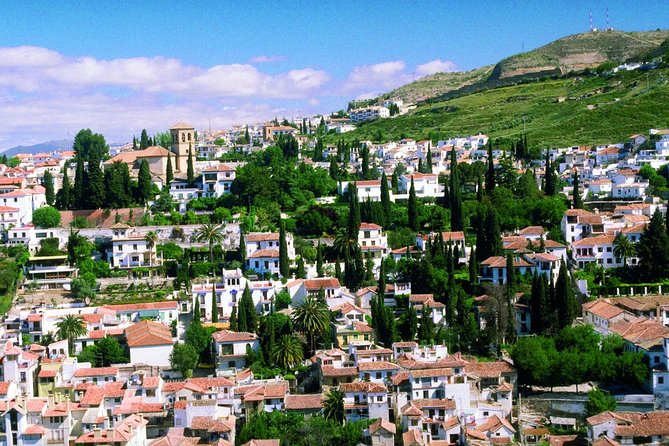
You should treat this as a proper walking tour, not a gentle city stroll. The Albayzín includes slopes, stairs, narrow cobblestone lanes, and uneven surfaces. The Sacromonte portion adds more climbing and hillside walking.
The feedback describes the route as a reasonable pace rather than an intense workout. Still, reasonable does not mean flat. If hills are difficult for you, ask yourself whether two to three hours of steady walking is comfortable before booking.
Wear shoes with a firm sole. Leave room in your schedule before and after the tour so you do not have to hurry. The walk ends in the Albayzín, not back at the starting point, so you will need to arrange your next stop from there.
The tour is near public transportation, and most people can participate. The supplied information does not promise a fully accessible route, so people who need step-free access should confirm conditions with the provider before paying.
Meeting point, timing, and what is included
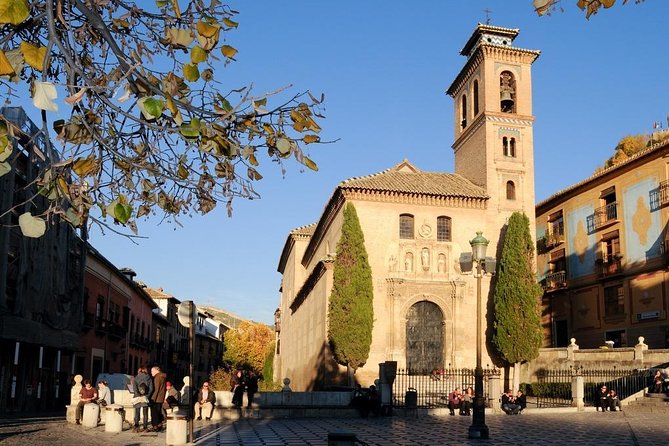
The meeting point is Plaza de Santa Ana, at Pl. de Sta. Ana in Granada. The walk begins at 5:00 pm and ends in the Albayzín. Check the exact meeting instructions in your confirmation, and arrive early enough to find the guide without a last-minute sprint through unfamiliar streets.
The price is $21.78 per person. For an official tourism guide, a maximum group of 15, and roughly two and a half hours of instruction, I consider that fair value. You are paying mainly for local orientation and explanation, not admission to a major monument.
Food, drinks, and monument tickets are not included. That keeps the basic price down, but you should budget separately if you plan to enter a paid site or stop for refreshments. The walk itself is the main product.
The experience is offered in English. Confirmation is provided at booking, and free cancellation is available up to 24 hours before the start time. Changes or cancellations made less than 24 hours in advance are not accepted for a refund.
The tour is often booked about 33 days ahead. That does not mean you must reserve a month in advance, but it suggests that popular dates can fill. I would book earlier if you have only one evening available in Granada.
A note about reliability
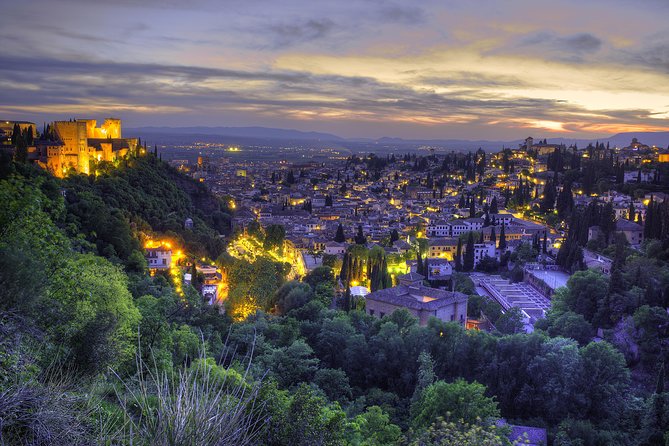
The overall score is strong at 4.8 from 250 reviews, and 95 percent of people recommend the experience. The most common praise focuses on the scenery, the historical context, and the guides’ ability to make the hills worthwhile.
But the negative reports are too important to ignore. Several people said no guide appeared at the meeting point, and one said the listed phone number did not answer. The provider invited those customers to contact its support email, [email protected], to investigate.
This may reflect isolated communication or meeting-point problems rather than the usual experience, but it is still a practical concern. Save the confirmation, check the meeting point carefully, and keep the provider’s contact information available. If the guide is not there, document where you waited and contact support promptly.
Who will get the most from this experience?
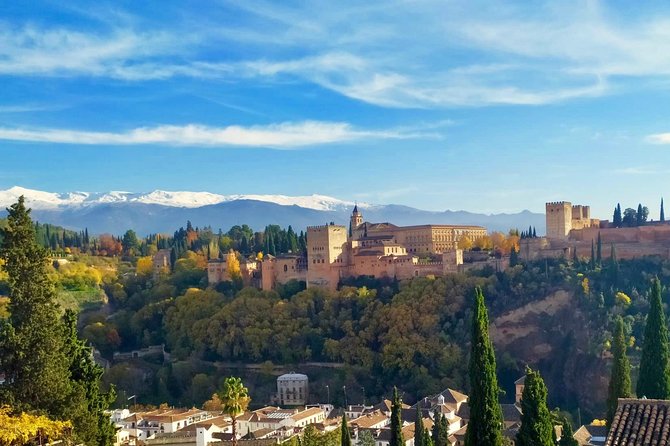
I would choose this tour if you are visiting Granada for the first time and want a clear introduction to two neighborhoods that can otherwise feel confusing. It is especially useful if you enjoy history, photography, old streets, and local traditions more than formal museum visits.
It also suits people who want a small-group outing with a guide but do not want to spend the price of a private tour. The route offers strong views without requiring you to plan every turn yourself.
You may want to skip it if steep streets and stairs are a serious problem, if you dislike group walking, or if you want extensive interior visits. The tour focuses on streets, views, neighborhood character, and explanation. It is not a full Alhambra visit, a cave-show ticket, or a food tour.
Should you book the Albayzín and Sacromonte walk?
Book it if you want context and orientation. At $21.78, the price is modest for two and a half hours with an English-speaking official guide, and the combination of Muslim-era streets, cármenes, viewpoints, cave homes, and flamenco traditions gives you a strong introduction to Granada.
I would make it one of your first activities in the city, provided you are comfortable with hills. The main caution is operational reliability, so confirm the start details and keep support information close. If the tour runs as planned, it offers exactly what Granada’s upper neighborhoods need: someone to show you the way while explaining why every turn matters.
FAQ
Where does the tour begin?
It begins at Plaza de Santa Ana, listed as Pl. de Sta. Ana in Granada.
Where does the tour end?
The tour ends in the Albayzín neighborhood.
What time does the tour start?
The scheduled start time is 5:00 pm.
How long does the experience last?
The visit lasts about two and a half hours, with the total duration described as roughly two to three hours.
Is the tour offered in English?
Yes. The experience is offered in English.
How large is the group?
The maximum group size is 15 people.
Are monument tickets included?
No. Monument tickets are not included in the tour price.
Are food and drinks included?
No. Food and drinks are not included.
Can I cancel for a full refund?
Yes, if you cancel at least 24 hours before the experience start time. Cancellations made less than 24 hours in advance are not refunded.
Is the route suitable for most people?
The information states that most people can participate. The route includes hills, stairs, and uneven streets, so consider your comfort with uphill walking before booking.
Just added around Spain
- Skip the Line Get Your Alhambra Ticket Now and Step into History★ 4.0 · 22 reviews
- Tapas&Tours with Leo – Tasting Culture and History★ 5.0 · 35 reviews
- Private Jewish History Tour★ 4.5 · 32 reviews
- Full-Day Tour Exploring History, Nature and Aloe Vera Farm★ 4.5 · 40 reviews
- Granada: 3-hour Historical Tour by Segway★ 5.0 · 104 reviews
- Girona History and Legends Tour Small Group from Girona★ 5.0 · 299 reviews
- Girona Jewish Heritage small group from Girona★ 4.5 · 68 reviews
- Girona History, Legends, and Food Walking Tour with food tasting★ 5.0 · 195 reviews
UNESCO World Heritage Tours, compared.
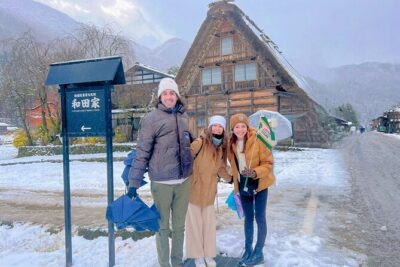
World Heritage Shirakawa-go and Experience Tours from Kanazawa
Read our review →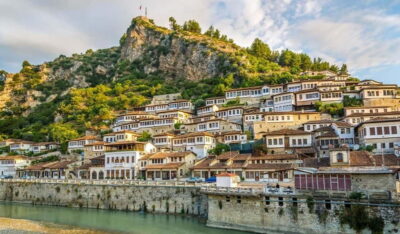
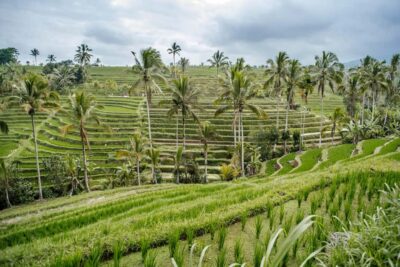
Bali: Tanah Lot UNESCO World Heritage Sites Full-Day Tour
Read our review →World Heritage Kyoto & Nara Uji Authentic Matcha Experience
Read our review →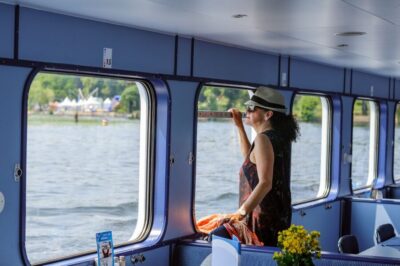
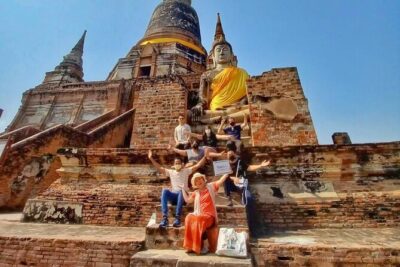
UNESCO’s Ayutthaya Historical Park: Full-Day Tour from Bangkok
Read our review →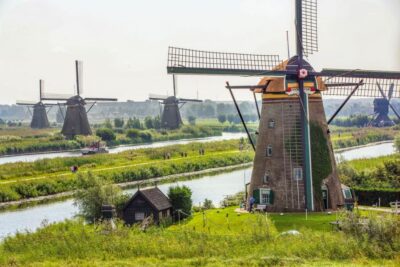
Rotterdam: Kinderdijk UNESCO World Heritage Entry Ticket
Read our review →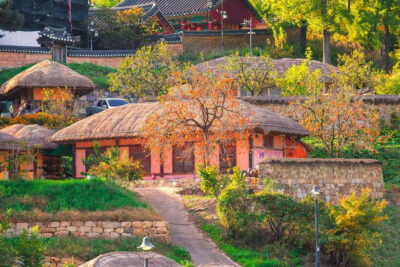
From Busan: Gyeongju UNESCO World Heritage Guided Day Tour
Read our review →Browse the lists this tour appears in