
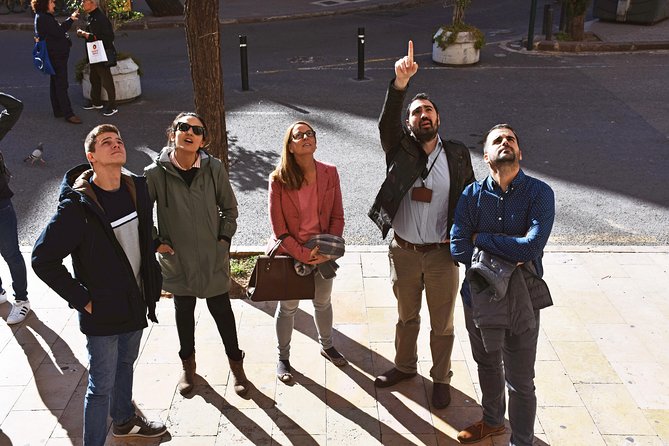
Review · VALENCIA
Essentials of Valencia and its World Heritage Sites
Start with Valencia’s grandest shortcuts. This two-hour walk links the city center’s best-known landmarks with three UNESCO-recognized traditions and sites, making it a smart first look at Valencia. I especially like the included entry to La Lonja de la Seda and the way guides such as Sara, Maria, Gabor, and Sofi bring architecture, festivals, and local customs into the same story.
The route is also easy to fit into a busy visit, including a cruise stop, since it starts at Estació del Nord and ends near the cathedral. The main consideration is pace: you see a lot in two hours, but some stops are brief, mostly outside, and access to certain buildings can change with events, holidays, or evening scheduling.
Key points to know before you book
- Three UNESCO connections in one walk: La Lonja de la Seda, the Tribunal of the Waters, and the Fallas tradition all receive clear attention.
- The Silk Exchange is the payoff: Your ticket includes entry to its remarkable Gothic trading hall, unless an event forces a change.
- A useful first-day route: The walk links Estació del Nord, the city hall, Central Market, La Lonja, and the cathedral area.
- Strong guide feedback: Sara, Maria, Gabor, and Sofi are repeatedly praised for clear English, warmth, historical knowledge, and practical advice.
- Good value at $21.78: For a small-group tour of up to 25 people, the price includes a professional guide and the Silk Exchange admission.
- Watch the timing: August and September evening tours at 6:30 p.m. do not include entry to the Central Market or La Lonja.
Why this two-hour Valencia walk works so well
Valencia can feel spread out at first. Its railway station, civic center, market, Gothic monuments, cathedral square, and modern districts all tell different parts of the city story. This tour gives you a sensible route through the historic center without asking you to decipher a map on your first morning.
I like the balance between famous buildings and living traditions. You are not simply led from one photo stop to another. You hear about the Fallas festival, learn how the Mediterranean diet connects with the Central Market, and get an introduction to the Tribunal of the Waters, one of Europe’s oldest continuing legal traditions.
The tour is offered in English, although the guide may be multilingual. The group can reach 25 people, so this is not a private stroll, but that size remains workable for a central-city walk. Good guides make a real difference here. Sara is praised for clear explanations and enthusiasm, Maria for local restaurant advice and a friendly pace, Gabor for his interest in history, and Sofi for handling an unfortunate pickpocket incident with care and calm.
More UNESCO World Heritage Tours in Spain:
- Alcalá World Heritage Tour
★ 4.8 · 24 reviews - World Heritage Shirakawa-go and Experience Tours from Kanazawa
★ 5.0 · 4,049 reviews - From Tirana: Berat UNESCO Heritage & Belshi Lake Tour
★ 4.9 · 3,863 reviews
Estació del Nord: Valencia’s ornate starting point
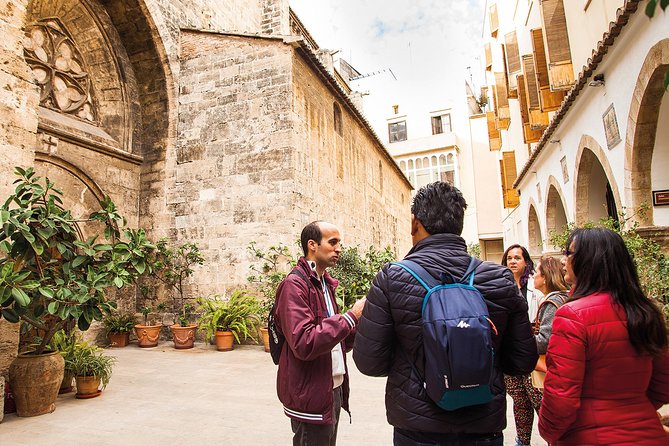
The tour begins at Estació del Nord, Valencia’s main railway station. You spend about 20 minutes examining the station rather than treating it as a place to meet and immediately leave.
That is a smart choice. The station introduces Valencia’s decorative side before the walk reaches the medieval center. Your guide explains its history and points out details that are easy to miss when you are rushing for a train or searching for a taxi.
The station is also a practical meeting point. It is centrally placed and easy to reach, though you must arrange your own transport to the start. The tour does not include transportation to or from either end.
Plaça de l’Ajuntament and the Fallas story
From the station, the route moves to Plaça de l’Ajuntament, Valencia’s large civic square. Here, the focus shifts from buildings to Fallas, the city’s famous festival and the most recent of the three UNESCO connections discussed on the walk.
Fallas takes place from March 15 to 19. During those days, Valencia fills with enormous temporary monuments, music, traditional clothing, fireworks, and the unmistakable smell of gunpowder. The festival turns the city into an open-air display that is designed to disappear, which makes its inclusion on a heritage list especially interesting.
You will not experience the full festival unless you visit in March, but the explanation gives you a better way to read Valencia’s public spaces. It also shows that local heritage is not limited to old stone walls. Festivals, craft, costume, sound, and communal rituals matter too.
The stop lasts about 15 minutes. That is enough for a useful introduction, but not a full Fallas lesson. If the festival is a major reason for your trip, plan extra time beyond this tour.
Valencia City Hall and the civic center
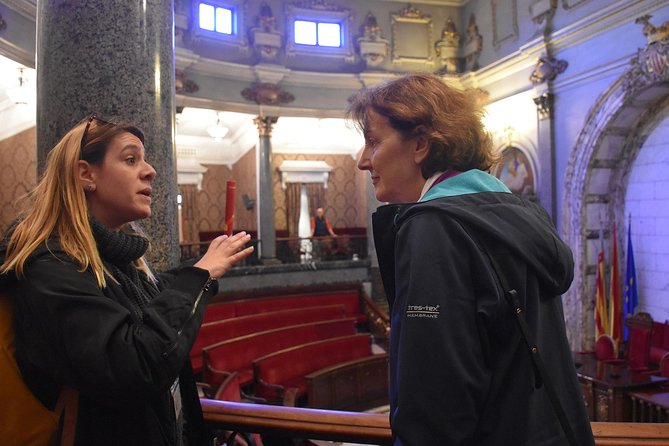
The next stop is Ajuntament de València, the city hall. The visit lasts roughly 20 minutes and normally takes place on working days, except during official events or holidays. Evening tours in August and September at 6:30 p.m. also have a different arrangement.
This stop gives the walk a civic angle. You see how the modern city presents itself while your guide connects the building and square with Valencia’s political and cultural life. It is a useful contrast to the commercial purpose of La Lonja and the everyday trade of the Central Market.
Access is not guaranteed at every departure. Official events and holidays can close the building, so you should treat the city hall visit as a welcome possibility rather than the one feature on which you base your booking.
A few more history tours around Spain worth a look
- Madrid Essential: Historic Center, Plaza Mayor & Royal Palace
★ 5.0 · 6,416 reviews - Barcelona: Tapas Walking Tour with Food, Wine, and History
★ 4.8 · 4,261 reviews - Sevilla Food Tour: Tapas, Wine, History & Traditions
★ 5.0 · 3,468 reviews - Valencia Old Town Tour with Wine & Tapas in 11th Century Historic Monument
★ 5.0 · 3,234 reviews
Central Market and the Mediterranean diet
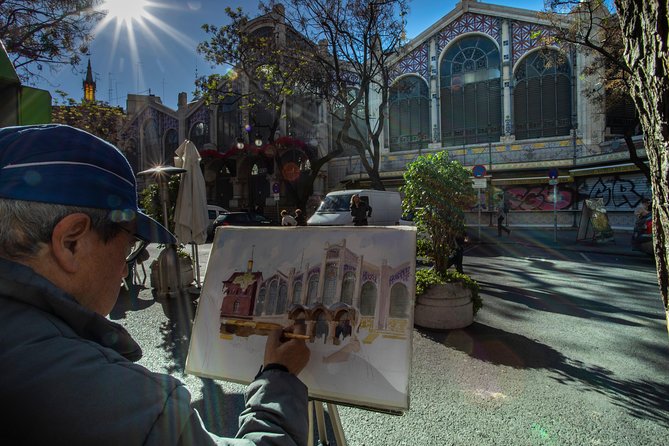
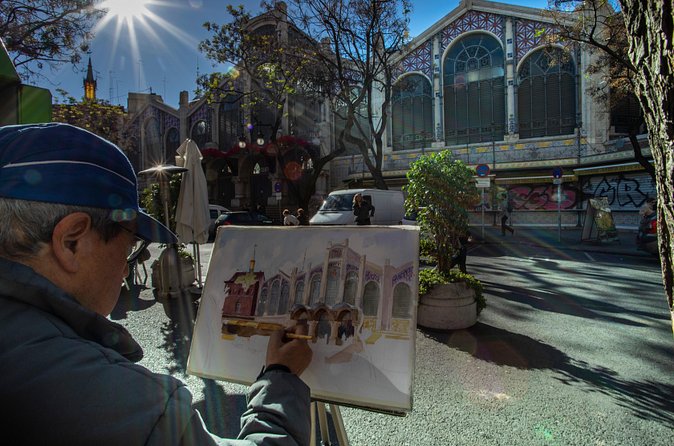
The Central Market receives about 10 minutes, including an explanation of its role and the Mediterranean diet. That is a short stop, but it adds a necessary everyday layer to the tour.
A market tells you more about local life than a grand monument alone. Here, the discussion connects food, regional habits, and Valencia’s position within Mediterranean culture. The market also helps explain why food is such a useful way to understand the city.
The timing matters. August and September evening tours at 6:30 p.m. do not include entry to the market. The guide still explains it, but you will not have the same interior visit as participants on other departures. If the market matters to you, choose a morning or daytime tour and confirm the schedule before booking.
Several guides also offer practical suggestions after the formal walk. Maria is praised for sending restaurant recommendations in different parts of Valencia, and another guide stayed behind to answer questions about where to go next. That kind of advice can be more useful than another date from a history book.
La Lonja de la Seda: the tour’s strongest stop
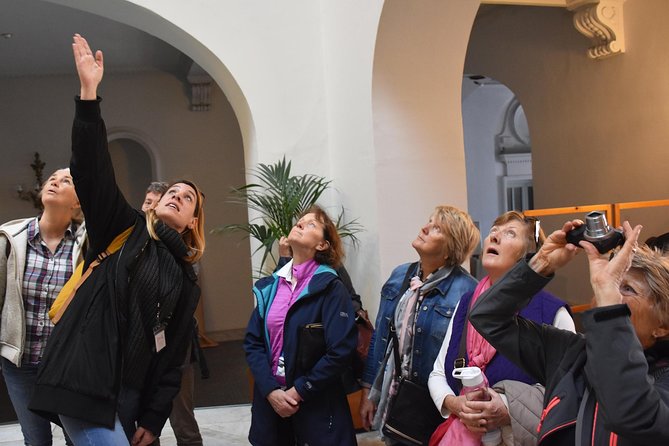
The walk’s centerpiece is La Lonja de la Seda, or the Silk Exchange. You spend about 30 minutes here, and admission is included in the usual tour price.
This is the strongest value in the experience. The building was declared a UNESCO World Heritage Site in 1996, and the interior gives you a clear sense of Valencia’s commercial power during its Golden Age. The Sala de Contratación, with its twisting columns, ribs, and vaulted ceiling, is the sort of place that deserves more than a quick photograph.
Your guide explains how the building functioned as a center for trade and contracts. The architecture is impressive, but the practical story makes it easier to understand. This was not merely a decorative hall. It was built for business, and its scale reflects the importance of Valencia’s merchants.
The visit can change if La Lonja is closed for an event. In that case, the operator may send you the ticket so you can enter independently later in the afternoon, or offer a ticket of equal value for another museum or monument. That is a reasonable solution, but it means the central interior experience is not completely certain.
The evening tours in August and September at 6:30 p.m. do not include La Lonja entry. For the best value, book a departure that includes admission.
Plaça de la Mare de Déu and the Tribunal of the Waters
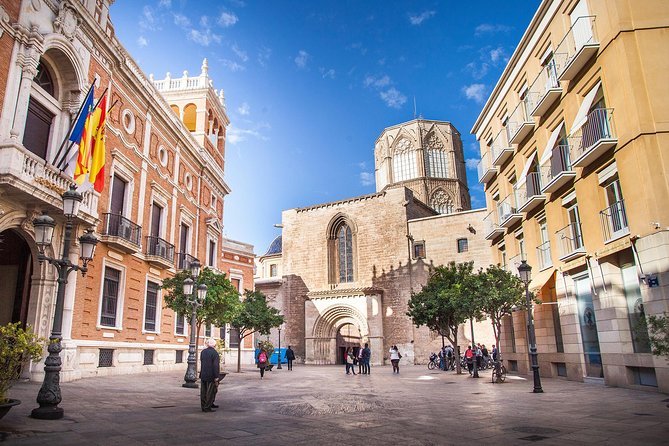
The final stop is Plaça de la Mare de Déu, near the cathedral. The guide discusses the Tribunal of the Waters, recognized as Intangible Cultural Heritage of Humanity in 2008.
The tribunal meets every Thursday at noon at the cathedral’s Apostles’ Gate. Representatives from nine irrigation districts gather to settle water disputes between their communities. This is a striking example of old customs still connected to practical life.
If your tour falls on a Thursday and reaches the square before noon, you may be able to see this event. One detailed account describes the guide arranging the route so the group arrived in time. That timing can turn a normal history walk into something much more memorable.
The schedule is not guaranteed, so do not book solely for this sight unless your departure clearly lines up with Thursday at 12:00. Even without seeing the tribunal in session, the explanation adds an important connection between Valencia’s past and the way communities managed scarce water.
The tour ends at Carrer del Micalet, 7, near the cathedral and the historic center. That is a useful place to continue exploring on your own.
What the guides add to the experience
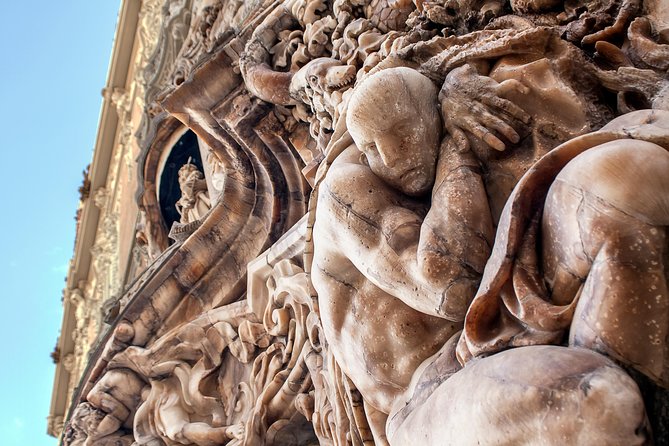
This tour depends heavily on the guide, and the feedback is unusually consistent on that point. Sara is praised for speaking clear English, answering questions patiently, and making architecture and history easy to follow. Maria is described as warm, well prepared, and generous with restaurant suggestions.
Gabor receives similar praise for his organization, enthusiasm, and clear explanations. Sofi is appreciated not only for her historical knowledge, but also for looking after the group when someone was pickpocketed during the walk.
That last detail offers a practical reminder. Keep your belongings secure in crowded central areas, especially around major sights and busy streets. The incident did not define the tour, but it shows why you should remain alert even when a guide is present.
The strongest guides appear to do more than recite dates. They help you decide what deserves a longer visit, how to move around the center, and where to eat later. That turns the tour into a starting point for the rest of your stay.
Price, group size, and the real value
At $21.78 per person, this is inexpensive for a two-hour guided walk that includes entry to La Lonja. The price is especially fair if you value context. You could walk past the station, market, city hall, and Silk Exchange for free, but you would miss the connections between them.
The group size can reach 25 people. That is large enough for a social atmosphere but small enough for a guide to keep the route together. You should not expect the intimacy of a private guide, and you may need to stand close to hear during explanations in busy squares.
The tour does not include transport, food, cathedral admission, or any other attraction ticket beyond the specified La Lonja entry. You should also allow time after the tour for the Central Market or cathedral area, since several stops are introductions rather than full visits.
Who should book this Valencia tour?
I would choose this for a first visit, especially if you want a quick sense of the old center before exploring alone. It suits people who like architecture but also want food, festivals, and local customs in the same outing.
It is a good option for cruise passengers because the route is compact, the meeting point is easy to reach, and the walk finishes with time to continue sightseeing or return to the ship. Several people found the length useful for exactly that reason.
Families can join, but children must be accompanied by an adult. Anyone who dislikes walking, outdoor heat, or brief stops should think carefully before booking. The tour is designed as an overview, not a slow museum visit.
Book a daytime departure if the Central Market and La Lonja interiors are priorities. If you visit on Thursday morning, the Tribunal of the Waters may add a special moment, though the timing cannot be promised.
Should you book it?
Yes, if you want an affordable and well-organized introduction to Valencia’s historic center. The included La Lonja admission gives the tour solid value, while the Fallas and Tribunal of the Waters add cultural depth beyond the usual monument checklist.
Skip it if you already know the center well or want long, unhurried visits inside each building. For most first-time visitors, though, this is a useful launchpad. You leave with a better map of the city, a clearer sense of its past, and several good ideas for what to see and eat next.
Free cancellation is available up to 24 hours before the start time. A minimum number of participants is required, and if that number is not reached, you are offered another date or experience, or a full refund.
FAQ
How long does the Essentials of Valencia tour last?
The tour lasts approximately two hours.
Where does the tour begin?
It begins at Estació del Nord in Valencia, Spain.
Where does the tour finish?
The tour ends at Carrer del Micalet, 7, in Valencia’s Ciutat Vella, near the cathedral area.
Is La Lonja de la Seda admission included?
Yes, admission to La Lonja de la Seda is included on departures that enter the building. August and September evening tours at 6:30 p.m. do not include entry.
Does the tour include transportation?
No. You must arrange your own transportation to the meeting point and from the ending point.
Can children join the tour?
Yes. Children can participate, but they must be accompanied by an adult.
Can I cancel for a full refund?
Yes, you can cancel up to 24 hours before the experience start time for a full refund. Cancellations or changes made less than 24 hours in advance are not accepted for a refund.
Just added around Spain
- Jerez de la Frontera History and Art Walking Tour★ 4.5 · 49 reviews
- 2 Hours Tour around Cádiz: History, anecdotes and curiosities★ 5.0 · 89 reviews
- Bilbao Historical Small Group Tour★ 4.5 · 159 reviews
- Barcelona Jewish & Gothic Tour★ 5.0 · 18 reviews
- Andorra Original History and Sightseeing Tour (Private, Pickup)★ 5.0 · 350 reviews
- History Museum of Catalonia & Rooftop Access Ticket★ 4.5 · 43 reviews
- Sip, Sites & Bites Barcelona Food, Drinks & History Tour★ 4.5 · 95 reviews
- Barcelona Tapas Food Tour, Taverns, History & Local Culture★ 5.0 · 42 reviews
UNESCO World Heritage Tours, compared.
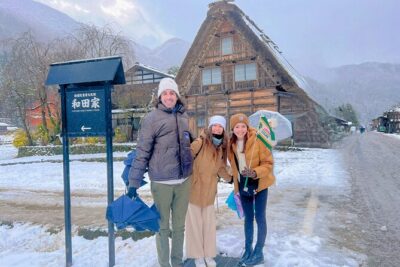
World Heritage Shirakawa-go and Experience Tours from Kanazawa
Read our review →

Bali: Tanah Lot UNESCO World Heritage Sites Full-Day Tour
Read our review →World Heritage Kyoto & Nara Uji Authentic Matcha Experience
Read our review →

UNESCO’s Ayutthaya Historical Park: Full-Day Tour from Bangkok
Read our review →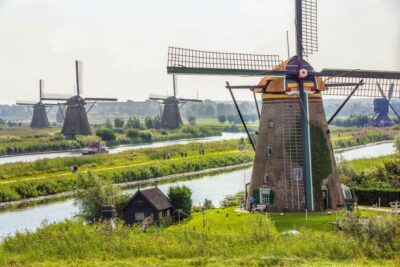
Rotterdam: Kinderdijk UNESCO World Heritage Entry Ticket
Read our review →
From Busan: Gyeongju UNESCO World Heritage Guided Day Tour
Read our review →Browse the lists this tour appears in