

Review · BARCELONA
FC Barcelona History Immersive Walking Tour – Beer Included
Football memories begin far from the big stadium. This FC Barcelona history tour starts at the former Camp de les Corts, where the club played from 1922 to 1957, then follows a short route through places tied to Barça’s players, fans, youth academy, and future. I like the opening beer at Bar Mangle, and I like that the tour explains FC Barcelona as part of Catalan society rather than treating it as only a famous brand.
The main drawback is easy to miss: the FC Barcelona Museum ticket is not included and must be bought separately. The tour is also listed at about 1 hour 30 minutes, so you should expect a brisk visit rather than a long museum-and-stadium afternoon. Camp Nou itself is under renovation, so this is a history-and-context tour, not a normal stadium access visit.
Guide Gabriel receives especially warm praise for his clear storytelling, patience, and passion for football culture. He has been praised for answering questions from both children and serious football fans, and for connecting the club to Catalan identity, local neighborhoods, and supporters.
Key things to know before booking
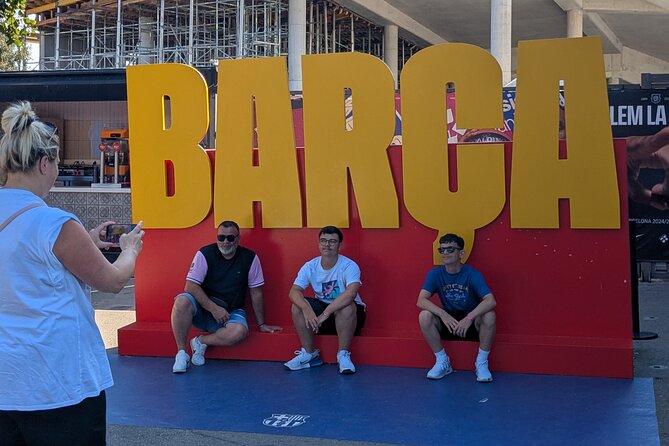
- You begin at the exact site of Camp de les Corts, FC Barcelona’s home from 1922 to 1957, with a complimentary beer at Bar Mangle.
- The route links several places most Barça visitors miss, including the Pi de les Corts, Can Fusté, the original La Masia, and Les Corts Cemetery.
- Private transfers are provided between the two main locations, helping you cover the older football sites and the Camp Nou area without wasting time.
- Camp Nou is currently being rebuilt, so you see the works from a special viewpoint and hear about the Espai Barça project.
- The official museum is optional and costs extra, despite the tour’s general promise of included entry tickets.
- The small group is capped at 20 people, and the tour is offered in English with mobile ticketing.
Why this Barça tour feels different
Most FC Barcelona visits focus on the current stadium, trophies, famous players, and club merchandise. This route begins before Camp Nou existed. That matters because the club’s story makes more sense when you see where it played, where supporters gathered, and how its neighborhood changed over time.
The former Camp de les Corts is now represented by Bar Mangle at Travessera de les Corts, 272. You are not walking into the old stadium, since it no longer functions as a football ground, but you are standing on its former site. Over a beer, the guide explains the development of Spanish and Catalan football and the club’s early years in this part of Barcelona.
I like this opening because it gives the tour a human scale. You begin with a drink and a story, not with a large shop or a queue. The beer is included, and it gives the first half hour a relaxed feel. If you want a standard stadium tour with turnstiles, dressing rooms, and a long museum visit, this opening may feel too modest. If you want to understand the club’s roots, it is a smart start.
The group size can reach 20 people. That is still manageable for a walking tour, though it is not the same as a private guide for just your family or friends. The tour is offered in English, and confirmation arrives when you book.
More History Walking Tours in Barcelona
- Barcelona: Tapas Walking Tour with Food, Wine, and History
★ 4.8 · 4,261 reviews - Barcelona Tapas Walking Tour: Food, Wine & History
★ 4.5 · 1,928 reviews - Barcelona: Dark History Night Walking Tour
★ 4.8 · 344 reviews
Camp de les Corts: Barça before Camp Nou
Camp de les Corts was FC Barcelona’s home from 1922 until 1957. Its place in the route is important because it was the setting for a major period of growth before the club moved to the much larger Camp Nou.
At Bar Mangle, you learn how football developed in Spain and Catalonia and how FC Barcelona formed its identity in its original neighborhood. The guide’s job here is not simply to list dates. The strongest feedback about Gabriel points to his ability to connect football with society and supporters, which is exactly the kind of context this first stop needs.
Allow about 30 minutes at this location. That is the longest scheduled stop before the optional museum. The included drink adds value, but the real value is the explanation of why this site mattered. I would pay close attention here, since the later stops make more sense after you understand the club’s earlier home.
One practical point: this is a history site rather than a preserved stadium. You should not expect old stands or a reconstructed pitch. The appeal comes from being shown the location and imagining how the area functioned during the club’s earlier decades.
The Pi de les Corts and the old fan meeting point
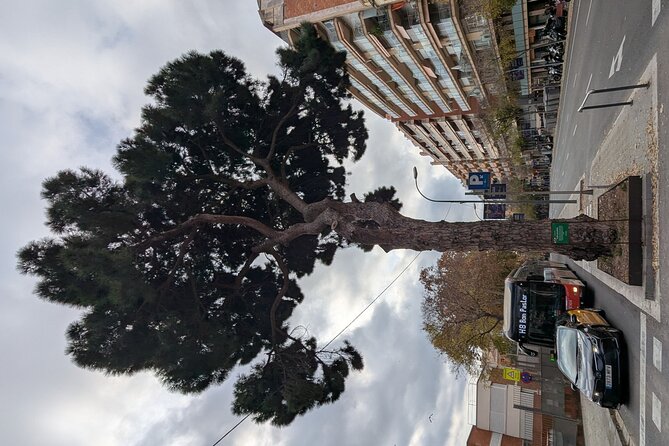
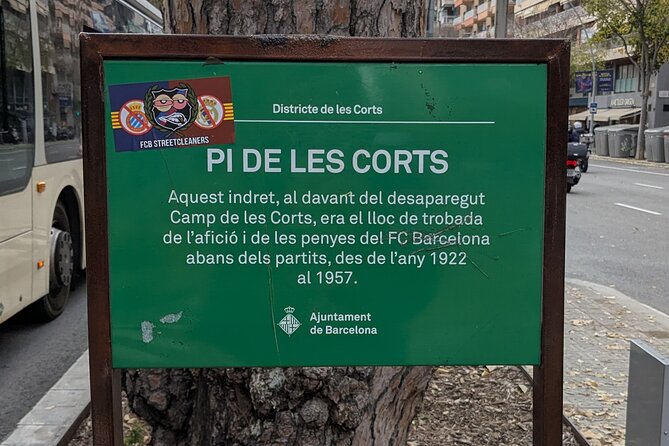
The next stop is the Pi de les Corts, a century-old pine tree that once served as a meeting point for Barça fans before matches. From 1922 to 1957, meet me at the pine was reportedly as familiar to supporters as meeting at Canaletes is today.
The stop lasts about five minutes, so this is a quick look rather than a long talk under the tree. Still, I find it one of the route’s most useful details. Stadiums tell you where a club played. Meeting points tell you how supporters organized their match day.
This is also where the tour shifts from club buildings to fan culture. You get a glimpse of the habits and landmarks that made football part of everyday life in Les Corts. Take a moment to picture the place filled with supporters heading toward Camp de les Corts. The tree is a small detail, but small details often make a sports history tour easier to remember.
Can Fusté and the Quini kidnapping
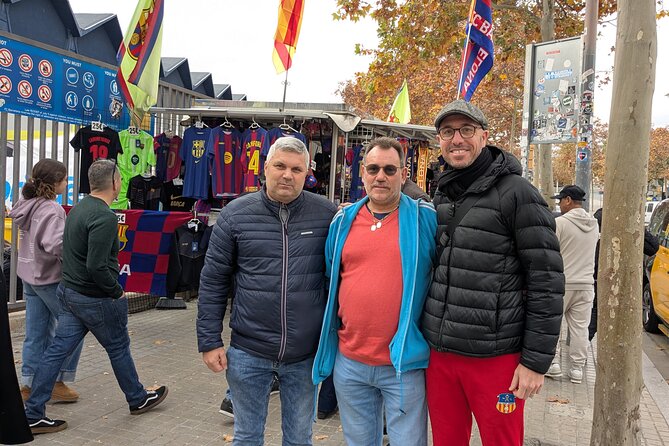
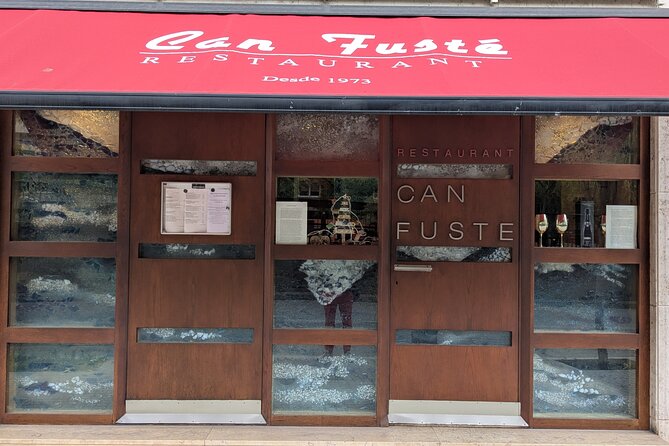
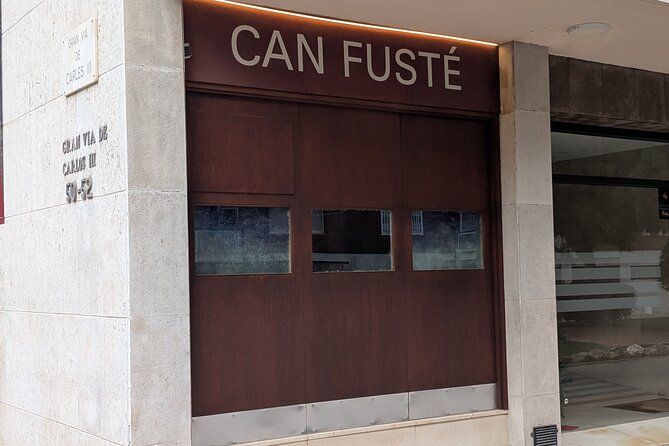
The route continues to Can Fusté, a traditional neighborhood restaurant where Barça players have gathered for decades. The stop is brief, about five minutes, but the location carries one of the most startling stories on the tour.
In 1981, Can Fusté became an improvised police headquarters during the 25-day kidnapping of FC Barcelona striker Quini. That event remains one of the most dramatic episodes connected with Spanish football, and the restaurant gives the story a physical setting. You are not hearing about an abstract incident in a book. You are standing outside the place that became part of the response.
The tour does not promise a meal here, so do not confuse this visit with a restaurant stop. It is a storytelling point. If you enjoy football stories that show how players, clubs, police, and local communities overlap, this will likely be one of the more memorable moments.
More History Walking Tours in Spain
- Barcelona 1.5h Private Old Town, Gothic & Ramblas Walking Tour
★ 5.0 · 318 reviews - Barcelona: The Spanish Civil War Historical Walking Tour
★ 4.9 · 239 reviews - Barcelona Historical Walking Tour: Gothic Quarter and El Born
★ 5.0 · 217 reviews - Barcelona in 2 Hours: Guided Walk Through History and Sights
★ 5.0 · 203 reviews
La Masia, where a famous academy began
The original La Masia building dates from 1702. From 1979 to 2011, this farmhouse housed FC Barcelona’s celebrated youth academy. Lionel Messi, Xavi, Andrés Iniesta, and many other players lived and trained here during their development.
You see the exterior only. The building is under renovation and cannot currently be entered. That restriction is important, especially if La Masia is the main reason you are booking. You will not tour dormitory rooms or training spaces.
Even so, the outside visit helps explain the club’s reputation for developing its own players. The building is not just another old structure near Camp Nou. It represents the residential side of the academy system, where young players lived within the club’s orbit. The guide can explain why the place carries so much meaning for Barça supporters.
The stop is listed at about five minutes. That is enough for an exterior view and a short explanation, but not enough for an extended architectural visit. I would treat La Masia as a significant story stop, not a full attraction.
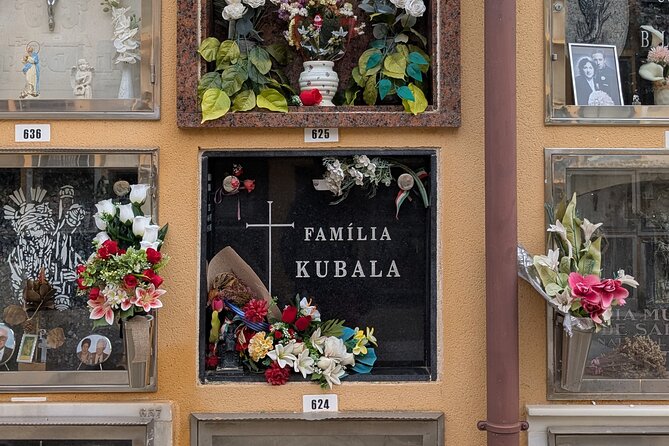
Les Corts Cemetery and the memory of Ladislao Kubala
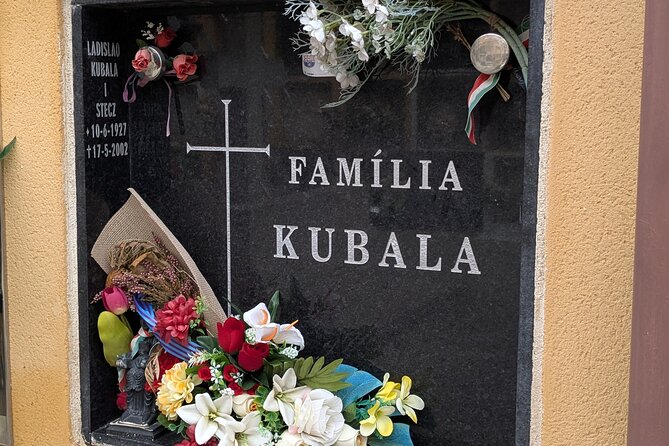
The walking route passes through Les Corts Cemetery, where FC Barcelona figures are buried, including Ladislao Kubala. Kubala arrived in 1950 and became one of the players associated with the club’s move toward a much larger stadium.
This passage adds an unusual layer to the tour. You are not only seeing where players trained and where fans met. You are also passing a place connected to the club’s memory. The route does not list a separate admission ticket or a long stop here, so expect to pass through rather than spend a large part of the afternoon inside.
Kubala’s place in the story is especially useful for explaining why Camp Nou became necessary. His arrival helped drive a period of growth, and the older ground could no longer serve the club’s ambitions. The stadium project was not just a matter of building a grander venue. It followed changes in the club, its players, and its audience.
Camp Nou during the Espai Barça rebuild
The tour ends in the Camp Nou area, currently under renovation. From a special viewpoint, the guide explains the work taking place and the club’s future plans through the Espai Barça project.
This is not a normal Camp Nou stadium tour. You should not expect to sit in the stands, visit the changing rooms, or walk onto the pitch. Instead, you see the renovation from outside and receive an explanation of how the club wants to reshape the site.
That can be a drawback if you are visiting Barcelona mainly for the traditional Camp Nou experience. It can also be a plus if you are curious about the club’s next chapter. The construction gives you a rare moment in the stadium’s timeline, when one era is being dismantled and another is taking form.
The tour’s strongest theme is the link between past and future. You start at the former home in Les Corts and finish by looking toward the club’s planned redevelopment. The route makes Camp Nou feel like part of a longer story, not the entire story.
The FC Barcelona Megastore and optional museum
After the Camp Nou viewpoint, the route includes the large official FCB Megastore. The scheduled visit lasts about 20 minutes. You can browse jerseys, souvenirs, and official merchandise, with a broad selection for adults and children.
The shop is free to enter, but purchases are not part of the tour price. This stop will matter most if you want a shirt or gift. If you have no interest in merchandise, it may feel like a sales-oriented ending after a more thoughtful historical route.
The museum is optional and must be booked separately. This is the point I would clarify before paying. The general tour description refers to entry tickets and drinks being included, but the detailed schedule specifically says museum admission is not included. The safest reading is that your tour ticket covers the scheduled experience and the beer, but not the museum.
That distinction affects the total cost. The tour price is $58.87 per person, and the museum requires an additional payment. If you already plan to visit the museum, you should add that cost when comparing this tour with a standard museum package.
The museum itself is described through its trophies and interactive displays in the feedback about family visits. Children aged 7, 10, 11, and 13 were said to enjoy the displays, while adults valued the football and Catalan context. The museum may be the best add-on for families and first-time Barça visitors, but it is not required to understand the walking route.
Is $58.87 good value?
At $58.87 per person, this tour is not the cheapest way to see the Camp Nou area. Its value depends on what you want to learn.
You are paying for an English-speaking guide, the historical route, a complimentary beer, included entry to the scheduled stops, and private transfers between the two main locations. The transfer matters because the route covers older football sites and the Camp Nou district. Without organized movement, the short tour could lose time to navigation.
You are not paying for museum admission, a match ticket, or a full stadium interior visit. That keeps the tour from being an all-in-one Barça day. Still, the price can make sense if you would otherwise spend money on a museum visit and wander around the neighborhood without knowing what you were seeing.
The strongest value comes from the stories. Gabriel has been praised for making the club’s connection with Catalan society clear, for answering questions patiently, and for keeping both children and serious football fans interested. His style seems particularly suited to people who want more than trophy facts.
Some feedback also praised a wider football-culture approach, including smaller Catalan clubs and local supporter life. Those comments refer to experiences beyond the specific route described here, so I would not assume those extra stops are included. Ask for the exact route if that side of Barcelona is your main interest.
Who should book this experience?
I would recommend it to football fans who already know the famous Barça names and want to understand the places behind them. It also suits families, since the guide’s patient approach and the optional museum can work for different ages.
It is a good choice for a solo visitor who wants an organized introduction to Barcelona football culture. The included beer gives the opening a social touch, while the small maximum group keeps the route from becoming a huge procession.
You should think twice if your top goal is entering Camp Nou. The stadium is under renovation, and the tour provides an outside viewpoint rather than a conventional stadium visit. You should also confirm the museum cost before booking, since it is extra.
Wear comfortable shoes and plan for a fast-moving 90 minutes. The scheduled stops are short after the opening, so listen closely and be ready to move. If you want a slower look at every place, a private tour or a longer museum visit may suit you better.
Cancellation, access, and booking details
You can cancel for a full refund up to 24 hours before the local start time. Changes or cancellations made less than 24 hours before the start are not accepted for a refund.
The tour accepts mobile tickets and service animals. It is near public transportation, and most people can participate. The maximum group size is 20, and the tour is offered in English.
The meeting point is Bar Mangle at Travessera de les Corts, 272, in Les Corts. The tour ends at Spotify Camp Nou in Les Corts, 08028 Barcelona. A private transfer is provided between the two main locations, which helps keep the short schedule practical.
Should you book the FC Barcelona History Immersive Walking Tour?
Book it if you want football stories rooted in real Barcelona places, not just a quick look at trophies and team shirts. The former Camp de les Corts, the Pi de les Corts, Can Fusté, La Masia, the cemetery, and the Camp Nou rebuild create a useful chain of stories.
Skip it if you need a full stadium interior visit or want museum admission included in one price. For everyone else, $58.87 is reasonable when you value a guide who can explain the club’s social setting and connect old neighborhoods with Barça’s future. Just budget separately for the museum and confirm the current schedule before you go.
FAQ
How long does the FC Barcelona history tour last?
The advertised duration is approximately 1 hour 30 minutes.
Where does the tour begin?
It begins at Mangle Bar, Travessera de les Corts, 272, Les Corts, Barcelona.
Where does the tour end?
It ends at Spotify Camp Nou in Les Corts, Barcelona.
Is the tour offered in English?
Yes. English is the listed language.
Is a drink included?
Yes. The tour begins with a complimentary beer at Bar Mangle.
Is FC Barcelona Museum admission included?
No. Museum admission is optional and must be purchased separately.
Can I enter the original La Masia building?
No. The building is under renovation and cannot currently be entered. The tour visits its exterior.
Can I cancel for a full refund?
Yes. You can cancel at least 24 hours before the experience start time for a full refund. Changes or cancellations made less than 24 hours before the start are not accepted.
Just added around Barcelona
- Historical Barcelona E-bike Guided Tour★ 4.5 · 106 reviews
- Barcelona: La Boqueria Food, Wine & History Walking Tour★ 5.0 · 126 reviews
- Barcelona in 2 Hours: Guided Walk Through History and Sights★ 5.0 · 203 reviews
- Barcelona Ghosts of a Dark Past Gothic Walking Tour★ 5.0 · 55 reviews
- Montjuïc Cemetery Walking Tour – Hidden Art, History & Views★ 5.0 · 62 reviews
- Bike Tour in Barcelona: History, Architecture and Culture★ 3.5 · 29 reviews
- Historical and Modernist Bike Tour Barcelona★ 5.0 · 262 reviews
- Barcelona Historic Walking Tour and Food Experience★ 5.0 · 18 reviews
History Walking Tours, compared.
History and Hauntings of Salem Guided Walking Tour
Read our review →
Freedom Trail History Small Group Walking Tour
Read our review →
Historic Charleston Guided Sightseeing Walking Tour
Read our review →
Tapas Walking Tour with Food, Wine, and History
Read our review →
Savannah History and Haunts Candlelit Ghost Walking Tour
Read our review →
A History of Terror – Belfast City Centre Walking Tour
Read our review →Browse the lists this tour appears in