
Review · BARCELONA
Barcelona in 2 Hours: Guided Walk Through History and Sights
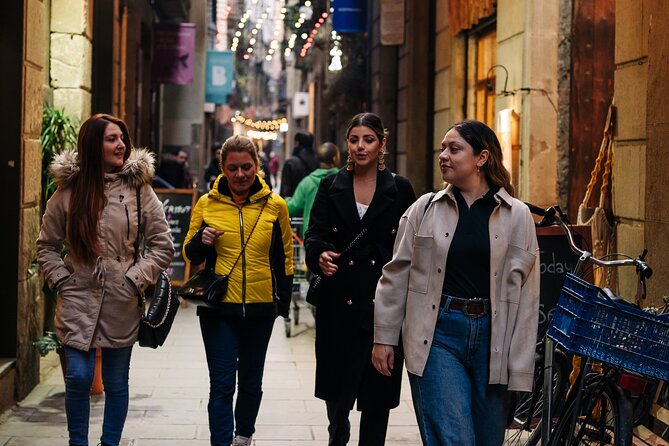
Barcelona rewards curious walkers. This two-hour tour links the Gothic Quarter with El Born, using cafés, churches, squares, and street art to explain the city beyond its postcard views. I like the strong mix of history and culture, and I like the way local guides such as Petra, Jorge, Sonia, and Vanessa add personal tips and lesser-seen corners. The main drawback is pace: eleven stops in roughly two hours leaves little time to linger.
You begin at Plaça del Vuit de Març and finish at Santa Maria del Mar, so the route works well as an early introduction to Ciutat Vella. I also appreciate the modest $22.99 price, especially since the walk includes several major sights from the outside. Still, the group can reach 20 people, and one review noted that street noise made some explanations hard to hear without a speaker or audio guide.
Key points to know before you book
- Picasso and Gaudí’s café: Els 4 Gats gives the walk an artistic opening tied to two of Barcelona’s best-known creators.
- Eleven stops in two hours: Expect a brisk route with about ten minutes at each listed point, plus walking time between them.
- Catalan identity is central: La Diada, the 1714 defeat, independence, government, and local saints all appear along the way.
- Two important interiors cost extra: Admission to Barcelona Cathedral and Santa Maria del Mar is not included.
- English group tour: The experience is offered in English, with a maximum of 20 people and a private upgrade available.
- Useful first-day choice: Guides have shared practical suggestions for food and further exploring, including a recommendation for Tapas 2254.
Why this two-hour route works as a Barcelona introduction
Barcelona can feel like several cities at once. Gaudí’s modernist streets, the Gothic Quarter, Roman remains, Jewish heritage, Catalan politics, and the old maritime district all compete for your attention. This walk gives you a compact way to connect those pieces.
The route is strongest when it explains why a place matters, rather than simply naming it. A bridge becomes part of a local legend. A wall mural becomes a reminder of defeat and memory. A government square becomes a stage for celebration and protest. That approach helps you read the city after the tour ends.
The price is fair for a guided orientation. At $22.99, you are paying for a local voice and a carefully connected route, not for entrance tickets or a long visit inside each church. If you want a broad introduction before choosing which sights deserve more of your time, this is good value.
I would schedule it early in your stay. Guides such as Jorge and Darren have been praised for practical recommendations, and that advice can shape the rest of your visit. You may also want to bring a notebook or use your phone afterward to mark places you want to revisit.
More History Walking Tours in Barcelona
- Barcelona: Tapas Walking Tour with Food, Wine, and History
★ 4.8 · 4,261 reviews - Barcelona Tapas Walking Tour: Food, Wine & History
★ 4.5 · 1,928 reviews - Barcelona: Dark History Night Walking Tour
★ 4.8 · 344 reviews
Starting at Els 4 Gats with Barcelona’s artistic crowd
The walk opens at Els 4 Gats, a historic café and restaurant associated with Pablo Picasso and Antoni Gaudí. Its Art Nouveau exterior sets the tone at once: Barcelona’s architecture is not just decoration, it is part of the city’s social and artistic story.
The stop lasts about ten minutes and admission is free. You should not expect a full meal or a long café visit as part of the tour. Instead, the guide uses the place to explain how artists and thinkers gathered here and how Barcelona’s creative identity developed.
This is a smart first stop because it gives the route a human face. Rather than beginning with dates and dynasties, you start with people, art, conversation, and a famous meeting place. Guides have different styles, but the strongest feedback has praised clear storytelling and an easy conversational manner.
Reading the El Mon Neix En Cada Besada mosaic
Next comes El Mon Neix En Cada Besada, a large photomosaic that can look like a simple photo stop if you do not know its background. The image connects to the Catalan defeat on September 11, 1714, and to La Diada, Catalonia’s national day.
This is one of the tour’s most useful lessons because it shows how public art can carry political memory. You get the popular image, but also the story beneath it. That makes the stop more meaningful than a quick photograph.
The route allows about ten minutes here, with no admission charge. The guide’s explanation matters a great deal, so stand close enough to hear. The one clear criticism of the experience concerned noise and the lack of a microphone or audio system. On a busy street, a larger group may make this kind of stop less effective.
Barcelona Cathedral and the story of Saint Eulalia
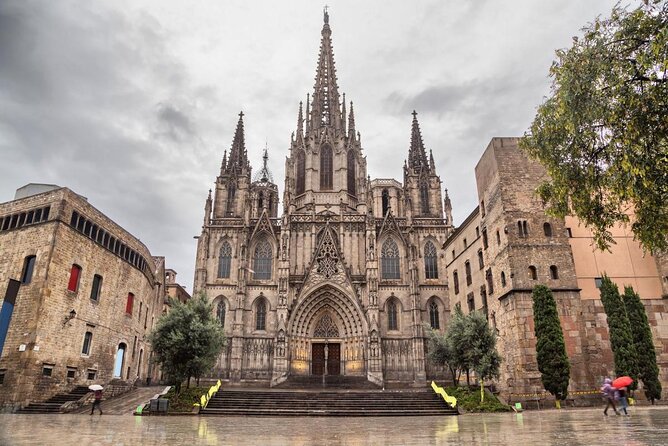
Barcelona Cathedral brings the walk into the heart of the old city. This Gothic church was built over many centuries and is tied to Saint Eulalia, Barcelona’s patron saint. Her martyrdom is presented through the cathedral’s religious story.
You get about ten minutes at this stop. Admission is not included, so the tour appears to focus on the exterior and the guide’s explanation unless you choose to pay separately. That is worth knowing before you arrive. Ten minutes is enough for an introduction, not a careful visit to the interior.
The cathedral is one place where a return visit makes sense. If you want to study Gothic details, see the interior, or spend time with the story of Saint Eulalia, plan a separate visit. The guided walk gives you context and helps you decide if the ticket is worth adding to your day.
More History Walking Tours in Spain
- Barcelona 1.5h Private Old Town, Gothic & Ramblas Walking Tour
★ 5.0 · 318 reviews - Barcelona: The Spanish Civil War Historical Walking Tour
★ 4.9 · 239 reviews - Barcelona Historical Walking Tour: Gothic Quarter and El Born
★ 5.0 · 217 reviews - Barcelona Dark History Night Walking Tour With Drinks
★ 5.0 · 153 reviews
Roman traces at Casa de l’Ardiaca
Casa de l’Ardiaca is a small but revealing stop in the Gothic Quarter. Its design combines Gothic and Renaissance elements, while surviving Roman wall sections and aqueduct arcades point back to Barcino, the Roman city beneath modern Barcelona.
This is the sort of place you could easily pass without noticing. The value comes from having someone point out the layers. Barcelona’s old center is not one frozen medieval district. Roman engineering, later architecture, religious institutions, and modern city life all sit close together.
The stop is free and lasts around ten minutes. Keep your expectations sensible. The attraction is the history packed into a small space, not a large museum visit or a long interior tour.
The legend beneath Pont del Bisbe
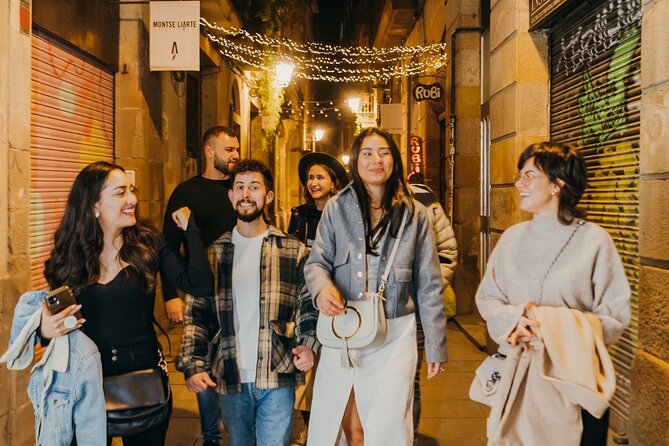
Pont del Bisbe, or Bishop’s Bridge, is one of the most recognizable views in the Gothic Quarter. It links buildings above Carrer del Bisbe and has become one of Barcelona’s most photographed spots.
The guide adds a legend involving the bridge and a warning for superstitious people who pass beneath it. The story gives the stop a lighter note after the more serious discussion of war, religion, and political memory. It also shows how Barcelona’s old center mixes documented events with tales passed from one generation to the next.
You get about ten minutes here, free of charge. Expect other people taking photographs. The guide’s story is the main reason to stop, while the bridge itself takes only a moment to see.
Plaça Sant Felip Neri and the scars of war
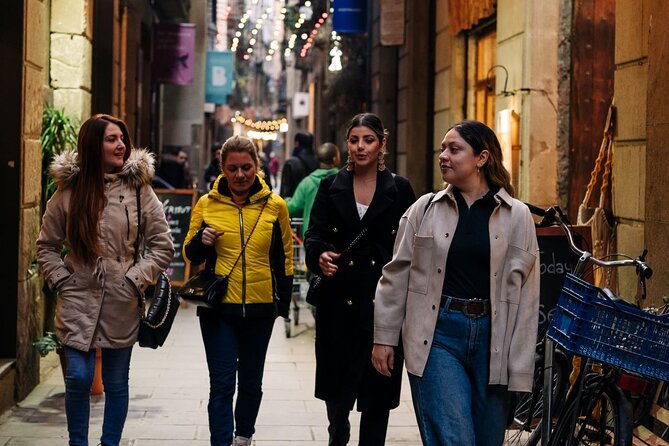
Plaça Sant Felip Neri is quieter in mood. Its past is connected to the struggle for Catalan independence and to a tragic event that left visible scars on the square.
The stop is important because it resists the easy version of Barcelona as only beautiful façades and sunny plazas. A good walking tour should make room for grief, political conflict, and memory. This square does that in a direct way.
The stop is free and lasts about ten minutes. You may find the atmosphere more reflective than at the photo locations earlier in the route. Give the guide room to explain the setting, and avoid treating the square as just another background for pictures.
El Call and the former Jewish quarter
The route then moves through MUHBA El Call, the district associated with Barcelona’s former Jewish population. Narrow streets and medieval architecture make this one of the clearest sections for understanding how communities lived within the old city.
The walk does not turn into a full museum visit. Instead, the guide uses the streets and urban pattern to introduce the area’s Jewish past. That is useful if you have limited time, though readers seeking detailed Jewish history should plan a longer visit elsewhere.
This stop also shows why a walking tour is helpful here. The lanes can feel confusing, and the story is easy to miss if you simply follow a map from one famous building to another. Guides including Sonia have been praised for bringing an archaeological point of view to these less obvious details.
Plaça de Sant Jaume, where civic Barcelona gathers
Plaça de Sant Jaume is the city’s main civic square. The Catalan government and Barcelona City Hall face one another here, making it a natural place to discuss government, public celebrations, demonstrations, and Catalan identity.
The square also connects to the story of Saint George, a figure celebrated during one of Catalonia’s most beloved holidays. The exact weight given to politics, religion, and local custom may vary by guide, but the setting gives you a clear way to understand why Catalan symbols matter in daily public life.
There is no admission fee, and the stop lasts around ten minutes. I would pay close attention here, since this is one of the places where the tour moves beyond old stones and into present-day civic life. It helps explain why Barcelona and Catalonia can have a strong local identity within Spain.
Plaça del Rei and the darker royal past
Plaça del Rei is more formal and imposing than many of the small lanes and squares earlier in the walk. The Royal Palace gives the area a sense of power, while the guide connects it to the Spanish Inquisition.
That shift in subject is useful. You move from art and street legends to monarchy, religious control, and fear. The square offers a compact lesson in how authority shaped medieval and early modern Barcelona.
The stop is free and takes about ten minutes. As with several other locations, the walk gives you an exterior introduction rather than a full museum visit. If you want a detailed look at the royal complex, you will need more time than this itinerary allows.
Plaça de l’Àngel and Saint Eulalia’s apparition
Plaça de l’Àngel was once known as Wheat Square because it served as a grain-trading center. It gained its current name after a heavenly apparition appeared during a procession carrying Saint Eulalia’s body.
This stop brings together commerce, religion, and local legend. It also gives you a useful reminder that street names often preserve old stories. The square may look like an ordinary urban junction today, but its name carries a much older memory.
Again, the stop is free and lasts roughly ten minutes. Do not expect a grand monument at every location. Part of the pleasure here is learning how ordinary-looking places gained their meaning.
Ending at Santa Maria del Mar in El Born
The final stop is the Basilica de Santa Maria del Mar, one of Barcelona’s best-known Gothic churches. It sits in El Born and reflects the city’s maritime past, making it a fitting end after the route through the Gothic Quarter.
Admission is not included. The tour gives you an introduction, but you should allow extra time if you want to enter and look around properly. The basilica deserves more than a quick glance, especially if you care about Gothic architecture or Barcelona’s connection to the sea.
Finishing here also gives the walk a clear geographic shape. You start near Plaça del Vuit de Març in Ciutat Vella and end at Plaça de Santa Maria, 1. That makes the tour useful for getting your bearings between the Gothic Quarter and El Born.
What the guides add to the experience
The guide may shape your experience more than any individual stop. Darren has been praised for clear English, energy, and useful suggestions for exploring beyond the route. Petra received strong praise for explaining Catalan culture while moving through the Gothic Quarter and El Born.
Jorge has been appreciated for showing less obvious places and offering local tips on a first day in Barcelona. Sonia has brought an archaeological angle to the route, while Vanessa has been praised for handling questions and connecting art, religion, government, archaeology, and Catalan politics.
Lydia’s style has been described as high-energy, conversational, and informative. Sarah and Rolene have also been praised for friendly storytelling. The quality may vary slightly from one guide to another. One person felt the content was less strong on a first tour, so I would treat the guide’s individual style as part of the normal variation of a group experience.
Timing, group size, and practical value
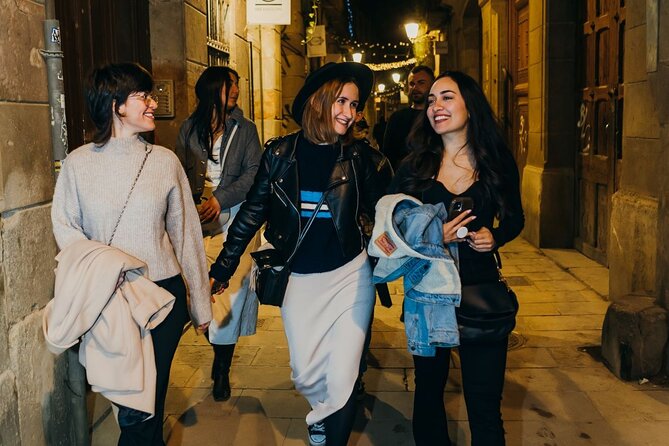
The tour runs for about two hours and accepts up to 20 people. That is small enough to feel more personal than a huge city walk, but large enough for street noise to matter. Stay near the guide, especially in squares with passing traffic and crowds.
The schedule lists approximately ten minutes at each of eleven stops. Since the stops alone add up to about 110 minutes, the walking time between them must be short and the talks need to stay focused. This is a brisk overview, not a slow photographic walk.
Wear good walking shoes and use sun protection, a practical tip shared directly by a past participant. You should also arrive ready to walk on old-city streets and stand while listening. The start is near public transportation, and confirmation is provided at booking.
The tour is offered in English. A private upgrade is available if you want more personal attention, more freedom for questions, or a pace shaped around your interests. The standard group option is likely the better value if you mainly want orientation and broad context.
Free cancellation is available up to 24 hours before the start time for a full refund. Changes or cancellations inside that window are not accepted for a refund, and the cut-off follows Barcelona’s local time.
Who should book this Barcelona walk?
I would recommend it to first-time visitors who want a clear introduction before tackling major museums, churches, and architectural sights on their own. It also suits anyone interested in Catalan identity, medieval streets, Roman remains, religious stories, and Barcelona’s civic life.
It is a good choice for solo visitors and couples who want company without committing to a full-day activity. Families may appreciate the short stops and legends, though the amount of historical explanation may test younger children.
I would choose the private option if you have a focused interest in architecture, Jewish Barcelona, Catalan politics, or religious art. I would skip this format if you want long interior visits, plenty of time for photographs, or a relaxed pace.
Should you book Barcelona in 2 Hours?
Book it if you want a well-priced orientation that connects the Gothic Quarter and El Born through stories, not just landmarks. The route covers an impressive range, from Picasso’s café and Roman remains to Catalan politics, the Spanish Inquisition, and Santa Maria del Mar.
Go in knowing that the tour is fast, two church admissions cost extra, and street noise can affect how well you hear. For $22.99, though, it offers a useful first look at Barcelona’s old center and gives you a smart list of places to revisit at your own pace.
FAQ
How long does the Barcelona walking tour last?
The tour lasts approximately two hours.
Where does the tour start?
It starts at Plaça del Vuit de Març in Ciutat Vella, Barcelona.
Where does the tour finish?
It finishes at Basílica de Santa Maria del Mar, Plaça de Santa Maria, 1, in Ciutat Vella.
Is the tour offered in English?
Yes. The experience is offered in English.
What is the maximum group size?
The tour has a maximum of 20 participants.
Are entrance tickets included?
Admission to Barcelona Cathedral and Basilica de Santa Maria del Mar is not included. The other listed stops have no admission charge.
Can I cancel for a full refund?
Yes. You can cancel at least 24 hours before the start time for a full refund. Cancellations or changes made less than 24 hours before the start time are not accepted for a refund.
More Two-Hour Tours in Barcelona
- 2-Hour Gettysburg Battlefield Guided History Bus Tour with a National Park Guide
★ 4.5 · 2,201 reviews - Kyoto Gion: 2-Hour Geisha Culture & History Walking Tour
★ 5.0 · 1,186 reviews - 2 Hour LoDo Historic Walking Tour in Denver
★ 5.0 · 1,106 reviews - 2-Hour Historical Walking Tour from Dublin
★ 5.0 · 875 reviews
Just added around Barcelona
- Historical Barcelona E-bike Guided Tour★ 4.5 · 106 reviews
- Barcelona: La Boqueria Food, Wine & History Walking Tour★ 5.0 · 126 reviews
- Barcelona Ghosts of a Dark Past Gothic Walking Tour★ 5.0 · 55 reviews
- Montjuïc Cemetery Walking Tour – Hidden Art, History & Views★ 5.0 · 62 reviews
- Bike Tour in Barcelona: History, Architecture and Culture★ 3.5 · 29 reviews
- Historical and Modernist Bike Tour Barcelona★ 5.0 · 262 reviews
- Barcelona Historic Walking Tour and Food Experience★ 5.0 · 18 reviews
- FC Barcelona History Immersive Walking Tour – Beer Included★ 5.0 · 18 reviews
History Walking Tours, compared.
History and Hauntings of Salem Guided Walking Tour
Read our review →
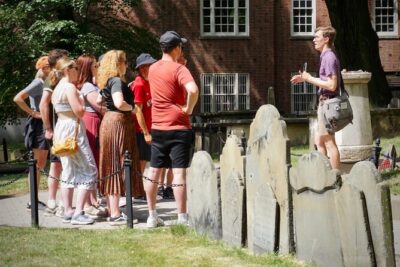
Freedom Trail History Small Group Walking Tour
Read our review →
Historic Charleston Guided Sightseeing Walking Tour
Read our review →
Tapas Walking Tour with Food, Wine, and History
Read our review →
Savannah History and Haunts Candlelit Ghost Walking Tour
Read our review →
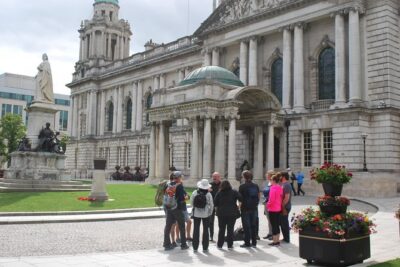
A History of Terror – Belfast City Centre Walking Tour
Read our review →Browse the lists this tour appears in