
Review · DALMATIA
Split: Historical Tour of Salona, Klis Fortress and Trogir
Ancient stones, island lanes, and fortress views fill this day. This $28 tour from Split brings together Trogir, Salona, Klis Fortress, and a taste of Dalmatian food without making you plan several separate outings. I especially like the strong mix of Roman ruins and medieval towns, plus the warm, funny guides, including Duje, Darko, Hana, and Miron, praised for making the past easy to follow.
I also like the olive oil, fig, and local produce tasting at Stella Croatica, which gives the day a welcome taste of everyday Dalmatia. The main catch is pace: eight hours covers a lot, but some people would prefer more time in Trogir and Klis and less at the visitor center. There is also no proper lunch break, so bring cash and plan for snacks.
Key points to know before booking
- Trogir opens the day with Romanesque-Gothic architecture, narrow lanes, and the impressive Cathedral of St. Lawrence.
- Salona gives you the Roman chapter, with archaeological remains from the former capital of the Roman province of Dalmatia.
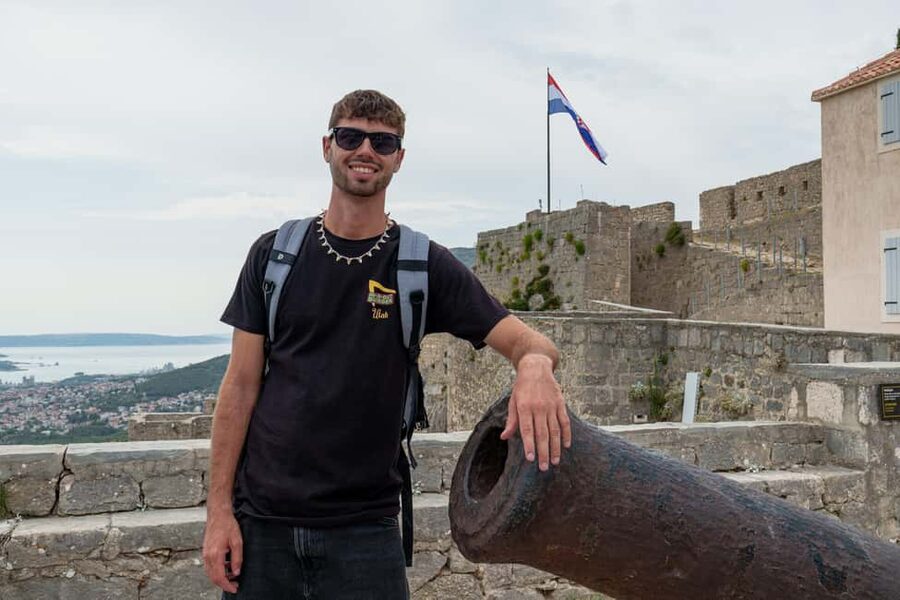
- Klis Fortress delivers the best views, but reaching its upper areas involves a steep incline and uneven historic surfaces.
- Stella Croatica adds flavor, with olive oil, figs, and other local products in a Mediterranean garden setting.
- The day is good value at $28, but listed admission fees add about €20 per person and must be paid in cash.
- This is a packed outing, best for people who want a broad look at Dalmatian culture rather than long, unhurried visits.
Why this Split day trip works
Split has enough Roman remains to fill several days, but the wider Dalmatian area rewards you for going beyond the city. This tour links four different kinds of places in one outing: a medieval island town, a Roman archaeological site, a hilltop fortress, and a food and nature center.
That variety is the tour’s greatest strength. You are not looking at the same kind of monument all day. Trogir feels like a living historic town. Salona is quieter and more open, with ruins that require some imagination. Klis is dramatic and defensive. Stella Croatica brings the past into the kitchen with local ingredients.
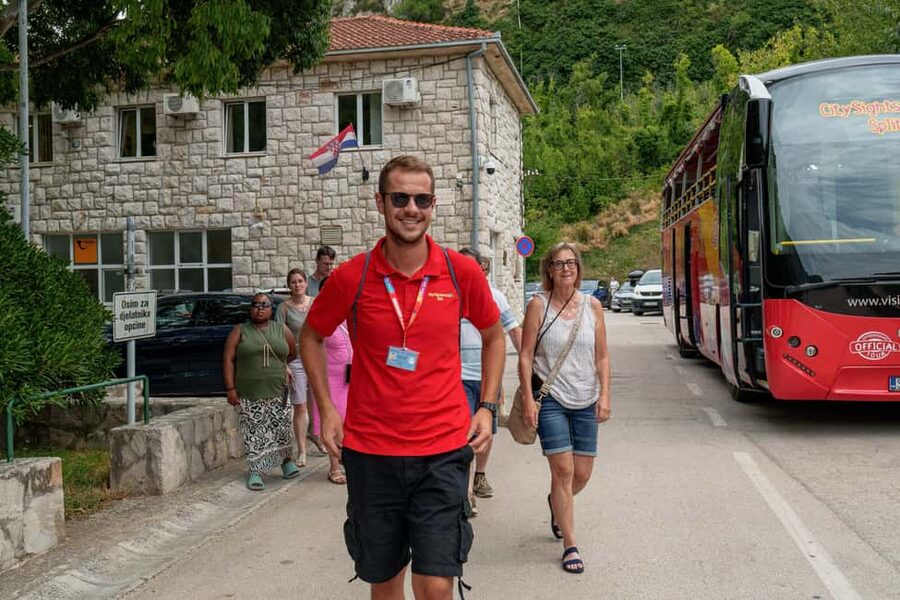
The guide adds useful context as you move between stops. The most praised guides were funny, patient, and proud of Dalmatia. Miron, who spoke with particular feeling about his country’s past and future, received especially warm praise. Another guide introduced himself as a history teacher and was noted for explaining the sites clearly.
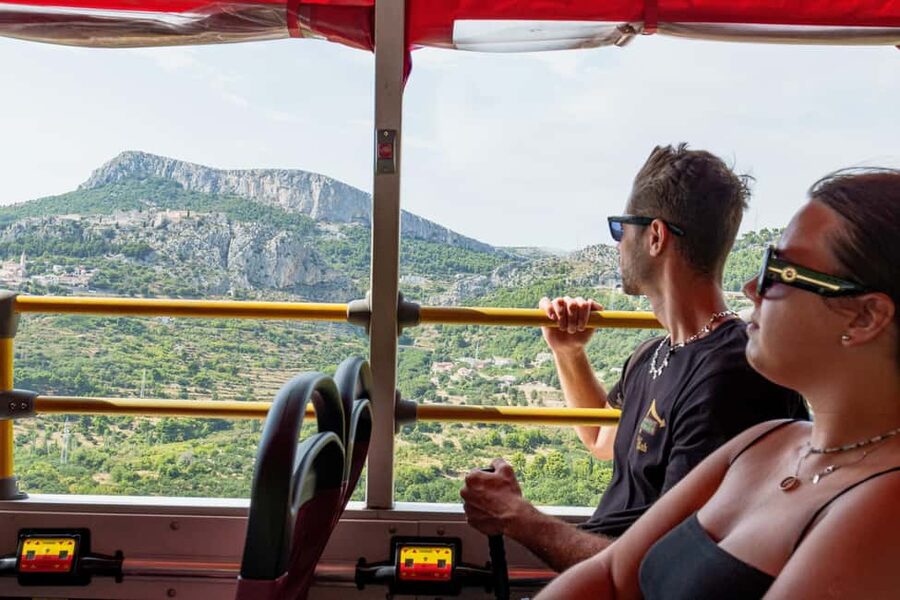
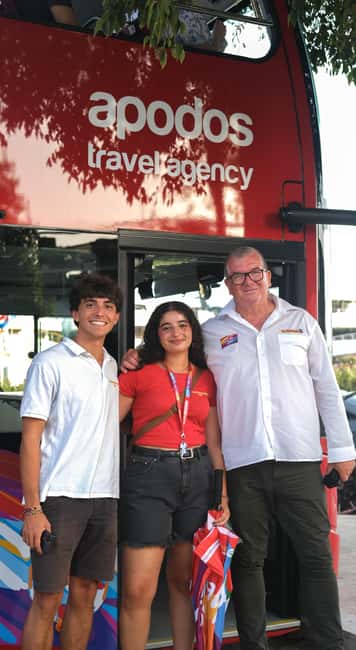
The outing begins and ends at the Apodos Travel Agency meeting point in Split. Look for the open-top red bus and staff in red or white shirts. Round-trip transport is included, but hotel drop-off is not.
More Castle and Palace History Tours in Croatia
- SPLIT-PRIVATE Walking Tour of Diocletian’s Palace & Old Town
★ 5.0 · 467 reviews - History & Cultural Walking Tour of Split and Diocletian’s Palace
★ 5.0 · 104 reviews - Jewish Heritage & Diocletian’s Palace Private Split Tour
★ 5.0 · 80 reviews
Trogir: one hour among medieval stone lanes
Trogir is the prettiest opening act of the day. This UNESCO World Heritage town sits on an island and is known for its tightly packed historic center. You walk through narrow, twisting streets where stone buildings, arches, and small squares make the town feel far removed from modern traffic.
The Cathedral of St. Lawrence is the main architectural prize. Its design brings together Romanesque and Gothic work, and the building anchors the surrounding historic square. Your guide sets the cathedral and nearby buildings into the story of past rulers and civilizations, which helps you read the town as more than a photogenic collection of walls.
One hour is enough for an introduction, but not enough for a leisurely Trogir visit. You can expect a guided orientation rather than a slow morning of wandering. After the guide’s explanation, use your free moments to notice the smaller details: stone doorways, worn steps, compact courtyards, and the way the old streets turn unexpectedly.
The lack of public toilets in Trogir is a practical issue worth noting. Plan ahead when facilities are available rather than waiting until you reach the old center. The stop is also short enough that you should keep your attention on the route and not spend too much time browsing.
Several people who enjoyed the day most wished for longer in Trogir. If this town is your main reason for booking, you may find the schedule frustrating. If you want a first look at Trogir combined with other major sites, the hour gives you a useful introduction.
Salona: Roman remains outside modern Split
The next historical stop is Salona, in the area of Solin. Salona was once the capital of the Roman province of Dalmatia, and its archaeological remains give you a direct connection to the Roman world that shaped this part of the Adriatic.
This is a site where your guide matters. The ruins are spread out, and broken walls do not always explain themselves. A good explanation helps you picture how the buildings once functioned and why Salona mattered. The tour’s guides were repeatedly praised for clear explanations and for making the history approachable rather than dry.
The visit lasts about an hour. That allows time to see important remains, including the historic amphitheater noted by one happy participant, but it does not turn the stop into a full archaeological study. You will gain a sense of Salona’s scale and importance, then move on.
Salona is less immediately charming than Trogir. It asks you to look closely and use your imagination. Some people prefer its quiet, open archaeological setting, while others find they would rather spend extra time in the medieval town or at Klis Fortress.
That difference explains one of the most useful criticisms of the tour. Some people wanted more Trogir and less Salona. I would not call Salona skippable, especially if Roman Dalmatia interests you, but you should know that the schedule gives both places roughly one hour. The tour favors variety over depth.
Stella Croatica: a flavorful stop without a full meal
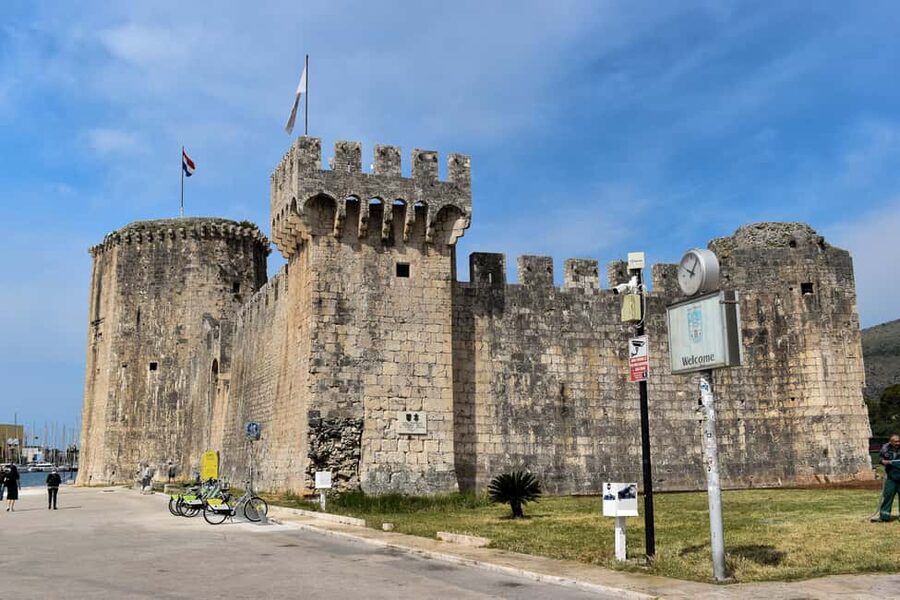
Stella Croatica is one of the tour’s most distinctive stops. Instead of another set of ruins, you get an introduction to Dalmatian food traditions and locally made products. The visit lasts about 105 minutes, making it one of the longer stops of the day.
Expect tastings connected with the local countryside, including olive oil and figs. The fig cake received particularly warm praise, and local produce adds a useful sense of place to the trip. This is not just a quick rest stop with generic refreshments. It connects the food on the table with the land around Split.
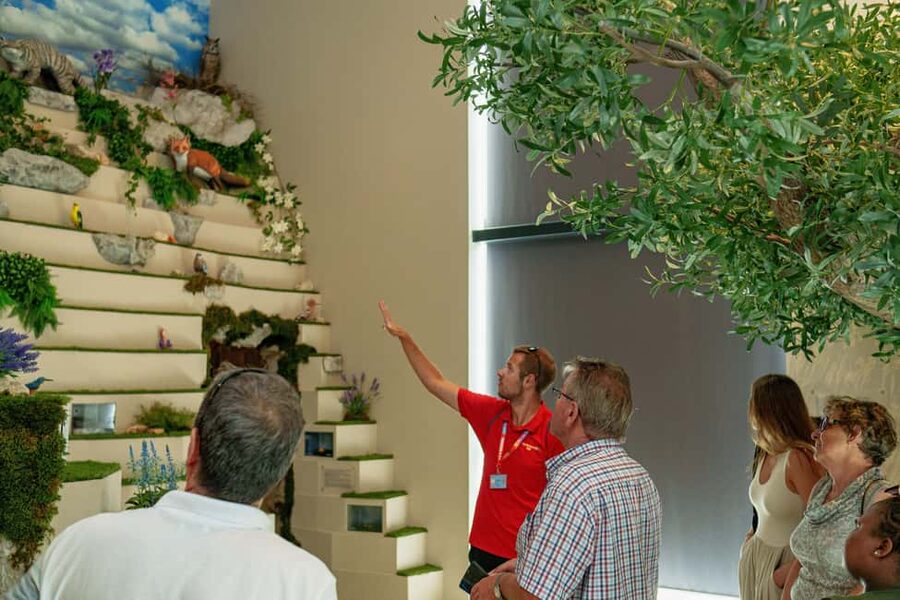
The estate’s Mediterranean gardens provide a calmer setting after the archaeological visits. You can slow down, sample products, and take in a more domestic side of Dalmatia. The olive museum and a virtual reality experience may also be included in the visit, depending on the exact program operating that day. Both were singled out as enjoyable additions.
There is an important limitation: food and drinks are not included as a full meal. One person specifically wished there had been enough time for lunch and independent exploration at Stella Croatica. The tour description also advises snacks or quick meals to keep the day moving.
I would treat this stop as a tasting and cultural visit, not a guaranteed lunch break. Bring something small to eat if you need a proper meal, and bring cash for purchases or admission. It is a strong part of the day for anyone interested in olive oil, dried fruit, and local food, but less satisfying if you expect a long sit-down meal.
More Castle and Palace History Tours in Split:
- Edinburgh: Edinburgh Castle Guided History Tour with Tickets
★ 4.8 · 9,933 reviews - Madrid Essential: Historic Center, Plaza Mayor & Royal Palace
★ 5.0 · 6,416 reviews - Venice’s Best: Basilica, Doge’s Palace, Gondola & History Gallery
★ 4.5 · 2,478 reviews - Tokyo: Imperial Palace and Shogun Historical Walking Tour
★ 5.0 · 2,251 reviews
The Hidden Dalmatia Visitor Center and its short digital stop

The itinerary includes a 30-minute visit to the Hidden Dalmatia Visitor Center. This shifts the focus from monuments to the region’s plants, animals, ecosystems, endemic species, and conservation work.
Interactive displays help explain the natural side of Dalmatia. That makes the stop useful if you want more than military history and ancient masonry. It also gives children and visitors who prefer exhibits a change of pace.
Still, this is the least universally popular part of the day. Some people felt the digital center was too much like a school trip and would have preferred that time at Trogir, Klis, or Stella Croatica. That is a fair criticism, especially because the historical sites are the tour’s main draw.
You should see this stop as a short supplement rather than a major attraction. It will not replace a nature tour, but it broadens the picture of Dalmatia and shows that the area’s identity is not only about Roman ruins and fortresses.
Klis Fortress: the day’s big view
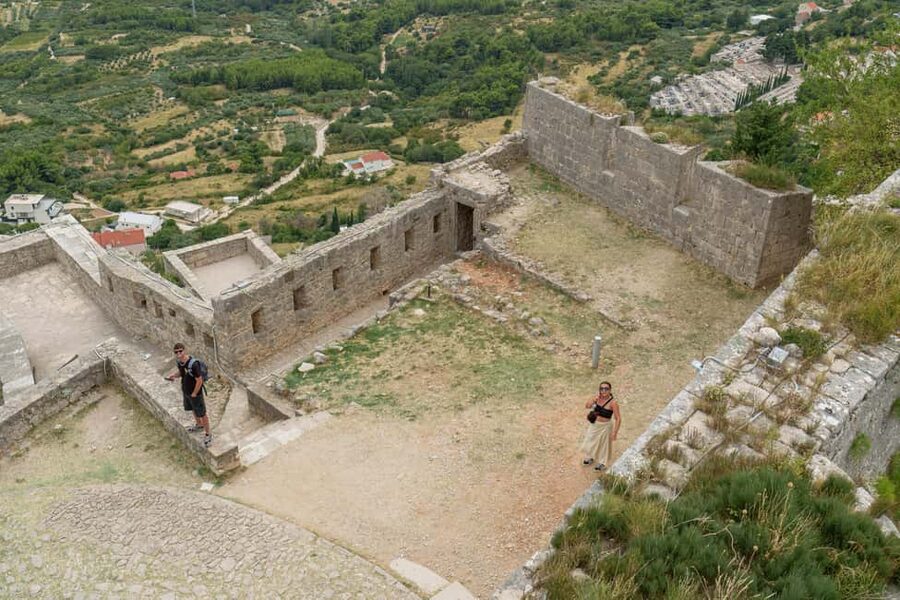
Klis Fortress is the most dramatic stop. Built in a commanding position above Split and its surroundings, it served as a defensive stronghold for centuries. The site gives you both military history and a wide view toward the Adriatic.
The fortress is made for walking and looking. Your guide explains its role in Dalmatian history, while the walls, chapel, and elevated position make the site easy to remember. The reviews repeatedly praised Klis as a highlight, with words such as fantastic and wow attached to the buildings, views, and sense of place.
Allow about an hour. That is enough to see the main parts and hear the story, but the fortress can feel rushed if you want to study every wall or take your time with photographs. The climb is also real. One person warned that the route includes a steep incline, and the accessibility notes make clear that this trip is not suitable for people with mobility impairments, wheelchair users, or back problems.
Wear firm shoes and keep your hands free for the climb. The historic setting is more rewarding when you can focus on the views rather than on managing awkward footwear or a heavy bag.
Klis is also a good example of why the tour works as a whole. Trogir shows a town shaped by commerce and architecture. Salona shows Roman power. Klis shows how geography controlled defense. From the fortress, you can understand why this position mattered.
Price, extra fees, and what the $28 really buys
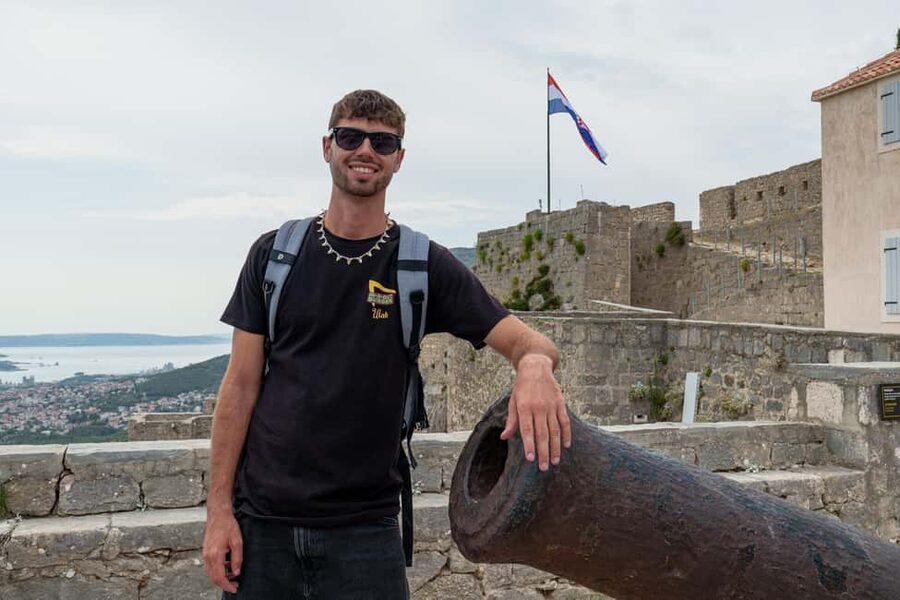
At $28 per person, the base price is appealing for an eight-hour guided outing with round-trip transportation and a culinary tasting. You avoid arranging separate transport to four destinations, and the guide provides the historical framework that makes Salona and Klis much easier to appreciate.
The advertised admissions are extra and need to be paid in cash on site:
- Klis Fortress and Stella Croatica: €9
- Hidden Dalmatia Museum: €5
- Ancient Salona Archaeological Site: €6
That adds €20 per person if you enter all the listed attractions. Some tour participants calculated a slightly different total, so carry enough cash and confirm the current amount with the guide. Food and drinks are also extra, and the price does not include hotel drop-off.
Once admissions are added, this becomes a more substantial day budget than the headline price suggests. It can still be good value because of the transport, guide, range of stops, and tasting. Just do not mistake the $28 figure for the complete cost.
The tour offers free cancellation up to 24 hours before departure and allows you to reserve now and pay later. Those policies help if your Split plans depend on weather or a changing cruise schedule, but the most important booking question is physical pace, not flexibility.
Timing, transport, and the right expectations
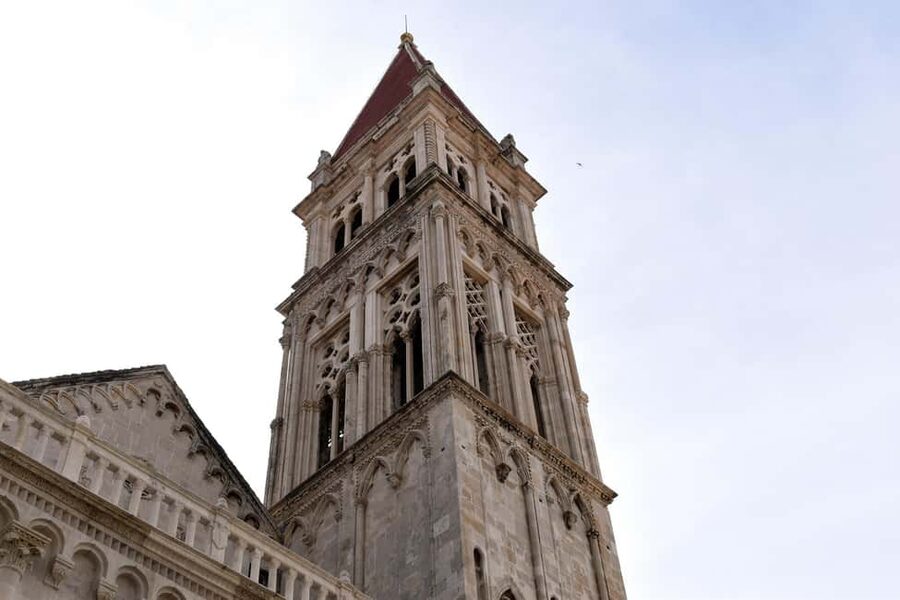
The outing lasts eight hours and begins in the morning, with starting times shown when you check availability. You return to the same Apodos Travel Agency meeting point. Since hotel drop-off is not included, allow time to get back to your accommodation after the tour.
The day is carefully packed. You visit Trogir, Salona, Stella Croatica, the Hidden Dalmatia center, and Klis in one run. That is excellent if you have only one free day and want a broad introduction, but it leaves little room for lingering.
One guide and driver team made a special effort to return people to a cruise ship on time, which is encouraging for visitors with limited time in port. Still, I would not book this tour with an extremely tight onward schedule. Traffic and site timing can change, and the tour ends back at the meeting point rather than at your ship.
English is the live guide language. An English audio guide is included, along with audio options in French, Galician, German, Croatian, Italian, Portuguese, Russian, and Spanish. The supplied information identifies English as the tour language, so confirm what audio options will be active when you book.
Who should book this tour?
I would recommend it to you if you want a wide view of Dalmatia in one day. It suits first-time visitors to Split, history fans who want Roman and medieval sites together, and people who prefer a guide to handling transport and explanations.
It is also a good choice if food matters to you. Stella Croatica adds something personal and local that a standard ruins tour would miss. The olive oil, figs, fig cake, and garden setting give the day a pleasant break from stonework.
I would hesitate if you want slow travel. Trogir and Klis both deserve more time than the schedule allows, and the visitor center may feel less important than the historical stops. I would also avoid it if steep walking, uneven surfaces, or a full day on the move would be difficult.
This is not suitable for wheelchair users, people with mobility impairments or back problems, people over 130 kilograms, or people over 95 years old. Alcohol and drugs are not allowed. Bring cash, comfortable shoes, and a snack.
Should you book the Salona, Klis, and Trogir tour?
Book it if you want strong variety, reliable transport, and a guide-led introduction to three major historical sites plus Dalmatian food. The guides receive the highest praise, and the combination of Trogir’s beauty, Salona’s Roman remains, Klis’s views, and Stella Croatica’s tastings makes the day easy to recommend.
Skip it if you want to give Trogir or Klis a slow, dedicated visit, or if you dislike extra entrance fees and a tightly timed schedule. For most visitors with one free day from Split, though, the $28 starting price offers a practical way to see far more than the city center alone.
FAQ
Where does the tour start?
It starts at the Apodos Travel Agency meeting point in Split. Look for an open-top red bus and staff wearing red or white shirts.
Where does the tour end?
The tour ends back at the same meeting point. Hotel drop-off is not included.
How long does the experience last?
The tour lasts eight hours. Starting times depend on availability when you book.
What is included in the price?
The price includes a live guided tour, round-trip transportation, and a culinary tasting.
Are entrance fees included?
No. Entrance fees are paid in cash on site. The listed fees are €9 for Klis Fortress and Stella Croatica, €5 for the Hidden Dalmatia Museum, and €6 for the Ancient Salona Archaeological Site.
Is lunch included?
No. Food and drinks are not included, and the schedule does not provide a dedicated lunch break. Bring cash and consider carrying a snack.
What language is the tour in?
The live tour guide speaks English. An audio guide is also listed in English, French, Galician, German, Croatian, Italian, Portuguese, Russian, and Spanish.
Is the tour suitable for people with limited mobility?
No. The experience is not suitable for people with back problems, mobility impairments, or wheelchair users. Klis Fortress also includes a steep incline.
Just added around Split
- Split Walking Tour with History Professor★ 5.0 · 23 reviews
- Split: Local History and Culture 90-Minute Walking Tour★ 5.0 · 194 reviews
- Split: Private Walking Tour in the Historical Town Center★ 5.0 · 25 reviews
- Split: Historical & Gastro Treasures Tour with Green Market★ 4.9 · 144 reviews
- Split: Walking tour of Split with a ‘Magister’ of History★ 5.0 · 110 reviews
- Experience Split History Walking Tour With Local Historian★ 5.0 · 28 reviews
- History Split Walking Tour in French -Small group★ 5.0 · 41 reviews
- Split History and Gastro Small-Group Tour with Food and Drinks★ 5.0 · 375 reviews
Castle & Palace History Tours, compared.

Edinburgh Castle Guided History Tour with Tickets
Read our review →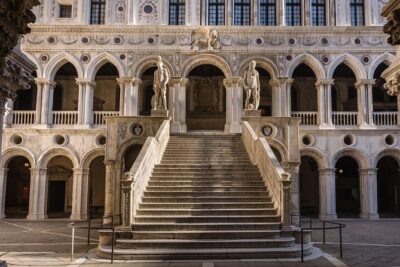
Venice’s Best: Basilica, Doge’s Palace, Gondola & History Gallery
Read our review →
Imperial Palace and Shogun Historical Walking Tour
Read our review →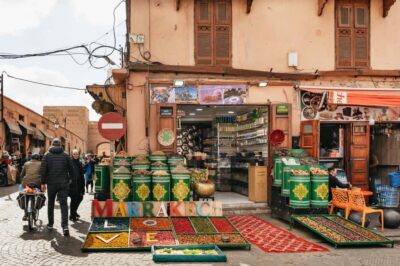
Saadian Tombs & Bahia Palace, Medina Guided Tour
Read our review →
Charleston historical walking tour with a Professor of History at The Citadel
Read our review →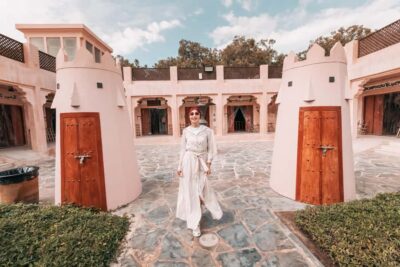
Abu Dhabi Grand Mosque, Palace, and Heritage Village
Read our review →
Buda Castle District Dark History, Legends and Vampire Night Tour
Read our review →
Tokyo Castle & Imperial PalaceーShogun Walking Tour
Read our review →Browse the lists this tour appears in