

Review · UTAH
Salt Lake City: History & Culture Guided Walking Day Tour
Salt Lake City has more stories per block than you might expect. This three-hour walking tour links Mormon pioneer history with modern arts, shopping, sports, immigration, and the 2002 Olympics, giving you a useful first look at downtown rather than a quick photo stop. I like the small-group format and the full three-mile loop, which lets you see how the city fits together on foot. The main consideration is simple: three miles can feel long in strong summer heat or wet weather.
I also like the range of guides. Ashley has been praised for her warm delivery and practical city advice, while Jack is especially good at explaining Salt Lake City history and taking breaks when the heat rises. Dimitrov used an iPad for maps and short documentaries, and one solo participant received a more flexible walk through several parts of the city. At $43, the tour is a fair buy if you want context and company, though independent walkers can see many downtown sights for free.
Key points to know before you book
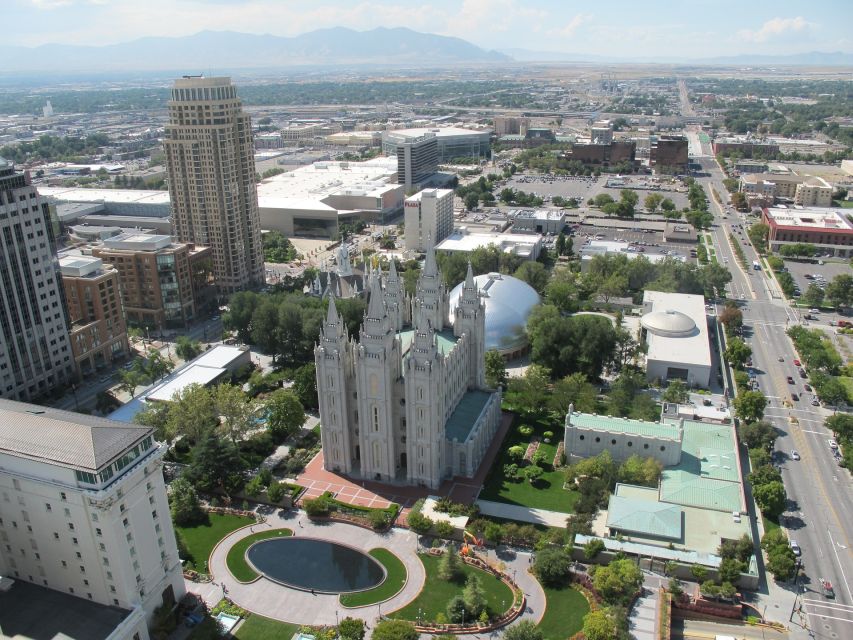
- A three-mile downtown loop: Expect roughly 2.5 to 3 hours on foot, with several stops along the way.
- Temple Square anchors the story: The 10-acre Church of Jesus Christ of Latter-day Saints complex provides the clearest introduction to the city’s founders and faith.
- History meets present-day Salt Lake City: City Creek Center, Pioneer Park, Vivint Arena, arts, nightlife, and Olympic stories broaden the tour beyond pioneer history.
- Strong guide-led experience: Jack, Ashley, Michelle, Rachel, Blake, Isabell, and others have been praised for clear storytelling and friendly answers.
- Useful for first-time visitors: The route helps you get your bearings quickly, especially if you have only one day in the city.
- Weather matters: Bring water and prepare for sun, heat, or rain. The pace can include rest stops, but this remains a walking tour.
Why this downtown walk works so well
Salt Lake City can seem easy to understand at first. The streets are laid out in a clear grid, the Wasatch Mountains provide a dramatic backdrop, and downtown sights are not scattered across a huge area. Yet the city’s identity is more layered than the broad streets suggest.
The tour gives you a guided way to read those layers. You hear about the Mormon pioneers who settled the area, then move into stories about modern culture, the arts, global migration, sports, conservation, and the 2002 Winter Olympics. That mix is the real value here. You are not spending three hours on one narrow subject.
I would use this walk early in a Salt Lake City stay. It gives you a mental map of the downtown area and points out places you may want to revisit, such as shopping at City Creek Center, spending time around Pioneer Park, or checking what is happening at Vivint Arena.
The group is described as small, with a minimum of two people required. That matters. A guide can answer individual questions more easily than on a large coach tour, and the experience may feel more like a conversation than a lecture. One person who toured alone received extra attention and saw a wider selection of city areas.
More History Walking Tours in the USA
- History and Hauntings of Salem Guided Walking Tour
★ 5.0 · 14,564 reviews - Boston: Freedom Trail History Small Group Walking Tour
★ 5.0 · 6,450 reviews - Historic Charleston Guided Sightseeing Walking Tour
★ 5.0 · 6,216 reviews
Temple Square and the city’s founding story
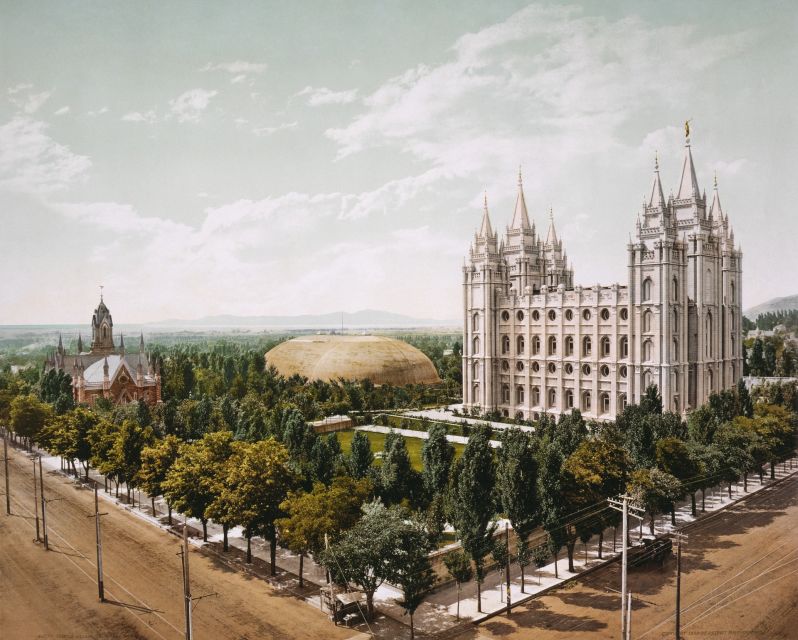
Temple Square is the natural historical starting point. This 10-acre complex is owned by the Church of Jesus Christ of Latter-day Saints, commonly called the Church of LDS in tour descriptions. Its importance is not only architectural. It is central to understanding why Salt Lake City was founded where it was and how the city developed around its religious roots.
Expect the guide to explain the role of the Mormon pioneers and the early settlement of the area. This is where a good guide matters most. Dates and names are useful, but the larger question is how a religious settlement became a modern metropolitan center with people arriving from many parts of the world.
The tour’s focus on the Mormon community has been particularly helpful for people who want a clearer explanation of Salt Lake City’s past. Jack has been praised for answering questions about that history directly and with good humor. That is useful because the subject can be unfamiliar to first-time visitors, and a live guide can provide context that a sign or brochure often misses.
Do not expect Temple Square to tell the whole story by itself. The point of the walk is to place it within the wider city. The route continues into commercial, civic, cultural, and neighborhood spaces, showing that present-day Salt Lake City is not defined by one institution alone.
City Creek Center and modern downtown life
City Creek Center shifts the tone from pioneer settlement to present-day city life. It is a mixed-use development with upscale shopping, so this stop helps show the commercial side of downtown and the way Salt Lake City has changed over time.
I like having this kind of contrast in a history walk. After hearing about early settlers, you see a polished modern development that reflects today’s economy and daily life. You may not come to the tour to shop, but the stop helps explain the downtown setting and gives you a practical place to return after the walk.
This is also where the guide’s local knowledge can add value. Melanie was praised for discussing restaurants and nightlife as well as history, and other guides have answered questions about the city beyond the official sights. If you want a meal or evening plans after the tour, use this portion of the walk to ask.
The drawback is that upscale shopping is not the same as local culture in a narrow sense. Still, its inclusion is worthwhile because the experience aims to explain the full downtown area, not only historic buildings.
Pioneer Park and the Rio Grande neighborhood
Pioneer Park sits in Salt Lake City’s Rio Grande neighborhood. Its inclusion adds a public-space and neighborhood perspective to the tour, moving you away from the formal center of downtown.
A stop here can help you understand the city at street level. Parks and surrounding neighborhoods often reveal more about how a city functions than landmark buildings do. The tour also connects Pioneer Park with ongoing conservation efforts and the ecological importance of the area, giving the walk an environmental thread.
That part is especially useful if you want more than architecture and pioneer stories. Salt Lake City’s setting makes environmental questions important, and a guide can explain how local places connect to wider conservation work. The supplied details do not specify a particular project or habitat, so you should treat this as an introduction rather than a specialist ecology tour.
Pioneer Park also gives the route a change of pace. After several urban sights, an open public park provides room to pause, listen, and reset before continuing. One participant specifically appreciated restroom breaks during the walk, so the route appears to include sensible pauses rather than a nonstop march.
More Local Culture and Traditions Tours in the USA:
- Portland Explorer | Maine History, Culture, & 3 Lighthouses Tour
★ 5.0 · 948 reviews - Charleston’s Best Highlights: History, Culture & Architecture
★ 5.0 · 422 reviews - NYC: Brownstone Brooklyn History, Culture and Food Tour
★ 4.8 · 151 reviews - Savannah: History and Culture Walking Tour
★ 4.6 · 149 reviews
Vivint Arena and the Olympic connection
Vivint Arena is an indoor arena in Salt Lake City and another useful link to the city’s modern identity. Sports venues tell you something about a place: what it celebrates, how it gathers, and how downtown is used beyond office hours.
The tour also covers the 2002 Olympics. That story helps place Salt Lake City on the international map and adds a major modern chapter to the older pioneer narrative. You get a city that has moved from a regional religious settlement to a place shaped by international events, sports, the arts, and new arrivals from around the world.
I would not book this walk expecting a detailed Olympic venue tour. The stated focus is downtown history and culture, with the Olympics included among the stories that shaped the metropolitan area. Its value is in the connection, not in a technical breakdown of every event or facility.
The arena stop can also help you understand where downtown energy gathers. If you are planning to attend an event, the guide may give you useful orientation, but the tour does not include arena admission or an event ticket.
Architecture, arts, and a changing population
One of the strongest features of this experience is its attention to architecture. The route takes in different styles across downtown, and the guide explains how buildings and public spaces reflect different periods of the city’s growth.
I find guided architecture walks most useful when they connect design to people and events. Here, architecture is part of the wider story: the founding community, later commercial development, the arts, Olympic attention, and the arrival of people from many countries.
The tour is also described as culturally diverse. That does not mean every culture or neighborhood can be covered in three hours. It means the walk recognizes that Salt Lake City today is shaped by more than its pioneer founders.
This broader view keeps the experience from becoming a one-note religious history tour. You hear about the Church of Jesus Christ of Latter-day Saints, but you also hear about modern culture, nightlife, sports, conservation, and the arts. For me, that balance is one of the clearest reasons to choose this walk.
What the guides add to the experience
The guide is the main reason to book this rather than follow a free map. The strongest feedback centers on clear explanations, friendly conversation, humor, and a willingness to answer questions.
Jack has been praised for his command of Salt Lake City history, engaging delivery, and attention to heat. Ashley has been described as bubbly and informative, even during a rainy start, and one participant said she included a taste of local delicacies. Michelle has been praised for combining history with restaurant and nightlife suggestions.
Rachel received strong marks for lively storytelling, while Isabell helped make the tour work well for someone with only one day in the city. Dimitrov brought an iPad with maps and documentary clips, a useful aid for anyone who understands a place better through visuals.
Guide quality can vary on any scheduled tour, but the pattern here is encouraging. You should expect an English-speaking local guide, not a prerecorded audio route. The tour is listed as wheelchair accessible, though it is still wise to consider that a three-mile city walk may require stamina and suitable weather planning.
Heat, rain, and the practical side of walking
Salt Lake City weather can shape your experience more than the sightseeing list. A July participant appreciated that Jack watched the heat and added several breaks. Another person began in pouring rain but still enjoyed the walk because Ashley kept the mood light.
Bring water, wear comfortable shoes, and dress for the forecast. The tour lasts about three hours and covers a three-mile loop, so this is not a quick stroll between two nearby buildings. You will spend real time outdoors.
The pace appears to include pauses and restroom breaks, which helps. Even so, you should not treat the tour as effortless. If heat, rain, or long periods on your feet are difficult for you, ask about the day’s conditions before setting out.
The route’s accessibility is a useful plus. The activity is listed as wheelchair accessible, but no further details are provided about surfaces, slopes, or restroom access. If you need specific arrangements, confirm them before booking.
Is $43 a fair price?
At $43 per person, this is a reasonable price for a three-hour guided city walk. You are paying for a professional local guide, the guide’s preparation, and the chance to ask questions as you move through downtown. Taxes and fees are included.
The value is strongest if you are new to Salt Lake City, short on time, or interested in the story behind the sights. A guide can connect Temple Square, City Creek Center, Pioneer Park, Vivint Arena, architecture, the Olympics, conservation, and modern culture in a way that a self-guided route may not.
The value is weaker if you only want photographs or already know downtown well. Many public areas can be explored without a ticket, and the tour does not include meals, shopping, arena admission, or transport.
The small-group setup improves the price calculation. You can ask about restaurants, nightlife, history, or local culture instead of simply listening from the back of a large group. One solo participant found the format flexible, while other participants appreciated the guides’ personal attention.
Free cancellation up to 24 hours before the start gives you some protection if plans change. You can also reserve now and pay later, which helps if you are still arranging a Utah itinerary.
Who should book this Salt Lake City walk?
I would recommend it to first-time visitors who want a clear introduction to downtown. It is also a good fit if you have only one day in Salt Lake City and want to see the main areas while hearing the stories that connect them.
History fans will get the most from the pioneer and Church of Jesus Christ of Latter-day Saints material. People interested in cities and culture will appreciate the move into shopping, sports, arts, immigration, conservation, and the Olympics.
Families and mixed-interest groups may like the variety, although the three-mile distance could be tiring for younger children or anyone uncomfortable walking for several hours. Solo visitors may benefit from the small-group setting and the chance to ask more questions.
I would skip it if you need a fully indoor activity, dislike walking in changing weather, or want a specialist tour focused only on architecture, ecology, or the Olympics. This is a broad city introduction, and its strength comes from the mix.
Should you book it?
Book this tour if you want Salt Lake City explained as a living city, not just a collection of landmarks. The best guides turn the route into a conversation about pioneers, faith, public space, shopping, sports, conservation, and the many people shaping the city now.
At $43, I think it is good value for a first morning or afternoon downtown. Choose a comfortable day, bring water, and use the guide’s local advice to plan what comes next. If you already know the city or prefer setting your own pace, walk the same general area independently and save the fee.
FAQ
How long is the Salt Lake City walking tour?
The tour lasts about 2.5 to 3 hours, with the listed duration being 3 hours.
How far do you walk?
The route covers a three-mile loop through downtown Salt Lake City.
What language is the tour conducted in?
The live tour is conducted in English.
Is the tour wheelchair accessible?
Yes, the activity is listed as wheelchair accessible. Specific details about surfaces and route conditions are not provided.
What sights are included?
The experience highlights Temple Square, City Creek Center, Pioneer Park, and Vivint Arena. It also covers downtown architecture, local history, modern culture, the arts, the 2002 Olympics, conservation, and the area’s ecological importance.
Is a guide included?
Yes. A professional local tour guide is included.
How much does the tour cost?
The price is $43 per person, including applicable taxes and fees.
Is there a minimum number of people required?
Yes. A minimum of two guests is required for the tour.
Can I cancel for a refund?
Yes. You can cancel up to 24 hours in advance for a full refund. You can also reserve your place and pay later.
Just added around the USA
- Historical Bicycle Tour of Dunedin★ 5.0 · 44 reviews
- Safety Harbor Ghost Tour★ 5.0 · 60 reviews
- Tarpon Springs Ghost Tour★ 4.5 · 19 reviews
- Cincy Brunch History and Streetcar Tour with Riverside Food Tours★ 5.0 · 108 reviews
- 2.5 Hour Kayaking with Manatee and History Tour in Tarpon Springs★ 5.0 · 24 reviews
- Chicago River Architecture Tour Aboard a Historic Yacht★ 5.0 · 45 reviews
- Walkin’ with Colin: Chicago History-Mystery-Comedy-Tragedy Tour★ 5.0 · 218 reviews
- Historic Homes and Cottages of Wicker Park Walking Tour★ 5.0 · 44 reviews
Local Culture & Traditions Tours, compared.

Amsterdam Food and Cultural Tour with Tastings
Read our review →
Sevilla Food Tour: Tapas, Wine, History & Traditions
Read our review →
Tromsø: Reindeer Camp and Sami Cultural Tour with Lunch
Read our review →
Half Day Dominican Republic Cultural Tour : Small Group
Read our review →
Ultimate Melbourne Walking Tour: History, Laneways & Culture
Read our review →
Tromsø: Sámi Reindeer Sledding and Sami Cultural Tour
Read our review →
Kyoto Gion: 2-Hour Geisha Culture & History Walking Tour
Read our review →
Marrakech Historical and Cultural Tour – Half Day City Tour
Read our review →Browse the lists this tour appears in