
Review · NEW YORK (STATE)
NYC: Brownstone Brooklyn History, Culture and Food Tour
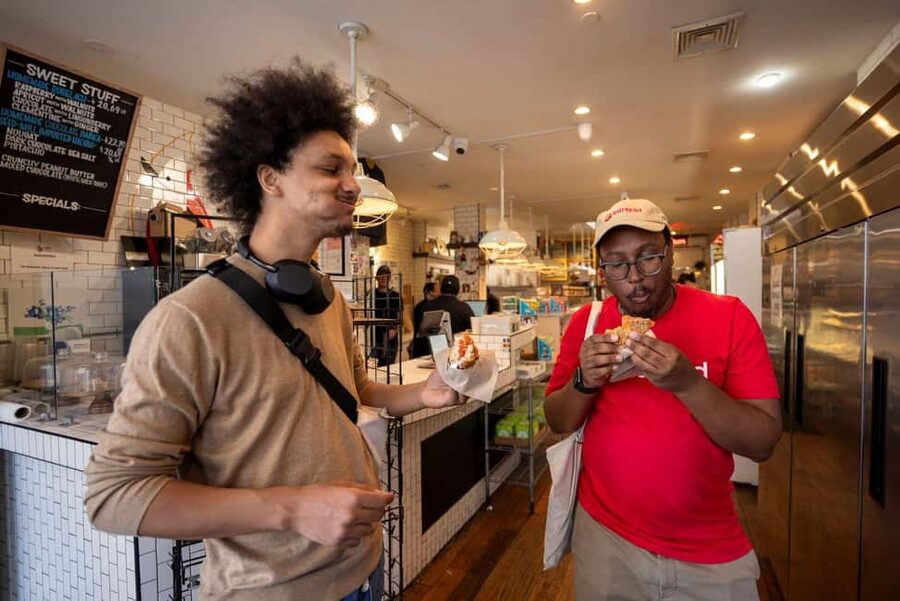
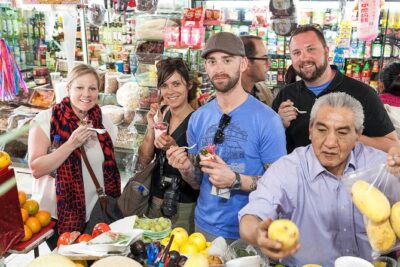
Brooklyn serves its story one bite at a time. This three-hour walk links seven food stops with brownstone streets, local business stories, and the changing character of Smith Street, Court Street, Carroll Gardens, Cobble Hill, and Brooklyn Heights. I like the mix of artisan cheeses, Italian pastries, Middle Eastern baking, coffee, and a modern soda fountain. I also like that the group is capped at 12 people, so the guide can speak with you rather than shout across a crowd.
The main consideration is that this is a tasting tour, not a guaranteed full meal. Some people find the samples plentiful enough for lunch, while others describe the food as more of a sampler. You will walk about 1.6 kilometers, or one mile, at an easy pace, but comfortable shoes still matter. Dietary requests can be handled for vegetarian, vegan, and gluten-free visitors if you give notice at least 24 hours ahead.
Key points to know before booking
- Seven stops across four Brooklyn neighborhoods: The route connects Smith Street, Carroll Gardens, Cobble Hill, and Brooklyn Heights in one compact outing.
- Food with a local business focus: Expect Italian and Middle Eastern staples, New American cafés and restaurants, artisan cheese, bread, pastries, coffee, and soda-fountain treats.
- A small shared group: The maximum group size is 12, and private tours are also available.
- A useful introduction to Brooklyn change: Guides explain how food, independent shops, zoning, immigration, and new development shape the area.
- Enough tasting to make the tour satisfying: The portions vary, but several people found there was enough food to count as lunch.
- Simple meeting point: Begin outside 61 Bergen Street, near the F and G subway entrance.
Why this Brooklyn food walk works
Brooklyn is not one food neighborhood. It is a collection of overlapping communities, businesses, and traditions, and this tour gives you a practical way to see that mix on foot.
The route centers on Smith and Court Streets and the nearby residential blocks. You get tree-lined streets and brownstone buildings between tastings, rather than a parade of restaurants with no sense of place. That balance matters. The food makes the tour fun, but the neighborhood gives the food context.
I especially like the focus on mom-and-pop businesses. You are not simply handed a list of fashionable places. You are introduced to shops and food makers that help explain why people want to live, eat, and open businesses in this part of Brooklyn.
The guides also bring different strengths. Sara is praised for combining Brooklyn history with the food scene. Alex is noted for explaining local geography and history clearly. AJ makes an effort to get to know each person in the group and is familiar with the shop workers. Jessie brings energy and explains current neighborhood issues, including zoning debates. Angelo is especially good at connecting food with sustainability, community, and local culture.
That range tells you something useful: the tour depends partly on your guide. The route and tastings provide the structure, but a strong guide turns a pleasant food walk into a better understanding of Brooklyn.
More Food and History Tours in the USA:
- New Orleans Food and History Walking Tour
★ 5.0 · 1,544 reviews - Boston Pizza Lovers Food and History Walking Food Tour
★ 4.5 · 1,082 reviews - Savannah: Historic District Foodie Walking Tour
★ 4.8 · 613 reviews
Starting at 61 Bergen Street and Smith Street
You meet outside 61 Bergen Street, close to the F and G subway entrance. This is a practical start for visitors staying in Manhattan or elsewhere in Brooklyn, though you should allow enough time to find the exact spot before the scheduled start.
Smith Street is the first main area. The guide introduces the neighborhood while you walk and begin tasting. The food here helps set up the tour’s central idea: old neighborhood businesses and newer food ventures can occupy the same few blocks.
The tour is not built around rushing from one famous storefront to another. The guide may explain how shops support one another, how owners serve nearby residents, and how food acts as part of the local economy. That is more useful than a simple list of what to order.
Because the tour is shared, the pace is designed for a mixed group. The maximum of 12 people keeps it fairly personal, though larger groups can still mean waiting for everyone to gather before crossing streets or entering a shop. Private group bookings are available if you want more control over pace and conversation.
Carroll Gardens, Italian traditions, and brownstone streets
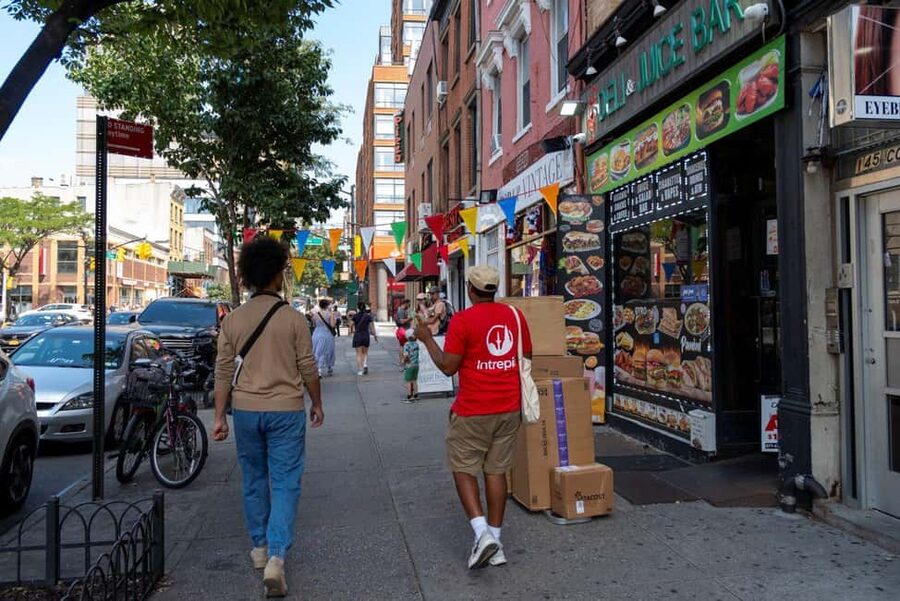
The route continues into Carroll Gardens, where the food story leans toward long-standing Italian influence alongside newer businesses. You may taste Italian pastries, artisan bread, cheese, or other samples depending on the day’s arrangements.
The appeal here is not just the food. Carroll Gardens gives you a chance to see how a neighborhood can retain older habits while making room for new cafés and restaurants. The brownstone blocks add plenty of visual interest, and the walk helps connect commercial streets with the residential setting around them.
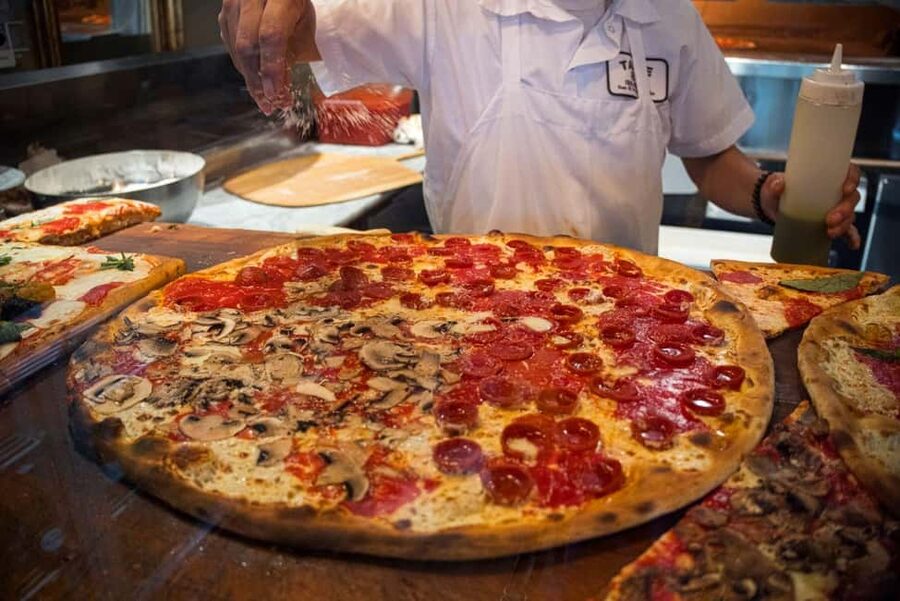
The Italian stops are especially useful for visitors who want more than a generic New York pizza story. You get a closer look at the small shops and food traditions that helped define the area. At the same time, you should not expect a full history lecture on every immigrant group in Brooklyn. The commentary is designed for a three-hour route, so it offers selected stories rather than a complete course in local history.
This is also a good point to ask questions. Guides such as AJ and Angelo are praised for being approachable and for knowing the people behind the counter. If you are curious about where to eat after the tour, ask for specific local suggestions while you are still in the area.
Cobble Hill brings the biggest stretch of the tour
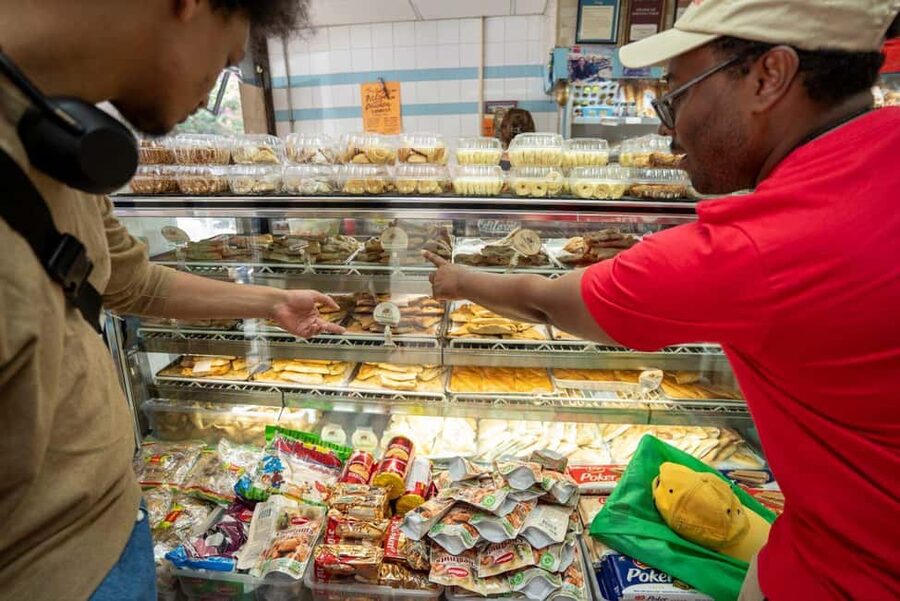
Cobble Hill receives the most time, about an hour and a half. This is where the tour settles into its main rhythm of walking, tasting, and conversation.
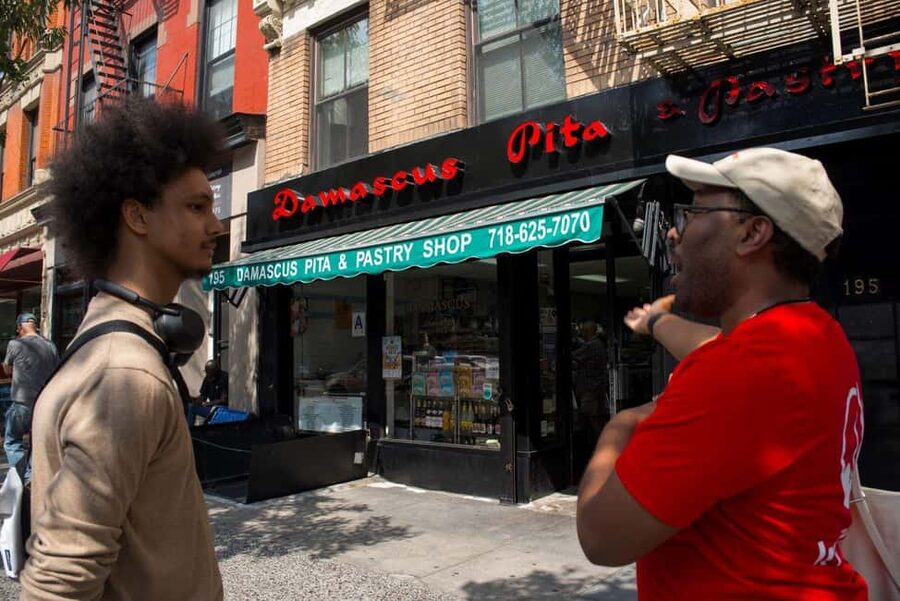
Expect a wider look at the food scene here. The route may include artisan cheese and bread, a coffee roaster, Italian specialties, Middle Eastern baking, and newer New American food businesses. The point is not to rank one cuisine above another. It is to show how several food traditions now share the same neighborhood.
One particularly interesting stop is described as the oldest Middle Eastern bakery in New York City. That makes the bakery more than a place to grab a sweet or savory bite. It gives the guide a doorway into the area’s longer food connections and the businesses that have served local communities over time.
Coffee roasters and newer cafés offer a different side of Cobble Hill. They show how the neighborhood has changed and why Brooklyn became such a major food destination. The modern soda fountain provides another change of pace, with a more playful look at American food culture.
The longer Cobble Hill section is a strength, but it also means the tour can feel concentrated. You spend a good portion of three hours in one cluster of neighborhoods rather than covering Brooklyn broadly. That is a plus if you want a close look at brownstone Brooklyn. It is less suitable if your main goal is to see many distant parts of the borough.
More Local Culture and Traditions Tours in the USA:
- Portland Explorer | Maine History, Culture, & 3 Lighthouses Tour
★ 5.0 · 948 reviews - Charleston’s Best Highlights: History, Culture & Architecture
★ 5.0 · 422 reviews - Southernmost Key West History and Culture Small-Group Walking Tour
★ 5.0 · 124 reviews - Amsterdam Food and Cultural Tour with Tastings
★ 5.0 · 4,315 reviews
Brooklyn Heights and the route’s final stop
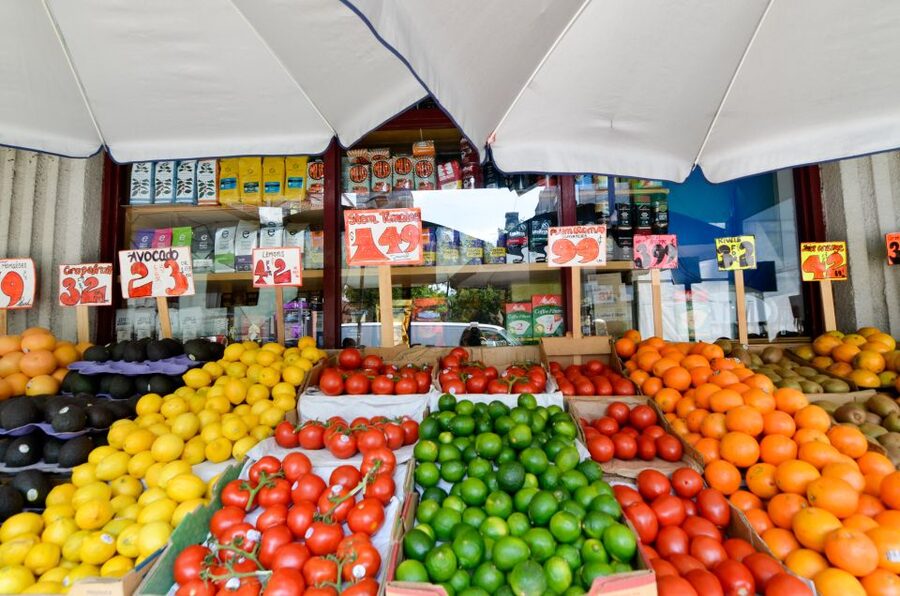
The final neighborhood section reaches Brooklyn Heights, with about 20 minutes of guided walking and tasting. The details provided for the route identify Brooklyn Farmacy & Soda Fountain as the finish, making it a fitting endpoint for a food walk that has moved between old traditions and newer interpretations.
Brooklyn Farmacy is not just a final snack stop. The soda fountain gives the tour a clear closing note and a change from the bakery, cheese, bread, and savory tastings earlier in the walk. You finish with a food business that feels tied to local character rather than a standard chain.
The meeting information also says the activity ends back at the meeting point, so confirm the exact final walking arrangement when you book. The route information names Brooklyn Farmacy as the finish, and knowing where you will actually leave the group helps if you are planning a reservation or transit connection afterward.
What you will eat, and how much
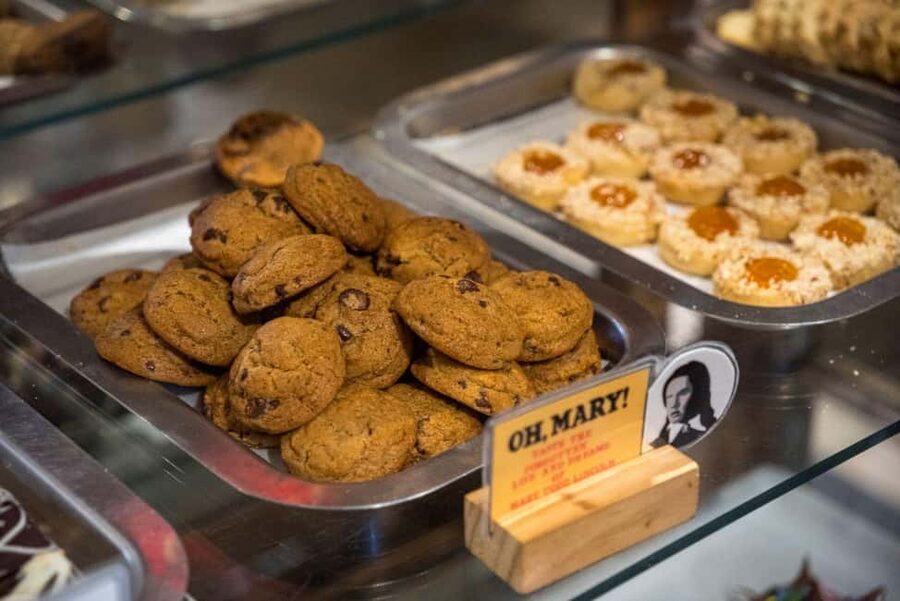
The tour includes seven food stops and tastings. The listed foods include artisan cheeses, bread, Italian pastries, Middle Eastern items, coffee, and soda-fountain offerings, with New American food represented along the way.
Portions are not presented as a formal meal. Still, the amount can be substantial. One guide, Brian, is praised for taking the group to enough food stops to make the tour feel like lunch. Another account describes the portions as the right amount, while a local participant found it more like a sampler than a way to get very full.
That difference is normal for a tasting walk. Your appetite, the day’s portions, and the group’s pace all affect how filling it feels. I would book it as a food-focused neighborhood walk, not as your only planned meal of the day.
If you have dietary needs, tell the operator at least 24 hours before the tour. Vegetarian, vegan, and gluten-free requests can be accommodated. Do not wait until you arrive, since the stops may need advance notice.
Additional food and drinks are not included. You can buy extra items if a shop catches your attention, but budget separately for those purchases.
The history is practical, not academic
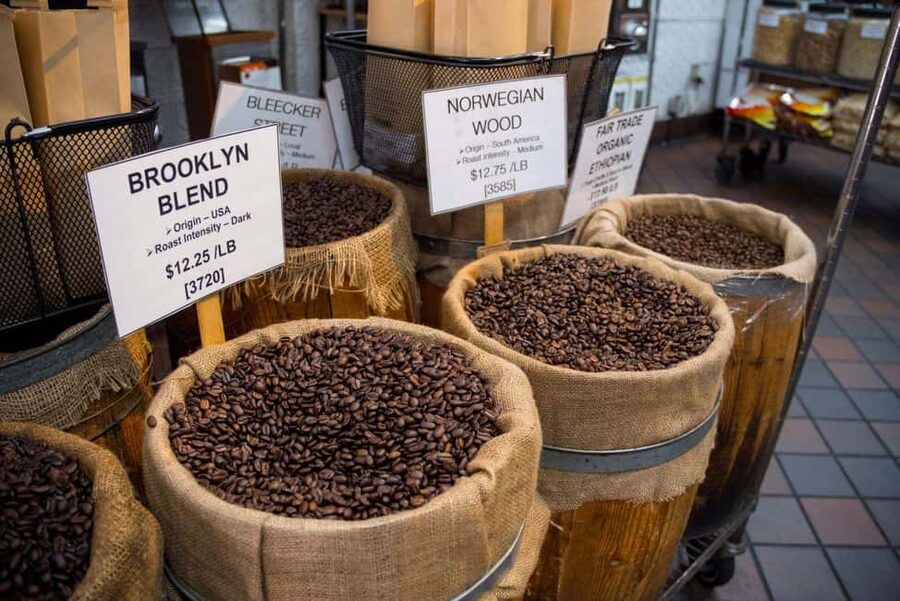
The best part of the commentary is its connection to the street in front of you. Instead of separating history from food, the guide explains how businesses, residents, and neighborhood identity affect one another.
You may hear about the area’s changing character, local business owners, sustainability, and current zoning questions. Jessie is praised for adding context about present-day Brooklyn, while Angelo brings strong attention to the social and environmental side of independent businesses.
That gives the tour more substance than a simple tasting crawl. You learn why certain shops matter and how a food district changes over time. The trade-off is that the commentary will vary with the guide and the group’s questions. If you prefer a tightly scripted historical tour with dates and a formal lecture, this may feel more conversational.
For most visitors, that is a benefit. You can ask about the blocks you are walking through, the shops you pass, or places to eat later. The supplied map also helps you continue exploring the local food scene after the tour.
Walking, comfort, and group size
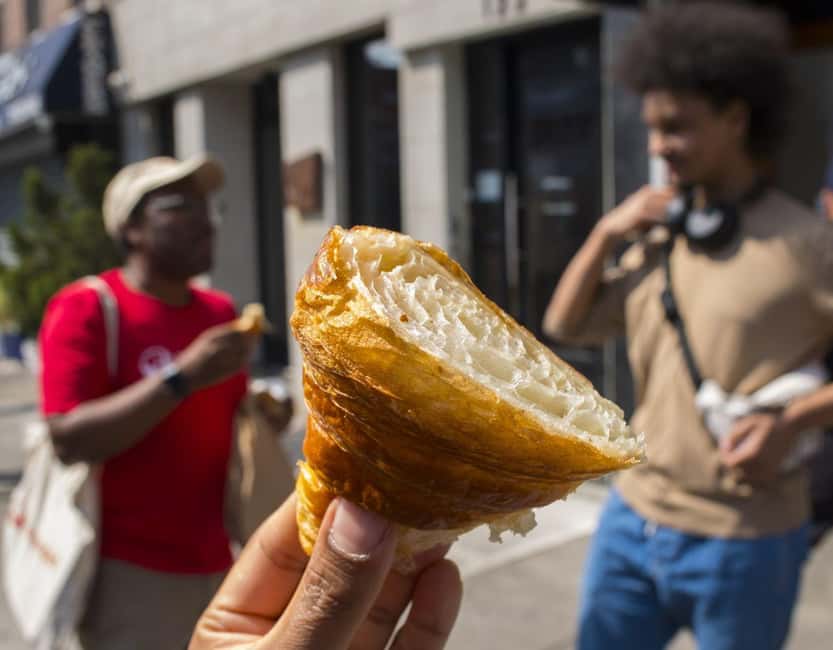
The total walking distance is about one mile, or 1.6 kilometers. The route is suitable for all ages and fitness levels, according to the activity details, but you will still spend three hours on your feet, with standing time at food stops.
Wear comfortable shoes and clothes. This is not a strenuous hike, but uneven sidewalks, street crossings, and time spent standing can make poor footwear annoying by the second hour.
A group of up to 12 is a sensible middle ground. You get the social feel of a shared tour without the scale of a large coach group. Several guides are praised for speaking clearly, keeping the pace comfortable, and making an effort to include everyone.
A private option is available if you are traveling with family or friends and want a more personal outing. It may also suit you if your group has specific dietary needs or wants to spend longer asking questions, though the exact private format should be confirmed when booking.
Is $76 a fair price?
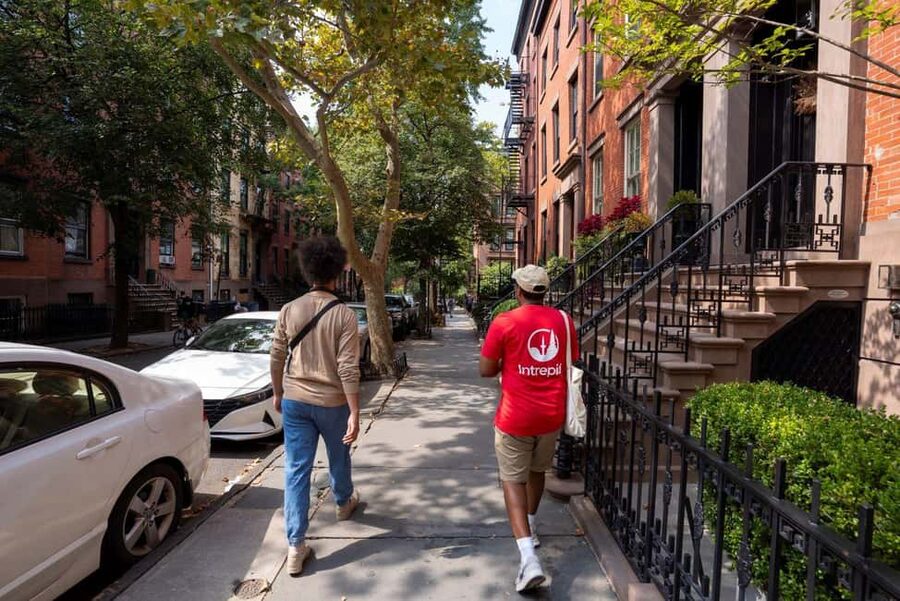
At $76 per person, the price is reasonable if you value both food and local guiding. You are paying for three hours, a live English-speaking guide, seven tastings, and a walk through several connected Brooklyn neighborhoods.
The value improves if you use the tour as an orientation. A guide can point out businesses you might otherwise miss, explain the neighborhood’s character, and give you recommendations for later meals. The included map adds practical value after the tour ends.
The price is less attractive if you are mainly looking for a cheap lunch. You may receive enough food to feel satisfied, but extra drinks and food cost more, and the event is also selling interpretation and access to local businesses, not just calories.
At this price, the strongest reason to book is the combination of food and place. If you only want to eat, spend the money at a restaurant. If you want to understand why these streets became a food destination while trying several small-business specialties, the tour makes better sense.
Who should book this tour?
I would recommend it to first-time Brooklyn visitors who want an easy introduction without committing to a full-day borough expedition. It also suits repeat New York visitors who have seen the major sights and want a closer look at neighborhood life.
Food lovers will appreciate the range from Italian and Middle Eastern staples to New American businesses. Families can benefit from the manageable walking distance and varied samples, and the food is reported to work well for teenagers as well as adults.
It is also a good choice for locals bringing an out-of-town relative. One local participant found the tour added historical, cultural, and current neighborhood context that was easy to miss without a guide.
You may want to skip it if you dislike group walks, need a guaranteed large meal, or want a tour devoted only to architecture or only to restaurant criticism. The experience is broad by design. It gives you a taste of Brooklyn’s food, business life, and history rather than an exhaustive study of any one subject.
Should you book it?
Book this tour if you want a compact, human-scale introduction to brownstone Brooklyn with real tastings and useful local recommendations. The strongest features are the small group, the mix of old and new food traditions, and guides who connect the shops to the people and issues around them.
Treat the food as a generous sampler, not a guaranteed feast, and confirm the final meeting arrangement before scheduling your next activity. At $76, it is good value for a three-hour food and culture walk, especially if you plan to use the map and guide’s advice to keep exploring afterward.
FAQ
How long does the Brooklyn food tour last?
The tour lasts three hours. Starting times vary, so check availability for the date you want.
Where does the tour begin?
Meet outside 61 Bergen Street, near the F and G subway entrance.
Where does the tour finish?
The route details identify Brooklyn Farmacy & Soda Fountain as the finish. The meeting information also says the activity ends back at the meeting point, so confirm the final arrangement when booking.
How much walking is involved?
The tour covers about 1.6 kilometers, or one mile, and is described as suitable for all ages and fitness levels.
How many food tastings are included?
Seven food stops and tastings are included.
What types of food are included?
The route includes Italian and Middle Eastern foods, New American offerings, artisan cheeses, bread, Italian pastries, coffee, and soda-fountain items.
Can the tour accommodate dietary restrictions?
Vegetarian, vegan, and gluten-free requests can be accommodated if you provide the information at least 24 hours before the tour begins.
Is a private tour available?
Yes. The experience can be booked as a shared group tour or as a private group.
More Food Tours in the USA
- Historic Ybor City Food Walking Tour
★ 5.0 · 2,210 reviews - Boston Food & History: Pizza, North End & Freedom Trail
★ 5.0 · 1,772 reviews - Southern Flavors Food, Pub Crawl, and History Walking Tour
★ 4.5 · 1,623 reviews - Chicago in a Day: Food, History & Architecture Walking Tour
★ 5.0 · 1,153 reviews
Just added around the USA
- Boston: Underground Railroad History Tour of Beacon Hill★ 4.9 · 38 reviews
- Boston: Ultimate Historic Food & Drink Tour★ 4.7 · 20 reviews
- Boston: Seafood Tasting & Historical Walking Tour★ 5.0 · 28 reviews
- Boston: Historic Pubs Walking & Ferry, Food & Drink Tour★ 4.9 · 56 reviews
- Boston History & Highlights Tour: From Revolution to Today★ 4.8 · 178 reviews
- Boston: Haunted Pub Crawl of Historic Pubs and Taverns★ 4.6 · 127 reviews
- Boston: Tour of The Freedom Trail with Historic North End★ 4.5 · 154 reviews
- Boston: History & Haunts Guided Ghost Tour★ 4.3 · 154 reviews
Food & History Tours, compared.
Sevilla Food Tour: Tapas, Wine, History & Traditions
Read our review →
Dublin Historical Centre Food Tour with 8 Food Tastings & Drinks
Read our review →
The Great Indian Food Tour: Old Delhi Food and Heritage Walk
Read our review →
Browse the lists this tour appears in