
Review · PENNSYLVANIA
Philadelphia: Revolution and The Founders History Tour
Philadelphia makes history walkable. I like the way this two-hour route links major Revolutionary sites instead of leaving you to connect the dots alone, and I like the guides’ use of anecdotes, questions, and humor to keep the past moving. The main drawback is clear: the tour stays outdoors, and Independence Hall timed tickets are not included.
For $29, you get a live English-speaking guide, a walking tour, and a free podcast for later listening. Guides including Wendy, Joseph, Vince, Josh, Alex, Bill, and Dr. Lee Arnold have been praised for bringing the people and political arguments of the era to life. Just arrive ready for weather, since the tour runs rain or shine.
Key points to know before you go
- The route begins outside the Market Street doors of the Independence Visitor Center, a useful central starting point near the city’s main historic sights.
- You see the Liberty Bell, Independence Hall, Carpenters’ Hall, Betsy Ross’s home, and other Revolution-era locations, though interior entry is not part of the tour.
- The guide shapes the experience, with strong praise for lively storytelling, humor, extra facts, and answering questions.
- This is an all-outdoor walk, so comfortable shoes, water, and weather protection matter.
- The tour works well for families and students, especially when the guide draws children into the story with questions.
- At $29, it is best viewed as an orientation tour, giving you the story and locations before you explore selected interiors on your own.
Starting at the Independence Visitor Center
You meet outside the Market Street doors of the Independence Visitor Center. This puts you right in Philadelphia’s historic core, close to the Liberty Bell and Independence Hall.
I would arrive a little early and look for the guide near the main entrance. One person who took the tour found the meeting directions slightly confusing because they referred to side doors, while the actual gathering point was in front of the main entrance. That is a small issue, but it is worth knowing before you set off.
The opening location makes practical sense. You are not spending the first part of the tour crossing town. Instead, your guide can begin with the city’s central role in the founding of the United States, then lead you through streets where the story happened.
The walk is wheelchair accessible, but this remains a city walking tour. You should expect to move between outdoor landmarks, pause on public streets, and listen while standing. The activity lasts two hours, which is long enough for a useful sweep of the district without taking up your entire day.
A few more history tours around the USA worth a look
- History and Hauntings of Salem Guided Walking Tour
★ 5.0 · 14,564 reviews - Charleston’s Old South Carriage Historic Horse & Carriage Tour
★ 5.0 · 10,023 reviews - Beneath The Streets Underground History Tour
★ 4.5 · 8,006 reviews
The Liberty Bell and the first layer of the story
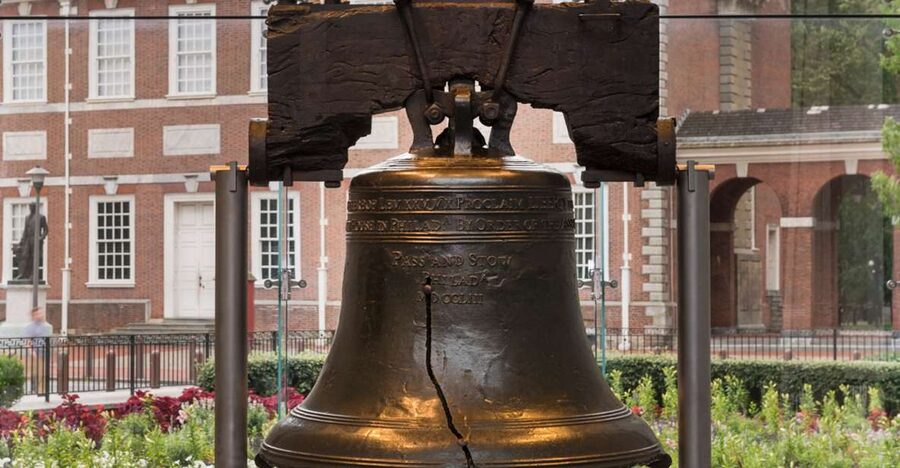
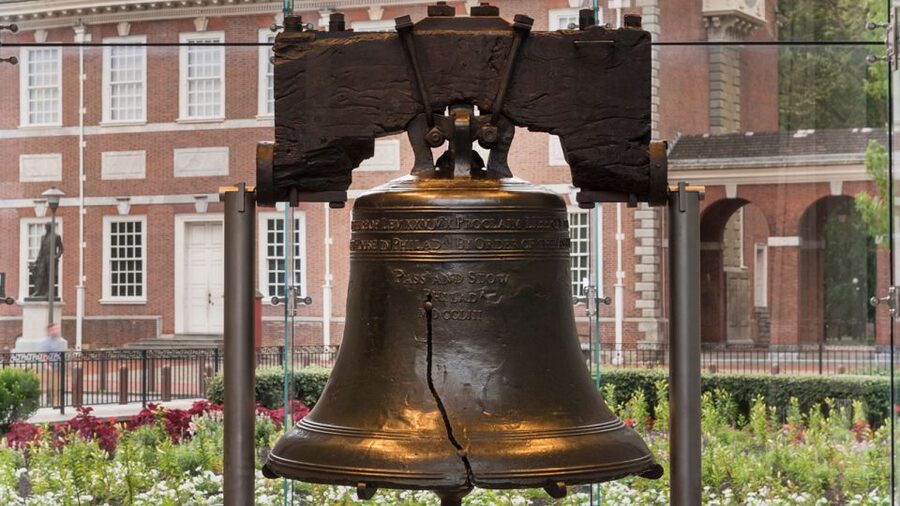
The Liberty Bell is one of the essential stops. You can see the famous bell and hear how it fits into the wider story of independence, rather than treating it as an isolated photo opportunity.
The value of having a guide here is context. On your own, you might read the basic sign, take a picture, and move along. A good guide can connect the bell to the political mood of Philadelphia and to the people who were arguing, organizing, and taking risks during the Revolutionary period.
Keep your expectations realistic. This tour does not include interior access to National Park Service federal structures, and Liberty Bell admission is not described as a separate part of the walking experience. You are being shown the historic sites and given the story around them, not escorted through every building.
That distinction helps you plan your day. If the bell and Independence Hall are priorities, set aside extra time before or after the walk for the official visitor arrangements. The walking tour gives you a strong framework, while your own visit can handle the interior details and timed entry.
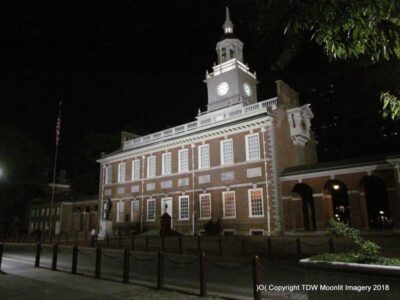
Independence Hall and the political center
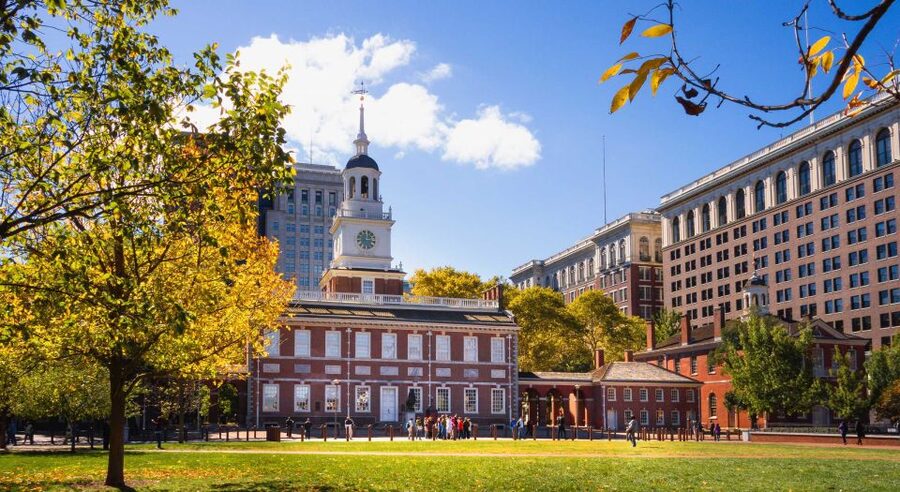
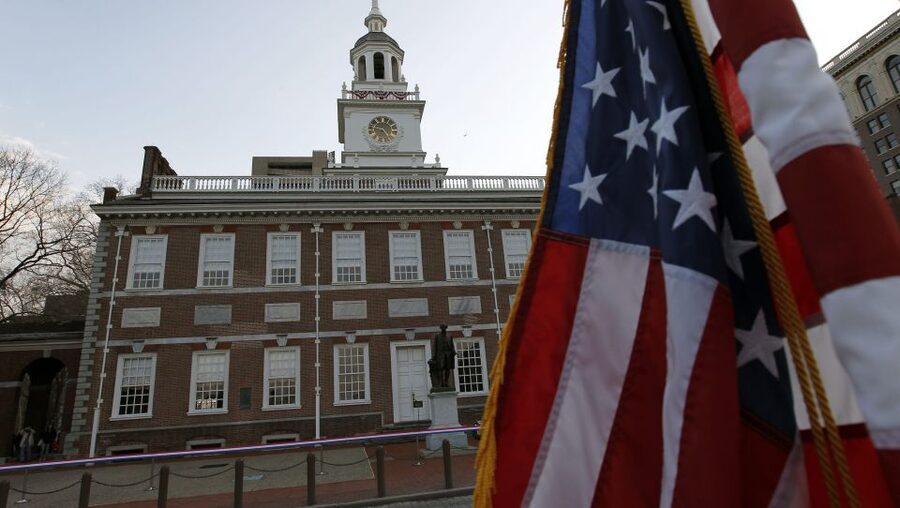
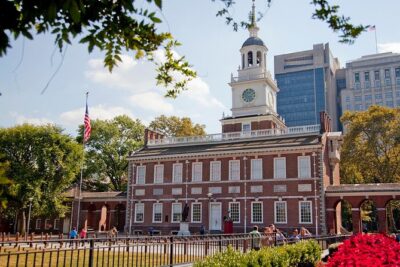
Independence Hall is the tour’s natural anchor. This is where the Continental Congress met, and the guide uses the building and surrounding streets to explain how the colonies moved from protest toward independence and a new form of government.
You will hear about figures such as George Washington, Benjamin Franklin, James Madison, Thomas Paine, and Patrick Henry. The strength of the experience is not simply the number of names. It is the chance to see where these figures worked, argued, persuaded one another, and shaped events that are often reduced to a few textbook lines.
A guide can also explain that the founding period was not a tidy sequence of famous speeches. The tour’s focus on anecdotes and lesser-discussed figures helps make the period feel more human. One guide even added a story about a signer who is not often included in standard accounts, which is exactly the sort of detail that can make a familiar subject feel fresh.
Independence Hall itself is not an included timed-ticket attraction here. That is the most important planning point. If you want the full interior visit, book or arrange that separately, then use this tour to understand the surrounding buildings and streets.
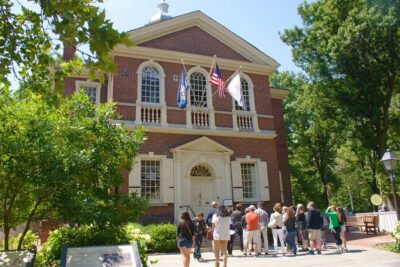
Carpenters’ Hall and the working city
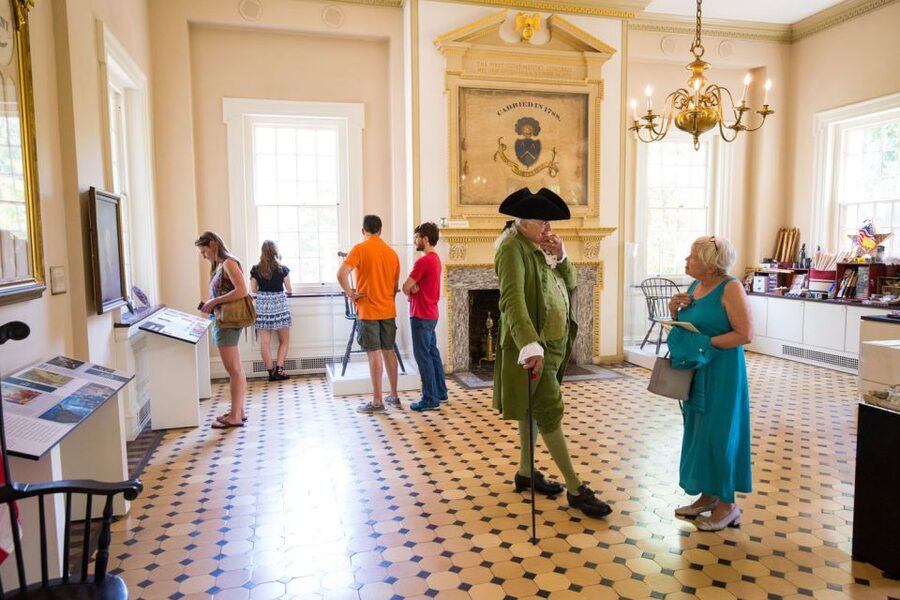
Carpenters’ Hall adds another useful layer. It helps move the story away from a narrow focus on only the best-known founders.
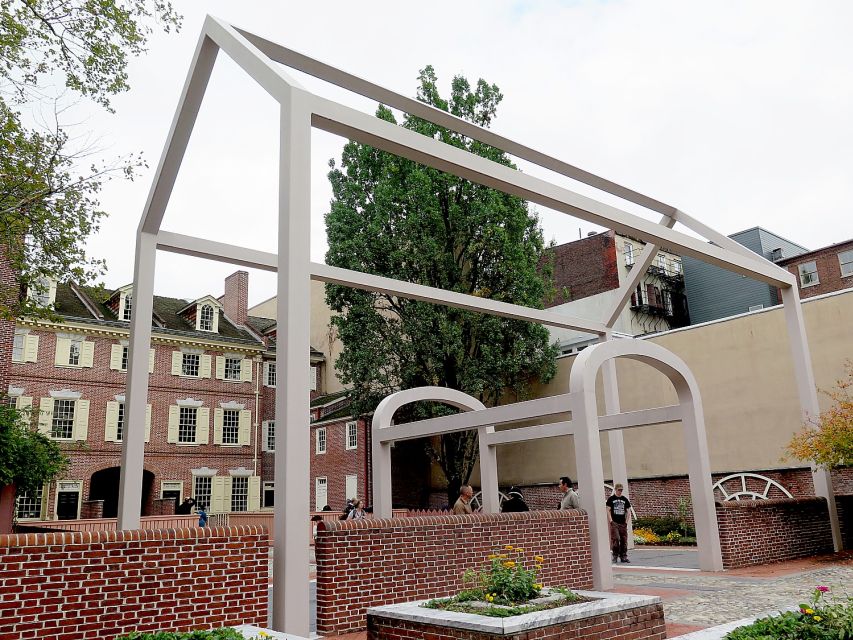
Philadelphia was a city of tradespeople, merchants, printers, artisans, political clubs, and religious communities. A stop connected to a craftsmen’s organization helps you picture the civic world that supported the political events. The Revolution was not created only inside grand government rooms. It depended on people meeting, printing, debating, supplying goods, and choosing sides.
This is where the route benefits from walking. You can move from one historic building to another and see how close the major sites are. The geography gives you a better sense of how concentrated the action was. You are not just collecting landmarks. You are building a mental map of the founding period.
The drawback is that a two-hour route cannot give every building a long visit. You may pause outside several places, hear their importance, and then continue. If you want detailed architectural study or long indoor visits, you will need a separate museum day.
Same place, a different slice of the past:
- Boston: Freedom Trail History Small Group Walking Tour
★ 5.0 · 6,450 reviews - Historic Charleston Guided Sightseeing Walking Tour
★ 5.0 · 6,216 reviews - Charleston Horse-Drawn Carriage Tour: Explore Historic Charleston
★ 5.0 · 3,561 reviews - Savannah History and Haunts Candlelit Ghost Walking Tour
★ 5.0 · 3,235 reviews
Benjamin Franklin, George Washington, and the founders as people

Benjamin Franklin receives particular attention on this experience. That suits Philadelphia, where Franklin’s work as a printer, writer, inventor, civic organizer, and political figure is woven into the city’s identity.
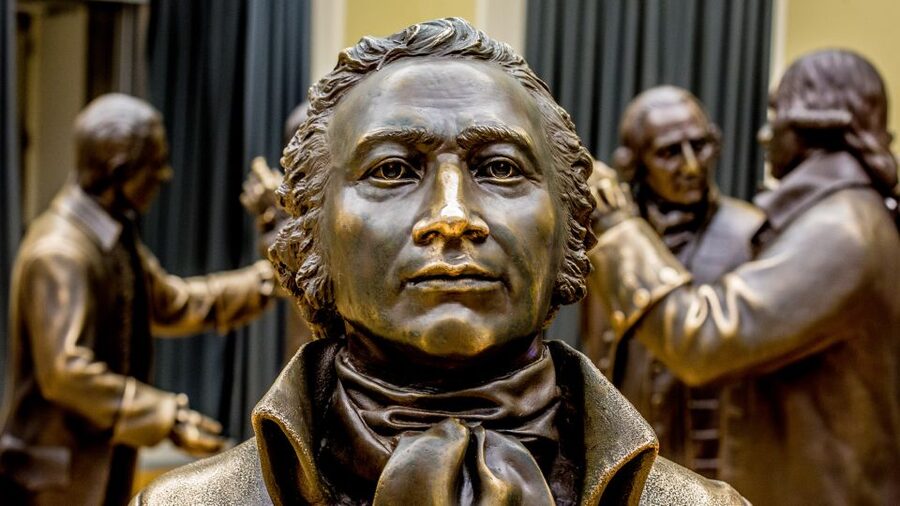
The tour also points out places connected with George Washington, Alexander Hamilton, and other leading figures. You may see the homes or sites associated with them from the outside, while your guide explains how each person fits into the larger political story.
This approach is useful because it avoids treating the founders as a single team with identical goals. Washington, Franklin, Hamilton, Madison, Paine, and Patrick Henry had different temperaments and political ideas. A lively guide can show those differences through stories and disputes rather than a dry list of achievements.
Several guides have been praised for extra facts and small anecdotes. Wendy is especially valued for turning plaques and street corners into fuller stories. Joseph has been singled out for humorous historical details and clear explanations. Bill has been praised for making the period feel present, while Vince has been appreciated for his energy, local details, and attention to the group.
The exact guide will shape the tone. That is normal for a walking tour, and the range of guide names suggests a team with several strong storytellers. You should expect the same broad route and subject, but the anecdotes and emphasis may differ.
Betsy Ross, Paul Revere, and the wider cast
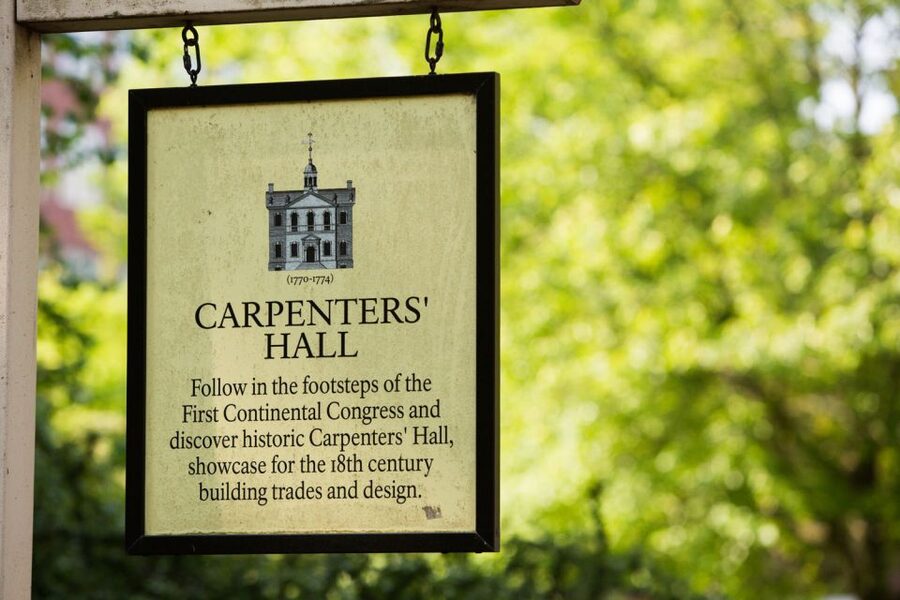
The walk includes sites tied to Betsy Ross and other figures connected with the revolutionary period. It also brings in Paul Revere, although the tour takes place in Philadelphia rather than Boston. These references help show that the Revolution was a network of people and cities, not only a Philadelphia event.
That wider view is one of the tour’s better features. You hear about famous names, but you also get a sense of how news, arguments, and political ideas moved around the colonies. The guide can connect Philadelphia’s streets to a national story without pretending that every important event happened here.
For families, this variety helps. Children may not remember a long list of dates, but they may remember a bell, a house, an alley, a heated argument, or an unusual personal story. A group of high school students found the tour especially engaging because the guide asked questions and drew them into the discussion.
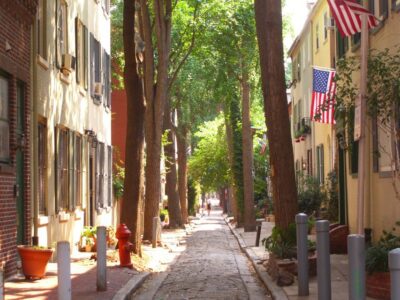
The route also includes the oldest alley in the country, according to one description of the walk. That gives you a change of scale. Instead of only seeing monumental buildings, you get a glimpse of the cramped, older street pattern that makes the historic district feel like a real neighborhood rather than an open-air textbook.
Why the guide matters more than the landmarks

You can walk around Old City Philadelphia alone. The streets are public, the buildings are marked, and many of the main sights are close together. The reason to pay $29 is the interpretation.
The best guides on this experience do more than recite dates. They ask questions, respond to what the group wants to know, add humor, and use anecdotes to give the founders distinct personalities. Several guides have been praised for making two hours pass quickly, which matters when you are standing outdoors in summer heat or cold weather.
Vince, for example, has been appreciated for keeping a group in the shade during temperatures above 90 degrees. That small detail says a lot about what makes a walking guide useful. The job is not only to know the subject. It is also to watch the group, manage the pace, and make the day comfortable where possible.
You can ask questions during the walk, including questions about the founders, the political period, and the sites you pass. If you have a particular interest in Franklin, Washington, women’s roles, the Continental Congress, or the arguments behind independence, ask early. A good guide can adjust the conversation.
The free podcast adds value after the tour. It gives you something to revisit once you have seen the locations in person. I would treat it as a bonus rather than the main reason to book, since the live conversation is the heart of the experience.
Timing, weather, and the practical side
Two hours is a useful length for a first visit. You can fit the tour into a morning or afternoon and still have time for Independence Hall, the Liberty Bell, museums, lunch, or another part of Philadelphia.
The activity runs rain or shine. Wear shoes that can handle city pavement, and bring water in warm weather. In summer, sun protection matters. On wet or cold days, you will want a waterproof layer rather than hoping the forecast improves.
The walk is in English, with a live guide. It is wheelchair accessible. Since no group size is given, you should be prepared for a gathering that may vary from one departure to another. The guide names and comments about keeping large groups together suggest that some departures can be sizeable.
Cancellation is flexible if your plans are uncertain: you can cancel up to 24 hours ahead for a full refund. You can also reserve now and pay later. These terms are useful in a city where weather, timed attractions, and changing family plans can affect your schedule.
Is $29 a fair price?
At $29 per person, the tour offers good value if you want a guided introduction to Revolutionary Philadelphia. You are paying for a live historian-style guide, a two-hour route, local orientation, and the ability to ask questions.
The price is less attractive if you only want entry to Independence Hall or a long visit inside the Liberty Bell center. Those are not included. You will need to arrange the relevant timed tickets and interiors separately, so calculate the full cost of your day rather than assuming this is an all-access history pass.
I think the value is strongest on a first visit. The guide helps you understand what you are seeing, then you can return to the places that interest you most. It also saves you from wandering between landmarks without understanding why each one matters.
The tour is a particularly good fit for families, school groups, first-time visitors, and adults who want to refresh their knowledge without sitting in a classroom. It may be less suitable if you dislike outdoor walks, need a slow indoor pace, or already know Philadelphia’s Revolutionary sites in detail.
Who should book the Revolution and Founders History Tour?
I would book this if you want the big picture first and the details afterward. The route covers the Liberty Bell, Independence Hall, Carpenters’ Hall, founders’ homes, Betsy Ross’s house, Franklin-related sites, and other places connected with the Revolution.
You should book with the right expectations. This is not a series of long interior visits, and it is not a quiet private tour built around one narrow topic. It is a lively outdoor overview shaped by the guide’s storytelling.
I would pair it with separate timed entry for Independence Hall and extra time at the Liberty Bell. If you have children, ask questions and let the guide know what interests them. If you have visited Philadelphia before, ask about lesser-known signers, local anecdotes, or the people beyond the usual Washington and Franklin story.
For $29, this is a sensible way to get your bearings and give the city’s founding-era streets a human voice. Book it if you want history explained as you walk, not simply pointed out on a map.
FAQ
Where does the tour meet?
The tour begins outside the Market Street doors of the Independence Visitor Center in Philadelphia.
How long does the walking tour last?
The tour lasts two hours.
What is included in the price?
The price includes the walking tour, a live English-speaking guide, and a free podcast.
Are Independence Hall timed tickets included?
No. Independence Hall timed tickets are not included in the tour price.
Can I go inside the federal historic buildings?
Interiors of National Park Service federal structures are not included.
Will I see the Liberty Bell?
Yes. The route includes the Liberty Bell as one of the major Revolutionary Philadelphia sites.
Is the tour offered in English?
Yes. The live tour guide and activity language are English.
Is the tour wheelchair accessible?
Yes. The activity is listed as wheelchair accessible.
What happens if it rains?
The tour takes place rain or shine, so bring suitable clothing and footwear for the forecast.
Just added around the USA
- Historical Bicycle Tour of Dunedin★ 5.0 · 44 reviews
- Safety Harbor Ghost Tour★ 5.0 · 60 reviews
- Tarpon Springs Ghost Tour★ 4.5 · 19 reviews
- Cincy Brunch History and Streetcar Tour with Riverside Food Tours★ 5.0 · 108 reviews
- 2.5 Hour Kayaking with Manatee and History Tour in Tarpon Springs★ 5.0 · 24 reviews
- Chicago River Architecture Tour Aboard a Historic Yacht★ 5.0 · 45 reviews
- Walkin’ with Colin: Chicago History-Mystery-Comedy-Tragedy Tour★ 5.0 · 218 reviews
- Historic Homes and Cottages of Wicker Park Walking Tour★ 5.0 · 44 reviews
Philadelphia History Tours, compared.
Revolution and the Founders: History Tour of Philadelphia
Read our review →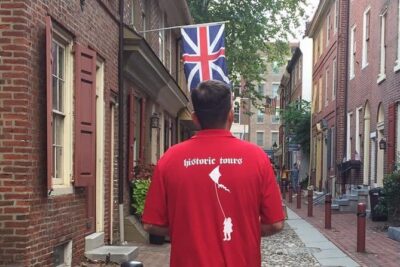
Philadelphia Old City Historic Walking Tour with 10+ Top Sites
Read our review →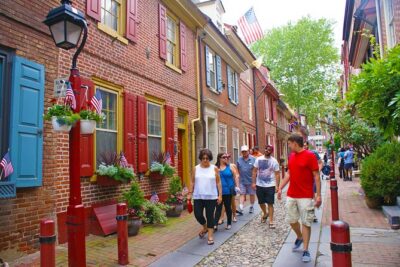
2.5 Hour Philadelphia History Tour with Washington War Tent Show
Read our review →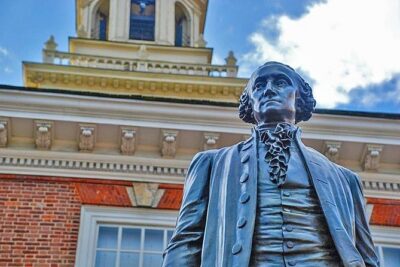
Browse the lists this tour appears in