Review · BAVARIA
Munich: Nazi History 2-Hour Small Group Walking Tour
Munich’s postcard center has a very dark backstory. This two-hour walk connects the city’s pretty squares and famous beer hall to the rise of Hitler and the Nazi Party, with native English-speaking guide Alun Evans bringing the subject to life through clear explanations, stories, and careful context. I like the small-group format, which makes it easier to ask questions, and I like that the route visits real places tied to Nazi meetings, speeches, rallies, and the failed Beer Hall Putsch.
The tour costs $58 per person, a fair price if you want serious historical guidance rather than a quick sightseeing stroll. My main caution is the subject itself. This is not light holiday entertainment, and two hours can feel short if you already have a strong interest in the Third Reich or want to visit museums and memorial sites in greater depth.
Key points at a glance
- Hitler’s Munich beginnings: Follow the story of Hitler’s arrival in Munich in 1913 as a 24-year-old with no clear future.
- Small group setting: The experience is limited to 10 people in the current booking information, though another description gives a maximum of 15, so confirm the exact limit when booking.
- Major Nazi-era locations: See the Hofbräuhaus, Odeonsplatz, the site of the Beer Hall Putsch, and Königsplatz.
- A thoughtful English-speaking guide: Alun Evans is praised for his calm, engaging delivery and his ability to explain difficult material with care.
- Mostly outdoor sightseeing: The tour operates in all weather, so sturdy shoes and suitable clothing matter.
- Central Munich meeting point: You meet at the Tourist Information Center on Marienplatz, making this easy to fit into a day in the city center.
Why this tour matters in Munich
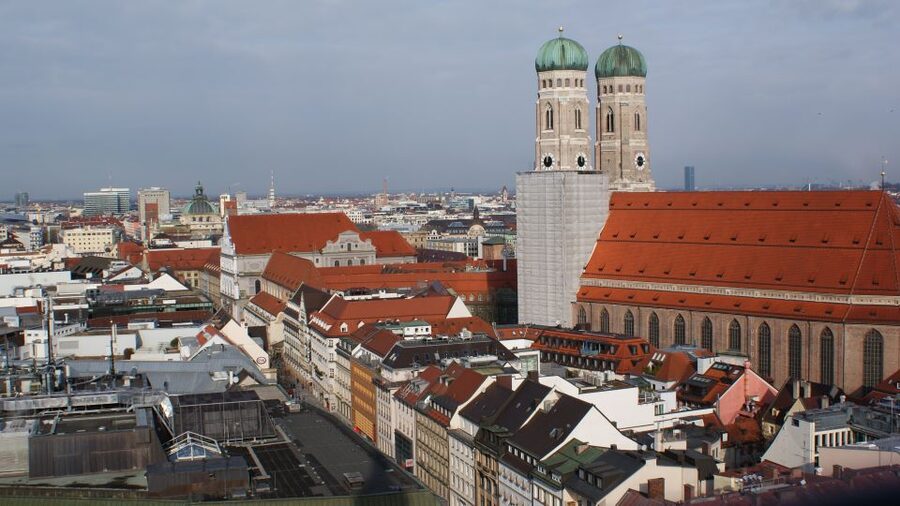
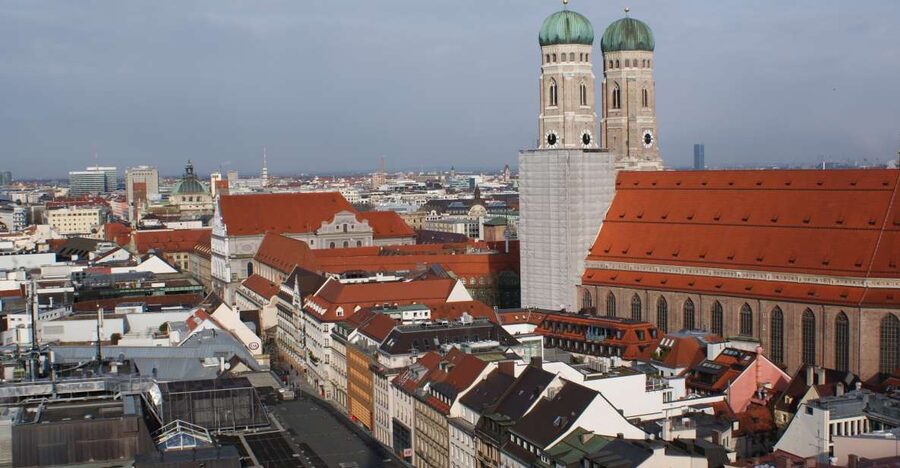
Munich is often introduced through its churches, royal buildings, beer halls, and grand squares. That pleasant first impression can hide the city’s central role in the creation and growth of the Nazi movement. This walk gives you a way to read familiar streets differently.
The story begins with Hitler’s arrival in Munich in 1913. At that point, he was 24 and had no settled career or clear prospects. The tour follows how Munich became the setting for his political rise, the formation of the Nazi Party, and the public ceremonies that helped the movement gain attention and power.
I appreciate the focus on locations rather than abstract dates alone. You are not simply listening to a lecture in a classroom. You are standing in the city where meetings took place, speeches were delivered, and political theater was staged. That physical connection can make the subject easier to understand, though it also means you need to stay attentive as the group moves between stops.
More History Walking Tours in Germany
- Leipzig: 1.5-Hour Historical Walking Tour in German
★ 4.7 · 2,217 reviews - Berlin: History of the Third Reich Guided Walking Tour
★ 4.7 · 791 reviews - Trier: Guided Old Town Highlights and History Walking Tour
★ 4.7 · 687 reviews
Starting at Marienplatz
The tour begins in front of the Tourist Information Center on Marienplatz in central Munich. Your guide carries a sign with the local operator’s name, which should make the meeting point easy to spot in this busy square.
Marienplatz is a practical starting place. It is central, familiar, and well connected to the rest of Munich’s old town. If you are already sightseeing nearby, you can reach the meeting point without arranging a hotel transfer. Hotel pickup is not included, so plan to make your own way there.
The opening section lasts around 30 minutes and sets the political and social background. You learn how Munich became important to the Nazi movement and how Hitler’s personal story became tied to the city. This early context is useful because later stops make more sense when you understand the conditions that helped the party grow.
The advantage of beginning here is that the guide can establish a clear timeline before the walk becomes more location-focused. The drawback is that Marienplatz can be crowded, and a busy public square is not the easiest place for every person in the group to hear. A small group helps, but you should stay close to the guide.
Hofbräuhaus and the power of political speeches
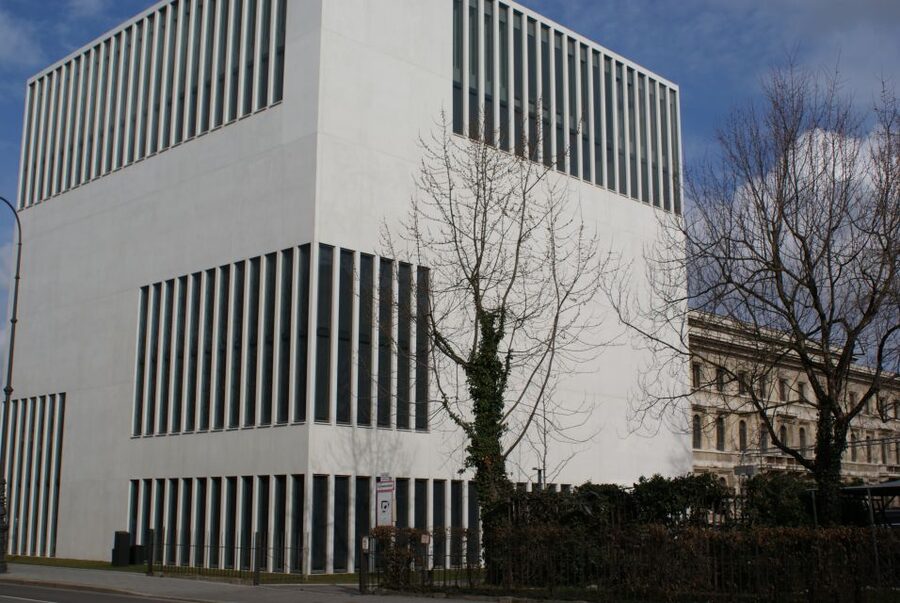
The walk continues to the Hofbräuhaus, one of Munich’s best-known beer halls. It is easy to think of this place only as a stop for beer, pretzels, and traditional Bavarian atmosphere. The tour shows another side of the building, explaining how the Nazi Party held meetings there and how Hitler gave speeches inside.
This is one of the strongest stops because it connects an ordinary part of Munich sightseeing with the early political movement. The setting is especially striking: a famous beer hall that remains part of the city’s tourist identity also played a role in the party’s public activity.
The guided portion here lasts about 10 minutes. That is enough for a focused explanation, but not enough for an extended visit or a long discussion over refreshments. Drinks are not included, and you should not expect the tour to function as a beer hall meal stop.
The guide’s job is important at a place like this. Without context, you might simply see a historic restaurant and move on. With Alun Evans, the site becomes part of a wider story about speeches, recruitment, public emotion, and the ways political movements use familiar social spaces.
The Beer Hall Putsch and Munich’s political center
The route takes you toward the site associated with the failed Beer Hall Putsch of 1923. This attempted seizure of power was a key episode in the Nazi movement’s early years. The tour explains the event on location, helping you connect the failed action with the later development of the party.
This stop is valuable because it shows that Nazi power did not appear fully formed. There were failures, setbacks, and changes in strategy. A good guide can help you understand how a movement that failed in 1923 later used political organization and public messaging to gain influence.
The tour also visits Odeonsplatz, a major square surrounded by important Munich buildings. You see the Bavarian State Opera and the Residenz building while the guide explains the Nazi-era significance of the area.
Odeonsplatz works well as a stop because its grand architecture contrasts sharply with the events being discussed. The buildings themselves are reminders of Bavaria’s royal and cultural past, while the stories here concern political violence and authoritarian power. That contrast is part of what makes the walk unsettling in a useful way.
Because much of this section takes place outdoors, the weather can affect your concentration. The tour runs in all conditions, including heavy cold and snow. One group experienced a particularly snowy, freezing day, yet Alun kept the discussion engaging and tactful. You should dress for standing outside rather than for a quick walk between indoor attractions.
More Small-Group History Tours in Germany
- Small group Potsdam: A Journey Through History and Palaces
★ 4.7 · 317 reviews - Historic Dresden Small-Group Walking Tour in English
★ 5.0 · 160 reviews - Berlin Wall History Small Group Cycling Tour
★ 4.9 · 152 reviews - Small group Potsdam: A Journey Through History and Palaces
★ 4.5 · 151 reviews
Königsplatz and the final rally ground
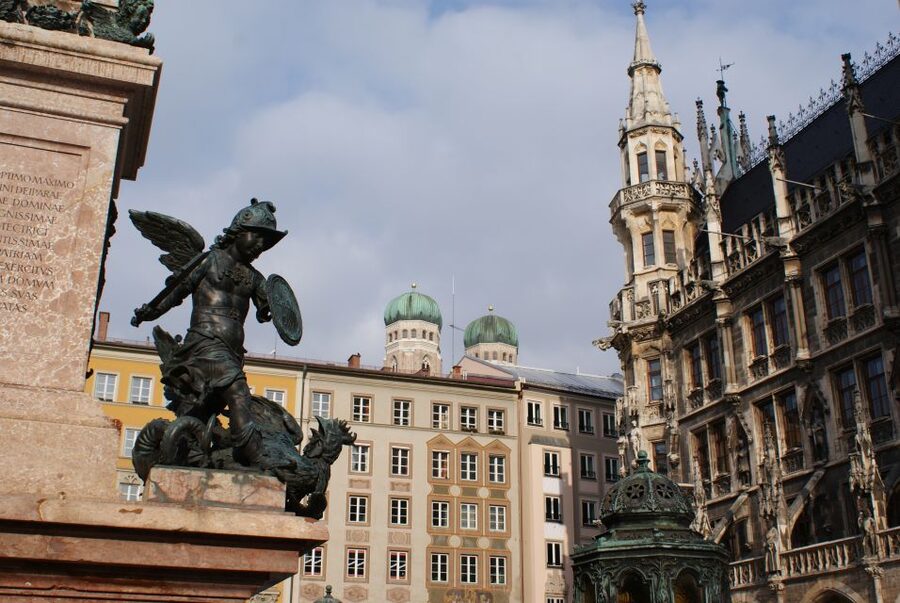
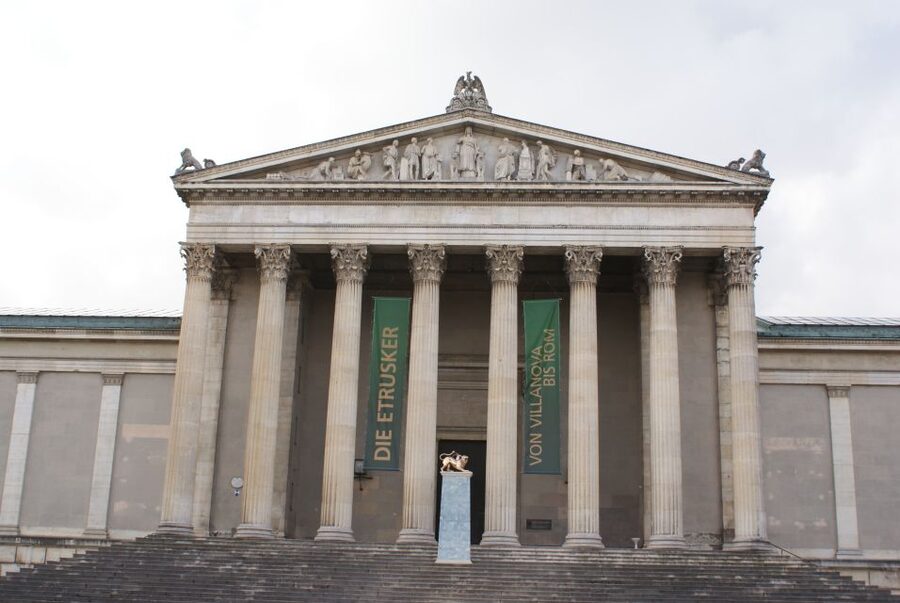
The route concludes at Königsplatz, a monumental square used by the Nazis for rallies. This is one of the most important outdoor locations on the walk because the scale of the space helps you understand how architecture and mass gatherings were used for political display.
The square was designed to create a powerful public setting. Here, the tour can bring together the themes introduced earlier: party organization, speeches, spectacle, rallies, and the deliberate use of Munich’s buildings and streets to project authority.
The supplied route information describes the tour as returning to Marienplatz, while the detailed path says it ends at Königsplatz and notes that you can return to Marienplatz with the guide on request. Ask your guide at the start how your particular departure will finish. This matters if you have a timed reservation afterward.
Königsplatz is also a natural point for reflection. The tour does not simply present Nazi sites as curiosities. Its value comes from explaining how public places were used and why these locations still matter when you walk through Munich today.
Alun Evans and the small-group advantage
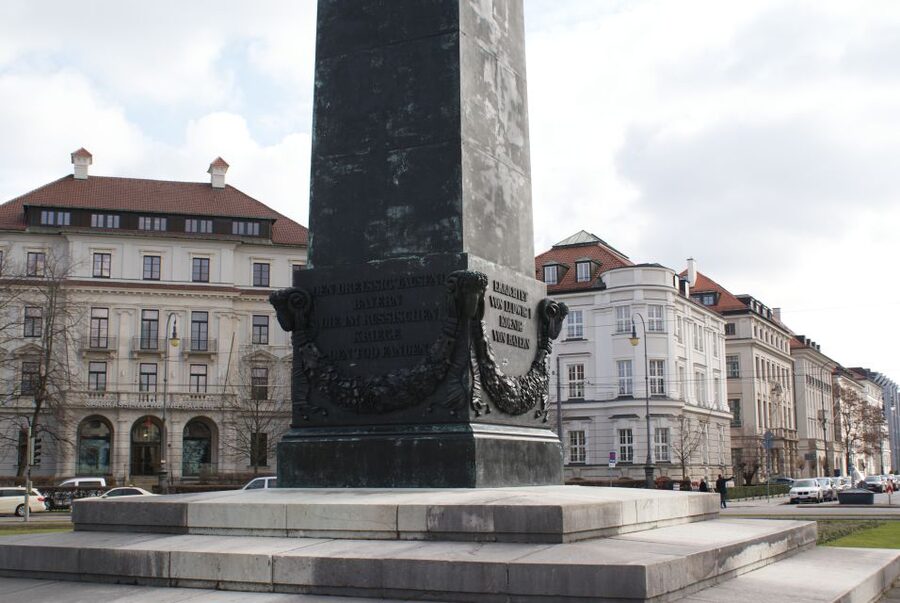
The strongest praise for this experience focuses on Alun Evans. He is described as humble, caring, friendly, patient, engaging, and highly informed about the Third Reich. Those qualities matter more here than theatrical performance.
A guide covering Nazi history needs to provide facts without turning atrocity into spectacle. Alun’s approach is described as candid and tactful, with enough detail to satisfy people who already know a fair amount about World War II, while still keeping the material understandable for people starting from scratch.
The small group makes a real difference. The current activity information lists a limit of 10 participants, while another description says a maximum of 15. Either size is more personal than a large coach tour, but you should confirm the exact limit when booking.
A small group gives you more chances to ask about dates, buildings, political figures, or the meaning of a particular site. It also makes it easier to hear the guide on city streets. One booking became a private tour because only two people attended, which made the experience feel especially personal. You cannot count on that, but the limited group size keeps the possibility open.
Is two hours enough?
Two hours is a sensible length for a first introduction. You cover Marienplatz, Hofbräuhaus, Odeonsplatz, the Beer Hall Putsch site, and Königsplatz without giving up an entire day of sightseeing.
Still, history enthusiasts may wish the tour were longer. One participant who already had a strong interest in World War II history specifically wanted more time. That is a fair criticism. Munich’s Nazi past cannot be fully explained in two hours, especially if you want detailed discussion of political structures, persecution, resistance, or postwar memory.
I see this tour as a foundation. It gives you a timeline, key locations, and enough context to make later museum visits more meaningful. If you are looking for a complete academic treatment, this walk will not be enough. If you want to understand why certain central Munich sites matter, two hours works well.
The $58 price and overall value
At $58 per person, this is not the cheapest way to walk around Munich. You are paying for a live English-speaking guide, a limited group, and focused interpretation of a difficult subject.
The value depends on what you would otherwise do. If you only want to see the buildings from the outside, you can walk through central Munich independently for free. You will not get the connected narrative, the explanation of the Beer Hall Putsch, or the political meaning of the locations.
For a history-focused visitor, the price is reasonable because the guide does the research and connects scattered sites into one story. The tour also avoids wasting time on transport. The meeting point is central, and the route stays in Munich’s core.
The price is less attractive if you already plan to book several paid museums, or if you prefer to read independently at your own pace. It is also worth noting that refreshments are not included.
Who should book this walk?
I would recommend it to adults and older teenagers with an interest in modern European history, World War II, political movements, or Munich beyond its beer halls and palaces. It is also useful for first-time visitors who want historical orientation early in their stay.
The tour suits you especially well if you value a guide who can explain difficult subjects without turning them into entertainment. Alun’s patient and respectful style appears to be a major part of the experience.
You may want something else if you are looking for a cheerful introduction to Munich, a food tour, or a visit focused mainly on architecture. The subject is grim, and the walking takes place outdoors in all weather. Wear comfortable shoes and bring clothing suitable for rain, cold, or snow.
Book with care around your schedule. Free cancellation is available up to 24 hours before the tour, and you can reserve now and pay later, which helps if your Munich plans are still moving around.
Should you book the Munich Nazi History walk?
Book it if you want a clear, place-based introduction to Munich’s Nazi past and prefer a small group over a large sightseeing crowd. The combination of central locations, a two-hour schedule, and Alun Evans’s thoughtful delivery gives the tour strong value for history-minded visitors.
Skip it if you want extensive museum time, a longer academic discussion, or an easygoing city walk. For most people interested in understanding Munich’s darker past, though, this is a serious and useful starting point. Just arrive prepared for the weather and the subject.
FAQ
Where does the tour start?
The tour starts in front of the Tourist Information Center on Marienplatz in central Munich.
Where does the tour end?
The detailed route concludes at Königsplatz, while the tour information also describes a return to Marienplatz. You can request to return to Marienplatz with the guide, so confirm the ending point at the start.
How long does the tour last?
The walking tour lasts two hours.
What language is the tour in?
The tour is conducted in English by a live, local English-speaking guide.
How many people can join?
The current activity information lists a small group limited to 10 participants. Another description gives a maximum of 15, so check the exact group limit when booking.
What is the price?
The listed price is $58 per person.
Does the tour include hotel pickup?
No. You must make your own way to the fixed meeting point at Marienplatz.
Are refreshments included?
No. Refreshments are not included.
Does the tour operate in bad weather?
Yes. The tour operates in all weather conditions, so dress appropriately for rain, cold, snow, or other outdoor conditions.
Can I cancel for a full refund?
Yes. You can cancel up to 24 hours in advance for a full refund. You can also reserve now and pay later.
More Two-Hour Tours in Germany
- 2-Hour Gettysburg Battlefield Guided History Bus Tour with a National Park Guide
★ 4.5 · 2,201 reviews - Kyoto Gion: 2-Hour Geisha Culture & History Walking Tour
★ 5.0 · 1,186 reviews - 2 Hour LoDo Historic Walking Tour in Denver
★ 5.0 · 1,106 reviews - 2-Hour Historical Walking Tour from Dublin
★ 5.0 · 875 reviews
More WWII and D-Day Tours in Germany
- The History of Berlin: WWII PRIVATE Walking Tour With Locals
★ 5.0 · 209 reviews - Berlin: Guided Bike tour of the Berlin Wall and Third Reich
★ 5.0 · 160 reviews - Eagle’s Nest-Berchtesgaden-Obersalzberg Private Half Day WWII Historical Tour
★ 5.0 · 64 reviews - Berlin: Nazi History Walking Tour
★ 4.8 · 33 reviews
Just added around Germany
- Munich: Guided Tour of the historic Town Hall on Marienplatz★ 4.8 · 63 reviews
- Munich and Nazi History Combination Day Tour Small Group★ 5.0 · 32 reviews
- Münster: Old Town Historical Walking Tour by “Geo Epoche”★ 4.7 · 51 reviews
- Lübeck: Hanseatic League History Walking Tour★ 4.9 · 57 reviews
- Leipzig Old Cemetery: 75-Minute Dark History Tour★ 4.6 · 181 reviews
- Leipzig: fresh city tour 2.0 – We bring history to life!★ 5.0 · 89 reviews
- Koblenz: Historical Sparkling Wine Museum Guided Tour★ 4.6 · 28 reviews
- Karlsruhe: Guided City History & Culture Walking Tour★ 4.5 · 79 reviews
WWII & D-Day Tours, compared.
Pearl Harbor History Remembered Tour from Ko Olina
Read our review →
Hiroshima Peace (Heiwa) Walking Tour at World Heritage Sites
Read our review →
![Pearl Harbor & USS Arizona Small-Group Tour [Early Access]](https://4.historywanderer.com/wp-content/uploads/pearl-harbor-uss-arizona-small-group-tour-early-access-400x266.jpg)
Pearl Harbor & USS Arizona Small-Group Tour [Early Access]
Read our review →
Anne Frank and the Jewish History of Amsterdam Private Tour
Read our review →