
Review · DRESDEN
Historic Dresden Small-Group Walking Tour in English
Dresden rewards a careful first walk. This two-hour English tour links the city’s grandest squares, royal buildings, churches, and river views, while guides such as Laura, Leo, Christina, Doris, and Karen add personal stories to the standard dates. I like the small maximum of 15 people and the chance to ask questions as you go. I also like that the tour gives useful advice for choosing Dresden museums later. The main drawback is simple: a group of 15 can be hard to hear without headsets.
The route covers a lot without becoming a forced march. You will see the Zwinger, Semper Opera House, Residenzschloss, Stallhof, Fürstenzug mural, Dresden Cathedral, Brühl’s Terrace, Neumarkt, and the Frauenkirche. It is an excellent first look, but remember that museum interiors are not included.
Key points to know before booking
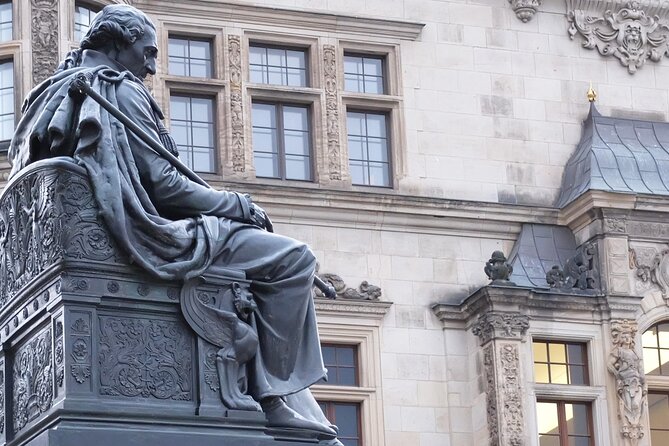
- A strong first introduction: The route ties Dresden’s architecture to its royal, religious, wartime, and modern history.
- Small-group format: The stated maximum is 15 people, with plenty of time for questions in a normal-sized group.
- Mostly outdoor sightseeing: You visit courtyards and see major buildings from outside, but museum admission is not included.
- Excellent guide quality: Past guides including Laura, Christina, Leo, Doris, Karen, Helga, and Robert receive repeated praise for clear English and engaging stories.
- Good value at $30.25: The price pays for a licensed professional guide and a focused route through the historic center.
- One sound-related warning: Without headsets, hearing can be difficult when the group reaches 15 to 18 people.
Why Dresden is best understood on foot
Dresden’s old center is compact, but its story is not. A few blocks can take you from Augustus the Strong’s royal ambitions to wartime destruction, East German reconstruction, and the careful rebuilding seen today.
That makes a walking tour useful here. You are not simply ticking off buildings. You are learning why a Catholic ruler built a church in Protestant Saxony, why a palace was rebuilt more than once, and how a city once reduced to rubble regained its historic center.
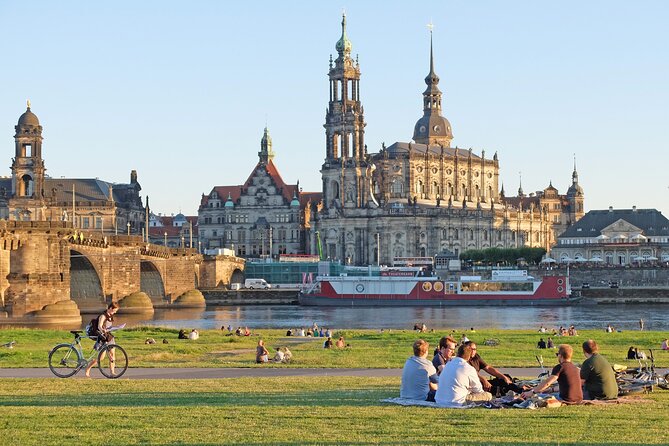
I especially like the way this route moves through connected spaces rather than treating each sight as an isolated photo stop. Theaterplatz introduces the court and arts. The Zwinger shows royal spectacle. The palace and Stallhof bring you closer to Saxony’s ruling family. Brühl’s Terrace opens the view toward the Elbe, and Neumarkt brings the story back to Dresden’s best-known church.
The tour costs $30.25 per person. That is more than a free walking tour, but you are paying for a professional guide who has prepared a structured two-hour explanation and can answer questions. Several guides are members of the German Guides Association and take part in continued training, which helps explain the stronger historical focus.
More History Walking Tours in Germany
- Leipzig: 1.5-Hour Historical Walking Tour in German
★ 4.7 · 2,217 reviews - Berlin: History of the Third Reich Guided Walking Tour
★ 4.7 · 791 reviews - Trier: Guided Old Town Highlights and History Walking Tour
★ 4.7 · 687 reviews
Theaterplatz brings Dresden’s royal center into view
The tour begins at Schloßplatz in Dresden’s Altstadt, or Old Town. The first major setting is Theaterplatz, one of the city’s finest architectural rooms.
The Semper Opera House dominates the square. Your guide explains its place in Dresden’s musical life and points out the nearby Zwinger, Residenzschloss, and Dresden Cathedral. From here, you can also ask about the Old Masters Gallery, which is housed in the Zwinger complex.
This opening works well because you get the big picture before moving closer. Instead of seeing the opera house as just a grand façade, you begin to understand how the square functioned as part of the Saxon court.
The stop lasts about 15 minutes. That is enough time for an orientation and a few questions, but not enough for a detailed architectural lecture on every building. If you want to enter the opera house or gallery, plan a separate visit.
The Zwinger explains Augustus the Strong’s taste for spectacle
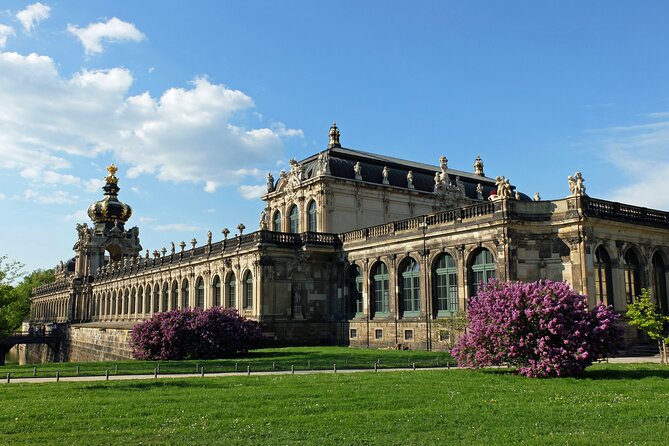
The Zwinger is one of Dresden’s most memorable sights. Its ornate baroque forms were designed as one sculptural whole, originally intended to serve as the entrance to a much larger royal palace that was never completed.
Your guide puts the building in the context of Augustus the Strong, the Saxon ruler who commissioned it. His appetite for beauty, ceremony, and grand celebrations is written into the Zwinger’s courtyards, sculptures, and decorative details.
That story gives the building a human edge. You are not just looking at elaborate stonework. You are seeing the remains of a royal court that used architecture as a stage for power and entertainment.
The visit is outdoors and free. If the grotto is open, the guide may be able to show you a less obvious part of the complex. That possibility depends on access and timing, so treat it as a bonus rather than a promised feature.
The Zwinger is also a good place to note what this tour does not do. You do not enter the museums, including the Old Masters Gallery. The advantage is a faster city overview. The trade-off is that art lovers will need extra time and a separate ticket.
Residenzschloss and Stallhof reveal the court behind the façades

The Residenzschloss, or Royal Palace, has been built, burned, rebuilt, repaired, extended, and rebuilt again. Its mixed appearance reflects that long process. It is not a single clean architectural statement, and that is part of its appeal.
The walking route enters one of the palace courtyards. Look for the sgraffito decoration, a Renaissance technique created by scratching through layers of surface plaster to form patterns. It rewards close attention, especially after your guide points out details that are easy to miss from a distance.
You will not enter the palace museums during this walk. That is not a weakness if you are using the tour to plan the rest of your day. Your guide can explain the collections and help you decide which ticket makes sense before you return on your own.
Behind the palace, the Stallhof provides a quieter change of mood. This Renaissance courtyard once hosted jousting tournaments and royal celebrations. Arcaded galleries and sandstone columns give it a more enclosed, intimate feeling than the wide spaces around the Zwinger.
The stop is short, about five minutes, but it adds variety. You can pause and picture court life without the crowds and ceremony of the main square.
More Small-Group History Tours in Germany
- Small group Potsdam: A Journey Through History and Palaces
★ 4.7 · 317 reviews - Berlin Wall History Small Group Cycling Tour
★ 4.9 · 152 reviews - Small group Potsdam: A Journey Through History and Palaces
★ 4.5 · 151 reviews - Small-Group Historical Bike Tour in Berlin
★ 4.5 · 103 reviews
The Fürstenzug mural rewards a close look
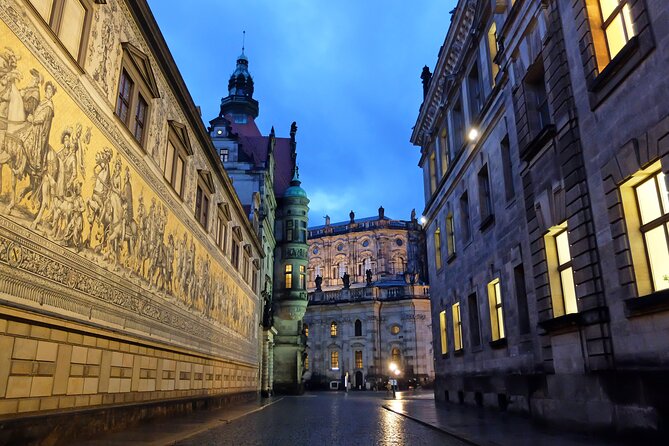
One of Dresden’s most unusual outdoor artworks appears along the route. The Fürstenzug, or Procession of Princes, is about 100 metres long and made from roughly 24,000 porcelain tiles.
It depicts the rulers of Saxony in procession. Your guide points out stories and small details, and you are encouraged to look for them yourself. This is one of the places where a guide adds real value. Without context, the mural can seem like a long decorative wall. With help, it becomes a visual record of Saxon rulers and court identity.
The artwork is outside, so there is no admission issue. Take a moment to inspect the figures rather than rushing past for a single photograph. The route is compact, but this is a stop where a few extra seconds improve the experience.
Dresden Cathedral tells a surprising religious story
The Dresden Cathedral is seen from the outside. Its history is especially interesting because it was built in secret by a Catholic ruler in largely Protestant Saxony.
That detail gives the cathedral a useful place in the wider story of Augustus the Strong and the Saxon court. The building also has unusual features and serves as one of the burial places of the royal family.
The guide’s job here is to explain the political and religious setting, not simply identify the building. You will not tour the interior during the walk, so note the location if you want to return later.
This is a good example of the tour’s overall approach: short stops, clear context, and suggestions for what deserves a second look.
Brühl’s Terrace opens Dresden toward the Elbe
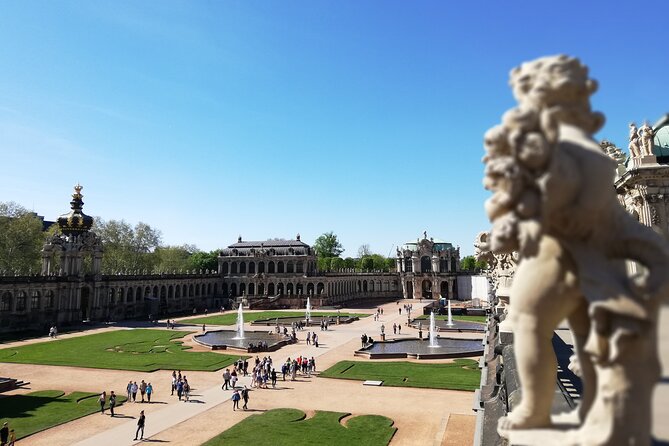
After the dense royal center, Brühl’s Terrace gives you breathing room. Known as the Balcony of Europe, this elevated promenade offers broad views over the Elbe River and the city beyond.
Your guide usually takes the group up the stairs and points out the river, Dresden’s historic White Fleet steam boats, riverside buildings, church steeples, and distant wine slopes. The view helps you understand Dresden’s position along the river and gives useful ideas for later exploring.
There are stairs here, so the route is not entirely flat. Still, one detailed account described the walking as manageable for older people, with the stairs being the main physical point to note.
The stop lasts around 10 minutes. Weather matters more here than at an indoor museum. On a rainy or cold day, the view may be less comfortable, although one guide was praised for keeping the tour interesting even in pouring rain.
Neumarkt and the Frauenkirche carry the strongest emotional weight
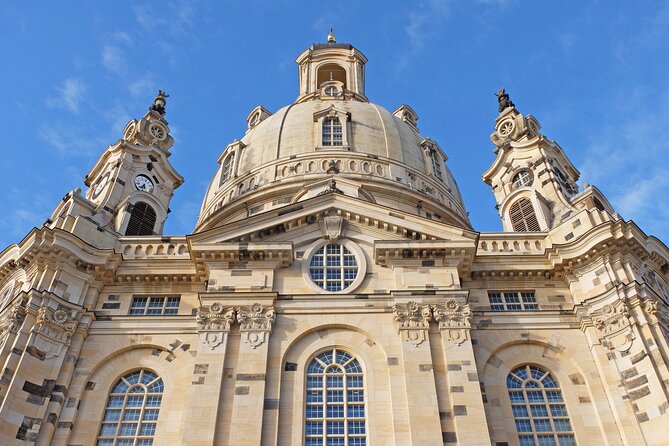
The walk usually finishes around Neumarkt, the square centered on the Frauenkirche. This area was restored to reflect Dresden’s 18th-century character, with colorful baroque façades and places to eat afterward.
The reconstruction is not just a matter of making an attractive square. Neumarkt helps you think about what Dresden lost and what it chose to rebuild. The Frauenkirche is the clearest example.
The church was destroyed during World War II and remained in ruins for decades. Its rebuilt dome now represents Dresden’s return from devastation and its message of reconciliation. Your guide explains the destruction, the long rebuilding effort, and the international support that helped restore the baroque church.
You see the Frauenkirche from outside during the tour. I would return later for the interior, where the pale colors create a calmer mood than the busy square outside. The crypt includes a small exhibition about the rebuilding.
This is also a practical ending point. You can continue into the church, find a meal around Neumarkt, or use the guide’s suggestions to plan another part of Dresden. The supplied details say the activity ends back at the meeting point, while the route description says it usually ends at Neumarkt, so confirm the exact finish location and timing when booking.
What the guides add to the experience
The strongest part of this tour is the guiding. Laura is praised for her clear explanations, friendly manner, and ability to answer questions. She also sets a comfortable pace, which matters on a route with several stops and some stairs.
Christina brings art history knowledge and a talent for pointing out small details. Doris is praised for connecting Dresden before German reunification, the years after it, and the present day. Karen is described as funny, energetic, and particularly good at making the city’s long story easy to remember.
Leo receives praise for combining facts with affection for Dresden. Helga adds personal perspective from knowing the city before reconstruction, while Robert is praised for a pleasant and thoughtful walk.
The exact guide will vary, but the pattern is encouraging: clear English, strong local knowledge, personal stories, and time for questions. One guide was considered a little too chatty and familiar for a person who preferred a more formal style. That is a fair reminder that guiding is personal. Most people will find the relaxed approach welcoming, but you should not expect a dry academic lecture.
Group size and hearing are the real practical issues
The advertised maximum is 15 people. That is small enough for direct questions and a more personal feel, especially compared with a large bus group.
There is one important catch. Headsets are not provided, and hearing the guide can become difficult when the group is large. One account described trouble following the guide with 15 people, and another mentioned a group of about 18. The operator says such larger groups are unusual and can happen when a delayed person is accommodated on another date.
If you have hearing concerns, stand near the guide and ask for a position where you can see and hear clearly. A smaller group of two, four, or six will feel much more intimate. The small-group promise is a major reason to choose this tour, so it is worth paying attention to the final group size.
Who will get the most from this two-hour walk
I would choose this tour if you are visiting Dresden for the first time and want a clear framework before exploring alone. It suits people who enjoy architecture, royal history, wartime reconstruction, religion, and the way cities change over time.
It also works well for older visitors who want a meaningful route without a demanding hike. The pace is generally comfortable, though Brühl’s Terrace includes stairs and the tour remains outdoors for two hours.
Art lovers should see the walk as a planning session rather than a museum tour. You will learn which collections are nearby, but admission is not included. Families and independent visitors may also appreciate the short stops and frequent changes of scenery.
You might skip it if you have already spent several days studying Dresden’s center or if you want a tour focused mainly on interiors. It is also less appealing if you dislike group walking tours or find it difficult to hear without audio equipment.
Price, cancellation, and meeting details
At $30.25, the price is reasonable for a two-hour guided introduction, particularly because the tour includes a licensed professional guide rather than only a route through the city. The value is highest when you use the advice afterward to choose museums, return to the Frauenkirche, or explore the riverfront.
The meeting point is Schloßplatz, 01067 Dresden-Altstadt, near public transportation. Confirmation is provided when you book, and service animals are allowed. Most people can take part.
Free cancellation is available up to 24 hours before the start time for a full refund. Cancellations or changes made less than 24 hours before the start are not refunded or accepted. The tour also requires a minimum number of participants, and if that minimum is not reached, you will be offered another date or experience, or a full refund.
Should you book this Dresden walking tour?
Book it if you want a well-paced first look at Dresden with strong historical explanation and a real chance to ask questions. The route covers the city’s essential sights, and the best guides turn complicated events into stories you can remember.
I would especially recommend it for a first visit, a short stay, or anyone deciding which palaces and churches deserve more time. Just confirm the meeting and ending details, arrive ready to walk outdoors, and try to stay close enough to hear the guide.
If your group is large, hearing is the one concern to take seriously. Even so, the mix of royal courtyards, porcelain art, river views, and the moving Frauenkirche story makes this a solid use of two hours.
FAQ
How long is the Historic Dresden Small-Group Walking Tour?
The tour lasts approximately two hours.
What language is the tour offered in?
The tour is offered in English.
How much does the tour cost?
The listed price is $30.25 per person.
Where does the tour begin?
It begins at Schloßplatz, 01067 Dresden-Altstadt, Germany.
Where does the tour end?
The activity details say it ends back at the meeting point, while the route description says it usually ends at Neumarkt. Confirm the exact ending point when booking.
What sights are included?
The route includes Theaterplatz, the Zwinger, the Residenzschloss courtyard, Stallhof, the Fürstenzug mural, Dresden Cathedral, Brühl’s Terrace, Neumarkt, and the Frauenkirche.
Are museum tickets included?
No. The tour does not include admission to the palace museums or other museums.
How many people can join the tour?
The stated maximum is 15 travelers.
Is the walking tour suitable for most people?
Most people can participate. The route includes some stairs, particularly around Brühl’s Terrace, but the walking is generally not considered highly demanding.
Can I cancel for a full refund?
Yes. You can cancel at least 24 hours before the experience starts for a full refund. Cancellations made less than 24 hours before the start are not refunded.
Just added around Germany
- Historic center of Berlin – Tour in Italian★ 5.0 · 143 reviews
- Berlin Food & Cultural Tour: Must-Try German & Berliner Classics★ 5.0 · 51 reviews
- Private Berlin WWII and Cold War History Tour with Local Expert Guide★ 5.0 · 28 reviews
- Private Tour: Jewish Heritage Walking Tour of Berlin★ 5.0 · 29 reviews
- Small-Group Historical Bike Tour in Berlin★ 4.5 · 103 reviews
- Explore Berlin History and Highlights Sightseeing Walking Tour★ 5.0 · 81 reviews
- Berlin: Private Bike Tour of the Berlin Wall and Third Reich★ 5.0 · 23 reviews
- East Berlin Food & History Tour with Eating Europe★ 5.0 · 204 reviews
History Walking Tours, compared.
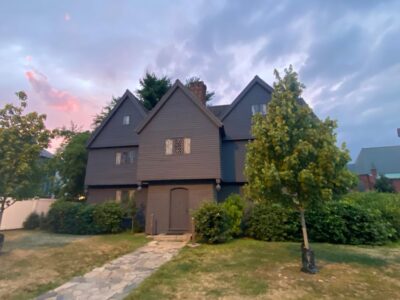
History and Hauntings of Salem Guided Walking Tour
Read our review →
Freedom Trail History Small Group Walking Tour
Read our review →
Historic Charleston Guided Sightseeing Walking Tour
Read our review →
Tapas Walking Tour with Food, Wine, and History
Read our review →
Savannah History and Haunts Candlelit Ghost Walking Tour
Read our review →
A History of Terror – Belfast City Centre Walking Tour
Read our review →Browse the lists this tour appears in