
Review · LOMBARDY
Milan: Fresh Pasta and Tiramisù Class in A Historical Home
Fresh pasta tastes better when you make it. This three-hour class combines hands-on cooking with a rare look inside an elegant Milanese home filled with 16th-century paintings and family antiques. I especially like the family connection, with recipes passed down through Grandma Bruna, and the relaxed meal of ravioli, tagliatelle, tiramisù, wine, and homemade limoncello.
The main consideration is that the class can be large, with one session hosting around 17 or 18 people. That creates a lively social mood, but you may not receive constant one-to-one help. Also, the walking time from the Duomo is described differently in the activity information, so I would use the nearby Metro rather than guess.
Key points at a glance
- Cook three Italian classics: Make tagliatelle, ravioli, and traditional tiramisù from scratch.
- Enter a private art-filled home: The setting includes antique furnishings and paintings connected to the family’s Palladian Palace.
- Expect a social class: Past sessions have included groups of up to 17 or 18 people, with instructors using humor to keep everyone involved.
- Enjoy more than the cooking: White wine or a soft drink, water, limoncello, and the meal are included.
- Take the recipes home: The recipes are sent by email, giving you a useful souvenir rather than another decorative trinket.
- Use the Metro for an easy arrival: The home is at Via Dezza 47, close to the blue line at Coni Zugna-Via Foppa.
Cooking pasta inside a Milanese family home
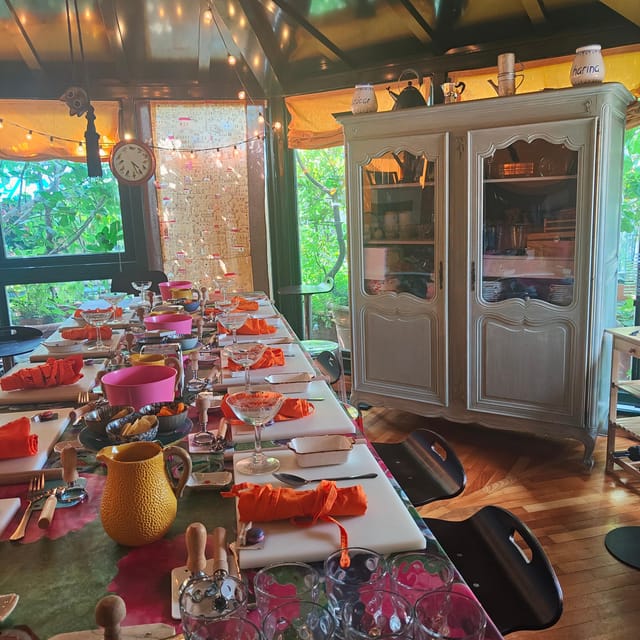
This experience offers something many standard cooking schools cannot: the class takes place in an actual elegant home in central Milan. You are not simply sitting in a bright teaching kitchen with stainless-steel counters. You are cooking among antique furniture and old paintings, with family objects that came from the Palladian Palace.
That setting changes the mood. The art gives you something to look at before class and during pauses, while the home makes the meal feel more personal. You are getting a cooking lesson, but also a small look at a Milanese family’s traditions and surroundings.
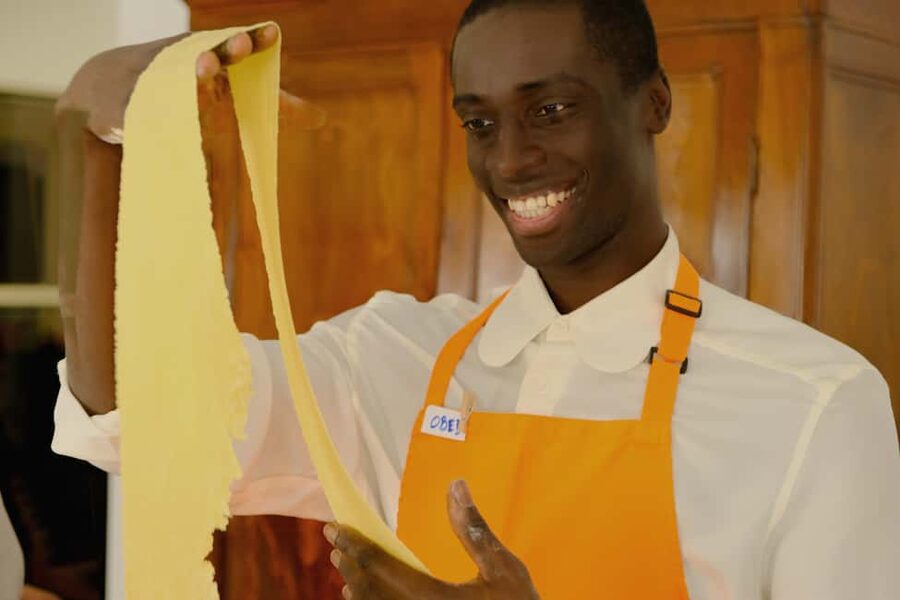
The family’s cooking story is central to the class. Grandma Bruna taught the family, and when she is too tired to lead the session, her daughter, granddaughter, or grandson takes over. Several instructors have led recent classes, including Caterina, Federico, Fred, Francesca, Giulia, Luca, Lucas, and Paolo. The names vary by date, but the teaching style appears to remain warm, lively, and family-oriented.
I like this arrangement because it keeps the class from feeling like a fixed performance. The instructors bring their own personalities. Caterina has been praised for her humor and energy, while Federico and Fred are especially good at getting strangers talking. Francesca has led classes in both English and French, and other instructors speak Italian, Spanish, Persian, and Hebrew.
The lesson is held in English, with several other languages available on request. Still, you should confirm the language you need when booking, especially if your cooking group includes people with different language preferences.
Other history tours people book around Italy:
- Colosseum: Underground and Ancient Rome Tour
★ 4.7 · 12,691 reviews - Rome: Colosseum with Arena, Roman Forum and Palatine Guided Tour
★ 4.0 · 5,598 reviews - Venice: St. Mark’s Basilica Guided Tour & VR History Intro
★ 3.9 · 4,880 reviews
What you make during the three-hour lesson
The cooking follows a practical sequence, though the exact order can vary. A common format begins with the tiramisù, which needs time to chill while you work on the pasta. You prepare the dessert first, then move on to the dough and fillings before sitting down to eat.
Tiramisù first, while it chills
The class teaches a traditional, soft tiramisù. The description promises a recipe that is easier than many people expect, which is good news if your kitchen experience is limited. You do not need to arrive as a pasta expert or confident baker.
One group prepared the tiramisù first and placed it in a flash freezer while the pasta was made. That is a sensible way to handle a dessert in a three-hour class. It also means the final course is ready when you sit down to eat.
Do not expect to carry the tiramisù around Milan afterward. The point is to prepare it, eat it at the house, and take the recipe with you by email. That recipe may prove more useful than a boxed souvenir, especially if you want to recreate the meal at home.
Tagliatelle with tomato sauce
Next comes fresh tagliatelle. You work with the dough, roll it, and cut it into strips before pairing it with tomato sauce. The class focuses on the useful fundamentals: how to mix the dough, how to handle the texture, and when ingredients should be added.
This is the most direct part of the lesson for home cooks. Fresh pasta dough can feel simple but behave differently depending on how it is mixed and cut. The instructor demonstrates the process, then guides the group through its own preparation.
The finished tagliatelle is served as part of the meal. Since the food is made collectively, the class has a communal feel rather than a restaurant tasting format. You cook, eat, and compare results with the people at your table.
More Workshops and Classes in Italy:
- Cooking Class in a Historic Home in the Heart of Brindisi
★ 4.7 · 28 reviews - Dubai Evening Heritage Safari by Vintage G Class Al Marmoom Oasis
★ 5.0 · 1,500 reviews - Undiscovered Charleston: Half Day Food, Wine & History Tour with Cooking Class
★ 5.0 · 948 reviews - Amsterdam: 3-Course Meal in Historic 1st Class Waiting Rooms
★ 4.5 · 292 reviews
Ravioli with butter and sage
Ravioli is the more rewarding project. You prepare the pasta sheets, work with the filling, shape the parcels, and cook them with butter and sage. Several people singled out the ravioli as especially good, so I would pay close attention during this part.
Ravioli also teaches skills you can reuse. The pasta must be thin enough to cook well, but strong enough to hold the filling. The edges need to seal, and the pieces should be similar in size. The instructor will help, but you will still get the satisfaction of making the food with your own hands.
The butter and sage sauce is a classic choice because it is simple and lets the pasta do the work. You will also hear guidance on ingredients, toppings, and timing. These small details are often more valuable than a long lecture about Italian food.
For anyone with dietary restrictions, ask in advance. One instructor made thoughtful accommodations for dietary needs, and the class also lists risotto as an option for gluten-free participants. The available information does not explain every substitution, so contact the host before you arrive rather than assuming the standard pasta can be changed.
The meal is part of the lesson
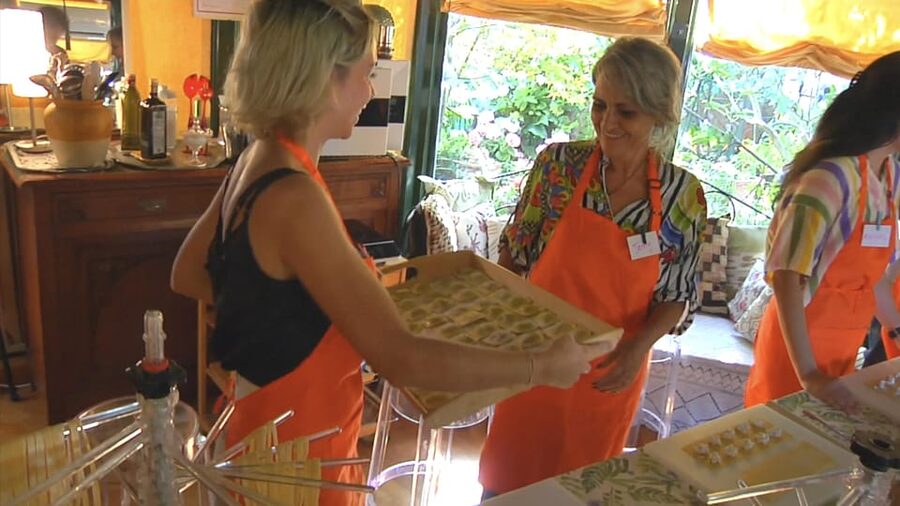
At the end, you sit down to eat the food prepared during the class. The included menu is tagliatelle with tomato sauce, ravioli with butter and sage, and tiramisù. Water is provided, along with either a quarter bottle of white wine per person or a soft drink.
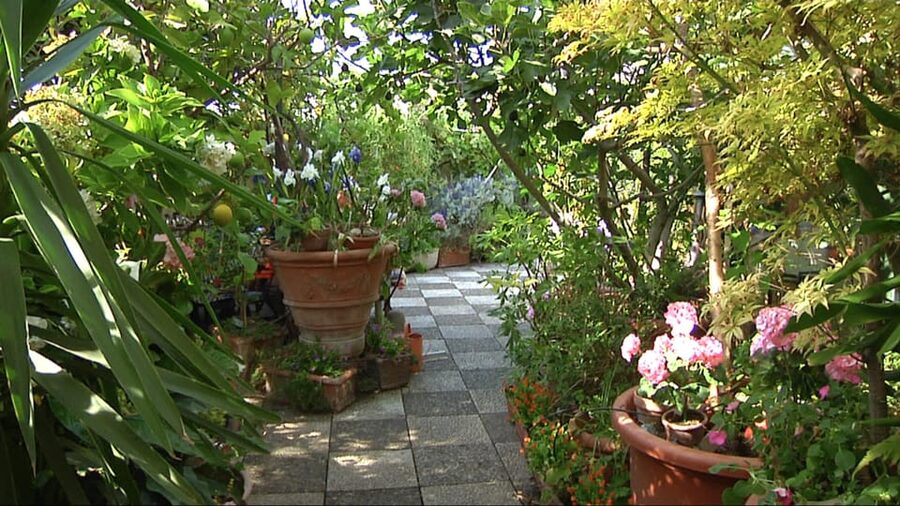
You also receive limoncello made with lemons from the host’s terrace. That is a particularly nice touch. It connects the drink to the home itself, rather than treating it as a generic after-dinner pour. One instructor even explained where to buy limoncello, which is useful if you want to continue the Italian food theme after the class.
The amount of wine is modest, not a full wine tasting. One person wished for more wine, so you should book this for the food and company, not for an evening of extended drinking. The limoncello provides a fun finish, but it is also served in a cooking class setting, so drink responsibly.
The meal gives you time to talk with people from different countries. Several instructors use jokes and group interaction to break the ice. That helps if you arrive alone or as part of a small group and want a social evening rather than a quiet private lesson.
How large is the class?
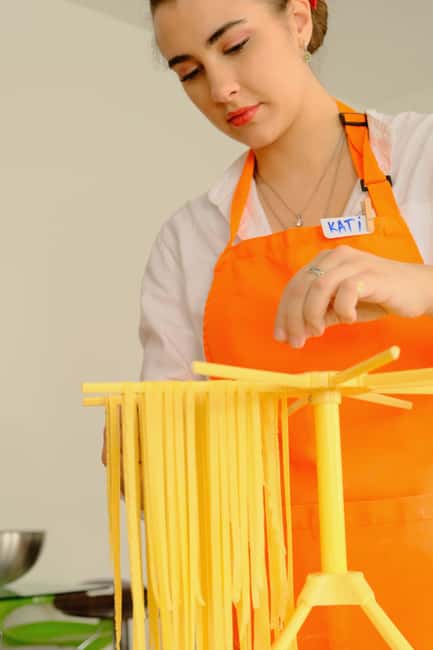
Group size matters here. Some sessions have included 17 or 18 people, and Luca was specifically praised for managing a full class while keeping the preparation organized. A larger group means more energy and often more conversation, but it also means the instructor cannot watch every hand at every moment.
You should expect demonstrations followed by shared preparation. The tools and ingredients are set up, and aprons are provided. You will participate in the main steps, but the experience is not necessarily a private chef lesson where every single task is yours alone.
For most people, that is a fair trade. The social side is one of the pleasures, and the instructors seem to work hard to include everyone. Federico was praised for making the group feel collective, while other instructors kept people laughing and encouraged questions.
If you want maximum personal instruction, ask about the expected group size before booking. If you enjoy meeting people and cooking as a team, the larger format may work in your favor.
The art and antiques are not just decoration
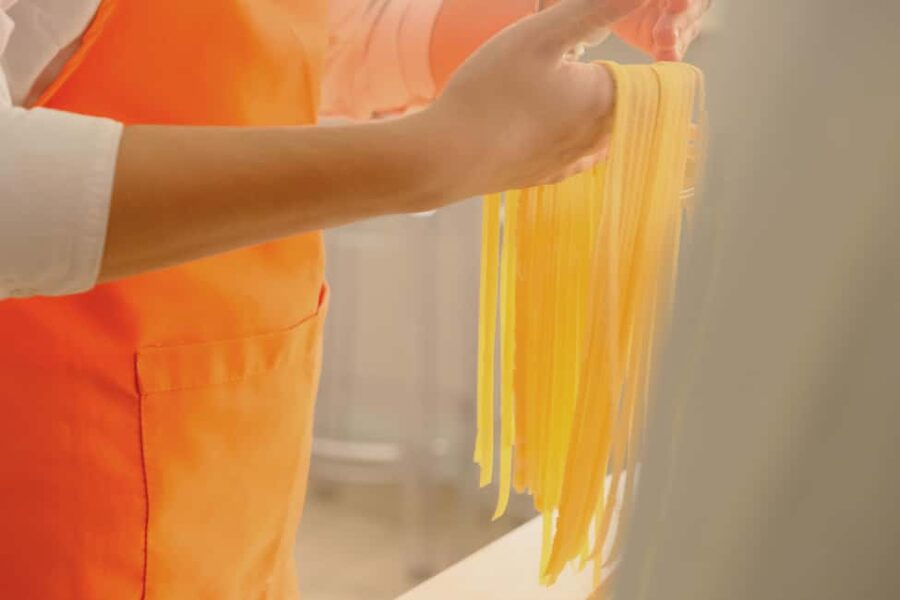
The home is one of the strongest reasons to choose this class. You will see 16th-century paintings and fine furnishings, including antique pieces connected to the family’s Palladian Palace. The house is presented almost like a small private museum, but you are there to cook and eat, not simply walk through rooms.
Treat the setting with care. Comfortable clothes and shoes are recommended, and backpacks are not allowed indoors. Bring a camera if you like, but ask before photographing people or delicate objects.
The contrast is part of the charm: flour on the work surface, pasta taking shape, and old paintings nearby. It gives the lesson a sense of place that a hotel conference room cannot match.
Getting to Via Dezza 47
The meeting point is Via Dezza 47 in Milan. The easiest route is the blue Metro line to Coni Zugna-Via Foppa, with the building about 20 meters from the escalator exit. The green line stop at Sant’Agostino is also an option, about 500 meters away.
The activity information gives more than one estimate for walking from Duomo Square, describing the home as both about 20 minutes on foot and about five minutes from the Duomo area. Since those figures do not match, I would not plan your arrival around the walking estimate. Use the Metro details, allow extra time, and watch for the final meeting instructions sent the day before.
The location is in the Designer and Fashion area, and the nearby Metro reportedly runs until 1 a.m. That makes the return trip easier after an evening class. The activity ends back at the same meeting point, so you are responsible for arranging your own onward transport.
The class is listed as wheelchair accessible, but non-folding wheelchairs are not allowed. If this matters to you, ask for a clear description of the access route and seating before paying.
Is $84.96 a fair price?
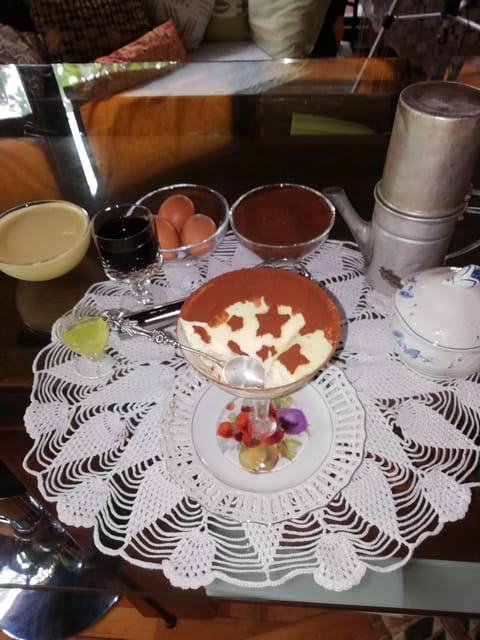
At $84.96 per person, this is not the cheapest pasta lesson in Milan. Yet the price includes three hours of instruction, all tools and aprons, a full meal, water, wine or a soft drink, homemade limoncello, and the recipe booklet by email.
The setting adds value. You are paying for access to a private historical home, not only for ingredients and kitchen equipment. The meal also replaces a restaurant dinner, though you should not compare it to a formal multi-course restaurant experience. This is food you help prepare, served in a social class environment.
I consider the price reasonable if you want an activity that combines food, culture, and conversation. It is less compelling if you only want to watch a chef demonstrate pasta or if you are looking for a small, highly private lesson.
The recipe email is worth remembering. Ask for it if it does not arrive, since one participant specifically advised doing so. With the recipes, the class continues to have value after you return home.
Who will enjoy this class most?
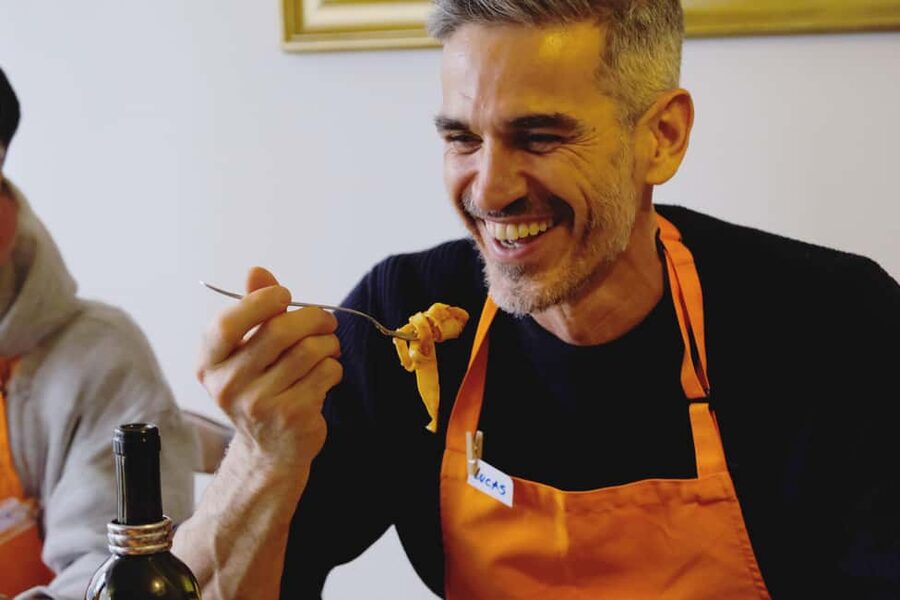
This is a strong choice for couples, families with older children, groups of friends, and solo visitors who want an easy way to meet people. Children under eight are not accepted, but older children and teenagers may enjoy the hands-on work if they are comfortable following instructions.
It also suits mixed cooking abilities. Beginners can follow the demonstrations, while more experienced cooks still have plenty to learn about pasta texture, ravioli shaping, and Italian ingredients.
The class works especially well near the end of a Milan stay. You get a meal, a relaxed evening, and a practical memory of Italy that does not involve another museum queue. It can also fit a celebration, such as a hen weekend, as long as everyone is happy with a shared group activity.
You may want another option if you need a fully private class, dislike social groups, or have strict dietary requirements that require detailed advance planning. The menu is centered on wheat pasta and dairy-rich Italian dishes, with gluten-free risotto noted as an alternative, but the exact accommodations should be confirmed first.
Should you book the pasta and tiramisù class?
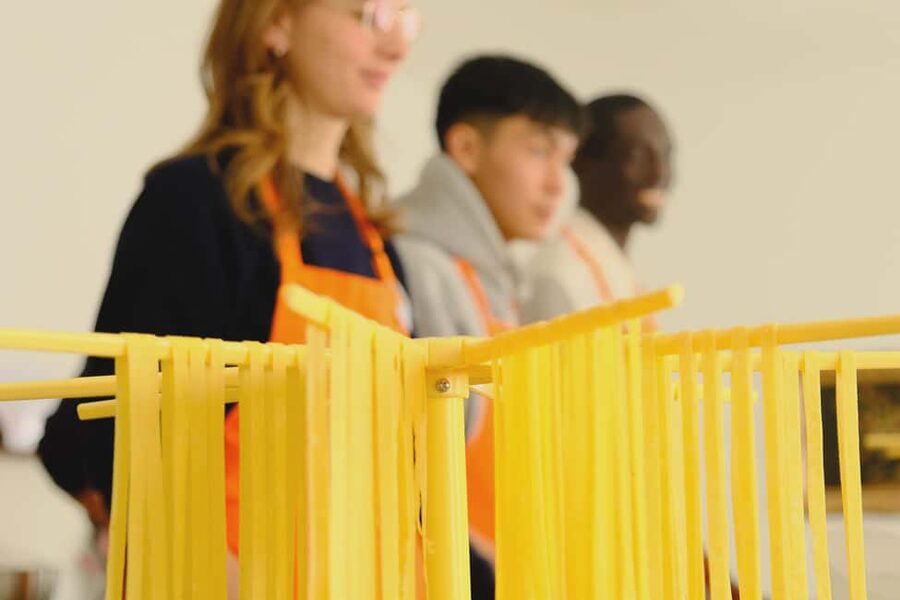
I would book this if you want to cook, eat, and meet people in an unusual Milan setting. The strongest reasons are the family recipes, the art-filled home, the lively instructors, and the chance to make ravioli and tiramisù rather than simply watch them being prepared.
Before booking, check the starting time, confirm any dietary needs, and use the Metro directions to Via Dezza 47. Expect a group class rather than an intimate private lesson, and remember that the wine serving is limited.
For a price of $84.96, you receive a three-hour activity with a meal and recipes to use later. If your ideal Milan evening includes flour on your hands, laughter around a shared table, and a small glass of homemade limoncello, this is a good match.
FAQ
How long does the cooking class last?
The class lasts three hours. Available starting times depend on the date you choose.
Where does the class take place?
It takes place at Via Dezza 47 in Milan, in an elegant family home filled with art and antiques.
How do I reach the meeting point?
The easiest route is the blue Metro line to Coni Zugna-Via Foppa. The home is about 20 meters from the escalator exit. Sant’Agostino on the green line is about 500 meters away.
What food will I prepare?
You will prepare tagliatelle with tomato sauce, ravioli with butter and sage, and traditional tiramisù. Risotto is available for gluten-free participants.
Is food and drink included?
Yes. The price includes the meal, water, either white wine or a soft drink, limoncello, and tiramisù.
What languages are available?
The class is taught in English. Italian, French, Spanish, Persian, and Hebrew are also available, with additional languages arranged on request.
Is the activity suitable for children and wheelchair users?
Children under eight are not accepted. The activity is listed as wheelchair accessible, but non-folding wheelchairs are not allowed.
Just added around Italy
- Milan: History & Street Food Tour with Wine Tasting★ 4.9 · 30 reviews
- Milan : Historic Private Walking Tour★ 4.7 · 49 reviews
- Cinematic & Classical Organ Experience in Historic Church★ 4.7 · 22 reviews
- Medici Dynasty History Museum Ticket★ 4.0 · 128 reviews
- Matera: Sassi di Matera Historical Self-Guided Audio Tour★ 3.6 · 183 reviews
- Marsala: Historic winery tour with wine tasting★ 4.8 · 112 reviews
- Matera’s Sassi Walking Tour – History and Culture★ 4.8 · 356 reviews
- MANTOVAGANDO: Exploring Mantua’s Historic Center★ 4.5 · 53 reviews
Workshops, compared.

Dubai Evening Heritage Safari by Vintage G Class Al Marmoom Oasis
Read our review →
Undiscovered Charleston: Half Day Food, Wine & History Tour with Cooking Class
Read our review →
3-Course Meal in Historic 1st Class Waiting Rooms
Read our review →
Mojo Workshop Cooking Class in Ancient Canarian Village
Read our review →
Sip History Cocktail Making Class w Drinks Incl.
Read our review →
Cooking Class in a Historic Home in the Heart of Brindisi
Read our review →
Historic Market Food Tour and Biscuit Cooking Class
Read our review →Browse the lists this tour appears in