
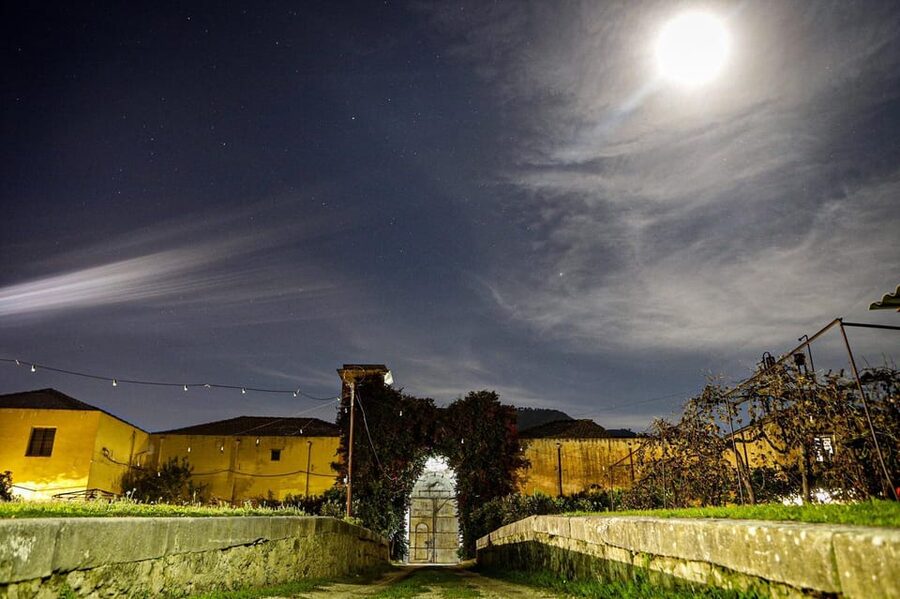
Review · SICILY
Sicilian cooking class in the historic baglio Florio Adamo
Old kitchens make better memories.
This 3.5-hour class takes you into the former Florio factory, a traditional Sicilian baglio where old winemaking equipment, a spacious 19th-century kitchen, and family recipes set the scene. I like the hands-on cooking, especially the fresh Perciasacchi pasta and almond pesto. I also like that the food comes from seasonal ingredients grown or produced by Adamo Bio, rather than from a polished city restaurant.
The main thing to consider is transport. Car travel is not included in the standard price, although pickup can be arranged separately if you contact the hosts. The setting is worth the effort, but you should sort out the ride before booking, especially if you are staying outside the immediate area.
The essential details
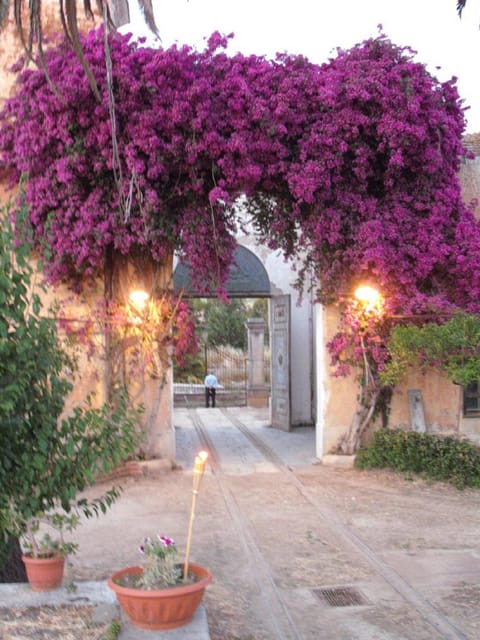
- Historic setting: Cook under the old porch of the former Florio factory, surrounded by traditional winemaking equipment and a rural Sicilian atmosphere.
- Hands-on menu: Prepare at least two appetizers, fresh pasta, a sauce such as almond pesto, and a Sicilian dessert.
- Family recipes: Liliana presents food taught through generations, including caponata, arancine, busiate-style pasta, and ricotta cassatelle.
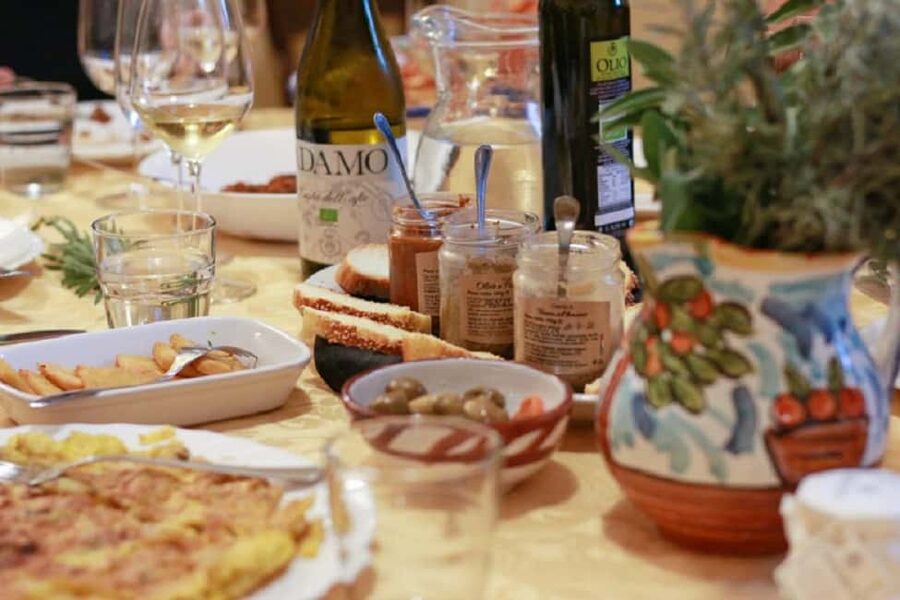
- Local ingredients: Use seasonal produce, Perciasacchi flour from ancient wheat, garden herbs, homemade olive oil, and Adamo wines.
- Small-group feel: The activity is described as an intimate experience, with time for cooking, eating, conversation, and a look around the estate.
- Price and timing: The cost is $94 per person for 3.5 hours, with English guidance, free cancellation up to 24 hours before the activity, and a reserve-now, pay-later option.
Arriving at the former Florio factory
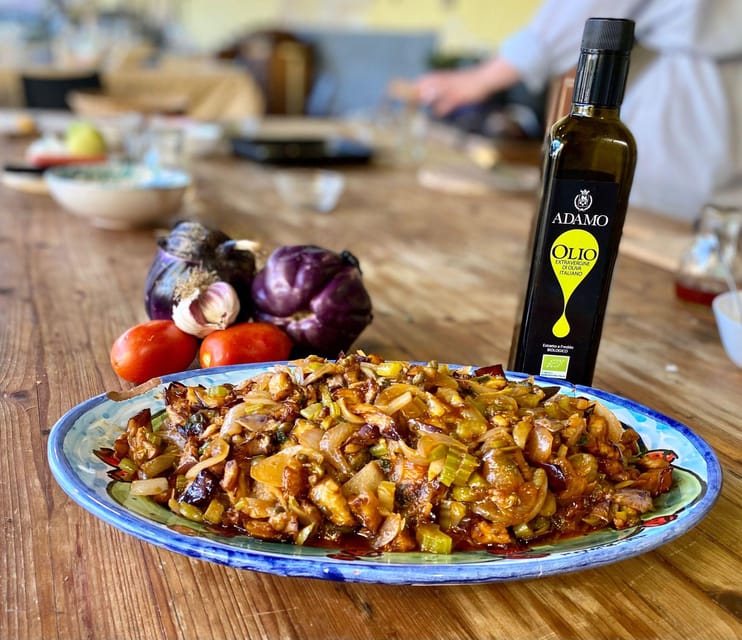
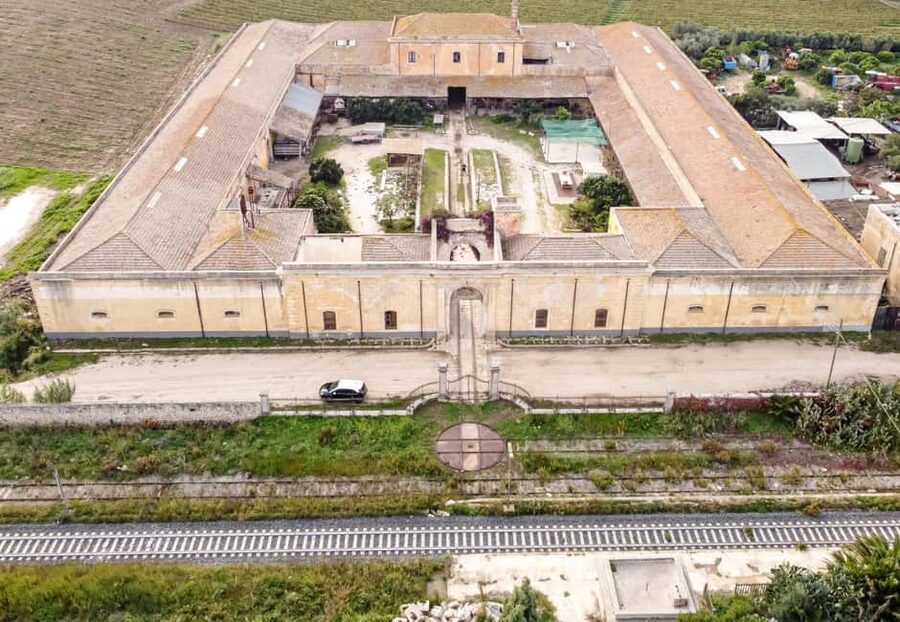
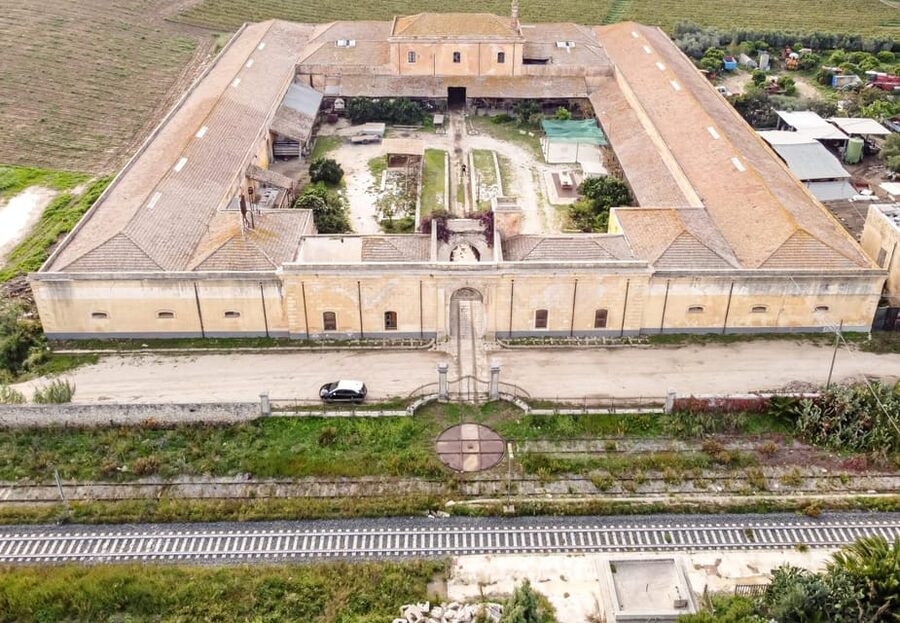
The first pleasure is the setting. The class takes place at Baglio Florio Adamo, the former Florio factory, rather than in a restaurant built for tourists. A baglio is a traditional Sicilian farm complex, often arranged around a courtyard, and this one gives the class a strong sense of place before you touch a knife or saucepan.
Liliana welcomes you into the property and introduces the old winemaking world around you. The factory still has historic equipment, and the building is being restored, so you should expect a working historic site rather than a finished museum. That unfinished quality may bother anyone seeking a sleek cooking school, but it also helps the place feel lived in.
Several sessions have included an informal look around the baglio and vineyard area. Vito has taken time to explain the winery and the importance of the family business, while Liliana has shown visitors the old equipment and shared local wine and olive oil. That extra context matters. You are not simply cooking anonymous Italian food in a generic room.
The cooking area may be outdoors under the old porch, or in the spacious historic kitchen. Both settings connect the meal to the property. I would bring a light layer, since an outdoor preparation area can feel different from an enclosed kitchen, especially outside the warmest months.
A few more history tours around Italy worth a look
- Florence Cooking Course with Historic Local Market Visit
★ 4.5 · 151 reviews - Rome: Five Shapes of Pasta Cooking Class in Ancient Tavern
★ 5.0 · 102 reviews - Cooking Class in a Historic Home in the Heart of Brindisi
★ 4.7 · 28 reviews
The opening dishes: caponata, arancine, and bruschetta
The class begins with Sicilian appetizers. You may prepare at least two, with eggplant caponata and arancine among the named possibilities. The exact menu can vary, but the point is clear: you are making familiar Sicilian food from basic ingredients, not assembling pre-prepared dishes.
Caponata is a particularly good choice for a cooking lesson. This sweet-sour eggplant dish depends on balance, and the method teaches you how Sicilian cooking brings together vegetables, herbs, and contrasting flavors. One session produced caponata that a couple considered among the best meals of their entire two-and-a-half-week trip through Sicily. That is a strong endorsement of both the dish and the teaching.
Arancine offer a different lesson. These rice-based Sicilian snacks require shaping and cooking, so they give the class a more practical feel than simply stirring a sauce. If arancine are on your menu, expect a dish that takes patience and a bit of hand work.
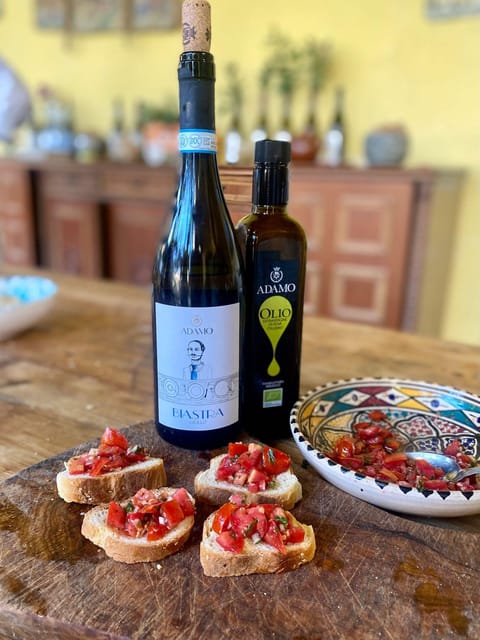
The class also uses mint and basil from the garden for tomato bruschetta. This is simple food, but it shows why fresh ingredients matter. A ripe tomato, good bread, herbs, and local olive oil need little decoration. You get a useful lesson in restraint: Sicilian cooking often lets the raw materials do the talking.
One session included an unusual fried apple in the appetizer course. It is not promised as part of every class, but it shows how the menu may include small touches that change the meal from one visit to the next.
Making pasta with Perciasacchi flour
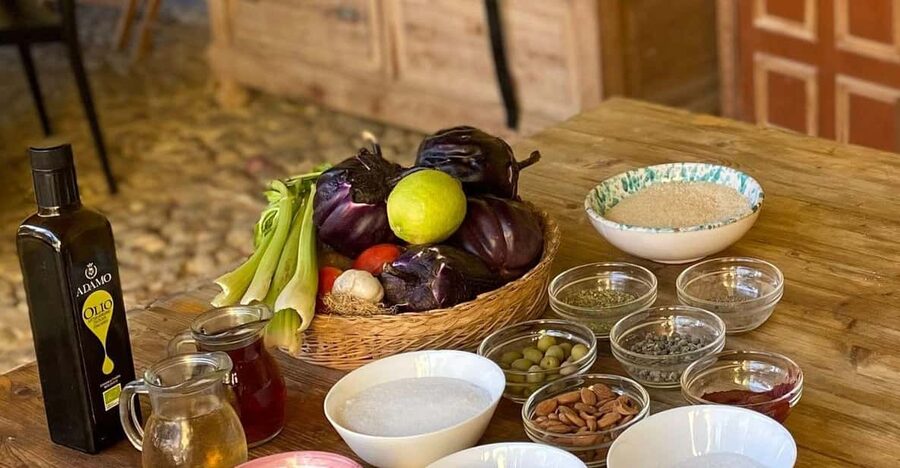
The pasta course is one of the strongest reasons to book. You work with Perciasacchi flour, made from an ancient Sicilian wheat produced by Adamo Bio. The pasta is prepared without machines, following the method Liliana learned from her mother and grandmother.
That hand-shaped approach gives you more than a recipe. You see how dough feels, how much pressure your hands need, and how a traditional kitchen works without relying on modern equipment. The pasta may be shaped as busiate, a corkscrew-like form associated with western Sicily, although the exact preparation can vary.
You then make a sauce to go with it, such as almond pesto. Almonds are central to many Sicilian dishes, reflecting the island’s mix of Mediterranean and Arab-influenced food traditions. The pesto offers a useful contrast to the tomato-heavy sauces many people expect from Italian cooking.
I especially like this part of the class because it connects the ingredient to the place. You are not only told that the flour is local and old. You handle it, turn it into dough, and eat the result a short time later. That makes the story easier to remember and the recipe more useful when you return home.
Do not expect restaurant-style precision. Handmade pasta can look uneven, and that is part of the charm. The goal is to learn the method and enjoy the food, not produce identical pieces for a cooking competition.
A Sicilian dessert with ricotta
The final cooking project is a Sicilian dessert, such as fresh ricotta cassatelle. These are filled pastries, often shaped like small ravioli and fried, with ricotta at the center.
This course rounds out the meal nicely. You work through savory vegetables, pasta, and then a sweet preparation, so the class feels like a complete Sicilian menu rather than a single demonstration. The ricotta also keeps the dessert tied to local food traditions.
The preparation is likely to be more enjoyable than tidy. Filled dough can be fiddly, and frying requires care, but the finished pastry gives you a satisfying end to the cooking. At one session, the ricotta-filled fried dessert was prepared alongside busiate, almond pesto, and caponata.
You should not assume every dish will appear at every sitting. The description promises at least two appetizers, fresh pasta, a dressing, and a Sicilian dessert, while the precise dishes can change with the season and the kitchen’s plans.
More Workshops and Classes in Italy:
- Milan: Fresh Pasta and Tiramisù Class in A Historical Home
★ 4.9 · 195 reviews - Rome: Ancient Mosaic Making Workshop
★ 5.0 · 29 reviews - Dubai Evening Heritage Safari by Vintage G Class Al Marmoom Oasis
★ 5.0 · 1,500 reviews - Undiscovered Charleston: Half Day Food, Wine & History Tour with Cooking Class
★ 5.0 · 948 reviews
Eating what you made, with Adamo wine
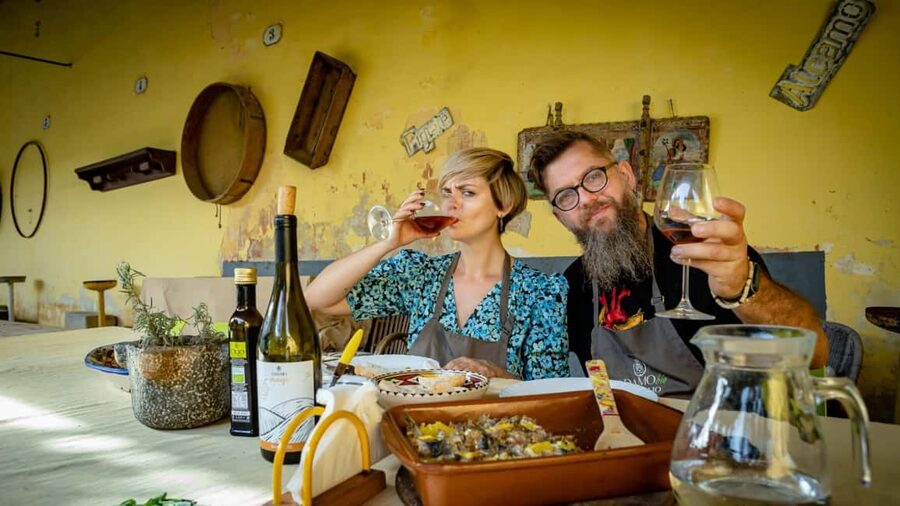
After the preparation, you sit down to eat the food you have made. This is a key part of the experience, not a quick tasting at the end. The meal is paired with Adamo’s white and red wines, and rosé has also been served during cooking.
The wine adds value to the $94 price. You are paying for instruction, ingredients, a full meal, wine, and time in a historic family property. It is not a bargain-basement class, but it compares well with a standard restaurant meal once you count the food, the teaching, and the setting.
The hosts also offer homemade or estate-produced wine and olive oil for tasting. The mood is relaxed and social, with traditional Italian music included in at least one session. That detail may sound small, but music, shared food, and a family host can make the afternoon feel less like a scheduled activity and more like a long Sicilian lunch.
Portions appear generous. One couple had enough food left for dinner, though you should treat that as a pleasant possibility rather than a guarantee. You can take home everything prepared together, which is useful if the class produces more food than you can eat at the table.
The hosts: Liliana, Vito, and Vincenzo
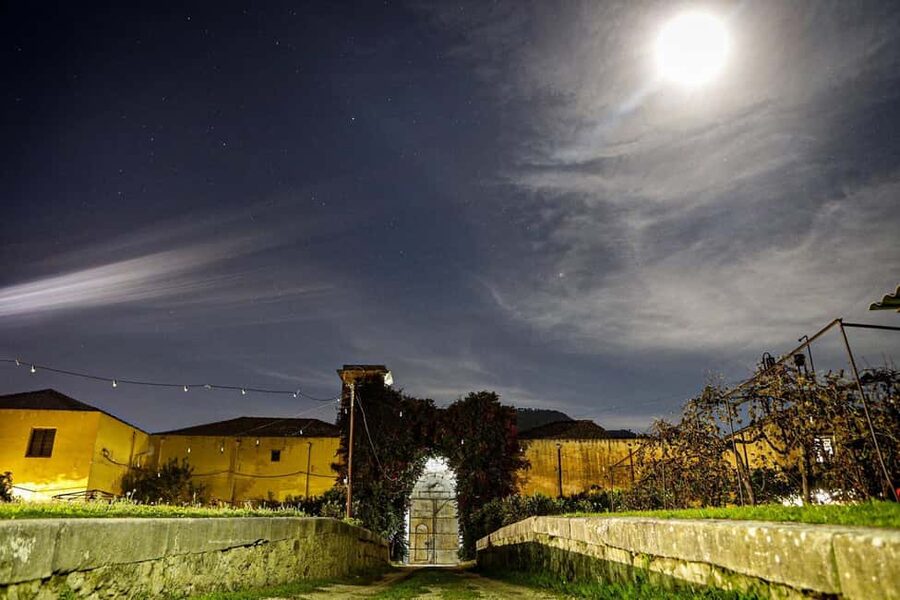
The people make this class work. Liliana is the main welcoming presence in the description, introducing you to the factory, the ingredients, the garden, and the family traditions. Her teaching is presented as personal and practical, based on recipes passed from her mother and grandmother.
Vito also leads cooking sessions and has been praised for his friendly, patient approach. He takes time to explain the winery, the dishes, and the techniques. He may also show you the vineyards after the cooking, adding another layer to the visit.
Vincenzo has handled some hotel pickups and introductions to the winery. If your session involves more than one host, expect a family-run operation in which different people share the work rather than a single instructor doing everything.
That can be a strength. You get several viewpoints on the property and its food. It can also mean the exact flow varies from one date to another. If you want a tightly scripted lesson with minute-by-minute instruction, this may feel loose. If you prefer conversation and a personal welcome, the flexible style should suit you.
Timing, pickup, and practical planning
The class lasts 3.5 hours, which is enough time to cook, eat, drink wine, and see something of the property without taking up an entire day. I would schedule it on a day when you are not rushing to another major sight.
Pickup is described as available by car, but the arrangements can change. Standard car travel is not included in the price. You can provide your location or a nearby reference point, then ask the hosts whether a separate pickup can be arranged and what it costs.
This is the most important practical point. Do not assume the advertised pickup is automatically part of your $94 booking. Confirm the meeting point, transport price, and return plan before the day of the class.
The activity is wheelchair accessible according to the supplied information. Since the property is historic and may still be under restoration, I would still contact the host in advance with specific mobility needs. Accessibility on paper does not always describe every surface or transition in an old farm complex.
English guidance is available. The class is suitable for couples, families, and small groups who want to cook together rather than watch a chef work from across the room.
Who will enjoy this class most?
I would recommend it most strongly to people who care about food and place in equal measure. You should book if you like family-run businesses, old agricultural buildings, local wine, and recipes that involve your hands.
It also suits anyone who wants a break from city sightseeing. The former factory and farm setting give you a slower afternoon, and the vineyard connection adds something that a cooking school in central Palermo or another city may not offer.
Families can enjoy the varied tasks, though the supplied information does not specify a minimum age. Ask before booking if you are bringing young children. The class involves knives, hot cooking surfaces, and frying, so supervision will matter.
This may not be ideal if you want a short demonstration, a highly polished venue, or a menu you can choose in advance. The setting is historic and still being restored, and the recipes depend on seasonal ingredients. Those limits are part of the tradeoff for a more personal experience.
The class is also less suitable if you cannot arrange transport to the property. Ask about pickup early, especially if you are staying at a hotel without easy access to local taxis or private cars.
Is $94 a fair price?
At $94 per person, the class is not the cheapest way to eat in Sicily. But price it as a half-day experience, not simply as lunch.
Your fee covers 3.5 hours, English instruction, several dishes, fresh ingredients, wine, the historic setting, and the chance to take the prepared food with you. You also receive the value of learning techniques that can be repeated at home, especially handmade pasta, caponata, almond pesto, and filled pastries.
The price looks strongest when you appreciate the full package. A basic restaurant meal may cost less, but it will not include the old factory, family stories, ingredient demonstrations, or hands-on work. If you are mainly hungry, eat at a restaurant. If you want a memorable food activity with a rural setting, the cost is reasonable.
Free cancellation up to 24 hours before the start gives you some flexibility, and you can reserve now and pay later. Those terms are useful when your Sicily plans are still shifting.
Should you book the Baglio Florio Adamo class?
Book this class if you want traditional Sicilian food in a family setting, not a polished cooking studio. The strongest parts are the historic Florio factory, handmade Perciasacchi pasta, fresh seasonal ingredients, local wine, and the warmth of Liliana and Vito.
Before booking, confirm the exact menu and transport. Ask whether pickup is possible from your location and what separate car service costs. If you handle that detail, this is a very good choice for a food-focused afternoon in western Sicily, especially for anyone who wants to cook, eat, and learn how a working Sicilian family connects its farm, winery, and kitchen.
FAQ
How long does the cooking class last?
The class lasts 3.5 hours.
How much does the experience cost?
The listed price is $94 per person.
Where does the class take place?
It takes place at the former Florio factory at Baglio Florio Adamo in Sicily.
Is the class conducted in English?
Yes. An English-speaking live guide is available.
What food will I prepare?
You will prepare at least two appetizers, fresh pasta with a dressing such as almond pesto, and a Sicilian dessert. Possible dishes include eggplant caponata, arancine, tomato bruschetta, and ricotta cassatelle.
Will I make pasta by hand?
Yes. The fresh pasta is made without machines using Perciasacchi flour from ancient wheat produced by Adamo Bio.
Is wine included?
Wine is part of the shared meal, with Adamo white and red wines mentioned. Rosé may also be served during preparation.
Is transportation included?
Car travel is not included in the standard activity. Separate pickup may be possible if you contact the host and provide your location or a nearby reference point.
Is the activity wheelchair accessible?
The activity is described as wheelchair accessible. Because the class takes place in a historic property, you should contact the host with specific access needs.
Can I cancel the booking?
You can cancel up to 24 hours in advance for a full refund. A reserve-now, pay-later option is also available.
Just added around Italy
- Rome: Colosseum and Ancient Rome Guided Walking Tour★ 4.5 · 95 reviews
- Secrets of Rome: Historical True Crime Small Group Tour★ 4.9 · 85 reviews
- Rome Secrets: Dark History & Tasty Bites Tour★ 5.0 · 37 reviews
- Rome: Private Colosseum Experience and Ancient Ruins Tour★ 4.6 · 25 reviews
- Rome: Guided Tour of Colosseum and Ancient Rome★ 4.9 · 74 reviews
- Rome: Rome at Night Evening Historical Walking Tour★ 4.9 · 24 reviews
- Rome: Colosseum with Access to Arena Floor and Ancient Rome★ 4.2 · 320 reviews
- Rome: Food Tour of the Historic Center with Rooftop Spritz★ 4.7 · 43 reviews
Cooking Classes, compared.
Undiscovered Charleston: Half Day Food, Wine & History Tour with Cooking Class
Read our review →
Florence Cooking Course with Historic Local Market Visit
Read our review →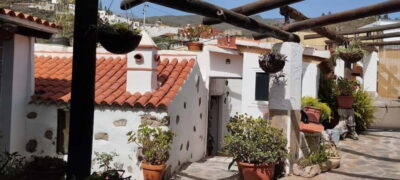
Mojo Workshop Cooking Class in Ancient Canarian Village
Read our review →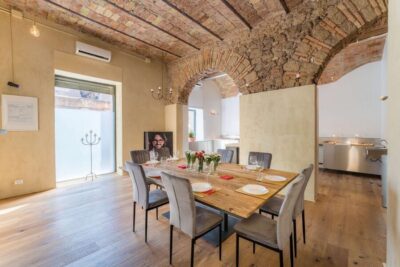
Five Shapes of Pasta Cooking Class in Ancient Tavern
Read our review →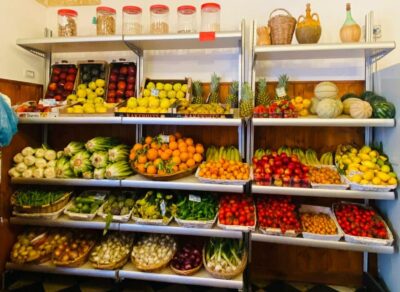
Cooking Class in a Historic Home in the Heart of Brindisi
Read our review →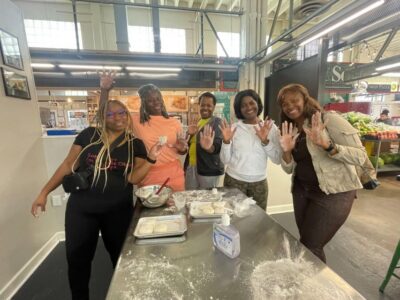
Historic Market Food Tour and Biscuit Cooking Class
Read our review →Browse the lists this tour appears in