
Review · LAZIO
Rome: Five Shapes of Pasta Cooking Class in Ancient Tavern
Pasta becomes dinner and a souvenir. In Rome’s old Antica Osteria, you spend three hours learning to make five fresh pasta shapes by hand, then sit down to eat what you prepared. The setting, an osteria founded in the late 1800s and later converted into a cooking school, gives the class more character than a plain modern kitchen.
I especially like the hands-on rolling-pin work and the generous meal that follows. You make ravioli, agnolotti del plin, tortellini, cappelletti, and fettuccine, then taste two sauces, local cheese, prosecco, Italian wine, and express tiramisu. The main consideration is that the class is not suitable for people with mobility impairments, and the three-hour session involves steady standing and hand work.
Chef Emanuele is a lively teacher who keeps the room relaxed, while Chef Angelo has also earned praise for his kind, personal way of helping families and children. The class is limited to 10 people, although some sessions may feel slightly larger, so check the exact group size when booking.
Key details before you book
- Five classic pasta shapes: Make ravioli, agnolotti del plin, tortellini, cappelletti, and fettuccine from the same basic fresh dough.
- A real rolling-pin lesson: You learn the traditional technique of stretching pasta into a thin sheet instead of simply feeding dough through a machine.
- Dinner is part of the class: The price includes an appetizer, prosecco, Italian cheese, two pasta dishes with different sauces, wine, and dessert.
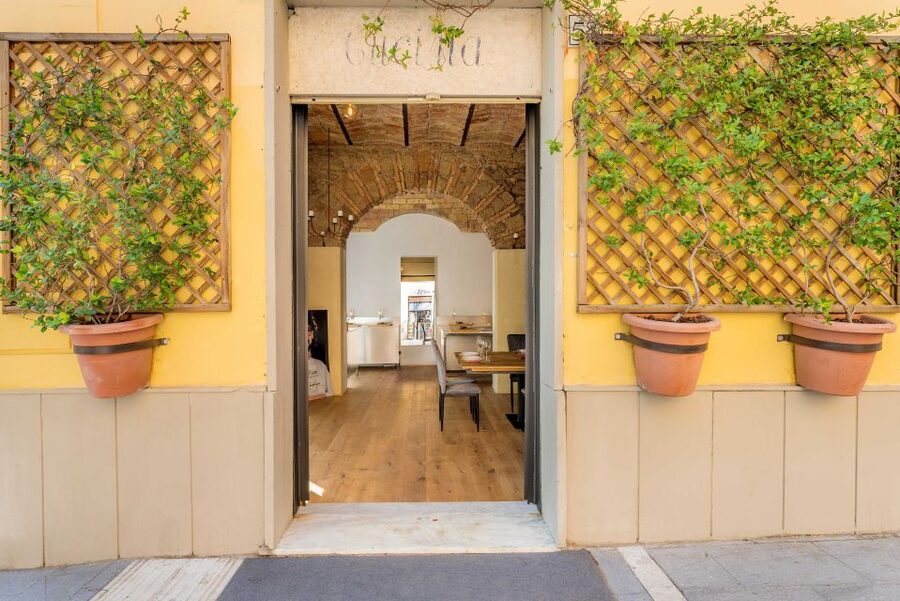
- A memorable old tavern setting: Look for the Cucina entrance and its original marble osteria sign above the door.
- A friendly English-speaking class: Emanuele, Angelo, and the cooking team explain each step in English and Italian, with plenty of personal help.
- Good value at $67.19: For a three-hour lesson plus a full meal, this costs less than many Rome food experiences that only include a tasting.
An old Roman osteria becomes your classroom
The class begins at an old tavern called Cucina. The original marble osteria sign remains above the entrance, a small detail that helps set the mood before you even touch the flour.
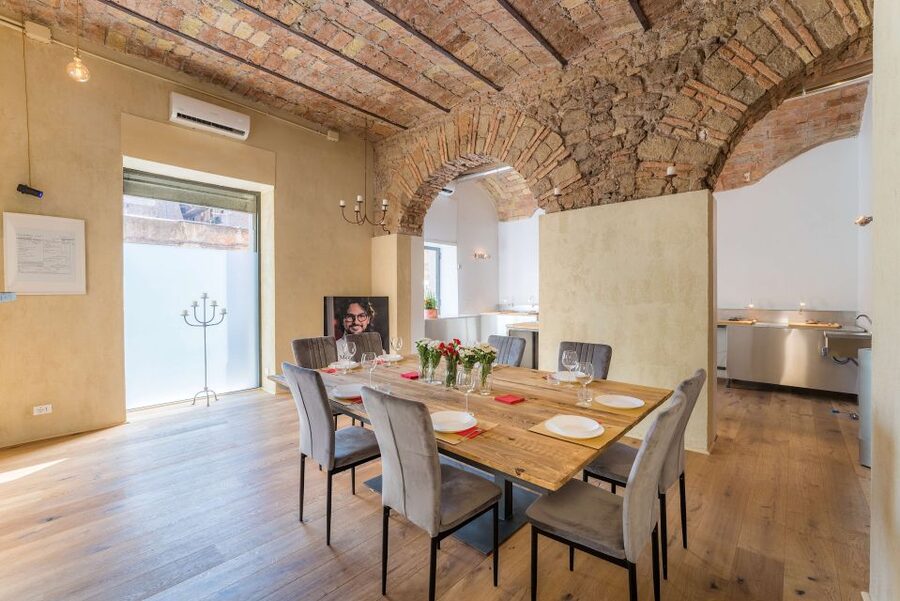
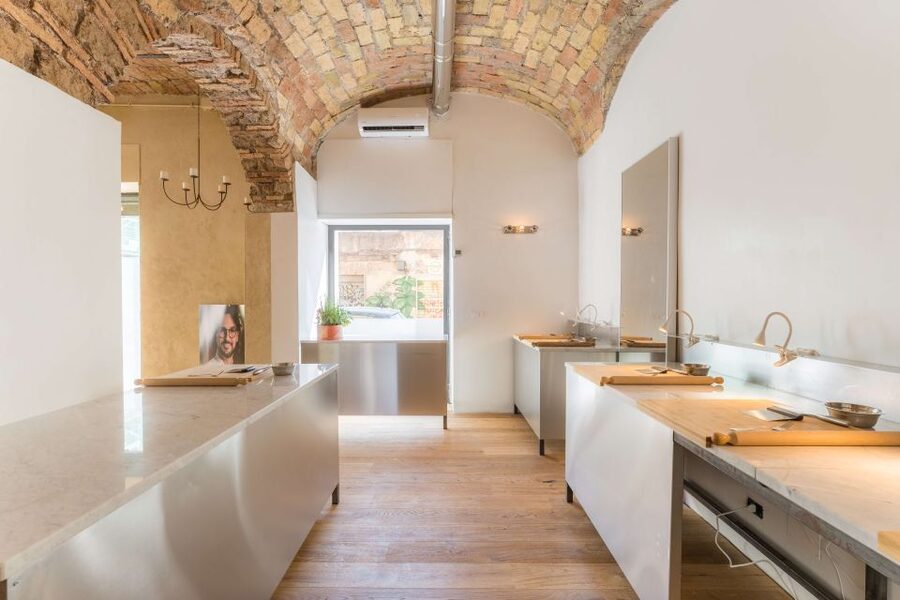
The building was founded in the late 1800s and has since been turned into a cooking school. That combination gives the session a pleasant sense of place. You are not just in a rented activity room with stainless-steel counters. You are working in a space designed to recall an earlier Roman dining tradition, while still offering the organized setup needed for a modern food class.
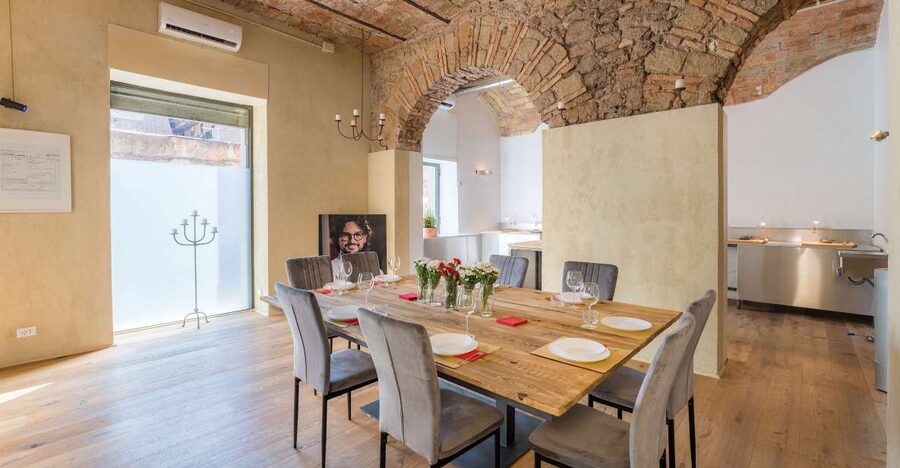
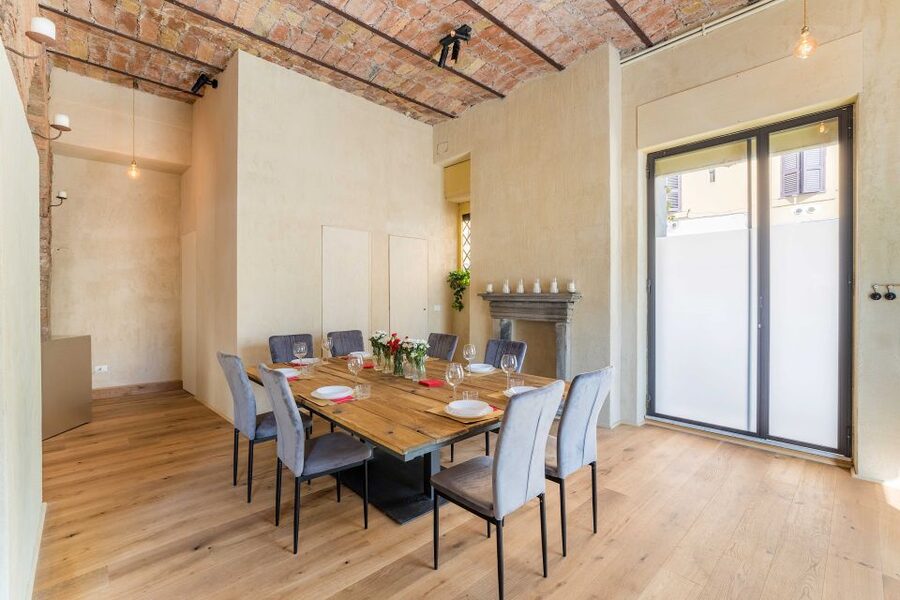
The room is described as beautifully decorated, comfortable, and clean. Tables are set for eating as well as cooking, so the evening moves naturally from workbench to shared meal. Music adds to the playful mood, and several people have praised the way the chefs use humor, dancing, and conversation to keep the class from feeling like a formal lesson.
You receive a complimentary Professional Chef Hat with the Pastificio Faini logo. It is a modest gift, but it gives the group a shared identity and makes for a fun photograph. More important, the class has HACCP food hygiene and safety certification from 2020, useful reassurance in a hands-on food setting.
More Ancient History Tours in Italy
- Colosseum: Underground and Ancient Rome Tour
★ 4.7 · 12,691 reviews - Colosseum & Ancient Rome with Arena Floor Option I Max 6 People
★ 5.0 · 3,306 reviews - Rome: Colosseum, Ancient Rome Tour or AudioGuided Tour
★ 4.4 · 2,879 reviews
The first taste: prosecco and local cheese
The food starts before the pasta is ready. You are served local cheese with fresh prosecco, giving you something to enjoy while the chefs introduce the process and the other people in the group.
This is a smart part of the format. Fresh pasta takes time, and a small appetizer keeps the class from feeling like three hours of waiting for dinner. It also lets everyone settle in. The groups include people from different countries, and the food gives you an easy way to start chatting before the dough work becomes the main event.
Do not expect a long cheese tasting with a detailed regional lecture. The focus is pasta, not an academic study of Lazio’s food products. Still, the snack is included, and the prosecco helps the evening feel like a social meal rather than a basic craft workshop.
Making one dough into five pasta shapes
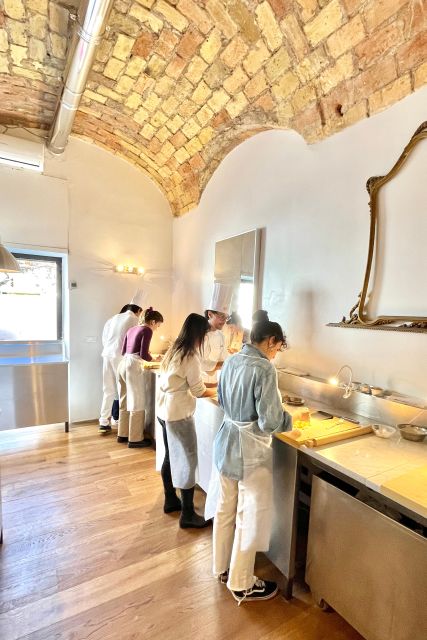
The central lesson begins with homemade pasta dough. You work from scratch, then roll the dough with a wooden pin using the professional technique shown by the chefs.
This is one of the most useful parts of the class because it teaches a skill you can repeat at home. Machines can make pasta quickly, but a rolling pin helps you understand the feel of the dough, the pressure needed, and the importance of making an even sheet. The chefs demonstrate the method, then move around the room to correct technique and help with difficult sections.
You also learn safe food-cutting procedures. That matters in a class with beginners, children, and people who have never handled fresh pasta before. The instruction is practical rather than fussy, and the chefs step in when someone needs help without making the mistake feel embarrassing.
The five shapes give the lesson plenty of variety:
- Ravioli: You learn how to fill and seal pasta parcels, with attention to keeping the edges closed.
- Agnolotti del plin: This northern Italian shape adds another style of filled pasta and a different folding challenge.
- Tortellini: The small ring shape demands a little patience and careful hand work.
- Cappelletti: You practice another filled shape with its own fold and appearance.
- Fettuccine: The long ribbons give you a change from filled pasta and show how to cut a sheet cleanly.
The class is not only a demonstration. You make the pasta yourself, and the chefs help as you go. That distinction matters. You leave with techniques you can try again, not just a few facts about Italian food.
The experience may be especially useful if you already make pasta at home. One participant who had cooked homemade pasta before found that the class corrected several habits and made the process easier to understand. Beginners also appear to manage well, since the chefs break the work into clear steps and provide hands-on help.
Two sauces, two different pasta lessons
After the shapes are made, the chefs prepare two Italian sauces and explain how they work with the fresh pasta. The exact sauces are not specified, so you should not book this expecting a particular Roman recipe.
That lack of a fixed menu can be a small drawback for someone seeking carbonara, cacio e pepe, or another named dish. On the other hand, two sauces let you compare how fresh pasta behaves with different textures and flavors. The class is about technique and eating your own work, rather than following one narrowly defined recipe.
The result is served as two handmade pasta plates. You get to taste what you shaped, sealed, and cut only a short time earlier. That quick journey from dough to dinner is the satisfying part. Fresh pasta feels less mysterious once you have made it yourself, and the meal gives the lesson a clear payoff.
The class can also accommodate some ingredient changes. One person with a garlic allergy received altered ingredients for the filled pasta and a separate sauce. This is encouraging, but you should still contact the provider ahead of time with any allergy or dietary need. Do not assume every request can be handled on the spot.
More Ancient History Tours in Rome
- Colosseum Underground & Ancient Rome Guided Tour
★ 4.5 · 2,590 reviews - Pantheon Elite Guided Tour – Rome’s Iconic Ancient Temple
★ 5.0 · 1,447 reviews - Ancient Rome: Colosseum Underground Group Tour
★ 4.5 · 1,059 reviews - Colosseum Express Guided Tour and Ancient Rome Admission Included
★ 4.0 · 1,008 reviews
Dinner at the same table where you cooked
Once the cooking is finished, the work tables become the setting for a proper Italian meal. Along with the two pasta dishes, the package includes wine and dessert.
That makes the $67.19 price easier to judge. You are not paying only for a lesson. You receive instruction, ingredients, an appetizer, prosecco, local cheese, two pasta plates, wine, a dessert preparation, and the food you make. For a three-hour experience in Rome, it offers solid value, particularly if you want an evening activity that combines culture, food, and conversation.
The meal is also paced as a social occasion. People eat together, compare their pasta, and continue talking with the chefs. The room has been described as comfortable for both adults and teenagers, and the upbeat approach works well for families, couples, and mixed-age groups.
One practical point: this is a full meal, not a quick class followed by your own dinner plans. Avoid scheduling another substantial restaurant reservation immediately afterward. You will likely leave well fed.
Express tiramisu closes the evening
Dessert is not simply placed on the table. You prepare an express tiramisu at the end, then eat it as the final course.
The word express is important. This is a short preparation, not a full pastry lesson with long chilling or resting times. Still, it adds one more hands-on step and keeps the class consistent from beginning to end. You make something, then eat it.
A few people particularly enjoyed the fresh twist on tiramisu. The supplied details do not name every variation, so the exact preparation may change. Think of it as a quick, playful finish rather than a masterclass in Roman dessert making.
What makes the teaching work
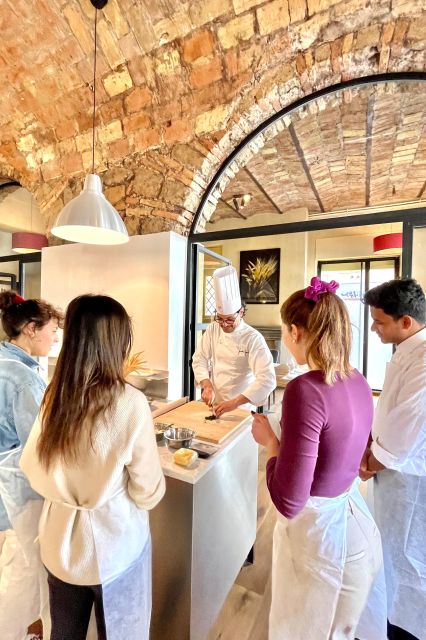
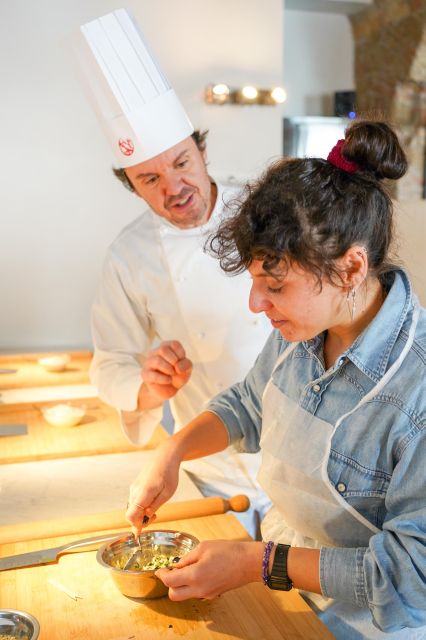
The strongest part of the experience is the teaching style. Emanuele is repeatedly described as funny, energetic, and positive. He explains each stage clearly, then helps people directly when the dough or folding technique goes wrong.
Angelo also receives warm praise for making people feel included, especially children. That matters in a cooking class because confidence affects the result. You are more likely to try a tricky tortellini fold when the chef treats mistakes as part of the fun instead of a failure.
The tone is lively. Music, laughter, dancing, and wine are part of the evening. If you want a quiet, serious culinary seminar, this may feel too energetic. If you want to learn while having a good time, the atmosphere is a major strength.
The small-group format also helps. With a maximum of 10 participants, the chefs can make the rounds and offer individual assistance. The available information refers to one friendly group of 12, so the actual number may vary by session. Check the booking details if personal attention is important to you.
English and Italian are offered. You do not need advanced cooking skills, but you should be ready to follow spoken instructions and watch demonstrations. The chefs’ clear explanations and physical help make the class approachable for beginners.
Who will enjoy this most
I would recommend this class for:
- Couples who want a shared evening activity beyond sightseeing
- Families with older children or teenagers who enjoy making and eating food
- Beginners who want to learn fresh pasta without buying special equipment
- Home cooks who want better hand-rolling and shaping techniques
- People looking for a social Rome experience with a full meal included
- Visitors who value a historic setting and a lively host
It is less suitable if you dislike group activities, need a quiet meal, or have limited mobility. The class takes place in a cooking environment and is specifically not suitable for people with mobility impairments. Pets are not allowed.
Food allergies should be raised before booking. The chefs have shown they can make thoughtful adjustments, including a separate sauce for a garlic allergy, but advance notice is the safest approach.
Timing, meeting point, and cancellation
The experience lasts three hours, with starting times that vary by date. It ends back at the same meeting point, the old Cucina osteria.
The meeting instructions are simple: look for the original marble osteria sign above the entrance. Give yourself enough time to identify the door, especially if you are arriving after dark or moving through an unfamiliar part of Rome.
You can cancel up to 24 hours before the class for a full refund. A reserve-now, pay-later option is also available, which helps if your Rome schedule is still shifting.
Should you book the five-shape pasta class?
Book it if you want more than a meal and less than a formal culinary course. You will learn five recognizable pasta shapes, practice rolling dough by hand, eat two pasta dishes, and spend the evening with chefs who clearly enjoy teaching.
The best reason to choose it is the balance of practical instruction and fun. Emanuele and Angelo bring warmth to the room, while the old tavern, prosecco, music, and shared dinner keep the class from feeling like homework. At $67.19, the included food and three-hour format make it a strong value.
Skip it if you need a highly specific menu, a quiet setting, or an accessible activity. For almost everyone else who enjoys Italian food and wants a hands-on night in Rome, this is an easy class to recommend. Bring an appetite, wear something comfortable, and expect your next bowl of pasta at home to receive far more attention.
FAQ
How long does the pasta class last?
The class lasts three hours.
How much does the experience cost?
The listed price is $67.19 per person.
Where does the class begin?
It begins at the old Cucina osteria. Look for the original marble osteria sign above the entrance.
Where does the experience end?
The class ends back at the same meeting point.
Which pasta shapes will I make?
You will make ravioli, agnolotti del plin, tortellini, cappelletti, and fettuccine.
Will I make the pasta dough from scratch?
Yes. You make fresh pasta from scratch and roll the dough with a wooden pin.
Are sauces included?
Yes. The class includes two different Italian sauces served with the handmade pasta.
Is a full meal included?
Yes. The package includes an appetizer with prosecco and Italian cheese, two pasta dishes, wine, and dessert.
Is tiramisu included?
Yes. You prepare an express tiramisu at the end of the class and have it for dessert.
What languages are available?
Instruction is available in English and Italian.
More Pasta in Rome
- Milan: Fresh Pasta and Tiramisù Class in A Historical Home
★ 4.9 · 195 reviews
More Cooking Classes in Rome
- Undiscovered Charleston: Half Day Food, Wine & History Tour with Cooking Class
★ 5.0 · 948 reviews - Florence Cooking Course with Historic Local Market Visit
★ 4.5 · 151 reviews - Mojo Workshop Cooking Class in Ancient Canarian Village
★ 4.9 · 127 reviews - Cooking Class in a Historic Home in the Heart of Brindisi
★ 4.7 · 28 reviews
Just added around Rome
- Rome Secrets: Dark History & Tasty Bites Tour★ 5.0 · 37 reviews
- Rome: Private Colosseum Experience and Ancient Ruins Tour★ 4.6 · 25 reviews
- Rome: Guided Tour of Colosseum and Ancient Rome★ 4.9 · 74 reviews
- Rome: Rome at Night Evening Historical Walking Tour★ 4.9 · 24 reviews
- Rome: Colosseum with Access to Arena Floor and Ancient Rome★ 4.2 · 320 reviews
- Rome: Food Tour of the Historic Center with Rooftop Spritz★ 4.7 · 43 reviews
- Rome: Introduction to the Colosseum and Ancient City Tour★ 4.8 · 75 reviews
- Rome: Guided Group Colosseum & Ancient City Tour★ 4.8 · 62 reviews
Ancient History Tours, compared.
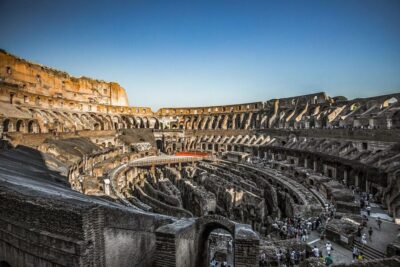
Colosseum: Underground and Ancient Rome Tour
Read our review →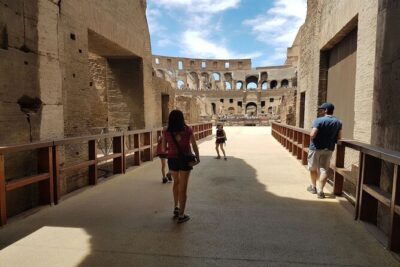
Colosseum & Ancient Rome with Arena Floor Option I Max 6 People
Read our review →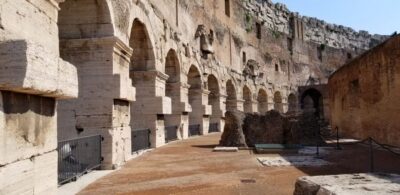
Colosseum, Ancient Rome Tour or AudioGuided Tour
Read our review →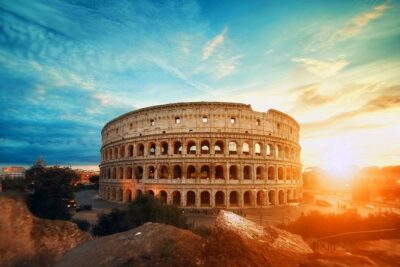
Colosseum Underground & Ancient Rome Guided Tour
Read our review →
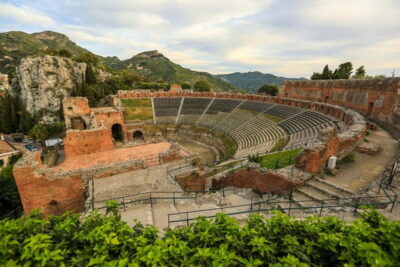
Taormina: Ancient Theater Skip-the-Line Ticket & Audio Guide
Read our review →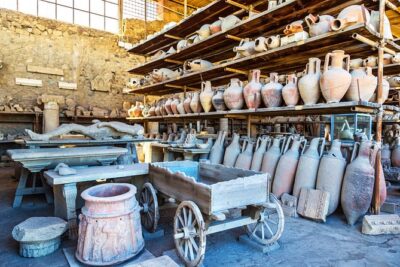
Discover the Ancient Ruins of Pompeii: Day Trip from Rome
Read our review →
Discover Matera, the ancient city – English tour
Read our review →Browse the lists this tour appears in