
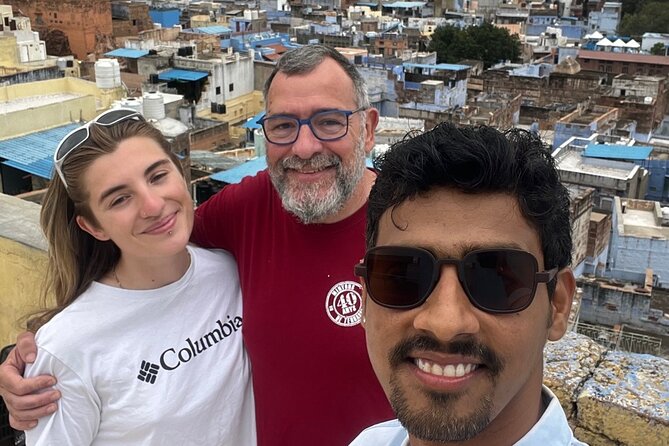
Review · RAJASTHAN
Jodhpur: Blue City Heritage Walking Tour
Blue streets reward curious feet. This $21 Jodhpur walking tour leads you through narrow old-city lanes, traditional markets, historic buildings, local snacks, and a rooftop-style sunset viewpoint, all with a licensed guide who knows where the main streets stop telling the story. I especially like the way the walk connects architecture with daily life, and I like that it finishes with food and shopping rather than simply dropping you at a viewpoint. The main caution is pace: expect walking, narrow lanes, some climbing, and a tour that may run beyond its advertised two hours.
Ashok, the guide and tour organizer, has a master’s degree in Tourism and Hospitality, a government guide license, and about a decade working in Jodhpur tourism. The route is a strong fit if you want local context and photo stops instead of only visiting the major fort and palace sights. It is less suitable if you need a slow, flat, wheelchair-accessible outing or dislike heights.
What makes this Jodhpur walk worth considering
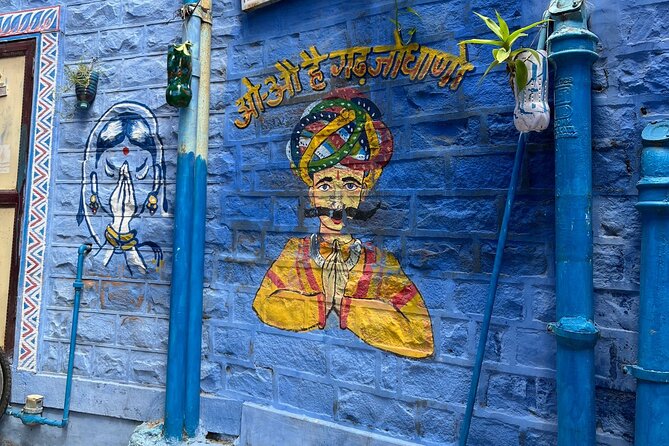
- The blue lanes go beyond the usual postcard view: You explore side streets and blue-painted neighborhoods that are easy to miss on your own.
- The history is tied to actual places: The route may include an old police station, an old temple, a spice market, an old tree, an early high court building, and palaces near the fort.
- Sunset comes with a 360-degree city view: The viewpoint gives you time to pause, have tea or coffee, and look across Jodhpur from above.
- Street food is part of the tour: Local snacks add flavor to the walk and help you understand the old market as a living place, not just a photo set.
- The finish is useful for shoppers: Bandhani and bandhej textiles, bangles, scarves, handicrafts, jewelry, leather juttis, and purses appear around the old market.
- The guide can make the difference: Ashok’s route knowledge is a major asset, while Bhanwar Singh, who has more than 20 years of guiding experience, may lead the walk when Ashok is assigned elsewhere.
Starting at Ghantaghar, Jodhpur’s practical meeting point
You meet near Ghantaghar Market, the clocktower area in the heart of Jodhpur’s old city. Arrive before the agreed start time and contact the guide by phone or WhatsApp after booking so the exact meeting point is clear. In a busy market, that small step matters.
The clocktower is a sensible starting place because the walk quickly moves from the familiar market zone into older lanes. You are not spending the first part of the tour on a long transfer. Instead, you begin on foot among shops, food stalls, and the working streets of the old city.
The opening section is likely to feel active rather than polished. Jodhpur’s old lanes are narrow, and the point is to see the city at close range. You may pass through traditional market areas where daily shopping continues around you. Keep your phone and wallet secure, and give yourself room to stop without blocking the lane.
The tour is offered in Hindi and English. Ashok’s background in tourism and his government guide license offer useful reassurance, especially if you want more than general sightseeing commentary. His role is not just to point toward blue houses, but to explain how the old city fits together.
More History Walking Tours in India
- Fontainhas Heritage Walk by Make It Happen
★ 5.0 · 2,834 reviews - The Great Indian Food Tour: Old Delhi Food and Heritage Walk
★ 5.0 · 1,698 reviews - Old Goa Heritage Walk by Make It Happen
★ 5.0 · 797 reviews
Walking through the blue houses and old lanes
The famous blue color is the visual star of the route, but a good walk needs more than repeated photo stops. Here, the blue houses and lanes are paired with stories about the city, older architecture, stone work, and the way residents use these streets.
I like this approach because the blue neighborhood is easy to misunderstand when seen only from a rooftop. The color makes a memorable picture, but the narrow streets show the scale of the old city. Doorways, walls, carved stone details, painted surfaces, and tightly packed buildings give you a closer look at how people live and move through Jodhpur.
Ashok’s route is designed to reach side streets that you might not locate by simply wandering from the clocktower. One visitor who had already walked around Jodhpur found that the guide led the group into lanes they had completely missed. That is the strongest reason to pay for this experience: you are buying route knowledge and interpretation, not admission to a single monument.
The route also includes discussion of older places such as an old police station, an old temple, the old masala market, an old tree, and what is described as the first high court of the state. You may also see palace-related buildings around the fort foothills, dating from the 14th and 15th centuries according to the tour description.
Treat those stops as part of a walking conversation rather than a formal museum visit. The appeal is the connection between small places and the larger story of Jodhpur. If you want detailed dates, architectural analysis, or time inside major monuments, you will need a separate fort or palace visit.
History that works best on the move
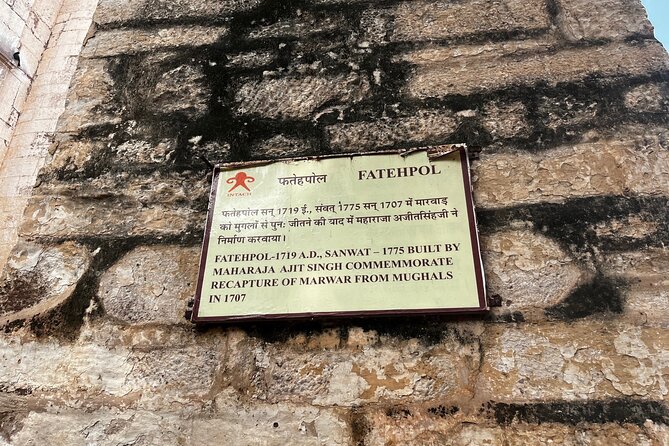
The guide discusses the history of Jodhpur and the Blue City while you walk. That format suits the old town, where the setting changes every few minutes and the next doorway or market can make the explanation easier to picture.
You can ask questions as you go. The feedback about Ashok and Bhanwar Singh repeatedly points to patient answers, clear explanations, and interesting facts that are hard to find without a local guide. Bhanwar Singh, who may lead the walk if Ashok has another group, was particularly praised for taking guests through the blue lanes and responding carefully to their questions.
There is one practical point to clarify before you set out. Ashok may not personally lead every departure. On one occasion, he arranged an introductory session and handed the rest of the walk to Bhanwar Singh. That is not necessarily a weakness, especially given Bhanwar Singh’s long experience, but you should ask who will guide your date if meeting Ashok personally is important to you.
The pace can be brisk. One account specifically notes a fast walking speed and some climbing. Wear supportive shoes, not high heels, and bring water. This is a walking tour through an old neighborhood, not a gentle stroll on a level promenade.
Sunset above the Blue City
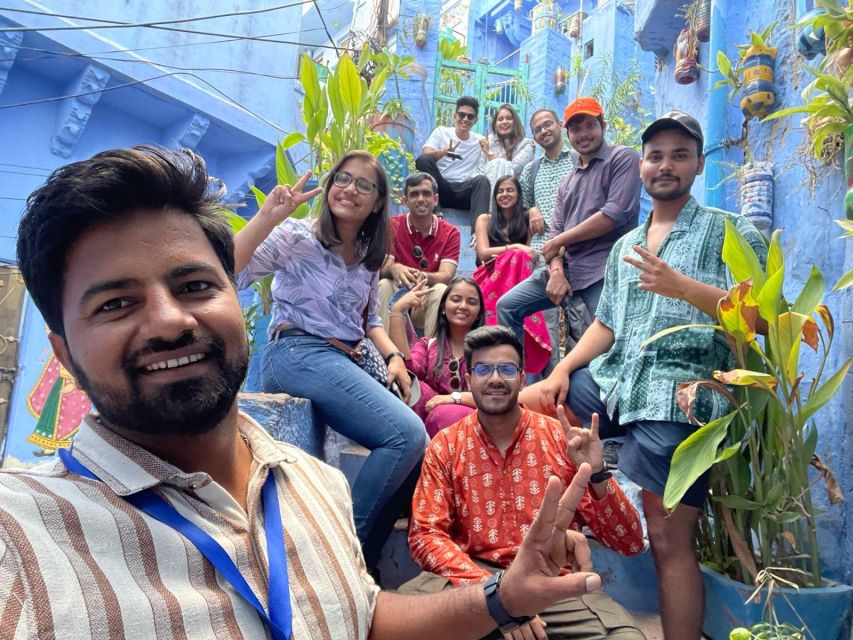
The sunset viewpoint is the emotional high point of the route. From a raised terrace or viewpoint, you get a broad, panoramic view of Jodhpur, with a 360-degree outlook described as especially strong at sunset.
The timing matters. After the tight lanes and market noise, the open view gives you a chance to slow down. You can sit at a cafe, order tea or coffee, have a snack, and chat with the guide or other people nearby. Several accounts single out this pause as calm and peaceful, which makes it more than a quick photo stop.
The viewpoint is also why people who have already seen plenty of blue buildings may still find value in the walk. The route combines close-up street scenes with a wide view that helps you understand how the old city sits around the fort.
Be realistic about the setting. People who are afraid of heights may not enjoy this part, and the route involves some climbing. Sunset views are also weather-dependent, so the experience may vary with haze or cloud cover. The tour promises the viewpoint and the timing, not a perfect sky.
Same place, a different slice of the past:
- Old Delhi Food, Heritage&Cultural Walk with Rickshaw ride to Masterji Kee Haveli
★ 5.0 · 742 reviews - Blue City Heritage Private Walking Tour With Pickup and Drop-Off
★ 5.0 · 441 reviews - Kolkata Heritage Tram Tour
★ 4.0 · 395 reviews - Private Heritage Walking Tour in Jaisalmer Fort and Old Bazaar
★ 5.0 · 306 reviews
Wall art at the fort foothills
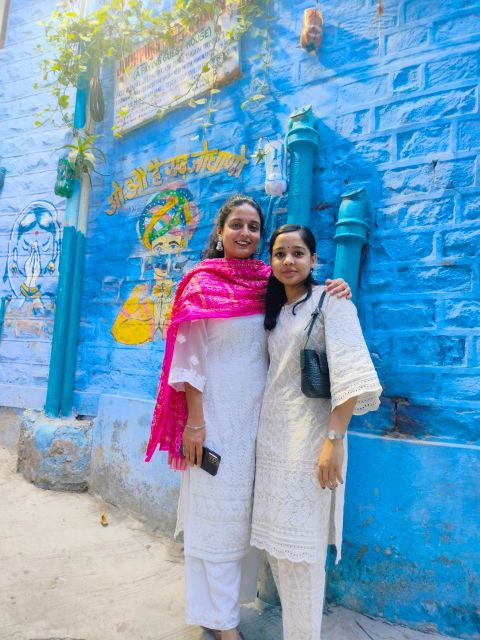
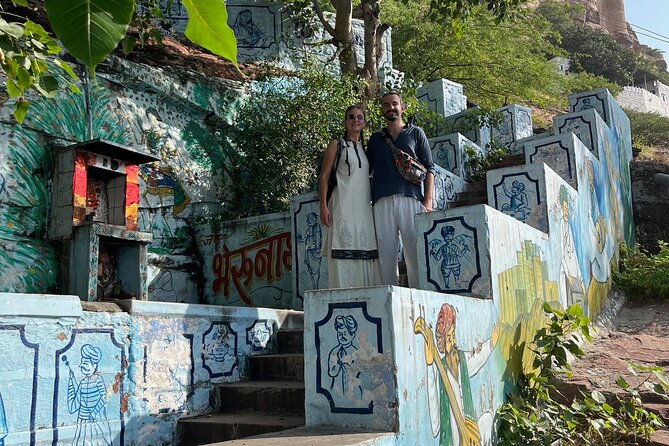
After the sunset stop, the walk continues toward a corridor near the foothills of the fort. Large wall paintings, graffiti, and public art present scenes connected with Rajasthan’s culture, medieval life, and local customs.
This section adds variety. You have moved from old stone and painted homes to newer public art, yet the subject remains local identity. It is a good place for photos, especially if you enjoy murals and details that do not appear in a standard monument visit.
The art also helps break up the route. You are not looking at the same type of building for two straight hours. The combination of blue lanes, old structures, market streets, a high viewpoint, and wall art gives the walk a clear rhythm.
Do not expect a formal gallery or a long lecture beside every mural. The appeal is seeing the art in its neighborhood setting and hearing the guide connect it with regional life. If you mainly want Jodhpur’s grand royal architecture, this stop will feel secondary. If you like street scenes and photographs, it is a useful addition.
Tasting Jodhpur through local snacks
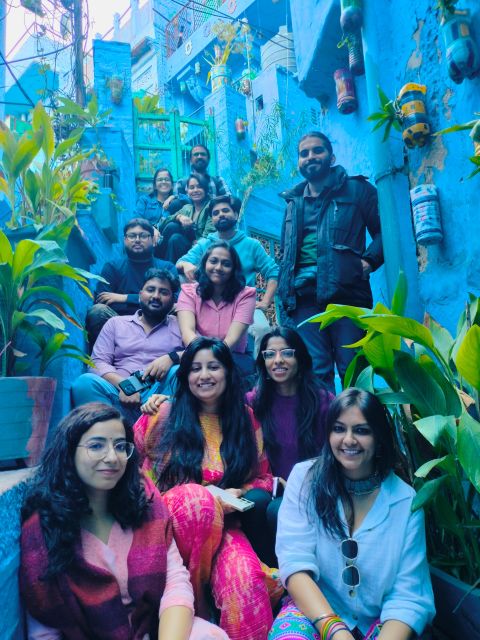
Food appears along the way, not as a separate restaurant meal. The guide takes you to try local snacks and may stop for tea or coffee at the sunset cafe. That makes the tasting informal and flexible.
I consider this a real strength for a short tour. A small snack can tell you more about a market than another passing explanation. You get to pause, taste something associated with the city, and continue walking without losing the route’s momentum.
The exact snacks are not specified, so do not book this expecting a fixed tasting menu. Portions, choices, and availability may vary. If you have allergies, dietary restrictions, or lactose intolerance, ask what is being served before trying anything. Personal medication is also listed among the items to bring.
Food safety is your own responsibility, as it is on any street-food outing. Carry water, take small portions if you are unsure, and tell the guide about relevant health concerns. The tour is not suitable for people with a cold, kidney problems, high or low blood pressure, motion sickness, or a low level of fitness, according to the provided restrictions.
Shopping around Ghantaghar Market
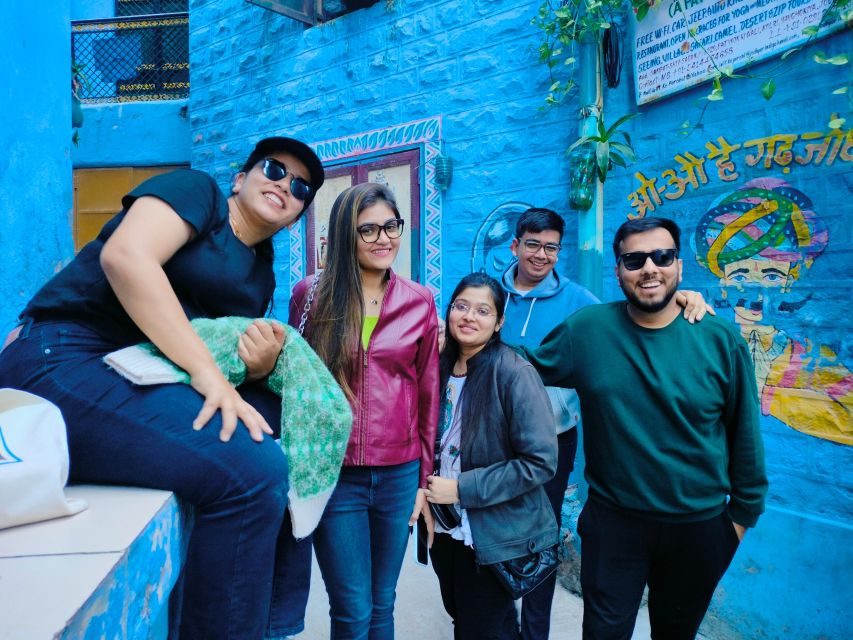
The walk ends back near the clocktower, with time to browse the old market. This is a useful finish because you can continue shopping or arrange your next stop without needing a long ride across town.
The products mentioned include Bandhani sarees, bandhej suits, bangles, scarves, handicrafts, jewelry, leather juttis, and purses. The tour also highlights handmade leather items produced by underprivileged people in the city. You do not have to buy anything, but the guide can help you understand what you are seeing and where the market fits into the old city.
Keep cash with you. It is listed as an important item to bring, and small market purchases or snacks may not accept cards. Bargaining expectations are not specified, so ask before committing to a price and take your time comparing goods.
This final section is not simply a shopping add-on. It lets you connect the earlier talk about local craft and daily life with things you can actually hold, wear, or take home. Still, shoppers should remember that the tour is short. You will get a useful introduction, not an extended buying session.
Is $21 good value for two hours?
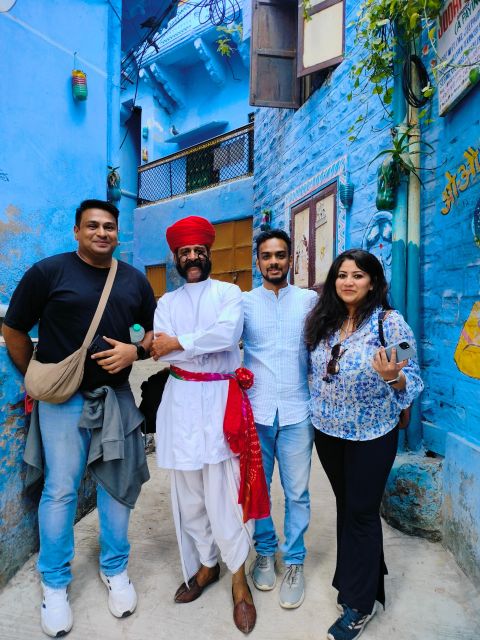
At $21 per person, the price is reasonable if you value a guide’s local route knowledge. The cost covers the live guide, interpretation in English or Hindi, access to lesser-known lanes, a sunset viewpoint, snack tasting, photo opportunities, and a market visit. There is no separate entrance ticket highlighted, and the experience is built around walking through public areas.
The best value comes from what would be difficult to find alone. You can wander through the Blue City independently, but locating the right side streets, historic details, snack stops, and viewpoint takes time. The guide reduces that guesswork and gives the walk a clear shape.
The price is less compelling if you only want a quick photo of blue houses. You can see attractive blue streets without booking a tour, and this experience will not replace a full visit to Mehrangarh Fort or Jodhpur’s major palaces. Think of it as a compact orientation to the old city, not a complete sightseeing day.
The advertised duration is two hours, though the route description says it may last longer. Build in a little flexibility, especially if you have a train, dinner reservation, or timed attraction afterward.
Who should book this walk?
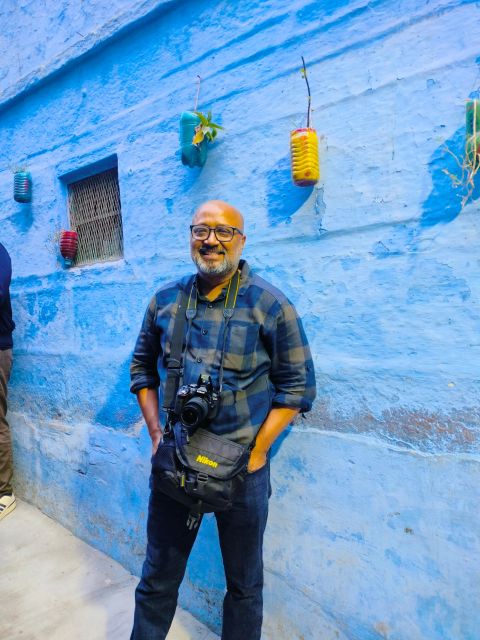
I would choose this tour for a first visit to Jodhpur, a solo traveler wanting company, or anyone who prefers local streets to a checklist of major sights. It also suits photographers, food-minded visitors, and people who want to understand why the Blue City looks the way it does.
The walk is not a good match for wheelchair users, pregnant women, children under four, or children under 15 kilograms. It is also unsuitable for people over 95 kilograms according to the stated restrictions, as well as people afraid of heights or with limited fitness.
Bring water, cash, personal medication, and a jacket. Wear comfortable walking shoes. Leave large bags, luggage, jewelry, scooters, alcohol, drugs, and other prohibited items behind. Contact the guide after booking to confirm the meeting details, then arrive at Ghantaghar before the start time.
Should you book the Blue City Heritage Walking Tour?
Book it if you want Jodhpur explained at street level. The strongest parts are the blue lanes, the lesser-seen heritage details, the sunset viewpoint, the snacks, and the practical help of a guide who knows the old city’s turns.
I would be especially comfortable recommending it to a fit visitor who has already planned the fort separately and wants a human-scale introduction to Jodhpur. The 4.8 rating from 43 bookings reflects a very consistent response, with particular praise for the guides, photos, local food, and sunset stop.
Skip it if you need an accessible route, a very slow pace, or a formal monument tour with guaranteed time inside major buildings. For most others, $21 buys a useful two-hour orientation and a more personal look at Jodhpur than a self-guided walk alone is likely to provide.
FAQ
Where does the tour start and finish?
The tour starts and ends near Ghantaghar Market, Jodhpur’s clocktower area. You should arrive before the agreed start time and contact the guide by phone or WhatsApp after booking.
How long does the walking tour last?
The stated duration is two hours. The description notes that it may run longer, so allow extra time if you have a later appointment.
What languages does the guide speak?
The tour is offered in Hindi and English.
Is food included during the walk?
The route includes opportunities to taste local snacks and stop for tea or coffee. The exact snacks and portions are not specified.
What should I bring?
Bring water, a jacket, cash, and any personal medication you need. Comfortable walking shoes are important because the route includes narrow streets and some climbing.
Can I cancel or pay later?
You can cancel up to 24 hours in advance for a full refund. The activity also offers reserve now and pay later booking.
Just added around India
- Jaisalmer Heritage Walking Tour With Professional Guide★ 5.0 · 31 reviews
- Jaipur: History Street Food Tour with Local Guide★ 4.4 · 50 reviews
- Hyderabad: Heritage Walking Tour of Old City and Charminar★ 4.9 · 48 reviews
- Fortkochi Heritage Walking tour with a local guide★ 4.4 · 19 reviews
- Heritage & Cultural Walk of Trivandrum Guided Walking Tour★ 4.4 · 19 reviews
- Fort Kochi Heritage Day Cycling Tour★ 4.2 · 26 reviews
- Candolim: Heritage Walk of Fort Aguada Port and Jail Complex★ 4.9 · 25 reviews
- Agra Fort: Guided UNESCO Heritage Walking Tour★ 4.9 · 21 reviews
History Walking Tours, compared.
History and Hauntings of Salem Guided Walking Tour
Read our review →
Freedom Trail History Small Group Walking Tour
Read our review →
Historic Charleston Guided Sightseeing Walking Tour
Read our review →
Tapas Walking Tour with Food, Wine, and History
Read our review →
Savannah History and Haunts Candlelit Ghost Walking Tour
Read our review →
A History of Terror – Belfast City Centre Walking Tour
Read our review →Browse the lists this tour appears in