
Review · VIENNA (STATE)
Vienna: historical tours with locals in the unknown City,
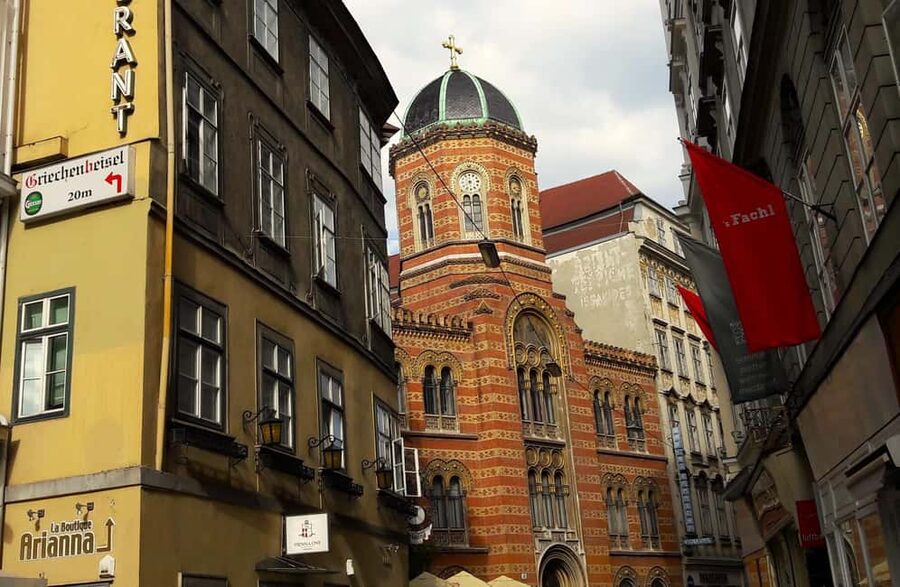
Vienna keeps its best stories around corners. This small-group walking tour moves beyond the usual imperial highlights, leading you through medieval lanes, courtyards, churches, music sites, and architectural details that are easy to miss on your own. I like the focus on lesser-known Vienna and the way the tour links buildings to larger events, from Ottoman wars to the end of the Habsburg Monarchy. I also like the personal touch from guides such as Nikoletta, Nicola, and Nicoleta, who have helped visitors with restaurant ideas, tram directions, and questions long after the formal walk ended.
The main consideration is pace. This is a walking tour through the historic center, with comfortable shoes strongly advised and food recommended before you start. The tour may last from one to three hours depending on the option booked, and wheelchair users cannot take part. The language is usually German or English, but a short-notice booking can sometimes lead to a bilingual group.
Key points at a glance
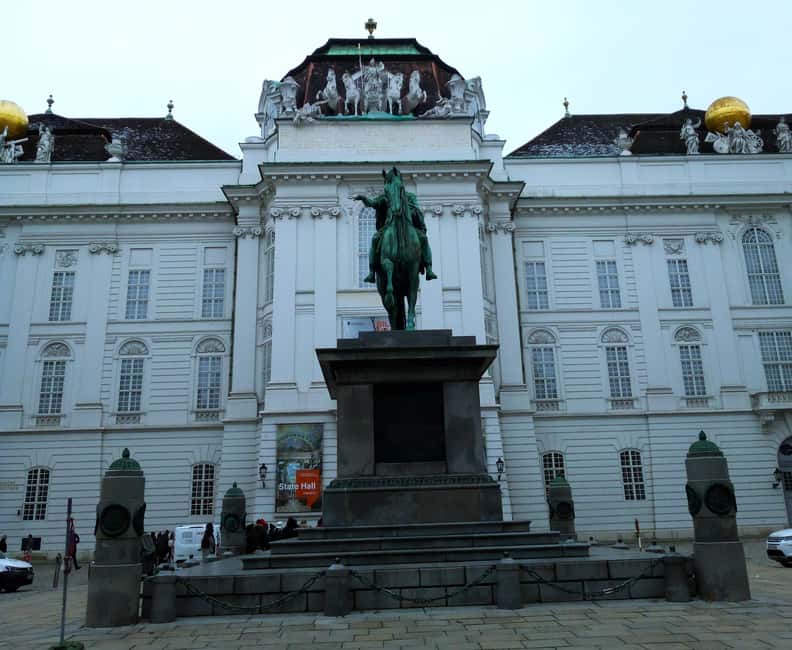
- Mozart’s concert hall: Visit the Deutscher Orden Haus, connected with Vienna’s musical past and patronage.
- Stories behind ordinary streets: Narrow lanes, windows, courtyards, and church details become clues to the city’s past.
- Monsters with a Viennese twist: Hear the tale of the basilisk and learn how local legends shaped the city’s imagination.
- Architecture across eight centuries: Gothic, Renaissance, Baroque, Art Nouveau, and modern design appear within one central walk.
- Small group format: The group is limited to 10 people, making it easier to ask questions and adjust the pace.
- Useful first-day orientation: The walk can help you understand central Vienna before exploring museums, cafés, and palaces on your own.
Why this tour finds a different Vienna
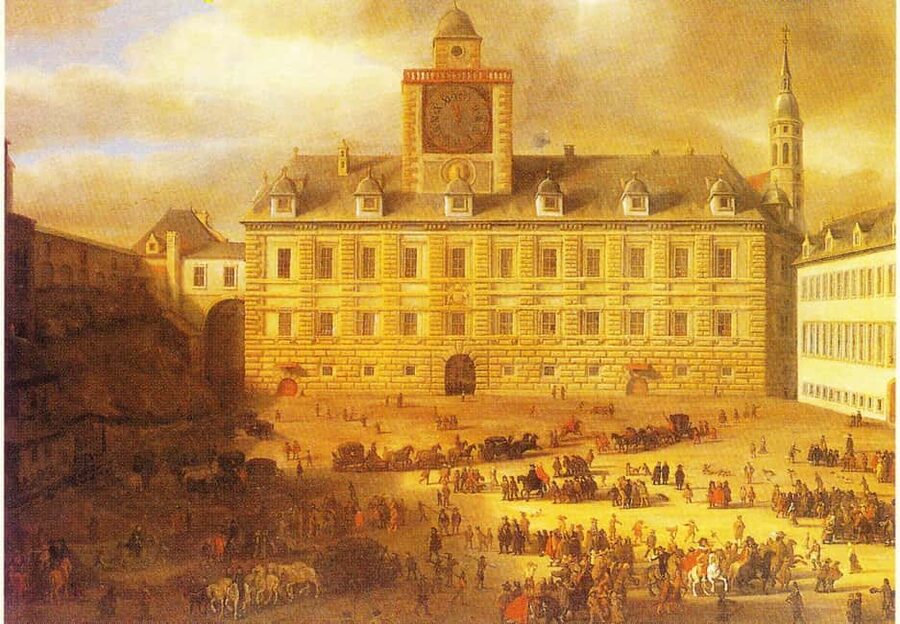
Vienna is easy to admire from its grand avenues. The Ringstrasse, Hofburg, St. Stephen’s Cathedral, and ornate coffeehouses do much of the city’s promotional work. Yet the older center is also a place of tight passages, unexpected courtyards, small churches, and buildings whose meaning is not clear at first glance.
This experience is designed for that second Vienna. You are not simply moving from one famous sight to another. You are learning how to read the city. A doorway may point to a religious order. A church façade may reveal the influence of the Counter-Reformation. A narrow street may preserve the shape of a medieval route even when modern buildings crowd around it.
I especially like this approach for a first or second day in Vienna. It gives you a mental map of the center while adding details you can notice again later. One couple described the walk as a highlight at the end of a five-day visit because the guide showed them places they had passed without seeing.
The tour is also personal in scale. With no more than 10 participants, you should have a better chance to hear the guide clearly and ask about a particular building, period, or story. Several guides have been praised for adapting to questions and pace, which matters on a walking tour where the group may include both serious history fans and people who simply want a more unusual introduction to Vienna.
A few more history tours around the world worth a look
- History and Hauntings of Salem Guided Walking Tour
★ 5.0 · 14,564 reviews - Colosseum: Underground and Ancient Rome Tour
★ 4.7 · 12,691 reviews - Lisbon: History, Stories and Lifestyle Walking Tour
★ 4.8 · 10,902 reviews
Starting near Georg-Coch-Platz
The listed starting options are at Georg-Coch-Platz and the Georg-Coch monument. Your exact meeting point depends on the option you book, so check the confirmation carefully rather than assuming every departure begins at the same spot.
This part of Vienna provides a useful transition into the old center. You begin away from the most familiar tourist stage, then move toward the historic core. That fits the theme of the tour: the point is not to rush straight to the biggest landmark, but to notice how different eras sit beside one another.
Because the meeting point may vary, arrive with enough time to orient yourself. The tour provider gives the meeting details for your selected option, and a small group is easier to miss if you are looking in the wrong place. Comfortable shoes are important from the start. The walk is urban, but old central streets and passages can be uneven, and the guide may pause in several places rather than keep you moving along one broad route.
Medieval Vienna beside modern buildings
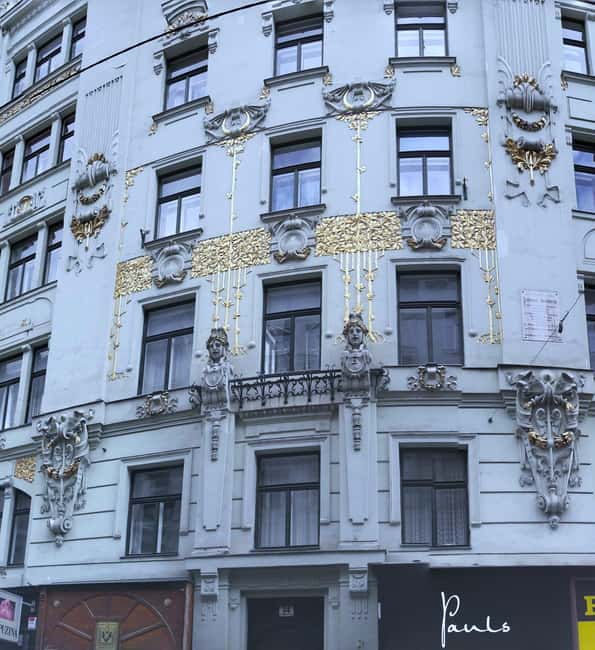
The central part of the tour is a three-hour guided walk when the full version is booked. Its subject is not one single period. Instead, you move from the 13th century through the 21st century, seeing how Vienna grew, changed, and rebuilt itself.
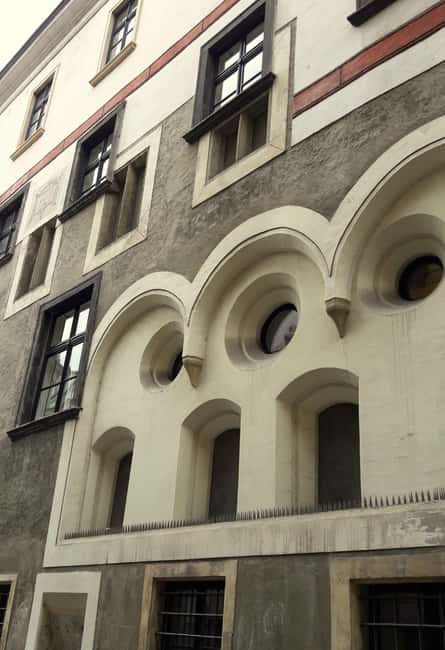
The most useful feature is the range of architecture. Gothic forms appear alongside Renaissance and Baroque work. Art Nouveau details enter the story later, followed by striking modern buildings. You are not being asked to admire each style in isolation. The guide helps you see the contrasts, such as an old church near a newer structure or a medieval street pattern surviving under a much later city.
That mixture gives the walk its strongest educational value. Vienna can sometimes feel too polished, as if the imperial city arrived fully formed. This tour shows a more complicated place, one shaped by religious conflict, war, dynastic ambition, music, commerce, and changing ideas about architecture.
I would pay close attention to small features rather than expecting a long list of grand interiors. The experience is about traces: façades, streets, windows, courtyards, and buildings that reveal something when a guide supplies the context. One participant valued precisely this way of looking, noting that roads and windows became more meaningful after the walk.
Music, patrons, and the Deutscher Orden Haus
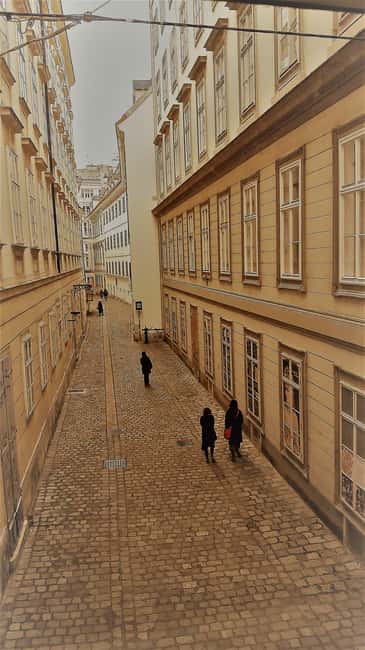
Music is one of the tour’s main threads. Vienna’s identity is closely tied to composers and concert life, but this walk also looks at the patrons and institutions that made musical culture possible.
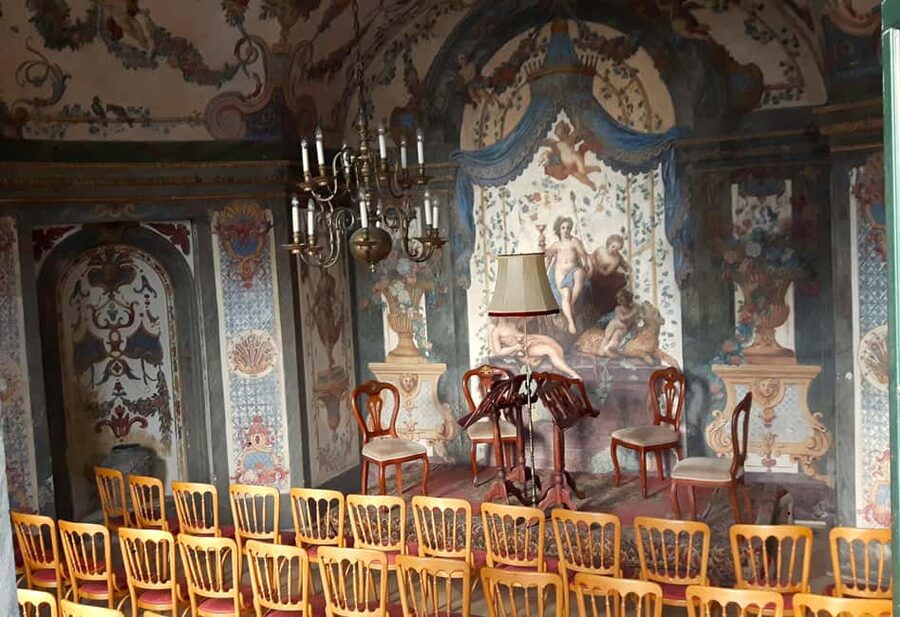
A featured stop is Mozart’s concert hall in the Deutscher Orden Haus. The building connects the music story to the city’s religious and architectural past. That combination is more interesting than treating Mozart as a separate celebrity chapter. You see how music occupied real rooms and depended on the social networks of Vienna.
The emphasis on patrons is useful because it broadens the usual composer-focused story. You learn to consider who supported music, where performances took place, and how architecture shaped the city’s cultural life. The exact amount of time at this stop can depend on the route and the group, so you should not expect a full concert or a museum visit. It is part of a walking narrative, not a standalone performance.
For music fans, this may be the feature that makes the tour worth choosing over a standard orientation walk. For everyone else, it adds another layer to Vienna without requiring a specialist background.
Same place, a different slice of the past:
- London Small Group Tour of Historical Pubs
★ 5.0 · 10,422 reviews - Prague: Oldtown, Medieval Underground & Dungeon History Tour
★ 4.3 · 10,277 reviews - Charleston’s Old South Carriage Historic Horse & Carriage Tour
★ 5.0 · 10,023 reviews - Edinburgh: Edinburgh Castle Guided History Tour with Tickets
★ 4.8 · 9,933 reviews
Churches and the return of Catholic power
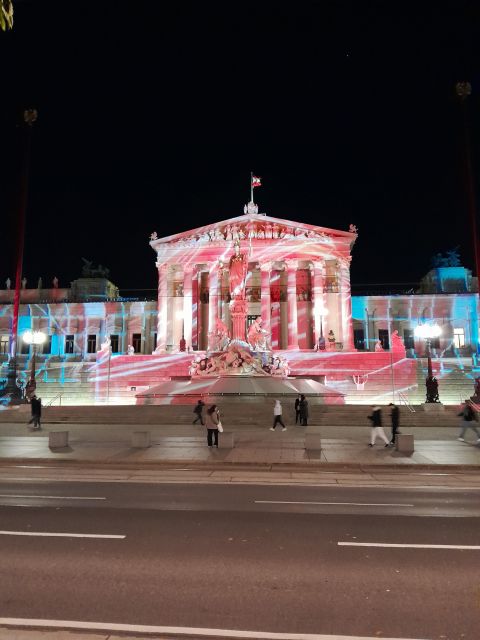
Another distinctive theme is the architectural evidence of Vienna’s re-Catholicization. This period left visible marks on churches and public buildings, and the guide uses architecture to explain the religious and political forces behind them.
The phrase can sound abstract in a guidebook. On the street, it becomes easier to understand when you are shown changes in decoration, design, and presentation. Vienna’s churches were not only places of worship. They also expressed authority, confidence, and the religious priorities of the city’s rulers and institutions.
The tour places these developments within the larger story of the Ottoman wars and the Habsburg era. That does not mean every stop is a military site. Instead, wars and dynastic pressures form part of the background for the city’s rebuilding and public image.
I appreciate the chance to connect architecture with power. You may not remember every date, but you are more likely to notice why a church feels theatrical, defensive, grand, or deliberately persuasive. Several churches appear on the route, including less familiar examples that you might easily pass without stopping.
Basilisks, monsters, and local legends
The tour is not a dry architecture lecture. Vienna’s old streets come with tales of monsters, strange events, and local fears. The basilisk story is one of the best-known examples included in the experience.
The value of these tales is not simply entertainment. Legends show how people explained danger, disease, unusual buildings, or frightening places before modern science and mass communication. They also reveal how a city remembers itself. A monster can become part of a street’s identity long after the original fear has faded.
This lighter material helps balance the political and religious history. If you enjoy folklore, you will likely find these stories memorable. If you prefer a strictly chronological tour, the shifts between architecture, music, legend, and political history may feel less orderly.
That mix is intentional. Vienna is not presented as a museum with one official storyline. It is shown as a place where a church, alley, composer, ruler, and monster can all belong to the same neighborhood story.
The pleasure of unknown streets and courtyards
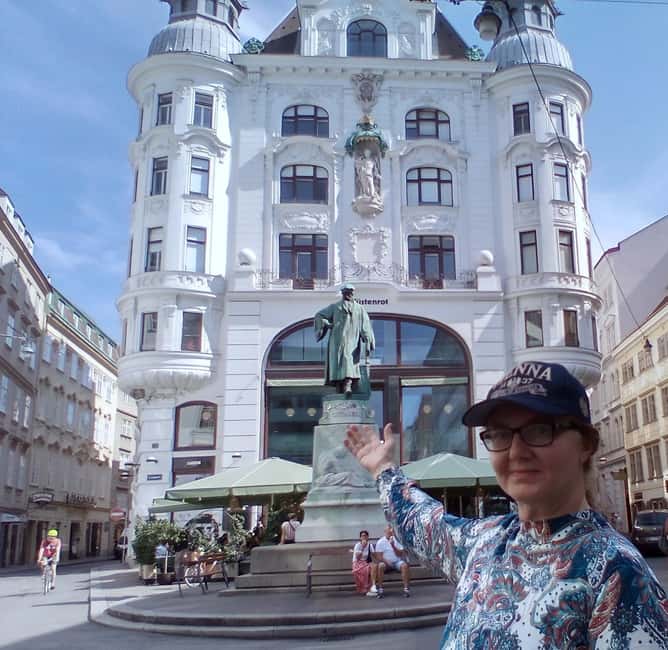
The strongest practical reason to book this walk is access to places you might not recognize as worth investigating. The route includes winding streets, alleyways, courtyards, and corners that are easy to overlook when you are focused on the next major sight.
Several people have praised the guide’s ability to point out details they had previously walked past. That is a valuable skill. A hidden passage is only useful if you understand what makes it important, and a small architectural feature can remain invisible without a trained eye.
The guide may also adjust the route or discussion to your interests. A participant who wanted unusual places received a tour that accommodated those wishes, while another found the recommendations for local restaurants useful after the walk. That kind of conversation is one advantage of a small group.
Do not expect every stop to be photogenic or grand. Some of the best moments may involve a plain street or modest façade. If your goal is a checklist of famous sights, this is not the most efficient choice. If you want to understand why central Vienna looks the way it does, the slower attention pays off.
A guide-led walk with a human touch
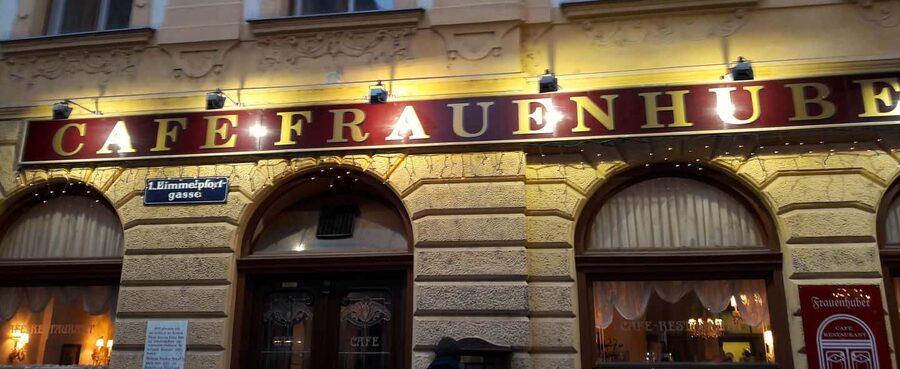
The guides receive especially strong praise for enthusiasm, clear explanations, and care with the group. Names connected with the experience include Nikoletta, Nicola, and Nicoleta. The different spellings may reflect how the guide’s name is recorded, but the consistent point is that the walk is strongly guide-dependent.
That matters here. This is not an audio route that works the same way for everyone. The quality comes from explanation, timing, and the ability to answer questions. One guide stayed beyond the scheduled end to continue showing places. Another walked with participants to a tram stop after noticing they were unsure about getting there.
You should still keep realistic expectations. The tour may occasionally be conducted in two languages, especially with a short-notice booking, existing mixed-language participants, or crowded holiday periods such as Easter and Christmas. The provider says you may need to email for information about the other language already booked, since the booking system cannot show all language details.
Audio and video recording are not allowed. The explanations are protected, so plan to listen and take personal notes only if the guide permits them. The restriction may disappoint visitors who like to record every stop, but it also keeps attention on the live conversation.
Price, duration, and practical value
The price is $43 per person. For a small-group walk lasting up to three hours, that is a fair rate if you value interpretation rather than simply covering distance. You are paying for a local guide who can connect architecture, music, religion, politics, and folklore in one route.
The value is strongest for people who want orientation and context. A standard self-guided walk may show you many of the same streets, but it will not necessarily explain the basilisk, the Catholic revival, the music venues, or the reason a particular building matters.
The duration deserves attention. The activity is listed as lasting from one to three hours, while the full historic-center itinerary is described as three hours. Check the available departure option before booking so you know which version you are choosing.
You can cancel up to 24 hours before the activity for a full refund, and the reserve-now, pay-later option keeps your schedule flexible. Those policies are useful if your Vienna plans are still changing, but the main planning issue remains the walking itself. Eat before you go, wear supportive shoes, and allow enough time to reach the correct meeting point.
Who should book this Vienna walk?
I would choose this experience if you:
- Want Vienna beyond the palace-and-cathedral circuit
- Enjoy architecture and cultural history
- Like stories about local legends and unusual places
- Prefer a small group over a large city tour
- Want restaurant or neighborhood advice from a local guide
- Are starting a three-day visit and need a useful orientation
I would think twice if you need step-free access, dislike walking, or want a tour focused only on Mozart, imperial Vienna, or the city’s most famous monuments. The route is not suitable for wheelchair users, and the variety of subjects means the experience may feel less neatly organized than a specialist museum tour.
Should you book this tour?
Book it if you want Vienna to become easier to read. The best parts are not only the named attractions, but the connections between them: medieval streets beside modern buildings, music tied to patrons, churches shaped by religious change, and legends rooted in ordinary corners.
I would schedule it early in your stay, especially if you have three days in Vienna. You can use the guide’s suggestions for later meals and visits, then return to the center with sharper eyes. At $43, the small group and personal explanation make good value for anyone who prefers local detail over a standard highlights circuit.
FAQ
Where does the tour begin?
The available starting points are listed around Georg-Coch-Platz and the Georg-Coch monument. The exact meeting point may vary according to the option booked.
How long does the experience last?
The activity is listed as lasting from one to three hours. The historic-center guided tour is described as three hours, so check the selected option for the precise duration.
Which languages are available?
The tour is offered in German and English. In rare cases, it may be conducted in two languages, especially with short-notice bookings or busy holiday periods.
How large is the group?
This is a small-group experience limited to 10 participants.
Is the tour suitable for wheelchair users?
No. The experience is not suitable for wheelchair users.
Can I cancel and receive a refund?
Yes. You can cancel up to 24 hours in advance for a full refund. You can also reserve now and pay later.
Just added around the world
- Tokyo: Imperial Palace, the history of Japan (ENGLISH GUIDE)★ 5.0 · 77 reviews
- Tokyo: Customized Private Historical Guided Photoshoot Tour★ 5.0 · 25 reviews
- Tirana: Walking Tour through Attractions of Historic Center★ 5.0 · 24 reviews
- Throne of Helios: The History of Rhodes in 9D Experience★ 4.5 · 272 reviews
- (Ticket Included) Explore Osaka Castle & Museum of History★ 4.8 · 21 reviews
- Williamsburg: The Patriots Historical Walking Tour★ 4.8 · 41 reviews
- Austin: Downtown History Walking Tour★ 4.9 · 123 reviews
- Cebu City: Historical Street and Food Tour★ 4.9 · 31 reviews
Vienna History Tours, compared.


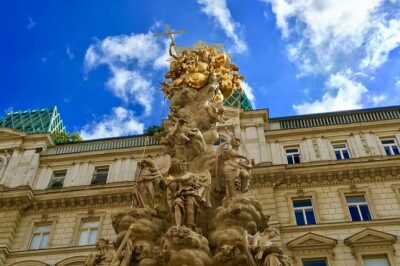
Vienna Historic Center Small Group Walking Tour
Read our review →
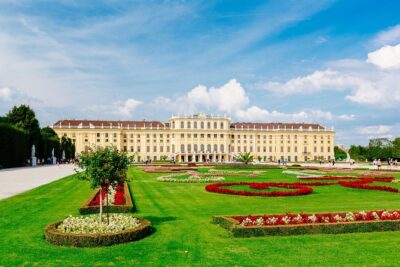
Skip-the-Line Schonbrunn Palace Guided Tour and Vienna Historical City Tour
Read our review →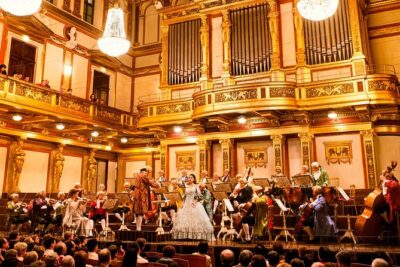
Vienna Mozart Concert in Historical Costumes at the Musikverein
Read our review →
Browse the lists this tour appears in