
Review · KATHMANDU
UNESCO World Heritage Sightseeing Tour in Kathmandu – 5 Days
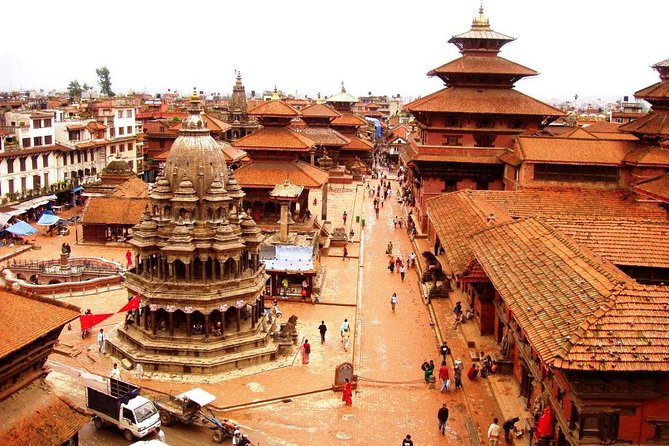
Kathmandu packs centuries into a small valley. This five-day private tour links all seven UNESCO World Heritage Sites in the Kathmandu Valley with sacred temples, old royal squares, mountain views, and a night in Nagarkot. I especially like the private transport and the chance to see both major monuments and quieter cultural sites without arranging each ride yourself. The sunrise stop at Nagarkot is another strong point, though you should expect long hours in the car, especially on the day that combines Patan, Dakshinkali, Chobar, and Nagarkot.
The $499 price includes four nights of accommodation, airport transfers, breakfast each morning, transport, a guide, and dinner arrangements listed by the operator. That makes it useful for a first visit, but you should confirm entrance fees before booking because the package details describe them inconsistently. Bimal and the Best Heritage Tours team receive repeated praise for friendly service, careful planning, and the ability to adjust trips to individual needs.
Key points at a glance
- All seven UNESCO sites: Kathmandu Durbar Square, Swayambhunath, Boudhanath, Pashupatinath, Patan, Bhaktapur, and Changu Narayan are included.
- Nagarkot sunrise: The hill town sits at about 2,100 meters and can offer views toward Everest, Langtang, Ganesh Himal, and other Himalayan peaks.
- Private touring: Your group travels by private vehicle, with a dedicated guide and no strangers joining the activity.
- Spiritual variety: Hindu temples, Buddhist stupas, living traditions, ritual courtyards, and sacred animal offerings all appear along the route.
- Four hotel nights: Three nights are in Kathmandu and one is in Nagarkot, with airport pickup and drop-off included.
- A full sightseeing schedule: The plan covers a lot in five days, but long drives and early starts are part of the bargain.
What the $499 price really covers
The price is easiest to judge as a package rather than as a series of separate sightseeing stops. You receive four nights in your selected hotel, three nights in Kathmandu, one night in Nagarkot, four breakfasts, airport transfers, private transport, a tour guide, and dinner arrangements listed in the inclusions.
That is a useful bundle if you want someone else to handle the basic mechanics of a Nepal visit. You will not need to find a taxi at Tribhuvan International Airport, work out how to reach each hilltop temple, or arrange a separate overnight stay in Nagarkot. The private vehicle also gives you more control than a large coach. You can ask for help with timing, comfort, or small changes to the day.
The package does not cover international flights, meals not listed, tips, personal expenses, or accommodation and meals before or after the tour. Lunch is not included, and dinner in Kathmandu, Nagarkot, and Bhaktapur is specifically excluded in the details provided. The inclusion list does mention dinner and a farewell dinner, so I would ask the operator exactly which evening meals are covered.
There is one important point to clear up before paying. The general package description says guided Kathmandu touring and entrance fees are included, while the individual stops mark admission tickets as not included. Ask for the current entrance-fee policy in writing. That single question will give you a more accurate idea of the final cost.
More UNESCO World Heritage Tours in Kathmandu:
- Private Kathmandu Sightseeing Tour | UNESCO World Heritage sites
★ 5.0 · 756 reviews - UNESCO Seven World Heritage Tour in Kathmandu
★ 5.0 · 253 reviews - Nepal Discovery Tour: Heritage Sites & Scenic Hill Easy Hike
★ 5.0 · 121 reviews
Day 1: A gentle landing at Tribhuvan International Airport
Your arrival begins with a representative meeting you at Tribhuvan International Airport. Look for a personalized sign, followed by a floral garland and a private transfer to your hotel.
This is more than a ceremonial welcome. Kathmandu airport can feel confusing after a long international flight, and having a driver waiting removes the first bit of friction. The transfer is scheduled for about two hours, which allows time for arrival procedures and the ride into the city.
The first day is otherwise light. That is sensible. Kathmandu sightseeing involves traffic, uneven walking surfaces, crowds, and plenty of visual noise. A quiet arrival day gives you time to check in and prepare for the early starts ahead.
Day 2: Four major Kathmandu Valley sights
The second day is the busiest cultural introduction, with Kathmandu Durbar Square, Pashupatinath, Boudhanath, and Swayambhunath on the schedule. The route is arranged by private car, but you should still expect considerable walking once you reach each site.
Kathmandu Durbar Square and Kumari Ghar
Kathmandu Durbar Square was once the royal center of the city. Its courtyards, temples, carved timber details, and palace buildings show the artistic skill of the Newar builders who shaped the valley.
The stop also includes Kumari Ghar and Kumari Chowk, connected with Nepal’s living goddess tradition. The courtyard is especially important because it links an active religious custom with the old royal setting. Your guide can help explain the difference between a monument preserved for display and a place that remains part of local belief.
The visit is scheduled for about 90 minutes. That is enough for a useful introduction, but not enough for a slow look at every carving, shrine, and courtyard. If architecture matters greatly to you, ask your guide where to spend the extra few minutes.
A few more history tours around Kathmandu worth a look
- 5 Days Mayan Heritage History Tour
★ 4.5 · 31 reviews
Pashupatinath Temple and Boudhanath Stupa
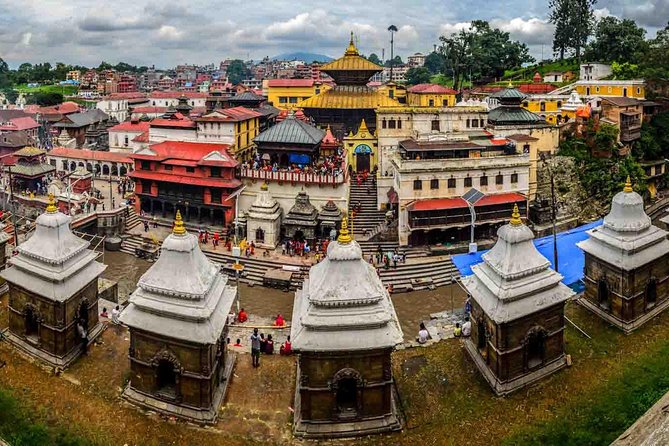
Pashupatinath is one of Nepal’s most important Hindu religious centers. The temple complex includes more than 500 temples and dates in part to the fifth century, with later work carried out under the Malla kings.
This is a living place of worship, not simply an old building. Dress modestly and follow your guide’s instructions about where non-Hindu visitors may go. The two-hour visit gives you time to see the wider grounds and understand the religious setting.
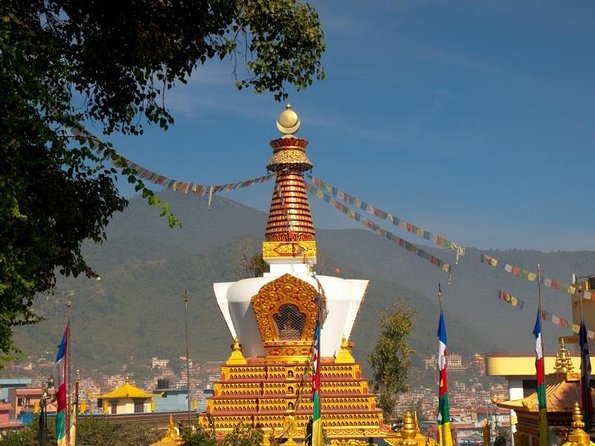
The route also includes Boudhanath, one of Nepal’s major Buddhist pilgrimage sites. The large dome, prayer flags, and rows of prayer wheels create a very different mood from Pashupatinath. Walking around the stupa and turning the prayer wheels is a simple way to take part respectfully, even if you are not Buddhist.
The schedule groups these two powerful religious sites together, which gives the day useful contrast. It can also make the day feel full. Your attention will move quickly from Hindu ritual to Tibetan Buddhist practice, so take a moment between stops to absorb the change.
Swayambhunath, the Monkey Temple
Swayambhunath sits above Kathmandu and is reached by 365 steps. Small shrines appear along the climb, with prayer wheels and religious images leading toward the central stupa.
The stairway is manageable for many people, but it is still a real climb. Move slowly, especially if you have just arrived from a lower altitude or are not used to Kathmandu’s pace. Monkeys are common around the site, so keep food and loose objects secure.
The hilltop setting gives you a wide view over Kathmandu. The site is also a favorite for photography, particularly when the city lights begin to appear. Bimal has been praised for making visits to Swayambhunath more engaging by explaining the steps, the stupa’s story, and the Buddhist images along the way. A guide adds real value here because the site is easy to photograph but harder to understand on your own.
Day 3: Patan art, Dakshinkali ritual, and the road to Nagarkot
Day three covers Patan Durbar Square, Dakshinkali Temple, Chobar, and the drive to Nagarkot. The listed timing is long, and it is worth treating this as a road day with several important stops rather than a relaxed walking tour.
Patan Durbar Square and its three courtyards
Patan, also called Lalitpur, is known for its fine Newari craftwork. The old royal complex includes Sundari Chowk, Mul Chowk, and Keshav Narayan Chowk, each with its own layout and architectural details.
Krishna Mandir is a key sight. Its shikhara design gives it a different appearance from the tiered pagoda temples found elsewhere in the valley. Look closely at the stone carving and the proportions of the structure. Patan rewards patience, especially if your guide points out details that are easy to miss while moving through the square.
The planned visit lasts about five hours when combined with Dakshinkali and Chobar. That gives you a fair amount of time, but the drive between places can affect how much time you actually spend walking.
Dakshinkali Temple and Chobar
Dakshinkali is an important Hindu temple connected with animal sacrifice, especially goats and chickens. This part of the day may be difficult for some people. If you are uncomfortable with seeing ritual sacrifice, ask your guide about the timing and setting before you arrive.
The point of visiting is not spectacle. It is a chance to see a form of religious practice that remains active and meaningful to worshippers. Approach quietly, avoid intrusive photographs, and let your guide explain the context.
Chobar, an ancient settlement at the edge of the Kathmandu Valley, adds a change of pace. It is known for caves and views toward the Bagmati Valley. The stop helps break up the temple visits, although the overall day still involves a lot of vehicle time.
Overnight in Nagarkot
The drive to Nagarkot is one of the tour’s most appealing changes. Instead of spending every night in the city, you sleep at about 2,100 meters, outside central Kathmandu.
The road day is long, and the route may feel tiring by the time you arrive. Still, the overnight stay matters because the next morning’s mountain views depend on being in place before sunrise. If the sky is clear, you may see peaks including Everest, Dorje Lhakpa, Langtang, Ganesh Himal, Gauri Shankar, and Rolwaling.
Keep expectations realistic. Mountain views depend on weather and visibility. Nagarkot is best treated as a chance to see the Himalayan range, not a guaranteed Everest viewpoint.
Day 4: Himalayan morning, Changu Narayan, and Bhaktapur
The fourth day begins early in Nagarkot. You are encouraged to rise before sunrise for the mountain panorama, with about three hours set aside for the morning.
This is the tour’s most scenic section. The early start is worth it if the weather cooperates, but you should bring warm layers. Even if clouds hide the peaks, the change from city streets to a hilltop morning remains worthwhile.
Changu Narayan Temple
After breakfast and the morning view, you head toward Changu Narayan. The temple is one of Nepal’s oldest and is decorated with detailed carvings and elaborate ornament.
Its hilltop position and older artistic details make it feel different from the larger royal squares. The two-hour visit gives you time to look closely rather than simply take a quick photograph. The entrance fee should be confirmed in advance because the stop is marked as having admission costs separate from the package in the supplied details.
Bhaktapur Durbar Square
Bhaktapur is the final major heritage stop. Its square contains temples, courtyards, carved gates, and some of the best examples of Newari design on the route.
I like the way Bhaktapur follows Changu Narayan. After seeing an older temple setting, you get a larger urban complex with more room to walk and compare styles. Religious and cultural activity still shape the square, so this is not just an open-air museum.
The two-hour visit is enough for the main sights, but you will have to make choices. Focus on the central courtyards and major temples first. If you want time for careful photography or a slower look at the woodcarving, tell your guide early.
The tour then returns to Kathmandu. By this point, you will have covered all seven UNESCO sites in the Kathmandu Valley, but the pace will have been active rather than leisurely.
How the private format affects the experience
This is a private activity, so only your group participates. That matters in Kathmandu, where traffic can make a fixed group schedule frustrating. A private car lets you discuss timing with your guide and make the day feel less rigid.
The operator has received praise for adjusting trips around age, physical limitations, allergies, and personal requests. That does not remove the need to explain your needs clearly at booking, but it suggests the service is built around personal planning rather than a one-size-fits-all route.
The guide can also add meaning at places such as Swayambhunath, Kumari Ghar, and Dakshinkali. Bimal is repeatedly associated with warm hospitality and careful organization, while other comments refer to helpful drivers and the broader Best Heritage Tours team. Your actual guide may vary, so confirm the guide’s name and language before departure if that matters to you.
Who should book this five-day tour?
I would recommend it to first-time visitors who want the valley’s main heritage sights arranged in one package. It suits you especially well if you prefer a private vehicle, want airport pickup, and like having hotels and a Nagarkot overnight handled in advance.
It is also a good fit if you want cultural range. You will see royal squares, Buddhist stupas, Hindu temples, a living goddess tradition, ritual worship, carved Newari architecture, and Himalayan views.
I would hesitate if you prefer slow travel. Day three is long, day two is packed, and several stops involve stairs or uneven walking. If you want to linger at each monument, consider asking for a custom version with fewer stops per day.
The tour may also suit older visitors or people who need added planning, provided you discuss mobility limits before arrival. The private setup is more adaptable than a large group, but the 365 steps at Swayambhunath and the active sightseeing schedule still require stamina.
Practical details before you go
Pickup and drop-off are provided at Tribhuvan International Airport. The stated operating hours are 6:00 a.m. to 5:00 p.m., Monday through Sunday, throughout 2025.
Confirmation is provided at booking. Service animals are allowed, and the tour is near public transportation, although the package itself uses private transport for the sightseeing days.
Bring modest clothing for religious sites, comfortable shoes for steps and courtyards, and a warm layer for Nagarkot. Carry some money for meals, tips, personal purchases, and any entrance fees not covered by the final package terms.
The cancellation policy allows a full refund if you cancel at least 24 hours before the start time. Changes or cancellations inside that window are not accepted or refunded.
Should you book it?
Book this tour if you want a well-organized first look at Kathmandu Valley heritage with private transport, airport support, and one mountain overnight. Its strongest qualities are the complete UNESCO route, personal service, and the contrast between crowded city monuments and Nagarkot’s early morning views.
Skip it, or ask for a slower custom plan, if you dislike long drives or want several hours at each site. Before booking, confirm the hotel category, the exact dinner arrangements, and the confusing entrance-fee wording. With those points settled, $499 can be fair value for a five-day private introduction to Nepal’s cultural heart.
FAQ
How long is the UNESCO World Heritage Sightseeing Tour in Kathmandu?
The tour lasts approximately five days and includes four nights of accommodation.
Does the tour visit all seven UNESCO World Heritage Sites in the Kathmandu Valley?
Yes. The route includes Kathmandu Durbar Square, Swayambhunath, Boudhanath, Pashupatinath, Patan Durbar Square, Changu Narayan, and Bhaktapur Durbar Square.
Is airport pickup included?
Yes. Round-trip transfers between Tribhuvan International Airport and your hotel are included.
Is this a private tour?
Yes. Only your group participates, and transportation is provided by private vehicle.
How many nights are spent in Kathmandu and Nagarkot?
You spend three nights in Kathmandu and one night in Nagarkot.
Are meals included?
Four breakfasts are included. Dinner and a farewell dinner are listed among the inclusions, while lunch and some dinners in Kathmandu, Nagarkot, and Bhaktapur are listed as excluded. Confirm the exact meal plan before booking.
Are entrance fees included?
The package information is inconsistent. It says guided sightseeing and entrance fees are included, but individual stops are marked as not including admission. Confirm the current policy with Best Heritage Tours.
Can I cancel for a full refund?
Yes, if you cancel at least 24 hours before the experience start time. Cancellations made less than 24 hours in advance are not refunded.
Just added around Kathmandu
- Full Day Private Tour of Seven World Heritage Sites in Kathmandu★ 5.0 · 19 reviews
- Seven World Heritage Day Tour in Kathmandu Nepal★ 5.0 · 26 reviews
- Kathmandu World Heritage Tour★ 5.0 · 74 reviews
- Kathmandu UNESCO World Heritage Tour★ 5.0 · 24 reviews
- Kathmandu Heritage Day Tour with Guide.★ 5.0 · 30 reviews
- Kathmandu: Full Day Private Top 4 UNESCO Heritage Tour W/Lunch.★ 5.0 · 86 reviews
- Kathmandu World Heritage Full Day Culture Tour★ 5.0 · 41 reviews
- Kathmandu Guided Day Tour: Explore Top 4 UNESCO Heritage Sites★ 5.0 · 19 reviews
UNESCO World Heritage Tours, compared.
World Heritage Shirakawa-go and Experience Tours from Kanazawa
Read our review →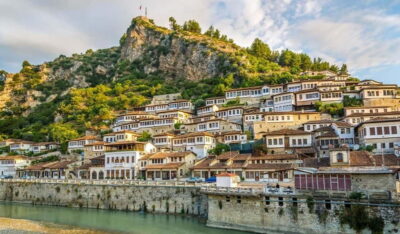
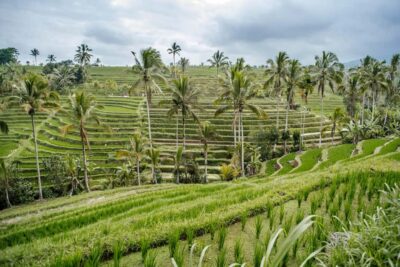
Bali: Tanah Lot UNESCO World Heritage Sites Full-Day Tour
Read our review →World Heritage Kyoto & Nara Uji Authentic Matcha Experience
Read our review →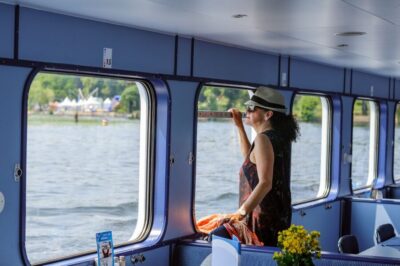
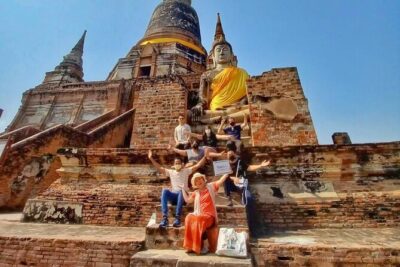
UNESCO’s Ayutthaya Historical Park: Full-Day Tour from Bangkok
Read our review →
Rotterdam: Kinderdijk UNESCO World Heritage Entry Ticket
Read our review →
From Busan: Gyeongju UNESCO World Heritage Guided Day Tour
Read our review →Browse the lists this tour appears in