
Review · BOWLING GREEN
Skip the Line: Historic RailPark and Train Museum Ticket with Guided Tour
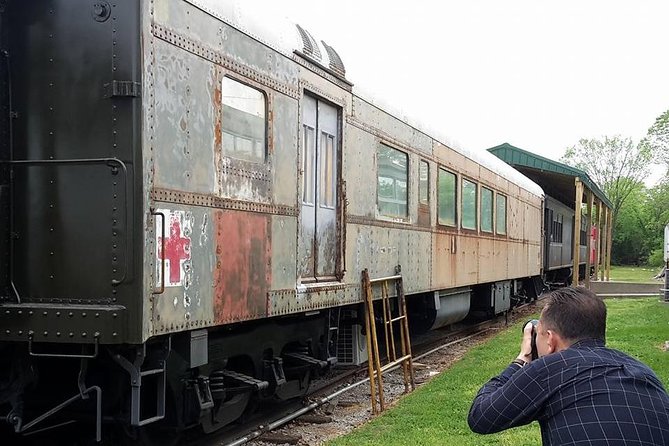
Old trains still tell Bowling Green’s story. The Historic RailPark and Train Museum pairs a self-guided museum with a guided walk through restored railcars, including a railroad post office car, Pullman diner, sleeper, and presidential office car. I like the clear price of $22 and the way the visit mixes exhibits with real train interiors.
I also like the short 45-minute format, which fits neatly into a day of sightseeing. The main drawback is that the indoor exhibit area is small, so visitors expecting a large railroad museum may finish it quickly. The railcar tour carries much of the experience.
Key points to know before you go
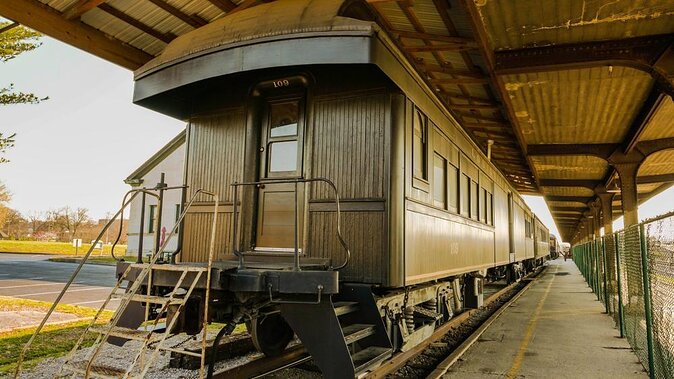
- The 1925 L&N Depot anchors the visit: Bowling Green’s current station replaced an older depot and once handled more than 20 departing trains each day.
- The guided railcar tour is the main attraction: You can walk through an E8 engine, mail car, diner, sleeper, and presidential office car.
- The railroad post office car gives the visit its strongest story: It shows how mail was sorted and delivered between cities before modern systems took over.
- The $22 ticket covers both parts: Your admission includes the self-guided museum and the guided tour of the railcars.
- The 45-minute visit works well for families: It is short enough for younger children and focused enough for adults who enjoy transportation history.
- Several daily start times make planning easier: The ticket is offered at multiple times, with confirmation sent when you book.
Why Bowling Green’s depot matters
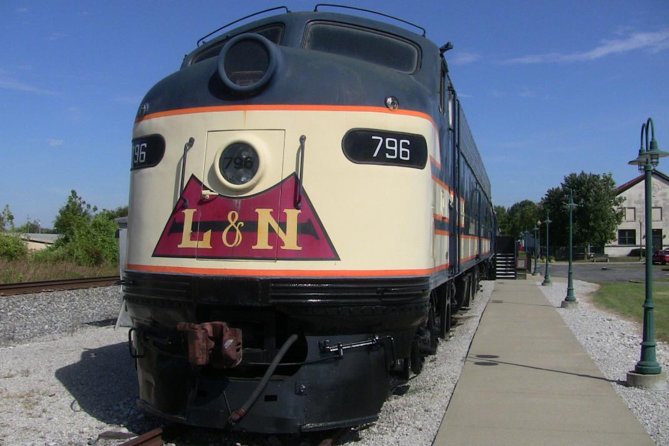
Bowling Green sits between Louisville and Nashville, a position that helped make it an important stop on the railroad line. The depot you see today was built in 1925, replacing an earlier station. At its busiest point, more than 20 trains departed from this site each day.
That number helps you picture the depot as more than a quiet historic building. It was once a working link between cities, businesses, families, and mail systems. Trains carried people, food, letters, supplies, and news through Bowling Green. The railroad helped shape the city’s economic life.
I find that context useful because the museum is not simply a collection of old machines. The depot explains why these trains mattered locally. You can connect the railcars to the city around them, rather than seeing them as isolated objects behind a fence.
The building also gives the visit a clear starting point. You begin with the local setting, then move into broader stories about rail travel, mail delivery, dining, sleeping cars, and presidential transportation.
More Museum and Gallery History Tours in the USA
- Guided African American History Tour with Reserved Museum Entry
★ 4.5 · 1,180 reviews - Chicago: Field Museum of Natural History Ticket or VIP Tour
★ 4.7 · 717 reviews - Field Museum of Natural History Admission Tickets
★ 4.5 · 489 reviews
What you see inside the museum
The museum’s indoor galleries cover regional and national railroad subjects. The displays focus on cultural, historical, and economic changes connected to rail travel. You can explore this portion at your own speed before or around the guided railcar tour.
The indoor section is not large. That can be a plus if you prefer a focused museum without rooms of repeated equipment. It can also feel limited if you came hoping for a major railway collection with hours of exhibits.
I would allow enough time to read the displays, but I would not plan the entire day around the galleries alone. The strongest reason to buy this ticket is the combination of the museum and the restored cars outside.
The self-guided format gives you some control. You can pause at subjects that catch your attention, move faster through sections that interest you less, and use the displays to prepare for the guided portion. For children, this creates a useful change of pace before walking through the cars.
The railcars behind the depot
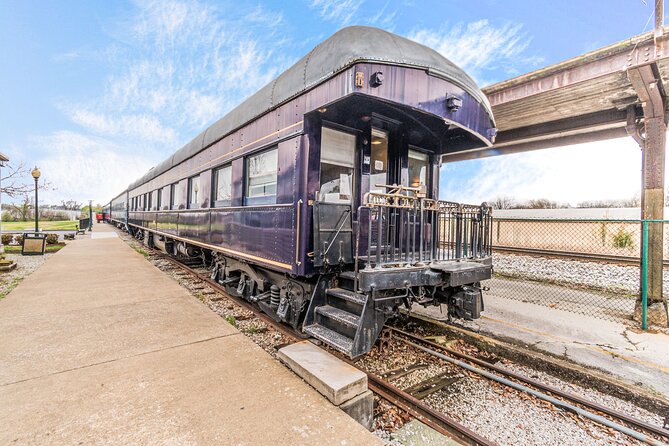
Behind the museum, about 450 feet of track holds the main collection of railcars. The cars are not just viewed from the outside. The guided portion lets you walk through actual interiors and see how rail travel worked in different settings.
The collection includes an E8 engine, a railroad post office car, the Duncan Hines Diner, a 1949 Pullman diner, the Pine, a 1953 Pullman sleeper, and the 353 Presidential office car.
Each car presents a different side of train travel. The engine shows the working power at the front of the train. The mail car explains a service that once moved letters between cities as part of the daily railroad system. The diners show how food service worked on long-distance journeys. The sleeper points to the practical side of overnight travel.
The presidential office car adds a more unusual angle. It connects rail travel with government and public life. Rather than seeing only standard passenger compartments, you get a look at the special purpose cars used for important official trips.
Walking through the cars is more memorable than looking at photographs of them. Narrow passageways, separate rooms, and old fittings help you understand how people actually used the trains. You can compare the work areas, eating spaces, sleeping quarters, and office setting in a single visit.
The railroad post office car is the star
If you want one part of the tour to pay close attention to, make it the railroad post office car. The mail system is easy to overlook when people think about trains, but this car shows how important railroads were to everyday communication.
Inside, you can learn how mail was handled while trains moved between cities. The experience connects an old delivery system with the way you receive letters and packages today. One of the clearest strengths of the visit is this comparison between past and present.
The mail car also gives the tour a practical human scale. You are not only looking at machinery or furniture. You are seeing a workplace where people handled mail as the train traveled. That makes the railroad feel like an operating network, not just a line on a map.
If you are visiting with children, this car offers an easy topic to discuss. Ask how mail moved before current delivery systems, how workers sorted it, and why a moving train could serve as a post office. The subject is simple, but it gives the visit a strong educational purpose.
Same place, a different slice of the past:
- History and Hauntings of Salem Guided Walking Tour
★ 5.0 · 14,564 reviews - Charleston’s Old South Carriage Historic Horse & Carriage Tour
★ 5.0 · 10,023 reviews - Beneath The Streets Underground History Tour
★ 4.5 · 8,006 reviews - Boston: Freedom Trail History Small Group Walking Tour
★ 5.0 · 6,450 reviews
Why the guided tour adds real value
The ticket includes both the self-guided museum and the guided railcar tour. That matters because the cars can be harder to understand without context. A guide can explain what each car was built to do and point out details you might otherwise pass by.
The strongest praise for this experience centers on the guide’s passion and teaching. The presentation is described as both fun and informative, with a special focus on railroad history and mail delivery. Since no guide name is provided, I would not plan around a particular staff member, but the quality of the explanation appears to be an important part of the visit.
A guided tour also helps keep a short visit organized. The total experience lasts about 45 minutes, so you are not spending half a day waiting for the next activity. You get a set path through the railcars, while the museum section lets you look around independently.
The tradeoff is less freedom during the railcar portion. You may want to linger in one car or return to a display, but a guided format keeps the group moving. For most people, that structure is useful. It gives the visit momentum and ensures you see the collection within the scheduled time.
Is $22 a good value?
At $22 per person, the ticket is a solid buy for anyone interested in trains, transportation, local history, or unusual museums. The price includes both the self-guided indoor portion and the guided railcar tour, along with taxes, fees, and handling charges.
I see the best value in the variety. You are not paying only to enter a depot or look at a single locomotive. The ticket covers a museum, an outdoor rail line, several different car types, and a guide-led explanation.
The 45-minute length also affects the value in a good way. You can fit the visit into a larger Bowling Green itinerary without giving up an entire afternoon. Families may appreciate this most. It is long enough to feel worthwhile, but short enough to keep the day moving.
The small museum section is the main limitation. If you judge value by the size of the indoor collection alone, $22 may feel less impressive. If you consider the restored cars and guided access as the heart of the ticket, the price makes more sense.
Who will enjoy this visit most?
This experience is a natural fit for railroad fans, but you do not need to know much about trains before arriving. The tour explains the basic purpose of the cars and places them in a wider transportation story.
Families should find the format manageable. The cars provide something physical to explore, while the museum adds educational material. Most people can participate, and service animals are allowed.
It also works for adults who enjoy social history. The cars show how people traveled, ate, slept, worked, and communicated before modern transportation and delivery systems took their current form.
You may want to choose another attraction if you prefer large museums with many galleries, extensive interactive displays, or several hours of independent exploration. This is a compact experience with a clear subject. Its strength is focus, not size.
Timing, clothing, and arrival details
The experience is offered at multiple times throughout the day. That makes it easier to place around other plans, but you should select a start time that gives you room to arrive without rushing. Your mobile ticket includes instant confirmation at booking.
Smart casual clothing is requested. Since the visit includes outdoor track space and railcars, sensible shoes and comfortable clothing are a practical choice, even though the formal dress requirement is modest.
The museum is near public transportation, which helps if you are building a day around Bowling Green without relying entirely on a car. No specific parking details are provided, so I would not assume a particular parking arrangement.
The ticket is sold with a skip-the-line feature. Exact wait times are not provided, so I would treat that as a useful entry benefit rather than a promise of a completely empty entrance.
Cancellation and booking flexibility
You can cancel for a full refund up to 24 hours before the experience begins. Changes or cancellations made less than 24 hours before the start time are not accepted for a refund.
The cut-off uses Bowling Green local time. That detail matters if you are booking from another time zone or adjusting plans late in a trip.
Because the experience is commonly booked about 10 days ahead, planning early is sensible if you need a particular time. Instant confirmation and a mobile ticket make the final arrangements simple.
My verdict: should you book it?
I recommend this ticket if you want a compact, fairly priced look at Bowling Green’s railroad past. The guided railcar tour is the reason to go. The mail car, Pullman diner, 1953 sleeper, and presidential office car give the visit more depth than the small indoor gallery could provide alone.
Book it especially if you enjoy transportation history, are visiting with children, or need an activity that fits neatly between other stops. The 45-minute length and several daily start times make it easy to plan.
I would hesitate only if you expect a large museum or a full-day railroad attraction. In that case, the indoor section may feel brief. For most people, though, the combination of a working depot story, real railcars, and a guide who brings the details to life makes $22 a sensible choice.
FAQ
How much does admission cost?
Admission costs $22 per person. The price includes taxes, fees, and handling charges.
How long does the experience last?
The visit lasts approximately 45 minutes.
What does the ticket include?
The ticket includes the self-guided museum and the guided tour of the historic railcars.
Is the ticket available on a mobile phone?
Yes. The experience provides a mobile ticket, and confirmation is sent at the time of booking.
What language is offered?
The experience is offered in English.
What railcars can I see?
The collection includes an E8 engine, a railroad post office car, the Duncan Hines Diner, a 1949 Pullman diner, the Pine, a 1953 Pullman sleeper, and the 353 Presidential office car.
Is the experience suitable for families?
Yes. Most people can participate, and the short format makes it suitable for many family outings.
Can I cancel for a refund?
Yes. You can cancel for a full refund if you do so at least 24 hours before the experience start time. Cancellations or changes made less than 24 hours ahead are not accepted for a refund.
More Skip-the-Line Tickets in the USA
- Taormina: Ancient Theater Skip-the-Line Ticket & Audio Guide
★ 4.5 · 2,412 reviews - Historic Milan Tour with Skip-the-Line Last Supper Ticket
★ 4.5 · 1,976 reviews - Córdoba: Skip-the-Line Great Mosque-Cathedral History Tour
★ 4.7 · 1,690 reviews - Skip-the-Line Schonbrunn Palace Guided Tour and Vienna Historical City Tour
★ 3.5 · 940 reviews
More Train Trips in the USA
- Fairbanks: Gold Dredge 8 Historic Train Tour
★ 4.7 · 219 reviews - Sedona, AZ: Grand Canyon Guided Tour and Historic Railway
★ 4.6 · 122 reviews - Puffing Billy Railway: Heritage Steam Train Journey
★ 4.6 · 1,195 reviews - Ancient Ostia Antica Semi-Private Day Trip from Rome by Train with Guide
★ 4.5 · 579 reviews
Just added around the USA
- Harlem Heritage Holiday Tour★ 4.5 · 24 reviews
- Shepherd of the Hills Historic Tour★ 5.0 · 70 reviews
- Boston’s North End History + Photo Walking Tour (SMALL Group)★ 5.0 · 27 reviews
- Discover Branson History and Scenic Beauty Tour★ 4.5 · 110 reviews
- Boston’s Architecture, History + Photo Walking Tour (SMALL Group)★ 5.0 · 91 reviews
- Freedom Trail Guided Walking Tour (SMALL GROUP)★ 4.5 · 98 reviews
- Boston: Underground Railroad History Tour of Beacon Hill★ 5.0 · 141 reviews
- North End Food Tour: Taste Boston’s Italian Heritage★ 5.0 · 20 reviews
Museum & Gallery History Tours, compared.
Louvre Museum Entry with History of Mona Lisa
Read our review →
Venice’s Best: Basilica, Doge’s Palace, Gondola & History Gallery
Read our review →
Guided African American History Tour with Reserved Museum Entry
Read our review →
POLIN Museum of the History of Polish Jews Ticket
Read our review →
Bell Tower & St Mark’s Square History Gallery Ticket
Read our review →
Field Museum of Natural History Ticket or VIP Tour
Read our review →
Madrid in a Day Tour:Royal Palace, Historic Center & Prado Museum
Read our review →
Basilica, Doge’s Palace, History Gallery & Bell Tower Option
Read our review →Browse the lists this tour appears in