Review · ROME
Ancient Ostia Antica Semi-Private Day Trip from Rome by Train with Guide
Ancient Rome feels more real here. This half-day trip takes you by train from Rome to Ostia Antica, a vast port city where streets, shops, baths, apartments, and an amphitheater still make daily Roman life easy to picture. I like the simple train arrangement and the fact that your guide handles the tickets. I also like the small group, limited to 12 people, which gives you a better chance to ask questions and hear explanations.
The main drawback is the walking. The site is large, the ground is uneven, and you may encounter stairs and hot sun. Guide quality can also vary, although many of the strongest experiences were led by guides such as Alberto, Cat, Rob, Laura, and Barbara. If you want a slow, highly flexible visit, going independently may suit you better.
Key points about this Ostia Antica trip
- A short train ride from Rome: Meet near Piramide metro station, then travel with your guide to the archaeological site.
- A 2.5-hour guided walk: The route focuses on Decumanus Maximus, the Baths of Neptune, the amphitheater, shops, homes, and public buildings.
- A maximum of 12 people: The group size is small enough for questions and a more relaxed pace.
- A clear picture of ordinary Roman life: Ostia shows taverns, apartments, public baths, temples, workplaces, and streets rather than only grand monuments.
- Good value at $59.26: The price includes the guide, return train tickets, admission, and a half-day of organized sightseeing.
- A practical alternative to Pompeii: You get a large Roman city site without giving up a full day to a long-distance trip.
Why Ostia Antica makes a better half-day outing than you might expect
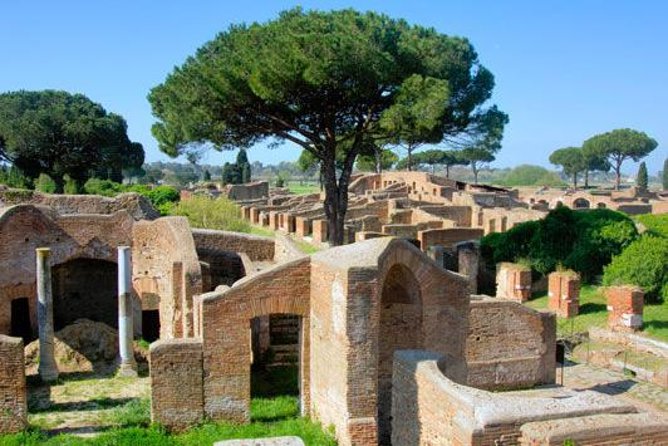
Rome is full of famous ancient monuments, but many show you one building at a time. Ostia Antica gives you something different: an entire town. You walk along its main road, pass storefronts and apartment blocks, sit in an ancient theater, and see where public baths and religious buildings fit into the urban plan.
Ostia began as a settlement dating as far back as the fourth century BC and later served as the port city of ancient Rome. At its height, more than 100,000 people lived there. That scale matters. You are not simply looking at scattered ruins. You are moving through the remains of a working city.
The site is often compared with Pompeii, but the comparison only goes so far. Ostia is closer to Rome and easier to visit during a four-hour window. It also offers a quieter setting, according to the many strong reports of uncrowded paths and a peaceful atmosphere. The trade-off is that some parts of the site require imagination. A good guide helps you connect foundations and broken walls with the homes, shops, and public spaces that once occupied them.
I especially like Ostia for anyone curious about regular Roman life. The Colosseum tells you about spectacle. The Forum tells you about power. Ostia helps explain where people lived, worked, bathed, worshipped, ate, and conducted business.
More Ancient History Tours in Italy
- Colosseum: Underground and Ancient Rome Tour
★ 4.7 · 12,691 reviews - Colosseum & Ancient Rome with Arena Floor Option I Max 6 People
★ 5.0 · 3,306 reviews - Rome: Colosseum, Ancient Rome Tour or AudioGuided Tour
★ 4.4 · 2,879 reviews
Meeting near Piramide and riding the train together
The tour begins at Piazza Ostiense, 11, near the Piramide metro station. You are responsible for reaching this meeting point, since hotel pickup and drop-off are not included. Give yourself extra time to find the exact spot. One useful tip is to check for the operator’s message on the morning of the tour and arrive about 20 minutes early.
Your guide provides the round-trip train ticket, then leads the group southwest from Rome toward Ostia Antica. This arrangement removes two small but real worries: finding the correct route and buying the right ticket. It also lets the guide start setting the scene before you reach the ruins.
The train is part of the appeal. You see a bit of everyday transport outside central Rome rather than spending the entire morning inside a coach or taxi. The ride makes Ostia feel like a genuine outing, not just another attraction in the center.
The trip ends back at the original meeting point. The full experience lasts about four hours, although the operator notes that outside factors can occasionally extend the schedule slightly. Do not book a tight activity immediately afterward.
Walking through the archaeological park
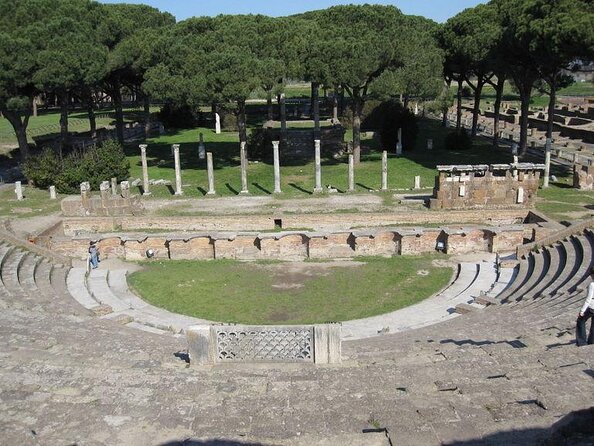
Once you arrive, expect about two and a half hours inside the Parco Archeologico di Ostia Antica. The pace is described as leisurely, but this remains an active walking tour. You will cross uneven ground, encounter stairs, and spend much of the time outdoors.
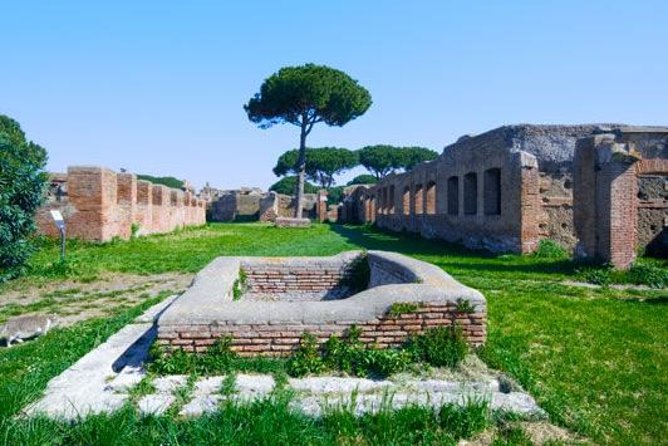
The route begins with the main street, Decumanus Maximus. In ancient cities, a major road is often the best place to start because it gives you a sense of scale and movement. Here, the street links many of the features that make Ostia so useful for understanding Roman town life.
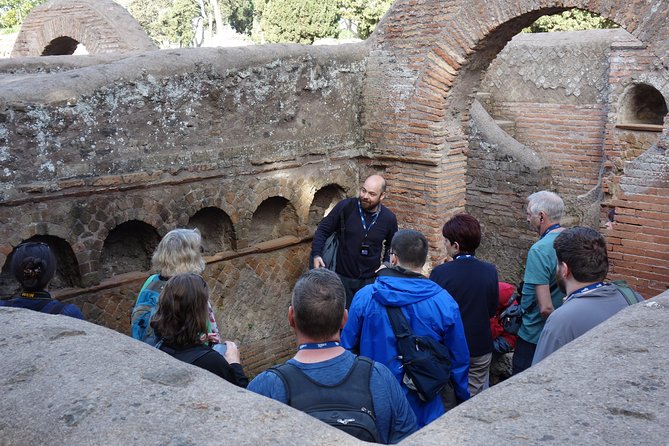
Your guide explains the remains as you go, pointing out how the buildings fit together. The strongest guides balance facts with storytelling. Alberto is repeatedly praised for clear explanations, humor, patience, and good timing. Cat is described as warm and well organized, while Rob is noted for keeping the group comfortable during very hot weather. Those details matter because an ancient site can quickly become a blur of walls without a guide who knows where to pause.
You may also see Roman statues lining the walkways and smaller structures that once served as shops and homes. These modest buildings are among the most rewarding parts of Ostia. They help you picture a city made of ordinary routines, not only emperors and military victories.
The Baths of Neptune and its striking mosaic
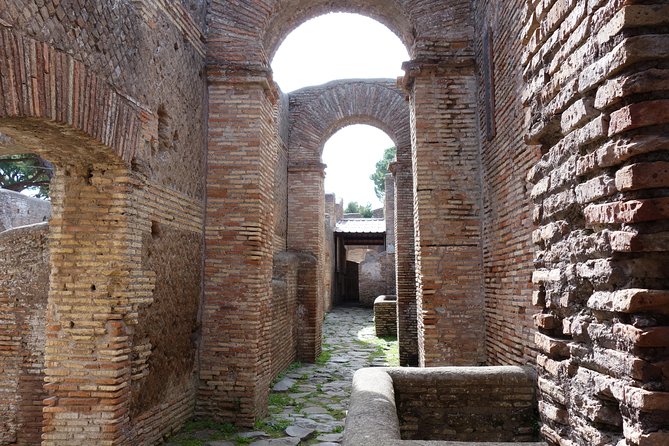
The Baths of Neptune are one of the clearest highlights on the route. The complex is crowned by a mosaic showing Neptune, the Roman god of the sea, riding behind a four-horse chariot. It is a memorable image in a city tied so closely to maritime trade.
The baths also show how public facilities shaped Roman life. Bathing was not just a private chore. It was part of the social rhythm of the city, and the remains give your guide a chance to explain how public buildings served large numbers of people.
This is one place where shade and pacing make a difference. On a hot day, you may be standing still while listening to a detailed explanation, and the sun can become tiring quickly. Several guides have been praised for choosing shady places to talk and for reminding people where they could refill water bottles. Bring water anyway, and wear shoes suited to rough ground.
More Ancient History Tours in Rome
- Colosseum Underground & Ancient Rome Guided Tour
★ 4.5 · 2,590 reviews - Pantheon Elite Guided Tour – Rome’s Iconic Ancient Temple
★ 5.0 · 1,447 reviews - Ancient Rome: Colosseum Underground Group Tour
★ 4.5 · 1,059 reviews - Colosseum Express Guided Tour and Ancient Rome Admission Included
★ 4.0 · 1,008 reviews
Sitting in the ancient amphitheater
The amphitheater dates to 12 BC and once held about 3,500 spectators. Compared with Rome’s giant arenas, it feels modest, but that is part of its charm. You can sit in the structure and look across the space where local audiences once watched performances.
The theater is a useful reminder that entertainment was woven into city life throughout the Roman world. It also gives you a fine vantage point for photographs and a short break during the walk.
The guide normally uses the amphitheater as one of the main stops, but the exact timing can depend on the group and site conditions. A well-paced visit should leave you enough time to appreciate the setting without turning every stop into a lecture.
Shops, apartments, temples, and the Forum of the Corporations
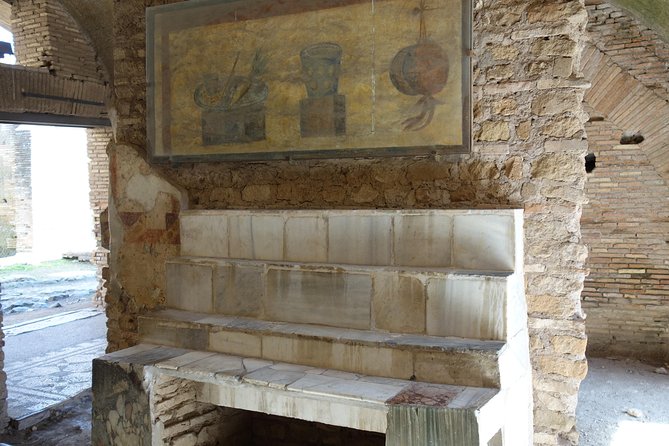
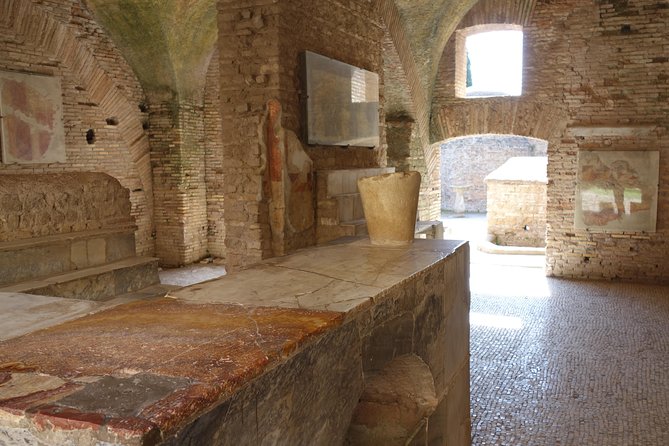
Ostia becomes most interesting when you move beyond the headline monuments. The ruins include taverns, apartment buildings, public baths, temples, and the Forum of the Corporations. These remains reveal how commerce and home life fitted around religious and civic spaces.
The Forum of the Corporations is especially important for understanding Ostia as a port. The city was not simply a residential suburb. It handled trade connected with Rome, and its public buildings reflect that working purpose.
The Collegiate Temple adds another piece to the picture. You will not see every part of the ancient city in a four-hour visit, but a guide can point out the key areas and explain what archaeologists have learned from them.
At the end of the formal tour, you may have the option to continue exploring on your own, including the museum, depending on the day’s timing and group arrangements. One person described the museum as a worthwhile final stop. Ask your guide how much time remains before deciding to stay longer or return with the group.
What the small group changes
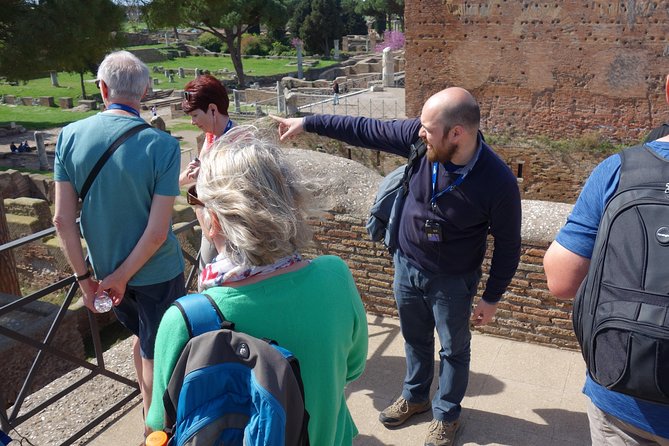
A maximum of 12 people is a useful middle ground. You get the structure of a guided tour without the feel of a large procession. It is easier to hear, easier to ask a question, and less likely that you will lose sight of the guide among the ruins.
The group size does not guarantee a private experience. The site is large, and the pace still needs to suit different ages and fitness levels. Families, couples, and solo visitors may all be together. The best guides adjust their explanations and make room for questions.
This is particularly helpful if you are visiting with teenagers. One strong family experience included a child who stayed interested because the guide made the ancient city understandable and entertaining. Another family liked the pace because the tour covered the major ruins without demanding a full day.
Price, timing, and overall value
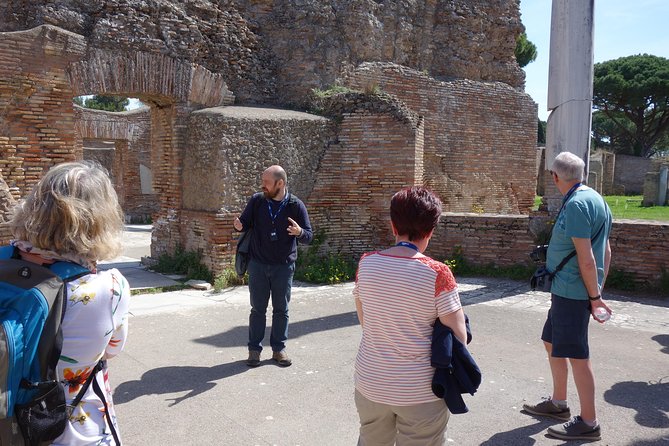
At $59.26 per person, the cost is fair for what is included. You receive an English-speaking guide, return train tickets, entry to Ostia Antica, and a four-hour organized experience. Buying those parts separately could be cheaper if you are comfortable handling the train, admission, route, and research yourself. The real value here is the interpretation and the lack of fiddling with logistics.
The tour is also time-efficient. You leave Rome, spend about two and a half hours at the site, and return in roughly half a day. That leaves room for another Rome activity later.
Some people may prefer to visit independently and buy an audio guide at the entrance. That option gives you control over the pace and lets you spend several extra hours exploring. It also means you must navigate the transport and decide which ruins deserve your time. If you want context without extensive preparation, the guided version earns its price.
The tour has an average booking lead time of about 64 days, so popular dates may fill well ahead of a Rome trip. Free cancellation is available up to 24 hours before the start time. If bad weather or insufficient numbers cancel the outing, you are offered another date or a full refund.
The guide matters more than the schedule
The site is consistently the star, but the guide shapes how much you take from it. Alberto receives repeated praise for his command of the subject, calm group management, humor, and ability to explain Roman life without overwhelming people. Barbara is praised for being friendly, thorough, and engaging. Cat is described as informative and approachable, while Laura Luongo is remembered for warmth, energy, and adjusting the route to suit the group.
Rob also receives strong praise for his storytelling and for protecting the group from the heat. Those are practical skills, not just academic ones. A hot archaeological site can wear you down, and clear pauses make a real difference.
The experience is not perfect every time. A few people found particular guides dull or too fast. One person with a knee problem felt ignored when the group moved ahead. That is an important warning: tell the guide at the start if you need a slower pace, and be realistic about the physical demands. The company has acknowledged complaints about guide performance and says it reviews those issues.
Because guide assignments vary, you cannot count on a particular person. Alberto, Cat, Rob, Laura, and Barbara have all received especially warm praise, but the company does not promise a specific guide. Your best protection is to state your needs early and ask questions when you need a pause or explanation repeated.
Who should book this Ostia Antica tour?
I would choose this outing if you want to understand Roman society beyond the major monuments in central Rome. It suits adults interested in archaeology, families with older children, and anyone who wants a quieter ancient site without committing an entire day to Pompeii.
It is also a smart choice if Pompeii does not fit your schedule. Ostia gives you a substantial Roman city experience with less travel time and a lower level of crowd pressure.
You may prefer another option if you have limited mobility, dislike uneven paths, or want to explore independently for several hours. The site requires a moderate level of fitness, and the tour does not include hotel transportation. Ask about the walking pace at the beginning rather than waiting until you are already tired.
Should you book it?
Book this tour if you want a well-organized half-day outing, appreciate clear historical context, and would rather follow a guide than manage the train and archaeological park alone. The included transport and admission keep the $59.26 price reasonable, while the small group makes the experience more personal than a large sightseeing bus.
Skip it if you want complete freedom, a very slow pace, or a long self-guided exploration. For most people with enough stamina for uneven ground, Ostia Antica is one of Rome’s most rewarding side trips, and a strong guide can turn a field of ruins into a believable ancient neighborhood.
FAQ
Where does the Ostia Antica tour begin?
The meeting point is Piazza Ostiense, 11, 00154 Rome, near the Piramide metro station. Hotel pickup and drop-off are not included.
How long does the experience last?
The tour lasts about four hours in total. The guided visit inside Ostia Antica takes approximately two and a half hours, though outside factors may occasionally extend the schedule.
Are train tickets included?
Yes. The guide provides train tickets for the journey from Rome to Ostia Antica and the return trip to Rome.
Is admission to Ostia Antica included?
Yes. The entrance ticket to the archaeological site is included in the tour price.
How large is the group?
The tour has a maximum of 12 people. It is described as a semi-private experience.
What happens if I need to cancel?
You can cancel at least 24 hours before the start time for a full refund. Cancellations or changes made less than 24 hours before the experience are not accepted for a refund. If poor weather or insufficient numbers cancel the tour, you are offered another date or a full refund.
More Private History Tours in Rome
- Rome: Colosseum Arena Private Tour with Ancient City
★ 4.9 · 75 reviews - Rome: Private Colosseum Experience and Ancient Ruins Tour
★ 4.6 · 25 reviews
More Private History Tours in Italy
- Colosseum & Ancient Rome Semi-Private Tour
★ 5.0 · 208 reviews - Private Rome Food Tour in the Historic Centre with 8+Tastings
★ 5.0 · 135 reviews - Private Colosseum & Ancient Rome Family Tour for Kids
★ 4.8 · 124 reviews - Ancient Appian Way PRIVATE Bike Tour
★ 5.0 · 89 reviews
Just added around Rome
- Rome: Colosseum and Ancient Rome Guided Walking Tour★ 4.5 · 95 reviews
- Secrets of Rome: Historical True Crime Small Group Tour★ 4.9 · 85 reviews
- Rome: Private Colosseum Experience and Ancient Ruins Tour★ 4.6 · 25 reviews
- Rome Secrets: Dark History & Tasty Bites Tour★ 5.0 · 37 reviews
- Rome: Guided Tour of Colosseum and Ancient Rome★ 4.9 · 74 reviews
- Rome: Rome at Night Evening Historical Walking Tour★ 4.9 · 24 reviews
- Rome: Colosseum with Access to Arena Floor and Ancient Rome★ 4.2 · 320 reviews
- Rome: Food Tour of the Historic Center with Rooftop Spritz★ 4.7 · 43 reviews
Ancient Rome & Colosseum Tours, compared.
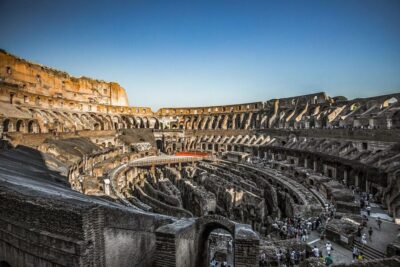
Colosseum: Underground and Ancient Rome Tour
Read our review →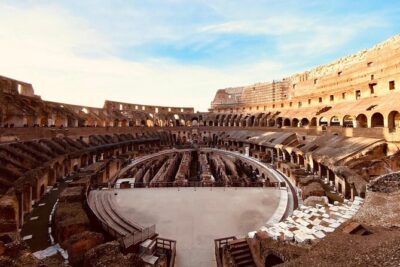
Colosseum with Arena, Roman Forum and Palatine Guided Tour
Read our review →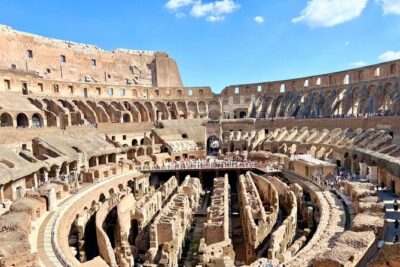
Colosseum with Arena, Roman Forum and Palatine Hill Guided Tour
Read our review →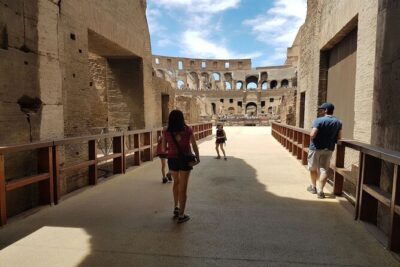
Colosseum & Ancient Rome with Arena Floor Option I Max 6 People
Read our review →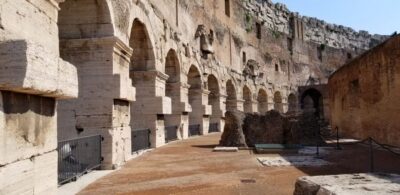
Colosseum, Ancient Rome Tour or AudioGuided Tour
Read our review →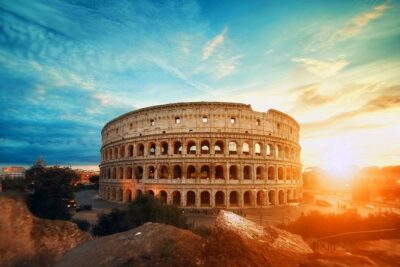
Colosseum Underground & Ancient Rome Guided Tour
Read our review →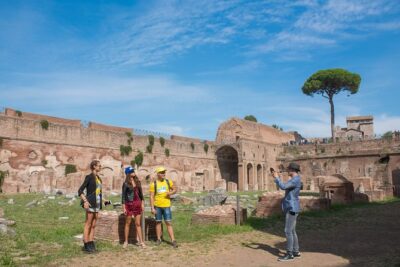
Colosseum Arena, Roman Forum & Palatine Hill Tour
Read our review →