
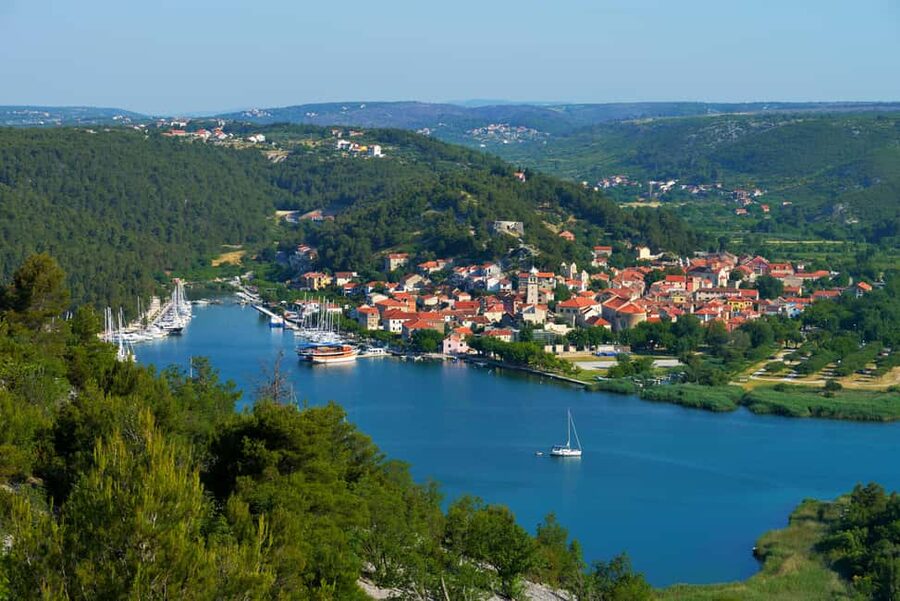
Review · DALMATIA
Šibenik: Croatia in a Day, Vistas, History, Olive Oil, Wine
Croatia reveals itself beyond the coast. This six-hour outing from Šibenik combines striking hilltop views with family-made olive oil, local wine, Dalmatian food, and stories of wars and changing borders. I especially like the personal feel of the family olive mill and the fact that the tour leaves the usual coastal sights behind. I also like the small group, limited to eight people, which makes the minibus and tastings more relaxed. The main consideration is timing: the day runs through several stops, so this is better for curious sightseers than anyone wanting a slow afternoon at one place.
Guide Neil, also described as Dr. Neil, is a major part of the appeal. His storytelling covers Croatian history, olive oil, health, culture, and daily life without turning the drive into a lecture. One practical note: the experience is advertised as six hours, from about 11:30 to 17:30, although the information also refers to five hours. Allow the full six-hour window.
Key details before you book
- Okit Hill views: Look across olive groves, vineyards, the Dalmatian hinterland, and the Kornati Archipelago from the hilltop sanctuary of Gospe od Karmela.
- Five-oil tasting: Learn how to compare award-winning extra virgin olive oils by aroma, balance, flavor, and finish.
- Family-run olive mill: Visit Uljara Lepur, walk through the grove, and see modern cold-press production rooted in local tradition.
- History beyond the postcard: Hear about more than 2,000 years of conflict and political change at Okit and Kaštel Benković.
- Local food and wine: Taste Croatian sparkling wine, one red, two white wines, and Dalmatian bites, with an optional €20 cold buffet lunch.
- Small-group format: Travel in an air-conditioned minibus with no more than eight participants, with optional pickup from your accommodation.
Leaving Šibenik for the Dalmatian hinterland

The meeting point is the central bus station in Šibenik, where you look for a silver Opel minibus. Pickup can also be arranged from your accommodation, which is useful if you are carrying shopping bags, staying outside the old center, or simply prefer not to find a bus station in the late morning.
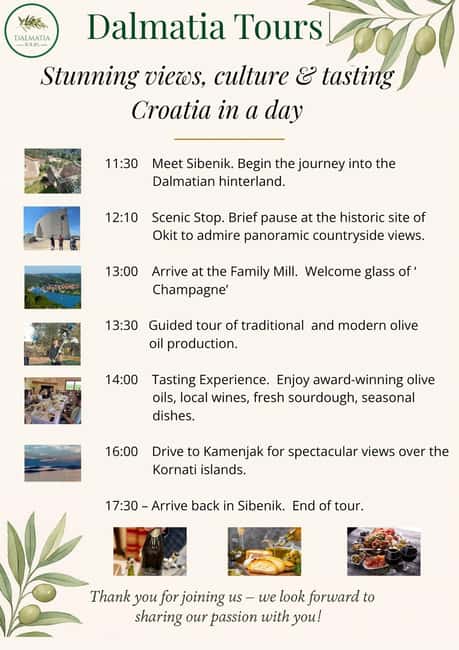
The tour usually begins around 11:30. After a short five-minute safety briefing, you travel inland for about 15 minutes. This first stretch gives Neil time to explain the plan and begin placing the region in context.
The group limit of eight matters here. You are not being moved through the countryside on a large coach. The air-conditioned minibus keeps the outing friendly and practical, especially during Croatia’s hot summer months. Still, road time is part of the experience, and you should expect several transfers between stops.
This is not a tour built around a single grand monument. It is a series of smaller encounters that connect geography, conflict, agriculture, and food. If you prefer a tightly timed city walk with one major sight after another, the pace may feel scattered. If you like seeing how a region fits together, the route makes good sense.
More Wine Tours in Croatia:
- Dubrovnik Old Town: Night tour with History, Wine & Bites
★ 4.7 · 59 reviews - Lumbarda: Half-Day Kayaking and History with Wine delight
★ 5.0 · 49 reviews - Douro Valley: Historical Sites, Wine Experience, Lunch & Cruise
★ 5.0 · 5,133 reviews
Okit Hill and views toward the Kornati Archipelago
The first main stop is Svetište Gospe od Karmela, the sanctuary on Okit Hill. You have roughly 15 minutes for sightseeing, so this is a viewpoint stop rather than a long religious or architectural visit.
The reward is the view. From the hill, you can see across olive groves, vineyards, and the Croatian hinterland toward the glittering Kornati Islands. The contrast is useful: Šibenik is known for its coast, but this vantage point shows how quickly the scenery changes once you move inland.
Neil uses Okit to explain more than scenery. The hill gives him a natural place to discuss over 2,000 years of regional history, including the wars, political shifts, and struggles that shaped the area. Croatia’s past is not a neat sequence of ancient ruins followed by modern tourism. This strategic meeting point between coast and interior has seen repeated upheaval.
The stop is short, so wear shoes that are comfortable on uneven ground and be ready to take your photographs quickly. The sun can be strong, and shade may be limited. The broad view is the point, not a lengthy visit inside the sanctuary.
Kaštel Benković and the region’s turbulent past
After about 30 minutes on the road, you reach Kaštel Benković for a guided visit lasting roughly 35 minutes. This historic site adds a more tangible setting to the history introduced at Okit.
The tour presents Dalmatia as a strategic crossroads. Coastal towns, inland villages, trade routes, armies, and political powers all affected one another here. The details are especially useful if you have visited Šibenik but still feel that Croatian history is a blur of names and empires.
Neil’s style is one of the strongest parts of the experience. His explanations have been praised for being clear, entertaining, and easy to follow, even when the subject turns to long periods of war and political strife. He connects the large events to the region and to ordinary life, which keeps the history from feeling like a list of dates.
This stop may appeal most to you if you want more than pretty views. It is not presented as a full museum visit, and the time is limited. Think of Kaštel Benković as a focused history lesson in a physical setting, not an exhaustive tour of every room and artifact.
Uljara Lepur, where olive oil becomes the main event
After another short transfer, the tour reaches Uljara Lepur. You spend about an hour and a half here, followed by a separate 30-minute lunch period if you choose the optional meal.
This is the heart of the outing. You begin with a welcome glass of local sparkling wine, sometimes described as Dalmatia’s answer to champagne. The tasting starts in a convivial way, but the visit quickly becomes educational.
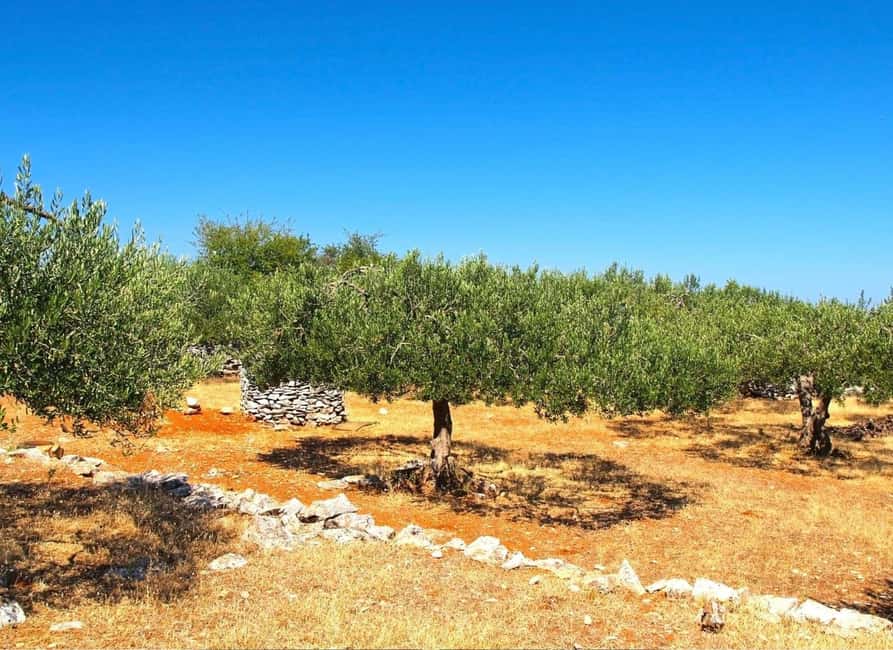
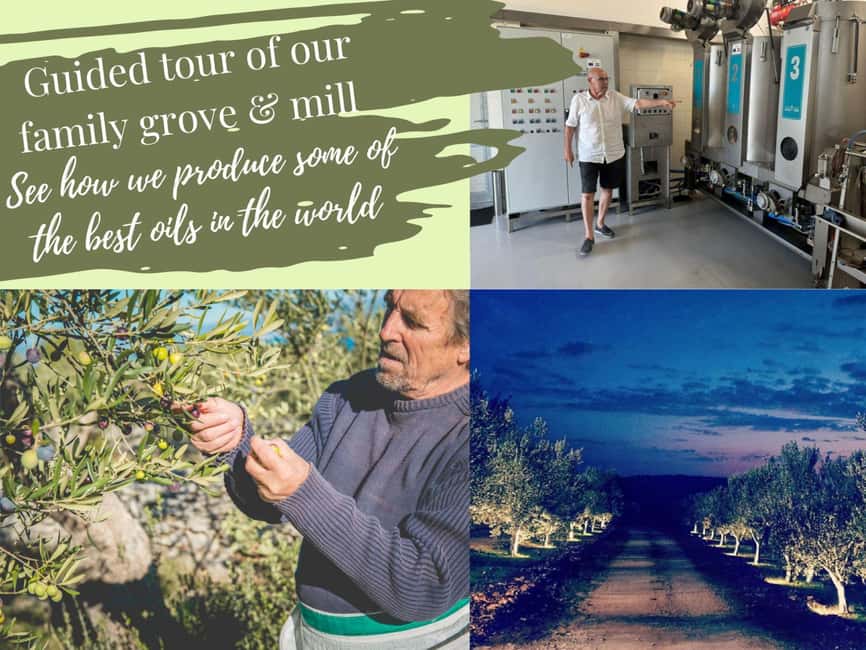
You walk through the olive grove and learn how soil, weather, cultivation, and local practice affect the oil. Depending on the day and group, the grove may be explored on foot or by vehicle. One particularly memorable visit included a ride through the trees in a 40-year-old British fire engine, an unusual detail that gives you an idea of the family-run character of the place. That vehicle is not presented as a guaranteed part of every departure, so treat it as a possible extra rather than a promise.
The family connection is important. Brane Lepur welcomes the group and explains the property and production, while the visit can also include time with members of his family. The setting feels personal rather than staged, and the hospitality is a major reason this stop has such staying power.
Inside the mill, you see how olives are turned into oil using modern cold-press methods. The process is linked to generations of experience, but the equipment is current. That combination helps explain why the tasting is more useful than simply dipping bread into a few bottles.
A few more history tours around Croatia worth a look
- Dubrovnik Old Town History Walking Tour
★ 5.0 · 1,684 reviews - Dubrovnik: Ancient City Walls & Wars Walking Tour
★ 5.0 · 1,270 reviews - Zagreb: City & History Walking Tour & WW2 Tunnels
★ 4.9 · 1,202 reviews - Walking Tour of Split with a ‘Magister’ of History
★ 5.0 · 1,122 reviews
How to taste five olive oils
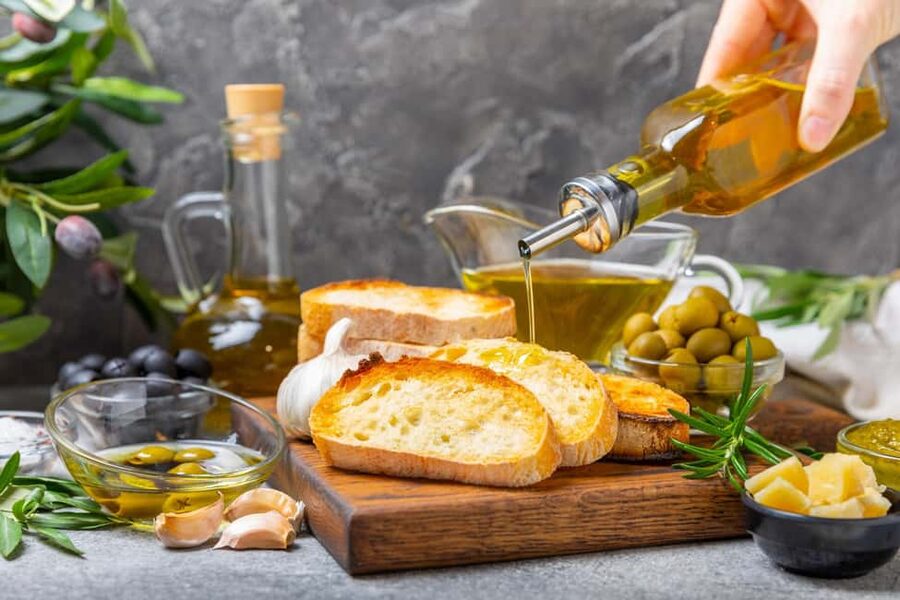
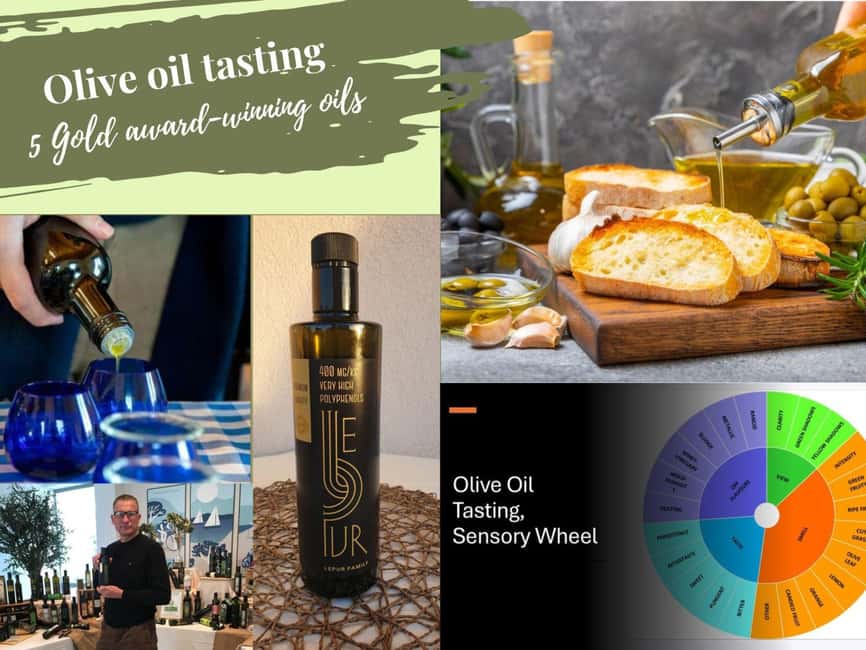
The guided tasting includes five olive oils, including award-winning varieties. You learn to compare aroma, balance, flavor, and the feel of the oil in your mouth.
If you normally reach for the cheapest bottle on the supermarket shelf, this is a worthwhile lesson. You begin to notice that oils can differ in freshness, pepperiness, fruit character, and finish. The point is not to tell you that one style suits everyone. It is to give you a better way to judge what you like and why.
The tour also explains the health benefits associated with quality olive oil. Information shared during the visit includes its links to heart health, stroke prevention, dementia prevention, and other age-related concerns. You should treat these as general health information rather than personal medical advice, but the subject adds meaning to the tasting.
Dalmatian olive oil is not just a souvenir flavor. It is part of the region’s food culture and farming economy. Learning how the oil is made helps you understand why locals drizzle it over vegetables, seafood, cheese, and meat rather than treating it as a minor cooking ingredient.
You can buy oil to take home after the visit. That is a practical advantage because you can taste first and purchase with some confidence. Pack it carefully if you are continuing through Croatia, and check your airline rules if you plan to place bottles in checked luggage.
Croatian wine and Dalmatian food at the mill
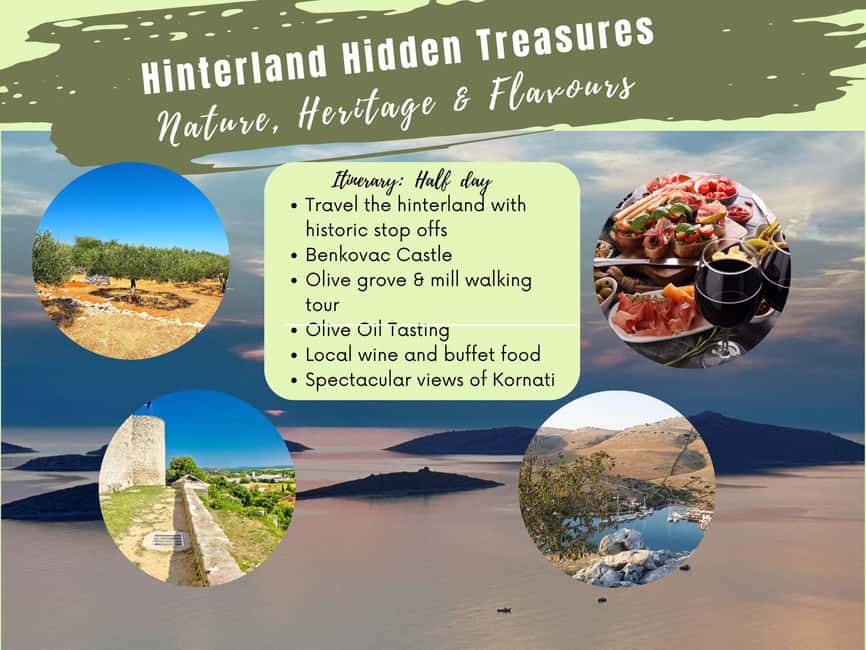
The oil tasting is paired with local food and wine. The included drinks consist of the welcome Croatian sparkling wine, one red wine, and two white wines made from native Croatian grape varieties.
The wines give the tasting a wider regional frame. You are not only comparing oils in isolation. You are seeing how they work with local flavors and how wine reflects the soil and farming traditions of Dalmatia.
Tasty bites are included with the tasting. The exact selection can vary, but the focus is locally produced Dalmatian food. Expect the food to support the tasting rather than function as a full restaurant meal unless you pay for the optional lunch.
The extra lunch costs €20. It is a cold buffet, with dishes that may include meats, seafood, cheeses, fruit, and vegetable preparations. Wine is served with the meal and can be matched to your preferences. This is a sensible add-on if you want to make the olive mill the main meal of the day.
I would not skip lunch if you normally need a substantial midday meal. The tasting bites may be satisfying for some people, but the day continues with more driving and sightseeing. The buffet also gives you more time to talk with the hosts and enjoy the relaxed family setting.
Kamenjak and the final view over Lake Vrana
After the mill, you travel for about 30 minutes to Lake Vrana. The route ends at Kamenjak Nature Park, high above the lake, with about 10 minutes for a photo stop and sightseeing.
This final viewpoint brings the day back to the scenery. From above Lake Vrana, you look toward the Kornati Archipelago and across one of Dalmatia’s broadest panoramas. After the history and tastings, it is a quiet way to take stock of the region.
The stop is brief, so do not expect a hike through the nature park. You have time for photographs and a look around before the final transfer. That short visit works well as a closing scene, though anyone hoping for a longer nature walk may find it too quick.
The combination of Okit and Kamenjak is one of the smartest features of the route. The first view introduces the countryside and islands. The last view lets you see them again after you have learned about the farms, families, and conflicts that shaped the area.
What the $64 price really covers
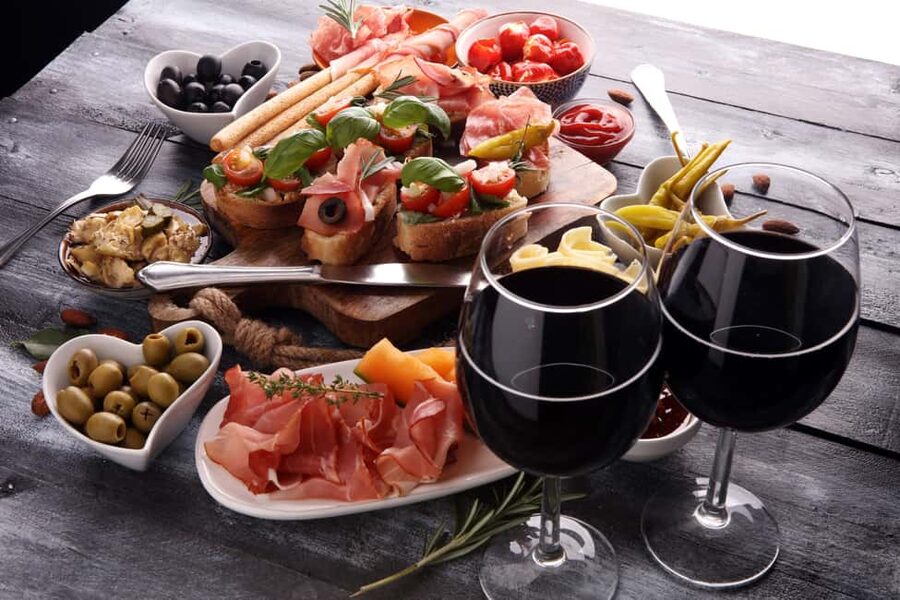
At $64 per person, the price is strong for a six-hour small-group outing. The fee includes transport, a guide in English, the hilltop and historic stops, the olive grove and mill visit, instruction on five oils, sparkling wine, three additional wines, and local tasting food.
The value comes from the combination. A simple transfer to a viewpoint would not justify the price. A basic olive oil tasting alone might feel limited. Put together, the transport, history, food, wine, and family-hosted mill create a fuller half-day.
The €20 lunch is extra, so your total rises if you choose it. Even with lunch, the outing can make sense for anyone who would otherwise pay separately for a countryside transfer, a tasting, and a meal. You should compare it with your own plans rather than assume every included item has equal value.
The strongest value is for people who want context. You are not just sampling a product. You are learning why olive trees grow here, how the oil is produced, how local food uses it, and how the region’s past shaped the people who live there.
Who will enjoy this Šibenik day trip most?
I would choose this tour if you like small groups, local food, regional history, and conversations with the people who make what you taste. It suits couples, friends, and families with older children who want an outing beyond the main coastal sights.
Children under 12 are not accepted, and the activity is not suitable for people over 95. The official language is English, and the maximum group size is eight.
The tour also works well for repeat visitors to Croatia. If you have already seen Šibenik’s old town and want a different side of the area, the inland route offers a useful change of pace. It is also a good fit if you have limited time but want more than a standard panoramic drive.
I would be cautious if you dislike tastings, have no interest in olive oil, or want a long, unhurried nature walk. The route includes several transfers, short sightseeing stops, and a central tasting visit. The experience is social and informative, not a quiet solo escape.
Hot weather is another factor. The minibus is air-conditioned, but the viewpoints and grove can be exposed. Bring water, sun protection, and shoes suitable for walking around an olive property.
Booking, timing, and a few practical points
Plan for a start around 11:30 and a finish around 17:30. The published schedule includes several transfers, with stops at Okit, Kaštel Benković, Uljara Lepur, and Lake Vrana before drop-off.
Pickup is available from selected locations and can be arranged from your accommodation. The central meeting point is the Šibenik bus station. The operator sends a WhatsApp message or another message before departure to confirm details, so respond promptly.
The tour offers free cancellation up to 24 hours before departure and allows you to reserve now and pay later. Those terms help if your Croatia itinerary is still shifting.
The experience has a 5 out of 5 rating based on 30 ratings, with particularly strong praise for Neil’s storytelling, the family hospitality at the olive mill, and the value of the food and tastings. One practical warning is that cancellations can happen, so keep your phone available for messages and maintain a little flexibility in your schedule.
Should you book this Dalmatian countryside tour?
Book it if you want to understand Dalmatia through its food, farms, viewpoints, and difficult past. The olive mill is the clear centerpiece, and Neil’s history lessons give the drive and historic stops purpose.
Skip it if you want a beach day, a long hike, or a major monument with plenty of time for independent exploration. For everyone else, $64 is a fair price for a personal half-day that combines transport, five-oil instruction, Croatian wine, local food, and views that reach toward the Kornati Islands.
Adding the €20 lunch makes the day easier and more satisfying, especially if you prefer not to search for food afterward. I would also leave room in your suitcase for a bottle of oil. This is the sort of outing that can leave you with both a better sense of Croatia and a useful souvenir for the kitchen.
FAQ
How long does the tour last?
The experience is scheduled for about six hours, generally from 11:30 to 17:30. Some information describes it as five hours, so you should allow the full six-hour period.
Where does the tour meet?
The main meeting point is the central bus station in Šibenik. Pickup from your accommodation is available as an optional arrangement.
What is included in the olive oil tasting?
You taste five olive oils and receive guidance on aroma, balance, flavor, and health-related properties. The visit also includes a guided walk through the olive grove and a tour of the mill.
Which wines are included?
The tasting includes a welcome glass of Croatian sparkling wine, one red wine, and two white wines made from native Croatian grape varieties.
Is lunch included?
A selection of local tasting bites is included. A fuller cold buffet lunch costs an additional €20 and may include meats, seafood, cheeses, fruit, and vegetable dishes, with Croatian wine.
How large is the tour group?
The group is limited to eight participants and travels in an air-conditioned minibus. The live tour is conducted in English.
Can I buy olive oil after the tour?
Yes. You can purchase olive oil to take home after the tasting and mill visit.
Just added around Croatia
- Dubrovnik: Red History Museum Regular Ticket★ 4.6 · 134 reviews
- Pula: Historic Sites Guided Walking Tour★ 4.8 · 78 reviews
- Pula: Historic Walking Tour with Local Guide & City Views★ 4.8 · 214 reviews
- Lumbarda: Half-Day Kayaking and History with Wine delight★ 5.0 · 49 reviews
- Experience Split History Walking Tour With Local Historian★ 5.0 · 28 reviews
- Dubrovnik: Small-Group Guided Old Town History Walking Tour★ 4.9 · 37 reviews
- Dubrovnik Old Town: Night tour with History, Wine & Bites★ 4.7 · 59 reviews
- Dubrovnik: Historical Tour with Game of thrones details★ 4.9 · 43 reviews
Wine Tours, compared.

Douro Valley: Historical Sites, Wine Experience, Lunch & Cruise
Read our review →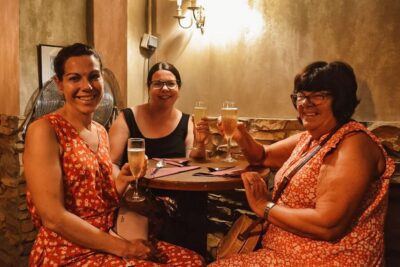
Tapas Walking Tour with Food, Wine, and History
Read our review →
Live Fado Show with Port Wine in Historic Center
Read our review →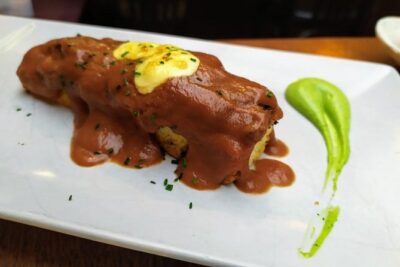
Sevilla Food Tour: Tapas, Wine, History & Traditions
Read our review →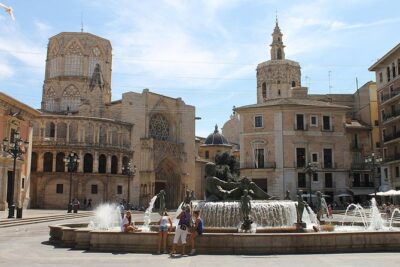
Valencia Old Town Tour with Wine & Tapas in 11th Century Historic Monument
Read our review →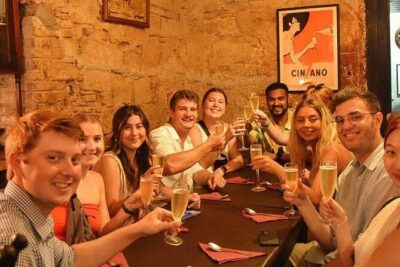
Barcelona Tapas Walking Tour: Food, Wine & History
Read our review →
Ultimate Seville Tapas, Wine & History Small Group Tour
Read our review →
Browse the lists this tour appears in