
Review · DALMATIA
Dubrovnik: Red History Museum Regular Ticket
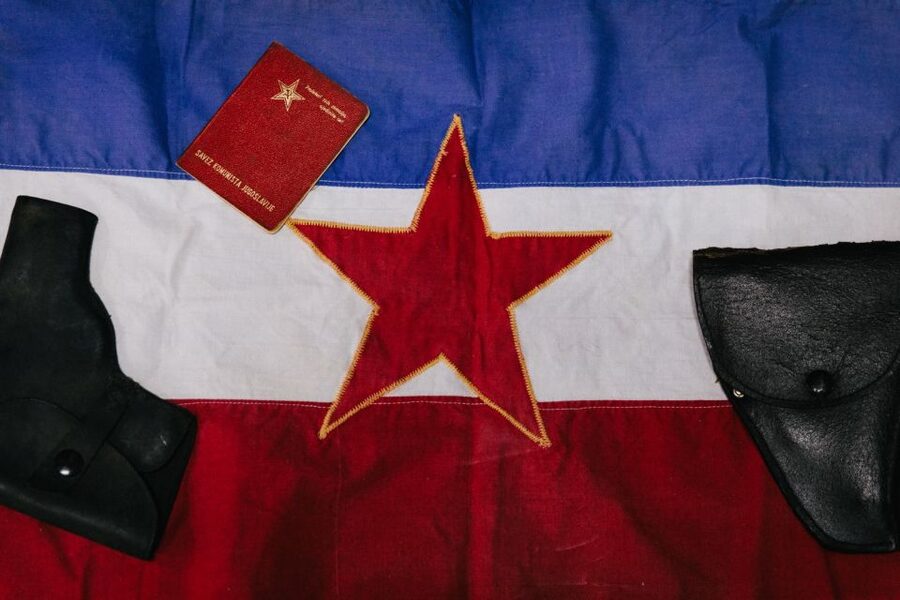
Communist Croatia comes alive in an old factory. The Red History Museum gives you a clear, hands-on look at life under Yugoslav rule, using household objects, photographs, music, politics, and everyday products rather than only dates and speeches. I especially like the reconstructed home, which makes the period feel personal, and the chance to sit in a Yugo 45, the famously unloved car of its time. The main drawback is its size: this is a compact museum, so anyone hoping for a long, sweeping history lesson may finish sooner than expected.
I also like the mix of serious material and lighter touches, including socialist versions of Coca-Cola and Fanta. The displays are easy to explore at your own pace, though a few digital features may need clearer instructions. One visitor had trouble getting the virtual scanned images to work, so do not count on every interactive station behaving perfectly.
Key things to know before you go
- The museum occupies a 1953 factory complex: You visit the last factory complex in Dubrovnik, the T.U.P. site in the port area.
- The Yugo 45 is part of the experience: You can sit in the famous small car and take a photo.
- The displays cover more than politics: Expect design, music, consumer goods, secret agencies, art, and the Non-Aligned movement.
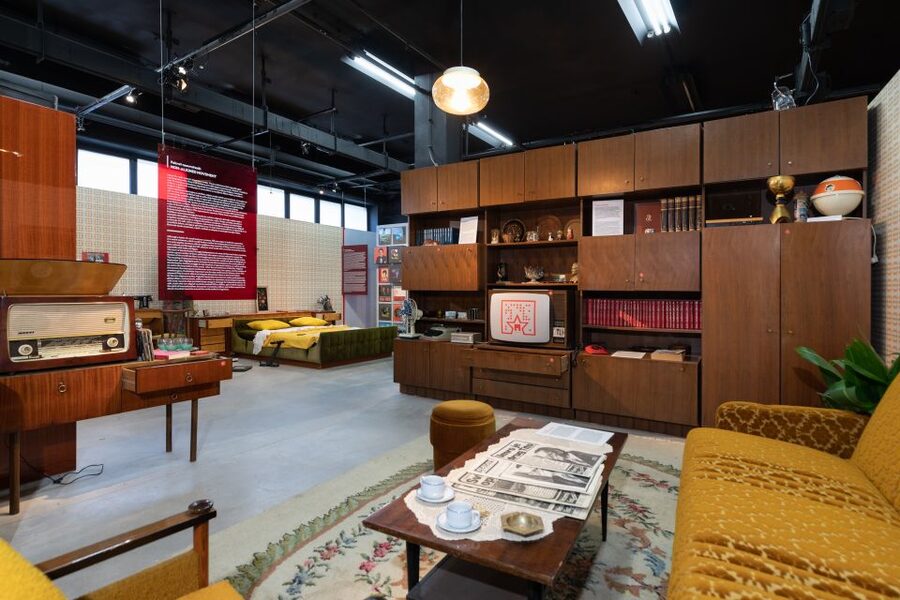
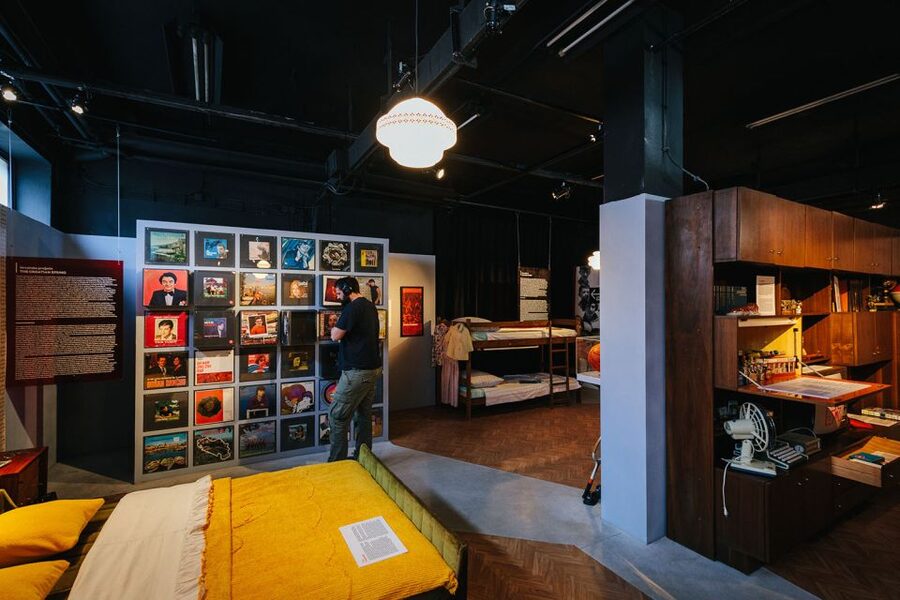
- A reconstructed home makes the period personal: Old furniture and household details show how people lived in Yugoslavia during the 1970s and 1980s.
- The museum uses both old and new technology: Physical objects carry much of the story, while digital elements add another layer.
- The $11 admission offers a focused history lesson: It is good value if you want context for modern Croatia, but less useful if you only want Dubrovnik’s medieval story.
A different side of Dubrovnik in the T.U.P. factory
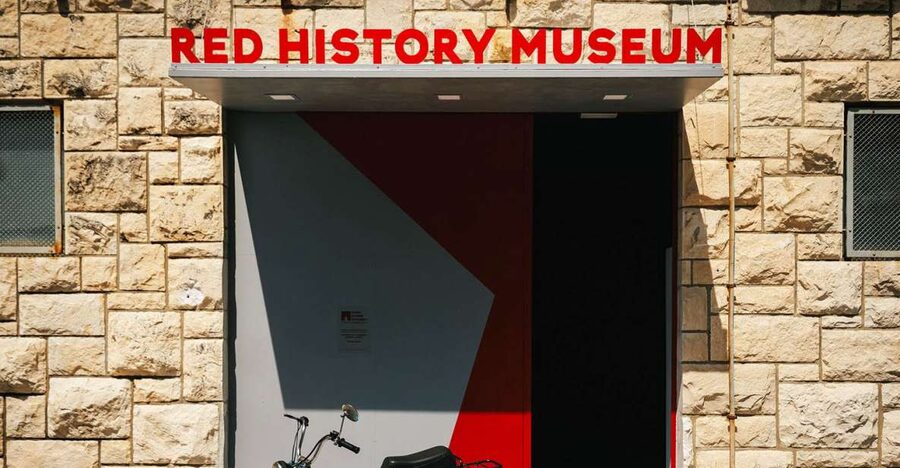
Most people come to Dubrovnik for stone walls, sea views, and old churches. The Red History Museum takes you to a different part of the city, the port area, and asks you to think about the country’s recent past.
The museum is housed in T.U.P., a factory complex built in 1953. That setting matters. You are not looking at Yugoslav history in a polished modern gallery with no connection to working life. You are entering a place tied to the industrial period itself.
The museum describes itself as the first in Croatia devoted to the country’s communist history. That gives the visit a clear purpose: help you understand how Yugoslavia worked and why present-day Croatia developed as it did.
You will not get a complete history of every decade in equal detail. Instead, the museum builds an accessible picture of daily life under the Communist Party. It asks what people watched, bought, listened to, wore, feared, and hoped for.
That approach makes the museum useful even if you know little about Yugoslavia. You can follow the displays through familiar objects and images before tackling larger subjects such as politics, secret agencies, and foreign relations.
More Museum and Gallery History Tours in Dubrovnik:
- Paris: Louvre Museum Entry with History of Mona Lisa
★ 3.9 · 2,823 reviews - Venice’s Best: Basilica, Doge’s Palace, Gondola & History Gallery
★ 4.5 · 2,478 reviews - Guided African American History Tour with Reserved Museum Entry
★ 4.5 · 1,180 reviews
Start with daily life, not just political dates
The strongest part of the museum is its attention to ordinary life. Rather than treating communism as a set of government policies, it shows how the system reached into the home.
A reconstructed house gives you a feel for Yugoslavia in the 1970s and 1980s. Old furniture helps turn an abstract period into something you can picture. A chair, cabinet, television, or household item can tell you more about habits and expectations than a wall of formal political text.
This is especially helpful if you are visiting with children or with someone who does not know much about Balkan history. The objects provide an easy starting point for questions. What did a normal home look like? What products were available? What did people listen to? How much did the state shape everyday choices?
The museum also presents both the appealing and difficult sides of socialist life. That balance is important. You can see the sense of shared identity and distinctive Yugoslav culture, but you also encounter surveillance, political control, and the limits placed on personal freedom.
The result is not a simple story of good or bad. It is a look at a system that offered its own version of modern life while keeping people under the watch of the Communist Party.
The Yugo 45 turns history into a photo
The Yugo 45 is one of the museum’s most memorable objects. You can sit inside the small car and take a picture, which gives the visit a playful moment without losing its historical value.
The car is often remembered as the worst car ever, and the museum uses that reputation with a light touch. It also shows how consumer goods become symbols. A car is not just transport. It can represent national industry, status, frustration, pride, and the limits of what people could buy.
This display works because you do not need a technical background to understand it. You can simply look at the car, imagine daily life around it, and then connect it to the larger story of Yugoslav production and consumption.
The photo opportunity is useful for families and younger visitors, who may not spend long studying political material. It also keeps the museum from feeling too solemn. The humor helps you stay engaged while the wider story remains serious.
Socialist pop culture, drinks, and familiar brands
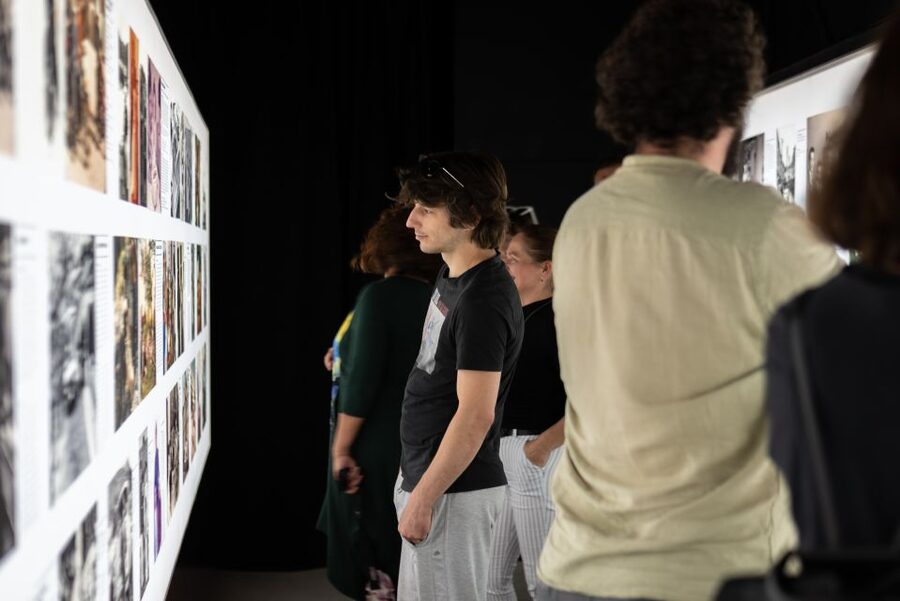
The museum does a good job showing that political systems appear in everyday entertainment and design. Music, art, products, and visual style all help explain how Yugoslavia presented itself to its people and to the outside world.
You can listen to popular music from the period, which adds atmosphere without requiring a long explanation. The sound helps you think about the culture people actually lived with, not only the official slogans printed in textbooks.
The consumer products are another highlight. At the end, you can see or try communist-era versions of familiar drinks and sweets, including socialist versions of Coca-Cola and Fanta. The idea feels like a parallel universe: recognizable branding, but shaped by a different economic and political system.
This is a small detail, yet it makes the visit memorable. You may understand shortages, local production, and restricted access to Western brands more easily through a bottle or candy than through a paragraph of text.
The museum also looks at design. Packaging, furniture, posters, and household objects show how Yugoslav visual culture differed from both Western consumer culture and the stricter Soviet model many people imagine when they hear the word communism.
More Entry Tickets in Dubrovnik:
- Edinburgh: Edinburgh Castle Guided History Tour with Tickets
★ 4.8 · 9,933 reviews - Taormina: Ancient Theater Skip-the-Line Ticket & Audio Guide
★ 4.5 · 2,412 reviews - Historic Milan Tour with Skip-the-Line Last Supper Ticket
★ 4.5 · 1,976 reviews - Prague: Hop-on Hop-Off Historical Tram Ticket for Line 42
★ 4.1 · 1,702 reviews
Politics, secret agencies, and the Non-Aligned world
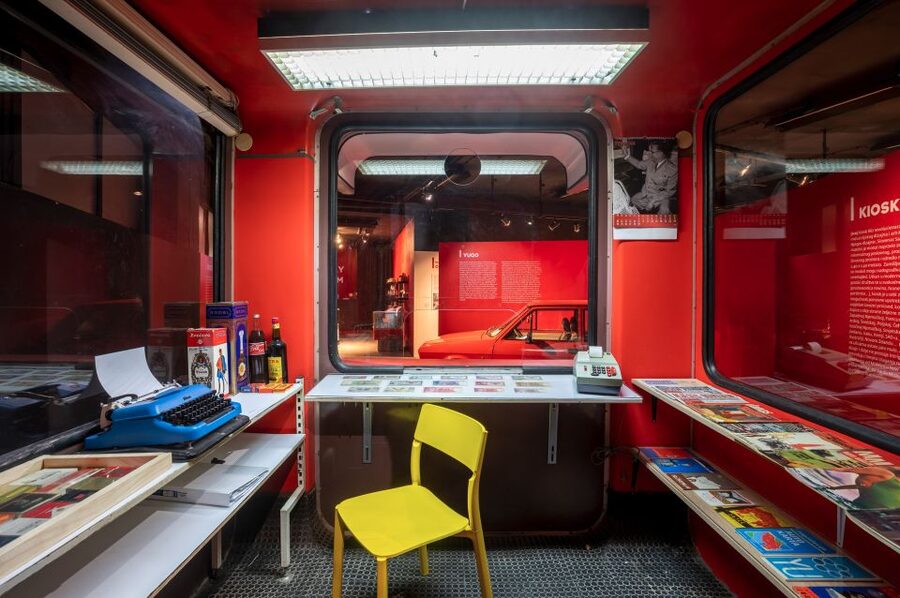
The museum does not stop at nostalgia. It also covers the harder political subjects that shaped Yugoslav life.
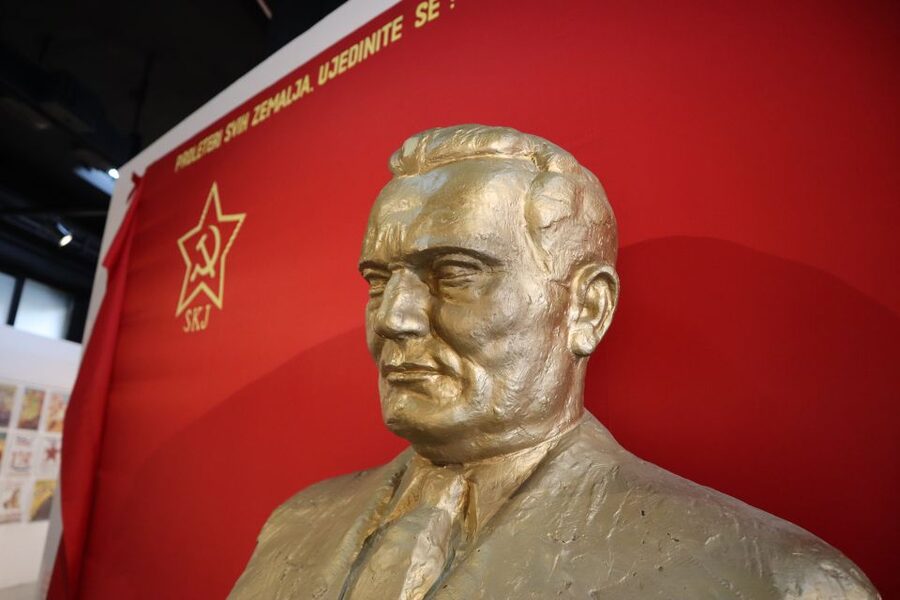
You will encounter information about the Communist Party and the watchful nature of the state. The section on secret agencies adds a darker edge, showing that daily life existed alongside fear, surveillance, and political pressure.
Material about Goli Otok is placed behind curtains. That arrangement is effective because it signals that this is a subject requiring care. Goli Otok was a notorious prison island connected with political repression in Yugoslavia, and the museum gives you a chance to consider that side of the system rather than only its music, furniture, and consumer products.
You also learn about the Non-Aligned movement. This is one of the more useful parts for understanding Yugoslavia’s place in the world. The country did not fit neatly into the usual Cold War boxes, and its international position affected politics, travel, trade, and national identity.
If you already know a lot about Yugoslav history, these sections may feel brief. If the subject is new to you, they give you a strong set of starting points for further reading.
Old objects and new technology work together
The museum combines physical displays with digital material. Old furniture, photographs, records, products, and other objects give the visit a solid foundation. Technology then adds another way to access stories and information.
That combination suits the subject. Yugoslavia is recent enough that memories, photographs, and household items still carry emotional weight. At the same time, younger people often understand the past more easily when they can interact with it rather than only read about it.
The virtual scanned images are a good idea, but they may not always be obvious to use. Instructions could be clearer, and one digital station did not work properly for a visitor. I would treat these features as an extra, not the main reason to visit.
The museum remains worthwhile even if you skip a digital element. The strongest material is physical and visual, especially the home reconstruction, the Yugo, the photographs, and the everyday products.
How much time should you allow?
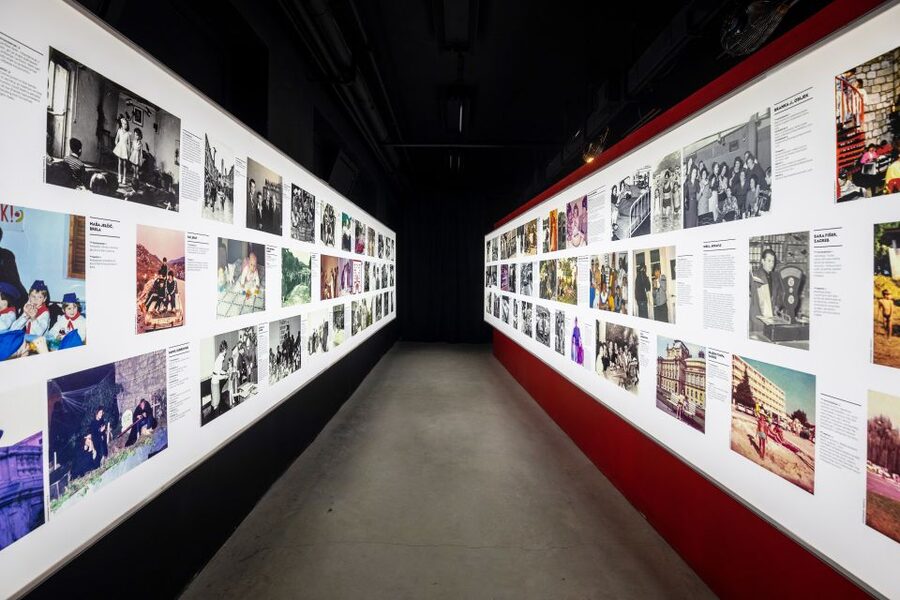
No visit length is provided, so I would avoid planning your entire day around the museum. It is described as a small museum, and the compact size is part of its appeal.
You can expect a focused visit rather than an all-day institution. That makes it a practical choice when you want a history stop between other Dubrovnik plans. You can take your time with the displays, listen to the music, study the objects, and still keep the experience manageable.
If you read every panel and explore each interactive feature, you will get more from the visit. If you move quickly, you may come away with the basic idea but miss the links between politics, consumer life, and culture.
I would not rush the reconstructed home or the sections on Goli Otok and the Non-Aligned movement. Those areas add depth beyond the more obvious photo stops.
Is the $11 ticket good value?
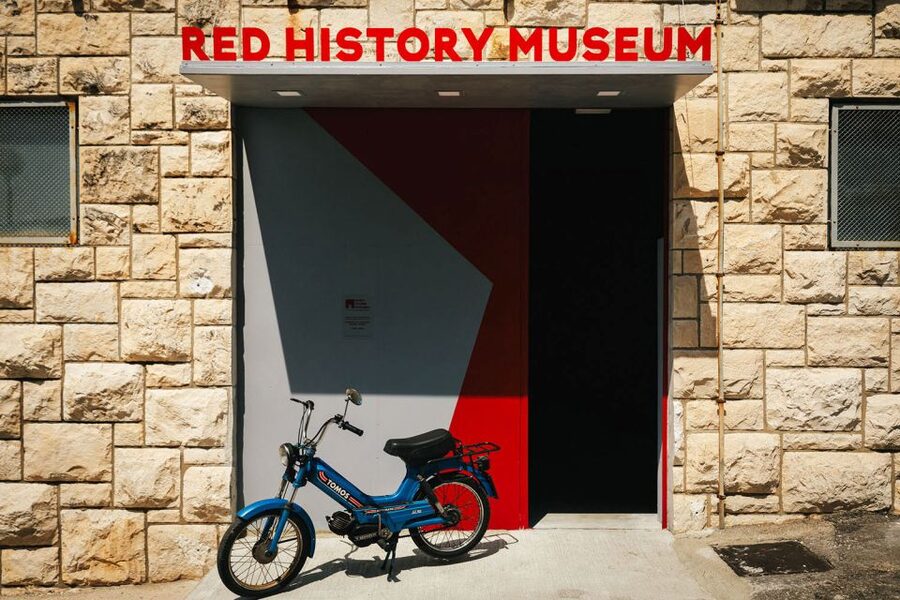
At $11 per person, the regular ticket is reasonably priced for a specialized museum in Dubrovnik. You are paying for a focused look at a subject that most of the city’s major attractions do not cover.
The value depends on your interests. If you want to understand modern Croatia, the ticket buys useful context. Dubrovnik’s walls and historic center tell one story, while this museum helps explain the decades that shaped the country before and after the breakup of Yugoslavia.
It is also good value for visitors who prefer interactive displays to long academic exhibitions. The museum gives you objects to inspect, sounds to hear, a car to sit in, and products that make the period easier to grasp.
The price may feel less worthwhile if your main interest is ancient or medieval Dubrovnik. This is not a general city museum, and it will not add much to the history of the Republic of Ragusa. Its subject is the 20th century, especially life under communist rule.
You can reserve a place and pay later, which keeps your plans flexible. Cancellation is allowed up to 24 hours in advance for a full refund. Those terms are useful if your Dubrovnik schedule is still changing.
Who will enjoy this museum most?
I would recommend the Red History Museum to anyone curious about Croatia beyond its postcard views. It suits visitors who want to understand why the country’s recent past still matters.
It is particularly good for:
- People interested in Yugoslavia and the Cold War
- Families looking for a history museum with hands-on elements
- Visitors who enjoy design, music, advertising, and household objects
- Anyone who wants context before visiting other parts of Croatia
- People who prefer a compact museum to a long guided tour
It may be less satisfying if you want a large collection, a long chronological account, or detailed military and political history. The museum gives you a clear introduction, not an exhaustive academic study.
The experience can also work well for mixed groups. One person can focus on politics, another on furniture and pop culture, and someone else can simply enjoy the Yugo and the old products.
Practical strengths and small weaknesses
The layout receives praise for being clear and easy to follow. That matters in a museum dealing with a complicated subject. You do not need to arrive with a long list of names and dates.
The interactive elements help prevent information overload. The museum offers enough things to see and do that the text does not become burdensome. That is a real advantage, especially for children and anyone who normally tires quickly in history museums.
Staff support can add value. Viktor, in particular, is noted for giving an informative explanation. Staff quality can vary by the day and by who is working, so think of that as a possible bonus rather than something to depend on.
The main weakness is the limited scale. A small museum cannot cover every part of Yugoslav life, and some subjects receive only a short treatment. The digital scanning stations also need clearer directions, and technical problems may reduce the value of those features.
Still, the museum’s compact format keeps the visit friendly and approachable. You are less likely to feel buried under dates, names, and political theory.
Final decision: should you book the Red History Museum?
Book it if you want to see the part of Croatia that is missing from the old city walls. For $11, you get a thoughtful look at communist-era life, with enough interactive material to keep the subject lively.
I especially recommend it if you have never studied Yugoslavia. The museum gives you a useful base for understanding modern Croatia, and the mix of furniture, music, products, politics, and personal stories makes the subject easier to grasp.
Skip it only if your time is extremely limited or your interests stop at medieval Dubrovnik. Otherwise, the Red History Museum is a smart, compact addition to a Dubrovnik visit. Go for the historical context, stay for the Yugo 45 and socialist sweets.
FAQ
Where is the Red History Museum located?
The museum is in the T.U.P. factory complex in the port area of Dubrovnik. The complex was built in 1953.
What does the museum focus on?
It focuses on Croatia’s communist history and life under the Yugoslav regime. Displays cover daily life, politics, art, design, music, secret agencies, and the Non-Aligned movement.
How much does regular admission cost?
The regular ticket costs $11 per person.
Is the Yugo 45 part of the museum experience?
Yes. You can take a photo inside the Yugo 45, a famous car from the period.
Can you try communist-era drinks and sweets?
Yes. At the end of the visit, you can try popular drinks and candies from the period, including communist versions of Coca-Cola and Fanta.
Is the museum interactive?
Yes. It combines old objects and displays with newer technology, including virtual scanned images and other interactive features.
Can I reserve now and pay later?
Yes. You can reserve your place and pay later, so you do not need to pay at the time of booking.
What is the cancellation policy?
You can cancel up to 24 hours in advance for a full refund.
Just added around Dubrovnik
- Dubrovnik: Small-Group Guided Old Town History Walking Tour★ 4.9 · 37 reviews
- Dubrovnik Old Town: Night tour with History, Wine & Bites★ 4.7 · 59 reviews
- Dubrovnik: Historical Tour with Game of thrones details★ 4.9 · 43 reviews
- Dubrovnik: Game of Thrones & History Tour★ 4.7 · 72 reviews
- Dubrovnik History and Game of Thrones Locations Tour★ 4.8 · 49 reviews
- Dubrovnik Old Town: Easy paced and accessible History tour★ 4.9 · 20 reviews
- Dubrovnik: Game of Thrones and History Small Group Tour★ 5.0 · 76 reviews
- Dubrovnik Old Town: Small-Group Walking Tour With A Local★ 5.0 · 123 reviews
Museum & Gallery History Tours, compared.
Louvre Museum Entry with History of Mona Lisa
Read our review →
Venice’s Best: Basilica, Doge’s Palace, Gondola & History Gallery
Read our review →
Guided African American History Tour with Reserved Museum Entry
Read our review →
POLIN Museum of the History of Polish Jews Ticket
Read our review →
Bell Tower & St Mark’s Square History Gallery Ticket
Read our review →
Field Museum of Natural History Ticket or VIP Tour
Read our review →
Madrid in a Day Tour:Royal Palace, Historic Center & Prado Museum
Read our review →
Basilica, Doge’s Palace, History Gallery & Bell Tower Option
Read our review →Browse the lists this tour appears in