
Review · LATVIA
Riga: Jewish History and Heritage Tour
Riga’s Jewish story is impossible to miss. This 3.5-hour tour links the city’s surviving synagogue, former Jewish quarter, Art Nouveau streets, and Holocaust memorials into one thoughtful introduction to Latvia’s Jewish past. With a guide and car, you cover more ground than you could on foot alone, while still walking through the places where this story unfolded.
I like the small group of up to four people, which should make it easier to ask questions and shape the outing around your interests. I also like the mix of cultural history and personal stories, from saved Torah scrolls at Peitav Shul to the Riga home of philosopher Isaiah Berlin. The main consideration is emotional weight: Rumbula, Biķernieki Forest, the Great Choral Synagogue memorial, and the Riga Ghetto Museum all deal with mass murder and suffering.
The tour costs $82 per person, with pickup anywhere in Riga included. That is fair value if you want private-feeling transport, a live guide, and several scattered sites covered in a single morning or afternoon. Traffic can affect the timing, and the synagogue and Ghetto Museum close on Shabbat and other Jewish holidays, so check the calendar before booking.
Key points to know before booking
- Peitav Shul is Riga’s only surviving synagogue from the Nazi period, and it remains in use today.
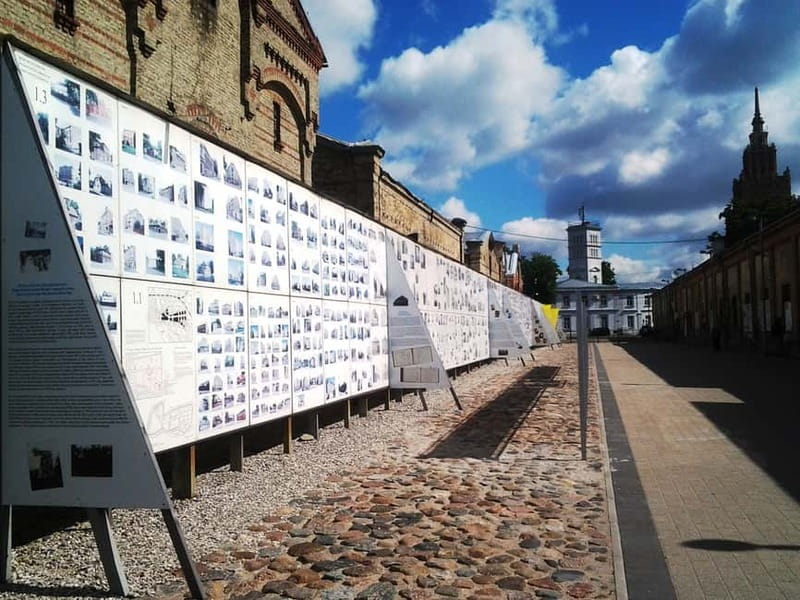
- The Maskavas suburb reveals Riga’s historic Jewish quarter, including wooden homes, a former Jewish school, and the Bikur Holim hospital.
- Rumbula and Biķernieki Forest are memorial sites, not ordinary sightseeing stops, and call for quiet attention.
- Mikhail Eisenstein’s Art Nouveau buildings add an architectural chapter to the Jewish story.
- Isaiah Berlin’s former home connects Riga with major 20th-century intellectual history.
- Armands, the named guide, receives strong praise for making the subject clear and engaging in English or Russian.
Why Riga’s Jewish story needs a guided tour
Riga can look like a city of medieval towers, guild halls, Baroque houses, and ornate Art Nouveau façades. That is only part of the picture. Jewish life shaped the city’s neighborhoods, schools, hospitals, religious buildings, and intellectual culture, yet much of that story is easy to miss without someone to point it out.
This tour helps you connect places that are spread across Riga. You do not just see a synagogue or a memorial in isolation. You learn how Jewish settlement developed in the 19th century, how religious and secular institutions served the community, and how Nazi persecution destroyed much of that world.
I especially value the attention given to individual lives. The tour includes figures such as Isaiah Berlin, Yeshayahu Leibovich, Sergej Eizenstein, world chess champion Mikhail Tal, and photographer Philippe Halsman. Their fields were different, but their connection to Riga shows how broad the city’s Jewish cultural life once was.
The subject is serious, but the route is not limited to tragedy. Architecture, education, religion, philosophy, and neighborhood life all have a place. That balance makes the experience more useful than a memorial visit alone.
More Jewish Heritage Tours in the world:
- Budapest Jewish Heritage Memorial Walking Tour & Synagogue Entry
★ 5.0 · 568 reviews - Budapest: Jewish Heritage Guided Tour with Synagogue Ticket
★ 4.8 · 533 reviews - 3-Hour Porto Jewish Heritage Walking Tour with Local Guide
★ 4.5 · 396 reviews
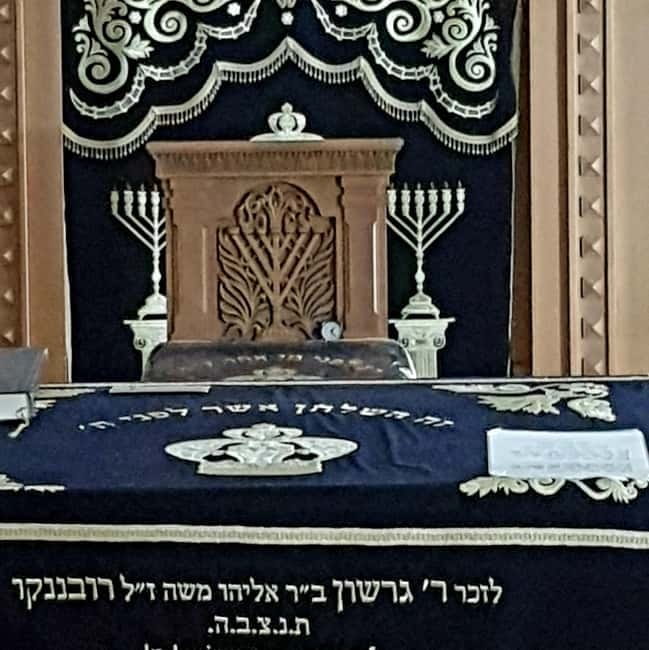
Peitav Shul, Riga’s surviving synagogue
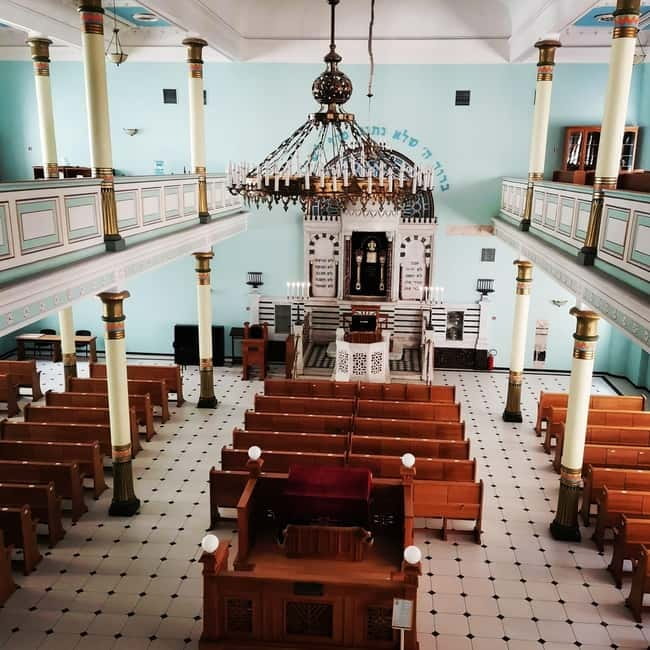
The Old Town portion includes the Riga Synagogue, also called Peitav Shul. It is the only synagogue in Riga that survived the Nazi period and is still active today, which makes it one of the most important stops on the route.
You can learn how Torah scrolls were saved, a small but powerful detail that gives the building a human story. The synagogue is not simply an old structure preserved for display. It remains part of Riga’s Jewish religious life.
Because Peitav Shul is an active place of worship, access depends on the religious calendar. It is closed on Shabbat and other Jewish holidays. If seeing the interior matters to you, confirm the date before you reserve. A closure does not erase the value of the exterior and surrounding Old Town walk, but it would change the experience.
The synagogue visit also benefits from the guide’s explanation. On your own, you might pass the building without understanding why its survival matters. With context, the stop becomes a clear link between prewar Jewish Riga, wartime destruction, and the community that continues today.
Maskavas suburb and the city’s former Jewish quarter
The Maskavas suburb, also known as Maskavas Forstadt, was the main area of Jewish settlement in the 19th century. It had not been a ghetto before the Nazi period, an important distinction that helps you understand how ordinary Jewish neighborhood life existed before the war.
The area is known for its wooden housing, which gives this part of Riga a different look from the polished Old Town and Art Nouveau center. The modest buildings are part of the setting rather than decorative scenery. They help you picture where families lived and where local institutions served the community.
The route includes the first Jewish secular school, which now operates as a private Jewish school. It also passes the historic Bikur Holim Jewish hospital, still in use. These details matter because they show a functioning community with education and medical care, not just religious institutions.
I find this section especially useful for anyone who wants to understand daily life. Memorials tell you what was lost. The Maskavas suburb also helps you see what existed before the destruction: homes, schools, hospitals, and a settled neighborhood.
The wooden housing may not appeal to you if you expect Riga’s grandest architecture at every stop. That is part of its value. This is a working historical district with a plain, lived-in character, not a staged museum quarter.
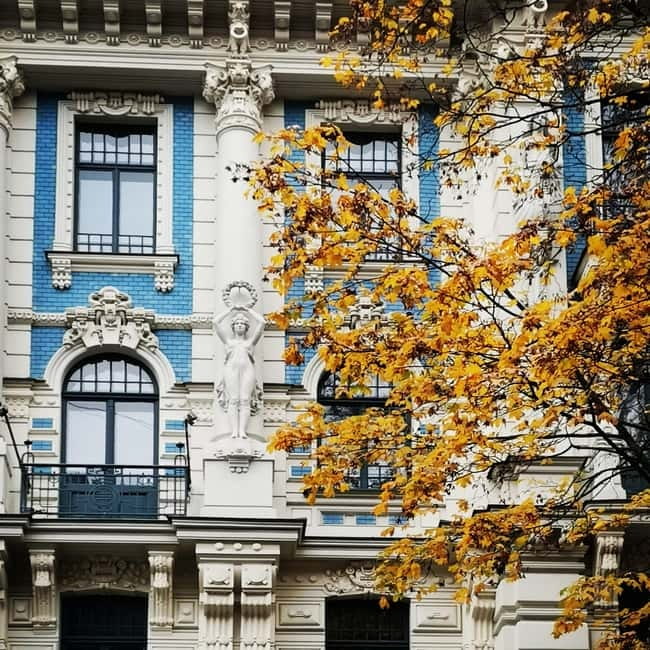
Mikhail Eisenstein’s Art Nouveau Riga
Riga is famous for Art Nouveau architecture, and this tour connects that architectural world with Jewish history through buildings designed by Mikhail Eisenstein. His façades are among the city’s most striking, filled with ornament and theatrical detail.
The contrast with Maskavas Forstadt is useful. In one part of the tour, you see wooden homes and community institutions. Elsewhere, you see the ambitious urban architecture that made Riga famous across Europe. The route shows that Jewish life was present in more than one social setting.
Eisenstein’s work also broadens the usual idea of a heritage tour. You are not only visiting sites of religious or wartime memory. You are looking at how Jewish individuals contributed to Riga’s visual identity and public culture.
Do not expect a dedicated architecture tour with a long list of buildings. The Art Nouveau element supports the larger story. If you have a special interest in Eisenstein, tell the guide when arranging the excursion, since the route can be designed according to your wishes.
A few more history tours around the world worth a look
- History and Hauntings of Salem Guided Walking Tour
★ 5.0 · 14,564 reviews - Colosseum: Underground and Ancient Rome Tour
★ 4.7 · 12,691 reviews - Lisbon: History, Stories and Lifestyle Walking Tour
★ 4.8 · 10,902 reviews - London Small Group Tour of Historical Pubs
★ 5.0 · 10,422 reviews
Isaiah Berlin and Riga’s intellectual legacy
One unusual stop is the house where Isaiah Berlin lived. Berlin, born in 1909 and later known as one of the major philosophers of the 20th century, gives the tour a direct connection to Riga’s intellectual history.
His former home is not presented as a grand museum attraction. Its value lies in the connection between a specific address and a major figure. You see how the city’s Jewish story includes philosophy and ideas as well as buildings and memorials.
The tour also places Berlin alongside other notable Riga-born or Riga-connected figures, including Yeshayahu Leibovich, Sergej Eizenstein, Mikhail Tal, and Philippe Halsman. This list shows the range of talent associated with the city.
For me, this is one of the route’s most memorable features because it adds a personal address to a name you may already know. It also gives the tour a pause from the darkest chapters of the 20th century.
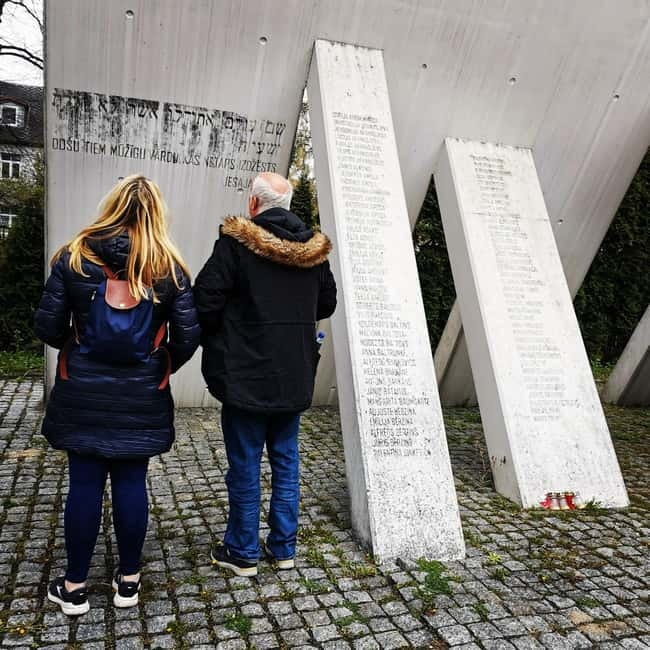
The Great Choral Synagogue memorial
The Great Choral Synagogue, also known as the Die Greise Hor Shul or Gogol Shul, no longer survives as a functioning building. Its site is now a memorial, marking the destruction of Riga’s Jewish community during the Nazi period.
This stop requires a different mood from the synagogue visit. Peitav Shul represents survival and continuing religious life. The Great Choral Synagogue site represents loss, violence, and the destruction of a major Jewish institution.
The location also brings attention to people who helped save Jewish lives. That detail matters because the story is not reduced to numbers and dates. You learn about human choices made under extreme conditions, alongside the crimes committed.
I would not rush this stop for the sake of keeping to a tight schedule. The tour lasts 3.5 hours, and traffic may affect the timing, but a memorial site deserves a few quiet minutes. The guide’s role is important here, especially if you want the historical sequence explained clearly.
Rumbula and Biķernieki Forest memorials
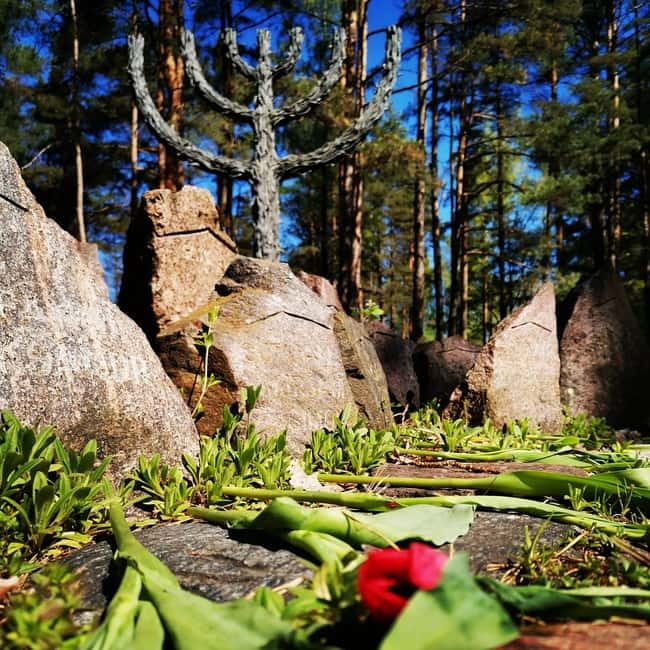
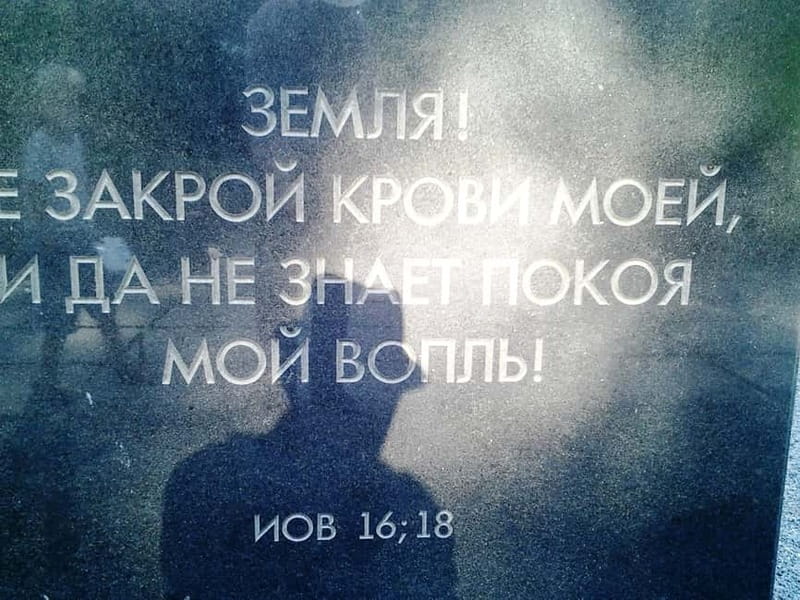
Rumbula and Biķernieki Forest are connected with mass murders during the Nazi occupation and are now memorial places for contemplation. These are not casual scenic stops. You should expect a solemn visit, with the emphasis on remembrance rather than entertainment.
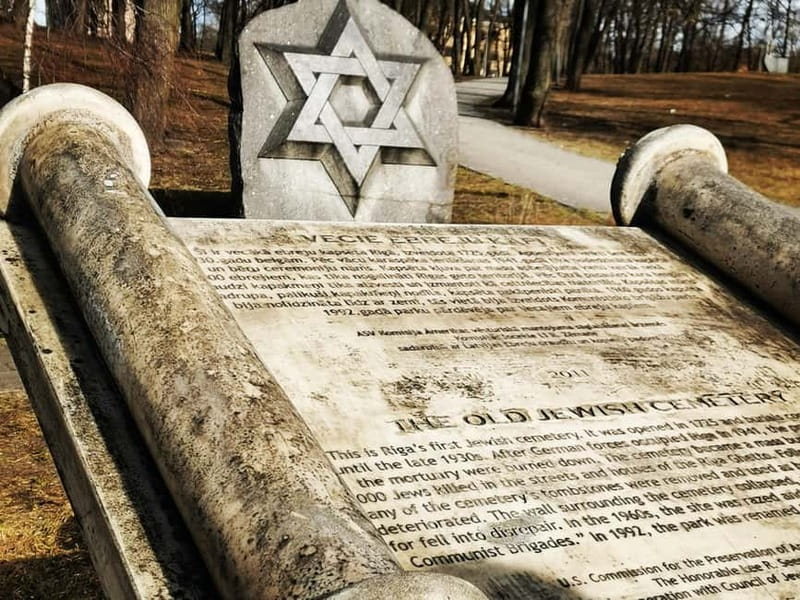
The old Jewish cemetery, Rumbula, and Biķernieki Forest help show the scale of what happened beyond the city center. Their inclusion means you leave the ornate streets of Riga and visit places linked directly to the murder of Jewish people.
This part of the tour may be difficult, particularly for anyone who has limited time or prefers lighter sightseeing. Still, it is essential for understanding the full history. A tour that included only attractive buildings and surviving institutions would give you an incomplete picture.
Wear clothing suited to the local weather. The supplied practical advice is simple, but it matters here because parts of the experience take place outside. The tour includes a car, yet you should still expect some walking and time outdoors.
Riga Ghetto Museum and the surviving neighborhood
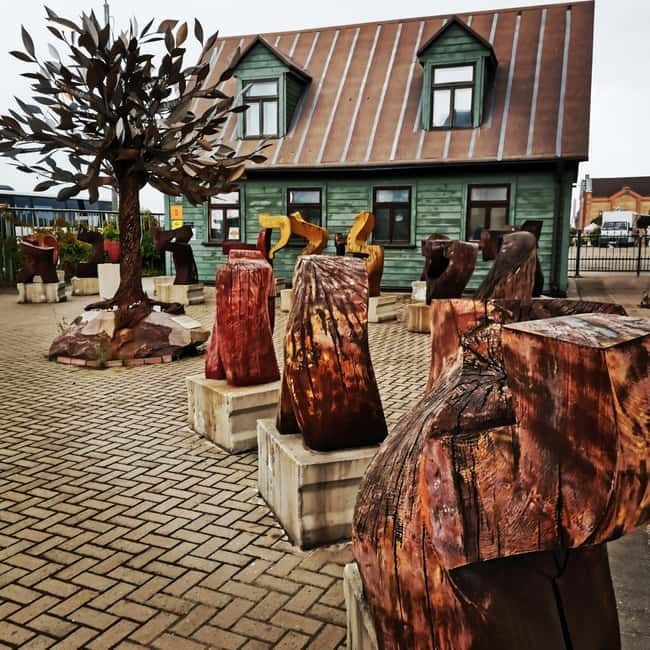
The Riga Ghetto Museum sits at the edge of the former ghetto territory. One of its most meaningful features is that the area experienced no architectural changes, leaving small wooden houses where people lived still in place.
More than 70,000 Holocaust victims have their names engraved on the museum walls. Names change the way you encounter history. Instead of hearing only about an event in general terms, you are confronted with the number and identity of people who were killed.
The museum is closed on Shabbat and other Jewish religious holidays, just like the synagogue. Confirm availability before booking if this stop is a priority. Since the excursion can be tailored to your wishes, you can also discuss how much time you want to spend at the museum and memorial sites.
The museum is located on the border of the former ghetto rather than in a dramatically rebuilt complex. That lack of architectural change is important. The remaining streets and wooden homes provide a physical setting for the history, even though the community that lived there was destroyed.
What the guide and car add
A guide with a car makes practical sense for this route. The stops are not all concentrated in one compact area, and a car lets you move between the Old Town, Maskavas suburb, memorial sites, and forest locations without arranging separate transport.
Pickup is available from any place in Riga. The group is limited to four participants, giving the experience a more personal feel than a large coach excursion. You can ask questions, request more attention to architecture or family history, and discuss adjustments to the route.
The tour is offered in English and Russian. Armands Latvia Guide is the provider, and Armands is specifically praised for making both Latvian general history and Jewish history easy to follow. Two separate bookings describe him as pleasant and excellent, and one person returned for another tour with him after a previous visit to Riga.
That repeated booking is useful evidence of consistency, though it cannot promise that every departure will feel identical. Your experience will also depend on traffic, the day’s schedule, and whether religious closures affect access.
Is $82 a fair price?
At $82 per person, the price is reasonable for a 3.5-hour private-style outing, especially if two to four people share the experience. You receive pickup in Riga, a car, a live guide, and a route that would be awkward to organize independently in one half-day.
The value is strongest for first-time visitors who want the broad story without spending hours researching locations and transport. It is also useful for repeat visitors who have already seen the Old Town and want a more specific subject.
The value is weaker if you want only a short synagogue visit or a general city walk. You will be paying for several memorial and historical stops, so choose this tour because the subject matters to you.
Meals are not included. That is not a major issue for a 3.5-hour excursion, but you should plan food separately. Free cancellation up to 24 hours before the start and the option to reserve without paying immediately add flexibility, particularly when your Riga plans are still changing.
Who should book this experience?
I would recommend it to you if you want Jewish history connected to real streets, buildings, and memorials. It suits visitors with family interest in Latvia, students of European history, architecture fans, and anyone who wants to see a side of Riga beyond the postcard center.
It is less suitable if you want a cheerful sightseeing trip with little time for reflection. The Holocaust memorials and museum are central to the experience, not minor additions.
Book with extra care around Shabbat and Jewish holidays. If you are particularly interested in the synagogue or Ghetto Museum, confirm that both can be visited on your chosen date. Also allow some flexibility because traffic may change the exact pace.
Should you book the Riga Jewish History and Heritage Tour?
Book it if you want a serious, personal, and well-organized introduction to Riga’s Jewish past. The strongest reasons are the small group, car transport, flexible route, and the range of stops, from Peitav Shul and Maskavas Forstadt to Rumbula and the Ghetto Museum.
The tour is not light sightseeing, and that is its purpose. If you can give the subject your attention, $82 buys a useful connection between Riga’s surviving Jewish community, its cultural achievements, and the terrible losses of the Nazi period. Armands is a particularly good choice if you want clear explanations in English or Russian and room for questions.
FAQ
How long does the Riga Jewish History and Heritage Tour last?
The tour lasts 3.5 hours. Traffic on Riga’s streets can affect the exact duration.
What is the price of the tour?
The listed price is $82 per person.
Is transportation included?
Yes. The experience includes a guide with a car and pickup from any place in Riga.
How many people can join the tour?
It is a small-group experience limited to four participants.
Which languages are available?
The live guide is available in English and Russian.
Can I visit the Riga Synagogue?
The itinerary includes a visit to Peitav Shul, also called the Riga Synagogue. It is the only synagogue in Riga that survived the Nazi period and remains in use.
When is the synagogue closed?
The synagogue is closed on Shabbat and other Jewish religious holidays.
Is the Riga Ghetto Museum included?
The tour includes the Riga Ghetto Museum area and former ghetto territory, subject to opening availability.
When is the Riga Ghetto Museum closed?
The museum is closed on Shabbat and other Jewish religious holidays.
Are meals included?
No. Meals are not included in the tour price.
Can I cancel for a refund?
You can cancel up to 24 hours in advance for a full refund. You can also reserve now and pay later.
Just added around the world
- Rio de Janeiro: Historical Downtown and Lapa Walking Tour★ 4.4 · 32 reviews
- Old Riga in Italian: History&Legends★ 4.8 · 125 reviews
- Riga: 2-Hour History of Art Nouveau Walking Tour★ 4.8 · 118 reviews
- Rimini: Guided Walking Tour of the Historic City Center★ 4.6 · 56 reviews
- “Rotes Bier” and “Blaue Zipfel”. A historical-culinary walk★ 4.4 · 190 reviews
- REDKULT: Red Light District & Historical City Center★ 4.5 · 107 reviews
- Regensburg: City Highlights Historical Boat Tour★ 4.0 · 259 reviews
- Recoleta Cemetery – Small Group Tour of History & Secrets★ 5.0 · 53 reviews
Jewish Heritage Tours, compared.
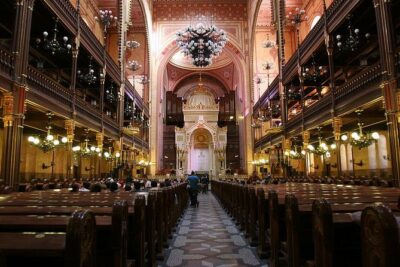
Budapest Jewish Heritage Memorial Walking Tour & Synagogue Entry
Read our review →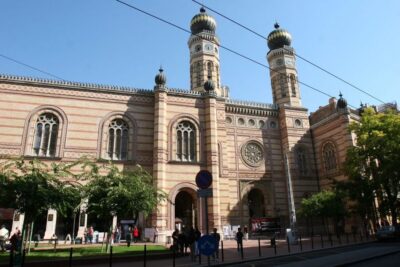
Jewish Heritage Guided Tour with Synagogue Ticket
Read our review →
3-Hour Porto Jewish Heritage Walking Tour with Local Guide
Read our review →
Private Jewish Heritage Journey by Barcelona Dreaming
Read our review →
Anne Frank and the Jewish History of Amsterdam Private Tour
Read our review →
Lisbon Jewish Heritage and History – Private Tour Van
Read our review →
Browse the lists this tour appears in