
Review · PENNSYLVANIA
Pittsburgh: Best of the Burgh History and Architecture Tour
Pittsburgh rewards slow looking. This two-hour walk introduces downtown through its grand buildings, public art, squares, alleyways, and stories of industrial wealth. I especially like the chance to step inside some buildings rather than view every façade from the pavement, and I like the small-group format, which leaves room for questions. The main drawback is simple: you walk about two miles, and rain or city noise can affect the experience.
The tour costs $32 per person, a fair price for a local guide-led introduction to the city center. Ken, Dave, Doug, Kane, Alan, Marisa, Myrna, and other guides have earned strong praise for clear storytelling, good pacing, and practical tips. If you want a quick, useful first look at downtown Pittsburgh, this is a smart place to begin.
Key points to know before you book
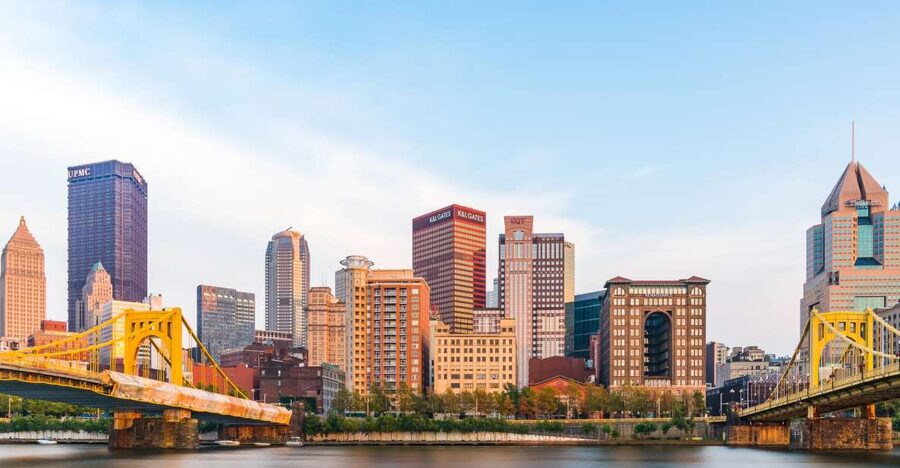
- Downtown on foot: The route covers about two miles in two hours, using major avenues, small alleyways, public squares, and landmark buildings.
- Architecture with context: You learn how Pittsburgh’s industrial leaders shaped the city’s towers and civic buildings.
- Some indoor visits: The walk can include entering notable buildings, giving you more than a pavement-level view.
- Strong guide-led experience: Ken, Dave, Doug, Kane, Alan, Marisa, and Myrna have all been praised for clear explanations, humor, and patience.
- Good value at $32: The price includes live commentary, a small group, and local restaurant coupons, but not food or drinks.
- Accessible with advance notice: The route is generally wheelchair accessible, and the company asks you to call ahead about additional mobility needs.
Starting beside the David Lawrence Convention Center
You meet at Walk the Burgh Tours, 1049 Penn Avenue, on the side of the David Lawrence Convention Center. Look for the white bike in the window, a useful landmark in a busy downtown setting. Arrive 15 minutes early so you can check in without cutting into the walking time.
The meeting point puts you near Pittsburgh’s central business district, so the tour begins in a practical place for getting your bearings. You are not being whisked across town by bus. Instead, you start understanding how the center fits together block by block.
That matters in Pittsburgh. Downtown can look compact on a map, yet its streets, squares, river approaches, and large civic buildings make more sense once someone explains how the city developed. A guide can point out the relationship between the major avenues and the quieter side streets, then show you details that are easy to miss when you hurry past.
The group is described as small, though the exact maximum is not provided. That format usually makes a walking tour more comfortable than a large crowd. You can hear the guide more easily, ask questions, and keep a reasonable pace.
More Architecture and Landmark Tours in the USA:
- Chicago in a Day: Food, History & Architecture Walking Tour
★ 5.0 · 1,153 reviews - Historic Charleston Walking Tour: Rainbow Row, Churches, and More
★ 5.0 · 691 reviews - Charleston’s Best Highlights: History, Culture & Architecture
★ 5.0 · 422 reviews
A two-mile introduction to downtown Pittsburgh
The route lasts about two hours and covers roughly two miles, or 3.5 kilometers. That is not a punishing distance for most people, but it is still a real walk. Wear comfortable shoes, especially if you plan to continue exploring downtown afterward.
You move along major streets and then turn into smaller alleys and less obvious corners. This mix is one of the tour’s best ideas. Main avenues give you the broad city picture, while side streets reveal details that can disappear behind traffic, signs, and crowds.
The pace appears to be steady rather than rushed. Elizabeth appreciated several chances to sit briefly, while other accounts describe the walk as easy to follow. Ken was praised for adjusting to a slower walker, and guides have taken care to find cover during rain.
You should still plan for weather. A sunny day can make the buildings and public spaces much more enjoyable, but rain can slow the route and limit which areas you reach. Bring a working mobile number so the company can contact you about weather updates.
Why Pittsburgh’s architecture makes this tour worthwhile
The tour focuses on the buildings created during Pittsburgh’s industrial rise. The central idea is not simply that wealthy industrialists built large structures. You learn how their money shaped the skyline, public spaces, and civic identity that you see today.
That context gives the architecture more weight. A tower is not just a tall façade. A grand entrance is not just decoration. The guide connects these buildings to the people, industries, and ambitions behind them, helping you read downtown as a record of Pittsburgh’s past.
Architecture receives a major share of the attention, though the tour also includes history, culture, food, sports, and present-day life. One guide used anecdotes to connect almost every building with a story, while another gave concise explanations that brought larger events together.
You should not expect a technical architecture seminar. One person wanted more detail about the architectural side, though still found the information interesting. The balance leans toward an approachable city introduction, with architecture as the main thread rather than the only subject.
That makes the tour suitable for a first visit and also for people who already know Pittsburgh. A local participant enjoyed seeing familiar streets in a new way because the guide supplied the background that casual walking leaves out.
Going inside buildings instead of only looking up
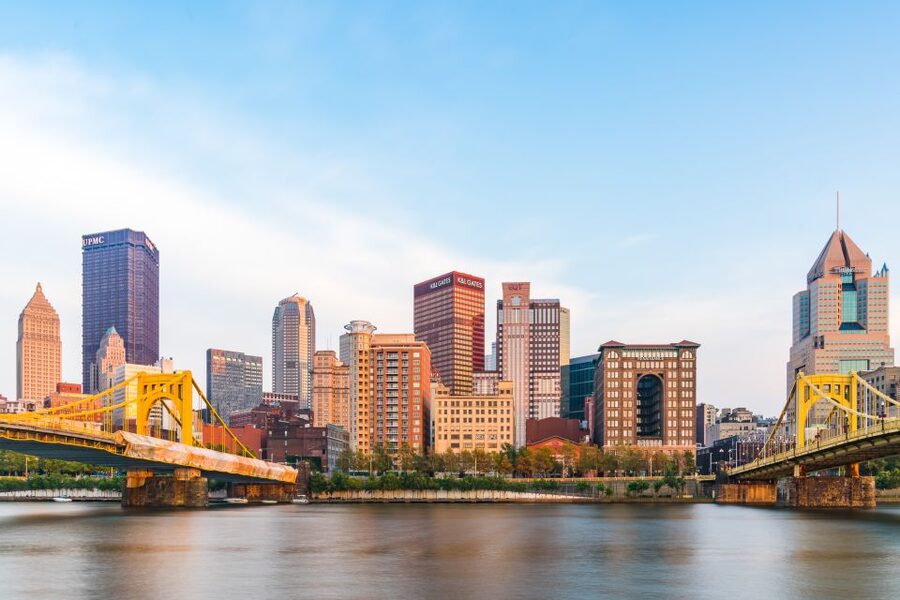
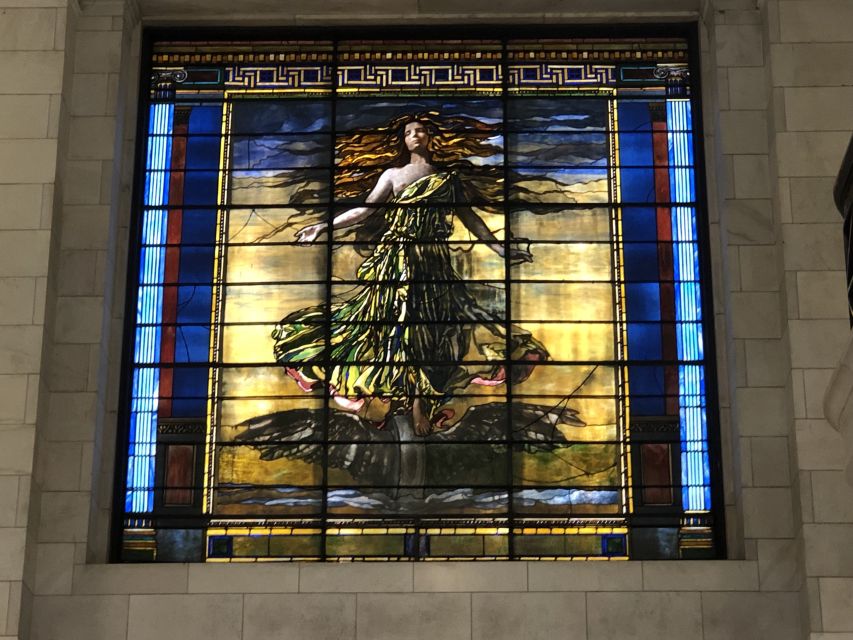
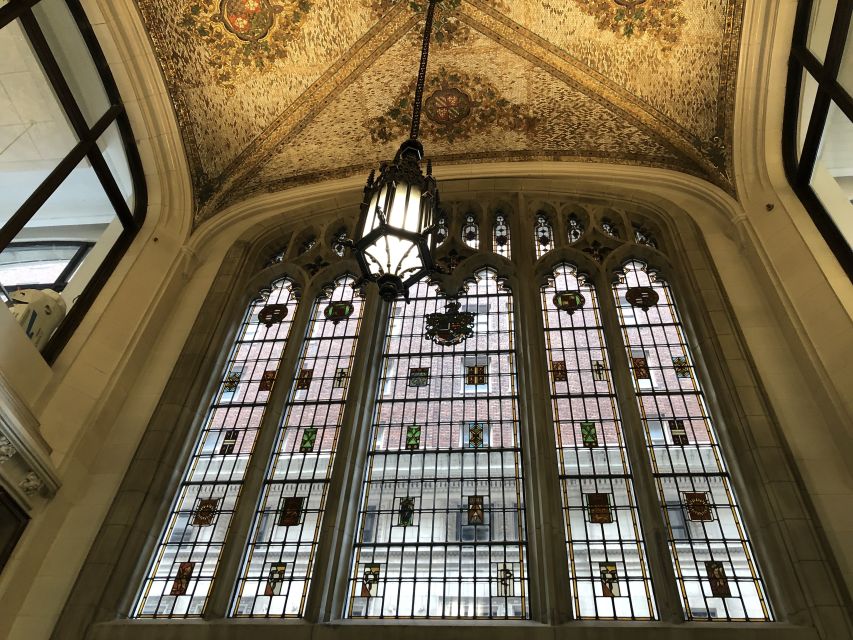
A particularly useful feature is the chance to walk into some cultural and historical landmarks. The exact interiors can vary, so you should not treat every indoor stop as guaranteed. Still, the experience is designed to include more than outside views.
Going indoors changes the way you understand downtown. You can notice entrances, public spaces, decorative details, and the scale of buildings in use. It also gives you a short break from the weather and the traffic.
For architecture fans, these interior visits may be the most valuable part. You are not simply collecting photographs. You are seeing how the buildings function as part of modern Pittsburgh while learning about their earlier role.
The indoor access also depends on practical conditions. A rainy day limited part of one tour, and a guide may alter the route to keep the group comfortable. The company describes the route as generally accessible, but it asks anyone with additional mobility needs to call before booking so possible accommodations can be discussed.
A few more history tours around the USA worth a look
- History and Hauntings of Salem Guided Walking Tour
★ 5.0 · 14,564 reviews - Charleston’s Old South Carriage Historic Horse & Carriage Tour
★ 5.0 · 10,023 reviews - Beneath The Streets Underground History Tour
★ 4.5 · 8,006 reviews - Boston: Freedom Trail History Small Group Walking Tour
★ 5.0 · 6,450 reviews
Public art, squares, and details you could miss alone
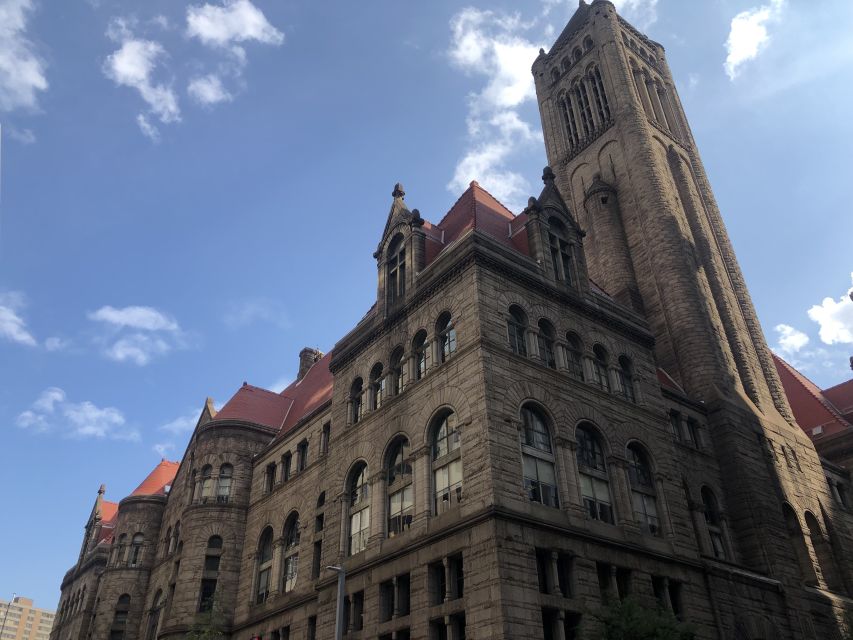
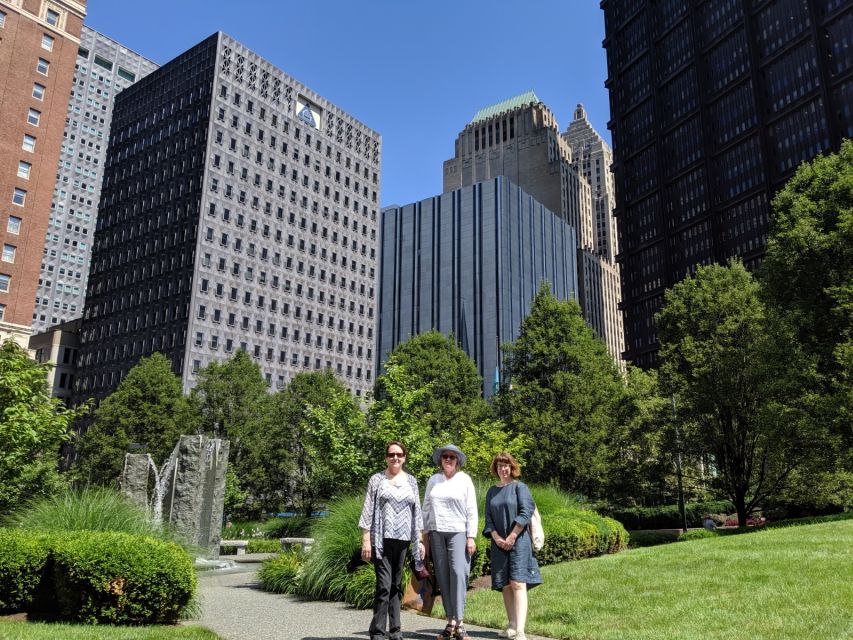
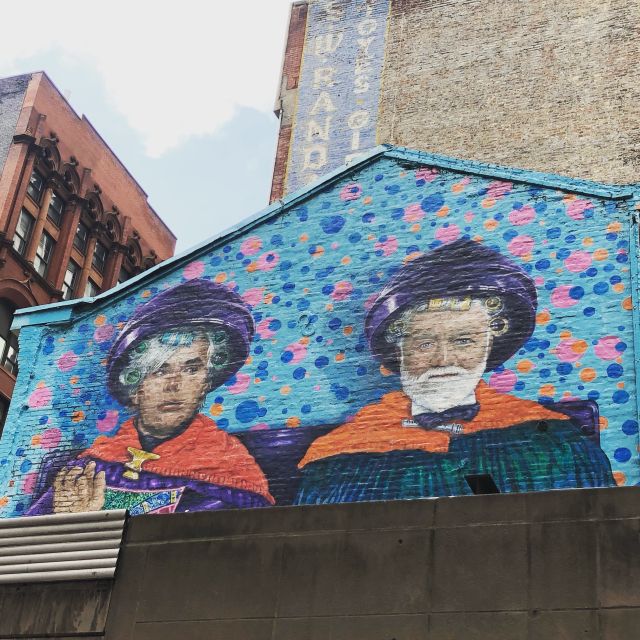
The route highlights beautiful squares and public art along with major landmarks. These stops add variety to the architecture talk and give you places to pause, look around, and ask questions.
A good guide-led walk teaches you how to pay attention. You may find a small detail on a building, a piece of artwork, or a passageway that would seem ordinary without an explanation. The point is not to race from one famous site to the next. It is to notice how the city’s parts fit together.
The guides also share practical suggestions for the rest of your time in Pittsburgh. Several guides offered advice on places to go, things to see, and what to eat. Restaurant coupons from local partners are included, giving you a modest bonus after the walk.
Food and drinks are not included, so the coupons are not a substitute for a meal. Think of them as useful local pointers rather than a major part of the tour.
The guides make the biggest difference
The most praised part of this experience is the guide. Ken receives repeated approval for his stories, humor, patience, and command of Pittsburgh’s past. He has also spent more than the required time on occasion, though you should not count on an extension when planning your day.
Dave is praised for a strong speaking voice, which helps on noisy city streets. He also answers questions well and brings energy to the history. Doug is described as both entertaining and well informed, with a steady pace that suits a two-hour walk.
Kane has been praised for architectural knowledge, clear answers, and a personable manner. Alan, Marisa, and Myrna also receive warm notices for making the city easy to understand.
The range of guides means the tone can vary. Some may emphasize architecture, others local stories or practical advice. That is normal for a guide-led experience. The consistent strength is the human explanation, not a recorded script or a printed route.
One small issue did come up: a microphone and small speaker made it important to stay close to the guide. That can matter in a busy street setting. If you have difficulty hearing, position yourself near the guide and do not drift toward the back of the group.
What the tour does especially well
The strongest feature is the combination of history and firsthand city orientation. You learn about the forces that shaped Pittsburgh while walking through the places where that story remains visible.
The second strength is its range. In two hours, the tour touches architecture, public art, culture, food, sports, and current city life. It does not try to cover every neighborhood, but it gives you a useful downtown foundation.
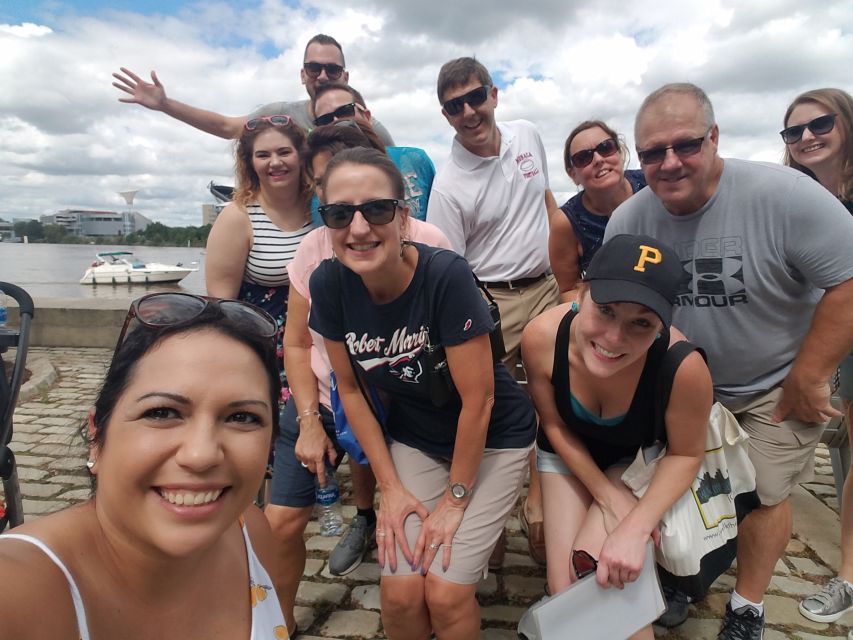
The third strength is its question-friendly style. Guides have handled detailed questions, welcomed local comments, and adjusted explanations to the group. That makes the walk feel more like a conversation than a lecture.
It is also a good rainy-day activity, within limits. Guides have moved groups under cover and worked around poor weather, but heavy rain can slow the walk and restrict some stops. Pack accordingly rather than assuming the weather will cooperate.
What could be better
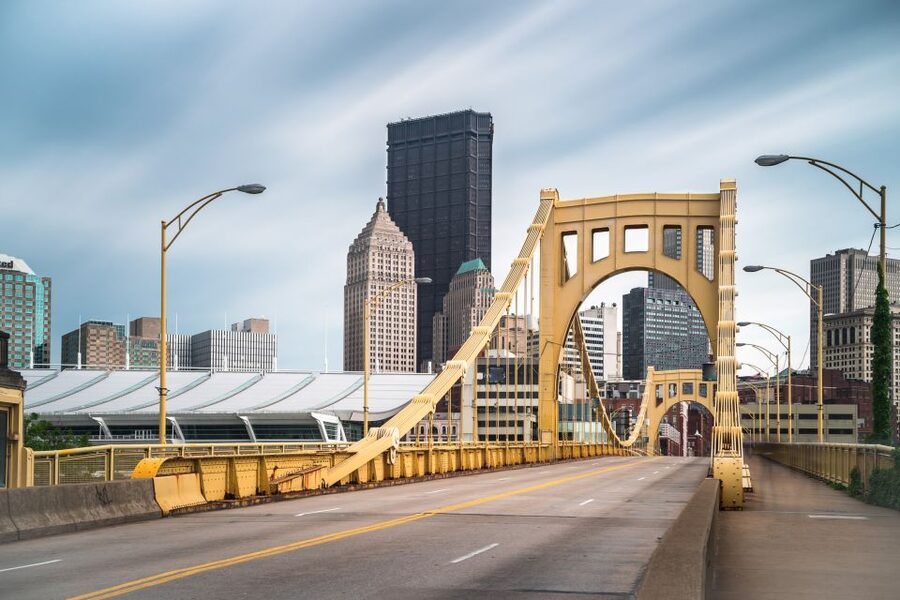
The tour cannot show every part of Pittsburgh in two hours. One person wished the route had reached a river site, and that is a fair limitation. The focus is downtown, not a full city tour, so you will not get an extensive look at every riverfront or neighborhood.
The architecture coverage may also feel lighter than expected if you want specialist-level analysis. You will hear plenty about significant buildings and their history, but the exact balance depends on the guide and the questions asked.
City noise is another minor concern. Even with a speaker, you may need to stay close to hear every detail. Large groups, traffic, weather, or a slow pace can also affect how much ground you cover.
Finally, the route is not a sit-down sightseeing experience. You walk, stand, and move between stops. The distance is manageable for many people, but anyone with mobility concerns should contact the company in advance.
Is $32 a fair price?
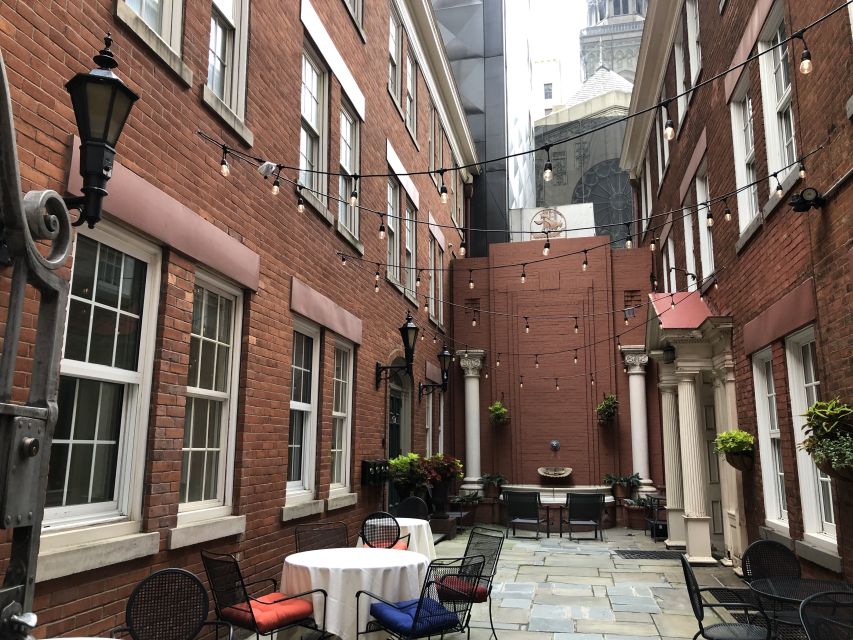
At $32, this is good value if you want a guided introduction rather than a self-guided stroll. The fee covers two hours with a local guide, live commentary, a small-group setting, and restaurant coupons.
You are paying for interpretation. Downtown Pittsburgh is free to walk through, but it is harder to understand the city’s buildings, people, and changes without someone connecting the pieces. The strongest guides turn ordinary blocks into a readable story.
The price is less compelling if you only want a quick list of landmarks or prefer to explore alone. You may also want a separate activity if river views are your main goal. For a first downtown orientation, though, the cost is reasonable.
Free cancellation is available up to 24 hours before the start for a full refund. You can also reserve now and pay later, which helps if your schedule is still moving around.
Who will enjoy this walk most?
I would suggest it to first-time visitors who want a clear introduction to Pittsburgh before exploring on their own. It also suits architecture fans, history-minded visitors, couples, and people who enjoy asking questions as they walk.
The tour can work well for locals, too. One local participant found that familiar streets became more meaningful after hearing the stories behind them.
Families with older children may appreciate the mix of buildings, public art, and city stories, though the two-mile distance and standing time should be considered. People who need mobility accommodations should call before the tour, even though the general route is wheelchair accessible.
You may want to skip it if you strongly dislike walking, want a river-centered outing, or expect a highly technical study of architecture. This is a broad, friendly city introduction with architecture at its core.
Practical tips for a better experience
Arrive 15 minutes early and look for the white bike in the window at 1049 Penn Avenue. Wear comfortable shoes, and check the forecast before leaving.
Stay close enough to hear the guide, especially on busy streets. If you have hearing or mobility concerns, mention them before the walk rather than waiting until the group has started.
Keep your schedule flexible afterward. The tour ends after two hours, but you may want time to follow a restaurant suggestion, revisit a building, or continue exploring downtown on your own.
Bring a phone with a working number. The company may need it for weather-related updates, and rain can affect the route.
Should you book the Best of the Burgh walk?
Book it if you want Pittsburgh explained through the buildings, streets, and public spaces of downtown. The best guides, especially Ken, Dave, Doug, and Kane, add the stories and local perspective that turn a simple walk into a useful city lesson.
I would not choose it as your only Pittsburgh activity if you are focused on river sites or neighborhoods outside downtown. But at $32, with a manageable two-hour route, indoor visits, strong guide feedback, and room for questions, it is an easy recommendation for getting your bearings and learning why the city looks the way it does.
FAQ
How long is the Best of the Burgh History and Architecture Tour?
The tour lasts two hours.
How far does the walking route cover?
The route covers about two miles, or 3.5 kilometers.
Where does the tour meet?
It meets at Walk the Burgh Tours, 1049 Penn Avenue, Downtown Pittsburgh, Pennsylvania 15222, on the side of the David Lawrence Convention Center. Look for the white bike in the window.
How early should I arrive?
You should arrive 15 minutes before the tour begins.
What should I wear or bring?
Bring comfortable shoes. You should also leave a working mobile number so the company can contact you about weather-related updates.
Is the tour wheelchair accessible?
The route is generally wheelchair accessible. If you have additional mobility needs, call before the tour so the company can discuss possible accommodations.
Is food included?
No. Food and drinks are not included, although coupons from local restaurant partners are provided.
What language is the tour offered in?
The tour is offered in English with a live guide.
Can I cancel for a refund?
Yes. You can cancel up to 24 hours in advance for a full refund.
Can I reserve the tour and pay later?
Yes. The reserve-now, pay-later option lets you book your place without paying at the time of reservation.
Just added around the USA
- Raleigh Downtown: Historic Walking Tours★ 4.9 · 17 reviews
- Portland, Maine: 2-Hour Guided History Tour★ 4.9 · 127 reviews
- Portland: Walking Food Tour – Warm Donuts & History★ 4.7 · 27 reviews
- Pittsburgh: Evening Ghost & History Downtown Walking Tour★ 4.5 · 71 reviews
- Plymouth: Plimoth Patuxet Museums – 3 tickets available★ 4.5 · 165 reviews
- Philadelphia: Revolutionary Walk Through Historic Old City★ 4.8 · 208 reviews
- Philadelphia: History, Highlights & Revolution Walking Tour★ 4.9 · 317 reviews
- Philadelphia: Guided Walking Tour of Historic District!★ 5.0 · 42 reviews
Architecture & Landmark Tours, compared.
St. Mark’s Basilica Guided Tour & VR History Intro
Read our review →
Venice’s Best: Basilica, Doge’s Palace, Gondola & History Gallery
Read our review →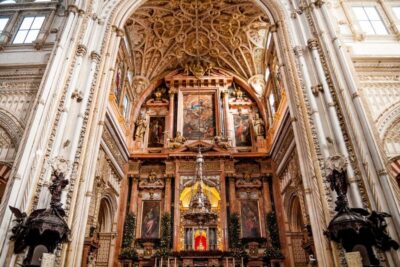
Córdoba: Skip-the-Line Great Mosque-Cathedral History Tour
Read our review →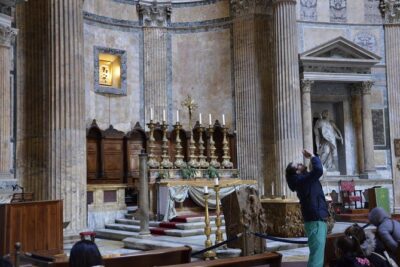
Pantheon Elite Guided Tour – Rome’s Iconic Ancient Temple
Read our review →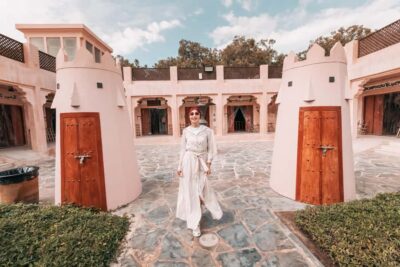
Abu Dhabi Grand Mosque, Palace, and Heritage Village
Read our review →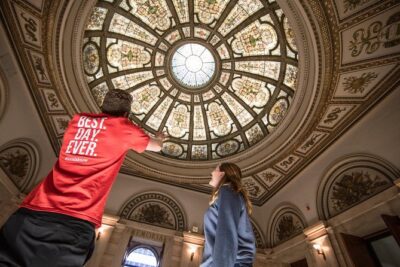
Chicago in a Day: Food, History & Architecture Walking Tour
Read our review →

Colosseum Special Access Tour, with Ancient Temples & Tombs
Read our review →Browse the lists this tour appears in