
Review · RHODE ISLAND
Newport: Colonial History Walking Tour
Newport’s past is under your feet. This 75-minute walking tour connects the city’s pre-colonial story with its colonial landmarks, beginning inside the 1739 Old Colony House and continuing through the Historical District. I like the clear timeline and the chance to see important sites on foot rather than only reading about them. I also like the price: $20 gives you a guided walk plus access to the second floor of the Colony House for a self-guided visit.
The main drawback is the short running time. Newport has four centuries of settlement history to cover, so the pace can feel brisk, and one guest found the guide difficult to hear. Still, the strong overall rating of 4.5 from 24 ratings, along with repeated praise for the information, friendly manner, and good pacing, makes this a solid choice for history-minded visitors.
Key points to know before you book
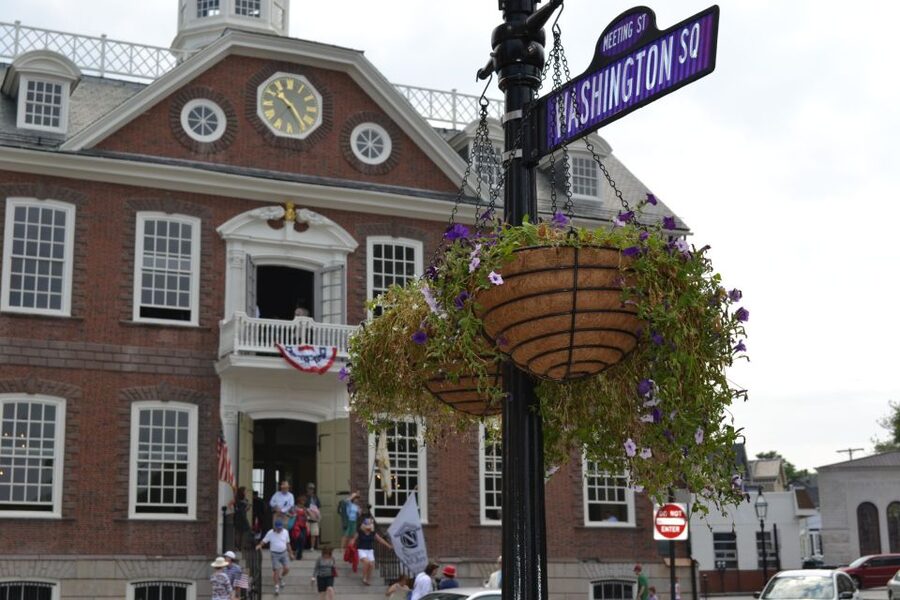
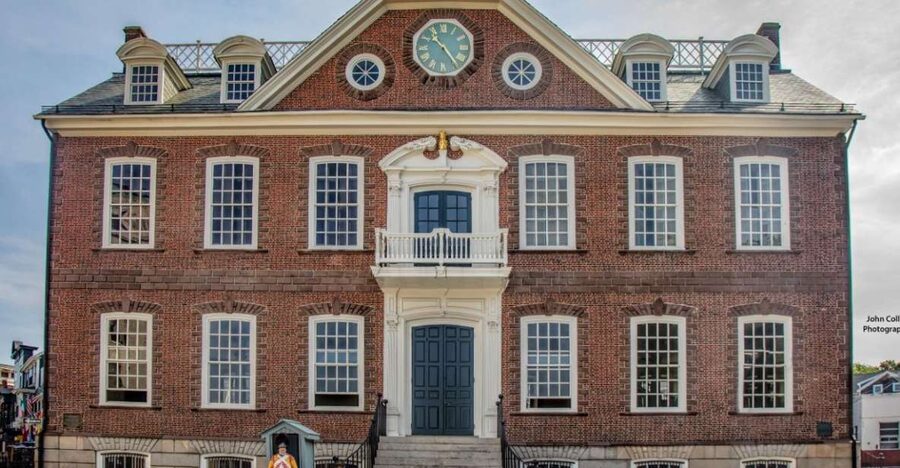
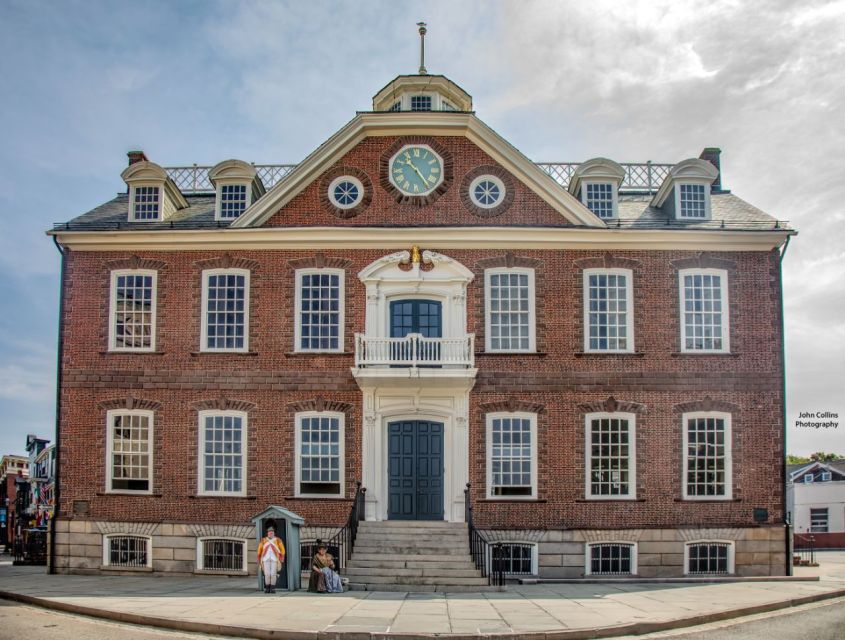
- The tour begins inside the 1739 Old Colony House, giving you an immediate look at one of Newport’s key colonial buildings.
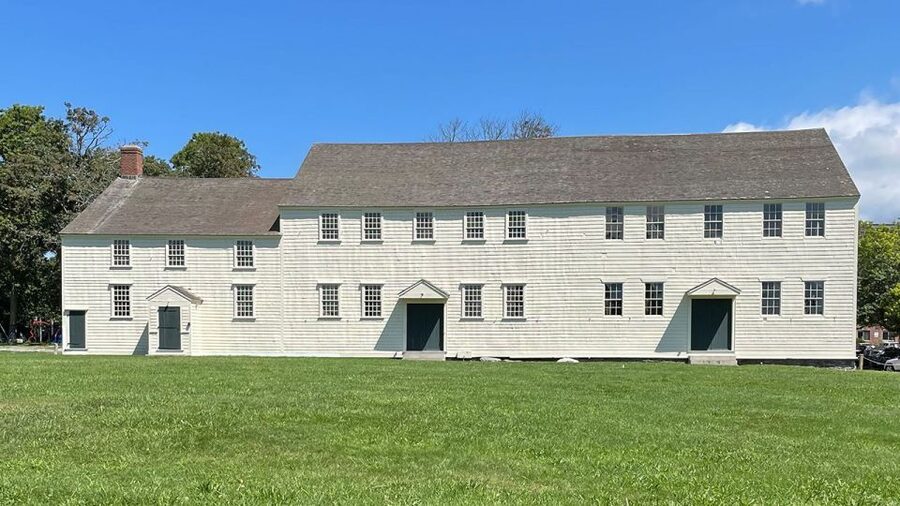
- The route covers several major sites, including the Great Friends Meeting House, Touro Synagogue, City Hall, and the Wanton-Lyman-Hazard House.
- The story starts before the colonial period, then traces the different groups who have called Newport home across roughly 400 years.
- The $20 price includes a guide and a second-floor Colony House visit, while the nearby museum asks for a separate suggested donation.
- Patsy received especially warm praise for making the city’s history interesting and easy to follow.
- Good hearing and comfortable walking shoes matter, since the tour is outdoors and one rating raised concerns about audibility.
Why this Newport walk is worth your time
Newport is often linked with grand homes and seaside scenery, but its older story begins well before the famous mansion era. This tour focuses on the city’s colonial roots and the people who shaped its early development. That gives you a useful frame for the streets and buildings you see afterward.
I like the way the experience is arranged as a walk through time. You begin with the pre-colonial era, then move into Newport’s settlement history and later colonial years. Instead of treating each building as an isolated photo stop, the guide connects the places to a broader story about the city.
That approach matters because Newport’s historic center can otherwise feel like a collection of attractive old façades. Here, the architecture becomes part of the lesson. The Great Friends Meeting House, Touro Synagogue, City Hall, and Wanton-Lyman-Hazard House each mark a different part of the city’s civic, religious, and domestic past.
The tour is also a useful first activity in Newport. After 75 minutes, you should have a better sense of the Historical District and a clearer idea of which buildings deserve more of your attention. You will not cover every detail of Newport’s past, but you will get a practical introduction before exploring on your own.
More History Walking Tours in the USA
- History and Hauntings of Salem Guided Walking Tour
★ 5.0 · 14,564 reviews - Boston: Freedom Trail History Small Group Walking Tour
★ 5.0 · 6,450 reviews - Historic Charleston Guided Sightseeing Walking Tour
★ 5.0 · 6,216 reviews
Starting inside the 1739 Old Colony House
Meet inside the Museum of Newport History and Shop. From there, the tour begins inside the historic Old Colony House, built in 1739. Starting indoors gives the walk a firm anchor, rather than sending you straight into a street-level lecture.
The building is important because it places you inside the period being discussed. The age of the structure helps make the opening section more concrete. You can listen to the introduction while already looking at a surviving colonial building, not just a modern meeting point.
The guided portion begins here, but the experience also includes access to the second floor for a self-guided visit. That is a useful extra. A guide can give you the main story, while the self-guided time lets you look around at your own pace.
You should allow enough attention for both parts. The guided walk is the centerpiece, but the Colony House visit gives you a little more time with the building than a quick exterior stop would. If you enjoy architecture, this included access adds value to the $20 cost.
The exact order and amount of time at each location can vary with the guide and group. That is worth keeping in mind if you prefer a long, detailed visit at every stop. This is an introductory walk, not a full-day historical study.
A timeline that begins before colonial Newport
The opening history reaches back to the pre-colonial era. That is important because it prevents Newport’s story from beginning only with European settlement. The tour presents the city as a place shaped by many different people across about 400 years.
You will hear about the diversity of people who have called Newport home. The supplied description does not promise a narrow focus on one family, one building, or one political event. Instead, it presents the city’s history as a changing story of settlement and community.
That broad view is one of the best reasons to choose this walk. The city’s role in American history is more extensive than many first-time visitors expect, and several ratings praised the amount of information delivered during the tour. One guest said the experience revealed parts of Newport’s past that even an avid history fan might not know.
At the same time, the wide scope creates a natural limit. Covering the pre-colonial era, settlement, colonial landmarks, and 400 years of people in only 75 minutes means the guide must select carefully. You will get the main outline and selected details, not every name and date.
For most people, that is a fair trade. I would choose this format if I wanted a strong introduction before visiting more sites independently. If you want long discussions of individual buildings, you may find the time too short.
The Great Friends Meeting House and Newport’s religious story
The Great Friends Meeting House is one of the planned stops. Its inclusion shows that the tour is not limited to government buildings or wealthy homes. Religious life is part of the city’s colonial identity, and this site gives the walk a different type of historic setting.
The name also signals the importance of religious communities in Newport’s development. The guide can place the meeting house within the larger story of settlement and the people who lived here. You should expect the building to be discussed as part of the city’s social and religious past, rather than simply treated as an old structure.
The supplied details do not specify the interior access or the length of the stop. Do not book this expecting a guaranteed extended visit inside every building on the route. The tour promises visits to important historic sites, but the Old Colony House is the location specifically identified for included second-floor access.
That distinction helps set realistic expectations. You will see and learn about several landmarks, while the level of interior access may differ from place to place. For a compact walking tour, that is normal and worth knowing before you arrive.
More Colonial History Tours in the USA:
- Colonial History Tour in Williamsburg Virginia
★ 5.0 · 97 reviews - Colonial Williamsburg: Colonial History Guided Walking Tour
★ 4.9 · 83 reviews - Vung Tau Essential: Beach, Christ Statue & Colonial Heritage
★ 5.0 · 284 reviews - Full-Day Ho Chi Minh City Tour with Colonial Heritage & Chinatown
★ 5.0 · 246 reviews
Touro Synagogue and the wider story of Newport
Touro Synagogue is another major stop. Its place on the route reinforces the tour’s focus on the range of communities that shaped Newport. Along with the Great Friends Meeting House, it adds religious history to the civic and residential buildings on the walk.
The value here is the connection between a specific landmark and the wider settlement story. You are not only looking at architecture. You are considering how different groups contributed to Newport over time.
The tour description does not state that you enter Touro Synagogue or receive a full interior tour. I would treat it as an important stop on the walking route and listen for the guide’s explanation, without assuming a separate admission or extended visit.
That makes this especially useful for first-time visitors who want context. If you later decide to explore the synagogue in more detail, you will already have a basic place in Newport’s historical sequence.
City Hall and the civic heart of the walk
City Hall brings the route into Newport’s public and civic story. After religious and residential sites, a municipal building helps show how the city organized itself and continued to develop.
The stop also gives the walking route a useful contrast in architecture. You move from an early colonial building to other landmarks connected with community life and public affairs. Even without a long interior visit, the sequence helps you see the Historical District as a working record of changing institutions.
The tour’s stated purpose is to trace settlement history, so expect the guide to use the buildings as evidence. You may hear how Newport’s story developed around places of worship, government, and private homes. The exact details depend on the live English-speaking guide, but the route itself offers a varied set of examples.
I appreciate that the walk does not focus only on grand houses. City Hall broadens the experience and gives the story a civic center. It also reminds you that Newport’s history is not confined to tourist attractions designed for modern visitors.
Wanton-Lyman-Hazard House and the value of ordinary spaces
The Wanton-Lyman-Hazard House is another named stop. Its inclusion adds a residential side to the tour, balancing the religious and civic locations.
Historic homes can make colonial history feel more personal. A public building tells you about institutions, while a house can help you think about how people lived, worked, and organized daily life. The tour’s broader story of Newport’s residents gains meaning when it reaches domestic architecture.
Again, the available details do not promise a full interior tour of this house. The Old Colony House is the building specifically connected with second-floor self-guided access. At the Wanton-Lyman-Hazard House, you should focus on the guide’s explanation and the building’s role in the historical district.
That is still worthwhile. A good walking tour does not need to open every door to make a place understandable. It needs to show you why the building matters and how it fits the city’s larger story.
How the guiding affects the experience
The live guide is central to this tour. English is the only listed language, and the best ratings praise the amount of information, the guide’s enthusiasm, and the pacing. Patsy received particular praise for making colonial Newport interesting and for sharing how much the city affected American history.
That kind of guide can turn a short walk into a useful lesson. You get more than dates on plaques, and you can follow a narrative as you move between sites. The favorable comments also suggest that the tour can work well for people who enjoy history but do not already know Newport’s background.
There is one practical concern: one guest found the guide extremely difficult to hear and felt that only a few facts came through. I would take that seriously, especially if you have hearing difficulties or are visiting during a noisy period. Stay close to the guide, and do not hesitate to ask for a repeated point if you miss it.
Guide quality can vary from one departure to another. That is not a reason to dismiss the tour, but it is a reason to keep expectations sensible. The structure and locations are strong, while the depth and delivery depend on the person leading your group.
Is $20 a fair price?
At $20 per person, the tour is reasonably priced for a 75-minute guided experience in a historic city. The fee includes the walking tour and entrance to the second floor of the Colony House for a self-guided visit.
The value is strongest if you want orientation and interpretation. You could walk past these buildings on your own, but you would miss the links between the sites and the wider story of Newport’s settlement. The guide supplies the context that turns a route into a lesson.
The separate museum donation is small but worth noting. At the end of the tour, you can visit the Newport Historical Society’s Museum and Shop at the Brick Market. The suggested donation is $4 per adult and $2 per child over age five. It is not included in the tour price.
That gives you a choice. If you have time and want more historical material, add the museum. If your schedule is tight, you can finish after the walk and Colony House visit without paying for another attraction.
Timing, walking, and who will enjoy it most
The tour lasts 75 minutes, with starting times available according to the date you choose. Since the route moves through the Historical District, plan for a walking experience rather than a seated lecture.
Wear comfortable shoes and arrive ready to stay with the group. The tour is short enough to fit neatly into a day of sightseeing, but long enough that you should not treat it as a quick stop between appointments.
I would recommend it most strongly to:
- First-time Newport visitors who want a clear introduction.
- People interested in colonial architecture and American history.
- Families with older children who can follow a guided historical walk.
- Visitors who want context before exploring the Historical District alone.
- Anyone looking for a modestly priced activity with a human guide.
I would be more cautious if you want a slow, highly detailed examination of each building. The route covers a lot in 75 minutes, and one rating specifically wished the tour lasted longer.
You also need to be comfortable with an English-language tour. No other language is listed. The walk may suit a mixed-age group, but the experience will be most rewarding for people who enjoy listening while moving between historic sites.
Booking flexibility and a useful museum add-on
You can cancel up to 24 hours in advance for a full refund. You can also reserve now and pay later, which helps if your Newport schedule is still changing.
The meeting point is inside the Museum of Newport History and Shop, so give yourself enough time to find that starting place. The tour ends with the option to visit the museum and shop at the Brick Market, but the museum uses the separate suggested donation described above.
These details make the tour easy to fit into a larger day. You can take the walk first, then decide if you want more museum time. That choice is useful because the main tour already includes the second-floor Colony House visit, while the museum adds another layer at an extra cost.
Should you book the Newport Colonial History Walking Tour?
Book it if you want a focused introduction to Newport’s colonial past at a fair price. The route covers the Old Colony House, Great Friends Meeting House, Touro Synagogue, City Hall, and Wanton-Lyman-Hazard House, while the guide places those sites within a story that reaches from the pre-colonial era through roughly 400 years of settlement.
I especially like the combination of guided interpretation and self-guided time inside the Colony House. The repeated praise for informative content, good pacing, and friendly guiding, including the positive comments about Patsy, supports the tour’s value.
Skip it if you want a long, quiet visit at each landmark or need guaranteed crystal-clear audio. For everyone else, this is a sensible way to get your bearings, learn why Newport matters, and see the historic center with more meaning than a solo walk usually provides.
FAQ
How long is the Newport Colonial History Walking Tour?
The tour lasts 75 minutes.
How much does the tour cost?
The listed price is $20 per person.
Where does the tour begin?
Meet inside the Museum of Newport History and Shop.
What language is the tour offered in?
The live guided tour is offered in English.
What buildings and landmarks are included on the route?
The route includes the Old Colony House, Great Friends Meeting House, Touro Synagogue, City Hall, and Wanton-Lyman-Hazard House, among other historic sites.
Is entry to the Old Colony House included?
Yes. The experience includes entrance to the second floor of the Colony House for a self-guided visit.
Is the Newport Historical Society Museum included?
The museum visit is offered at the end of the tour, but it has a separate suggested donation of $4 per adult and $2 per child over age five.
Can I cancel or pay later?
You can cancel up to 24 hours in advance for a full refund. Reserve now and pay later is also available.
Just added around the USA
- St.Augustine History Tour on Premium Golf Cart with PiCk Up★ 4.9 · 18 reviews
- Saint Augustine: Bourbon History and Tasting Experience★ 4.9 · 45 reviews
- St. Augustine: Guided History Walking Tour★ 4.9 · 70 reviews
- St. Augustine: Dolphin and Wildlife Historical Boat Tour★ 4.9 · 37 reviews
- Soul of Harlem: Strivers Row, Apollo Theatre, Gospel History★ 4.6 · 87 reviews
- Smithsonian Natural History + Air & Space Museum Tour 8ppl★ 5.0 · 17 reviews
- Snoqualmie, Twin Falls & Ancient Forest (Transport Included)★ 4.7 · 38 reviews
- Smithsonian National Museum of Natural History Guided Tour★ 4.1 · 159 reviews
Colonial History Tours, compared.

Vung Tau Essential: Beach, Christ Statue & Colonial Heritage
Read our review →
Full-Day Ho Chi Minh City Tour with Colonial Heritage & Chinatown
Read our review →

Colonial Williamsburg: Colonial History Guided Walking Tour
Read our review →
Discover Santo Domingo: Colonial History, Monuments & Lunch
Read our review →
Ho Chi Minh City Tour with Colonial Heritage and Chinatown
Read our review →
Shimla: Guided Walk Tour-Heritage, Culture & Colonial Trail
Read our review →Browse the lists this tour appears in