
Review · MERSEYSIDE
Liverpool: A Walk Through Time: Full History Walking Tour
Liverpool’s story is bigger than The Beatles. This two-hour walk links the medieval town, maritime port, imperial trading centre, and modern city through landmarks you can see up close. John’s clear storytelling and strong academic background are major reasons this tour earns such high marks.
I especially like the route’s logical timeline, which helps you understand why Liverpool grew where it did. I also like the mix of grand waterfront buildings, old streets, docks, churches, and commercial landmarks. The main consideration is that this is an outdoor walking tour, so you should expect broad historical coverage rather than extended visits inside museums or buildings.
Key points to know before you book
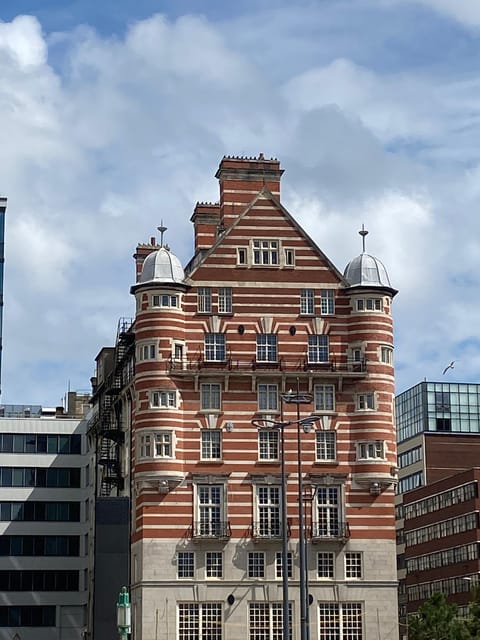
- A 1207-to-present timeline: The walk explains Liverpool’s growth from a small medieval trading town to a major port and industrial power.
- An academically trained guide: John, who has a PhD in imperial and maritime history, is praised for linking local events with wider British and world history.
- A useful first-day introduction: The route covers the Royal Liver Building, Three Graces area, Old Dock, Royal Albert Dock, Liverpool ONE, Castle Street, and more.
- Strong value at $22: Two hours of live guiding costs less than many major city attractions, while giving you context for the rest of your visit.
- Questions are welcome: The guide encourages interaction and explains details clearly, including architecture, trade, railways, food, and local life.
- A central start and finish: You meet outside the river-facing entrance of the Royal Liver Building and finish on Castle Street.
Why Liverpool makes a good walking-history lesson
Liverpool can look like a collection of impressive buildings until someone explains how the pieces fit together. This tour gives you that connecting thread.
You begin with the city’s early development in 1207, then move through the growth of its port, its commercial power, its place in the British Empire, and its modern identity. That long view matters because Liverpool’s grand civic buildings are not isolated showpieces. They reflect trade, shipping, migration, technology, wealth, and political change.
I like that the tour is not limited to one famous subject. The Beatles may draw many people to Liverpool, but this walk gives you a broader picture. You hear how geography and technological advances helped the city grow, how the port shaped northern England, and how maritime commerce affected the city’s buildings and people.
The guide’s role is central. John is the name most often associated with this experience, and his background in imperial and maritime history gives the tour a serious foundation. Dave also leads the walk on some dates. Both are praised for presenting facts in a clear, friendly way rather than turning the experience into a dry lecture.
More History Walking Tours in the UK
- A History of Terror – Belfast City Centre Walking Tour
★ 5.0 · 2,883 reviews - Edinburgh: Old Town History and Tales Walking Tour
★ 4.8 · 2,361 reviews - Old Town Walking Tour History and Tales in Edinburgh
★ 5.0 · 2,168 reviews
Starting beneath the Royal Liver Building
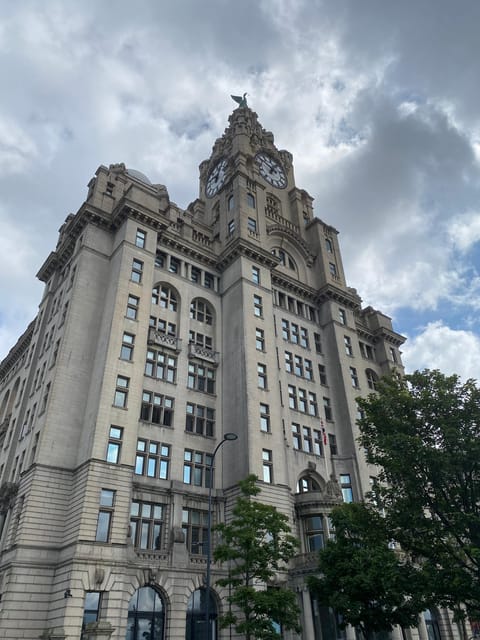
Meet outside the Royal Liver Building, at the black gate facing the river. This is a practical meeting point because the building is one of Liverpool’s clearest landmarks, and the waterfront is easy to identify.
The Royal Liver Building is more than a photo stop. It opens the discussion about Liverpool’s commercial confidence and its place among the great port cities. Your guide explains its history before leading you through the wider waterfront area.
You should pay attention to the building details above street level. One of the strengths of this walk is the way the guide encourages you to look up. Architectural features that might otherwise pass unnoticed become clues to Liverpool’s past.
The tour is conducted in English. The guide speaks clearly and makes an effort to project his voice, which is important in an open city setting. The pace is designed to keep the group together without rushing from one point to another.
The waterfront and Liverpool’s three famous buildings
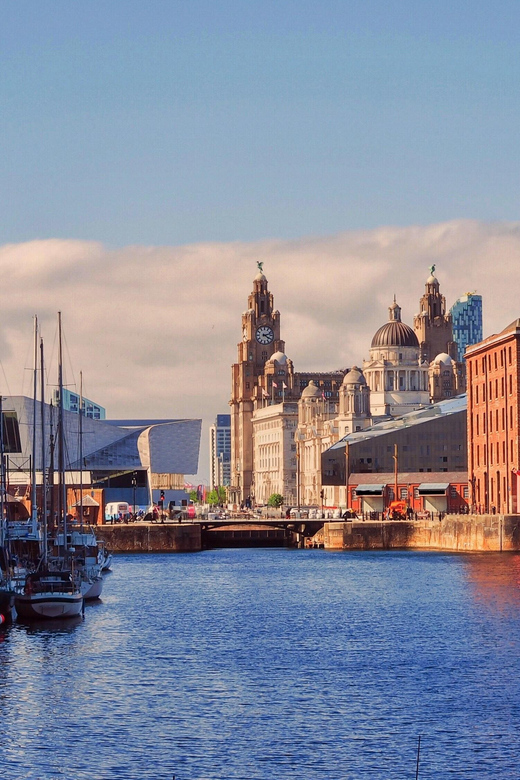
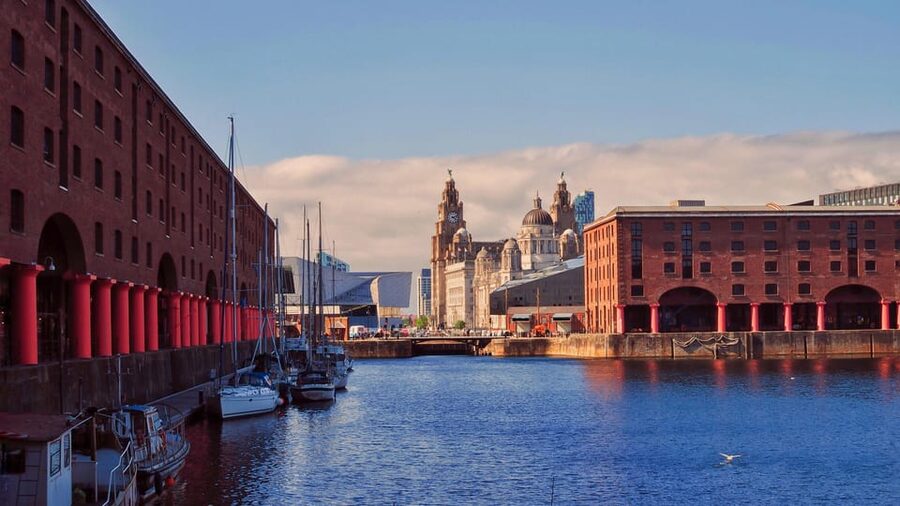
The waterfront gives you one of Liverpool’s most recognizable views. The Royal Liver Building is joined by the Cunard Building and the Port of Liverpool Building, commonly known together as the Three Graces.
The route uses these buildings to explain Liverpool’s maritime and commercial importance. You are not simply looking at grand stone façades. You are learning why a city needed such imposing offices, how port activity supported the local economy, and how Liverpool connected with places far beyond Britain.
I find this part especially useful if you are new to the city. The waterfront is visually impressive, but without context it can feel like a short photo stop. The guide turns it into an introduction to the forces that made Liverpool important.
This is also a good place to listen closely rather than focus only on photographs. The commentary links architecture with economics and civic ambition, which gives the buildings more meaning.
Liverpool Parish Church Gardens and Chapel Street
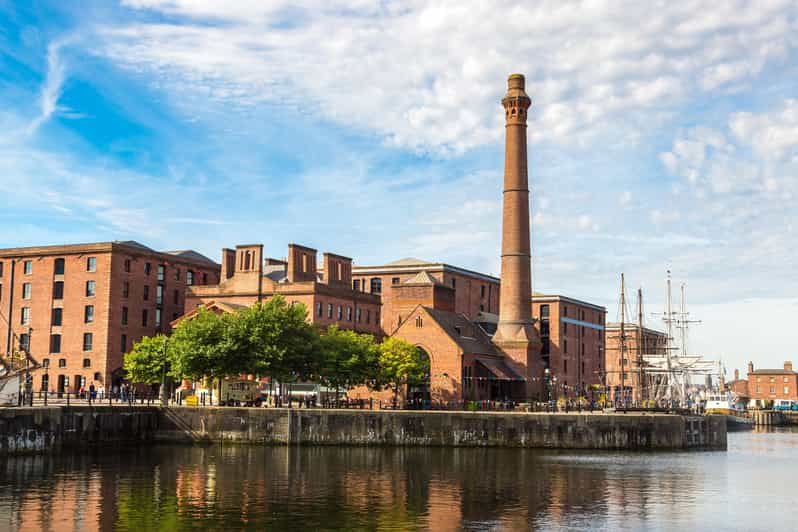
From the waterfront, the walk moves toward Liverpool Parish Church, also known as Our Lady and Saint Nicholas, and the surrounding gardens. This section adds an older, more local layer to the port story.
The church area helps show that Liverpool did not begin as a giant industrial city. It developed over time, and the old religious and civic landmarks offer a glimpse of the earlier settlement.
Chapel Street gives the guide another chance to explain how the city expanded around trade and transport. The route is not confined to grand monuments. That is valuable because Liverpool’s past is also written into streets and smaller urban details.
You may find this section particularly helpful if you want more than a waterfront introduction. It gives the tour a better sense of progression, moving from early Liverpool toward the commercial city that later spread inland.
Same place, a different slice of the past:
- London Small Group Tour of Historical Pubs
★ 5.0 · 10,422 reviews - Edinburgh: Edinburgh Castle Guided History Tour with Tickets
★ 4.8 · 9,933 reviews - Edinburgh: Whisky Tasting with History and Storytelling
★ 4.9 · 2,451 reviews - Soho Music & Historic Pubs Tour
★ 5.0 · 1,993 reviews
Old Hall Chambers and the medieval thread
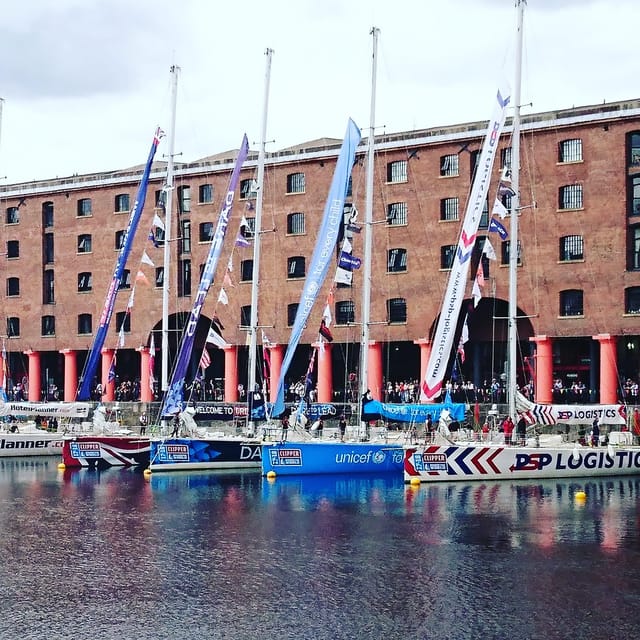
Old Hall Chambers helps bring the medieval story into the present city. The building and surrounding area give you a physical reminder that Liverpool’s beginnings reach far beyond its modern docklands.
The guide uses this part of the route to explain the city’s early foundations and the gradual growth of its trading role. The historical span is wide, but the walking route keeps the story tied to places you can see.
One advantage of having an academically trained local guide is the ability to connect small details with larger forces. A street corner may lead into a discussion of local government, commerce, religion, or changing patterns of settlement.
The limitation is time. Liverpool’s history is too large for two hours, so the tour selects key turning points rather than covering every period in equal detail. I see that as a strength for a first visit, but you should not expect a specialist seminar on one narrow subject.
Town Hall, Queen Victoria Monument, and Castle Street
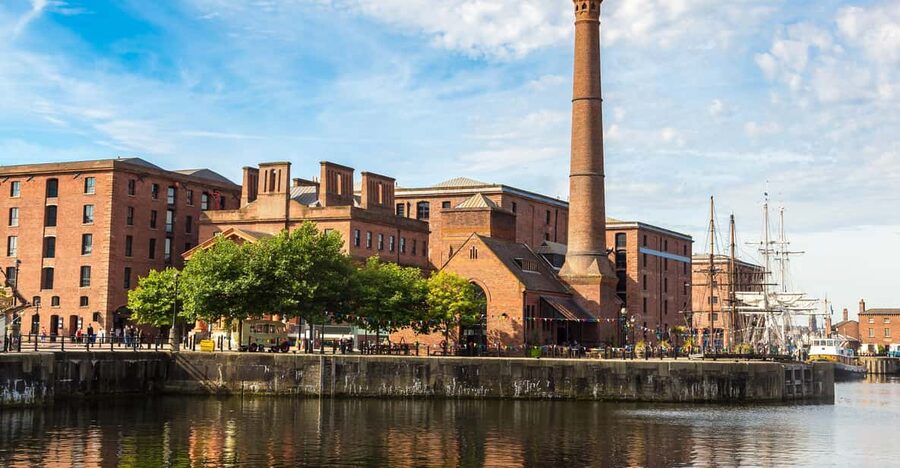
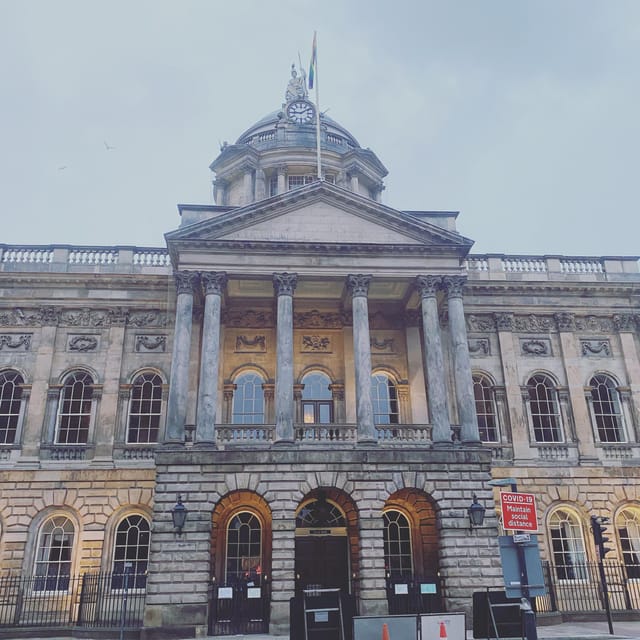
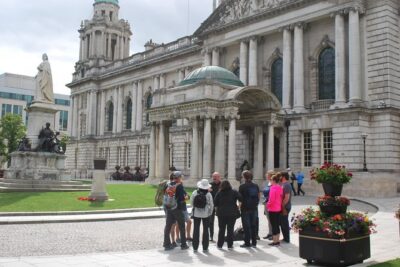
The route continues through the Town Hall area, past Castle Street, and toward the Queen Victoria Monument. Here, Liverpool’s civic identity comes into focus.
The Town Hall and surrounding streets show how a successful port expressed its wealth and authority. The architecture makes more sense after you have heard about trade, empire, and the city’s expanding influence.
Castle Street is an enjoyable part of the walk because it combines historical buildings with a lively central location. The street also serves as the finishing area, so you end with easy access to the city centre.
The Queen Victoria Monument adds another layer of imperial context. The guide explains how Liverpool’s story fits into wider British history, rather than treating the city as an isolated case.
This is where the tour’s wide scope pays off. You hear about Liverpool as a local community, a British port, and an international trading centre. The best moments come when those levels are linked clearly.
The Old Dock and Liverpool ONE
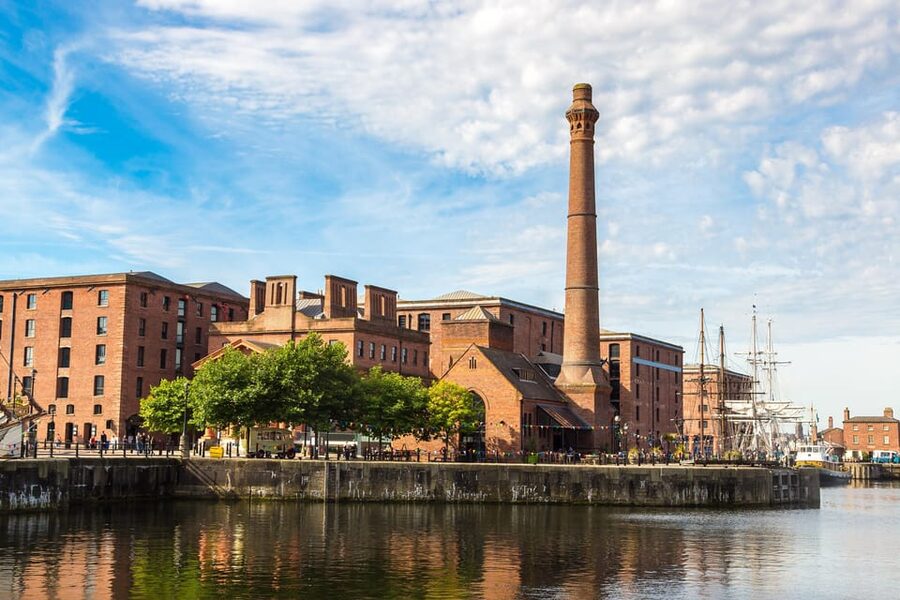
The walk then reaches Liverpool ONE and the Old Dock. This contrast is one of the most useful parts of the route.
Liverpool ONE represents the modern commercial city, while the Old Dock points back to the port infrastructure that helped Liverpool grow. Seeing both in one walk lets you consider how the city has changed its economic focus over time.
The Old Dock is especially important because it connects the city centre with the practical business of moving goods by sea. It helps explain why Liverpool developed into such an influential port and why the city’s commercial life shaped the streets around it.
Liverpool ONE also shows that the city centre is not frozen in the past. Liverpool has continued to adapt, rebuild, and find new uses for central areas.
I appreciate this balance. The tour does not present Liverpool as a museum piece. It shows an old city still changing, with its modern shopping district sitting close to traces of its maritime past.
Royal Albert Dock and the return to the waterfront
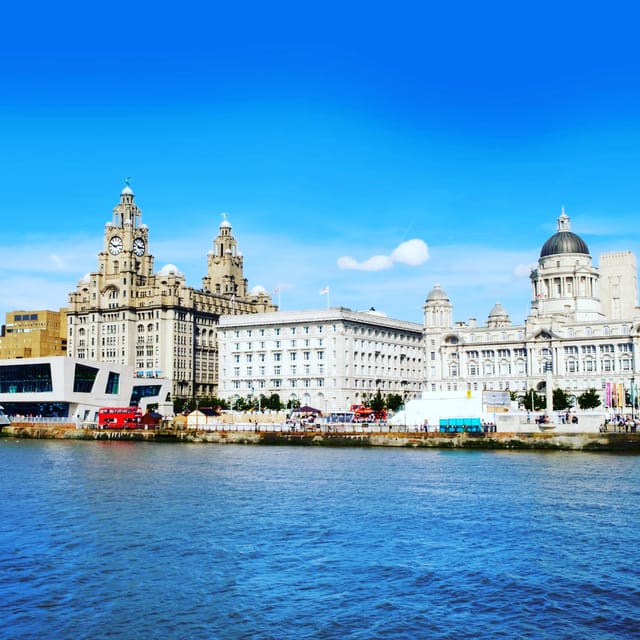
Royal Albert Dock is one of the tour’s main visual highlights. The dock’s large spaces and waterfront setting make it an ideal place to discuss Liverpool’s port history.
The guide explains how the dock fits into the city’s wider development and why maritime trade was so important. This part should appeal to anyone interested in architecture, shipping, commerce, or the way old industrial areas are reused.
The route eventually returns to the Royal Liver Building area before finishing on Castle Street. That arrangement gives you a clear sense of Liverpool’s central core without requiring transport between stops.
You will cover a fair amount of ground in two hours, though the tour is not described as a strenuous hike. Wear comfortable shoes, and remember that much of the experience takes place outdoors. Liverpool weather can change quickly, so a waterproof layer is sensible.
The guide makes the difference
The strongest part of this experience is the presentation. The tour covers a large time span, and a weak guide could make that feel like a list of dates. John’s approach, based on the feedback available, is to build a connected story and invite questions along the way.
He is praised for answering questions fully, explaining links between events, and keeping the group involved. His style includes humour and local recommendations, including advice on where to try scouse, Liverpool’s traditional stew.
That practical touch is useful. You can finish the walk with a better idea of where to eat and what other parts of the city deserve your time.
The guide also points out subjects beyond buildings. You may hear about maritime history, railways, culture, local food, imperial trade, and Liverpool’s effect on northern England. This range helps explain why the city matters historically.
The experience is not only for history specialists. A teenager who begins the tour unsure about it may become interested once the guide connects facts and events into a story. Families and mixed-age groups should find the format approachable, though younger children may need help keeping pace and listening during longer explanations.
How much value do you get for $22?
At $22 per person, this is a good-value orientation tour if you want context before exploring Liverpool on your own.
You get two hours with a live guide, a central route, and access to a broad explanation of the city’s development. The value is not in the number of attractions entered. It comes from understanding what you are seeing and why it matters.
A self-guided walk can show you the same streets, but it cannot easily explain the connections between the medieval town, the port, imperial trade, civic architecture, and modern redevelopment. A guide also lets you ask about details that interest you most.
The price feels especially reasonable for first-time visitors, history fans, and anyone with only a short stay. If you already know Liverpool’s past in detail, you may prefer a narrower specialist tour.
The booking terms are flexible: you can cancel up to 24 hours before the start for a full refund, and you can reserve now while paying later. The tour is wheelchair accessible, but because the route is outdoors and moves through public streets, you should confirm that the specific starting time suits your needs.
Who should take this tour?
I would choose this walk at the beginning of a Liverpool visit. It gives you a map in your head, a basic timeline, and several ideas for places to revisit later.
It suits you best if you:
- Want a broad introduction to Liverpool’s past
- Prefer stories tied to real streets and buildings
- Enjoy asking questions during a guided walk
- Are interested in ports, trade, architecture, or imperial history
- Want to understand more than the city’s music legacy
- Have two hours available for a central city experience
You may want something else if you prefer long interior visits, a Beatles-focused route, or a slow architectural study of just one district. This walk covers a lot, so its strength is range rather than detailed access to one attraction.
Should you book A Walk Through Time?
Book it if you want Liverpool to make sense quickly. The route covers the key central landmarks, but the real benefit is the explanation linking them together.
I would especially recommend it for a first visit, a short city break, or anyone curious about how a medieval settlement became a major port and commercial centre. John’s strong background, clear delivery, humour, and willingness to answer questions receive consistent praise, and the $22 price is fair for that level of guidance.
Bring comfortable shoes, dress for outdoor weather, and arrive at the river-facing black gate of the Royal Liver Building. If you want a well-organized introduction to Liverpool beyond The Beatles, this is a smart place to begin.
FAQ
How long is the Liverpool history walking tour?
The tour lasts two hours. The guided route covers Liverpool’s history from 1207 to the present day.
Where does the tour start?
Meet outside the entrance of the Royal Liver Building, at the black gate facing the river.
Where does the tour finish?
The tour finishes on Castle Street.
What places does the walking tour visit?
The route includes the Royal Liver Building, Liverpool Waterfront, Royal Albert Dock, Liverpool ONE, the Old Dock, Liverpool Parish Church Gardens, Chapel Street, Castle Street, the Town Hall area, and the Queen Victoria Monument.
What language is the tour conducted in?
The live tour is conducted in English.
Is the tour wheelchair accessible?
Yes, the activity is listed as wheelchair accessible.
Just added around the UK
- Curious Cambridge – The History Tour that’s FUN!!!★ 5.0 · 80 reviews
- Birmingham Gangs Nighttime Historical Walking Tour with Pub Stops★ 5.0 · 53 reviews
- 2.5-Hours Walking Tour of Birmingham into Black Heritage Madiba★ 5.0 · 49 reviews
- Belfast Walking Tour: City Centre History, Troubles & Stories★ 5.0 · 39 reviews
- Award Winning Private 2 Hour Belfast Political Black Taxi Tour★ 5.0 · 53 reviews
- Belfast Political/history/troubles private taxi/cab tour★ 5.0 · 69 reviews
- Private Political History & Murals Tour Belfast★ 5.0 · 182 reviews
- Ancient Britain Tour – Private Day Trip from Bath★ 5.0 · 17 reviews
History Walking Tours, compared.
History and Hauntings of Salem Guided Walking Tour
Read our review →
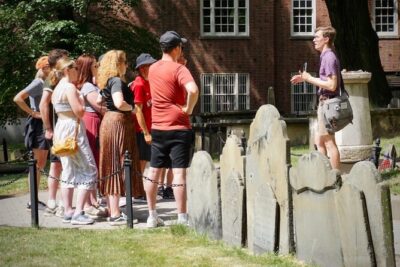
Freedom Trail History Small Group Walking Tour
Read our review →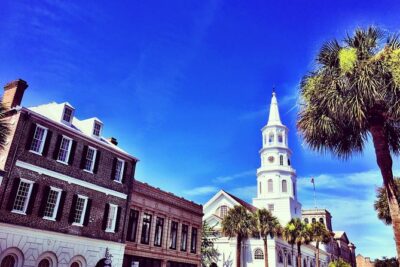
Historic Charleston Guided Sightseeing Walking Tour
Read our review →
Tapas Walking Tour with Food, Wine, and History
Read our review →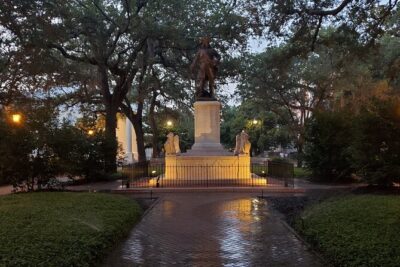
Savannah History and Haunts Candlelit Ghost Walking Tour
Read our review →
A History of Terror – Belfast City Centre Walking Tour
Read our review →Browse the lists this tour appears in