
Review · CALI
Historical Shared Tour Salsa, Graffiti & Resistance in Cali
Cali tells its story through rhythm. This three-hour walking tour links salsa, street art, and social resistance across central Cali, giving you more than a quick look at murals and landmarks. You move from Jairo Varela’s musical legacy to colorful streets, cultural buildings, public art, and a final salsa bar.
I like the way the tour connects dance with civic life, rather than treating salsa as a simple nightclub activity. I also like the chance to learn a few dance steps, handle instruments, and get recommendations for local salsa bars from guides such as Cristian and Juliana. The main consideration is pace: ten stops at roughly 18 minutes each means some places receive a short explanation rather than a full visit.
Key points to know before booking
- Salsa is treated as part of Cali’s identity: The tour explains how music, dance, and popular culture shape the city.
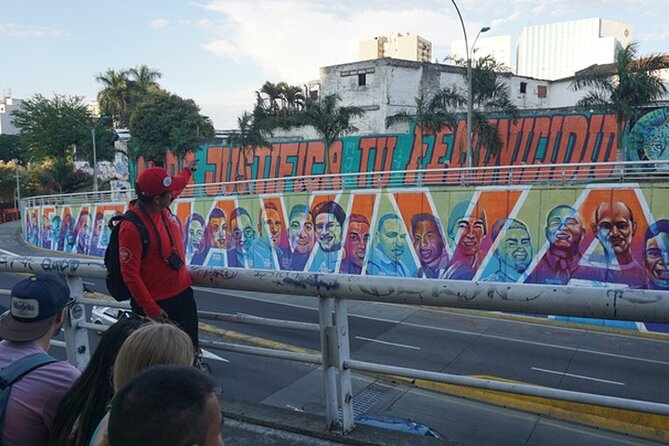
- Street art carries a message: Murals are used to discuss creativity, local memory, and unarmed resistance.
- Cristian and Juliana receive strong praise: Their warmth, energy, and ability to make history entertaining are central to the experience.
- The route ends at Cimarrón Salsa Bar: You finish with a practical introduction to a respected place for dancing and live music.
- It costs $14 through this booking option: Beyond Colombia also offers free walking tours directly, so check the current direct-booking terms before paying.
- The group can reach 30 people: That keeps the price low, but a larger group may make questions and demonstrations less personal.
Why this Cali walking tour is different
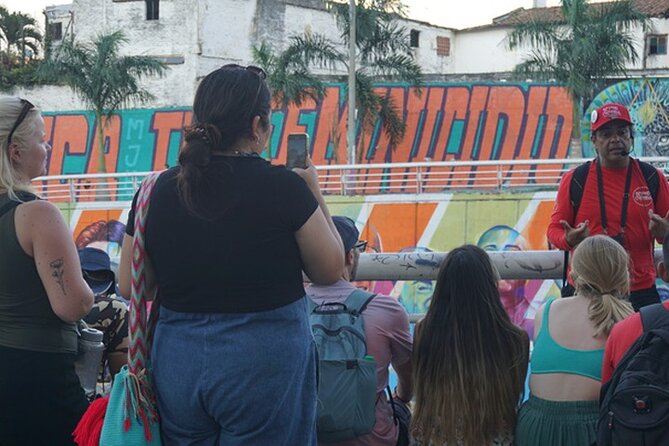
Many city walks give you architecture, dates, and a few famous names. This one uses music and public art as the main guide. You learn why salsa matters in Cali, how local artists use walls to speak about their communities, and how cultural expression can push back against hardship.
The route is also practical for a first visit. It begins at Plazoleta Jairo Varela and moves through several central cultural areas before ending at Cimarrón Salsa Bar in the Normandia Sebastian de Belalcazar area. Along the way, you receive suggestions for salsa clubs, food spots, and cultural events.
The strongest part of the experience is the human element. Cristian is praised for his easy energy, clear explanations, and ability to make city history fun. One account also highlights dance instruction and time spent playing instruments. Juliana is described as warm and engaging, with a strong ability to make the walk feel both informative and enjoyable.
This is not a formal museum tour. You should expect to walk outdoors, listen to stories in public spaces, look closely at murals, and take part when the guide invites you to dance or make music. That active format works well if you want to understand Cali through daily culture rather than only through monuments.
More WWII and D-Day Tours in Colombia:
- Vienna: World War II Historical Walking Tour
★ 4.8 · 1,772 reviews - Zagreb: City & History Walking Tour & WW2 Tunnels
★ 4.9 · 1,202 reviews - Pearl Harbor History Remembered Tour from Ko Olina
★ 5.0 · 1,009 reviews
Starting with Jairo Varela and Caleña salsa
The tour begins at Plazoleta Jairo Varela, a natural choice for a salsa-focused route. The square honors Jairo Varela, one of Cali’s important salsa composers, and murals around the plaza celebrate his life and work.
This opening gives the tour a clear musical center. You are not simply told that Cali likes salsa. You begin with the composer and cultural figure whose work helps explain the city’s sound. The guide can use the murals to introduce the history of Caleña salsa and the wider popular culture connected to it.
You spend about 18 minutes here, with no admission charge. That is enough time for an introduction and photographs, but not for a long art discussion. If you want detailed information about every mural, you may find the stop brief. As a first chapter, though, it works well.
Parque de las Piedras and public gathering spaces
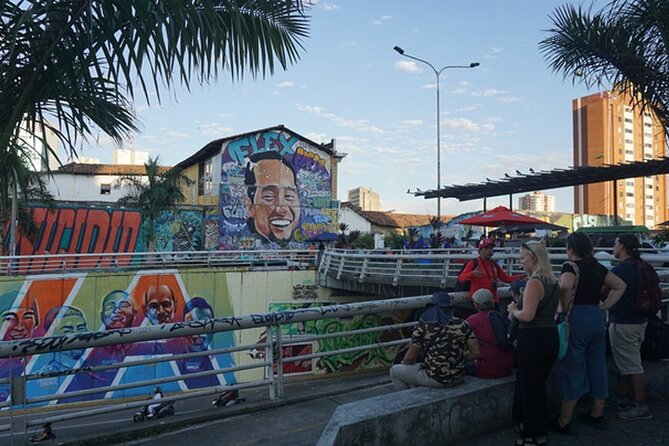
The next stop is Parque de las Piedras, a meeting place associated with salsa lovers. Fountains, sculptures, open areas, and murals give the guide several ways to explain how public space supports music and social life.
The important point here is not only what you see. It is how people use these spaces. A plaza can be a place to meet, rest, listen to music, and share local traditions. The murals also point to Cali’s cultural mix, which helps broaden the tour beyond famous salsa names.
Again, the planned stop is around 18 minutes. You will probably hear a focused explanation and have time to look around. Since the tour is shared and can include up to 30 people, stay close to the guide so you do not miss the story among the fountains and open walkways.
Fine Arts, music, and the city’s creative life
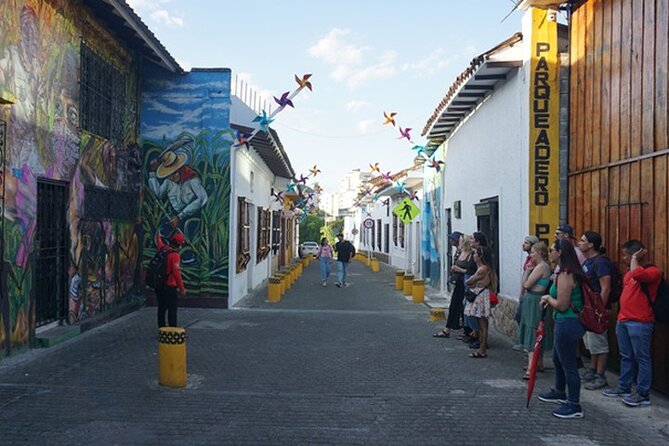
The Departmental Institute of Fine Arts adds a more formal art setting to the route. This cultural center presents forms such as painting, sculpture, and photography, and the tour links those disciplines to music.
That connection matters. Cali’s artistic life is not limited to dance floors or painted walls. The institute helps place salsa and street art within a broader creative scene. You may learn how visual art, performance, and music influence one another in the city.
The stop is listed at 18 minutes, so do not expect a full museum visit or a long gallery tour. The value comes from the guide’s interpretation and from seeing how a cultural institution fits into the larger story.
A few more history tours around Colombia worth a look
- Cartagena: Historic Center and Getsemaní Shared Walking Tour
★ 4.9 · 2,716 reviews - Shared Tour Cali’s Historical Downtown
★ 4.8 · 143 reviews - Shared Tour of Bogota’s Historic Downtown (La Candelaria)
★ 4.7 · 100 reviews - Medellin Historic Walking Tour
★ 4.9 · 86 reviews
La Curva del Boulevard, food, and evening energy
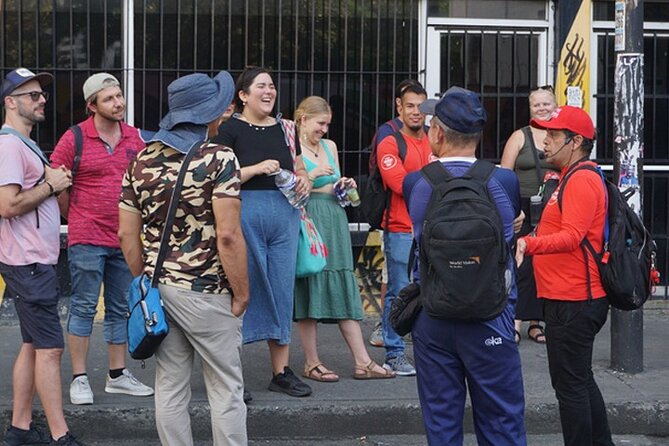
La Curva del Boulevard brings the route into an area known for nightlife and dining. Murals cover building facades, and the stop offers a chance to connect local food with public art and city life.
Food is not included, so you should budget separately if you want a typical dish here. That is both a limitation and a useful choice. You can decide what to eat rather than pay for a fixed menu, but the short stop may not be the right moment for a full meal unless the schedule allows it.
One account of the broader experience describes food stops, an indoor market, and helpful suggestions for places to eat. That should not be treated as a guaranteed part of this particular route, but it shows the kind of practical local advice the guides may provide. If food matters to you, ask the guide for a recommendation during the walk.
Boulevard del Río and a city view
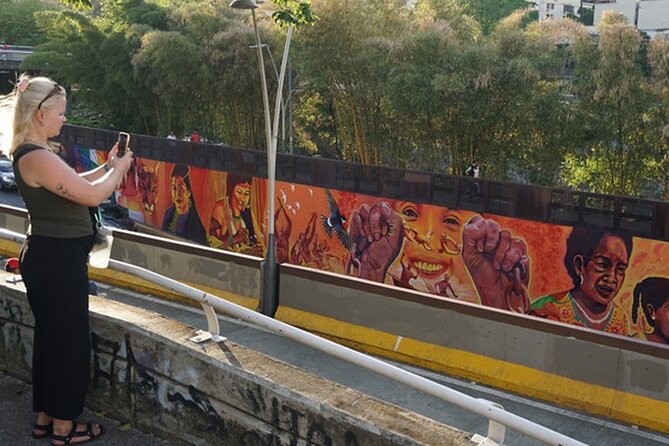
The Edificio Boulevard del Río Emcali introduces modern architecture and a view toward the Cali River. Its design represents urban development, while the viewpoint gives you a chance to see the city from a different angle.
This is a useful pause in a tour otherwise centered on street-level culture. You can step back from the murals and music long enough to understand the city’s physical setting and changing architecture.
The description promises a panoramic view, but the stop remains about 18 minutes. Think of it as a viewpoint and talking point, not an extended sightseeing platform. The quality of the view may also depend on weather, which matters because the tour requires good conditions to operate.
Calle del Sabor, the heart of the salsa route
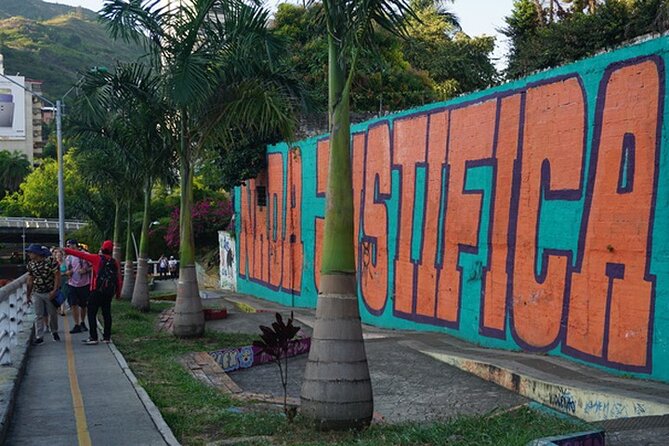
Calle del Sabor is the most direct expression of the tour’s musical theme. Bars, restaurants, and themed shops line the street, while murals depict musicians, dancers, and scenes from Caleña popular culture.
Here, salsa becomes something you can hear, see, and discuss at the same time. The guide can point out how the street presents the city’s music as a living part of local identity rather than a performance reserved for visitors.
You will not receive drinks or food as part of the $14 price. That keeps the base cost low, but it also means you should bring money if you want to stop for a taste or a drink. The street is likely to be one of the more social parts of the route, so it may feel livelier at certain times than others.
Beneficencia del Valle del Cauca and cultural memory
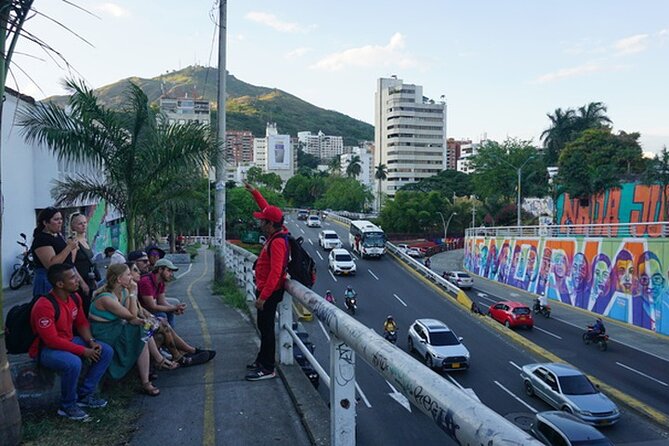
The Beneficencia del Valle del Cauca is a historic building with colonial architecture that now houses cultural spaces. Exhibitions, music presentations, and events connected to Cali’s heritage may be part of the conversation here.
This stop gives the walk a useful change of tone. After plazas, murals, food areas, and salsa venues, you get a reminder that culture also lives in institutions and older buildings. The guide can explain how heritage and contemporary art work together in the city.
The 18-minute format means you may look at the exterior and hear about the cultural uses inside, rather than receive a full scheduled exhibition visit. The supplied details do not promise entry to a specific exhibit, so treat this as a cultural stop on a walking route.
Calle de la Escopeta and Cali’s wall art
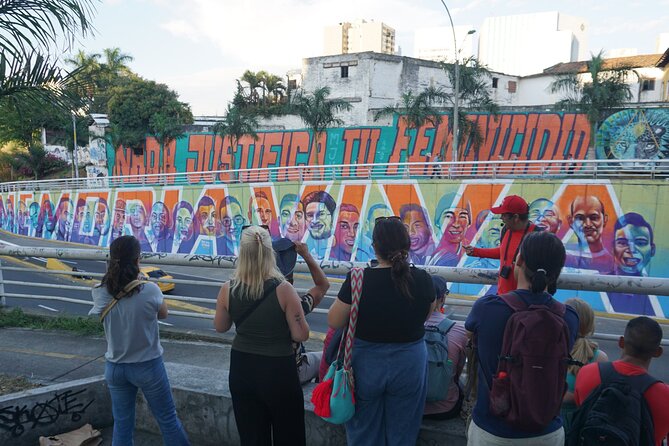
Calle de la Escopeta is one of the clearest street-art stops. Its colorful facades act as large public canvases, showing the creativity of local artists.
This is where the tour’s title makes full sense. Graffiti is not included as decoration alone. The guide explains how urban art can express identity, frustration, memory, and hope. That discussion gives the murals more weight than a simple photo stop.
The tour also connects street art with resistance. Music, dance, and painting can serve as forms of unarmed resistance and community empowerment. This is one of the most meaningful ideas in the experience, especially if you want to understand the social role of art in Cali.
Because the group may include up to 30 people, finding the best viewing position can take a little patience. Listen first, then take your photographs so you do not miss the explanation.
Túnel Mundialista and popular culture
Túnel Mundialista shifts the subject from salsa and graffiti to football and local pride. Murals inside the tunnel celebrate football and Cali culture, turning a passageway into a public art corridor.
The stop shows how city identity is made from several passions at once. Salsa may be the main theme, but football, music, and public art all occupy shared ground in the city. You can compare the imagery here with the murals on Calle de la Escopeta and Calle del Sabor.
The tunnel is also a practical reminder to keep the group together. Public routes can be noisy and distracting, so remain aware of the guide’s position and the walking pace.
Finishing at Cimarrón Salsa Bar
The tour ends at Cimarrón Salsa Bar, described as a cult salsa venue where you can continue with live music, dance shows, and dancing late into the night.
Ending here is a smart choice. Instead of explaining salsa and then sending you away to find a club on your own, the tour points you toward a specific place connected to the city’s music culture. You can use the final stop as an introduction to Cali nightlife, or stay longer if you want to dance.
The bar experience is not included in the tour price. Drinks, food, and souvenirs are extra, and the walk ends at the venue rather than guaranteeing a particular performance. Still, the recommendation has real value, especially for first-time visitors who want a more local night out but prefer a clear starting point.
Guides, group size, and the learning style
Guide quality matters a great deal on a route like this. The strongest praise goes to Cristian and Juliana, with Cristian receiving particular credit for explaining the city’s history, salsa’s importance, and the meaning of local art in a warm, playful way.
The dance instruction is an important bonus. You may learn basic steps and simple salsa survival skills, and one experience included playing instruments. These activities make the subject easier to remember and help break up the walking.
The tour is conducted in Spanish and uses a certified guide. If you understand Spanish, you should get the most from the jokes, historical details, and social discussion. The group limit is 30 people, which is reasonable for a low-cost city walk but not ideal if you want constant one-to-one attention.
Most people can take part, service animals are allowed, and the route is near public transportation. You should still be comfortable walking outdoors for about three hours and standing at public sites.
Is $14 a good value?
At $14 per person, the tour offers a strong amount of content for the price. You receive a guided route through ten locations, salsa history, street-art interpretation, cultural context, dance instruction, and nightlife recommendations. There are no admission fees at the listed stops, which helps keep the cost simple.
The value is best if you are new to Cali. You get orientation, local names, ideas for later evenings, and a route that connects parts of the city you might otherwise visit without understanding.
There is one price issue worth checking. Beyond Colombia is associated with free walking tours booked directly, and one participant specifically preferred booking directly and tipping the guide rather than paying through a third-party platform. Compare the direct price, meeting details, and cancellation terms before reserving. The $14 charge may still be worthwhile if you value advance booking and a fixed reservation, but it is worth making the comparison.
Who should book this experience?
I would recommend it most strongly to first-time visitors who want an introduction to Cali’s salsa culture without spending a full evening in a club right away. It also suits people interested in murals, local history, social movements, and the way public art shapes a city.
It may not suit you if you dislike walking, want a quiet architecture tour, or expect long visits inside museums and historic buildings. The route moves quickly, and the focus is explanation, conversation, and atmosphere rather than detailed access to every site.
Book at least a little ahead if your dates are fixed. The experience is often reserved about 15 days in advance, and its popularity is reflected in a 4.9 rating from 107 reviews, with 97 percent recommending it. Free cancellation is available until 24 hours before the start time. Poor weather or too few bookings can lead to a new date, another experience, or a full refund.
FAQ
How long does the Salsa, Graffiti & Resistance tour last?
The tour lasts approximately three hours.
Where does the tour begin?
It begins at Plazoleta Jairo Varela, also called Plazoleta de La Caleñidad, on Avenida 2 Norte in Granada, Cali.
Where does the tour end?
The tour ends at Cimarrón Salsa Bar on Calle 4 in the Normandia Sebastian de Belalcazar area of Cali.
Is food or drink included?
No. Food, drinks, and souvenirs are not included in the tour price.
Is the tour offered in English?
The included certified guide is Spanish-speaking. The supplied tour information does not promise an English-language guide.
What happens if the weather is poor?
The experience requires good weather. If it is canceled because of poor weather, you are offered another date or a full refund.
Should you book it?
Yes, if you want Cali explained through music, murals, and local social life rather than through a standard sightseeing checklist. The route is affordable, the final salsa-bar recommendation is useful, and guides such as Cristian and Juliana add the energy needed to make a three-hour walk memorable.
Check the direct-booking price first, and arrive ready to walk, listen, and take part. If that sounds like your kind of introduction to Cali, this tour offers a lively and thoughtful starting point.
Just added around Colombia
- Cartagena Instagrammable History★ 4.5 · 29 reviews
- Cali: Walking tour of the historic center★ 5.0 · 69 reviews
- Chiva Private Cultural Tour with Audio Guide in Buga★ 5.0 · 49 reviews
- Bogota scooter tour★ 5.0 · 46 reviews
- Historical tour Bogota★ 5.0 · 72 reviews
- Medellín: Flower Farm & Silletero History Tour★ 4.3 · 23 reviews
- Shared Tour of Bogota’s Historic Downtown (La Candelaria)★ 4.7 · 100 reviews
- Santa Marta A Historical & Street food Experience★ 4.7 · 41 reviews
WWII & D-Day Tours, compared.

Pearl Harbor History Remembered Tour from Ko Olina
Read our review →
Hiroshima Peace (Heiwa) Walking Tour at World Heritage Sites
Read our review →
![Pearl Harbor & USS Arizona Small-Group Tour [Early Access]](https://4.historywanderer.com/wp-content/uploads/pearl-harbor-uss-arizona-small-group-tour-early-access-400x266.jpg)
Pearl Harbor & USS Arizona Small-Group Tour [Early Access]
Read our review →
Anne Frank and the Jewish History of Amsterdam Private Tour
Read our review →
Anne Frank and Amsterdam Jewish History Walking Tour
Read our review →Browse the lists this tour appears in