
Review · NORTHERN GERMANY
Hamburg: UNESCO-World Heritage Sites Tour
Hamburg’s red-brick heart tells a global story. This two-hour walk connects the Chilehaus, Kontorhäuser, and Speicherstadt, showing how trade shaped the city through office buildings, canals, warehouses, and port business. I like the clear route from Jakobikirchhof to Magdeburg Harbour, and I like that the guide brings the port to life with pictures and spice samples.
The tour earns extra points for its steady pace and strong guiding. Albert, one praised guide, was described as easy to hear, well prepared, and engaging even for people who already knew Hamburg. The main consideration is language: this is a German-language tour, and it runs in all weather. The short ferry trip is available only on Saturdays.
Key details before you go
- Chilehaus and Sprinkenhof put Hamburg’s office boom in context: You see the grand Kontorhäuser as working places tied to clerks, trade, and money counting.
- Speicherstadt supplies the atmosphere: Red-brick storehouses, canals, rope winches, carpet storage, and old loading systems give the district a strong sense of purpose.
- Spices make port history easier to picture: Pictures and samples turn an abstract talk about global trade into something you can see and smell.
- The route ends at Magdeburg Harbour: You finish near the International Maritime Museum, Überseequartier, modern dock promenades, and views toward the Elbe.
- Saturday adds a ferry ride: This small extra helps you see Hamburg from the water, but it is not part of every departure.
- The price is modest for a focused city walk: At $18 per person, the tour offers a useful introduction without taking up half your day.
Why Hamburg’s UNESCO quarter works so well on foot
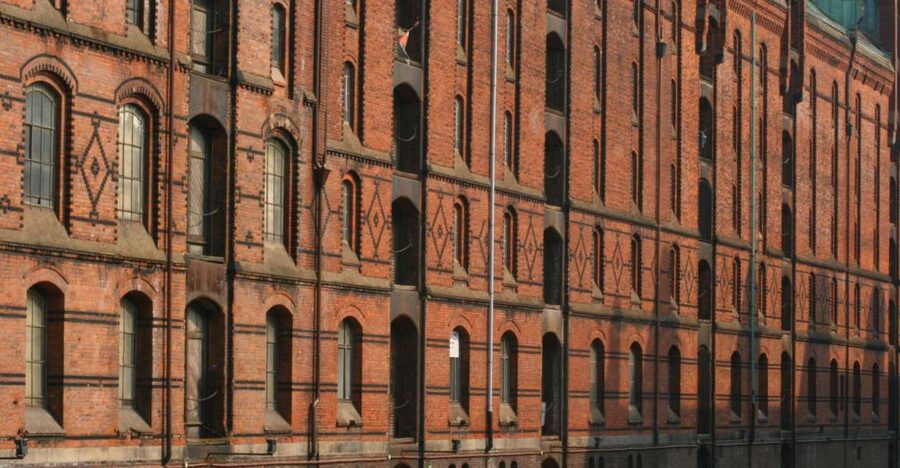
Hamburg’s UNESCO World Heritage area is best understood as a meeting point between money, storage, and shipping. The Kontorhäuser were office buildings for firms that handled trade across Europe and beyond. Speicherstadt held goods close to the port, in long blocks of brick buildings threaded by canals.
That relationship is the real subject of the tour. You are not simply looking at handsome facades. You are learning why office workers, cargo handlers, warehouse staff, and merchants needed these districts to function together.
I like this approach because Hamburg can seem scattered when you first arrive. The port, old city, shopping streets, warehouse district, and new waterfront all have different moods. A guide helps connect them into one story, and this route does so without asking you to spend a full day on the subject.
The two-hour length is useful. You get enough time to understand the main sites, but the walk remains manageable for a first day in town or a spare morning between other plans. The trade-off is that stops are necessarily selective. You will see key buildings and hear the main themes, not examine every street or interior in detail.
More UNESCO World Heritage Tours in Germany:
- Berlin: 3-Hour World Heritage Cruise to Potsdam
★ 4.5 · 1,569 reviews - Classic city tour in the World Heritage City of Augsburg
★ 4.0 · 41 reviews - Quedlinburg UNESCO World Heritage Group Tour (private)
★ 4.6 · 32 reviews
Starting at Jakobikirchhof and entering Hamburg’s office district
The meeting point is at Jacobikirche, at the corner of Bugenhagenstraße and Barkhof. The tour begins at Jakobikirchhof, placing you close to Hamburg’s old center and within easy reach of the first Kontorhaus buildings.
This is a useful starting point because the story begins with commercial power rather than with a scenic view. You are introduced to the city as a place where business demanded new offices, new systems, and new links to the port.
From here, the guide sets up Hamburg’s development and the role of the Hanseatic City. Expect the focus to be on trade, architecture, and daily work. The talk about clerks and money counting tables gives the office blocks a human scale. These were not just grand walls. They were places where paperwork, accounts, and decisions helped move goods around the world.
If you are mainly looking for a general old-town walk, this opening may feel specialized. If you enjoy architecture or want to understand why Hamburg grew so wealthy, it gives you a strong foundation.
Sprinkenhof and the working side of the Kontorhäuser
Sprinkenhof is one of the major early stops. Here, the guide explains the Kontorhaus tradition and Hamburg’s economic growth through the buildings themselves.
The value of this stop is architectural and social. The office blocks express confidence, but the tour also points toward the people who made them work. Clerks, accountants, and managers occupied these buildings, handling the details behind international trade. That is a more useful way to look at urban architecture than simply calling a building impressive.
You may notice how the scale and decoration communicate status. The buildings were designed to house commerce, yet they also helped Hamburg present itself as an international business center. The guide’s job is to show how those aims fit together.
The route is conducted in German, so you will want a good working grasp of the language. The guide’s speaking style matters here because architectural explanation can quickly become dense. One especially praised guide, Albert, was noted for a clear voice, a manageable pace, and a convincing sense of commitment. Those are practical strengths on a walking tour, particularly when you are standing outdoors with traffic and city noise nearby.
Chilehaus, the tour’s architectural centerpiece
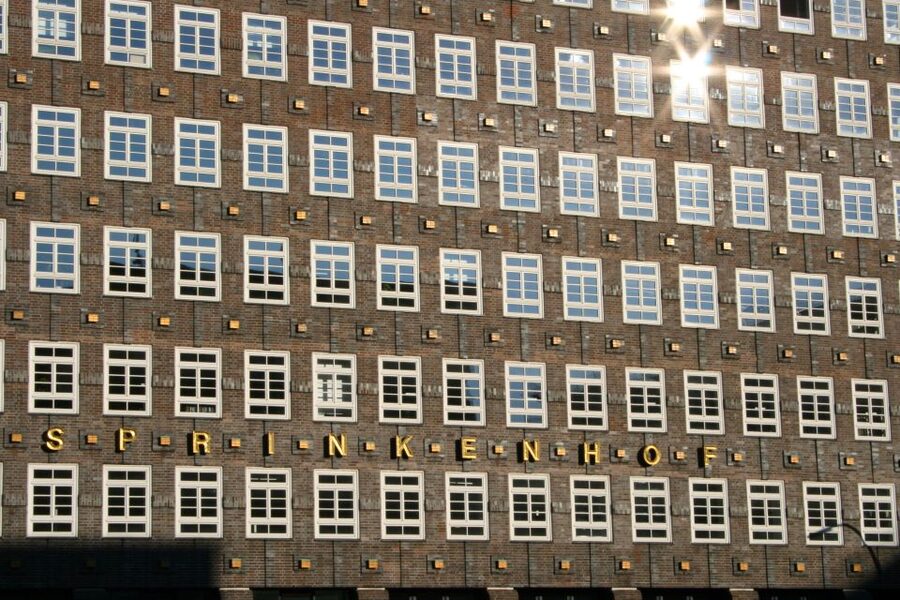
The Chilehaus is the stop many people will anticipate most. Its unusual form gives the tour a memorable architectural anchor, and the guide uses it to explain Hamburg’s links to commerce and international influence.
The building is not presented as an isolated work of design. Instead, you hear how the Kontorhäuser fit into a period when Hamburg was expanding its trade connections and needed offices that matched its ambitions. That context makes the Chilehaus more rewarding than a quick photograph from the street.
I like that the route treats architecture as evidence. The brick, angles, scale, and placement all tell you something about the city that built them. You do not need to be an architecture specialist to follow the main idea, though anyone interested in design will likely get more from the stop.
Do not expect a long indoor visit or an architectural lecture with technical drawings. This is a guided outdoor walk, so the experience depends on what can be seen from public streets and how well the guide explains it. The reward is a compact, visual lesson that fits into a larger story about business and port life.
A few more history tours around Germany worth a look
- Leipzig: City History Canal Sightseeing Tour on a Motorboat
★ 4.7 · 7,671 reviews - Leipzig: 1.5-Hour Historical Walking Tour in German
★ 4.7 · 2,217 reviews - Heidelberg: Night Watchman Historic Adventure Tour
★ 4.7 · 1,186 reviews - The Local Tour of Hamburg Historic Centre
★ 5.0 · 1,058 reviews
Meßberg connects offices to storage and trade
At Meßberg, the story shifts toward the relationship between the office quarter and the warehouse district. This is where the route begins to make Hamburg’s commercial system easier to picture.
The city’s trade required more than merchant offices. Goods needed storage, sorting, handling, and onward transport. Meßberg helps bridge those functions, preparing you for the larger blocks and canals of Speicherstadt.
This part of the walk is valuable because it prevents the tour from becoming a parade of famous buildings. You start to see how one district depended on another. The office workers handled orders and accounts, while storage and port operations dealt with physical goods.
The tour also touches on the practical side of work. Old rope winches and carpet storage are among the details you may encounter along the way. Such objects help explain how warehouses operated before modern logistics changed the waterfront. I find these small working details more revealing than another broad statement about Hamburg’s importance.
Speicherstadt, where brick and water do the talking
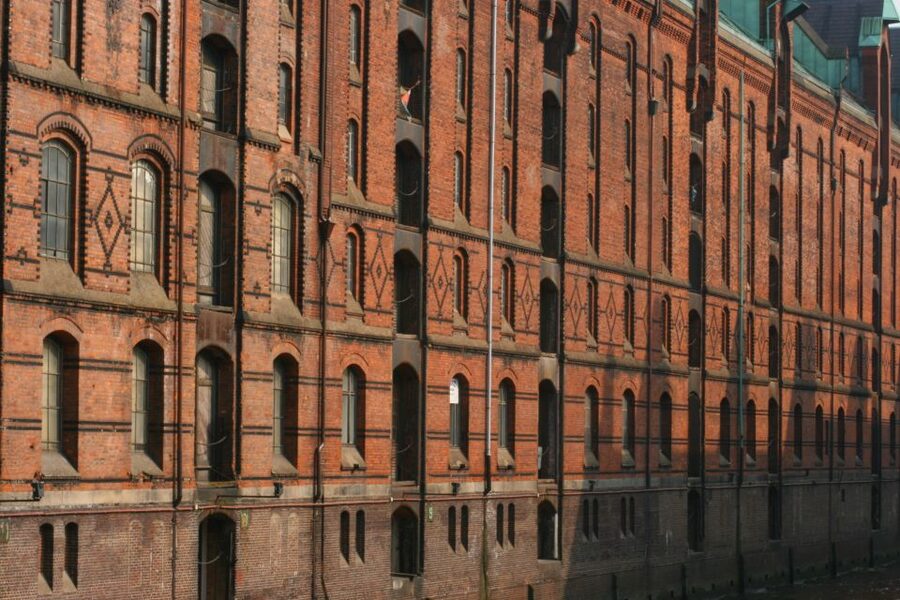
Speicherstadt is the emotional center of the route. Its red-brick storehouses, canals, and long facades give you the clearest sense of Hamburg as a trading port.
The district is photogenic, but the tour asks you to look past the postcard view. The warehouses had a job. Their design supported the storage and movement of goods, and their position beside the waterways linked them to the wider port.
The old rope winches are a good example. They point to the physical effort once required to move cargo between boats, streets, and storage floors. Carpet storage adds another concrete detail, helping you picture the range of goods passing through Hamburg.
I also like the contrast the guide draws between old brick facades and modern architecture. Speicherstadt is not frozen in one period. New promenades, waterfront construction, and contemporary buildings sit near the historic warehouses. That mix lets you see how Hamburg has kept using its harbor area while changing its appearance and functions.
Canals provide the district’s most distinctive setting, but you should remember that the tour takes place outdoors in all weather. Rain can make the brick surfaces slick and dull the views, while wind near the waterfront can make two hours feel colder than expected. Dress for conditions rather than for the calendar.
Dar es Salaam Square and the port’s wider connections
The route continues to Dar es Salaam Square, where the port story takes on a wider geographic reach. The name itself points toward Hamburg’s long connection with overseas trade, and the guide uses the area to discuss the international side of the harbor.
This is also a good point for the tour’s visual material and spice samples. Pictures can show how port operations looked across different periods, while the spices offer a direct reminder that trade involved real products, not just contracts and cargo figures.
That sensory touch is modest but effective. When you handle or smell spices, the subject becomes less distant. You can connect the warehouse, the office, and the ship to goods that were bought, stored, and sold.
The guide also explains how the port worked. The exact depth of the information will depend on the guide and your German, but the tour clearly aims to move beyond architectural sightseeing. You are learning about a working system and the people who made it run.
Finishing at Magdeburg Harbour
The walk ends at Magdeburg Harbour, a useful location for continuing your Hamburg day. The area includes important buildings such as the International Maritime Museum and the Überseequartier, along with modern dock promenades and views toward the Elbe.
This final section gives the tour a sense of direction. You begin with historic offices and finish among port-related museums, new development, and open waterfront views. The contrast reinforces the main idea: Hamburg’s harbor is both an old source of wealth and an active part of the modern city.
If you want to continue exploring, the ending point leaves you near more maritime and waterfront sights. The tour does not include admission to the International Maritime Museum, so treat that as a possible next stop rather than part of the walking experience.
The final setting is also a good place to pause after two hours on foot. You have moved from narrow city streets and brick courtyards toward a more open harbor environment. That change gives the route a satisfying finish without pretending that the historical story ends there.
The Saturday ferry option
A short ferry trip is available only on Saturdays. This is a useful extra because water changes your view of the warehouses and port edges. From a ferry, you can understand the relationship between waterfront buildings and shipping space in a way that street-level walking cannot fully provide.
Still, do not book expecting a boat ride on every departure. If the ferry is important to you, confirm that your chosen Saturday outing includes it. On other days, the tour remains a walking route through the historic districts and harbor area.
The ferry should be treated as a bonus, not the main reason to choose the experience. The architectural and historical content forms the core of the outing.
Guide quality, pace, and language
The tour is led in German, with a live German-speaking guide. That makes it a natural choice for German speakers or anyone comfortable following a detailed spoken explanation in German.
The available feedback is especially positive about the quality of the guiding. Albert received praise for presenting a large amount of well-founded information with energy, while keeping a pace that was easy to manage. His clear voice was also singled out, an important detail when a group is listening outdoors.
The overall rating is 4.7 from 137 reviews, with repeated praise for the informative nature of the walk. One short response simply called it super, while another described it as very informative. These comments point to the tour’s main strength: solid content delivered in a way that keeps the two hours moving.
There is one balance to keep in mind. A guide who covers architecture, economic history, port operations, and urban change may provide a lot of information in a short period. If you prefer a slow, quiet photo walk, this may feel busy. If you want a clear introduction with substance, the density is part of the value.
Is $18 a fair price?
At $18 per person, I consider this good value for a two-hour guided walk in central Hamburg. The fee includes the sightseeing tour and a German-speaking guide, with no museum admission listed.
You are paying for interpretation, not transport or entry tickets. That matters because the buildings and districts can be visited independently, but the connections between them are harder to spot on your own. The guide explains why the Kontorhäuser, Chilehaus, Meßberg, Speicherstadt, and harbor belong in one story.
The value is strongest if you are new to Hamburg, interested in architecture, or want a useful orientation early in your visit. It is also sensible for people with only a short amount of time.
The value is weaker if you do not understand German, dislike guided groups, or already know the Kontorhaus and Speicherstadt story well. In that case, the route may repeat familiar material, although the praise from a Hamburg-experienced participant suggests that a strong guide can still add fresh historical details.
Free cancellation up to 24 hours before the start and the option to reserve now and pay later reduce the risk of fitting it into a changing schedule. Keep those terms in mind when planning, but the bigger decision is still whether the German presentation suits you.
Who should choose this Hamburg walking tour?
I would choose this tour for:
- First-time visitors who want to understand Hamburg’s old commercial center
- Architecture fans interested in the Chilehaus and Kontorhäuser
- People who enjoy port history told through buildings and working details
- German speakers who prefer a live explanation to a self-guided route
- Visitors with two hours to spare before or after other sights
- Anyone who wants a Saturday ferry option alongside the walk
I would think twice if you need an English-language tour, want extensive indoor access, or hope for a full-day port experience. The route is focused and compact. Its strength is the clear connection between office buildings, warehouses, waterways, and modern harbor development.
Practical tips for a better walk
Wear shoes suited to two hours on city streets and dress for rain, wind, or cold. The tour runs in all weather, so an umbrella or waterproof layer can make a real difference.
Arrive at Jacobikirche, at the corner of Bugenhagenstraße and Barkhof, rather than relying only on the broad name of the district. The exact meeting point matters in Hamburg’s busy center.
If the ferry matters, choose a Saturday and check the starting time and availability before booking. The walk itself is offered for two hours, but the listed start times can vary.
Keep your attention on the small details. The old rope winches, storage arrangements, brickwork, canals, and changing waterfront buildings are where the tour becomes more than a list of famous names.
Should you book it?
Book this tour if you want a focused, affordable introduction to Hamburg’s UNESCO districts and you can follow German comfortably. The route gives you the Chilehaus, Sprinkenhof, Meßberg, Speicherstadt, Dar es Salaam Square, and Magdeburg Harbour in a logical two-hour progression.
Skip it if you need English commentary or want a longer ferry and harbor excursion. For everyone else, the $18 price is sensible, the route covers the city’s most important architectural themes, and the strongest guides appear to add real value through clear explanations, good pacing, and details that even Hamburg regulars may not know.
FAQ
Where does the Hamburg UNESCO World Heritage Sites Tour begin?
It begins at Jacobikirche, at the corner of Bugenhagenstraße and Barkhof, in the Jakobikirchhof area.
Where does the tour finish?
The tour finishes at Magdeburg Harbour.
How long does the tour last?
The walking tour lasts two hours.
What language is the tour conducted in?
The tour is conducted in German with a live German-speaking guide.
Is a ferry ride included on every tour?
No. The short ferry trip is available only on Saturdays.
What happens if the weather is bad?
The tour operates in all weather conditions, so you should dress appropriately for rain, wind, cold, or other outdoor conditions.
Just added around Germany
- Historic center of Berlin – Tour in Italian★ 5.0 · 143 reviews
- Berlin Food & Cultural Tour: Must-Try German & Berliner Classics★ 5.0 · 51 reviews
- Private Berlin WWII and Cold War History Tour with Local Expert Guide★ 5.0 · 28 reviews
- Private Tour: Jewish Heritage Walking Tour of Berlin★ 5.0 · 29 reviews
- Small-Group Historical Bike Tour in Berlin★ 4.5 · 103 reviews
- East Berlin Food & History Tour with Eating Europe★ 5.0 · 204 reviews
- Explore Berlin History and Highlights Sightseeing Walking Tour★ 5.0 · 81 reviews
- Berlin: Private Bike Tour of the Berlin Wall and Third Reich★ 5.0 · 23 reviews
UNESCO World Heritage Tours, compared.

World Heritage Shirakawa-go and Experience Tours from Kanazawa
Read our review →

Bali: Tanah Lot UNESCO World Heritage Sites Full-Day Tour
Read our review →World Heritage Kyoto & Nara Uji Authentic Matcha Experience
Read our review →

UNESCO’s Ayutthaya Historical Park: Full-Day Tour from Bangkok
Read our review →
Rotterdam: Kinderdijk UNESCO World Heritage Entry Ticket
Read our review →
From Busan: Gyeongju UNESCO World Heritage Guided Day Tour
Read our review →Browse the lists this tour appears in