
Review · GENOA
Genoa Food, Wine Tasting & History Walking Tour
Genoa rewards the curious eater. This two-hour walk pairs classic Ligurian street food with churches, palaces, and narrow old-town lanes, giving you a quick but flavorful introduction to the city. I especially like the mix of food and sightseeing, and I like that local guide Lorenzo brings personal pride and plenty of stories to the route. The main thing to know is that this is a standing street-food walk, not a series of seated restaurant meals.
The tour costs $71.38 per person, which can be good value if you arrive hungry and want a guide to connect Genoa’s food with its past. You should also be ready for hills, stairs, warm weather, and a fairly active pace. Fried fish, in particular, may not suit every stomach, and the wine tasting is more of a friendly introduction than a formal lesson in winemaking.
Key points at a glance
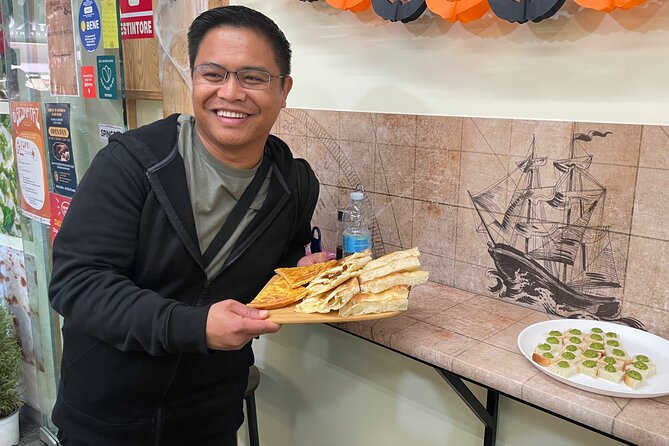
- Five local tastes: Try focaccia, farinata, pesto, panera, and fried fish, with the exact menu adjusted for dietary needs.
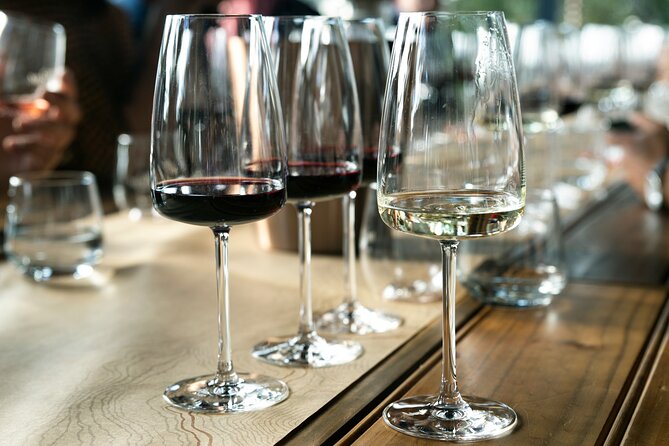
- Two Ligurian wines: The final tasting includes one red and one white wine from the region.
- A compact city introduction: The route links Christopher Columbus’s house, Palazzo Ducale, San Lorenzo Cathedral, Palazzo San Giorgio, and Genoa’s noble palaces.
- A guide-led old-town walk: Lorenzo is frequently praised for his humor, local knowledge, patience, and ability to point out places you might otherwise miss.
- Small-group feel: The maximum group size is 15, though some departures may be much smaller.
- Food first, comfort second: Tastings are generally eaten at street-food stops, with no promise of a seated table at each location.
Why this two-hour Genoa walk works
Genoa can feel confusing at first. Its historic center folds into itself, with grand marble buildings opening onto narrow lanes and churches appearing where you least expect them. A short guided walk helps you make sense of that jumble while giving you something tasty to eat along the way.
I like the balance here. You are not spending two hours listening to dates and names while standing hungry, and you are not simply hopping between food counters without context. The route gives you a basic picture of Genoa as a port city, a center of power, and the home of a distinct Ligurian food culture.
The tour is also useful on your first day. You get an orientation to the old center, learn which foods to look for later, and finish near Via Garibaldi, where you can continue exploring the palaces independently. Some people also use it on their final day because it fits neatly into a short schedule.
Still, keep your expectations clear. This is a walking food tour with historical stops, not a slow lunch. Tastings are taken at local food spots and may be eaten outdoors or while standing. If you want a long meal with detailed explanations of every dish and wine, this may feel too brisk.
More History Walking Tours in Italy
- Venice: City Center Historical Guided Walking Tour
★ 4.2 · 1,873 reviews - Palermo: Street Food and History Walking Tour
★ 4.9 · 1,486 reviews - Verona: History and Hidden Gems Guided Walking Tour
★ 5.0 · 1,379 reviews
Starting at Christopher Columbus’s house
The meeting point is Casa di Cristoforo Colombo, at Vico Dritto di Ponticello 37. The small house is one of Genoa’s most recognizable historical markers and provides a natural starting point for the city’s story.
The location also places you right beside the old center, where the route can quickly move from a famous name to less obvious corners. That is part of the appeal. You begin with a landmark, then get a broader look at Genoa rather than spending the whole tour focused on one figure.
From here, the guide begins explaining the city while leading you through its streets. Lorenzo is the guide most often associated with this experience, and his strength appears to be the personal side of guiding. He is described as friendly, funny, patient, and proud of his hometown. That matters in Genoa, where the best parts of a walk may be a small church, an overlooked doorway, or a shop that looks ordinary until someone explains why it matters.
The route is not designed for long photo stops at every monument. You will get a compact introduction, with food breaks providing natural pauses.
Palazzo Ducale and Genoa’s old power
Palazzo Ducale, or the Doge’s Palace, is one of the major stops. It once served as the seat of political power in Genoa, and its position helps explain the importance of the city’s old ruling class.
You will admire the building from the route rather than take part in a full interior visit. That distinction matters. The tour gives you context and an exterior look, but it does not include entry to Palazzo Ducale or any of the other major monuments.
The palace is especially useful as a bridge between the food and the city’s past. Genoa’s cuisine developed in a working port, while its rulers and merchants built impressive public and private spaces. The tour tries to place both sides together: everyday food in the lanes, grand architecture nearby.
If you have only a short time in Genoa, this is an efficient way to see several important buildings without arranging separate sightseeing stops. If you want a detailed study of Palazzo Ducale, plan another visit after the tour.
San Lorenzo Cathedral and the churches along the way
San Lorenzo Cathedral is the most important church on the route. Its striped stone facade and imposing presence make it one of Genoa’s essential sights, and the stop adds a major religious landmark to the tour’s political and commercial themes.
You may also enter other churches or smaller religious spaces along the way, depending on the route and conditions. One particularly appealing feature is the chance to see less obvious interiors and tucked-away chapels. These are the places you might easily miss if you simply follow the main shopping streets.
The church stops also give you a break from eating and walking. Genoa’s center is not flat, and the route includes some up-and-down movement. One person specifically found the hills noticeable, so comfortable shoes are a sensible choice. If you have mobility concerns, contact the provider before booking. Lorenzo has been accommodating with an older family member, but the exact route and pace still matter.
The historical commentary seems strongest when it is tied to the place in front of you. You should expect useful local stories and a clear overview, but not a university lecture on Genoese architecture or church art.
Same place, a different slice of the past:
- Colosseum: Underground and Ancient Rome Tour
★ 4.7 · 12,691 reviews - Rome: Colosseum with Arena, Roman Forum and Palatine Guided Tour
★ 4.0 · 5,598 reviews - Venice: St. Mark’s Basilica Guided Tour & VR History Intro
★ 3.9 · 4,880 reviews - Colosseum with Arena, Roman Forum and Palatine Hill Guided Tour
★ 4.5 · 3,526 reviews
Palazzo San Giorgio and Genoa’s merchant spirit
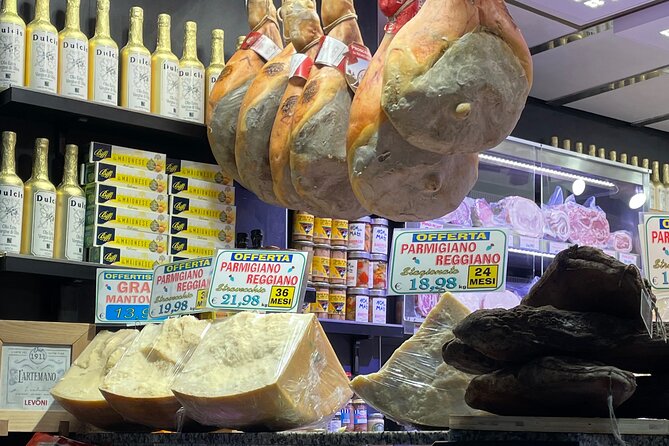
Palazzo San Giorgio adds another important piece to the city’s story. Its frescoed exterior makes it easy to recognize, while its past connects with Genoa’s long commercial and maritime life.
The building is a good reminder that Genoa was shaped by trade, finance, ships, and ambitious families. The tour does not treat food as an isolated subject. Instead, it presents local specialties as part of a city that has always exchanged goods, ideas, and ingredients.
The stop is also a visual change from the narrower lanes. Genoa’s old center works best when you move between grand facades and intimate streets, and this walk makes that contrast part of the experience.
Again, you should not expect an extended interior visit or a specialist lecture. The value is in seeing the building, hearing why it matters, and then continuing through the city with that context in mind.
Noble palaces and the less obvious Genoa
The final architectural part of the walk leads through streets associated with Genoa’s old nobility. The palaces show how wealthy families once displayed their power, and they give you a reason to look upward as you move through the center.
This is where a local guide can make a real difference. Lorenzo is praised for showing private chapels, tucked-away sights, and old shops that could almost serve as small museums. These details are easy to overlook when you are navigating on your own, especially if you are focused on finding the next major square.
The route ends on Via Garibaldi, one of the city’s best-known palace streets. Ending here is practical. You can continue walking, visit more buildings, or pause for a drink after the tour.
You should expect the itinerary to vary slightly. Food availability, weather, group pace, and local opening conditions can affect the exact order of stops. The main landmarks and food themes remain the foundation.
What you actually eat in two hours
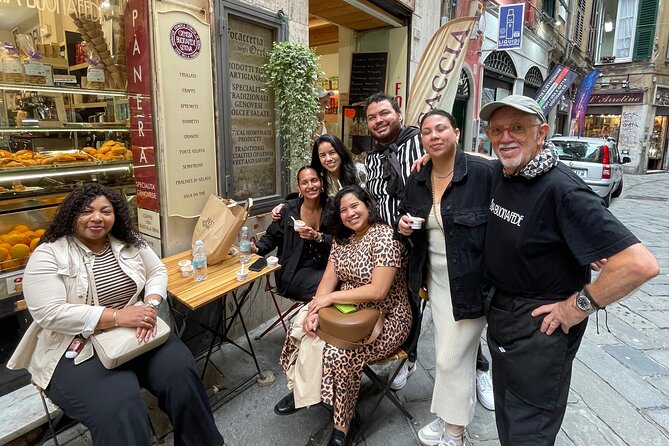
The tasting menu focuses on simple Genoese staples rather than elaborate restaurant dishes. You may sample:
- Focaccia
- Farinata
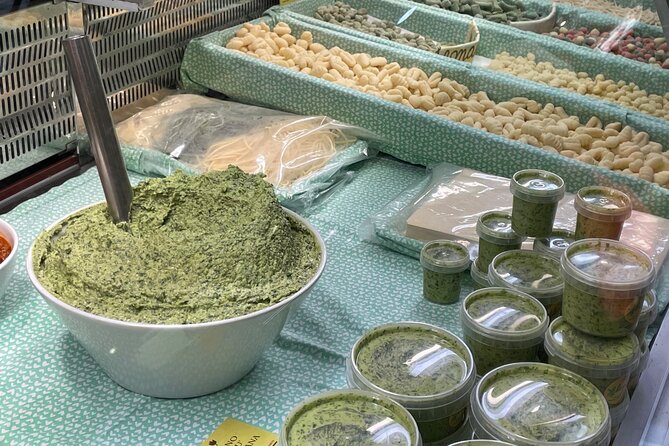
- Pesto
- Panera
- Fried fish
- Two Ligurian wines
Focaccia is an obvious starting point. Genoa is closely associated with this soft, olive-oil-rich bread, and tasting it fresh from a local shop gives you a better sense of why it belongs in the city’s everyday food culture.
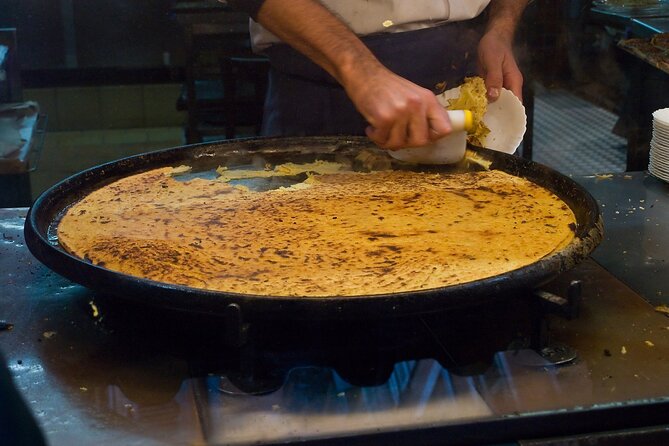
Farinata is made from chickpea flour and is another good example of humble food done well. It is filling, inexpensive, and strongly connected with Ligurian cooking.
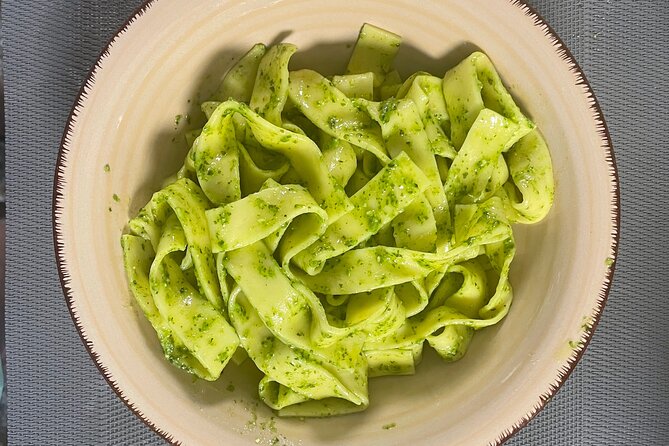
Pesto gives the tasting a sharper regional identity. Genoa is the home of pesto alla Genovese, and trying it as part of a local snack is more useful than simply seeing a jar in a shop. Some tastings may include cheese focaccia with pesto, depending on the stop.
Panera is Genoa’s coffee-flavored frozen dessert. It is a welcome sweet course, especially after the savory items, and gives you a local alternative to ordinary gelato.
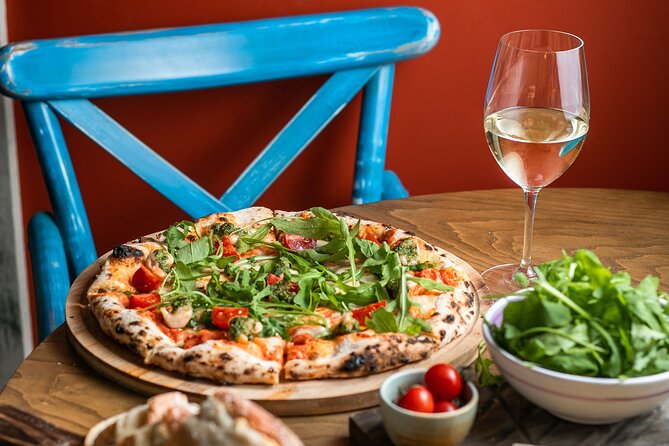
Fried fish is the most divisive item. It can taste excellent when fresh, but it is heavier than the bread and pesto dishes. If fried food or seafood is not for you, tell the provider in advance. One person wished the fish had been replaced with pizza, and another found it did not sit well the following day. The menu can be adjusted for preferences and dietary needs, but you should not assume that pizza is included simply because it may appear in promotional imagery.
The portions are intended for tasting rather than a full restaurant meal. Some people leave quite full, while someone expecting a large lunch may find the amount limited for the price. I would arrive with a moderate appetite, not an empty stomach after skipping meals all day.
The two-wine finish
The tour includes two of the best Ligurian wines, generally a white and a red. This is a pleasant way to finish the route and gives you a chance to try regional bottles you might not order on your own.
The wine stop is informal. You may learn the basic identity of the wines and their place in Ligurian food culture, but this is not a sommelier course covering vineyard methods, production, or detailed tasting technique.
That is not necessarily a weakness. If you want a relaxed glass of local wine after a walk, the format works well. If you are booking mainly for serious wine education, you may want a dedicated winery experience instead.
The final stop may also include local produce and bottles for sale. It can be a useful place to note down names and return later, especially if you want to take home a taste of Liguria.
Pace, hills, heat, and group size
The advertised duration is about two hours, but the pace can feel active because you are combining sightseeing with several food stops. Genoa’s old town includes slopes and uneven streets, so wear supportive shoes and avoid assuming this is a flat stroll.
Hot, humid weather can make the food and walking feel more demanding. There are breaks, and water has been provided on some departures, but you should still plan sensibly for the season. A morning or late-afternoon start may feel easier than the hottest part of the day, though the available departure time will determine your choice.
The maximum group size is 15. That is small enough for questions and a more personal feel, and some departures may be much smaller. A small group is especially helpful in narrow lanes and at compact food counters.
The tour is offered in English, Spanish, and Italian. English is available both in the booking information and with the in-person guide. The commentary is conversational and local rather than highly formal.
Dietary needs, families, and access
The menu can be adapted to preferences or needs, and vegan and vegetarian options are available. You should share dietary requirements after booking rather than waiting until the first food stop.
Families are welcome, and children have enjoyed the combination of stories and snacks. Service animals are allowed, and the tour is listed as pet-friendly. Public transportation is nearby, but hotel pickup and drop-off are not included.
Accessibility depends on the route, the hills, and the group’s pace. Lorenzo has made accommodations for an older family member, which is encouraging, but you should explain your needs in advance so the route can be discussed honestly.
Is $71.38 good value?
At $71.38 per person, the price is reasonable if you value a guide, several tastings, two wines, and a quick introduction to Genoa’s center. You are paying for more than the food. The guide’s route, local contacts, city stories, and ability to reveal places you might miss all form part of the cost.
The value is weaker if you judge the tour only by portion size. This is not a multi-course meal, and the tastings are generally street food. You may find the price high if you expected a seated dining experience or generous portions of seafood and wine.
I would book it for the combination, especially at the start of a Genoa visit. You can use the information later when ordering focaccia, pesto, farinata, or Ligurian wine on your own. Booking about a month ahead is sensible since this experience is commonly reserved well in advance, though availability can vary.
Free cancellation is available up to 24 hours before the start time. Changes or cancellations inside that window are not refunded, and poor weather may lead to a new date or a full refund.
Who should book this Genoa food walk?
This tour suits you if you:
- Have only a few hours in Genoa
- Want food and sightseeing in one compact outing
- Enjoy local snacks more than formal restaurant meals
- Like asking questions and walking with a small group
- Want help finding lesser-known churches and old-town corners
- Are happy to eat outdoors or while standing
- Need vegetarian, vegan, or other dietary adjustments
It may not suit you if you want a long sit-down lunch, a detailed wine seminar, or a completely flat route. Seafood skeptics should also ask about substitutions before booking.
Should you book it?
I would book the Genoa Food, Wine Tasting & History Walking Tour if you want a practical first look at the city and prefer authentic snacks to polished dining rooms. The best parts are the local guide, the mix of food and architecture, the compact route, and the chance to see places you might pass without noticing.
Go in expecting street food, walking, and a friendly introduction, not a formal culinary class. If you accept that format, $71.38 buys a useful orientation, several distinctly Genoese tastes, two regional wines, and a better sense of how the old city fits together.
FAQ
How long does the Genoa food and wine tour last?
The tour lasts approximately two hours.
Where does the tour start?
It starts at Casa di Cristoforo Colombo, Vico Dritto di Ponticello 37, 16121 Genova, Italy.
Where does the tour end?
The tour ends on Via Garibaldi in Genoa.
What food is included?
The planned tastings include focaccia, farinata, pesto, panera, and fried fish. The menu may be adjusted for dietary preferences or needs.
Are drinks included?
Yes. The experience includes two Ligurian wines, generally one white and one red.
Is the tour suitable for vegetarians and vegans?
Yes. Vegetarian and vegan options are available, and the provider contacts you after booking about dietary requirements.
Is hotel pickup included?
No. Hotel pickup and drop-off are not included.
What happens if the weather is poor?
The experience requires good weather. If it is canceled because of poor weather, you will be offered another date or a full refund.
More Food Tours in Italy
- Rome Food Tour in the Historic Centre with 8+ Food Tastings
★ 5.0 · 1,000 reviews - Walking Tour and street food Tour Palermo / History and Food
★ 5.0 · 386 reviews - Lecce History and Street Food Tasting Small Group Tour
★ 5.0 · 288 reviews - Private Rome Food Tour in the Historic Centre with 8+Tastings
★ 5.0 · 135 reviews
More Wine Tours in Italy
- Lake Garda: Historic Castle Cruise with Wine Tasting
★ 4.5 · 241 reviews - Marsala: Historic winery tour with wine tasting
★ 4.8 · 112 reviews - Lazise: Historical Center Wine Tasting Tour
★ 4.9 · 110 reviews - Montepulciano: Historical Cellars Guided Tour & Wine Tasting
★ 4.4 · 83 reviews
Just added around Italy
- 2 Hours Private Historical Tour in Genoa★ 5.0 · 248 reviews
- Genoa Day Tour: 4 hours of History with Focaccia , Prosecco & Joy★ 5.0 · 41 reviews
- Florence Highlights: Guided Walking Tour of the Historic Center★ 5.0 · 27 reviews
- Florence tour of the historic center. Stories, legends and gossip★ 5.0 · 27 reviews
- The History of Florence: The Renaissance Era Private Tour★ 5.0 · 49 reviews
- EXCLUSIVE – Wine Tasting near Florence with Castle and Ancient Cellars Tour★ 5.0 · 34 reviews
- Private Tour of the Historic Center of Florence by Golf Car★ 4.5 · 40 reviews
- Private Chianti Classico Tour with wine and food tasting in a Historic Estate★ 4.5 · 23 reviews
History Walking Tours, compared.
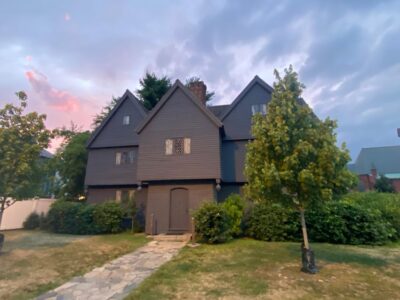
History and Hauntings of Salem Guided Walking Tour
Read our review →
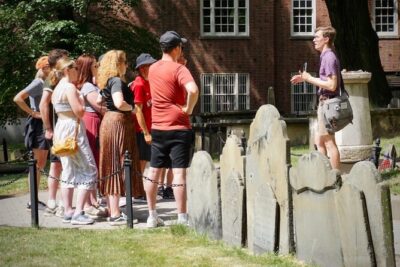
Freedom Trail History Small Group Walking Tour
Read our review →
Historic Charleston Guided Sightseeing Walking Tour
Read our review →
Tapas Walking Tour with Food, Wine, and History
Read our review →
Savannah History and Haunts Candlelit Ghost Walking Tour
Read our review →
A History of Terror – Belfast City Centre Walking Tour
Read our review →Browse the lists this tour appears in