
Review · NEW YORK CITY
Tenement History and Immigrant Life in the Lower East Side
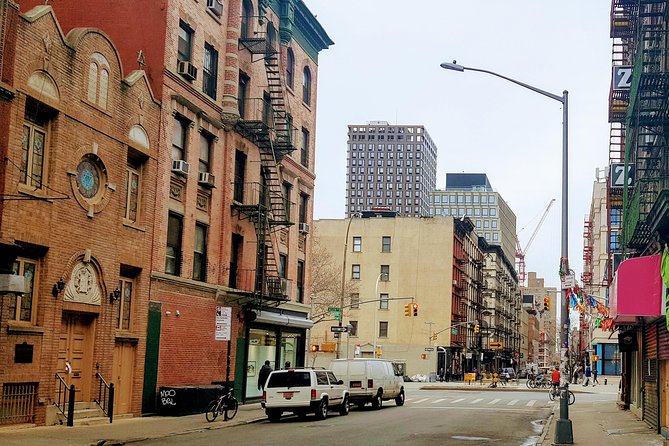
New York’s old stories still line its streets. This two to three hour walking tour connects Five Points, Chinatown, Jewish Lower East Side landmarks, and surviving tenement buildings with the people who lived in them. I like the way the tour treats tenement history as more than a tale of poverty. You see how housing laws changed, how immigrant communities formed, and how the neighborhood kept adapting.
I especially like the small maximum of five people, which gives the guide room to answer questions and adjust the pace. I also like the use of old photographs, maps, and other visual aids, a feature praised again and again by people who took the tour with Rob or Robert. The main drawback is simple: this is a walking tour with a lot of standing, and it does not include admission to the Tenement Museum.
The tour costs $59 per person and is offered in English, with morning and afternoon start times. It finishes with a rooftop view from Hotel Indigo, a smart final touch that lets you look down at the very streets and building types you have just studied.
Key points to know before booking
- A five-person maximum: The small group makes it easier to ask questions and gives the guide room to tailor the walk.
- A broad Lower East Side story: You cover Five Points, Chinatown, Jewish immigrant life, tenement laws, bathhouses, newspapers, shopping streets, and changing neighborhoods.
- History brought to street level: Rob often uses photographs and maps to show what buildings and streets looked like in earlier decades.
- Not a Tenement Museum tour: This experience is separate from the Tenement Museum and does not provide entry there.
- A rooftop finish: The upper-floor lobby of Hotel Indigo offers a bird’s-eye look at different tenement eras and Midtown.
- Plan for steady walking: Comfortable shoes, water, and a snack will make the experience easier.
Why this Lower East Side walk is worth your time
Many New York tours skim across the Lower East Side, point out a few facades, and move on. This one is built around a single question: how did ordinary immigrant families find a place in a city that kept changing beneath them?
That question gives the walk a useful shape. You begin with the earlier Five Points area, move through Chinatown and Jewish Lower East Side landmarks, and finish by looking back over the neighborhood from above. Along the way, you learn that tenement did not automatically mean slum. These buildings were purpose-built working-class housing, and their condition varied by era, owner, location, and the laws then in force.
Rob’s style is a major part of the experience. His strongest quality is preparation. He brings visual material, answers questions in detail, and can adjust the pace to suit the group. Several people found his presentation more like having a history professor walking through Manhattan with them, though the tone remains friendly rather than academic.
The small group matters here. With no more than five people, you are not trying to hear a guide over a crowd at a busy corner. You can stop to ask why one tenement looks different from another, or how a particular law affected windows, light, ventilation, fire safety, or shared facilities.
A few more history tours around New York City worth a look
- NYC: Speakeasy Drinks and Prohibition History Tour
★ 4.7 · 474 reviews - The Original Greenwich Village Food & Cultural Tour Since 1999
★ 5.0 · 254 reviews - The Speakeasy Adventure: A Tipsy Trip Through History
★ 5.0 · 220 reviews
Foley Square and the former Five Points
The walk begins near Foley Square, at Lafayette Street, Worth Street, and Centre Street. This is a practical starting point because it introduces the older parts of lower Manhattan before the tour reaches the best-known tenement blocks.
The first discussion centers on Five Points and Mulberry Bend, areas once described as some of the city’s worst slums. The important point is not simply that these places were poor. You learn why the neighborhood became crowded, how immigrant families found housing there, and how the idea of the tenement developed as New York’s working population grew.
The stop lasts about 15 minutes and requires no admission ticket. It is short, but it gives you the basic terms and setting for everything that follows.
A useful caution: modern streets do not always make the old neighborhood easy to picture. Much has changed, and the original street pattern is not always obvious. That is where the guide’s photographs and explanations help. You are not just looking at today’s courthouse district and trying to imagine an earlier city from scratch.
Columbus Park and Jacob Riis
The next stop is Columbus Park, with about five minutes devoted to the site and its connection to Jacob Riis. Riis’s book, How the Other Half Lives, helped expose the living conditions of poor New Yorkers through writing and photography.
The tour uses Riis as a way to bring former communities into view. The park sits between Chinatown and the Court District, but its current appearance can hide the crowded past of the area. Photographs help bridge that gap.
Later in the walk, more images from How the Other Half Lives appear at one of the neighborhood’s early parks. This repeated use of visual evidence is one of the tour’s best features. A date, law, or statistic can feel remote. A photograph of a crowded room, narrow yard, or laundry line makes the issue much easier to grasp.
The Riis material also needs a little care. His work is important, but photographs of poor communities can frame people from an outsider’s point of view. The value of the tour is that it places those images into a broader story about immigration, housing, reform, and the people who built lives in difficult conditions.
Tenement blocks and the laws that changed them
The main part of the tour takes place along the Lower East Side’s tenement-lined streets. Here the experience becomes less about one famous building and more about comparing many structures from different periods.
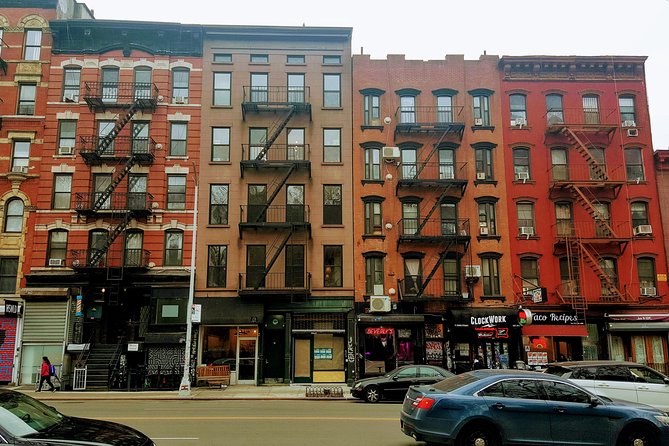
You look at how tenement design changed from the mid-19th century into the early 20th century. The guide points out differences between building types and explains how new laws gradually altered construction and living conditions.
This is where the tour earns its price. Instead of memorizing a list of landmarks, you learn to read the buildings around you. A window pattern, courtyard arrangement, fire escape, or change in building shape can reveal something about the period in which a tenement was built and the rules that governed it.
The walk also corrects an easy mistake. Not every tenement was part of a slum community, and not every resident lived in identical conditions. Housing could still be cramped and difficult, but the story was not one flat picture of misery. Families worked, worshipped, shopped, organized, and built businesses in the same streets.
You should expect a fair amount of standing while the guide explains details. The pace is described as manageable, and the guide has adjusted it to suit the group. Still, comfortable shoes are essential. Water and a small snack are sensible additions, especially if you choose a warm afternoon departure.
Same place, a different slice of the past:
- Speakeasy Drinks and Prohibition History Tour NYC
★ 4.5 · 204 reviews - Hamilton and Washington Revolutionary Walking Tour
★ 5.0 · 182 reviews - #1 Rated NYC Chinatown Food and History Walking Tour with FNYT
★ 5.0 · 171 reviews - Tribeca Architecture And History Walking Tour
★ 5.0 · 141 reviews
East Broadway, Chinatown, and the view toward lower Manhattan
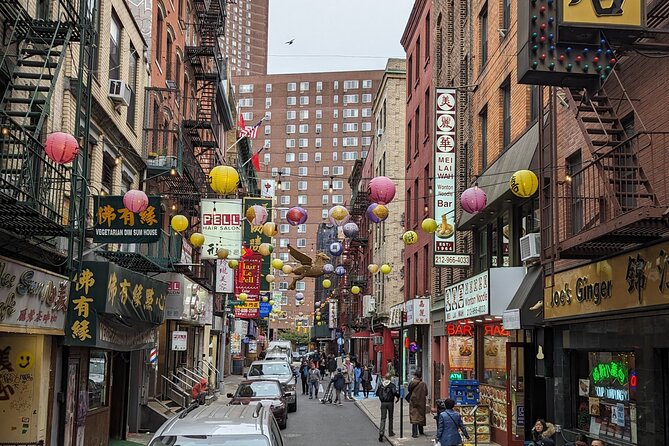
At East Broadway, you get a striking view toward the Municipal Building and Woolworth Building. This section also brings you into one of Chinatown’s most active street scenes, where several layers of the city sit close together.
The walk does not treat Chinatown as a separate stop disconnected from the Lower East Side. Instead, it shows how one immigrant neighborhood followed another and how communities overlapped, moved, and changed over time.
You may pass places that look ordinary at first but carry a long local story. The guide’s strength is explaining why a street matters, not just pointing out an attractive facade. One person especially appreciated seeing Chinatown’s local architecture and even receiving a recommendation for dumplings. Food is not the main subject, but a short eating suggestion can be a welcome bonus in this part of town.
This part of the route is also a reminder that the Lower East Side is not a museum set. It remains a working neighborhood with shops, restaurants, traffic, and daily life. That makes the walk more interesting, though it can also make it harder to hear at times. A small group helps.
Eldridge Street Synagogue and Jewish immigrant life
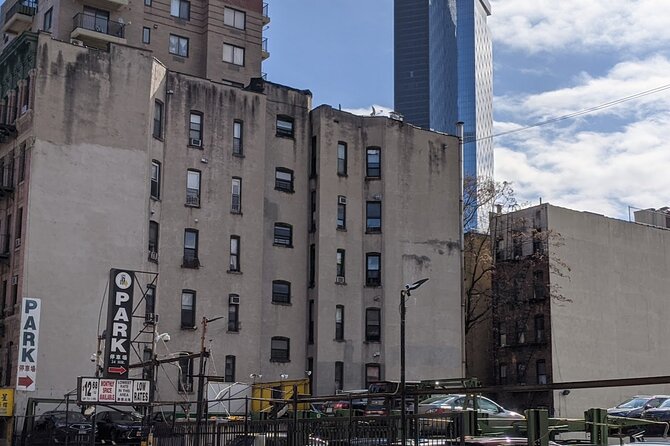
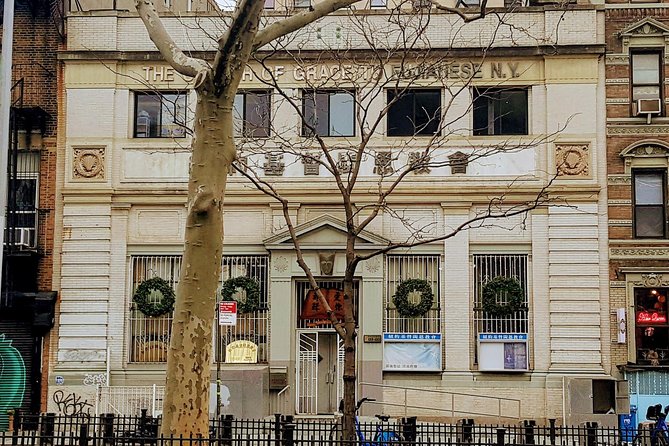
The Eldridge Street Synagogue is one of the most striking buildings on the route. Its appearance opens the discussion of Jewish life on the Lower East Side and the particular story of Jewish immigration.
The tour places this experience alongside the earlier immigrant communities rather than treating it as a general footnote. You learn how different groups arrived with their own languages, customs, religious institutions, newspapers, shops, and social networks.
That distinction matters. The Lower East Side was not shaped by one single immigrant experience. Italian, Jewish, Chinese, and other communities left different marks, and families did not remain fixed in one neighborhood forever. The tour explains those movements as part of New York’s long development.
The synagogue is also a good place to pause and think about the physical signs of community life. Religious buildings, newspapers, bathhouses, stores, and parks all helped people settle in a new city. They were not just background scenery. They were part of the support system that helped families build a life.
Parks, newspapers, and everyday community life
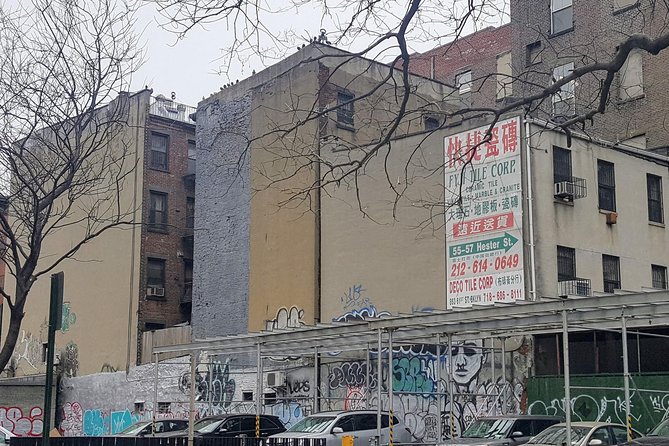
One of the neighborhood’s early parks was so crowded on opening day that it had standing room only. That detail gives you a sense of how dense the surrounding population was and how valuable open public space could be.
Here, the guide uses more photographs from How the Other Half Lives to show the people and conditions of an earlier Lower East Side. The images add emotion, but the broader explanation keeps the stop from becoming a parade of grim pictures.
The route also passes a newspaper that once served as an institution for the Jewish community. A newspaper could do much more than report the news. It connected immigrants to language, politics, employment, local events, and debates within the community.
These smaller stops are easy to miss if you walk the area alone. You might notice the buildings, but not understand why a newspaper office or public park mattered so much. That is one of the tour’s clearest benefits: it gives ordinary places a social purpose.
The Tenement Museum confusion, explained clearly
You need to understand one important point before booking: this tour is not operated by, connected with, or admitted to the Tenement Museum.
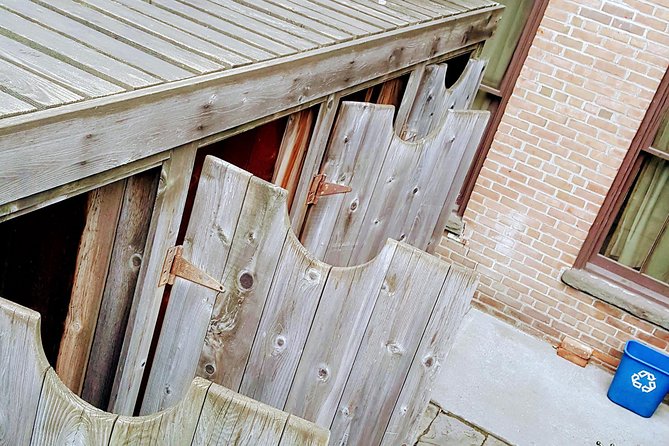
The route passes the rear of the museum, where recreated details such as outhouses and clotheslines help suggest earlier tenement life. But seeing the museum from outside does not include entry, and your tour ticket is not a museum admission ticket.
This distinction has caused confusion because searches for the Tenement Museum can bring up unrelated experiences. The operator has tried to clarify the difference, but you should still check your confirmation carefully and contact the operator if the meeting time or destination looks unclear.
The two experiences can work well together. The museum offers an interior, room-by-room look at specific families and apartments. This walking tour gives you a wider view of the surrounding streets, housing types, immigrant groups, and changes across the neighborhood. If you have time for both, they should feel more like companions than duplicates.
DeLancey Street, the bathhouse, and practical city history
DeLancey Street brings the story into commerce. It once served as a center for discount clothing outlets, a detail that shows how shopping districts answered the needs of working families.
The route also passes the Allen Street bathhouse. It operated from 1905 until 1975 and was one of roughly a dozen bathhouses in the area. It lasted longer than the others before being converted into a church.
This is exactly the kind of detail that makes the tour useful. A bathhouse was not simply an architectural curiosity. In crowded housing, public facilities could be important to daily life. The building’s long use also shows how institutions changed purpose as neighborhood needs shifted.
These stops broaden the experience beyond immigration as a political or demographic subject. You see clothing, bathing, religion, public space, newspapers, and housing as connected parts of urban life.
Ending above the Lower East Side at Hotel Indigo
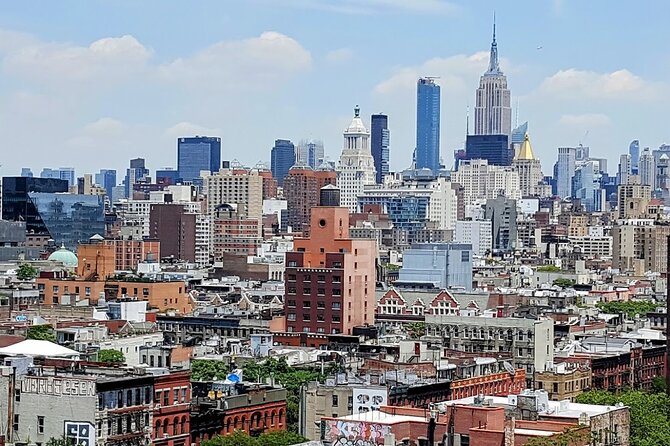
The tour ends at Hotel Indigo Lower East Side New York, at 171 Ludlow Street. From an upper-floor lobby or rooftop-level viewpoint, you look back over the streets you have walked.
The guide identifies different tenement types from above and connects their shapes to the laws and eras discussed earlier. This is a strong ending because the neighborhood becomes a kind of map. Details that seemed scattered on foot begin to fit together.
You also get a broad view toward Midtown. It is a fine visual finish, but the real value is the change in perspective. After studying narrow streets and building fronts, you can see how blocks fit together and how much of the old housing pattern remains.
The stop lasts about 10 minutes and requires no admission ticket. Access to this final view is part of the planned experience, but you should follow the meeting instructions closely and avoid assuming it is a separate public observation deck visit.
Price, group size, and who will enjoy it most
At $59 per person, this is not the cheapest way to walk through the Lower East Side. It is a fair price if you want an organized history lesson, a guide who can answer detailed questions, visual aids, and a very small group.
You are paying for interpretation rather than a ticketed attraction. The streets and buildings are free to see on your own, but it is easy to pass them without understanding what changed, who lived there, or why a particular feature matters.
I would recommend this experience to:
- First-time visitors who want more than a quick Chinatown walk
- People interested in immigration, housing, city planning, or Jewish history
- Families with older children or teenagers who enjoy stories tied to real places
- Repeat New York visitors looking for a less familiar side of lower Manhattan
- Anyone who prefers a personal guide to a large group tour
It may not suit you if you dislike walking, need frequent indoor stops, or mainly want access to the Tenement Museum. The group size is capped at five, but the tour still requires moderate physical fitness and good walking shoes.
Morning and afternoon options help fit the tour into a larger New York schedule. Bookings are often made about 23 days ahead, so planning early is sensible if your dates are fixed. Free cancellation is available up to 24 hours before the start time. Poor weather or failure to meet the minimum group size can lead to a new date or a full refund.
Should you book this Lower East Side tour?
Book it if you want the Lower East Side explained through buildings, streets, photographs, and the lives of the people who used them. Rob’s preparation, visual material, friendly manner, and willingness to shape the pace are the strongest reasons to choose it.
Do not book it expecting Tenement Museum admission or a short sightseeing loop. This is a detailed walking lesson, with plenty of standing and a broad subject that reaches from Five Points to Chinatown, Jewish institutions, bathhouses, newspapers, shopping streets, and changing housing laws.
For the right audience, the rooftop ending makes the whole walk click. You finish not just with a collection of facts, but with a clearer sense of how immigrant communities helped shape New York block by block.
FAQ
How long does the tour last?
The tour lasts approximately two to three hours.
Where does the tour begin?
It begins at Foley Square near Lafayette Street, Worth Street, and Centre Street in New York City.
Where does the tour end?
It ends at Hotel Indigo Lower East Side New York by IHG, at 171 Ludlow Street.
Is admission to the Tenement Museum included?
No. This tour is separate from the Tenement Museum and does not include museum admission.
How many people can join the tour?
The experience has a maximum of five people.
What language is the tour offered in?
The tour is offered in English.
Is a guide included?
Yes. A local professional guide is included.
What should I wear or bring?
Wear comfortable walking shoes. Water and snacks are recommended because the tour involves substantial walking and standing.
Is the tour suitable for people with service animals?
Yes. Service animals are allowed.
What happens if the weather is poor?
If the tour is canceled because of poor weather, you will be offered another date or a full refund.
Can I cancel for a refund?
Yes. You can cancel at least 24 hours before the start time for a full refund. Changes or cancellations made less than 24 hours ahead are not accepted for a refund.
Just added around New York City
- Wall Street Inside with a Trader Walking History Tour★ 5.0 · 23 reviews
- The Psychiatric History of New York: Upper East Side Tour★ 5.0 · 31 reviews
- The Original Greenwich Village Food & Cultural Tour Since 1999★ 5.0 · 254 reviews
- Speakeasy Drinks and Prohibition History Tour NYC★ 4.5 · 204 reviews
- New York City: Mafia History in Little Italy Walking Tour w/NYPD★ 5.0 · 59 reviews
- Soul of Harlem: Striver’s Row, Apollo Theatre & Gospel Heritage★ 5.0 · 75 reviews
- The Speakeasy Adventure: A Tipsy Trip Through History★ 5.0 · 220 reviews
- Private Tour New York City in the Gilded Age: A History of High Society★ 5.0 · 125 reviews
New York City History Tours, compared.

NYC: Speakeasy Drinks and Prohibition History Tour
Read our review →
The Original Greenwich Village Food & Cultural Tour Since 1999
Read our review →
The Speakeasy Adventure: A Tipsy Trip Through History
Read our review →
Speakeasy Drinks and Prohibition History Tour NYC
Read our review →
Hamilton and Washington Revolutionary Walking Tour
Read our review →
#1 Rated NYC Chinatown Food and History Walking Tour with FNYT
Read our review →
NYC: Night Out Prohibition History Bar and Speakeasy Tour
Read our review →Browse the lists this tour appears in