
Review · MEMPHIS
Historic Memphis Guided Walking Tour: Memphis Beyond Beale
Memphis reveals itself one story at a time. I like the way this history-focused walk links yellow fever, cotton, Civil War battles, radio, music, and Prohibition instead of treating Memphis as only a Beale Street party town. I also like the finish at the Peabody Hotel, where you can watch the famous duck march, a wonderfully odd Memphis tradition.
The main drawback is that this is an outdoor walking tour, so cold, rain, or heat can affect the experience. The route is generally easy, but the pace and length may vary. Some people finish in about 90 minutes, while the advertised timing allows two to three hours, especially if you add the Orpheum Theater tour.
Key points to know before you book
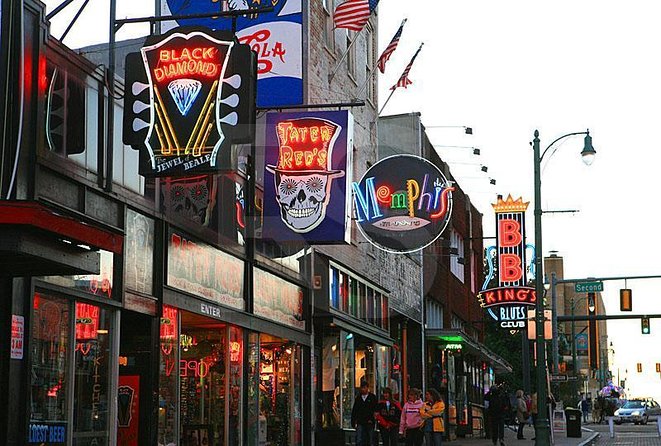
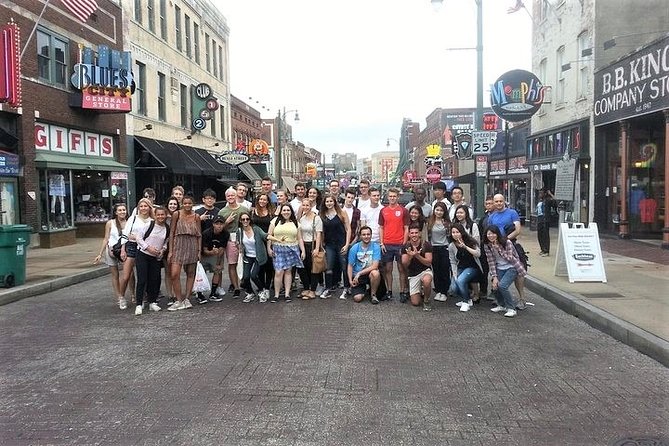
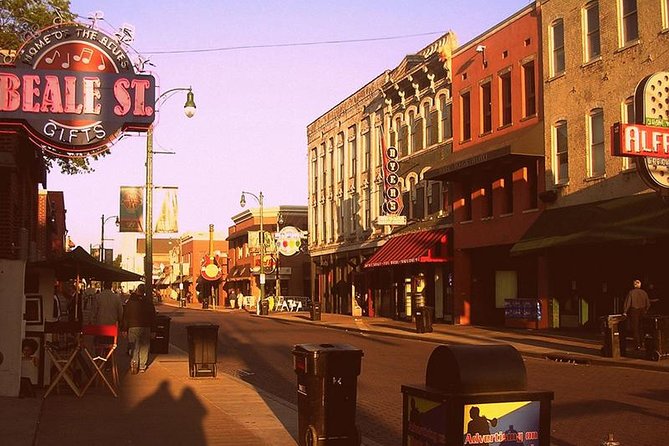
- A compact introduction to downtown Memphis: The route covers Beale Street, Main Street, Court Square, Fourth Bluff Park, the Mississippi River, Cotton Row, the Peabody Hotel, and the Orpheum Theater area.
- Memphis history takes center stage: Expect stories about yellow fever, cotton, Civil War battles, river commerce, Prohibition, radio, gangsters, and early Memphis personalities.
- The Peabody Ducks are the signature moment: The duck march gives the tour a light, playful finish after several serious historical stops.
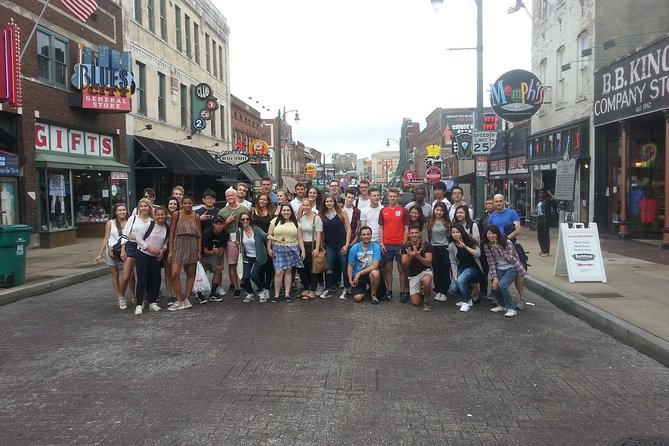
- Small groups help with questions: The maximum is 20 people, and guides such as Charlie, Kate, Mary, and Charles are praised for keeping the walk personal and engaging.
- The Orpheum is an optional add-on: If selected, it includes a guided theater tour at noon, Monday through Wednesday only, and depends on availability.
- Plan for downtown parking and weather: Four garages and several open-air lots are within a few blocks, but you should arrive ready for an outdoor walk.
Why this walk is a smart first look at Memphis
At $32.92 per person, this tour is priced as an affordable way to get your bearings in downtown Memphis. You are paying for a local guide, not admission to a string of museums, so the value rests on the stories, route, and questions you bring with you.
That works well here. Memphis history is spread across streets, parks, hotel lobbies, river overlooks, alleys, and old commercial blocks. A guide helps connect those places. On your own, you might see a fountain, a park, and a grand hotel. On this walk, those same places become pieces of a larger story about disease, trade, war, music, politics, and survival.
The tour starts at 9:30 a.m. at the Peabody Memphis, 149 Union Avenue. That early start has a practical benefit: you can see several major sights before the afternoon heat and leave the rest of your day open for barbecue, museums, music, or more exploring.
The group can reach 20 people. That is still small enough for a guide to answer questions, though it is not the same as a private walk. The guides are a major part of the experience. Charlie is praised for mixing facts with stories, while Kate is noted for staying friendly and clear even on a cool, wet morning. Mary is described as enthusiastic and attentive, and Charles is praised for keeping the group involved.
More History Walking Tours in the USA
- History and Hauntings of Salem Guided Walking Tour
★ 5.0 · 14,564 reviews - Boston: Freedom Trail History Small Group Walking Tour
★ 5.0 · 6,450 reviews - Historic Charleston Guided Sightseeing Walking Tour
★ 5.0 · 6,216 reviews
Barboro Alley and the cost of yellow fever
The first stop, Barboro Alley, looks modest, but it introduces one of the most important forces in Memphis history: yellow fever.
You will hear about the outbreaks that struck Memphis in the 1870s and how disease reshaped the city. This is useful context because the story is not just medical. Yellow fever affected population, business, public confidence, and the development of downtown. It helps explain why Memphis went through such sharp periods of boom and collapse.
I appreciate beginning here rather than opening with a famous music landmark. Memphis music matters, but the city’s later identity grew from earlier struggles. This stop gives you a better foundation for understanding why downtown Memphis developed as it did.
The alley itself is a quick stop, about 10 minutes. Do not expect a large exhibit or a long indoor presentation. The value comes from the guide’s explanation and the way the story sets up later stops.
WDIA and Memphis voices on the radio
The next stop is the former WDIA-WHRK Radio Building. Here the focus shifts from disease and urban survival to broadcasting and Black cultural influence.
You will learn about WDIA, known as the Goodwill Station. The stop adds an important layer to Memphis music history without turning the whole tour into a rock and roll checklist. Radio helped carry Memphis voices beyond downtown, and this location gives the guide a chance to explain how broadcasting shaped the city’s public life.
This is another brief stop, roughly 10 minutes. If you already know Memphis music history, you may want more detail than the schedule allows. If you are new to the city, it provides a useful bridge between the older commercial city and the later blues, soul, and rock scenes.
Court Square, fountains, and old Memphis business
Court Square is one of the longer stops, with about 20 minutes set aside for the park and its fountain. It is one of the city’s oldest and most attractive public spaces, and it gives you a chance to pause after the first two stops.
Here, the guide fills in the daily life of early Memphis. You may hear about frontiersmen such as Davy Crockett and Sam Houston, along with gamblers, speculators, and women who arrived by steamboat and train. Those details help move the story away from dates and official speeches. Memphis was a working river town, and its character was shaped by people looking for money, opportunity, trouble, or all three.
Court Square also shows why a walking tour works better than a bus ride for this subject. You can stop, look around, and connect the public space with the blocks around it. The tradeoff is that the stop depends on the guide’s storytelling. There is not a separate admission or a major indoor attraction here.
Same place, a different slice of the past:
- Charleston’s Old South Carriage Historic Horse & Carriage Tour
★ 5.0 · 10,023 reviews - Beneath The Streets Underground History Tour
★ 4.5 · 8,006 reviews - Charleston Horse-Drawn Carriage Tour: Explore Historic Charleston
★ 5.0 · 3,561 reviews - Savannah History and Haunts Candlelit Ghost Walking Tour
★ 5.0 · 3,235 reviews
Confederate Park, now Fourth Bluff Park
The route continues toward Confederate Park, renamed Fourth Bluff Park in 2016. This is the site associated with the Battle of Memphis in June 1862, one of several Civil War locations along the walk.
The guide also discusses Forrest’s Raid on Memphis. These stories place the city in the Civil War beyond a simple Union and Confederate label. Memphis was valuable because of its position on the Mississippi River, its commercial links, and its role as a transportation center.
This stop is scheduled for about 15 minutes. It is worth listening closely, since the names and military events can come quickly. The guide’s job is to show how the fighting affected the city and its people, not simply point out a marker and move on.
The park also gives you a different view of downtown. The riverfront setting makes the city’s location easier to understand. Memphis was not placed beside the Mississippi by accident. The river shaped its trade, defenses, population, and identity.
The Mississippi River and the making of Memphis

At the Mississippi River, the tour slows down for about 15 minutes of river history. This is one of the most important stops because it explains the economic engine behind the city.
You will hear about the river’s importance to shipping and commerce. The story connects naturally to cotton, steamboats, railroad arrivals, and the movement of people into Memphis. It also helps explain why the city drew merchants, gamblers, laborers, soldiers, and speculators.
I like this part of the route because it gives the rest of the tour a clear setting. Memphis is not just a collection of famous addresses. It is a river city, and the river shaped nearly every chapter that follows.
Weather matters here. This is an outdoor stop with no admission, so bring clothing suited to the forecast. On a cold or wet morning, the riverfront portion may feel less comfortable, even if the guide keeps the talk moving.
Cotton Exchange and Cotton Row
The Cotton Museum at the Memphis Cotton Exchange is the next historical stop. The tour discusses the Cotton Exchange and Cotton Row, linking Memphis commerce to the broader story of cotton production and trade.
The stop lasts about 10 minutes. The information is presented as part of the walking route, so you should not assume you are receiving a full museum visit or an included museum admission. If you want a longer look at the Cotton Museum itself, check its separate admission and hours rather than counting on this tour to cover it.
Still, this short explanation is useful. Cotton was not a side business in Memphis. It affected wealth, labor, transportation, politics, and the city’s relationship with the Mississippi River. The guide can make those connections in a way that a quick walk past old commercial buildings cannot.
This is also where the tour’s range becomes clear. You move from yellow fever to radio, Civil War sites, the river, and cotton without losing the central question: how did Memphis become the city it is?
Howard’s Row and downtown’s surviving buildings
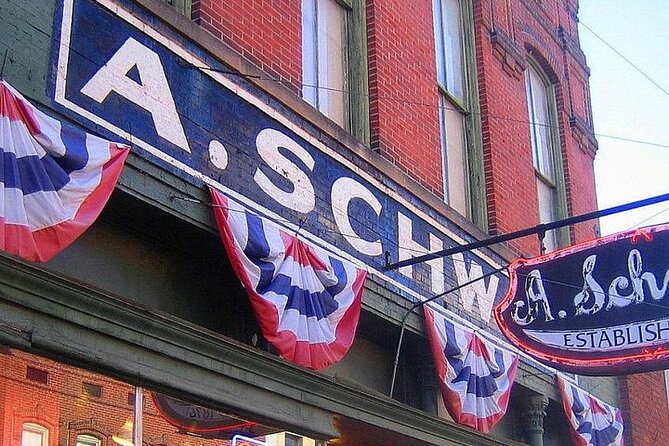
At Memphis Tourism, you will see the area once known as Howard’s Row. The stop highlights the oldest collection of original buildings in downtown Memphis.
This is a good place to look up and pay attention to the street itself. The buildings provide a physical link to the commercial Memphis described earlier. A guide can point out details you might otherwise pass without noticing, then explain how the blocks changed through different eras.
The scheduled stop is about 10 minutes. It is not a grand indoor attraction, but it adds texture to the walk. You get a sense of how much of downtown’s story is stored in old facades, narrow spaces, and surviving street patterns.
The Peabody Ducks, Memphis’s most charming detour
The Peabody Hotel is the tour’s most memorable stop for many people. You will hear about the South’s Grand Hotel and watch the Peabody Ducks make their march.
The duck parade is a light change of tone after the darker stories of yellow fever and war. It is also a smart choice for a walking tour. You are not just being told about Memphis tradition. You are seeing one in action.
The stop is scheduled for about 20 minutes. Timing matters, since the group needs to arrive at the right moment. Your guide will organize the route around the march, but schedules can be affected by conditions at the hotel.
A useful tip is to consider staying a little longer afterward if your plans allow. The Peabody’s bar has a rubber ducky cocktail, which makes a playful follow-up to the ceremony. That drink is not included, and food and beverages are not part of the tour, but it can turn the stop into a relaxed end to your morning.
The Orpheum Theater option at noon
The final listed stop is the Orpheum Theatre, Memphis’s major entertainment venue since 1928. The standard walk brings you to the theater area. If you select the add-on, you can join a guided tour of the building.
The Orpheum option is available Monday through Wednesday only and depends on availability. It begins at noon, and the theater is two blocks from the original meeting point. Your walking guide departs at that time, so this add-on changes the rhythm of the day.
This is a good choice if you care about theaters, architecture, or Memphis entertainment history. It is less useful if you want to finish early for lunch or another attraction. Confirm the option when booking, since the guided theater visit is not automatically included with the basic tour.
The advertised experience lasts two to three hours, but actual timing can be shorter without the theater add-on. Several experiences have taken around 90 minutes to one hour and 45 minutes. Plan with flexibility rather than treating the end time as exact.
Walking conditions, parking, and practical details
This is an easy urban walk for most people, but you should still wear comfortable shoes. There are repeated stops, outdoor explanations, and stretches between landmarks. Most people can participate, and service animals are allowed.
Downtown parking is available within a few blocks. Four garages and several open-air lots serve the area. The closest listed garage is at 149 Peabody Place, between Second Street and BB King Boulevard, next to the Hampton Inn. On-street metered parking may be available on Second Street south of Beale, on Beale between Front and Second, or along Peabody Place from Front to Fourth Street.
The tour requires good weather. If poor weather cancels it, you can choose another date or receive a full refund. You can also cancel for a full refund up to 24 hours before the 9:30 a.m. start time. Changes or cancellations made later are not refunded.
The mobile ticket is convenient, but arrive at the Peabody with enough time to find parking and gather. There is no hotel pickup or drop-off, and you need to arrange your own food and drinks.
Who will get the most from this Memphis walk?
I would choose this tour if you are visiting Memphis for the first time and want historical context before tackling the city’s music attractions. It also suits anyone who prefers a guide who can connect several subjects rather than focus on one museum or one famous person.
Families and mixed-age groups may like the variety. The route includes serious Civil War and disease history, but also radio, river stories, old buildings, and ducks in tiny marching uniforms. That mix keeps the experience from feeling like a lecture.
History fans should enjoy the range, though you may wish for longer stops at some sites. This is an overview, not a specialized Civil War tour, cotton tour, or music tour. You get a useful map of the city’s story, then you can decide where to spend more time later.
The walk is less suitable if you dislike outdoor touring, need a guaranteed short schedule, or want admission to several attractions included in the price. It is also not the best choice if your main goal is live music, barbecue, or a full Beale Street nightlife experience. Beale Street is part of the setting, but the focus is history.
Should you book Memphis Beyond Beale?
Yes, if you want a clear, affordable introduction to downtown Memphis and enjoy learning from a guide. The strongest parts are the range of subjects, the small-group format, and the Peabody Ducks. Guides such as Charlie, Kate, Mary, and Charles help turn a straightforward route into a more personal experience.
Book it early in your stay, ideally on a morning with decent weather. Use the walk to mark places you want to revisit, and decide in advance if the Orpheum add-on fits your schedule.
Skip it if you want a fully indoor activity or a tightly timed attraction tour. For most first-time visitors, though, $32.92 buys a useful foundation and a few good Memphis stories, with a duck parade at the end.
FAQ
Where does the Memphis walking tour start?
It starts at The Peabody Memphis, located at 149 Union Avenue, Memphis, Tennessee.
What time does the tour begin?
The tour begins at 9:30 a.m.
How long does the walking tour last?
The advertised duration is approximately two to three hours. Some walks may finish in about 90 minutes to one hour and 45 minutes, while the Orpheum add-on extends the experience to the noon theater tour.
What attractions are included in the route?
The route includes Barboro Alley, the WDIA-WHRK Radio Building, Court Square, Confederate Park, the Mississippi River, the Cotton Museum and Cotton Row area, Howard’s Row, the Peabody Hotel, and the Orpheum Theatre area.
Is the Peabody Ducks march included?
Yes. The walking tour includes a stop to watch the Peabody Ducks march.
Is the Orpheum Theater tour included?
The guided Orpheum Theater tour is included only if you select the add-on option. It is available Monday through Wednesday and depends on availability.
Is hotel pickup provided?
No. Hotel pickup and drop-off are not included. You must meet the guide at the Peabody Hotel.
Can I cancel for a refund?
Yes. You can cancel at least 24 hours before the start time for a full refund. Cancellations made less than 24 hours before the tour are not refunded. If poor weather causes the operator to cancel, you can choose another date or receive a full refund.
Just added around the USA
- Historical Bicycle Tour of Dunedin★ 5.0 · 44 reviews
- Safety Harbor Ghost Tour★ 5.0 · 60 reviews
- Tarpon Springs Ghost Tour★ 4.5 · 19 reviews
- Cincy Brunch History and Streetcar Tour with Riverside Food Tours★ 5.0 · 108 reviews
- 2.5 Hour Kayaking with Manatee and History Tour in Tarpon Springs★ 5.0 · 24 reviews
- Chicago River Architecture Tour Aboard a Historic Yacht★ 5.0 · 45 reviews
- Walkin’ with Colin: Chicago History-Mystery-Comedy-Tragedy Tour★ 5.0 · 218 reviews
- Historic Homes and Cottages of Wicker Park Walking Tour★ 5.0 · 44 reviews
History Walking Tours, compared.

History and Hauntings of Salem Guided Walking Tour
Read our review →
Freedom Trail History Small Group Walking Tour
Read our review →
Historic Charleston Guided Sightseeing Walking Tour
Read our review →
Tapas Walking Tour with Food, Wine, and History
Read our review →
Savannah History and Haunts Candlelit Ghost Walking Tour
Read our review →
A History of Terror – Belfast City Centre Walking Tour
Read our review →Browse the lists this tour appears in