
Review · KATHMANDU
Kathmandu Top 4 or 2 UNESCO World Heritage Sites Day Tour
Kathmandu packs sacred sites into a small, hectic valley. I like that this private tour links four UNESCO World Heritage Sites by car, saving you from sorting out transport between Pashupatinath, Boudhanath, Swayambhunath, and Patan. I also like the added look at a thangka painting school and singing bowl center, which gives the day more texture than a temple checklist.
The main trade-off is pace. The full route takes about five to seven hours, but four major sites plus two craft visits make for a full day. Entrance fees are also extra, so the advertised $40 price is not the final cost.
Key points at a glance
- Four major sites in one private outing: Cover Pashupatinath, Boudhanath, Swayambhunath, and Patan Durbar Square without arranging separate rides.
- A guide and driver included: Hotel pickup, transportation, and drop-off remove much of Kathmandu’s logistical hassle.
- Choose two or four sites: The shorter option costs less and suits a tight schedule, while the full route gives you a broad look at the valley.
- Craft traditions are part of the day: A thangka painting school and singing bowl demonstration add living culture beyond monuments.
- Private timing: You can ask questions, spend longer at a favorite stop, or adjust the order of the day with your guide.
- Budget clearly for entry fees: Four-site admission is listed at $20 per person, or $10 for two sites, on top of the tour price.
What this Kathmandu tour really offers
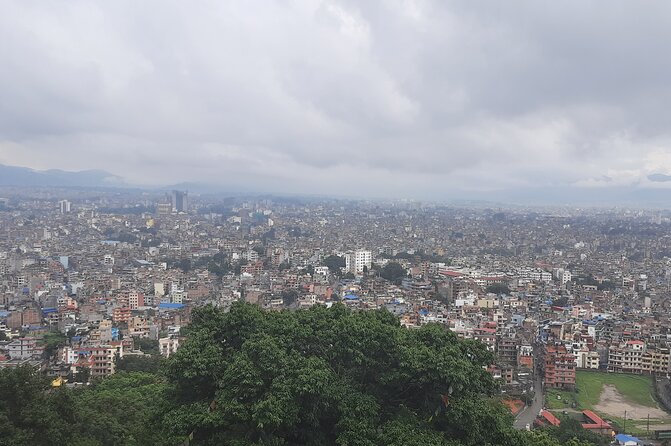
This is a practical way to get your bearings in Kathmandu Valley. The sights are spread across Kathmandu, Boudhanath, and Patan, and the roads between them can make independent sightseeing slow and tiring. Having a driver meet you at your hotel keeps the day focused on the places themselves.
You can book the four-site route or choose two sites. The full version is the better introduction if this is your first time in the valley and you want to see both Hindu and Buddhist centers, along with Newari palace architecture. The two-site version makes more sense if you have only half a day or prefer to spend longer inside each location.
The tour is private, so only your group participates. That matters here. Kathmandu’s sacred sites raise questions about worship, funerals, iconography, and local customs. A private format gives you room to ask those questions without holding up a large group.
The listed price is $40 per person. Transportation, a professional guide, bottled water, and the two craft visits are included. Food, tips, and entrance fees are not. At $20 per person for four sites, the entry charges are easy to overlook, so I would treat the total as about $60 per person before food and gratuities.
More UNESCO World Heritage Tours in Kathmandu:
- Private Kathmandu Sightseeing Tour | UNESCO World Heritage sites
★ 5.0 · 756 reviews - UNESCO Seven World Heritage Tour in Kathmandu
★ 5.0 · 253 reviews - Nepal Discovery Tour: Heritage Sites & Scenic Hill Easy Hike
★ 5.0 · 121 reviews
Pashupatinath, where faith and daily life meet
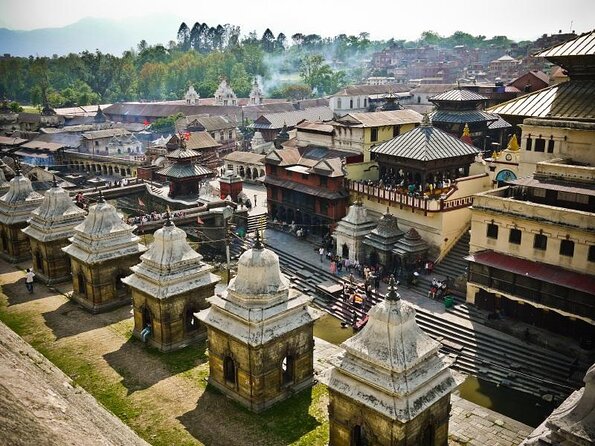
Pashupatinath Temple sits beside the holy Bagmati River in eastern Kathmandu Valley. It is one of Nepal’s most important Hindu temples and is devoted to Shiva, one of the central deities in Hinduism.
The site is not simply a grand building to photograph. It is a living religious center, and the riverbank is connected with Hindu cremation ceremonies. This can be a powerful part of the visit, but it also calls for quiet attention and respect. You are seeing a sacred place where families may be carrying out private and serious rites.
The planned stop lasts about two hours, making it the longest portion of the itinerary. That is sensible. The complex contains more to absorb than a quick exterior view, and your guide can explain the religious meaning of the temple, the Bagmati River, and the surrounding activity.
Admission is not included. The tour information lists four-site entry at $20 per person, or $10 if you select two sites. Since access rules and charges can vary by site or option, confirm the exact amount when booking.
Pashupatinath may be the most emotionally demanding stop. If you are uncomfortable around cremation grounds, tell your guide early. You can still appreciate the temple complex and its setting without treating ceremonies as a spectacle.
Boudhanath and the prayer-wheel circuit
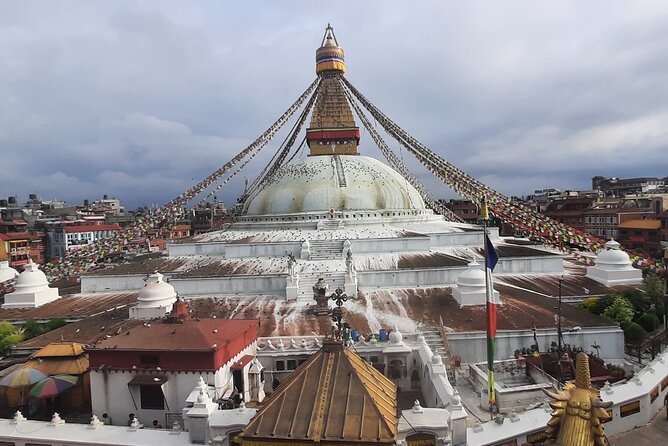
Boudhanath Stupa brings a different religious atmosphere. The large Buddhist stupa is surrounded by monasteries and has a strong Tibetan cultural influence. Its white dome, golden details, and watchful eyes create one of Kathmandu’s most recognizable scenes.
The planned visit is about one hour. That is enough for an introduction, a walk around the stupa, and an explanation of the surrounding monastic culture, though you may want more time if Buddhist art and ritual interest you.
I would pay attention to how people move around the stupa and follow the direction used by worshippers. Your guide can help you understand the basic customs so you do not wander through the area like a hurried photographer.
Boudhanath also works well as a counterpoint to Pashupatinath. One is a major Hindu temple complex beside a sacred river. The other is a Buddhist pilgrimage center shaped by the stupa and surrounding monasteries. Seeing both in one day helps you understand that Kathmandu is not defined by one faith or one architectural style.
The shorter two-site option could work especially well here if you want a more focused religious visit. Pairing Boudhanath with Pashupatinath gives you two major sacred centers without trying to fit in the hilltop climb at Swayambhunath or the palace courtyards of Patan.
Swayambhunath and the hilltop climb
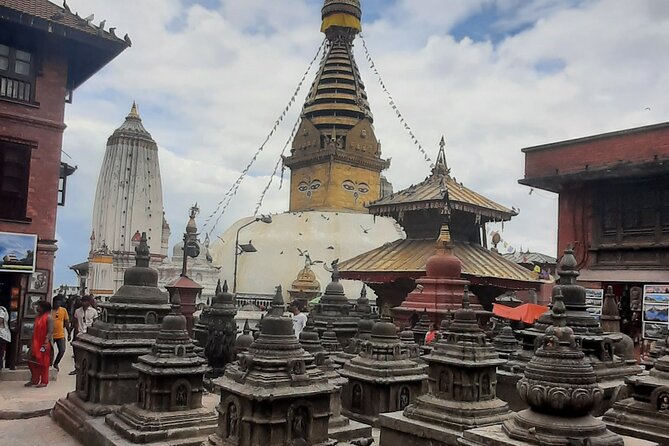
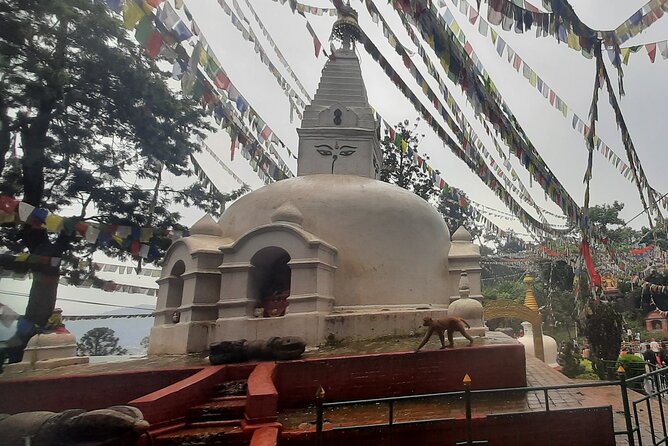
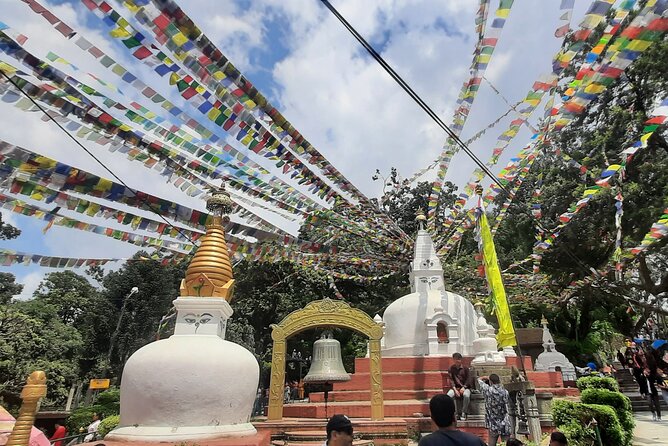
Swayambhunath, often called the Monkey Temple, sits on a hill above the valley. The main stupa is reached by a long stairway, so this is the stop where your legs matter most.
The climb is part of the experience, but it also creates a practical limitation. The tour is described as suitable for most participants, yet the stairs may be tiring for anyone with mobility concerns or limited stamina. Wear comfortable shoes and keep your pace steady. The itinerary allows about two hours, which gives you time for the climb and the site visit rather than forcing a quick rush.
At the top, the hilltop setting gives Swayambhunath a different feel from the lowland courtyards and riverbank temples. The site is associated with both Buddhist and Hindu traditions, another useful reminder of how closely those traditions exist together in Kathmandu.
The name Monkey Temple is memorable, but do not let it reduce the place to a cute nickname. The stupa is the main focus, and the climb, religious art, and hilltop setting are the real reasons to include it.
If you select only two sites, think carefully before choosing Swayambhunath with another stop that also requires a lot of time. It is a strong choice for anyone who wants a hilltop view and does not mind stairs. For a gentler half-day, Boudhanath and Patan may feel easier, though the tour data does not specify a fixed two-site pairing.
A few more history tours around Kathmandu worth a look
- Kathmandu Private Sightseeing Tour | UNESCO World Heritage Sites
★ 5.0 · 109 reviews - Kathmandu: Full Day Private Top 4 UNESCO Heritage Tour W/Lunch.
★ 5.0 · 86 reviews - Kathmandu World Heritage Tour
★ 5.0 · 74 reviews - Kathmandu Heritage Tour (Full Day)
★ 5.0 · 63 reviews
Patan Durbar Square and Newari artistry
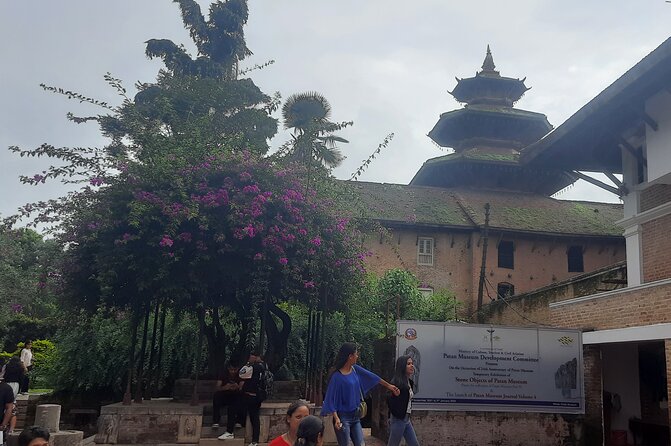
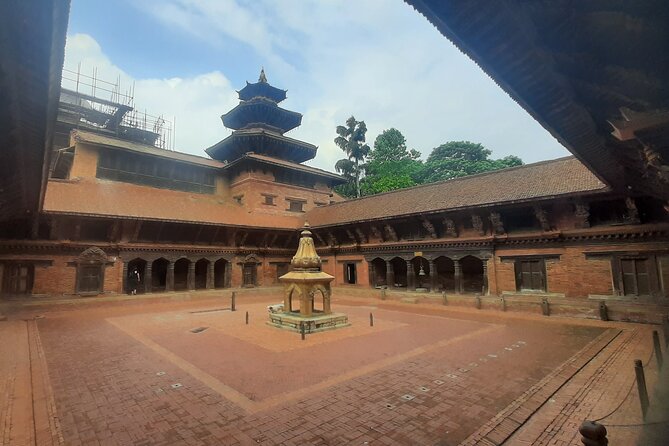
Patan Durbar Square is in the historic city of Patan and is known for Newari architecture. Its palaces, temples, and courtyards reflect the skill of the Malla-era builders and royal patrons who supported the arts.
The planned stop lasts about one hour. That is enough to see the main square and hear an introduction to the buildings, but it is a short visit for a place with many architectural details. If carved windows, metalwork, courtyards, and temple design interest you, ask your guide to point out specific features rather than giving only a broad historical talk.
Patan adds an architectural layer that the other stops do not. Pashupatinath and Boudhanath are active religious centers, while Swayambhunath combines worship with a hilltop setting. Patan shows how royal power, craftsmanship, and religious design were brought together in one urban center.
The nearby traditional-art visits make particular sense after Patan. A thangka painting school connects the day’s monuments with a continuing artistic practice. The singing bowl demonstration offers another look at the region’s craft traditions and sound culture.
You should still keep your expectations realistic. These demonstrations are included, but the information does not specify their length or whether purchases are expected. Enjoy the explanation, ask how the objects are made, and treat any shopping as optional. A private tour gives you a better chance to say clearly if you want to browse briefly or move on.
Thangka painting and singing bowls
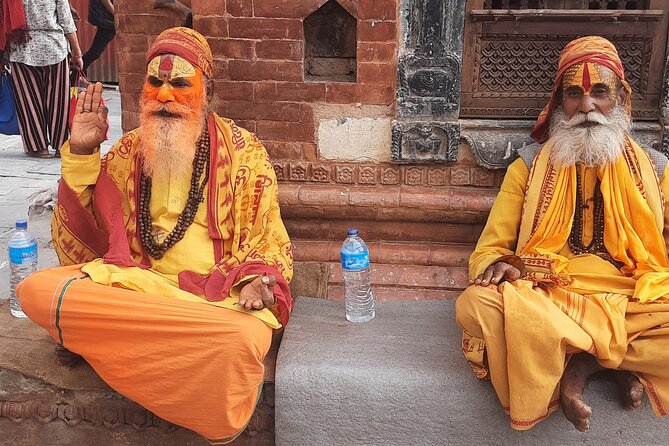
The craft stops are a useful addition because they show that Kathmandu’s culture is not locked inside old squares and temples. The tour includes a visit to a thangka painting school and a healing and singing bowl demonstration center.
Thangka paintings are associated with Buddhist religious art, so the school can help connect the visual symbols at Boudhanath and Swayambhunath with a living craft tradition. The listing describes the access as behind the scenes, though it does not give a precise schedule or name the artists you will meet.
The singing bowl center adds a different sensory element. You can see how the bowls are presented and hear a demonstration connected with healing practices. Since this is not described as a full treatment, think of it as an introduction rather than a wellness session.
These visits can be interesting, but they are also the part of the day where expectations should stay flexible. The tour includes them, while the exact amount of time and format may depend on the day. If you are mainly interested in the UNESCO sites, tell your guide. If you enjoy traditional arts, allow the stops to add variety to the route.
Why the private car makes a difference
Kathmandu traffic can turn short distances into long stretches of waiting. The included vehicle does not remove traffic, but it does spare you from arranging separate taxis, negotiating every ride, and finding the entrance to each major site.
Hotel pickup and drop-off are included. The driver meets you at your accommodation, and the guide joins the sightseeing portion of the day. Bottled water is also provided, one bottle per person.
The full tour is listed at roughly five to seven hours. That range is useful because Kathmandu traffic, site conditions, and the amount of time you spend asking questions can affect the day. Do not schedule a tight airport transfer immediately afterward unless you have plenty of spare time.
The tour is private rather than shared. I value that most at Pashupatinath, where you may want a careful explanation, and at Patan, where you may want to pause over details. It also helps solo visitors, couples, and families avoid the fixed pace of a large coach group.
The guide quality matters greatly here. Prakash Aryal is specifically associated with several highly praised outings, with people describing him as friendly, flexible, and good at explaining the history and culture of each stop. If you can request him, it is worth asking. Assignments can vary, so do not assume he will automatically lead every departure.
Timing, cost, and what to bring
At $40 per person, the tour is reasonably priced for a private vehicle, guide, hotel pickup, and a route covering several distant sites. Add the listed $20 admission fee for four UNESCO sites, and the core cost becomes about $60 per person. The two-site option adds $10 in admissions to the tour price.
That value depends on your group size. A solo participant pays more per person than a couple or family, but a private trip still gives you flexibility that a shared excursion does not. Group discounts are offered, though the exact reduction is not provided.
Food is not included, so plan to eat before or after the outing. The route is long enough that starting with water and a light meal is sensible, especially if you choose the full itinerary and climb Swayambhunath.
I would bring:
- Comfortable shoes for the Swayambhunath stairs
- Water beyond the included bottle if you prefer to drink often
- Modest clothing suitable for religious sites
- Small cash for fees, tips, or personal purchases
- A phone or camera, used respectfully around worship and cremation areas
Tips for the guide and driver are not included. A gratuity is optional, but it is appropriate when the guide explains difficult cultural subjects clearly, adjusts the pace, or helps your day run smoothly.
Who should book the four-site version?
I would choose the full route if you have one free day in Kathmandu and want a broad first look at the valley. It covers Hindu worship, Tibetan Buddhist culture, hilltop religious architecture, and Newari royal design in one outing.
It is also a good match for solo visitors and small groups who want a private pace. The guide can answer questions about religion and customs, and the driver handles the gaps between sites.
Families can participate, since most participants are accepted, but the long day and Swayambhunath stairs deserve attention. Young children may tire before the final stop, while older adults may prefer two sites.
The two-site option suits a short stay or anyone who values time over coverage. Pick it if you would rather study two places carefully than move through four sites in one day. Since the exact two-site combinations are not specified, ask the provider which pairing fits your interests.
Should you book this Kathmandu UNESCO tour?
Book it if you want efficient sightseeing with a private guide, hotel transport, and a clear mix of Kathmandu Valley’s major sacred and historic sites. The strongest reasons are the four-site coverage, the chance to customize the day, and the useful craft visits that go beyond standard monument viewing.
Choose the two-site option if you dislike hurried sightseeing or have limited time. Add the full route if this is your main Kathmandu orientation and you can handle a long day, extra entrance fees, and the Swayambhunath climb.
I would especially look for a guide such as Prakash Aryal, whose approach is described as flexible and clear. The tour is not the cheapest way to visit a single temple, but for private transport and four important sites, it offers solid value. Free cancellation is available up to 24 hours before the start time, which gives you some useful planning room.
FAQ
How long does the Kathmandu UNESCO tour take?
The tour lasts approximately five to seven hours, depending on the selected route, traffic, and time spent at each stop.
Which UNESCO sites are included in the four-site option?
The four sites are Pashupatinath Temple, Boudhanath Stupa, Swayambhunath, and Patan Durbar Square.
Can I visit only two UNESCO sites?
Yes. A two-site option is available. The listed entrance fee for two sites is $10 per person.
Is hotel pickup included?
Yes. Pickup and drop-off at your hotel are included, along with transportation during the tour.
Is this a private tour?
Yes. Only your group participates in the activity.
Are entrance fees included in the $40 price?
No. Entrance fees are separate. The listed cost is $20 per person for four UNESCO sites or $10 per person for two sites.
Are food and tips included?
No. Food, guide tips, and driver tips are not included. One bottle of water per person is provided.
What other activities are included?
The tour includes a visit to a thangka painting school and a healing and singing bowl demonstration center.
Just added around Kathmandu
- Full Day Private Tour of Seven World Heritage Sites in Kathmandu★ 5.0 · 19 reviews
- Seven World Heritage Day Tour in Kathmandu Nepal★ 5.0 · 26 reviews
- Kathmandu World Heritage Tour★ 5.0 · 74 reviews
- Kathmandu UNESCO World Heritage Tour★ 5.0 · 24 reviews
- Kathmandu Heritage Day Tour with Guide.★ 5.0 · 30 reviews
- Kathmandu World Heritage Full Day Culture Tour★ 5.0 · 41 reviews
- Kathmandu: Full Day Private Top 4 UNESCO Heritage Tour W/Lunch.★ 5.0 · 86 reviews
- Kathmandu Guided Day Tour: Explore Top 4 UNESCO Heritage Sites★ 5.0 · 19 reviews
UNESCO World Heritage Tours, compared.
World Heritage Shirakawa-go and Experience Tours from Kanazawa
Read our review →
Bali: Tanah Lot UNESCO World Heritage Sites Full-Day Tour
Read our review →World Heritage Kyoto & Nara Uji Authentic Matcha Experience
Read our review →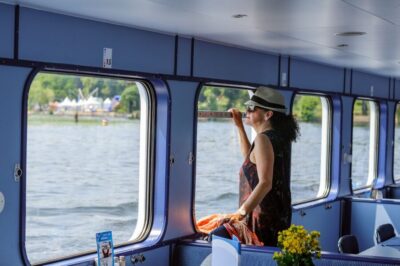
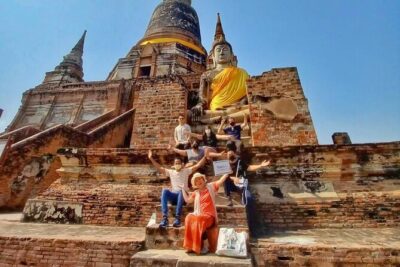
UNESCO’s Ayutthaya Historical Park: Full-Day Tour from Bangkok
Read our review →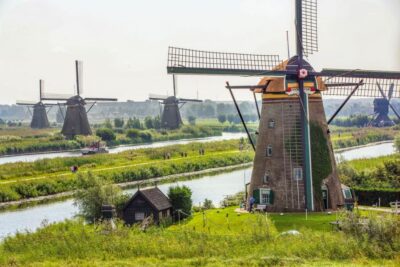
Rotterdam: Kinderdijk UNESCO World Heritage Entry Ticket
Read our review →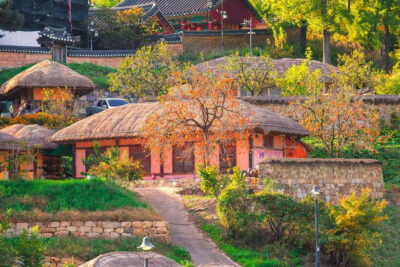
From Busan: Gyeongju UNESCO World Heritage Guided Day Tour
Read our review →Browse the lists this tour appears in