

Review · DENVER
2 Hour LoDo Historic Walking Tour in Denver
Denver’s old stories begin beneath your feet. This two-hour LoDo walk connects Union Station, Larimer Square, Coors Field, and the Oxford Hotel with entertaining tales of Denver’s rough-and-ready past. I especially like the 1.5-mile loop and the practical food and drink advice from guides such as Will. The main drawback is that the audio equipment may not sound perfectly clear for every listener.
For $30, you get a small-group introduction to Denver’s oldest downtown district without paying for museum admission or a bus ride. The tour is a good first-day choice, though you should arrive early, wear comfortable shoes, and remember that the tour requires at least four participants to operate.
Key points to know before you book
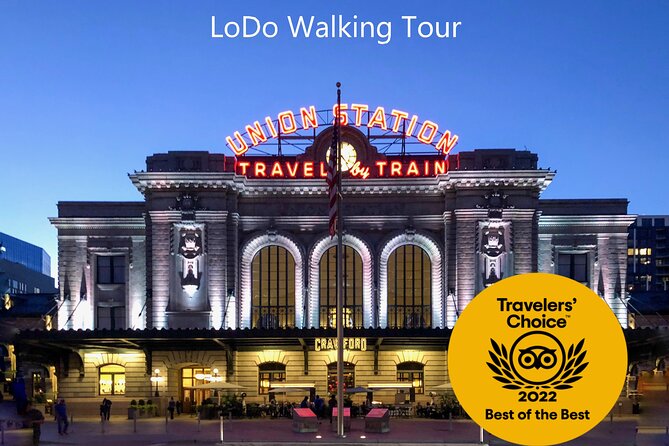
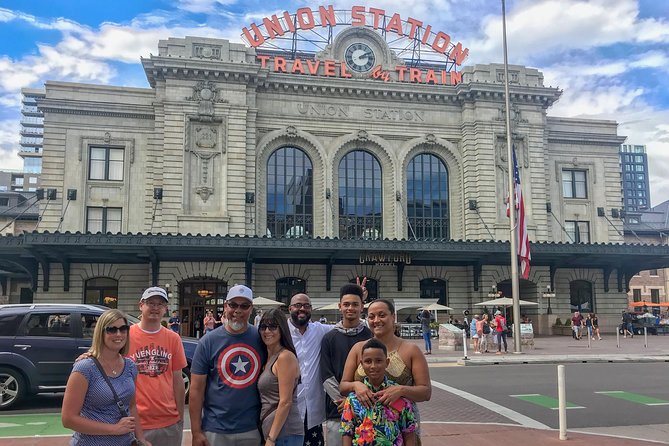
- Union Station starting point: Meet at the flagpole at 1701 Wynkoop Street, near 17th and Wynkoop.
- A compact historic route: The walk covers about 1.5 miles and returns to Union Station after roughly two hours.
- Denver’s colorful past: Expect stories about Hop Alley, the original Red Light District, famous madames, old hotels, and underground tunnels.
- Useful local advice: Guides share suggestions for restaurants, bars, breweries, and other places to visit during your stay.
- Headsets included: Vox Tour Solutions listening devices help you hear the guide while walking.
- Good for first visits: The route gives you a quick sense of downtown before you choose where to spend more time.
Why LoDo makes such a good first walk
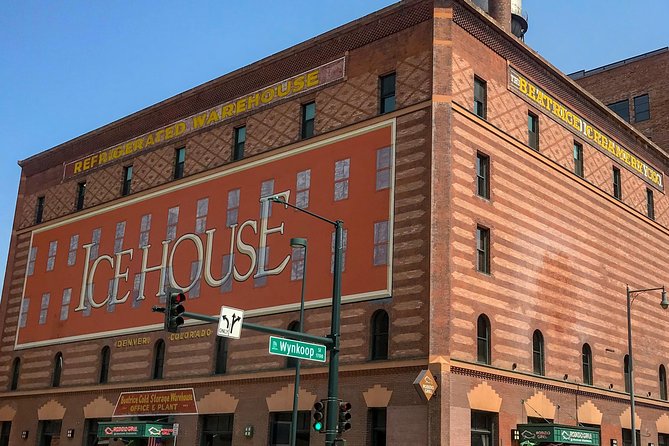
Lower Downtown, usually called LoDo, is one of the easiest parts of Denver to understand on foot. It holds old brick buildings, major sports landmarks, restored public spaces, hotels, restaurants, bars, and new developments within a fairly small area.
That mix gives the tour a useful tension. You are not walking through a preserved historic district frozen in time. You are moving through a neighborhood that has changed repeatedly, from frontier settlement to railroad center, entertainment district, declining warehouse area, and modern dining and nightlife hub.
I like tours that explain how a city got from one chapter to the next. This one does that by linking buildings and streets to the people who made money, lost money, opened businesses, ran saloons, worked in brothels, or helped rescue Denver when its future looked uncertain.
The route is also practical. Your guide is not only reciting dates. You can ask where to eat, where to have a drink, and which parts of downtown deserve more of your time. That advice is particularly useful if you have only a weekend in Denver.
The tour starts at 11 a.m. and ends where it began, making it easy to plan lunch afterward. I would book it near the beginning of your stay rather than on your final morning. You will have time to return to places that catch your interest.
More History Walking Tours in the USA
- History and Hauntings of Salem Guided Walking Tour
★ 5.0 · 14,564 reviews - Boston: Freedom Trail History Small Group Walking Tour
★ 5.0 · 6,450 reviews - Historic Charleston Guided Sightseeing Walking Tour
★ 5.0 · 6,216 reviews
Beginning at Union Station, Denver’s living room
Meet at the Union Station flagpole at 10:45 a.m. for check-in and equipment. The tour begins promptly at 11 a.m., so do not arrive at the last minute if you need to receive your headset.
Union Station is more than a convenient meeting point. The guide uses it to explain how transportation helped Denver survive and grow. The station’s role gives you an early lesson in the city’s basic story: Denver needed strong links to the outside world, and the railroad supplied them.
The tour ends back at Union Station, which the operator calls Denver’s living room. That makes the start and finish easy to remember, especially if you are still learning downtown streets.
Parking can be difficult near the station. If you are driving, the tour information recommends using the SpotHero app to locate a space. Public transportation is nearby, so driving is not your only option.
Dairy Block: old buildings with a new purpose

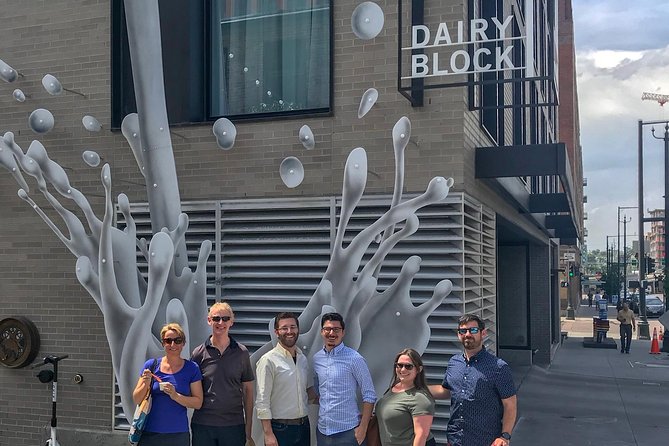
The first named stop is Dairy Block, where you spend about 15 minutes. This lively development is a modern example of how LoDo keeps changing while retaining pieces of its past.
It is also one of the more camera-friendly parts of the route. You might find yourself paying as much attention to the design and public spaces as to the historical explanation.
The value here is not simply taking photographs. Dairy Block helps you see the pattern that appears throughout LoDo: older commercial buildings are given new uses, and the district continues to attract restaurants, bars, hotels, and social spaces.
This stop also sets up the guide’s food and drink advice. If you are looking for a place to eat later, listen closely to recommendations given here and throughout the walk. The tips are one of the reasons the tour offers more than a basic list of landmarks.
Coors Field and Denver’s baseball story
The walk continues to Coors Field, home of Denver’s Major League team. The stop lasts about 10 minutes and focuses on the ballpark and Denver’s first Major League team.
You do not enter the stadium as part of this walking tour, so baseball fans should treat this as an exterior history stop rather than a stadium visit. Still, Coors Field gives the route a clear modern landmark and shows how sports helped shape LoDo’s identity.
This part of the walk also breaks up the older stories with something familiar and current. You are not spending two straight hours looking only at historic facades. The guide connects downtown’s past to the places that draw people into the district today.
Same place, a different slice of the past:
- Charleston’s Old South Carriage Historic Horse & Carriage Tour
★ 5.0 · 10,023 reviews - Beneath The Streets Underground History Tour
★ 4.5 · 8,006 reviews - Charleston Horse-Drawn Carriage Tour: Explore Historic Charleston
★ 5.0 · 3,561 reviews - Savannah History and Haunts Candlelit Ghost Walking Tour
★ 5.0 · 3,235 reviews
Market Street and Denver’s less polished past
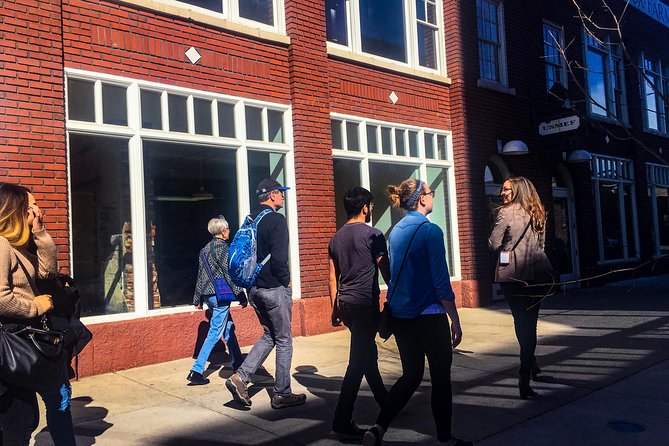
At 1946 Market Street, the guide discusses Denver’s original Red Light District. This is one of the tour’s more unusual sections, with stories about the madames who worked on The Row and the businesses that once operated there.
The subject includes mild adult material, so families should decide if the tone suits their children. Young children are welcome and are free when selected during booking, but the stories are not designed as a children’s-only presentation.
This is also where the tour’s sense of humor becomes more noticeable. Guides such as Will are praised for mixing historical detail with dry humor and dad jokes. That style will appeal to you if you like a relaxed presentation. If you prefer a formal lecture, the jokes may occasionally feel like a distraction.
The best part of this stop is that it gives you a more complete picture of the city. Denver’s past was not only railroads and respectable hotels. It also included gambling, prostitution, colorful business owners, and people who operated outside polite society.
The tour also points out Mattie Silks House of Mirrors, once one of the area’s best-known bordellos. That detail gives a name and personality to a part of the city’s past that could otherwise be reduced to a vague reference to an old red-light district.
16th Street Mall and a changing downtown
The 16th Street Mall stop takes about 10 minutes. Here you hear about the architect, the mall’s past and future, and one of its notable buildings.
This stop matters because it shows LoDo in transition. You are not simply looking at old Denver. You are considering how a major downtown corridor has been designed, used, and reshaped over time.
The guide’s architectural comments can help you notice details you might otherwise pass without a glance. Look up at the buildings, pay attention to materials and facades, and compare the scale of older structures with newer work around them.
Because the mall has changed and continues to change, this section may feel less settled than the stops involving the Oxford Hotel or Larimer Square. That is not a flaw. It gives you a clearer sense that downtown is an active part of the city rather than a museum display.
Larimer Square and the city’s founding story
Larimer Square receives about 15 minutes, making it one of the longer stops. The guide explains where, when, how, and by whom Denver was started, along with the people who helped save the city.
This is the point where several earlier themes come together. Transportation, business, risk, redevelopment, and ambitious personalities all connect to the city’s beginnings and its survival.
Larimer Square is also useful for understanding Denver’s architectural character. The historic buildings and concentrated pedestrian setting make it easier to compare the old downtown with the newer parts of LoDo.
Do not rush this stop. The tour covers plenty of ground, but the guide also pauses in places where you can sit and listen. Several people appreciate the breaks, especially on hot days. A guide who looks for shade can make a noticeable difference in summer.
If you have time after the tour, Larimer Square is a good place to revisit at your own pace. The guided explanation gives you context, then you can return for a closer look without trying to listen and photograph at the same time.
The Oxford Hotel and an old Denver bar
The Oxford Hotel is Denver’s oldest operating hotel, and the stop lasts about 10 minutes. The guide discusses the hotel’s history and one of Denver’s best-known bars.
This is a strong late-tour stop because it brings together hospitality, nightlife, and old commercial Denver. It also gives you a chance to see how a historic hotel remains part of the working city.
The bar story adds personality to the building. You are not only looking at an old hotel facade. You are hearing about the people and social habits that made such places important gathering points.
The Oxford also reinforces the tour’s practical value. If you are interested in historic hotels, classic bars, or old downtown dining rooms, your guide can point you toward places worth considering after the walk.
The underground tunnels and stories below street level
One of the more intriguing subjects on the route is Denver’s underground tunnel system. The tour discusses what runs beneath the city, adding another layer to the streets you have just walked.
This is a storytelling stop rather than a tunnel exploration. You should not expect to go underground or tour a hidden passage. Instead, the guide uses the subject to explain how the city developed and how older downtown spaces have been used.
I like this kind of detail because it changes the way you see ordinary sidewalks. After hearing the story, a block of pavement is no longer just a route between landmarks. It becomes part of a city built in layers.
The guide makes or breaks the experience
The tour is led by a local guide, and the strongest praise focuses on the guide’s delivery. Will is singled out for warmth, humor, local recommendations, and his ability to cover a lot in two hours.
A good guide matters here because LoDo’s buildings are often more interesting once someone explains the people and events connected to them. The best moments come from the links between architecture, business, scandal, transportation, and modern city life.
The style is conversational rather than academic. Expect dad jokes, dry humor, personal touches, and plenty of information delivered at a steady pace.
There is one practical weakness to know. Some participants find that the guide speaks quickly or that the headset sounds unclear when the volume is raised. The assisted listening devices help many people, but they cannot fully solve every audio problem. If you have trouble hearing, tell the guide early and ask to adjust the equipment.
Groups can include up to 27 people. That is still manageable for a walking tour, though it is not the same as a private outing. The headset helps keep the group together because you do not need to stand directly beside the guide to hear.
What the $30 price really buys you
At $30 per person, this is a fair price for a two-hour small-group tour with a local guide and assisted listening equipment. The tour does not include paid attractions or food, so you are paying for interpretation, route planning, and local advice rather than admission tickets.
The value is strongest if you are new to Denver. In two hours, you get a basic map of LoDo, an introduction to several major landmarks, and enough restaurant and bar suggestions to shape the rest of your visit.
It is less useful if you already know downtown well or want to spend most of your time inside buildings. This is an exterior walking tour with stories, not a museum visit or a food tasting.
The tour requires a minimum of four participants. If that minimum is not met, the operator may cancel and offer another date, another experience, or a full refund. Keep this in mind if you are planning around a tight schedule.
Walking conditions, weather, and family fit
The route covers about 1.5 miles, with several stops and opportunities to sit. Most people who can manage a moderate city walk should find the distance reasonable, but comfortable shoes are important.
Denver weather can shift quickly, and the tour operates in all weather conditions unless poor weather leads to cancellation. Bring water and sunscreen, especially in summer, and dress for the forecast.
Families are welcome. Young children are free, but you should select a child ticket so the operator brings enough equipment for the group. The mild adult discussion about the Red Light District is the main age-related consideration.
Service animals are allowed, and the tour is near public transportation. Most people can participate, but this remains a sidewalk walking tour rather than a fully indoor activity.
Who should book this LoDo tour?
I would choose this tour if you are visiting Denver for the first time, have one or two days in town, or want a quick introduction before exploring alone. It is especially useful for couples, families with older children, solo visitors, and anyone who likes history served with humor.
It also suits visitors who want practical guidance. A guide who can explain where to eat and drink is useful when you have not yet learned the city’s layout.
I would think twice if you dislike walking, prefer quiet architectural study, or want extensive interior access. I would also avoid placing it at the very end of a short trip, since you will get more value from the suggestions if you still have time to use them.
Should you book the 2 Hour LoDo Historic Walking Tour?
Yes, if you want a lively introduction to downtown Denver with a strong mix of history, architecture, local characters, and practical tips. The 4.9 rating from more than 1,100 reviews and the 99 percent recommendation rate reflect a consistently well-liked experience, though the occasional audio complaint and rare operating issue are worth remembering.
Book it near the start of your visit, arrive at 10:45 a.m., and wear good walking shoes. If you enjoy a guide who explains the city with humor and does not mind a few dad jokes, the $30 fee is a sensible way to get your bearings fast.
FAQ
Where does the tour start?
The tour starts at the flagpole at Denver Union Station, at 1701 Wynkoop Street near 17th and Wynkoop.
What time should I arrive?
You should arrive at 10:45 a.m. for check-in and to receive the listening equipment. The tour starts at 11 a.m.
How long does the tour last?
The tour lasts approximately two hours.
How far do you walk?
The route covers about 1.5 miles around LoDo, with several stops along the way.
Where does the tour end?
The tour ends back at Union Station, where it begins.
Is the tour offered in English?
Yes. The tour is offered in English.
Are headsets provided?
Yes. Vox Tour Solutions assisted listening devices are provided so you can hear the guide while walking.
Are children allowed?
Yes. Families are welcome, and young children are free when you select a young children’s ticket during booking.
Does the tour operate in bad weather?
The tour operates in all weather conditions, but it may be canceled because of poor weather. In that case, you can receive a different date or a full refund.
Can I cancel for a full refund?
Yes. You can cancel at least 24 hours before the start time for a full refund. Cancellations or changes made within 24 hours are not refunded.
More Two-Hour Tours in the USA
- 2-Hour Gettysburg Battlefield Guided History Bus Tour with a National Park Guide
★ 4.5 · 2,201 reviews - 2 Hour Historic Market Food Tour and Hands-On Biscuit Class
★ 5.0 · 251 reviews - 2-Hour Food, History and Street Art Tour of Ponce City Market
★ 5.0 · 159 reviews - Portland, Maine: 2-Hour Guided History Tour
★ 4.9 · 127 reviews
Just added around the USA
- Historical Bicycle Tour of Dunedin★ 5.0 · 44 reviews
- Safety Harbor Ghost Tour★ 5.0 · 60 reviews
- Tarpon Springs Ghost Tour★ 4.5 · 19 reviews
- Cincy Brunch History and Streetcar Tour with Riverside Food Tours★ 5.0 · 108 reviews
- 2.5 Hour Kayaking with Manatee and History Tour in Tarpon Springs★ 5.0 · 24 reviews
- Chicago River Architecture Tour Aboard a Historic Yacht★ 5.0 · 45 reviews
- Walkin’ with Colin: Chicago History-Mystery-Comedy-Tragedy Tour★ 5.0 · 218 reviews
- Historic Homes and Cottages of Wicker Park Walking Tour★ 5.0 · 44 reviews
History Walking Tours, compared.
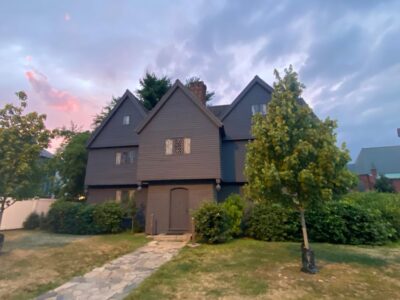
History and Hauntings of Salem Guided Walking Tour
Read our review →
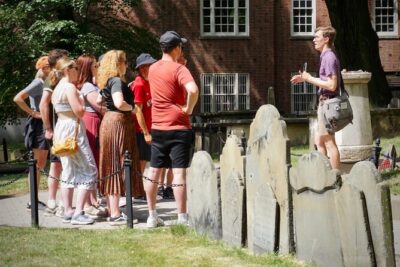
Freedom Trail History Small Group Walking Tour
Read our review →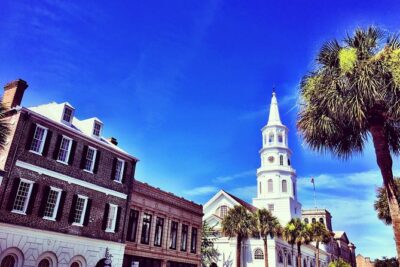
Historic Charleston Guided Sightseeing Walking Tour
Read our review →
Tapas Walking Tour with Food, Wine, and History
Read our review →
Savannah History and Haunts Candlelit Ghost Walking Tour
Read our review →
A History of Terror – Belfast City Centre Walking Tour
Read our review →Browse the lists this tour appears in