Review · LATVIA
Old Riga in Italian: History&Legends
Riga’s old center has stories in every alley. This two-hour walk makes the city easier to read, with Italian-speaking guide Nelli Saraceno leading you from the Town Hall Square through medieval landmarks, legends, and the Freedom Monument. I like the small group limit of 10, and I like that children under 14 join free. One point to check is the route’s coverage: Riga Castle may be close by, but it is not included in the stated itinerary.
The tour costs $24 per person, which is fair for a focused introduction to Old Riga, especially if you want context before exploring on your own. The main tradeoff is pace. You cover many major sights in two hours, so this is a walking overview rather than a tour with long interior visits.
Key points about this Old Riga walk
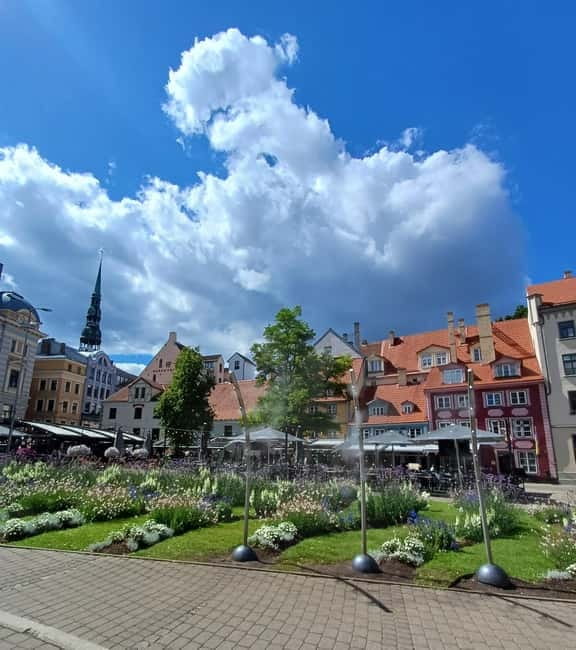
- Seven symbols of Vecriga: The guide frames the old city through seven important symbols and invites you to choose your favorite.
- A clear route through the old center: You walk from Town Hall Square and the House of the Blackheads to the Freedom Monument.
- Italian from start to finish: The live guide speaks Italian, making local stories easier to follow.
- Legends alongside dates: Medieval tales, ghosts, and urban stories add color to the political history.
- Small groups of up to 10: This gives the walk a more personal feel than a large coach-style outing.
- Good value for families: Children under 14 can join free, and the tour is wheelchair accessible.
Starting beside the House of the Blackheads
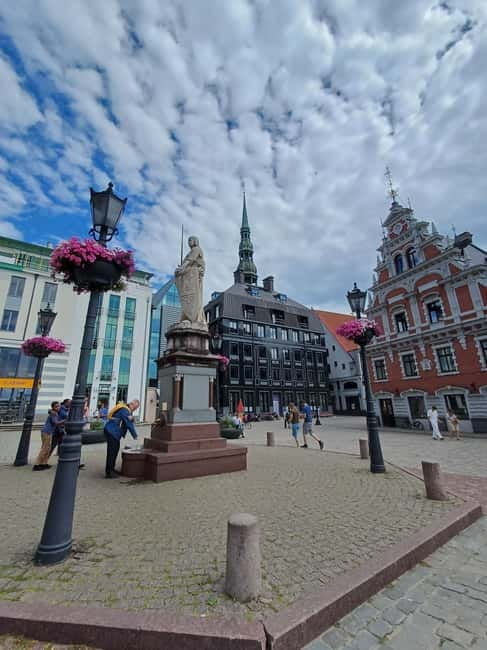
Your meeting point is easy to identify: look for the small metal Christmas tree near the House of the Blackheads in Town Hall Square. This square, called Piazza del Municipio in Italian, is one of the best places to begin because it puts you in the heart of Vecriga, Riga’s old town.
The House of the Blackheads gives the opening scene some drama. Its name refers to the Brotherhood of Blackheads, a historic association connected with unmarried merchants and shipowners. Here, you begin hearing how Riga developed as a German-influenced Hanseatic city before passing through Polish, Swedish, imperial, Soviet, and independent Latvian periods.
I like this broad opening because it keeps Riga from feeling like a collection of pretty façades. You get a quick sense of the forces that shaped the city. German rule, Polish and Swedish periods, Russian imperial power, the Soviet years, and restored independence all left different marks, and the guide uses the central square to set up that story.
The tradeoff is that the introduction is necessarily brisk. In two hours, there is no room for a full political history lecture. If you want a detailed account of each period, you will need a museum or a longer specialist tour afterward.
A few more history tours around the world worth a look
- History and Hauntings of Salem Guided Walking Tour
★ 5.0 · 14,564 reviews - Colosseum: Underground and Ancient Rome Tour
★ 4.7 · 12,691 reviews - Lisbon: History, Stories and Lifestyle Walking Tour
★ 4.8 · 10,902 reviews
From Hanseatic merchants to Bremen musicians
The route links the House of the Blackheads with the Bremen Town Musicians sculpture. This is a clever pairing. One stop points to Riga’s merchant past, while the other gives you a playful piece of public art that connects the city with Bremen, one of its partner cities.
The musicians are a popular stop, and the story gives younger visitors something concrete to enjoy. You may find yourself looking at the animal figures before the historical explanation even begins. That mix is useful on a family walk because not every stop depends on a long speech.
The guide also brings you toward the House of the Black Cats, another of Old Riga’s best-known façades. Its cat figures are tied to a famous local tale about a merchant’s dispute with the Great Guild. The exact details belong to Riga’s stock of colorful legends, and that is the point of this tour: history is paired with stories that help you remember the buildings.
I appreciate that the walk does not treat legend as dry fact. A good guide can explain where documented history ends and a city tale begins. Nelli Saraceno receives particularly strong praise for being prepared, kind, and passionate, qualities that matter on a story-based walk. Her ability to add curiosities rather than simply recite dates seems to be one of the tour’s strongest features.
Medieval Riga at the cathedral and Three Brothers
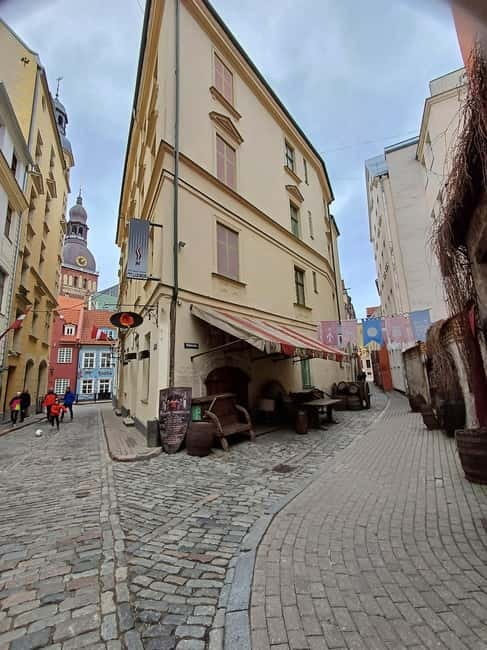
The Cathedral is one of the route’s major medieval markers. Along with the Three Brothers and the Swedish Gate, it helps you picture how the old town grew between the 13th and 20th centuries.
The Three Brothers are especially useful for understanding Riga’s architecture. These adjoining buildings show how homes changed over time and offer a compact lesson in the old town’s building traditions. You do not need to know architectural terms to enjoy them. The guide’s job is to point out what your eye might otherwise miss.
The Swedish Gate gives the walk another physical reminder of the city’s defensive past. It is one of those places that can look modest if you pass through quickly, but a short explanation turns it into evidence of an older Riga, when gates and walls controlled movement through the town.
These stops work well because they are close enough to connect on foot, yet different enough to keep the route moving. You see religious architecture, domestic buildings, and a surviving city gate in one compact section.
This is also where comfortable shoes matter. The tour stays on foot, and Old Riga has paved streets that can be uneven underfoot. Nothing in the supplied details suggests a strenuous hike, but two hours of walking on stone and paving is easier in supportive shoes.
When a quiet alley turns into a Riga legend
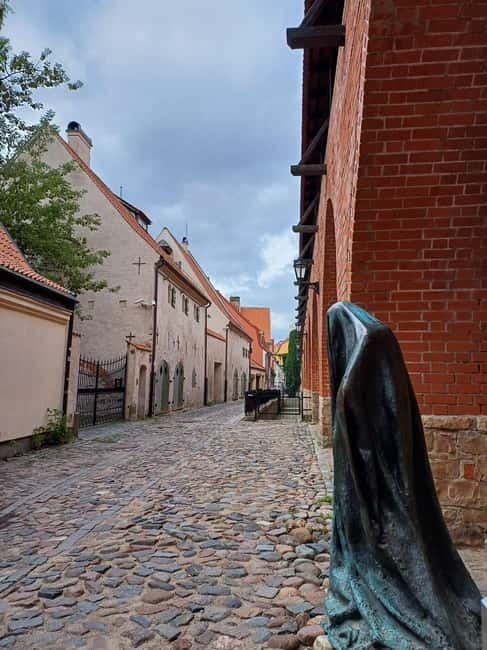
The tour’s most distinctive feature is its use of legends. At some point, the ordinary city scene gives way to stories of ghosts and mysterious events. That shift creates the urban kaleidoscope promised by the route, with narrow streets, old buildings, and tales that make the past feel less tidy.
I like this approach for first-time visitors. Facts tell you when something was built; legends suggest how people imagined the place. A ghost story may not be a historical record, but it can reveal what a city fears, celebrates, or enjoys repeating.
The tone also suits families. Younger children may not remember every date, but they are more likely to remember a strange alley, a talking animal, or a ghost connected with an old building. Since children under 14 join free, the tour can be a practical choice for parents who want an organized introduction without paying a full adult fare for every family member.
Keep your expectations in check. The legend element is part of a sightseeing walk, not a dedicated ghost tour. You should expect stories woven into the route rather than theatrical performances or a night-time investigation.
Same place, a different slice of the past:
- London Small Group Tour of Historical Pubs
★ 5.0 · 10,422 reviews - Prague: Oldtown, Medieval Underground & Dungeon History Tour
★ 4.3 · 10,277 reviews - Charleston’s Old South Carriage Historic Horse & Carriage Tour
★ 5.0 · 10,023 reviews - Edinburgh: Edinburgh Castle Guided History Tour with Tickets
★ 4.8 · 9,933 reviews
Choosing among Vecriga’s seven symbols
The experience asks you to identify seven symbols of Vecriga and choose the one you like best. This gives the tour a simple personal challenge, and it helps prevent the old town from blurring into one long procession of façades.
The seven-symbol idea is useful because Riga can feel visually dense on a short visit. You see churches, guild buildings, sculptures, gates, cats, and old homes, but a theme gives you a way to organize them. You might prefer the cathedral for its scale, the House of the Blackheads for its civic story, or one of the more amusing legends.
I also like the fact that the guide does not present Old Riga as a museum frozen in one period. The route moves across medieval, imperial, Soviet, and independent Latvian chapters. The result is a more honest picture of the city, even if the treatment of each era is short.
A small group helps here. With no more than 10 participants, you should have a better chance of hearing the guide in narrow streets and asking a question without holding up a large crowd. A very small departure is possible too. One group had only two people and still received a full two-hour walk, which suggests that the experience can remain personal even when attendance is low.
Ending at the Freedom Monument
The tour ends at the Freedom Monument, a fitting place for Riga’s modern story. After beginning with merchant wealth and medieval power, you finish with a national symbol connected to Latvia’s independence.
This ending gives the route a clear direction. You are not simply returned to the starting square after looking at old buildings. The walk carries you from the medieval center into a broader Latvian story, linking the old town with the country’s modern identity.
The Freedom Monument also gives you a useful point for continuing your day. Since the tour ends there, you can decide whether to keep walking, return to the old town, or make your own plans nearby. The supplied details do not promise entry into buildings, so plan on seeing the major places from the outside unless the guide says otherwise.
One limitation is worth noting. A participant specifically felt that Riga Castle was close to the route but was not taken into account or mentioned. If the castle is high on your list, ask about it before the tour begins. That small question can prevent disappointment, especially if you have limited time in Riga.
Is $24 a fair price for two hours?
At $24 per person, this is a sensible price for a live, Italian-language walking tour in a UNESCO-listed old town. The value comes from the guide’s interpretation rather than from paid admissions, since the route is primarily an outdoor walk.
I would see it as an orientation tour. You pay to understand what you are seeing, hear the stories behind famous corners, and gain a route through the old center. Afterward, you can return to the places that interested you most.
The price becomes even more attractive for families because children under 14 join free. For a couple or solo visitor, the value depends on your language needs. If you speak Italian and want a human explanation rather than an audio guide, $24 is reasonable. If you prefer to wander alone and read plaques, you may get more from exploring at your own pace.
The 4.8 rating from 125 reviews fits the overall picture: praise centers on guides who are prepared, warm, and enthusiastic. Nelli is repeatedly singled out for clear explanations and genuine passion. One useful practical detail comes from a winter walk: she was attentive to the cold and avoided leaving the group outside for too long. That matters in Riga, where weather can make a long outdoor tour feel very different from the same route on a mild day.
Who should book this experience?
I would recommend this walk to Italian-speaking first-time visitors who want a clear introduction to Riga without committing to a full-day program. It also suits families, couples, and solo visitors who enjoy stories as much as buildings.
It is a good fit if you want:
- A short first look at the UNESCO old town
- Historical context across several political periods
- Medieval legends and local curiosities
- A small group rather than a large sightseeing crowd
- A guide who can answer questions in Italian
- A family-friendly price structure
I would be more cautious if you want extensive interior visits, a detailed architectural study, or a route focused on Riga Castle. The tour is built around outdoor landmarks and storytelling. It gives you the framework, then leaves room for you to investigate further.
The route is wheelchair accessible, which broadens its usefulness, although the old town’s paved streets can still make comfort and movement worth considering. Bring comfortable shoes and dress for the weather. The walk lasts two hours, so cold, rain, or poor footwear can shape your enjoyment.
Should you book Old Riga in Italian?
Book it if you want an Italian-language introduction that mixes major sights with legends and keeps the group small. The strongest reason to choose it is the guide quality, especially Nelli Saraceno’s warm, prepared style and attention to the group.
Skip it if your priority is Riga Castle, museum interiors, or a slow architectural survey. For most visitors who want to get their bearings, understand the old town, and hear the stories that make the streets memorable, $24 is a fair buy. Children under 14 joining free makes the decision easier for families.
You can cancel up to 24 hours before the start for a full refund, and you can reserve now while paying later. That flexibility is useful when Riga’s weather or your schedule remains uncertain.
FAQ
Where does the Old Riga tour meet?
Meet at the small metal Christmas tree near the House of the Blackheads in Town Hall Square.
How long does the tour last?
The walking tour lasts two hours.
What language is the tour conducted in?
The tour is conducted in Italian, with a live Italian-speaking guide.
How much does the tour cost?
The price is $24 per person.
Are children under 14 charged?
No. Children under 14 can join free.
How large is the group?
The group is limited to 10 participants.
Is the tour wheelchair accessible?
Yes, the activity is listed as wheelchair accessible.
What should I bring?
Bring comfortable shoes for the two-hour walking route.
Can I cancel for a full refund?
Yes. You can cancel up to 24 hours in advance for a full refund.
Can I reserve now and pay later?
Yes. You can reserve your place and pay later, which keeps your plans flexible.
Just added around the world
- Rio de Janeiro: Historical Downtown and Lapa Walking Tour★ 4.4 · 32 reviews
- Riga: 2-Hour History of Art Nouveau Walking Tour★ 4.8 · 118 reviews
- Riga: Jewish History and Heritage Tour★ 4.9 · 25 reviews
- Rimini: Guided Walking Tour of the Historic City Center★ 4.6 · 56 reviews
- “Rotes Bier” and “Blaue Zipfel”. A historical-culinary walk★ 4.4 · 190 reviews
- REDKULT: Red Light District & Historical City Center★ 4.5 · 107 reviews
- Regensburg: City Highlights Historical Boat Tour★ 4.0 · 259 reviews
- Recoleta Cemetery – Small Group Tour of History & Secrets★ 5.0 · 53 reviews
History Tours, compared.
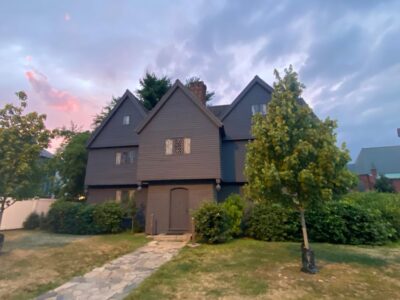
History and Hauntings of Salem Guided Walking Tour
Read our review →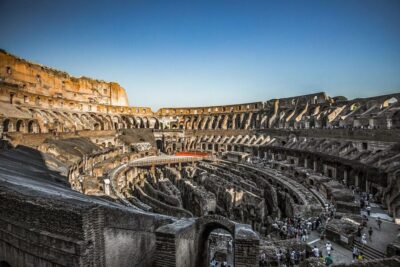
Colosseum: Underground and Ancient Rome Tour
Read our review →
Oldtown, Medieval Underground & Dungeon History Tour
Read our review →
Charleston’s Old South Carriage Historic Horse & Carriage Tour
Read our review →
Edinburgh Castle Guided History Tour with Tickets
Read our review →