
Review · ILE-DE-FRANCE
Paris: French Fashion History Walking Tour
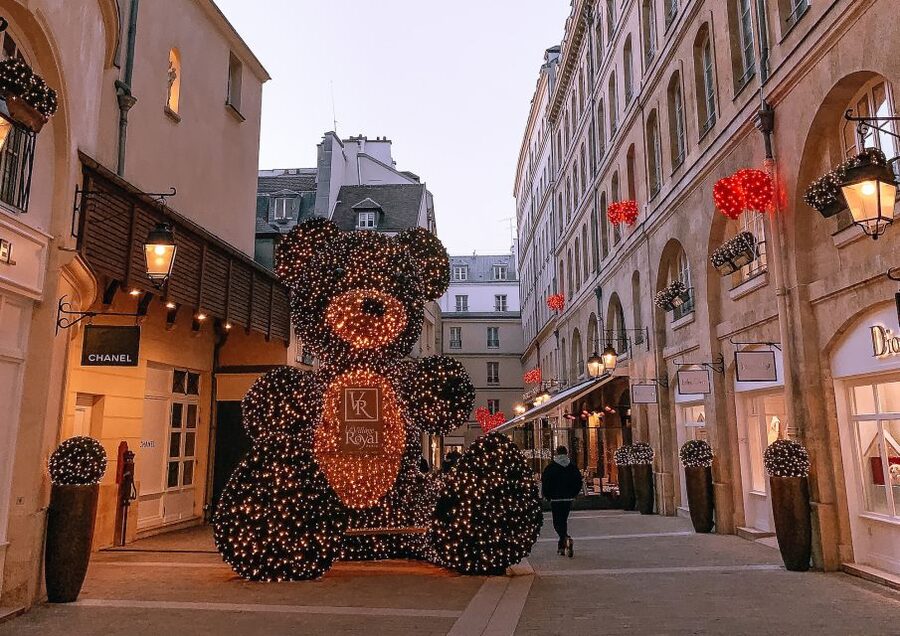
Fashion tells Paris in clothes. This private 90-minute walk links rue Saint-Honoré, Place Vendôme, La Madeleine, and the great French fashion houses through stories about Chanel, Hermès, Dior, and Yves Saint Laurent. I like the clear connection between famous brands and the streets where they grew, plus the way guides such as Hannah explain fashion for newcomers as well as serious style fans. The main drawback is the short running time: you will hear a lot, but you will not have time for a slow look inside every shop.
I also like that the tour deals with complicated subjects, including Coco Chanel’s wartime connections, without treating fashion as mere window dressing. The private format gives your group up to six people room to ask questions, although $294 can feel steep if only one or two people book.
Key things to know before booking
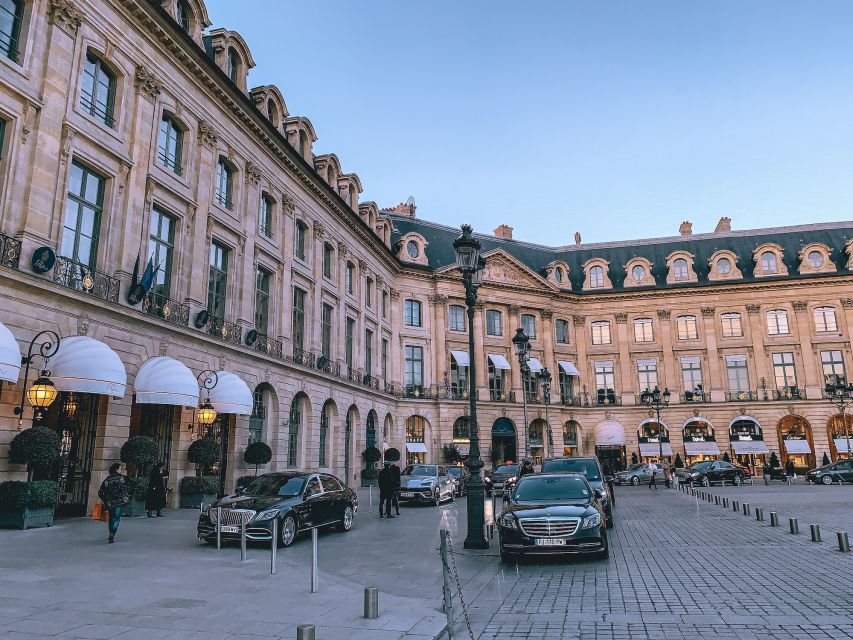
- Rue Saint-Honoré supplies the main stage: You walk through one of Paris’s best-known luxury shopping streets and learn which early ateliers opened there.
- Chanel’s story is more complicated than a fashion legend: The tour covers her lovers, business troubles, wartime links, and the people who helped save her brand.
- Hermès began with saddles, not handbags: You learn how the company moved from equestrian goods to the Birkin and Kelly bags, and why access to them is tightly controlled.
- Place Vendôme connects fashion with old Paris glamour: Chanel and Ernest Hemingway are part of the area’s story, giving the square a wider cultural setting.
- Dior and Yves Saint Laurent mark different turns in modern style: One reshaped post-war clothing, while the other became a key figure in fashion’s move toward modernity.
- The tour works best for a small private group: English and French are offered, and the route is wheelchair accessible, though comfortable shoes and an umbrella are sensible.
Why this Paris fashion walk is worth your time
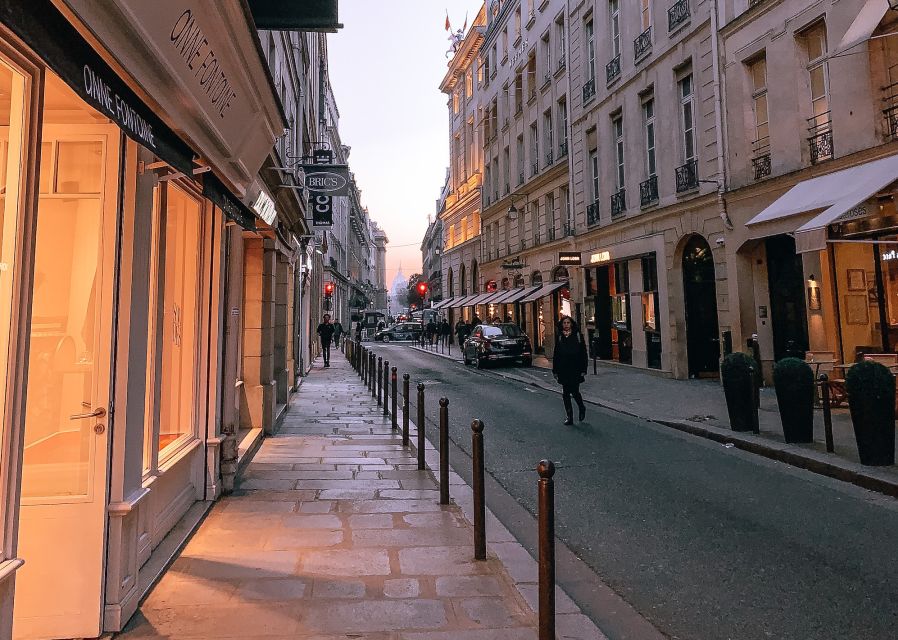
Paris offers endless luxury storefronts, but window-shopping alone tells you very little. A logo does not explain how a saddler became Hermès, why Dior’s post-war designs mattered, or how Chanel rebuilt a label through talent, luck, and personal connections.
This walk gives those storefronts a backstory. You move through the district while the guide points out the streets, buildings, and shops tied to French fashion. That setting matters. The brands are not presented as floating names from a glossy magazine. They are linked to particular corners of Paris and to the social changes of the 19th and 20th centuries.
The format is also pleasantly focused. Ninety minutes is long enough to create a clear picture of French fashion without turning into a full-day lecture. I would view it as a strong first activity for a visitor curious about style, design, women’s history, or Parisian commerce.
It is not a shopping tour in the usual sense. You are not promised discounts, purchases, or private access to handbags. Instead, you enter a few shops to gain a better sense of the brands and their legacy. The emphasis is on understanding what you are seeing.
More History Walking Tours in France
- Paris: Dark History and Ghostly Guided Walking Tour
★ 4.7 · 1,000 reviews - Paris City of Fashion History Private Guided Walking Tour
★ 5.0 · 221 reviews - Paris City Center w/ Notre Dame interior | Exclusive Walking Tour
★ 5.0 · 190 reviews
Starting near La Cure Gourmande
You meet near the La Cure Gourmande shop and should arrive five minutes before the start. That is useful advice in this part of Paris, where a short walk can involve busy pavements, shop windows, and a confusing cluster of side streets.
The meeting point places you close to the luxury district from the outset. You do not spend the opening minutes on a long transfer from another neighborhood. Once the group gathers, the guide can move directly into the story of the area and the first ateliers connected with rue Saint-Honoré.
Wear shoes you can walk in comfortably. The route covers city streets rather than a museum interior, and the tour goes ahead rain or shine. An umbrella belongs in your day bag, especially since the experience does not include shelter as a planned feature.
The private format is a real benefit here. Your group can include up to six people, so questions about a brand, a designer, or a particular shop should be easier to fit in than on a large public walk. It is also a good choice for families or friends with different levels of interest. The subject can be discussed at a basic level, but the guide can also move into more serious material.
Rue Saint-Honoré and the birth of a luxury district
The first major section follows rue Saint-Honoré, one of the central fashion streets in Paris. The tour looks at the early ateliers that opened here and explains why this part of the city became linked with luxury goods.
I like this approach because it starts with place before moving to personalities. You see the polished shops of today, then hear about the workshops and makers that helped create the district’s identity. That contrast gives the modern storefronts some useful context.
The street also helps explain how French fashion grew into an international business. The story is not only about beautiful clothes. It includes craft, travel, commerce, status, and the changing habits of wealthy customers. Louis Vuitton appears in this part of the discussion, with attention to the brand’s connection to travel.
That detail is especially helpful if you know Louis Vuitton mainly as a maker of monogrammed luggage and handbags. The travel connection gives the company a more practical beginning and shows how a useful product can become a luxury symbol over time.
You will likely pass major fashion names without entering every shop. That is worth keeping in mind. The experience is about reading the district and its brands, not collecting shopping stops. Entering a few shops helps you understand the houses, but this is not a behind-the-scenes atelier visit.
Place Vendôme, Chanel, and Parisian glamour
Place Vendôme brings a different mood. Its grand design and luxury jewelry businesses offer a setting for discussing Chanel, while Ernest Hemingway adds a literary connection to the square.
The point is not simply that famous people spent time there. Place Vendôme helps show how fashion, wealth, art, and celebrity have long overlapped in Paris. Chanel’s presence in this setting also makes sense when you consider how the brand built an image that reached far beyond clothing.
The guide uses Chanel as one of the tour’s main threads. You hear about her revolution in women’s fashion and the way her designs challenged older ideas about how women should dress. The tour also examines the lovers and personal relationships that affected her life and helped save her brand at difficult moments.
That last part gives the story some needed complexity. Chanel is often reduced to a neat tale of genius and elegant simplicity. Her life was not neat. The discussion includes her connection with the German army, a subject that can be uncomfortable but is important to understanding her full public story.
I appreciate that the tour does not appear to stop at the famous name or the familiar perfume bottle. If you want only a flattering fashion biography, this section may feel less comfortable. If you prefer a fuller account, the difficult material makes Chanel more interesting and more human.
More History Walking Tours in Paris
- Paris: Le Marais & Montmartre Jewish History Walking Tour
★ 4.8 · 170 reviews - Historic Paris Walking Tour in English
★ 4.9 · 78 reviews - Paris Jewish History 2-Hour Private Guided Walking Tour
★ 4.6 · 32 reviews - Paris: Fashion History Walking Tour in the Heart of Paris
★ 4.9 · 22 reviews
La Madeleine and the shopping streets around it
The walk continues to La Madeleine, the large church with a Greek-inspired design. Its presence changes the rhythm of the route. You are no longer looking only at fashion storefronts. You are also seeing the monumental Paris that frames this commercial quarter.
The smaller streets around La Madeleine are known for shopping, so this is a practical place to continue browsing after the tour. You might find that the area helps connect the historical discussion with your own visit. After hearing how the houses developed, you can take a closer look at the shops and decide which ones interest you.
The church itself is part of the appeal, even for someone who has little interest in fashion. The tour includes it as a landmark within the district, and its Greek design gives you a quick reminder that Paris’s commercial streets were shaped by grand civic and religious architecture too.
Do not expect an extended church visit. The experience remains a walking tour of fashion history, not an architecture tour of La Madeleine. Still, this stop adds welcome variety and prevents the route from becoming a long series of brand names.
Hermès, from saddler to Birkin and Kelly bags
The Hermès section is likely to be one of the most useful parts for anyone puzzled by the company’s exclusivity. The first Hermès shop is part of the route, and the guide traces the business from saddlery to iconic handbags.
That change says a lot about luxury branding. Hermès did not begin by selling a fantasy. It began with practical goods tied to horses and riding. Over time, its skill and reputation moved into other products, including the bags that now carry extraordinary status.
The Birkin and Kelly bags receive special attention. You learn how the company sells them and why obtaining one is not as simple as walking into a shop with a credit card. The explanation is valuable because the bags are often discussed as symbols of scarcity without much attention to the system behind that scarcity.
This is also a good point to keep your expectations realistic. Seeing the first shop does not mean you will see a Birkin or Kelly bag, and the tour does not include a purchase. The value comes from learning how the company protects its image and how a product becomes part of a larger story about craft, status, and desire.
For me, the Hermès story works particularly well beside the Louis Vuitton discussion. Both brands connect to travel and practical goods, yet they developed distinct identities. One became associated with trunks and travel, while the other built a powerful image around equestrian craft and controlled access.
Dior and the shape of post-war fashion
Christian Dior provides another clear turning point. The guide explains how his personal beliefs, including his superstitious nature, shaped his choices and how he reached his brand after several failures.
That human detail helps keep the story from becoming a list of dates. Dior was not presented as someone who simply appeared fully formed at the top of fashion. The account includes setbacks, destiny, and the decisions that led to his own label.
The larger issue is post-war fashion. Dior changed the way women’s clothing was seen after the Second World War, and his work became part of a broad shift in how people thought about femininity, luxury, and renewal.
You do not need a technical knowledge of fabric or pattern cutting to follow this section. The guide connects the designer’s work to the period around it, making the subject approachable for someone who knows Dior only as a current luxury name.
At the same time, serious fashion fans should find enough substance to make the stop worthwhile. The tour is not limited to current logos. It explains why Dior mattered in his own period and how the brand’s identity grew from the decisions of its founder.
Yves Saint Laurent and fashion’s move toward modernity
Yves Saint Laurent closes the main designer story with a look at modernity. He is presented as a founding figure in modern fashion, giving the final section a sense of direction rather than simply ending with another famous label.
This is important because French fashion did not stop with the grand houses of the 19th century or the post-war years. Saint Laurent represents change in attitude and design. His place in the story helps you see fashion as an ongoing conversation about how people want to look and live.
The route’s sequence works well: Chanel challenges older expectations for women, Dior reshapes post-war style, and Saint Laurent pushes fashion toward a more modern outlook. The designers are different, but together they show how clothing reflects social change.
You may want to ask questions here, especially if you are curious about how a historic house stays relevant today. Hannah has been praised for connecting past designers with what brands are doing now, and that present-day link makes the walk more useful than a standard biography lesson.
What the guide and private format add
The guide is central to this experience. Hannah receives particular praise for being enthusiastic, personable, and able to pack the walk with stories without making it difficult for newcomers to follow.
That balance matters. Fashion history can become technical very quickly, yet this tour is meant to work for people who are curious rather than expert. A visitor in their sixties and a daughter in her twenties both found the subject enjoyable, which suggests the stories cross age groups well.
The guide also appears to handle less ideal weather with good humor. That matters because the tour runs rain or shine, and a strong storyteller can make a damp street walk feel worthwhile. You should still bring the umbrella and dress for the forecast.
English and French are available. The tour is wheelchair accessible, which makes it a practical option for more people, though you should still consider the nature of a city walking route and the weather.
The private structure means you are paying for the group rather than per person. At $294 for up to six people, the cost works out to $49 per person if six friends or relatives share it. For two people, the individual cost is much higher. I would book it with a small group if possible, especially if you expect plenty of questions.
Who should book this 90-minute experience
I would recommend this walk if you like at least one of these subjects:
- Fashion, clothing, or luxury brands
- Women’s history and changing social roles
- Paris architecture and famous neighborhoods
- Brand origins and business stories
- Short private tours with time for questions
You do not need to own designer clothing or know the difference between every fashion house. The route is designed to make the stories accessible, and the strongest material concerns people, choices, and cultural change.
It may not suit you if you want a long museum visit, a fashion show, access to working ateliers, or guaranteed shopping opportunities. You will enter a few shops, but the main activity is walking and listening.
The 90-minute length suits a busy Paris schedule. You could place it before lunch, after a visit elsewhere in central Paris, or early in a shopping afternoon around La Madeleine. Since food and drinks are not included, plan those separately.
Practical details that affect the experience
The price is $294 for a private group of up to six people. That is good value for a full small group, but less attractive for a solo visitor or couple. A group of friends who split the fee gets a personal guide through one of Paris’s most expensive districts without committing to a longer private tour.
Cancellation is free up to 24 hours before the activity, and you can reserve now and pay later. That gives you some flexibility when Paris plans are still changing.
The tour lasts 90 minutes and has starting times based on availability. You should arrive five minutes early near La Cure Gourmande. The guide speaks English or French, the route is wheelchair accessible, and comfortable shoes are recommended.
Rain does not cancel the walk. Bring an umbrella and accept that some of the experience may be less pleasant in poor weather. One positive point is that a private group can usually keep the pace more comfortable than a large crowd, though the weather remains a real consideration.
Should you book the Paris French Fashion History Walking Tour?
Book it if you want Paris fashion explained on the streets where its luxury trade took shape. The best parts are the candid Chanel story, the clear explanation of Hermès’s origins and bag system, and the way Dior and Yves Saint Laurent fit into wider changes in women’s clothing.
I would be especially keen to book it for a group of four to six. At that size, the private price becomes easier to justify, and you can make good use of the guide’s time with questions. For one or two people, compare the cost with other Paris walks before committing.
The short format is both strength and limit. You get a lively, focused introduction with guide Hannah or another English or French-speaking guide, but you will not cover every designer or inspect every shop. If you want a smart, story-led introduction to Parisian fashion rather than a shopping expedition, this is a strong choice.
FAQ
How long does the French Fashion History Walking Tour last?
The tour lasts 90 minutes.
How much does the private tour cost?
The price is $294 per group of up to six people.
Where is the meeting point?
Meet near the La Cure Gourmande shop and arrive five minutes before the activity begins.
Which languages are available?
The live tour guide is available in English and French.
Is the tour private?
Yes. It is offered as a private group experience for up to six people.
Is the walking tour wheelchair accessible?
Yes, the activity is listed as wheelchair accessible.
What should I bring?
Bring comfortable shoes and an umbrella.
Does the tour run in bad weather?
Yes. The tour takes place rain or shine.
Are food and drinks included?
No. Food and drinks are not included in the tour price.
Just added around Paris
- Paris: Fashion History Walking Tour in the Heart of Paris★ 4.9 · 22 reviews
- Paris: Khéops VR Experience – Explore Ancient Egypt★ 4.9 · 39 reviews
- Paris Jewish History 2-Hour Private Guided Walking Tour★ 4.6 · 32 reviews
- Montmartre Walking Tour: A Journey Through Art and History★ 5.0 · 21 reviews
- Historic Paris Walking Tour in English★ 4.9 · 78 reviews
- Explore the Marais: History, Art & Local Culture★ 4.6 · 105 reviews
- Arc de Triomphe Rooftop: Unveil History & Breathtaking Views★ 3.1 · 23 reviews
- The History of Paris: Historical Le Marais Private Tour★ 4.5 · 47 reviews
History Walking Tours, compared.

History and Hauntings of Salem Guided Walking Tour
Read our review →
Freedom Trail History Small Group Walking Tour
Read our review →
Historic Charleston Guided Sightseeing Walking Tour
Read our review →
Tapas Walking Tour with Food, Wine, and History
Read our review →
Savannah History and Haunts Candlelit Ghost Walking Tour
Read our review →
A History of Terror – Belfast City Centre Walking Tour
Read our review →Browse the lists this tour appears in