
Review · ILE-DE-FRANCE
Paris: Fashion History Walking Tour in the Heart of Paris
Paris wears its history well. This two-hour walk connects haute couture with the places that shaped it, from the gardens of Palais-Royal to Chanel’s Rue Cambon headquarters. I like the small group of no more than 10 and the chance to hear from a fashion professional rather than a guide reading dates from a script. I also like how the tour links clothing to psychology, marketing, culture, and social change.
The main drawback is the price: $104 per person is a serious spend for a two-hour walk, especially since shopping, food, and museum entry are not included. Still, the guide’s personal fashion background and the access to stories around Rue Saint-Honoré, Place Vendôme, and Chanel give this walk more substance than a simple luxury-shopping stroll.
Key things to know before you go
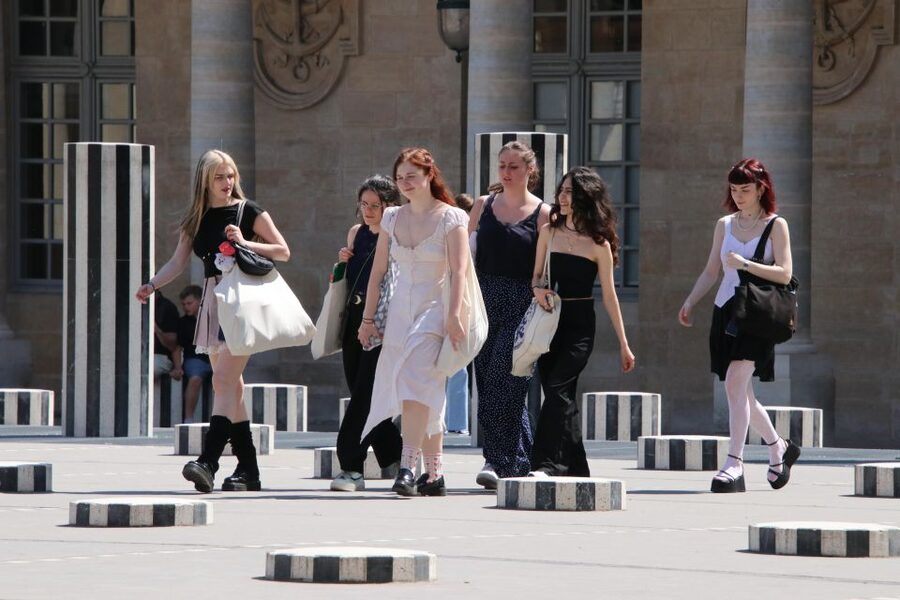
- Palais-Royal gets the longest visit, with about 45 minutes among its gardens, arcades, and the Colonnes de Buren.
- Ivo is one guide named in the feedback, praised for his warmth, fashion knowledge, and personal stories.
- The walk connects major fashion names, including Coco Chanel, Christian Dior, Louis Vuitton, Pierre Balmain, and Goyard.
- You see luxury from the outside and inside the story, with famous houses, vintage shops, and smaller boutiques along the route.
- The route is gentle rather than strenuous, but comfortable shoes still matter on Paris sidewalks.
- The tour works for non-fashion fans too, thanks to its focus on Paris history, economics, art, and culture.
Why this Paris fashion walk is different
Many fashion-themed walks simply point out expensive storefronts. This one tries to explain why certain designers became powerful, how luxury brands created desire, and how Paris turned clothing into a cultural language.
That approach is the tour’s real value. You are not only looking at where Chanel or Dior operated. You are asked to think about the ideas behind the clothes: status, rebellion, elegance, identity, memory, and the way a designer can change how people see themselves.
The guide is a fashion professional with an advanced degree in fashion design. That background matters because the tour is built around interpretation, not just sightseeing. You may hear how a designer’s personal outlook shaped a collection, how a fashion house built its public image, or why a particular garment moved from runway novelty to lasting influence.
The tone also appears to be friendly rather than academic. Ivo receives especially strong praise for making the walk engaging while explaining French fashion and culture in clear terms. One particularly useful detail is that he points visitors toward additional places to explore, including the Fashion Museum and fashion exhibitions at the Louvre.
More History Walking Tours in France
- Paris: Dark History and Ghostly Guided Walking Tour
★ 4.7 · 1,000 reviews - Paris City of Fashion History Private Guided Walking Tour
★ 5.0 · 221 reviews - Paris City Center w/ Notre Dame interior | Exclusive Walking Tour
★ 5.0 · 190 reviews
Meeting at La Comédie-Française
The walk begins outside La Comédie-Française at 1 Place Colette in the first arrondissement, close to a metro station exit. This is a practical meeting point in central Paris, though you should allow a little time to find the exact theater entrance and gather before the start.
Beginning here gives the tour an immediate connection to performance and presentation. Fashion and theater share more than fancy costumes. Both depend on staging, character, silhouette, lighting, and the careful creation of an image. That connection helps set up the tour’s wider argument: clothing is not merely practical. It tells a story about the person wearing it and the society that accepts or rejects it.
The meeting point also puts you near the Palais-Royal, so the walk quickly leaves the busy traffic of the central streets and moves into a more graceful setting. There is no hotel pickup, so you need to make your own way to the theater.
Palais-Royal: gardens, arcades, and fashion as spectacle
The Palais-Royal receives roughly 45 minutes, making it the longest stop. You can expect a guided visit, time for photographs, and an explanation of the site’s importance to Parisian fashion.
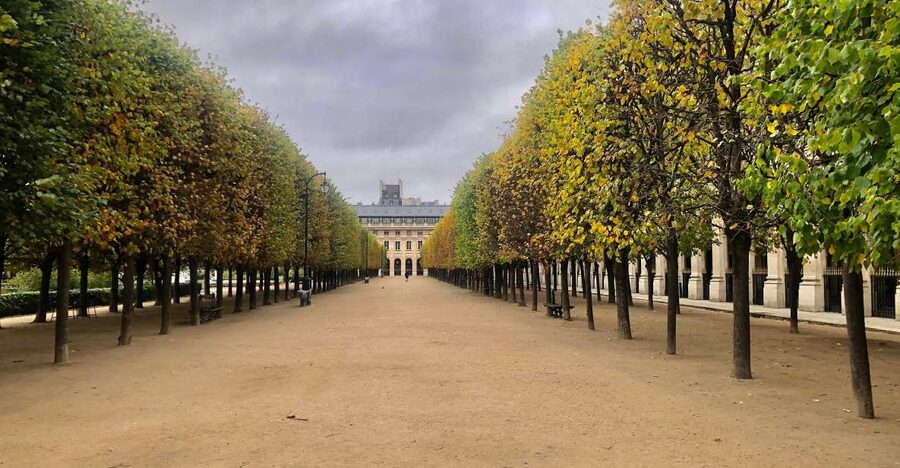
The gardens and arcades offer a useful change of pace. Instead of viewing fashion only through shop windows, you see it alongside architecture, public space, and old Parisian elegance. The setting helps explain why Paris fashion has always depended on more than clothing. The city itself provides the backdrop.
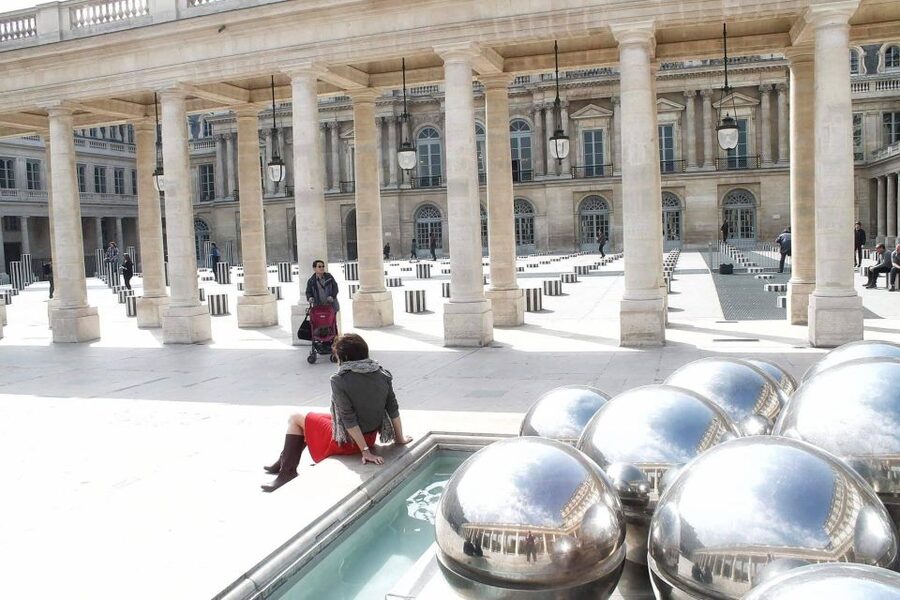
The tour also focuses on the Colonnes de Buren, the black-and-white columns installed in the Palais-Royal courtyard. Their strong geometric pattern has made them a popular meeting place for fashion influencers and trendsetters. They are not a traditional couture landmark, which makes their inclusion worthwhile. The columns show how contemporary fashion culture often uses art and architecture as part of its public image.
This part may be especially good for people who enjoy visual details. You can compare the clean, repeated forms of the columns with the lines, shapes, and proportions used in clothing design. Your guide may also connect the site to the way fashion changes with the culture around it.
The possible weakness is time. Forty-five minutes can pass quickly in a place with several layers of history, and the tour’s larger themes may mean you do not receive a full architectural lecture on the Palais-Royal. The focus stays on fashion and its cultural setting.
Rue Saint-Honoré and the business of luxury
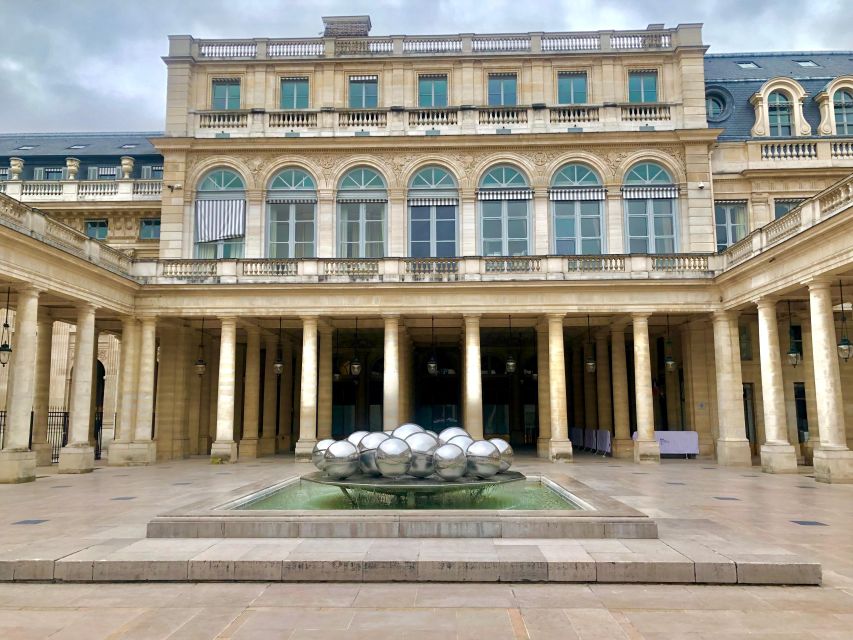
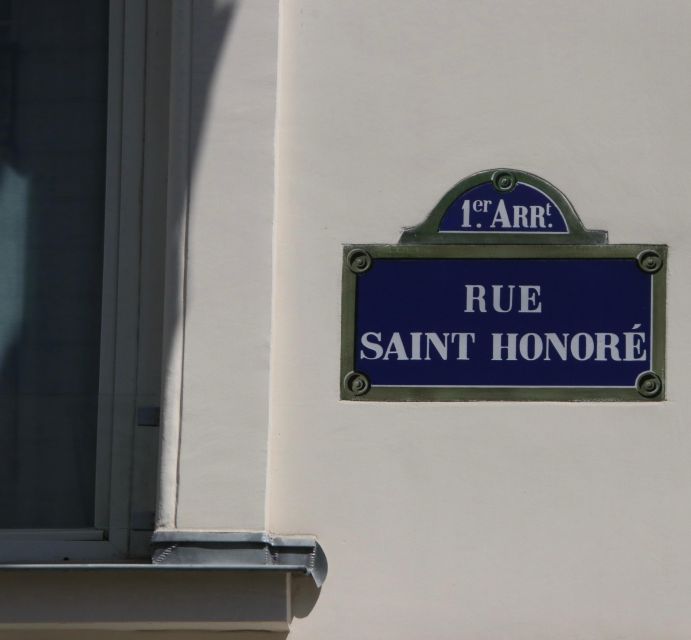
From the Palais-Royal, the walk reaches Rue Saint-Honoré, one of the key shopping streets in the route. You spend about 30 minutes here, with more sightseeing later before the walk finishes.
This is where the grand names become visible. You see the fashion houses associated with Paris luxury, along with exclusive boutiques and the polished storefronts that turn shopping into theater. Your guide discusses current designers and trends, but the point is not simply to identify brands. It is to explain how a luxury house protects its image, attracts customers, and keeps older symbols relevant.
The tour includes stories connected to names such as Louis Vuitton, Christian Dior, Pierre Balmain, Goyard, and Coco Chanel. Each designer represents a different part of French fashion’s development. Some are tied to travel, some to couture, some to modern femininity, and some to the construction of a recognizable brand identity.
I like that the walk includes the economics of haute couture. That subject is often left out of fashion sightseeing, yet it helps explain why luxury goods cost what they do and why a brand may produce only a small number of certain pieces. You can learn how fashion houses balance craftsmanship, exclusivity, publicity, and changing customer habits.
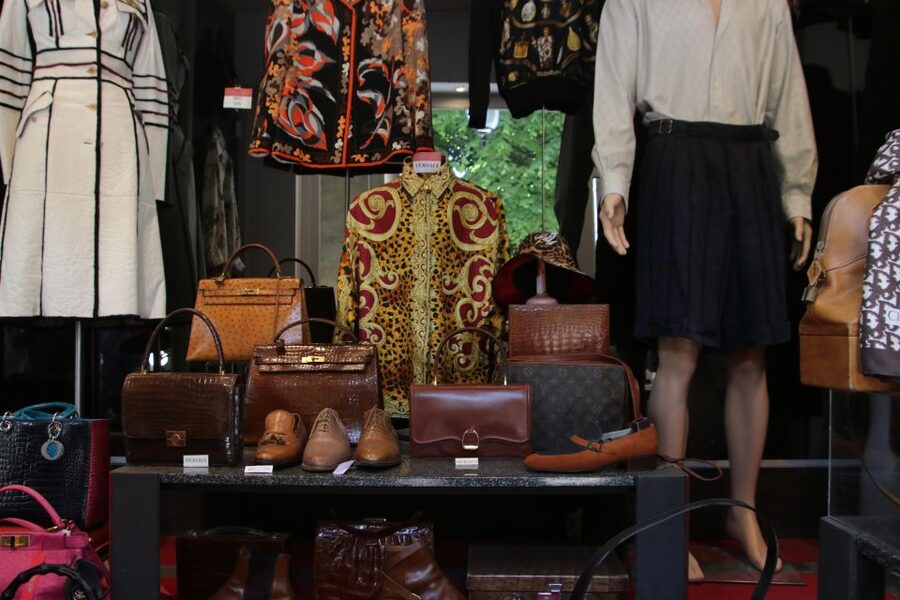
The route also includes vintage shops and smaller boutiques. These stops help bring the subject down to street level. Instead of seeing only the most expensive labels, you get recommendations for places where well-dressed locals shop and where older luxury pieces can be compared with current collections.
You should not expect a shopping allowance or included purchases. The value is in the advice and context. If you want to buy something, the tour can help you understand the area, but the cost of anything you purchase is your responsibility.
More History Walking Tours in Paris
- Paris: Le Marais & Montmartre Jewish History Walking Tour
★ 4.8 · 170 reviews - Historic Paris Walking Tour in English
★ 4.9 · 78 reviews - Paris: French Fashion History Walking Tour
★ 4.9 · 37 reviews - Paris Jewish History 2-Hour Private Guided Walking Tour
★ 4.6 · 32 reviews
Rue Cambon and the Chanel story
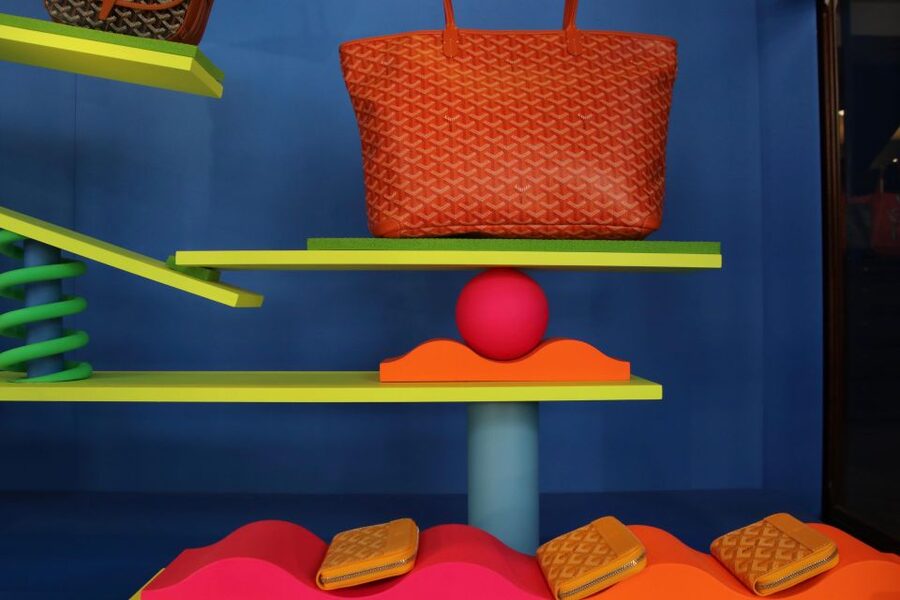
Rue Cambon is the emotional center of the walk. This is where Coco Chanel built her fashion empire, and the guide uses the street to explain her influence and the lasting effect of her ideas.
Chanel’s importance is not limited to a logo or a famous handbag. Her work changed the way women’s clothing could look and feel. The tour examines the inspiration behind her designs and the psychological effect of her contribution to fashion.
That focus on motivation gives this stop more depth than a quick photo outside a boutique. You consider how a designer’s personal vision can turn into a public movement. You also look at how that movement continues through marketing, symbols, signature pieces, and modern collections.
The guide discusses iconic runway pieces and their influence on today’s fashion. This is useful if you follow current fashion but also works if you do not. You can see how old ideas return in new forms, sometimes with small changes in cut, material, color, or attitude.
Rue Cambon is also a good place to discuss the gap between the personal designer and the global fashion house. Chanel began with a distinctive individual voice. The modern brand is much larger, with its own codes and commercial reach. Understanding that transition helps you see why fashion history is also a story about business and public memory.
Place Vendôme and the wider luxury world
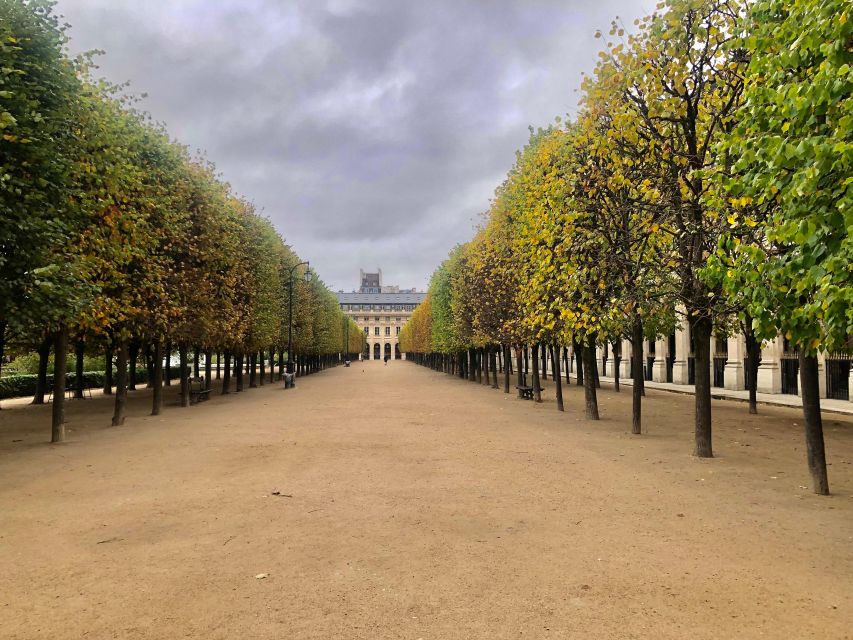
The walk brings you near Place Vendôme, the center of French jewelry. Even if your main interest is clothing, this stop broadens the subject.
Jewelry shows how fashion connects to wealth, ceremony, craftsmanship, and display. It also reveals how Paris luxury extends beyond dresses and accessories. The square’s opulence gives your guide a chance to explain the relationship between fashion houses, jewelry brands, clients, and the city’s prestige.
This is a sightseeing stop rather than a shopping appointment. You are learning about the area and its role in French luxury, not receiving a private viewing of jewelry collections. Still, the location helps place haute couture in its larger setting.
If you enjoy architecture and grand urban spaces, Place Vendôme adds visual variety to the route. If you are interested only in clothing, it may feel less central than Rue Cambon or Rue Saint-Honoré. That balance is worth knowing before you book.
Vintage shops, small boutiques, and current collections
One of the most useful parts of the experience is the attention to vintage luxury pieces and smaller stores. Large fashion houses can make Paris seem like a parade of names that most people cannot afford. Vintage shops offer another way to understand the city’s style.
Your guide can point out places to compare older pieces with current collections. That comparison helps you see which design ideas last and which trends quickly fade. You may notice changes in materials, shapes, branding, and the way garments are presented to customers.
The tour does not promise a private shopping session or a purchase discount. Think of this portion as a guided introduction to fashion districts you could return to later. The recommendations may be especially useful if you have extra time in Paris and want to continue exploring on your own.
This part also suits people who are not serious shoppers. You can treat the boutiques as examples of how Parisian style is presented, rather than as places where you must spend money.
What the two-hour format feels like
Two hours is enough to cover a focused central route without turning the day into a fashion seminar. The walk is described as comfortable and not strenuous, but you should still wear supportive shoes. Paris sidewalks can be tiring, and the tour keeps moving between landmarks.
The route includes a 45-minute visit at Palais-Royal, about 30 minutes on Rue Saint-Honoré, about 30 minutes around Rue Cambon, and a final 15-minute section on Rue Saint-Honoré before finishing at Place de la Concorde. The supplied route also places Place Vendôme among the key sights, so the exact walking order may depend on the guide and the day’s flow.
The finish at Place de la Concorde is convenient for continuing your sightseeing. You are near major central Paris attractions, though the tour does not include onward transport or hotel drop-off.
The small-group limit of 10 is important. A fashion discussion can become frustrating when a large crowd blocks sidewalks or makes questions difficult. With fewer people, you have a better chance to follow the guide’s explanations and ask about designers, shopping streets, or museums.
The advertised languages are English and French. You should select the language that lets you ask questions comfortably, since the tour’s value depends heavily on conversation and explanation.
Is $104 a fair price?
At $104 per person, this is not a bargain walk. You are paying more than you would for a basic historical stroll because the experience uses a fashion professional, keeps the group small, and centers on a specialized subject.
I think the price makes the most sense for three types of visitors:
- You have a real interest in fashion, designers, or luxury branding.
- You want an expert-led introduction before visiting fashion museums or exhibitions.
- You prefer a small, focused walk over a large general city tour.
The price is harder to justify if you mainly want to see storefronts or take photographs. You can walk along Rue Saint-Honoré on your own. The extra cost pays for the stories, connections, personal advice, and explanation of why these places matter.
Food, drinks, shopping, museum tickets, and hotel transfers are not included. Plan the tour as a focused walking lesson, not as a full-day fashion package.
Who will enjoy this tour most?
Fashion enthusiasts are the obvious audience, but the walk is not limited to people who know every French label. One visitor described it as a highlight of a Paris trip because it combined fashion, city history, and the guide’s personal stories. Another found it engaging even without being a committed fashion fan.
I would recommend it to anyone curious about how culture shapes clothing. You will get more from the walk if you enjoy asking why a designer became influential, how luxury brands build loyalty, or why certain styles return.
It may be less suitable if you want to enter major fashion houses, handle historic garments, or spend a long time inside museums. The experience is mainly outdoors, with guided sightseeing and shop recommendations rather than formal exhibitions.
The 24-hour cancellation policy adds useful flexibility, and you can reserve now and pay later. Those terms are practical if your Paris plans are still shifting. The walk is wheelchair accessible, though the supplied details do not explain the condition of every pavement or entrance along the route.
Should you book the Paris Fashion History Walking Tour?
Book it if you want the story behind Paris fashion, not just a list of luxury storefronts. The strongest parts are the small group, the specialist guide, the Palais-Royal setting, the Chanel focus on Rue Cambon, and the honest look at fashion’s links to art, business, culture, and emotion.
At $104, I would not choose it as a casual filler activity. I would choose it as a focused experience for the start of a fashion-themed day, especially if you plan to visit the Fashion Museum or a Louvre fashion exhibition afterward.
If you are unsure about your interest, the feedback from Paul and Lida points to its broad appeal. The walk offers enough Paris history and city context to work for non-fashion fans, while dedicated style followers get designer stories and shopping advice that a standard sightseeing tour will not provide.
FAQ
Where does the fashion tour begin?
It begins in front of La Comédie-Française at 1 Place Colette, 75001 Paris, near a metro station exit.
Where does the tour finish?
The walk finishes at Place de la Concorde.
How long does the tour last?
The tour lasts two hours.
What is the price?
The listed price is $104 per person.
How large is the group?
The tour is limited to 10 participants.
Which languages are available?
The live guide offers the tour in English and French.
Is the tour wheelchair accessible?
Yes, the activity is listed as wheelchair accessible.
What should I bring?
Bring comfortable shoes for the walking route.
Can I cancel or pay later?
You can cancel up to 24 hours in advance for a full refund. You can also reserve your place and pay later.
Just added around Paris
- Paris: Khéops VR Experience – Explore Ancient Egypt★ 4.9 · 39 reviews
- Paris: French Fashion History Walking Tour★ 4.9 · 37 reviews
- Paris Jewish History 2-Hour Private Guided Walking Tour★ 4.6 · 32 reviews
- Montmartre Walking Tour: A Journey Through Art and History★ 5.0 · 21 reviews
- Historic Paris Walking Tour in English★ 4.9 · 78 reviews
- Explore the Marais: History, Art & Local Culture★ 4.6 · 105 reviews
- Arc de Triomphe Rooftop: Unveil History & Breathtaking Views★ 3.1 · 23 reviews
- The History of Paris: Historical Le Marais Private Tour★ 4.5 · 47 reviews
History Walking Tours, compared.
History and Hauntings of Salem Guided Walking Tour
Read our review →
Freedom Trail History Small Group Walking Tour
Read our review →
Historic Charleston Guided Sightseeing Walking Tour
Read our review →
Tapas Walking Tour with Food, Wine, and History
Read our review →
Savannah History and Haunts Candlelit Ghost Walking Tour
Read our review →
A History of Terror – Belfast City Centre Walking Tour
Read our review →Browse the lists this tour appears in