
Review · ILE-DE-FRANCE
Paris: Khéops VR Experience – Explore Ancient Egypt
Ancient Egypt comes alive indoors. The Khéops VR Experience lets you walk around the Giza Plateau and enter the Great Pyramid of Khufu through a detailed 360-degree reconstruction, all in central Paris. It is a smart pick for a rainy afternoon, a family outing, or anyone who wants a cultural activity that feels different from another museum visit.
I like the cinematic presentation and the chance to see spaces inside the pyramid that are normally difficult or impossible to access. I also like that the experience is designed for French and English speakers, with historical context before the virtual visit begins. The main consideration is timing: the activity lasts about an hour, but the actual VR portion is listed as 45 minutes, so anyone expecting a full half-day attraction should adjust expectations.
Key points to know before booking
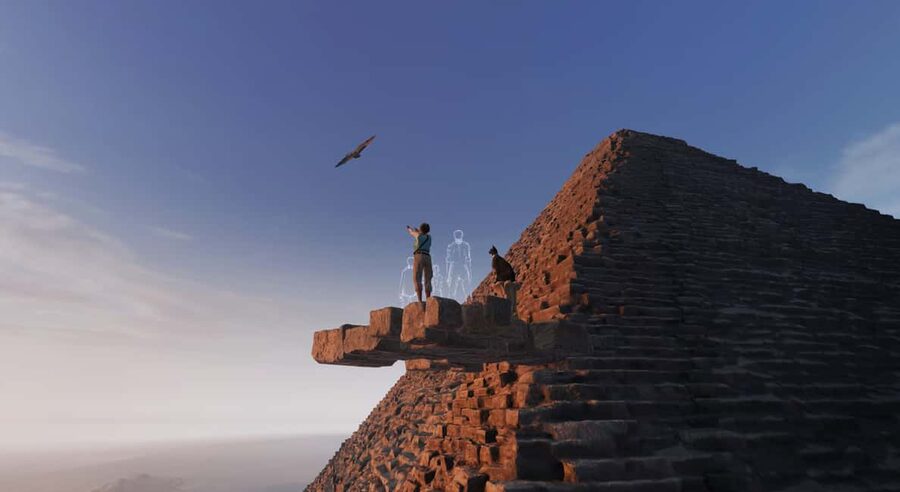
- Walk around ancient Giza: You can examine the pyramid from the outside before entering its corridors and chambers.
- A 45-minute VR experience: The full visit takes about one hour, including the introduction and preparation.
- Historical context comes first: You receive an explanation of Egyptian architecture and the pyramid’s archaeological setting before putting on the headset.
- Cinematic sound and lighting: The changing audio and visual effects help create a stronger sense of place than a simple digital slideshow.
- Good for families and history lovers: Children must be at least 8 years old, and the activity is wheelchair accessible.
- A weather-proof Paris plan: At $37 per person, it offers a focused cultural outing without depending on the season or weather.
Starting with the Giza Plateau in Paris
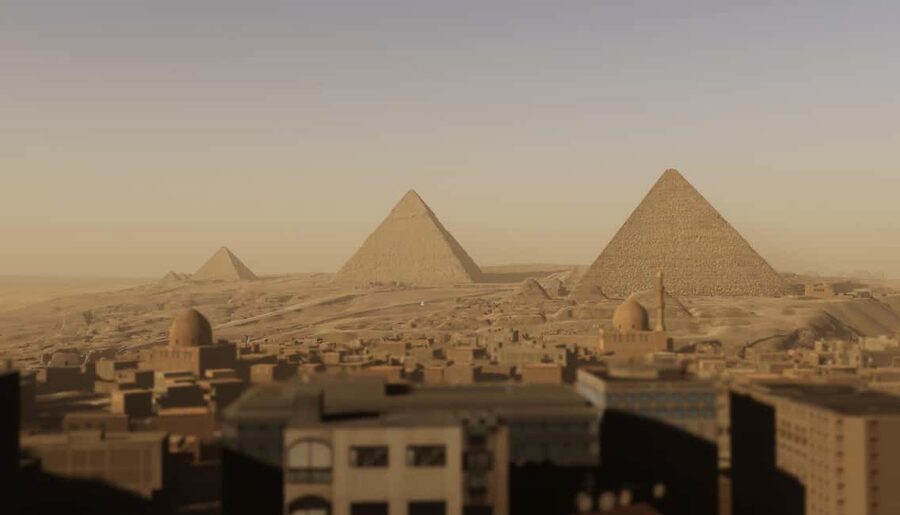
The experience begins with a short introduction to the archaeological background of Khufu’s Pyramid. This matters because the VR visit is not just a digital amusement ride. You receive a basic framework for understanding the monument, its architecture, and the questions surrounding its construction.
That opening also helps you know what to look for. Instead of seeing a giant stone structure and moving on, you can pay attention to the pyramid’s scale, its internal layout, and the contrast between its public exterior and restricted interior spaces.
The host or greeter can provide the activity in French or English. If you are visiting Paris with a mixed-language group, this simple choice makes the experience easier to share. The available information does not name individual guides, so the quality of the spoken introduction may vary by session, but the format is intended to work for both language groups.
More Ancient History Tours in Paris:
- Colosseum: Underground and Ancient Rome Tour
★ 4.7 · 12,691 reviews - Colosseum & Ancient Rome with Arena Floor Option I Max 6 People
★ 5.0 · 3,306 reviews - Rome: Colosseum, Ancient Rome Tour or AudioGuided Tour
★ 4.4 · 2,879 reviews
Walking around Khufu’s Pyramid through VR
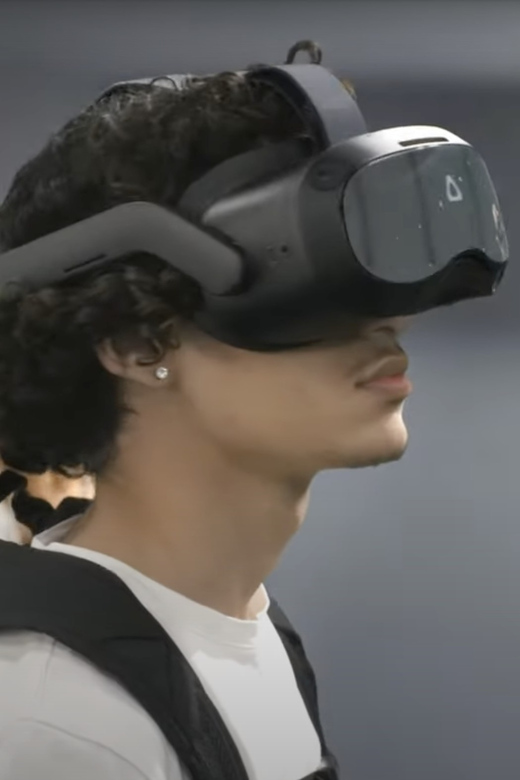
Once you receive the headset, the setting changes from Paris to the Giza Plateau as it appeared roughly 4,500 years ago. The presentation is built as a 360-degree recreation, allowing you to look around rather than simply watch a screen in front of you.
That difference is important. You can turn toward the pyramid, look across the surrounding site, and inspect the monument from several angles. The experience is designed to let you walk freely, so you are not confined to a single camera position.
The strongest part of the visit is likely the sense of scale. A pyramid is easy to understand as a picture, but much harder to grasp as a physical structure. VR gives you a chance to stand near the base, look upward, and spend time with the monument without the crowds, heat, or distance associated with the real Giza Plateau.
The virtual recreation was developed with support from historical experts. That does not make the presentation a substitute for a professional archaeological visit, but it adds useful weight to the reconstruction. You are not simply wandering through an invented fantasy version of Egypt.
Entering corridors and chambers normally closed to the public
The VR journey then takes you inside the pyramid. This is where the experience earns its place in a Paris itinerary.
You can pass through corridors and view chambers that are normally inaccessible or difficult for the public to visit. The value here is access. Even if you have seen photographs, diagrams, or television programs about the Great Pyramid, moving through its internal spaces gives you a clearer sense of their arrangement.
The experience combines movement, sound, and lighting to guide your attention. A corridor may feel narrow and enclosed, while a larger chamber can appear more imposing. These effects are not just decoration. They help you understand how the interior changes as you move through it.
There is also a small tradeoff. One visitor found that the visual setting demanded so much attention that it was hard to listen closely to the guide at the same time. That is a useful warning. You may want to focus first on the commentary, then take in the surroundings, rather than trying to absorb every spoken detail and every visual effect at once.
If the activity interests you mainly as an artful visual production, you will probably appreciate the staging. If you want a slow, scholarly lecture, the pace may feel busy. It aims to do two things at once: explain and entertain.
Why the cinematic effects matter
The design uses dynamic lighting and cinematic sound to create the feeling of entering a living ancient site. These effects give the visit emotional force, especially when the setting shifts from the open plateau to the enclosed pyramid interior.
The best VR experiences do not simply add technology to an ordinary presentation. They use the format to show something that is hard to communicate in a book or a museum display. Here, that means the relationship between the monument’s exterior mass and its internal passageways.
The high rating of 4.9 from 39 reviews fits the main strengths of the activity. The most praised qualities are the polished design, the surprising staging, and the strong sense of presence. One French-speaking participant described it as both educational and fun. Another found the full presentation beautiful and emotionally affecting.
That praise should be read in the right way. This is a short, carefully produced VR attraction, not a substitute for standing in front of the actual pyramid. Its success depends on your willingness to accept a digital reconstruction as a way of seeing history.
A few more history tours around Paris worth a look
- Paris: Dark History and Ghostly Guided Walking Tour
★ 4.7 · 1,000 reviews - Paris City of Fashion History Private Guided Walking Tour
★ 5.0 · 221 reviews - History of Paris City Center w/ Notre Dame Semi-Private 12ppl Max
★ 5.0 · 194 reviews - Paris: Le Marais & Montmartre Jewish History Walking Tour
★ 4.8 · 170 reviews
How long the visit really takes
The activity is advertised as lasting one hour, while the included VR experience is listed as 45 minutes. The difference likely covers the introduction, headset fitting, and transition into the virtual world.
For planning purposes, allow the full hour rather than counting only the headset time. That makes it easy to fit into a day of sightseeing without treating it as a quick 20-minute stop.
A one-hour visit also keeps the experience manageable. VR can become tiring if it continues too long, especially for people who are new to headsets. The compact format gives you a substantial historical presentation without taking over an entire afternoon.
Still, you should not book it expecting a long museum visit. There is no indication of a large exhibition surrounding the VR presentation or a lengthy collection of physical artifacts. The value is concentrated in the virtual journey itself.
Is $37 a fair price?
At $37 per person, this is not a low-cost casual activity. I would judge the price against what you want from it.
For a family, the total can rise quickly, so the experience works best when everyone is genuinely interested in ancient Egypt or technology. For one person or a couple, the price is easier to justify if you want a focused cultural activity that does not depend on good weather.
You are paying for a produced experience rather than entry to a traditional archaeological site. The price includes the headset and the 45-minute VR presentation, along with the introduction. There is also value in the access: you can walk through a digital version of restricted spaces without traveling to Egypt.
I would see it as good value for three types of visitors:
- Someone who has already seen many of Paris’s major museums and wants something different.
- A family looking for an educational activity that is also entertaining.
- A history enthusiast who wants a visual way to understand the Great Pyramid’s interior.
I would be more cautious if your main goal is to visit authentic antiquities in person. The experience is a reconstruction, however detailed. It cannot replace a real archaeological site, and it should not be judged by the same standard.
A good rainy-day and family activity
Paris has no shortage of indoor attractions, but many require several hours of concentration. Khéops VR is easier to fit between other plans.
The activity is fully indoors, so rain will not affect the visit. It can also give your feet a break from walking, although the virtual format still asks you to move around during the presentation.
Families should note the minimum age of 8. That limit is practical, since younger children may not be able to use the headset comfortably or follow the historical content. The experience is also not suitable for people with heart problems or epilepsy.
For older children and teenagers, the combination of ancient history and interactive technology may work better than a conventional lecture. Adults who enjoy Egyptian archaeology should find enough visual detail to make the hour worthwhile, even if the information is delivered at a fairly active pace.
The activity is wheelchair accessible. That makes it a useful option for visitors who want a cultural experience without dealing with the physical challenges of an ancient monument.
What the experience does especially well
The strongest feature is its sense of access. You are not only looking at the Great Pyramid from outside. You are shown its interior routes and chambers in a way that gives the monument an understandable structure.
The second strength is presentation. The detailed setting, sound design, lighting, and staging create a polished result. The feedback describing the design as totally immersive and the production as surprising points to the same quality: the experience has been built to make a strong impression quickly.
The third strength is flexibility. You can book a French or English session, attend indoors, and fit the visit into a busy Paris schedule. Free cancellation up to 24 hours before the activity also reduces the risk of committing too early, while the reserve-now-and-pay-later option can help you keep plans flexible.
The activity is not perfect for every purpose. The amount of commentary may compete with the visual presentation, and the digital format will not satisfy someone seeking original artifacts. You may need to choose what deserves your attention at each moment.
Practical advice for getting the most from the hour
Before the headset goes on, listen closely to the introduction. The archaeological explanation gives the visual journey more meaning, particularly if you do not already know much about Khufu’s Pyramid.
During the VR section, take a moment to look around before moving on. The 360-degree format rewards patience. If you rush through the route, you may miss details simply because there is so much happening around you.
If you find the commentary dense, focus on the major ideas first: the pyramid’s setting, the construction, the internal corridors, and the purpose of the chambers presented. You do not need to remember every detail for the experience to work.
I would also plan the activity for a time when you are not rushing to another booking. The official duration is about one hour, but a little breathing room makes the visit more pleasant. It is easier to enjoy the visual work when you are not watching the clock.
Who should book Khéops VR?
I recommend it most strongly to people who want a modern way to approach ancient history. You get context, movement, visual drama, and access to spaces that are not part of a normal public visit.
It is also a good choice for families with children aged 8 and older, couples looking for an unusual indoor activity, and Paris repeat visitors who have already covered the standard museum circuit.
I would hesitate if you are uncomfortable with VR, have epilepsy or heart problems, or want a quiet, traditional museum experience. I would also explain to children that this is a digital recreation, not the actual pyramid, so expectations are clear from the start.
Should you book the Khéops VR Experience?
Book it if you want a polished, one-hour cultural activity that makes the Great Pyramid easier to picture from the inside. The combination of historical explanation, free movement, detailed reconstruction, and cinematic effects gives you more than a simple headset demonstration.
At $37, it is best treated as a special attraction rather than a bargain stop. The price makes sense when you value the access to restricted spaces and want a weather-proof activity in Paris. It makes less sense if you are looking only for original objects or a long museum visit.
My practical verdict: book it for the format and the access, especially if you are visiting with older children or need an indoor plan. Go in expecting a carefully staged VR journey lasting about 45 minutes within a one-hour visit, and you are likely to find it educational, entertaining, and surprisingly affecting.
FAQ
How long does the Khéops VR Experience last?
The activity lasts about one hour in total. The included VR presentation is listed as 45 minutes, with the remaining time covering the introduction and preparation.
What does the VR experience show?
It recreates the Giza Plateau as it looked roughly 4,500 years ago and lets you explore the exterior of Khufu’s Pyramid, its corridors, and its chambers.
Is the experience available in English?
Yes. The host or greeter can provide the experience in French or English.
How much does the activity cost?
The listed price is $37 per person.
Is the experience suitable for children?
Children must be at least 8 years old to take part.
Is the activity wheelchair accessible?
Yes, the experience is wheelchair accessible.
Is the activity suitable for people with epilepsy?
No. The activity is listed as unsuitable for people with epilepsy.
Can people with heart problems take part?
No. People with heart problems are listed among those who should not take part.
Can I cancel the booking?
Yes. You can cancel up to 24 hours in advance for a full refund. You can also reserve now and pay later.
Just added around Paris
- Paris: Fashion History Walking Tour in the Heart of Paris★ 4.9 · 22 reviews
- Paris: French Fashion History Walking Tour★ 4.9 · 37 reviews
- Paris Jewish History 2-Hour Private Guided Walking Tour★ 4.6 · 32 reviews
- Montmartre Walking Tour: A Journey Through Art and History★ 5.0 · 21 reviews
- Historic Paris Walking Tour in English★ 4.9 · 78 reviews
- Explore the Marais: History, Art & Local Culture★ 4.6 · 105 reviews
- Arc de Triomphe Rooftop: Unveil History & Breathtaking Views★ 3.1 · 23 reviews
- Private Half Day Historic Tour★ 5.0 · 58 reviews
Ancient History Tours, compared.
Colosseum: Underground and Ancient Rome Tour
Read our review →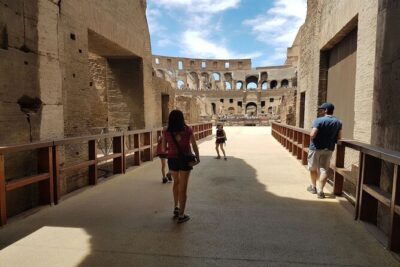
Colosseum & Ancient Rome with Arena Floor Option I Max 6 People
Read our review →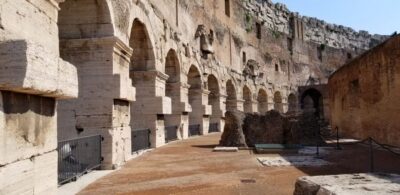
Colosseum, Ancient Rome Tour or AudioGuided Tour
Read our review →
Colosseum Underground & Ancient Rome Guided Tour
Read our review →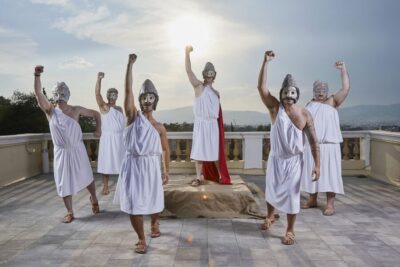
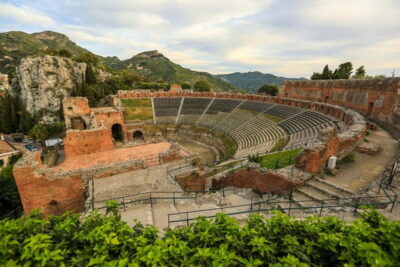
Taormina: Ancient Theater Skip-the-Line Ticket & Audio Guide
Read our review →
Discover the Ancient Ruins of Pompeii: Day Trip from Rome
Read our review →
Discover Matera, the ancient city – English tour
Read our review →Browse the lists this tour appears in