
Review · BUENOS AIRES PROVINCE
Nazis in Buenos Aires: a historical walking tour
History can feel uncomfortably close. This 2.5-hour Buenos Aires walking tour connects Recoleta, Retiro, and Microcentro with the postwar arrival of Nazi fugitives, the fate of Argentina’s Jewish community, and the political questions surrounding Juan Domingo Perón. I like the way guide Max builds the story step by step, and I like that he treats disputed subjects with care instead of forcing simple answers. The main drawback is that this is a serious, information-heavy walk, not a light sightseeing stroll.
You will visit places linked to Adolf Eichmann, a huge Nazi gathering at Luna Park, a neo-Nazi attack, and the former Israeli Embassy. Max teaches history and presents the material in fluent English, with photographs and other visual aids. You should bring water and comfortable shoes, and arrive ready to listen closely.
Key points at a glance
- Adolf Eichmann’s Buenos Aires connection: Visit the restaurant associated with the notorious war criminal’s time in the city, including the place where he reportedly sat for coffee.
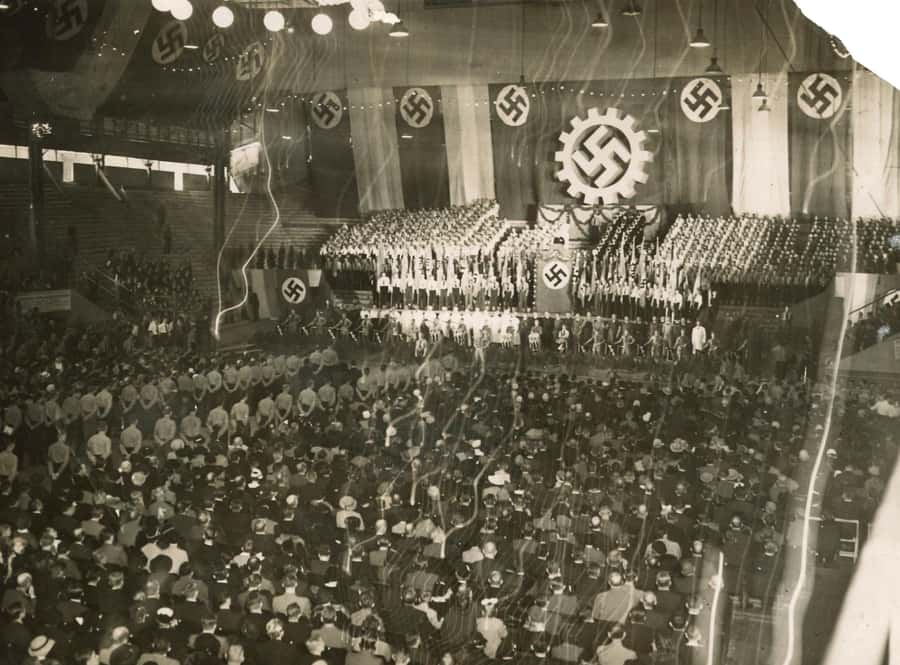
- Luna Park’s extraordinary political past: See the still-operating stadium connected with a 15,000-seat Nazi meeting.
- A difficult question, not a simple slogan: Explore whether Argentina merely tolerated Nazi fugitives or whether parts of the government helped bring them in.
- The Jewish community’s story: Learn about Buenos Aires’ Jewish population, described as the second largest in the Americas, and how it was affected by events before and after the war.
- The Israeli Embassy memorial: Finish at the site connected to the worst terrorist attack in Latin American history.
- Strong value at $25: For a small fee, you get a focused historical tour led by a specialist rather than a general city walk.
Why this Buenos Aires history walk matters
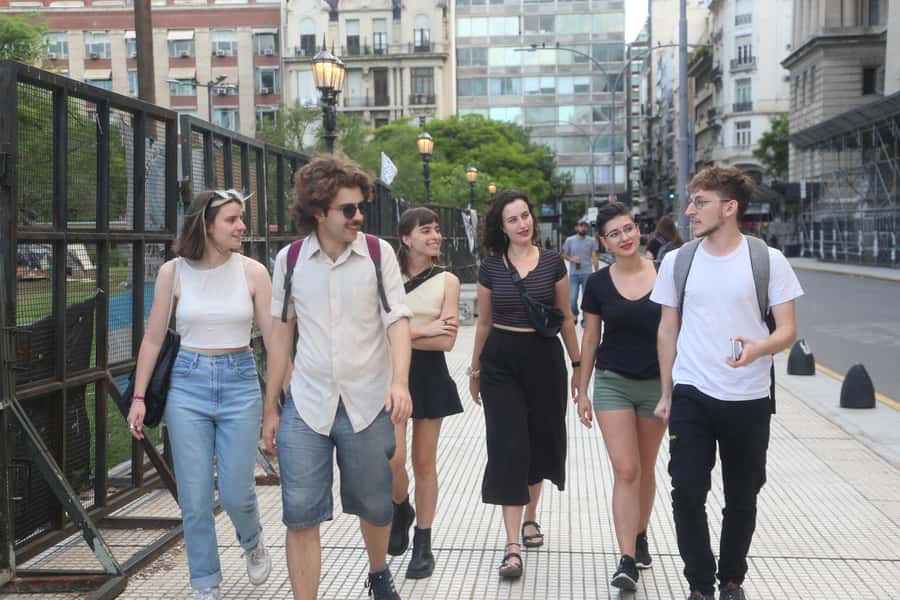
Buenos Aires is often sold through grand avenues, cafés, tango, and polished European-style buildings. This tour asks you to read those same streets differently. The city becomes a setting for questions about migration, political power, antisemitism, memory, and justice.
The central subject is the movement of Nazi war criminals into Argentina after 1945. The tour does not treat that subject as a cheap mystery story. Instead, Max places it inside Argentina’s wider political setting and asks how much was known, who may have helped, and what the government’s role really was.
That care is one of the strongest reasons to book. Several people who took the walk praised Max’s evidence-based approach and his willingness to admit when a point is uncertain. That matters here. The subject is full of rumor, propaganda, incomplete records, and arguments that remain unsettled.
You will also hear about Perón, one of the most important political figures in 20th-century Argentina. The tour uses the Nazi question to explain parts of Perón’s presidency and the country’s postwar politics, rather than treating him as a side note. If you know little about Argentine history, this added context will help the individual stories make sense.
You do not need an advanced background in World War II or the Holocaust. A basic understanding will help, but Max welcomes questions about Nazism, Judaism, the war, and Argentina. The tour seems particularly good at serving a mixed group, since Max is used to explaining the topic to people with different levels of prior knowledge.
More WWII and D-Day Tours in the world:
- Vienna: World War II Historical Walking Tour
★ 4.8 · 1,772 reviews - Zagreb: City & History Walking Tour & WW2 Tunnels
★ 4.9 · 1,202 reviews - Pearl Harbor History Remembered Tour from Ko Olina
★ 5.0 · 1,009 reviews
Starting beside Palacio Libertad
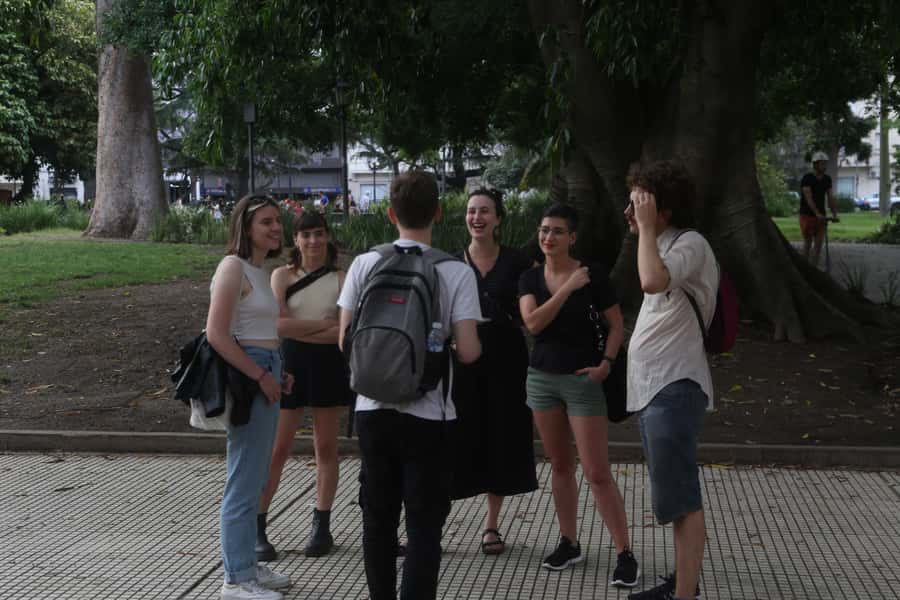
The walk begins a few meters from the Monument to Juana Azurduy, near the benches facing Palacio Libertad, formerly known as the CCK. Max wears a black cap, which makes the meeting point easier to spot in a busy central area.
This is a useful beginning because the tour starts by setting the political and historical scene before moving into individual stories. Rather than rushing straight to a famous name, Max lays out the questions that will guide the walk.
Expect an opening that feels more like a short history lesson than a typical guide introduction. That is a plus if you want substance. It may feel slower if you hoped to start with quick photographs and architectural facts.
The tour is conducted in English. Max has been praised for clear explanations, a friendly manner, and a willingness to invite questions. His approach seems serious without becoming stiff, which is important for a subject this grim.
Luna Park and the 15,000-seat gathering
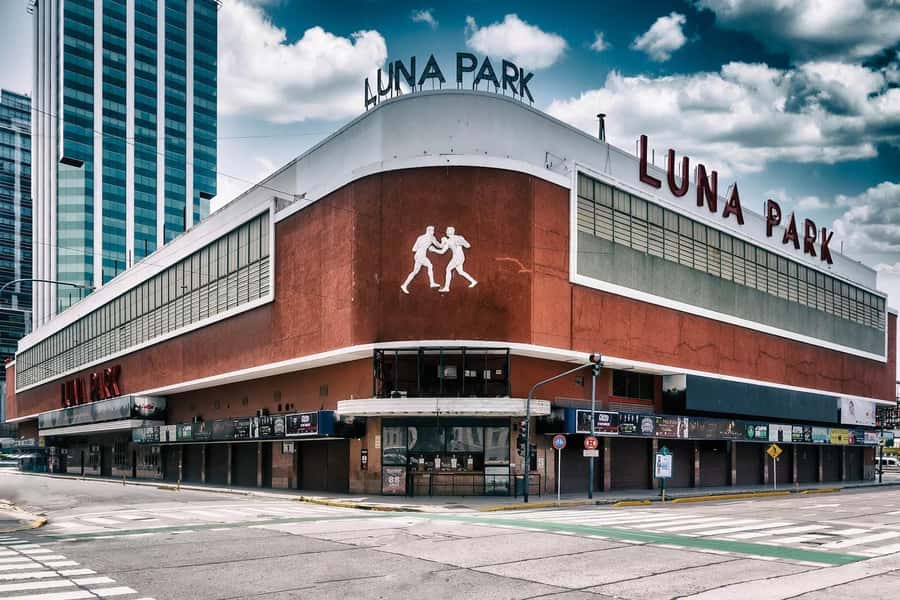
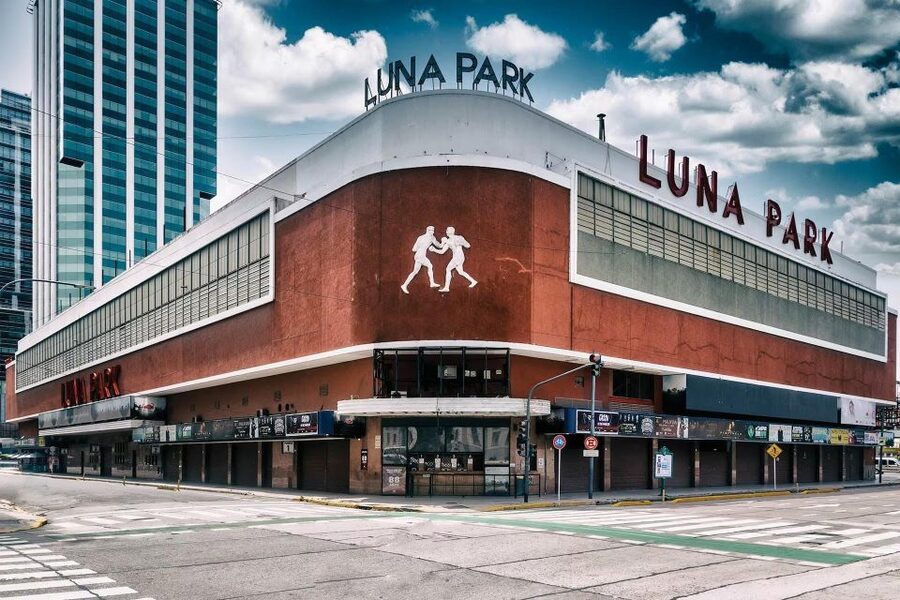
The first major stop is Luna Park, where you spend about 20 minutes. This large, still-operating stadium is tied to a Nazi meeting attended by 15,000 people.
That figure alone changes the scale of the story. Nazi activity in Argentina can sound like a tale of secret arrivals and isolated fugitives. A mass gathering in a major Buenos Aires venue shows that the subject also involved public politics and organized support.
You should not expect a long indoor visit. Entry to Luna Park is not included, and the tour is designed around the site and the story connected to it. The building works as a backdrop while Max explains what happened and how it fits into Argentina’s political climate.
For me, this is one of the more striking stops because it challenges the idea that all local sympathy for Nazism operated in hidden corners. You are looking at a functioning public venue, not a distant battlefield or museum display.
ABC Restaurant and the Eichmann story
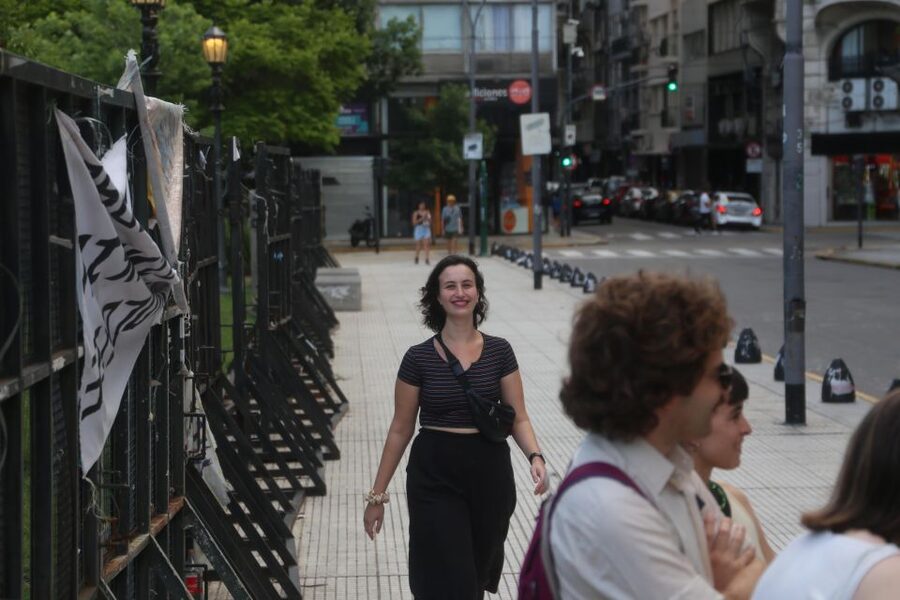
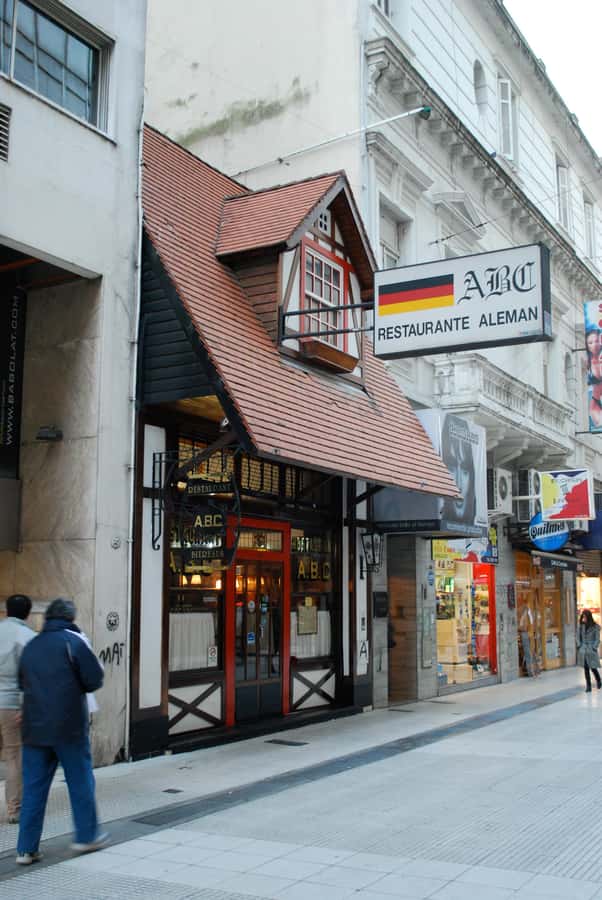
The next stop is ABC Restaurant, where you spend roughly 20 minutes. This is linked to Adolf Eichmann, the Nazi official who helped organize the deportation of European Jews and later lived in Argentina under a false identity.
The tour includes the place where Eichmann sat for coffee, giving one of the most chilling details of the walk a very ordinary setting. A restaurant table is a far less dramatic object than a prison cell or courtroom, yet that is precisely why the story can feel so immediate.
Max also explains the spy-like process through which Eichmann was identified and captured. The tour’s value here is not just naming the location. You learn how the search for him developed, how his identity was established, and how the capture became an international event.
This section is likely to appeal to anyone interested in intelligence work, postwar justice, or the mechanics of tracking a fugitive. At the same time, the story is handled as part of the larger Holocaust record, not as an adventure tale.
More History Walking Tours in the world:
- History and Hauntings of Salem Guided Walking Tour
★ 5.0 · 14,564 reviews - Lisbon: History, Stories and Lifestyle Walking Tour
★ 4.8 · 10,902 reviews - Boston: Freedom Trail History Small Group Walking Tour
★ 5.0 · 6,450 reviews - Historic Charleston Guided Sightseeing Walking Tour
★ 5.0 · 6,216 reviews
Museo de Armas de la Nación and the machinery of power
The Museo de Armas de la Nación Tte. Gral. Pablo Riccheri is the third listed stop, with about 20 minutes devoted to it. The supplied information does not promise museum admission, so you should think of this as an exterior or nearby historical stop rather than a separate museum visit.
Its place on the route helps broaden the subject beyond individual Nazis. Arms, institutions, military influence, and political authority all matter when you are trying to understand how a government responds to refugees, fugitives, and ideological movements.
This is also where the tour’s wider Argentine context becomes useful. The central question is not only how Nazi war criminals reached Argentina. It is also why the country offered a setting in which some of them could live, how officials may have viewed them, and how public institutions fit into that story.
If you prefer a tour that focuses only on Nazi fugitives, you may find this political material takes up more time than expected. If you want to understand the subject properly, it is necessary background.
Palacio San Martín and the question of official policy
At Palacio San Martín, another 20-minute stop, Max continues the discussion of Argentina’s international and political position after World War II. This part of the walk appears to focus on the disputed claim that Argentina was not merely a passive refuge, but that elements within the government may have known about or encouraged the arrival of Nazi fugitives.
That distinction is important. A country can have weak borders, corrupt officials, private networks, and political sympathies without a single, clear national policy. The tour asks you to consider those layers rather than accept a neat answer.
Palacio San Martín gives the discussion a fitting setting because it points toward the world of statecraft and foreign relations. You are not simply hearing about people who slipped through the cracks. You are considering how governments make choices, how records are interpreted, and how later generations argue about responsibility.
Max’s strongest quality, based on the available descriptions of his guiding, is restraint. He appears comfortable saying what is well supported, what is disputed, and what remains unclear. For a controversial subject, that is more useful than dramatic certainty.
Italian Circle and the wider Buenos Aires setting
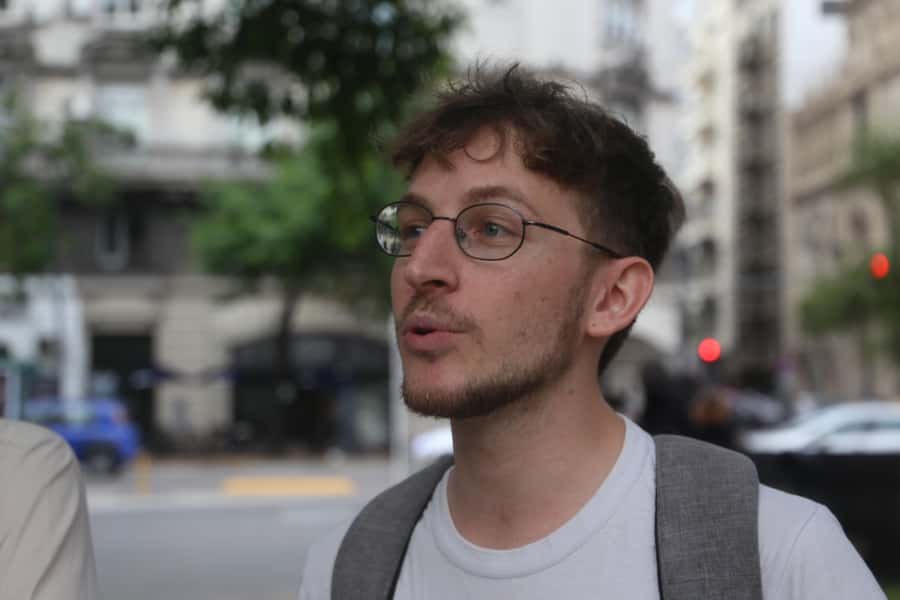
The Italian Circle of Buenos Aires is another approximately 20-minute stop. The supplied details do not specify a single landmark inside the building or an admission visit, so expect Max to use the location as a point for explaining the city’s European political networks and immigrant communities.
This part of the walk helps prevent the story from becoming narrowly German. Buenos Aires was shaped by many European communities, and the postwar political story involved connections that crossed national lines.
The tour also explores the experience of the Jewish community in Buenos Aires, described as the second largest in the Americas. That perspective is essential. A walk about Nazi fugitives can easily become too focused on the fugitives themselves. Here, the effect on Jewish life and memory receives space as well.
You will likely hear how the subject reaches beyond 1945. The tour links wartime history with later antisemitism, local politics, and the continuing work of remembering violence. That makes the walk feel relevant to modern Argentina instead of sealed off in the past.
Ending at the former Israeli Embassy
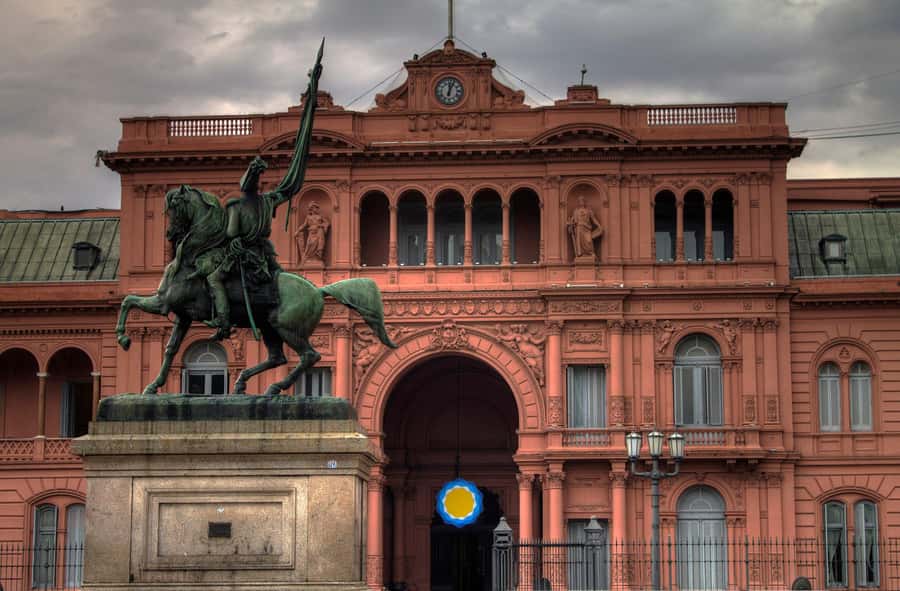
The route finishes at Plaza Embajada de Israel, the memorial site of the former Israeli Embassy. This location is tied to the 1992 bombing, described as the worst terrorist attack in Latin American history.
The ending shifts the tour from World War II and postwar migration to a later act of terrorism that deeply affected Buenos Aires’ Jewish community. It is a sobering final stop, and the connection to current debates gives the last part of the walk added weight.
The memorial is not simply a final photo opportunity. It asks you to think about how antisemitism, political violence, international conflicts, and public memory continue across generations.
There is one practical point to clarify before booking. The route information identifies Plaza Embajada de Israel as the finish, while another meeting-point note says the activity ends back at the meeting point. Check the exact end arrangement when you reserve, especially if you have a timed dinner or another booking afterward.
Timing, walking effort, and what to bring
The experience is advertised as 2.5 hours, while the included description also refers to a two-hour walking tour. The difference may reflect the short restroom pause and the timing between stops. Set aside the full two and a half hours so you are not rushed.
The route covers parts of Recoleta, Retiro, and Microcentro. You will be outside for much of it, moving between locations and standing while listening. Comfortable shoes and water are sensible, particularly because the subject rewards attention and you will not want tired feet to distract you.
There is a 10-minute pause for the restroom. Entry to the Casa Rosada, Libertad Synagogue, and Luna Park Stadium is not included. The tour is not suited to wheelchair users, and children under 10 are not accepted.
Because the topic includes the Holocaust, terrorism, neo-Nazi activity, and political violence, I would not choose it for a young child or anyone looking for a relaxed first-day city introduction. It fits older teenagers and adults who are ready for difficult material.
Is $25 a fair price?
At $25 per person, this is good value if you care about history. You are paying for a specialist-led walk with a clear subject, several significant locations, visual material, and time for questions. It is not simply a guide pointing out buildings while reciting dates.
The price also compares well with the focused nature of the route. A general Buenos Aires walking tour may cover more famous sights, but it will not give you this sustained look at the city’s Nazi connections, Perón, Jewish history, Eichmann, and the Israeli Embassy memorial.
The value depends on your interests. If you want tango, food, grand plazas, or famous architecture, spend your money elsewhere. If you want a serious historical conversation in the streets where these stories unfolded, $25 is modest.
Free cancellation up to 24 hours before the start and a reserve-now, pay-later option make planning easier. Starting times vary, so check availability for the day you want.
Who should book this tour?
I would recommend it most strongly to:
- People who already know the basic outline of World War II and the Holocaust
- History students, teachers, and serious readers
- Visitors curious about Perón and modern Argentine politics
- Anyone interested in Jewish history in Buenos Aires
- People who prefer evidence and debate over sensational storytelling
- Older teenagers accompanied by an adult, provided they are ready for the subject
You do not need to be an expert. Max’s teaching background helps make difficult material accessible, and the tour includes questions and explanations for people starting with limited knowledge.
I would skip it if you want a casual walk, a family activity for young children, or a tour centered on entering major attractions. Much of the value comes from listening, thinking, and connecting places that may look ordinary at first glance.
Should you book Nazis in Buenos Aires?
Book it if you want to understand a less familiar part of Buenos Aires and are willing to spend two and a half hours on serious history. The strongest parts are Max’s careful delivery, the Eichmann story, the huge Luna Park gathering, and the way the route connects Nazi fugitives with the Jewish community, Perón, and later political violence.
The walk is especially useful because it does not pretend every question has an easy answer. You will hear a clear account of what is known, what is disputed, and why Argentina’s role remains debated.
At $25, this is one of the better choices for a historically minded visitor. Wear good shoes, bring water, allow the full time, and arrive prepared for a thoughtful rather than cheerful afternoon.
FAQ
How long does the tour last?
The experience is advertised as 2.5 hours. The included description also calls it a two-hour walking tour, so allow the full two and a half hours for the route and restroom pause.
What language is the tour conducted in?
The live tour guide speaks English.
Where does the tour start?
It starts a few meters from the Monument to Juana Azurduy, by the benches facing Palacio Libertad, formerly known as the CCK.
How will I recognize the guide?
Max wears a black cap and waits by the benches facing Palacio Libertad.
Where does the tour finish?
The route information identifies Plaza Embajada de Israel as the finish, at the memorial site of the former Israeli Embassy. One meeting note says the activity ends back at the meeting point, so check the final arrangements when booking.
Are attraction entry fees included?
No. Entry to Casa Rosada, Libertad Synagogue, and Luna Park Stadium is not included.
Is the tour suitable for children?
Children under 10 are not accepted. The subject includes the Holocaust, terrorism, neo-Nazi activity, and political violence.
What should I bring?
Bring comfortable shoes and water. There is also a 10-minute pause to use the restroom.
Just added around the world
- New Orleans: Garden District Food, Drinks & History Tour★ 4.9 · 97 reviews
- New Orleans: Drunk History Walking Tour★ 4.2 · 165 reviews
- New Orleans: French Quarter Food History Walking Tour★ 4.9 · 713 reviews
- New Orleans: French Quarter Saints & Sinners History Tour★ 4.6 · 56 reviews
- New Orleans, French Quarter: Pirate History Walking Tour★ 5.0 · 45 reviews
- New Orleans: History, Culture & Architecture Guided Tour★ 4.6 · 38 reviews
- New Orleans: Haunted Drunken History Walking Tour★ 4.9 · 50 reviews
- New Orleans: 2-Hour French Quarter History and Voodoo Tour★ 4.7 · 89 reviews
WWII & D-Day Tours, compared.
Pearl Harbor History Remembered Tour from Ko Olina
Read our review →
Hiroshima Peace (Heiwa) Walking Tour at World Heritage Sites
Read our review →
![Pearl Harbor & USS Arizona Small-Group Tour [Early Access]](https://4.historywanderer.com/wp-content/uploads/pearl-harbor-uss-arizona-small-group-tour-early-access-400x266.jpg)
Pearl Harbor & USS Arizona Small-Group Tour [Early Access]
Read our review →
Anne Frank and the Jewish History of Amsterdam Private Tour
Read our review →
Anne Frank and Amsterdam Jewish History Walking Tour
Read our review →Browse the lists this tour appears in