
Review · BIRMINGHAM
Walking Tour: Civil Rights History -The Church, Children & Community
History feels close here. This two-hour Birmingham walk brings the Civil Rights Movement into focus through a church tied to a terrible act of violence, Kelly Ingram Park, and the once-thriving 4th Avenue Business District. I like the small group of up to 12 people, which gives you a better chance to ask questions, and I like the personal, story-led approach praised by visitors who toured with Antonia and Antonio. The main drawback is that private transportation is not included, and two hours on foot may feel brief if you want a full museum visit as well.
The meeting point at 1601 5th Ave N puts you close to Birmingham’s Civil Rights District and near the Birmingham Civil Rights Institute. I also like the focus on children and Black-owned business communities, not only famous speeches and dates. Bring comfortable shoes, though, since you will walk outdoors and need a moderate level of fitness.
Key Points Before You Book
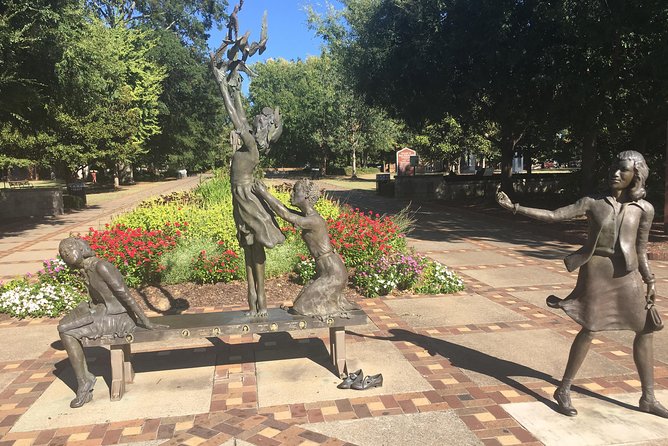
- A church anchors the story: Learn how one beloved church became a symbol of the violence and courage of the segregation era after four little girls were killed in a bombing.
- Kelly Ingram Park includes audio: The guide leads an interactive 30-minute walk through the park that became a center of protest and conflict.
- The 4th Avenue Business District adds economic history: You will see places linked to Black business life, including the Mosaic Temple, Jazz Hall of Fame, and Eddie Hendrix Park.
- The group stays small: A maximum of 12 people makes conversation and questions easier than on a large bus tour.
- The experience returns to its starting point: You do not need to arrange a separate ride back to your car or nearby transit.
- The tone is personal and family-friendly: Past visits have included children, a baby, snacks, and even a protest-sign activity.
Why This Birmingham Walk Matters
Birmingham’s Civil Rights story is often reduced to a few famous photographs. This walk gives those images a physical setting. You move through the places where religious faith, student activism, local businesses, and community organizing met under pressure.
The tour title points to its main theme: church, children, and community. That combination is useful because it shows that social change did not come from one leader or one speech. Churches gave people places to gather. Children took part in demonstrations. Business owners helped sustain Black life under Jim Crow laws.
Your guide provides the meaning behind the locations rather than asking you to read plaques on your own. The guide-led format also lets you ask about details that matter to your family or group. One family described being able to ask many questions and spending extra time talking with the guide. That personal exchange is a large part of the tour’s appeal.
This is not a sightseeing walk built around grand architecture. It is a history lesson on city streets, shaped by people and events. You should expect serious subject matter, including racial violence and the deaths of four children. The tone may be warm and welcoming, but the subject deserves attention and respect.
More History Walking Tours in the USA
- History and Hauntings of Salem Guided Walking Tour
★ 5.0 · 14,564 reviews - Boston: Freedom Trail History Small Group Walking Tour
★ 5.0 · 6,450 reviews - Historic Charleston Guided Sightseeing Walking Tour
★ 5.0 · 6,216 reviews
Starting Near Birmingham’s Civil Rights District
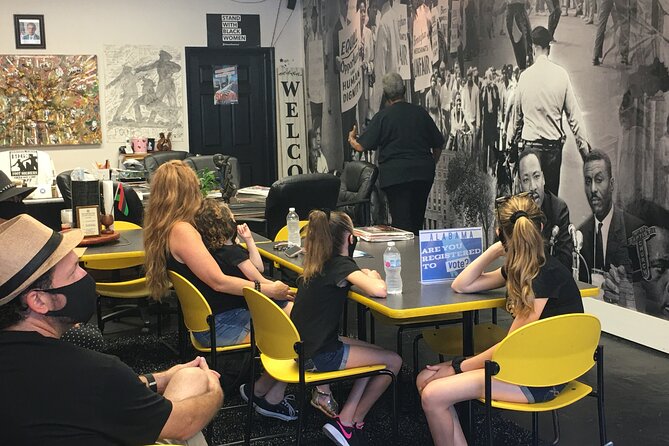
You meet at 1601 5th Ave N in Birmingham, Alabama. The tour ends at the same location, which keeps the logistics simple. The meeting point is near public transportation and close to the Birmingham Civil Rights Institute, making it practical if you are already spending time in the district.
The central location is one of the tour’s best features. You do not have to arrange a complicated pickup or travel across the city before the walk begins. If you plan to visit the institute separately, check your timing carefully so you are not trying to fit both activities into the same narrow window.
The tour lasts about two hours. That is enough time for a focused introduction to several important places, but not enough for a slow museum visit, a long lunch, and extended independent exploration. Think of this as a concentrated walking experience that can help you decide what deserves more time afterward.
Wi-Fi is included, and the tour is offered in English. Service animals are allowed. You should have a moderate level of physical fitness, since the experience involves walking through outdoor sites rather than riding between them.
The Church and the Four Little Girls
The church portion gives the tour its emotional center. You examine the role of the church during segregation and learn about the bombing that killed four little girls. The stop is not simply about a building. It is about how a house of worship became part of the larger struggle for equal rights.
The church’s role helps explain why religious spaces mattered so much during the movement. They were places where people could gather, share news, organize action, and draw strength. By focusing on the church, the guide connects private faith with public protest.
You should allow yourself time to listen here. The story involves loss, but it also asks you to consider how children and families were affected by the movement. That child-centered focus is one of the tour’s most distinctive features.
The supplied information does not give the church stop a precise time length. Since the entire activity lasts about two hours, the guide has to balance this serious discussion with the park and business district. If you want a long, detailed examination of the church itself, you may need a separate visit or more independent time in the area.
Kelly Ingram Park and an Interactive 30 Minutes
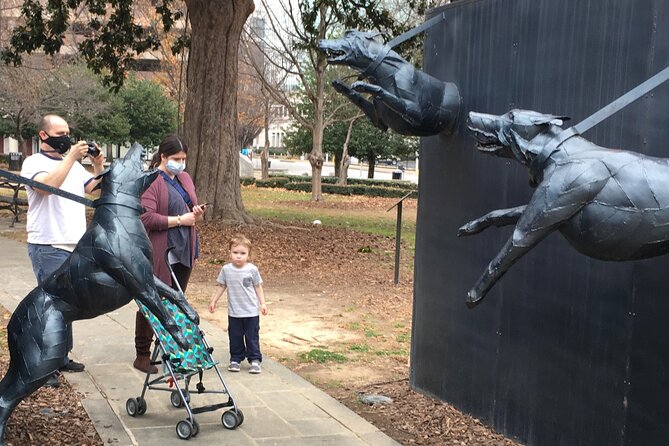
Kelly Ingram Park was an epicenter for protests and riots connected to the fight for equal rights. The guided walk here lasts about 30 minutes and includes audio. That audio element can add voices and atmosphere to the explanation, helping the events feel less like a list of dates.
The park is also where the tour becomes especially interactive. Instead of only listening while the guide points to landmarks, you are encouraged to take part in the storytelling. This works well for families and for anyone who learns better through conversation than through a formal lecture.
The park portion is free of charge, but its value comes from the explanation. On your own, you might recognize a few memorials or understand the park’s general importance. With a guide, you get a clearer sense of why this particular space became a center of protest and how public demonstrations affected the wider city.
The subject matter can be difficult, especially for children. The tour’s focus on young people may help families understand the role children played, but parents should decide how much historical violence their children are ready to discuss. The setting is outdoors, so weather can affect comfort and the experience itself.
More Architecture and Landmark Tours in the USA:
- Chicago in a Day: Food, History & Architecture Walking Tour
★ 5.0 · 1,153 reviews - Historic Charleston Walking Tour: Rainbow Row, Churches, and More
★ 5.0 · 691 reviews - Charleston’s Best Highlights: History, Culture & Architecture
★ 5.0 · 422 reviews - Charleston: History and Architecture Guided Walking Tour
★ 4.8 · 349 reviews
The 4th Avenue Business District
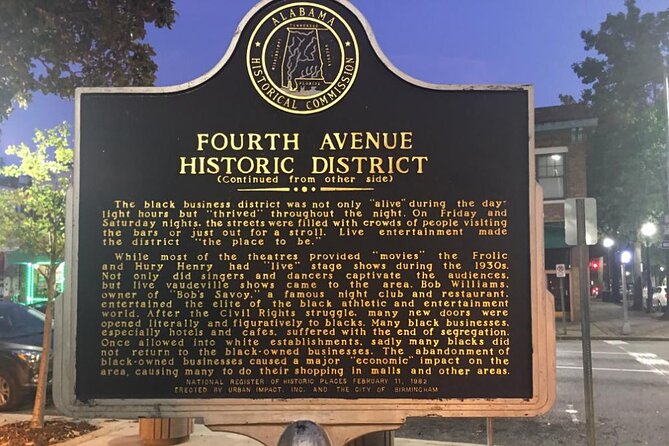
The 4th Avenue Business District adds a different layer to the walk. Here, the focus shifts from protest sites to the Black business community that operated before and during the Jim Crow era.
That change matters. Civil Rights history is not only a record of marches and confrontations. Businesses helped create places where Black residents could work, shop, gather, and build financial strength despite discrimination. The guide explains how these commercial networks supported social change.
You see attractions connected with the district, including the Mosaic Temple, the Jazz Hall of Fame, and Eddie Hendrix Park. The tour also points to other nearby places. The listed timing for this portion is about one hour, making it the longest part of the walk.
I appreciate this emphasis because it broadens the story beyond well-known national figures. You get a look at the local community that made activism possible. The guide can also connect economic life with political action, showing why business districts were important meeting points and sources of support.
The main limitation is that the information provided does not specify how much time you spend inside each attraction. The focus appears to be a guided look at the district rather than a series of full interior visits. If you want detailed exhibits at the Jazz Hall of Fame or another site, confirm what is open and included before you arrive.
What the Small Group Changes
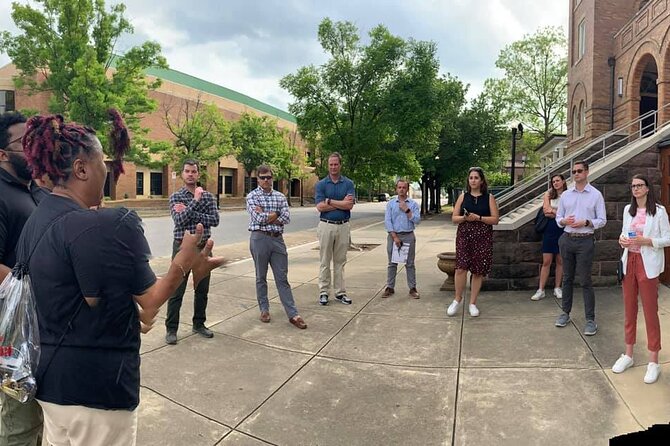
The maximum group size is 12 people. That number is small enough for the guide to hear your questions and adjust the pace of the conversation. It also makes the walk feel more like a discussion than a speech delivered to a crowd.
That personal style has been a major strength for guides Antonia and Antonio. Antonia was praised for explaining the history clearly, answering questions, and creating a warm connection with the group. Another visitor described the guide as enthusiastic and enjoyed speaking with people connected to the local history.
You should not expect a silent audio tour or a fixed script with no room for conversation. The guide’s personality is part of what you are paying for. That can be a plus if you enjoy an open exchange, but people who prefer a tightly timed, formal presentation may find the pace less predictable.
The included Birmingham Foot Soldiers Discussion also points to the tour’s local focus. The supplied details do not spell out the exact format or length of this discussion, so treat it as a valuable part of the experience without expecting a specific presentation style.
Family Details That May Shape Your Visit
This walk can work well for families, especially those who want children to understand the movement through stories about young people. One family visit included a protest-sign-making station, with a three-year-old coloring a sign. Snacks were also available before the tour, and a guide later bought lunch at Green Acres, a Black-owned restaurant next to a historic barbershop associated with President Obama’s visit.
Those extras are memorable, but you should not assume every booking includes snacks, lunch, or a craft activity. They appear to reflect the personal care that the small business can offer on some visits rather than a guaranteed part of the published experience.
The family focus does not make the subject light. The bombing and the struggle against segregation are painful parts of American history. The best age fit depends on your child’s readiness and your willingness to discuss racism, injustice, and loss.
For adults, the family-friendly tone can still work well. The guide’s warmth does not remove the seriousness of the subject. Instead, it may make it easier to talk about difficult events without turning the tour into a dry lecture.
Is $65.99 a Fair Price?
At $65.99 per person, this is not a bargain-priced stroll. You are paying for a two-hour guided experience with a small maximum group, local storytelling, audio in Kelly Ingram Park, Wi-Fi, and the Birmingham Foot Soldiers Discussion.
The value depends on what you want. If you only need directions between major sites, the price will feel high. If you want a guide who can connect the church, children, protests, and business communities into one clear story, the cost is easier to justify.
The small group is important here. A large, low-cost group might cover similar streets, but you would have less time to ask questions. The personal attention described by visitors is the feature that gives this tour much of its value.
Transportation is not included, so you must reach the meeting point yourself. Since the tour begins and ends at the same central location and is near public transportation, that should be manageable for many visitors staying in Birmingham or already exploring the Civil Rights District.
Weather, Walking, and Cancellation Rules
Plan for outdoor walking and wear comfortable shoes. The tour requires moderate physical fitness, and the provider may cancel if weather makes the activity unsuitable.
You can cancel for a full refund if you do so at least 24 hours before the start time. Cancellations or changes made less than 24 hours before the start are not refunded or accepted. If the weather is poor or the minimum number of people is not met, you will be offered another date or experience, or a full refund.
These rules make advance planning sensible. Check the forecast, leave some flexibility in your Birmingham schedule, and avoid placing the tour immediately before a time-sensitive activity.
Who Should Book This Walk?
I would choose this tour if you want a focused introduction to Birmingham’s Civil Rights District and prefer personal storytelling to a self-guided walk. It is especially suitable for first-time visitors, families ready for serious history, and anyone interested in how churches, children, and Black businesses shaped social change.
It may be less suitable if you have limited mobility, want extensive time inside museums, or prefer to avoid emotionally difficult topics. The two-hour format gives you a strong starting point, not a complete study of Birmingham’s Civil Rights history.
The best plan is to treat this walk as the backbone of your visit. Afterward, you can decide which nearby museum, historic site, or business district location deserves more of your time.
Should You Book It?
Book this experience if you value a small group, a local guide, and a connected story rather than a quick list of landmarks. The strongest reasons are the focus on children, the church’s role, the 30-minute Kelly Ingram Park walk with audio, and the attention given to the 4th Avenue Business District.
At $65.99, it asks you to pay for interpretation and conversation. For many visitors, that is worthwhile, especially if you are new to Birmingham and want help understanding how individual places fit together. Just arrive ready to walk, listen closely, and spend two hours with difficult but important history.
FAQ
How long does the Civil Rights walking tour last?
The tour lasts approximately two hours.
Where does the tour begin?
It begins at 1601 5th Ave N, Birmingham, Alabama 35203.
Where does the tour end?
The activity ends back at the meeting point.
How many people can join the tour?
The tour has a maximum of 12 people.
Is the tour offered in English?
Yes, the experience is offered in English.
Is transportation included?
No. Private transportation is not included, so you must make your own way to the meeting point.
What happens if the weather is poor?
If poor weather causes a cancellation, you will be offered a different date or experience, or a full refund.
Just added around the USA
- Experience Birmingham – The Historic Highlights★ 4.5 · 38 reviews
- The Sacred Ground of 1963: Birmingham’s Civil Rights Struggle★ 4.5 · 40 reviews
- Kona Tour: Bee Farm, Kona Coffee, and National Historical Parks★ 4.5 · 78 reviews
- Kona Shore Excursion: Sea Turtles, Historic Kona & Coffee★ 4.5 · 324 reviews
- Cruise Ship Shore Excursion of Historic Kona★ 4.0 · 33 reviews
- Kailua-Kona Haunted History Walking Ghost Tour★ 4.5 · 27 reviews
- Historic Hilo Bay and Coconut Island Guided Kayak Adventure★ 4.5 · 28 reviews
- Historic Bar Harbor Self-Guided Walking Audio Tour Guide★ 4.5 · 38 reviews
Architecture & Landmark Tours, compared.
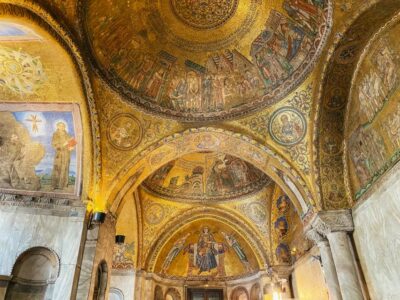
St. Mark’s Basilica Guided Tour & VR History Intro
Read our review →
Venice’s Best: Basilica, Doge’s Palace, Gondola & History Gallery
Read our review →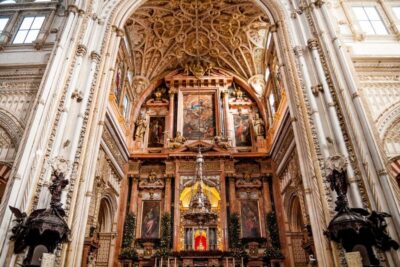
Córdoba: Skip-the-Line Great Mosque-Cathedral History Tour
Read our review →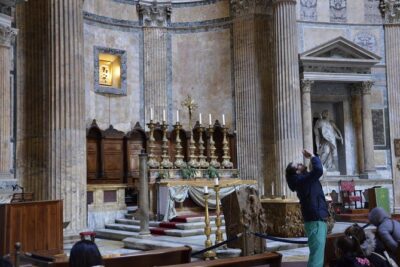
Pantheon Elite Guided Tour – Rome’s Iconic Ancient Temple
Read our review →
Abu Dhabi Grand Mosque, Palace, and Heritage Village
Read our review →
Chicago in a Day: Food, History & Architecture Walking Tour
Read our review →

Colosseum Special Access Tour, with Ancient Temples & Tombs
Read our review →Browse the lists this tour appears in