
Review · CASTILE-LA MANCHA
Toledo: Ancient Underground City Tour in Spanish
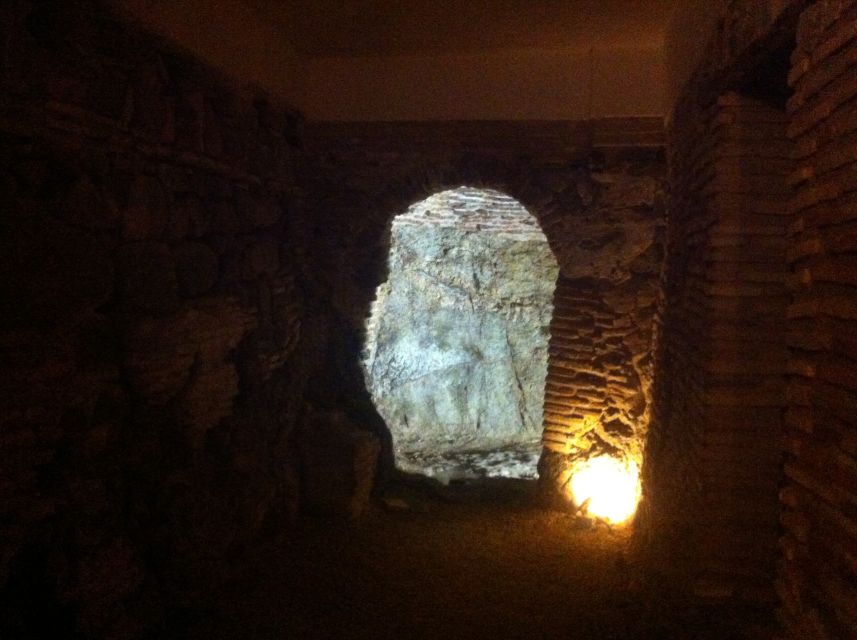
Toledo keeps secrets underfoot. This two-hour walk takes you through five underground sites, linking Roman, Arab, and Jewish influences with the city’s long tradition of carving into rock. I love the variety, from old baths and wells to passageways tied to daily life and worship. I also like the modest $15 price, which includes entry fees and a specialist guide.
The main consideration is language: the tour is conducted entirely in Spanish. It is also not suitable for people with mobility impairments, and comfortable shoes matter on an underground route. If you want a polished English tour, this is not the right choice. If your Spanish is good enough to follow a historical explanation, it offers an unusual look at Toledo for very little money.
Key points about Toledo’s underground tour
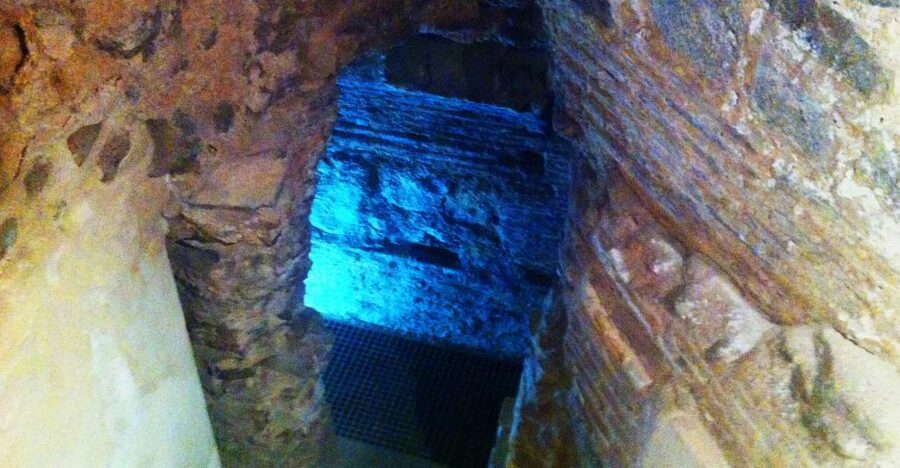
- Five underground locations: Visit the bath Cenizal, Roman baths, Salvador’s Well, the Church of the Savior, and the House of the Jew.
- Three cultural influences: The route helps connect Roman, Arab, and Jewish chapters of Toledo’s past.
- A Spanish-speaking history specialist: The guide explains architecture, purpose, legends, and the way spaces were reused.
- Two hours for $15: Entry to the sites is included, making the tour good value for history-minded visitors.
- A route below the usual sights: You see parts of Toledo that are easy to miss when walking only between major monuments.
- Bring sensible footwear: Comfortable shoes are important, and video recording is not allowed.
Why Toledo’s underground spaces matter
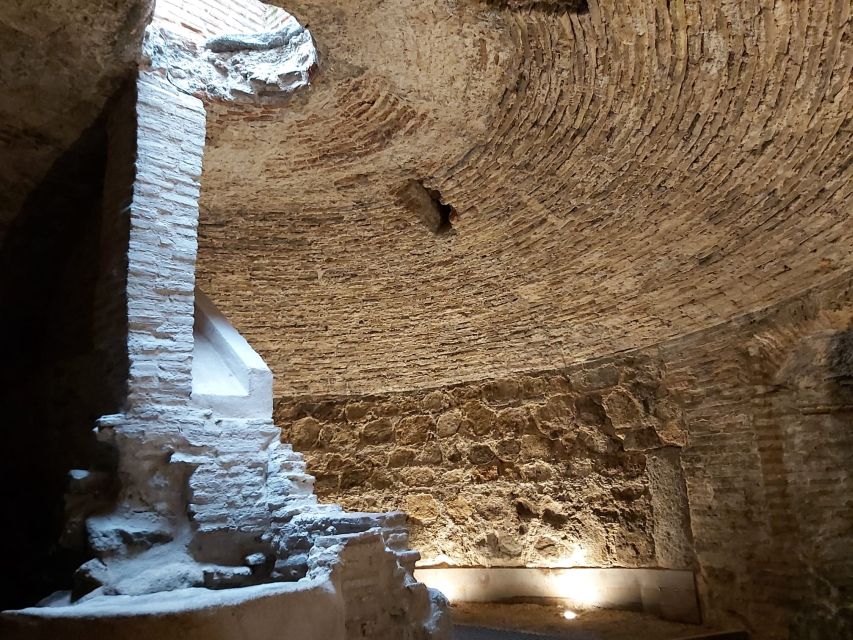
Toledo is often admired from street level, with its stone lanes, churches, and old walls. But much of the city’s story is below those lanes. People excavated the rock to store water, create shelter, build baths, form tunnels, and provide hidden routes during periods of conflict.
These spaces were not all made for the same reason. Some supported ordinary routines, such as washing and collecting water. Others served as social spaces or religious sites. Over time, one civilization often reused what another had built, leaving layers of purpose in the same place.
That is what gives this tour its value. You are not simply looking at dark rooms under old buildings. You are learning how practical needs shaped Toledo, and how later generations adapted existing structures.
The underground setting also explains why legends took root. A tunnel with no obvious modern purpose can invite stories. An old well can gather tales about what lies beneath. Your guide adds the useful distinction between long-lived folklore and known historical evidence, helping you enjoy the stories without treating every legend as fact.
More Ancient History Tours in Spain:
- Mojo Workshop Cooking Class in Ancient Canarian Village
★ 4.9 · 127 reviews - Cartagena: Ancient Roman Walking Tour with Entry Tickets
★ 4.5 · 89 reviews - Colosseum: Underground and Ancient Rome Tour
★ 4.7 · 12,691 reviews
Bath Cenizal and the 11th-century hammam
The bath Cenizal, an old hammam from the 11th century, is one of the clearest stops on the route. Here, the guide explains how the baths worked and points out architectural features that reveal their purpose.
The attraction is not just age. A hammam tells you about the role of bathing in Arab Toledo. It was part of public life, and its design reflected the way people moved through the bathing process. You will hear why the space was built as it was and how it functioned.
For me, this is the kind of stop that benefits from a guide. Without explanation, an old underground room can seem plain. With context, the layout becomes evidence of engineering, hygiene, custom, and social life.
The bath is also a useful introduction to the tour’s larger idea: Toledo’s past is not divided into neat, separate periods. Buildings and spaces were adapted as the city changed. You may notice how a place connected to one culture remains part of the city’s later story.
Because this is an underground site, expect a setting that may feel enclosed. That is part of the appeal, but it can be tiring for anyone who has difficulty walking or managing uneven conditions. The tour provider specifically says the activity is not suitable for people with mobility impairments.
The old Nuncio Roman baths
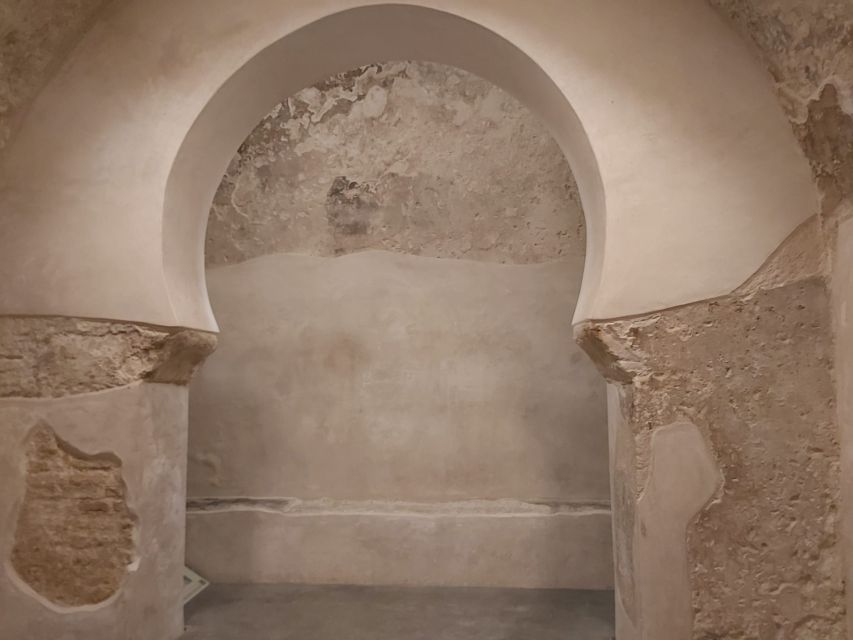
The old Nuncio Roman baths offer a different historical layer. These baths were a social space in Roman Toledo, so the guide does more than identify them as an ancient structure. You learn how the Romans built the baths and how the site was reused later.
This stop helps you picture Roman Toledo as a functioning city, not just a collection of ruins. Baths had a public role, and their survival tells you something about the construction methods and resources available at the time.
I especially like the contrast between the Roman baths and the later Arab hammam. Both relate to bathing, but they belong to different periods and traditions. Seeing them within one short route makes Toledo’s changes easier to understand.
The experience does not appear to be a full archaeological excavation tour, so you should not expect a large museum-style display or a long technical lecture at each site. Its strength is connection. The guide links the physical remains to the civilizations that built, used, and altered them.
If your interest is focused on Roman engineering alone, a specialist archaeological visit might give you more detail. If you want Roman history as one part of Toledo’s larger story, this stop fits the tour well.
Salvador’s Well and the old mosque site
Salvador’s Well dates from the 11th century and once belonged to a mosque. It gives the tour a more direct connection to water, faith, and everyday life.
Water storage was a practical concern in any old city, especially one built around stone and hills. A well was not merely an architectural feature. It was a useful resource, and its location could connect domestic routines with religious buildings.
The guide explains the well’s relationship to the mosque before taking you toward the Church of the Savior. That sequence lets you see how the same part of Toledo reflects changing religious and political eras.
This is one of the strongest examples of the tour’s value because the physical object is modest, yet its story reaches across centuries. A well can tell you about construction, water management, worship, and the reuse of urban space.
You should also pay attention to the way your guide handles the transition between history and legend. Toledo’s underground sites have inspired many stories, but the tour aims to explain what is documented and what grew through local tradition. That balance makes the tales more enjoyable and keeps the history grounded.
A few more history tours around Spain worth a look
- Madrid Essential: Historic Center, Plaza Mayor & Royal Palace
★ 5.0 · 6,416 reviews - Barcelona: Tapas Walking Tour with Food, Wine, and History
★ 4.8 · 4,261 reviews - Sevilla Food Tour: Tapas, Wine, History & Traditions
★ 5.0 · 3,468 reviews - Valencia Old Town Tour with Wine & Tapas in 11th Century Historic Monument
★ 5.0 · 3,234 reviews
The Church of the Savior and the House of the Jew
The Church of the Savior is included as part of the route after Salvador’s Well. Its importance here is tied to the earlier mosque site and to the city’s repeated reuse of buildings and spaces.
Rather than treating the church as an isolated monument, the tour places it within Toledo’s layered past. You see how a site can change purpose while still carrying traces of what came before. That approach is especially helpful in a city shaped by Roman, Arab, Jewish, and Christian periods.
The final stop, the House of the Jew, adds another part of Toledo’s cultural story. Its inclusion supports the tour’s focus on the three major influences presented along the way. It also keeps the route from becoming only a sequence of Roman and Arab sites.
The supplied details do not specify exactly which rooms or features you will see at the House of the Jew, so I would approach it as a guided historical stop rather than expect a large standalone attraction. Its importance comes from the way it completes the route’s wider picture.
Together, these locations make the experience feel connected. The baths show social and practical life. The well shows water and worship. The church and House of the Jew help place those earlier layers within Toledo’s changing religious and cultural setting.
What the two-hour format gives you
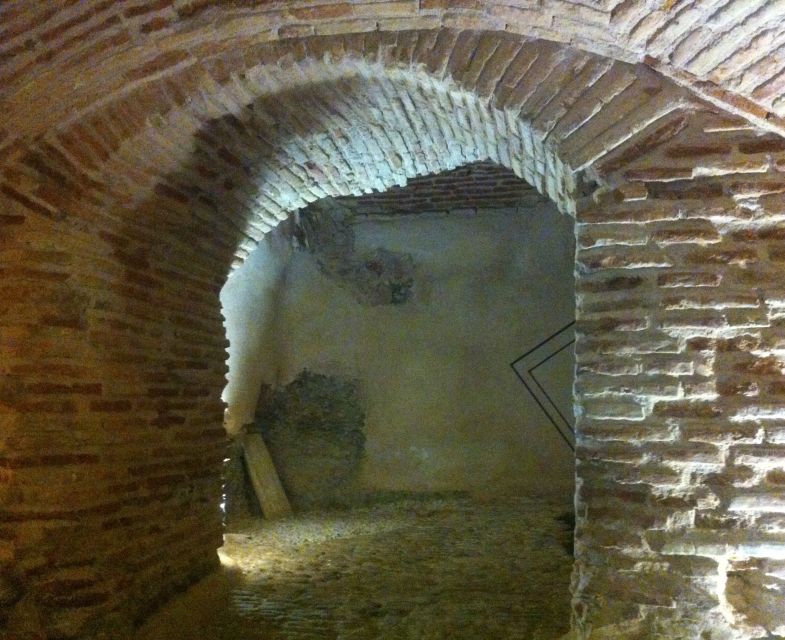
Two hours is enough time to visit five places without turning the experience into an all-day commitment. That makes it easy to fit around Toledo’s major sights.
The timing also keeps the subject focused. You get a guided introduction to underground Toledo, rather than a broad city tour that spends only a few minutes on each location. The guide can explain the purpose of each site, then connect it to the next part of the story.
One recent outing led by Ruth lasted more than two hours, with extra history and anecdotes added along the way. That is a good sign for anyone who values explanation over a quick checklist, though you should allow a little flexibility around the advertised duration.
A longer explanation can be helpful, especially if Spanish is your first language or you are comfortable listening to historical detail. If you have a tight schedule, avoid booking the tour immediately before a fixed appointment.
There is no food or drink included, but that is not a serious drawback for a two-hour walking experience. Have water before you start, especially if you are also spending the day on Toledo’s steep streets.
Spanish guidance and the role of the guide
This is a Spanish-language tour, led by a live guide who specializes in Toledo’s history. The quality of the experience depends heavily on how well you can follow spoken Spanish, since the key information comes through explanations rather than written displays.
The guide covers architectural curiosities, construction, changing uses, legends, and historical context. That is more useful than simply giving dates. You learn why a space was built and how people used it.
Ruth has been praised for being approachable, clear, and eager to make sure people understood the explanations. She also extended the tour beyond two hours while adding anecdotes and historical detail. If she is leading your departure, you may receive that same extra layer of storytelling, but guide assignments can vary.
I would choose this tour for a Spanish speaker who wants local history explained in Spanish, or for a learner who can follow a sustained conversation about architecture and the past. It is less suitable for a beginner who knows only basic travel phrases.
Is $15 a fair price?
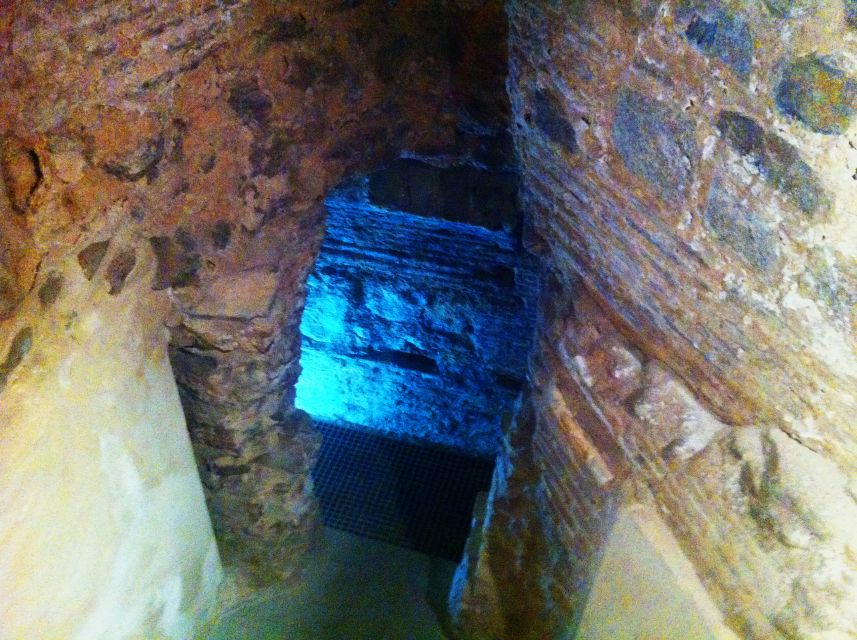
At $15 per person, the tour is inexpensive for a two-hour guided visit that includes entry to five sites. The price is particularly reasonable because some of these places are not the sort of locations you would understand fully by finding them on your own.
The real value is the interpretation. An old well, bath, or underground chamber may not say much without context. A specialist guide turns those remains into a connected story about water, bathing, worship, public life, and reuse.
The price does not include food or drinks, but those omissions are easy to manage. The more important question is language. If you cannot follow Spanish, even a low price is poor value. If you can, this is one of the more economical ways to add a less familiar side of Toledo to your day.
Meeting point and practical preparation
The meeting point is the hall at number 7. Go to the end of the hall, where the Secretos de Toledo office is on the right. Allow yourself enough time to find the entrance, since Toledo’s older streets can make simple addresses less obvious than they look on a map.
Wear comfortable shoes. The tour moves through underground locations, and the provider warns that it is not suitable for people with mobility impairments. Anyone who dislikes enclosed spaces should also think carefully before booking, since the route focuses on areas below street level.
Video recording is not allowed. You can still focus on listening and observing the spaces, but do not plan to document the tour on video.
The activity offers free cancellation up to 24 hours before the start for a full refund. You can also reserve now and pay later, which helps if your Toledo schedule is still changing. Check the available starting times before booking, since the tour lasts two hours and exact departures are not listed here.
Who should book this experience?
I would recommend this tour to:
- Spanish-speaking history fans
- Visitors who have already seen Toledo’s major monuments
- Anyone curious about Roman and Arab construction
- People interested in how religious and civic spaces changed use
- Budget-conscious visitors who want an included guide and site entries
- Spanish learners who can follow a detailed spoken tour
I would be cautious if you need step-free access, have significant mobility limitations, dislike underground spaces, or need an English-language explanation. The activity is also not the best match if you want a relaxed food-focused outing, since it is entirely about history and architecture.
Should you book the Toledo underground tour?
Book it if you want to understand Toledo below its famous streets and can follow Spanish. The five stops give you a good spread of Roman, Arab, Jewish, and later Christian connections, while the guide helps separate documented history from the legends that gathered around old tunnels and wells.
The strongest reasons to go are the five-site route, the specialist explanation, and the $15 price. The main limits are equally clear: Spanish only, no video recording, and poor suitability for people with mobility impairments.
For the right visitor, this is a smart addition to a Toledo stay. It is short, inexpensive, and focused on places you might otherwise walk past without understanding.
FAQ
Where does the Toledo underground tour meet?
Meet in the hall at number 7. At the end on the right, you will find the office of Secretos de Toledo.
How long does the tour last?
The advertised duration is two hours. One recent outing with guide Ruth lasted more than two hours because of additional history and anecdotes.
What language is the tour conducted in?
The tour is conducted in Spanish by a live Spanish-speaking guide who specializes in Toledo’s history.
How much does the tour cost?
The listed price is $15 per person.
Which underground sites are included?
The route includes the bath Cenizal, the old Nuncio Roman baths, Salvador’s Well, the Church of the Savior, and the House of the Jew.
Are entry fees included?
Yes. Entry to the sites is included in the tour price.
Is food or drink included?
No. Food and drinks are not included.
What should I bring?
Bring comfortable shoes. They are especially useful for a two-hour route through underground locations.
Can I record video during the tour?
No. Video recording is not allowed.
Is the tour suitable for people with mobility impairments?
No. The experience is listed as unsuitable for people with mobility impairments.
Can I cancel for a refund?
You can cancel up to 24 hours in advance for a full refund. You can also reserve now and pay later.
Just added around Spain
- Jerez de la Frontera History and Art Walking Tour★ 4.5 · 49 reviews
- 2 Hours Tour around Cádiz: History, anecdotes and curiosities★ 5.0 · 89 reviews
- Bilbao Historical Small Group Tour★ 4.5 · 159 reviews
- Barcelona Jewish & Gothic Tour★ 5.0 · 18 reviews
- Andorra Original History and Sightseeing Tour (Private, Pickup)★ 5.0 · 350 reviews
- History Museum of Catalonia & Rooftop Access Ticket★ 4.5 · 43 reviews
- Sip, Sites & Bites Barcelona Food, Drinks & History Tour★ 4.5 · 95 reviews
- Barcelona Tapas Food Tour, Taverns, History & Local Culture★ 5.0 · 42 reviews
Ancient History Tours, compared.
Colosseum: Underground and Ancient Rome Tour
Read our review →
Colosseum & Ancient Rome with Arena Floor Option I Max 6 People
Read our review →
Colosseum, Ancient Rome Tour or AudioGuided Tour
Read our review →
Colosseum Underground & Ancient Rome Guided Tour
Read our review →
Taormina: Ancient Theater Skip-the-Line Ticket & Audio Guide
Read our review →
Discover the Ancient Ruins of Pompeii: Day Trip from Rome
Read our review →
Discover Matera, the ancient city – English tour
Read our review →Browse the lists this tour appears in