
Review · NORMANDY
Rouen: Historic Guided Tour of the Old Town
Rouen rewards a guide who can connect the stones. This 150-minute walk with Justin Meigné links Roman Rouen, the Viking-founded duchy, Joan of Arc, wartime damage, and modern Normandy in one tightly focused outing. You do not simply pass old buildings. You learn why the city grew where it did and how its streets changed over time.
I like the small group of no more than nine people, which should make it easier to ask questions and hear the guide clearly. I also like the mix of major sights and lesser-known corners, along with Norman cider and the chocolate treats called Joan of Arc’s tears. The main drawback is the pace: the route covers just over 3 kilometers and packs in many historical anecdotes, so it suits curious walkers more than anyone seeking a relaxed, mostly seated introduction.
Key points at a glance
- Roman beginnings: Visit the Roman Fountain ruins and learn how Rouen first developed and defended itself.
- Norman turning point: Follow the story of the Treaty of Saint-Clair-sur-Epte and the birth of Normandy.
- Major interior visits: Go inside Notre-Dame de Normandie Cathedral and Saint-Maclou Abbey.
- Joan of Arc connections: See how Rouen’s medieval past links with one of France’s best-known historical figures.
- Local tastes: Sample Norman cider and Joan of Arc’s tears, a chocolate treat connected with the Gros Horloge.
- Personal guiding: Justin speaks English and French and has earned repeated praise for his enthusiasm, flexibility, and detailed answers.
Meeting Justin at the Napoleon statue
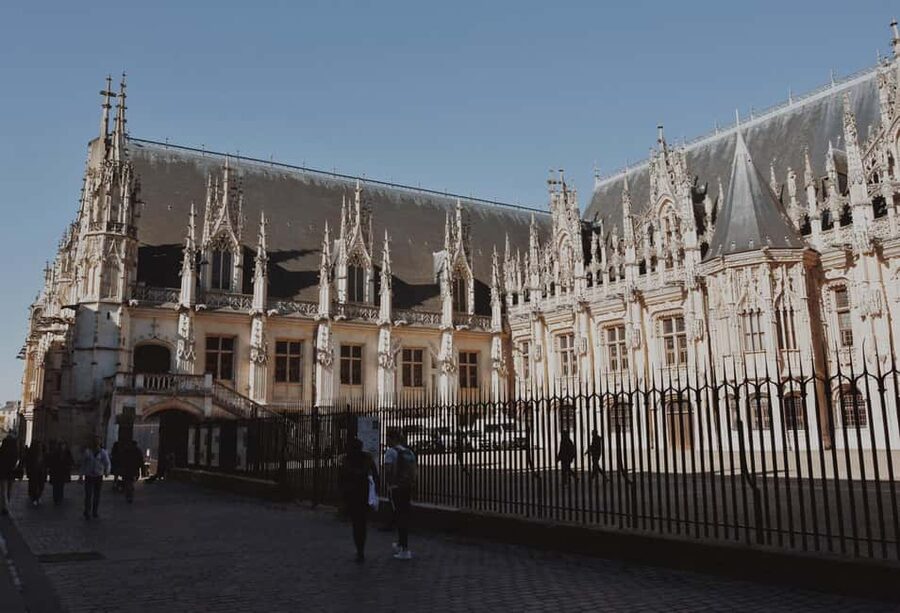
The tour begins directly in front of the Napoleon statue. That clear meeting point matters in an old city where lanes, squares, and grand monuments can blur together on your first visit.
Justin Meigné leads the walk in English or French. His style, based on the many comments about the experience, is highly engaged and personal. He is repeatedly praised for answering questions, adapting to interests, and explaining Rouen with real affection. One particularly useful feature is his willingness to suggest places to eat and other sights to visit after the tour.
The group limit of nine is a real advantage. Rouen has plenty of narrow streets and busy public spaces, and a compact group can stop without creating a small roadblock. You should also have a better chance of hearing the guide when he is explaining details outside a monument.
This is not a simple highlights stroll. Justin builds a historical sequence, moving from the city’s early origins through the Norman period, the Middle Ages, later urban change, and major events into the present. That approach gives you a useful framework for exploring Rouen on your own afterward.
More Old Town and Historic Centre Walks in France
- Bordeaux: Historic Center & Chartrons District Bike Tour
★ 4.8 · 709 reviews - Strasbourg on Foot: Historic Center and Petite France with a Local Guide
★ 4.7 · 223 reviews - Rouen: Guided Tour of the Historic Center
★ 4.8 · 145 reviews
Roman Rouen and the first fortifications
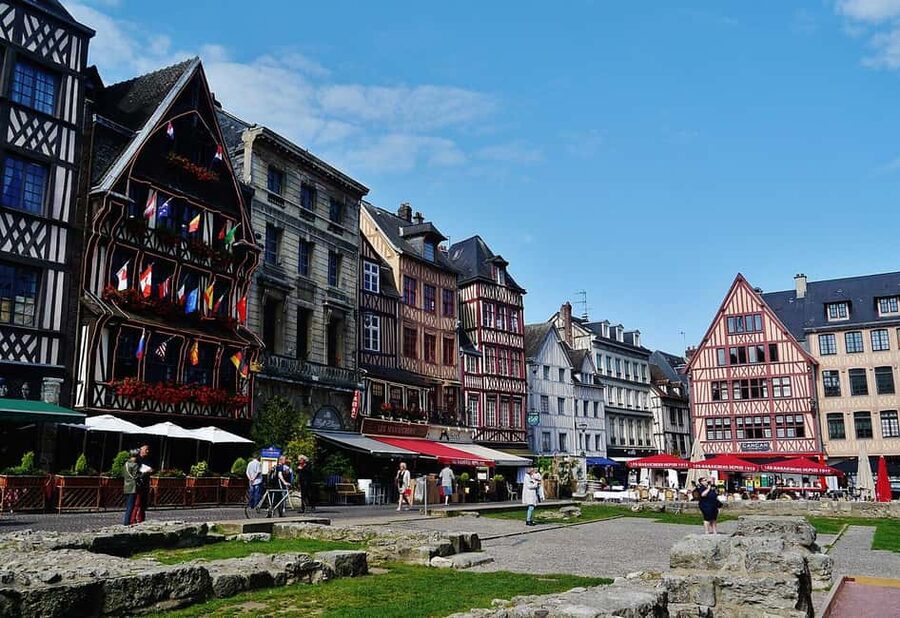
The first historical chapter reaches back to the 3rd century BC and the city’s Roman period. The Roman Fountain is included as part of the outdoor route, giving you a chance to see the remains connected with Rouen’s earliest urban development.
This stop is valuable because Roman ruins can be easy to overlook when they are surrounded by a living city. A guide helps you understand what you are looking at and why the location mattered. Justin’s broader story covers the first fortifications, so the ruins are not treated as an isolated archaeological fragment.
I like this early section because it gives the tour a firm starting point. You are not beginning with a famous cathedral and working backward through a jumble of dates. Instead, you see Rouen as a place that developed in stages, with its defenses and streets shaped by changing powers.
The tradeoff is that this is a walking history lesson rather than a long archaeological visit. The information is delivered as part of a route covering more than 3 kilometers, so you should be ready to listen while moving between stops.
How the Treaty of Saint-Clair-sur-Epte shaped Normandy
One of the tour’s most important subjects is the Treaty of Saint-Clair-sur-Epte. This agreement marked the birth of Normandy as a duchy, bringing Vikings and Franks into a new political arrangement.
That story gives the region its central historical question: how did a land associated with Viking settlers become Normandy, a powerful part of France and later a force in European history? On this walk, you get that explanation as part of the city itself rather than as a detached lecture.
The focus on the Dukes of Normandy also helps explain why Rouen mattered so much. The city became the capital of the duchy, and its monuments reflect that role. If you know only the broad label Norman, this section fills in the political background behind the name.
I would pay close attention here, especially if you are visiting Normandy beyond Rouen. The treaty and ducal period provide useful context for other sites in the region. Justin’s approach connects local streets with larger events, which makes the history easier to remember.
Medieval Rouen, Joan of Arc, and the city’s old core
The medieval section is likely to be the emotional center of the walk. Rouen was the capital of the duchy and later became closely linked with Joan of Arc, whose final chapter unfolded in the city.
The tour includes the Gros Horloge area and a tasting of Joan of Arc’s tears, a chocolate treat associated with the clock face. It is an unusual souvenir in edible form, and the small tasting adds a playful note to a subject that can otherwise feel solemn.
You also visit Saint-Maclou Abbey from the inside. This is important because interiors often reveal details you can miss from the pavement: religious design, scale, and the way a building functioned within the medieval city. The visit gives you a change of pace after the outdoor streets and fortified remains.
The Joan of Arc material is handled as part of the city’s chronology, not as a separate theme-park-style stop. That makes the story feel connected to Rouen’s political and religious past. You should expect history, legends, and local details rather than a single narrow account of her life.
Same place, a different slice of the past:
- Paris: Louvre Museum Entry with History of Mona Lisa
★ 3.9 · 2,823 reviews - Paris: Dark History and Ghostly Guided Walking Tour
★ 4.7 · 1,000 reviews - Vieux Lyon Cultural & Historical Walking Guided Tour (English)
★ 5.0 · 942 reviews - From Strasbourg: Best Of Alsace Historical Day Trip
★ 4.7 · 633 reviews
Inside Notre-Dame de Normandie Cathedral
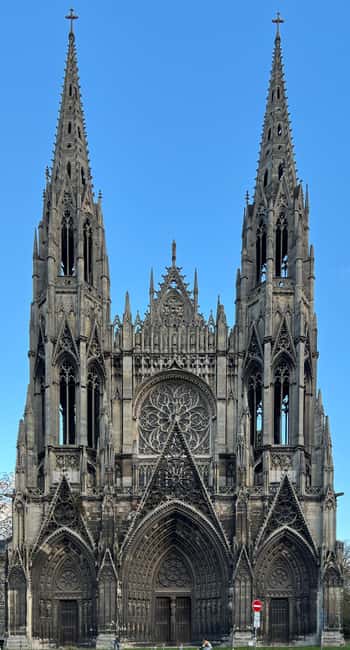
The cathedral visit is one of the tour’s main draws. Notre-Dame de Normandie Cathedral is included as an interior stop, and the experience promises a detailed look at one of Europe’s most iconic cathedrals.
Seeing the building from inside changes your sense of Rouen. The exterior may catch your eye first, but the interior shows how the cathedral served as a religious and civic center. Justin’s explanations should help you place its details within the wider story of the city and Normandy.
I like that the cathedral is not left as a quick photo stop. A guided interior visit can save you from admiring the height and decoration without understanding their purpose. It also gives you a more grounded sense of the scale of medieval Rouen.
Keep your expectations practical. The supplied details do not promise access to every area or a private entry, so the exact interior experience may depend on conditions during your visit. The benefit is the interpretation: you are looking at the cathedral as part of Rouen’s development, not merely checking off a famous building.
Modern Rouen, wartime damage, and changing streets
The final historical chapter moves into modern Rouen. The tour covers urban transformations and major events, with the broader discussion extending through World War II and into the present.
This part matters because old towns can look frozen in time when they are not. Rouen’s streets and monuments have survived change, damage, rebuilding, and new uses. A walk that includes the modern period helps you read the city as a living place rather than a preserved medieval set.
The guide’s chronological method should work well here. You begin with Roman origins, move through the Viking and Norman era, enter medieval Rouen, and then follow the city into later transformations. That order makes it easier to understand why some parts feel old, some rebuilt, and others more modern.
This is also where Justin’s local recommendations become useful. Once you know the main historical pattern, you can choose where to spend more time after the tour. His suggestions for food and additional places were especially useful to people who wanted to extend their stay in Rouen.
The food and drink add a Norman finish
The tastings are modest, but they add character. During the visit, you sample Norman cider and Joan of Arc’s tears, the chocolate associated with the Gros Horloge.
The cider connects the city visit with Normandy’s wider food culture. It is a small taste rather than a full culinary tour, so do not book this expecting a meal or a series of restaurant stops. Still, the drink gives you something tangible to connect with the region after hearing about its political and cultural past.
The chocolate is even more distinctive. It turns a historical association into a memorable local detail, and it gives the tour a light finish after subjects such as war, religion, and Joan of Arc’s fate.
Food guidance also extends beyond the formal tasting. Justin points out places to eat, and his recommendations can be useful if you want to try regional cuisine after the walk. That practical advice adds value because a good city tour should help you decide what to do next, not just explain what you have already seen.
Is $33 good value for 150 minutes?
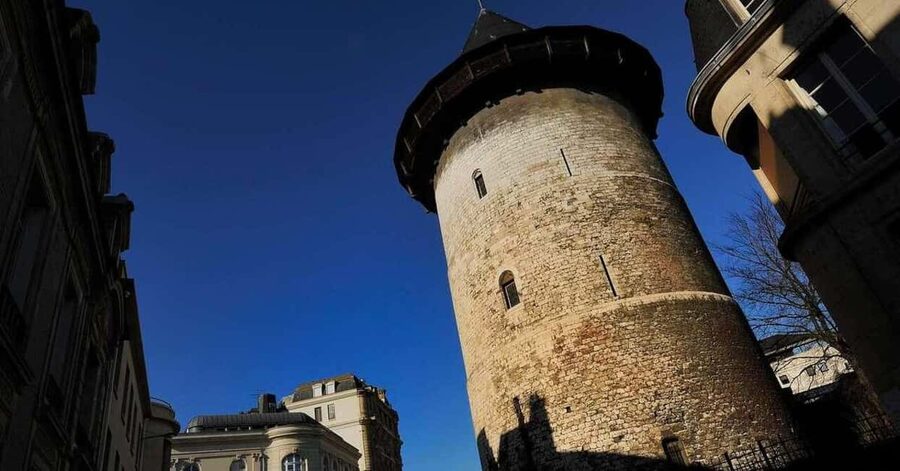
At $33 per person, the tour costs more than wandering Rouen with a guidebook, but the comparison is not quite fair. You are paying for two and a half hours of live explanation, interior visits, a small group, historical structure, and tastings.
The value is strongest if you enjoy asking questions. Justin has been praised for answering detailed questions and adjusting to individual interests, which is harder to get from an audio guide or a large group tour.
The price also looks reasonable if Rouen is your first stop in Normandy. The tour gives you a working map of the city’s past and practical suggestions for eating and further sightseeing. You can then use the rest of your time with a better sense of priorities.
It is less compelling if you want only a quick orientation or prefer to explore silently at your own pace. The route is long enough to require comfortable walking, and the historical content is dense. You are buying depth, not speed.
Free cancellation up to 24 hours before the start and the option to reserve now and pay later make planning easier. The tour is also wheelchair accessible, though the route length and old-city setting are still worth keeping in mind when deciding if the pace suits you.
Who should book this Rouen walk?
I would choose this tour if you:
- Want Rouen explained through a clear timeline
- Care about Norman, Roman, medieval, and wartime history
- Prefer a small group to a large city tour
- Like asking questions during a walk
- Want to see the cathedral and Saint-Maclou Abbey inside
- Appreciate food suggestions as well as formal sightseeing
- Can comfortably walk just over 3 kilometers
Families with older children may also find the tastings and Joan of Arc stories helpful in keeping the history lively. The tour should suit couples, solo visitors, and small groups who want a personal introduction to Rouen.
I would think twice if you have trouble walking, dislike long explanations, or want a tour built mainly around restaurants and food sampling. This is first a historical walking tour, with culinary touches rather than a full food experience.
The strongest reasons to choose it
Justin’s enthusiasm is the clearest strength. The comments consistently describe him as friendly, engaging, flexible, and deeply familiar with Rouen and Normandy. He has also accommodated a last-minute schedule change, which suggests a personal approach, though you should not rely on changes being possible every time.
The second strength is the range of the story. Many old-town walks focus only on medieval buildings. This one starts with Roman origins, explains the birth of Normandy, covers the medieval period and Joan of Arc, and continues into modern changes and World War II.
The third is the access to places you might otherwise pass without understanding. The Roman Fountain, Saint-Maclou Abbey, cathedral interior, Gros Horloge, and less familiar parts of town create a fuller picture than a quick stroll among the main squares.
Finally, the group size keeps the experience from feeling impersonal. With no more than nine participants, you should get a better chance to hear, ask, and follow the guide’s route without losing him in a crowd.
My verdict: book it if history is your reason for visiting
I recommend this tour for anyone who wants Rouen to make sense. The combination of chronology, monuments, local food, and Justin’s personal guiding gives you more than a list of sights.
Book it early in your Rouen stay if possible. That way, you can use Justin’s restaurant and sightseeing suggestions during the rest of your visit. Wear comfortable shoes, allow the full 150 minutes, and come ready for a steady walk with plenty to absorb.
If you want a brief overview or a mainly culinary outing, choose something lighter. If you want to understand how Roman beginnings, Viking settlement, Norman power, Joan of Arc, and modern Rouen fit together, $33 is a fair price for a thoughtful small-group experience.
FAQ
How long does the Rouen tour last?
The tour lasts 150 minutes, or two and a half hours.
How much does the tour cost?
The listed price is $33 per person.
Where does the tour meet?
The meeting point is directly in front of the Napoleon statue.
Which languages are available?
The live tour guide speaks English and French. Some content is shown in its original language.
How large is the group?
The tour is limited to nine participants.
Is the tour wheelchair accessible?
Yes, the activity is listed as wheelchair accessible.
How far do you walk?
The route covers just over 3 kilometers.
Which historic sites are visited inside?
The tour includes an interior visit to Notre-Dame de Normandie Cathedral and Saint-Maclou Abbey.
Does the tour include food or drink?
Yes. You taste Norman cider and Joan of Arc’s tears, a chocolate treat connected with the Gros Horloge clock face.
Can you cancel for a refund?
Yes. You can cancel up to 24 hours in advance for a full refund.
Just added around France
- Small Group Guided Tour of the Secret History of Rouen★ 5.0 · 24 reviews
- Paris: Fashion History Walking Tour in the Heart of Paris★ 4.9 · 22 reviews
- Paris: Khéops VR Experience – Explore Ancient Egypt★ 4.9 · 39 reviews
- Paris Jewish History 2-Hour Private Guided Walking Tour★ 4.6 · 32 reviews
- Paris: French Fashion History Walking Tour★ 4.9 · 37 reviews
- Nimes: Private Walking Tour of the Historical Center★ 4.3 · 20 reviews
- Nîmes – Spend a day like an ancient Roman★ 5.0 · 26 reviews
- Nimes: Ancient Roman Arena Ticket & Old Town Audio Tour★ 3.8 · 19 reviews
Old Town & Historic Centre Walks, compared.
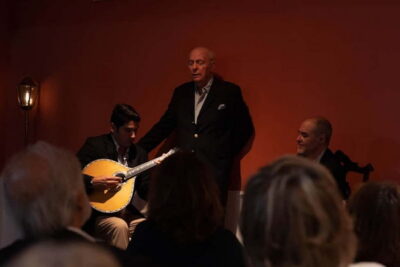
Live Fado Show with Port Wine in Historic Center
Read our review →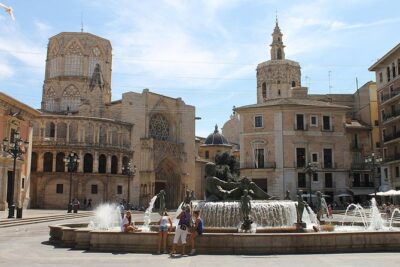
Valencia Old Town Tour with Wine & Tapas in 11th Century Historic Monument
Read our review →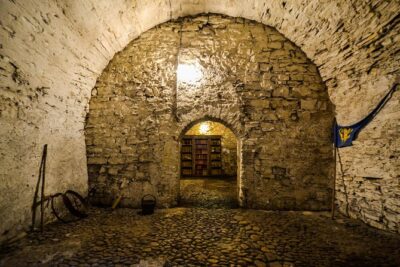
Prague Old Town, Medieval Underground and Dungeon Historical Tour
Read our review →
Historic Center and Getsemaní Shared Walking Tour
Read our review →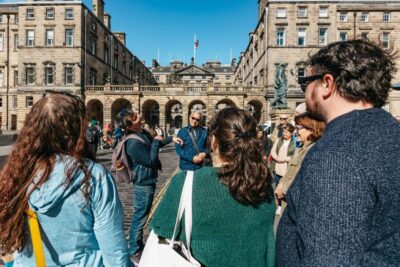
Old Town Walking Tour History and Tales in Edinburgh
Read our review →
Philadelphia Old City Historic Walking Tour with 10+ Top Sites
Read our review →
Saadian Tombs & Bahia Palace, Medina Guided Tour
Read our review →Browse the lists this tour appears in