
Review · KOLKATA
Raj Heritage Walk
Colonial Kolkata rewards an early start. This 3 to 4-hour walk follows the city’s British-era center, linking the Town Hall, Writer’s Building, High Court, Black Hole monument, and other historic facades with stories about how imperial rule shaped daily life. I like the small maximum group of seven, which should make it easier to hear the guide and ask questions, and I like the way the tour focuses on meaning rather than simply pointing at old buildings.
The strongest praise centers on guide Kaushik, whose storytelling makes the subject lively and easy to follow. I also appreciate the included tea, coffee, and bottled water. The main drawback is the very early schedule, listed between 6:30 and 9:30 AM, plus the fact that hotel pickup and drop-off cost extra. This is primarily an exterior walking tour, so you should not expect a long series of interior visits.
Key points before you book
- Kaushik’s story-led guiding: His clear, engaging delivery is a major reason this walk earns such high marks.
- A seven-person limit: The small group keeps the walk more personal and practical for questions.
- A 6:30 to 9:30 AM start window: The early timing offers a calmer city experience, but it will not suit late risers.
- Colonial landmarks in one compact route: You see the Town Hall, Writer’s Building, High Court, Black Hole monument, and the General Post Office area.
- Tea, coffee, and water included: These are useful extras during a morning walk, though meals are not included.
- A $30 price point: The cost is fair if you value interpretation and a small group, less so if you only want quick photo stops.
Why an early morning walk works in Kolkata
The timing shapes the whole experience. The walk begins at 11A Esplanade East, near Tipu Sultan Masjid in the Maidan and Esplanade area, and the listed operating window runs from 6:30 to 9:30 AM. Since the walk lasts about three to four hours, check your confirmed start time carefully when booking.
I like this early start for practical reasons. Kolkata’s central streets can be easier to navigate before the day gathers pace, and an early walk gives you a better chance to listen without constant street noise. The setting also helps you see the city as a working place, not just as a collection of grand colonial facades.
Still, you need to be honest about your own habits. If you prefer a slow breakfast or late morning sightseeing, this may feel like work before it feels like a holiday. The early hour is one of the tour’s charms, but it is also the clearest drawback.
More History Walking Tours in India
- Fontainhas Heritage Walk by Make It Happen
★ 5.0 · 2,834 reviews - The Great Indian Food Tour: Old Delhi Food and Heritage Walk
★ 5.0 · 1,698 reviews - Old Goa Heritage Walk by Make It Happen
★ 5.0 · 797 reviews
Starting at Esplanade and the Maidan
The meeting point puts you near one of central Kolkata’s best-known public areas. Esplanade and the Maidan give the tour a useful opening frame because the walk begins in a part of the city where grand civic spaces and colonial-era buildings meet modern urban life.
Do not expect a formal welcome center or a private vehicle waiting at the start. The included service is a walking experience, and private transportation is not part of the price. Hotel pickup and drop-off may be arranged for an extra fee, but the standard meeting point is the practical choice if you can reach Esplanade independently.
The location is near public transportation, which helps. Even so, I would allow extra time to find 11A Esplanade East near Tipu Sultan Masjid. Central Kolkata addresses can be busy and visually dense, so arriving a little early is wiser than cutting it close.
Reading Kolkata through the Town Hall
The Town Hall is one of the key stops, and it gives the walk a strong sense of scale. This is not just an old building to photograph. It represents the civic face of British power, the side of empire expressed through official institutions, ceremonies, and public administration.
That is where the guide’s role matters. On your own, you might admire the architecture, take a picture, and move on. With Kaushik’s narration, you get a fuller explanation of how these buildings fit into the city’s colonial system and why their influence still appears in local traditions.
The available details do not promise entry inside the Town Hall, so plan on viewing historic structures from the outside unless the guide confirms otherwise. That is not necessarily a weakness. An exterior-focused route can cover more ground, and you avoid spending the whole morning in a single building.
Writer’s Building and the machinery of rule
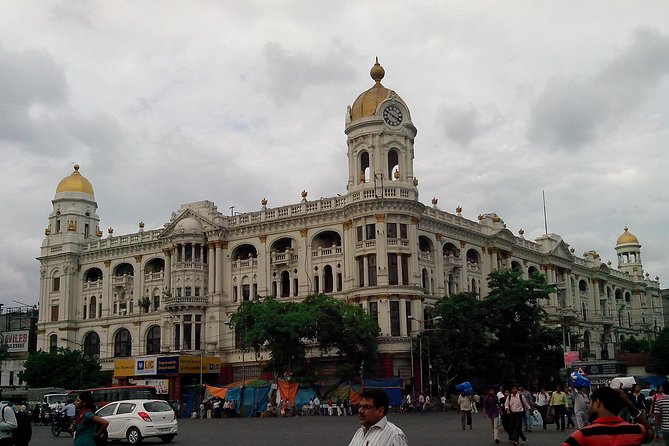
The Writer’s Building is another important sight. Its name points to its original administrative purpose, and it helps explain that British Kolkata was not built only around military power or grand residences. Clerks, offices, records, and decisions all played a part in governing the city and the wider territory.
I value this kind of stop because it gives you a way to connect architecture with ordinary administration. Colonial rule often feels abstract when it is reduced to dates and rulers. A building associated with paperwork and government makes that system easier to picture.
The tour promises tales and insight that you might miss alone. That is a useful distinction. You are not simply walking past a famous facade. You are being encouraged to ask what the building did, who used it, and how its presence affected Kolkata.
Again, the information provided describes exterior views rather than interior access. If entering the building matters to you, ask before departure. The walk is best suited to people who enjoy context, storytelling, and city streets more than a museum-style visit.
Same place, a different slice of the past:
- Old Delhi Food, Heritage&Cultural Walk with Rickshaw ride to Masterji Kee Haveli
★ 5.0 · 742 reviews - Blue City Heritage Private Walking Tour With Pickup and Drop-Off
★ 5.0 · 441 reviews - Kolkata Heritage Tram Tour
★ 4.0 · 395 reviews - Private Heritage Walking Tour in Jaisalmer Fort and Old Bazaar
★ 5.0 · 306 reviews
The High Court and the city’s civic identity
The High Court brings another part of the colonial framework into view. Along with the Town Hall and Writer’s Building, it shows how law and government were given a physical presence in central Kolkata.
I like the way these stops work together. One building suggests civic gathering, another administration, and the High Court points toward the legal structure that supported British authority. You begin to see the district as an interconnected center of power rather than a random lineup of old buildings.
The walk also offers a useful chance to compare past and present. These structures are not isolated ruins. Kolkata still moves around them, and the city’s modern life continues beside the old colonial core. That contrast is likely to be one of the most interesting parts of the morning, especially if you pay attention to how the buildings function as landmarks today.
The Black Hole monument and difficult historical memory
The Black Hole monument adds a more serious note to the route. Its presence means the tour is not limited to attractive architecture or comfortable stories about empire.
This is the sort of stop where a guide’s judgment matters. Colonial history can be presented as a parade of grand facades, or it can be explained through conflict, memory, and the ways different groups remember the same events. The tour description promises insight into British rule, and this monument gives that promise a more complex edge.
You should expect the subject to carry emotional and political weight. The information available does not give a detailed account of how long the stop lasts or how the topic is presented, so I would avoid expecting a full lecture on every historical debate. Still, its inclusion suggests that the walk aims to do more than celebrate architecture.
The General Post Office and the end of the route
The walk ends at the General Post Office on Netaji Subhas Road in Fairley Place, within the B.B.D. Bagh area. This is a useful finish because it keeps you in Kolkata’s historic central district rather than dropping you far from the main sights.
The ending also gives the route a clear shape. You start near Esplanade and finish around B.B.D. Bagh, moving through a concentrated area of colonial-era institutions. That makes the tour practical for a morning of further sightseeing.
No return transportation is included. If you paid for an optional hotel drop-off, confirm how that works, since private transportation is listed separately from the walking tour. Otherwise, the end point is near central Kolkata’s public transport connections.
What the guide adds to the experience
The most praised feature is the guiding, especially Kaushik’s ability to make history enjoyable. That is important here because the route contains many government buildings and formal facades. Without strong explanation, the walk could become a long lesson in architecture from the pavement.
Kaushik is described as passionate and skilled at telling stories, with an approach that makes the history easier to remember. I would choose this tour for that reason before choosing it for any single building. The buildings provide the setting, but the narration supplies the link between them.
The early morning also seems to suit the guiding style. A quieter city gives the group more room to focus, and the walk can feel less rushed. You should still be prepared for several hours on foot and for a steady stream of historical information.
Price, group size, and overall value
At $30 per person, this is not the cheapest way to look at Kolkata’s central buildings. You can walk past many of the same facades for free. The question is what you are paying for.
The answer is interpretation, structure, and a small group. A maximum of seven people is a meaningful advantage. You are less likely to lose the guide’s voice, and you have a better chance to ask about a building or story that catches your attention. Group discounts may also be available, which could make the price more appealing for companions booking together.
Tea, coffee, bottled water, and all fees and taxes are included. These extras do not transform the value of the tour, but they make the morning more comfortable. Personal expenses, gratuities, WiFi on board, and private transportation are not included. Since this is a walking tour, the lack of onboard WiFi is irrelevant, but transportation costs matter if you are staying outside the central area.
My view is simple: the price is reasonable for a well-led, small-group history walk. It is less attractive if you mainly want transportation, interior access, or a quick collection of photographs.
Who should choose this walk
I would recommend the Raj Heritage Walk to you if you want to understand how colonial Kolkata was organized and how British rule left lasting marks on the city. It is especially suitable for first-time visitors who want a clear introduction to the central heritage district.
History fans should enjoy the mix of civic buildings, legal institutions, monuments, and stories. So should anyone who prefers a guide who explains why a place matters instead of simply naming it.
The tour may be less suitable if you dislike early mornings, have difficulty walking for several hours, or want a private itinerary. Most people can participate, according to the activity information, but specific accessibility details are not provided, so ask ahead if you have mobility concerns.
Families with older children may also find it useful, particularly if children respond well to stories. The small group can make it easier to stay engaged than a large sightseeing outing, though the amount of historical explanation may not suit very young children.
Practical advice for booking and preparing
Confirm the exact start time, since the listed hours cover only the early morning window. Your meeting point is 11A Esplanade East near Tipu Sultan Masjid, while the route ends at the General Post Office on Netaji Subhas Road.
Wear comfortable footwear and plan for a walking morning. The supplied information does not specify the exact number of stops or the terrain, so sensible shoes are the safest choice. Bring any personal items you need, since only tea, coffee, and bottled water are specifically included.
The activity is capped at seven participants, but the price and availability may work differently for larger parties. Group discounts are offered, so ask about them before booking if you are traveling with friends or family.
Free cancellation is available if you cancel at least 24 hours before the start time. Changes or cancellations made inside that window are not accepted for a refund, and the cut-off follows Kolkata local time.
Should you book the Raj Heritage Walk?
Book it if you want a story-led introduction to Kolkata’s colonial center, especially with a small group and an early start. The strongest reason to go is the guide’s presentation, with Kaushik’s storytelling giving purpose to buildings you might otherwise pass without understanding.
Skip it if you want a late start, extensive interior visits, or included transport. For most visitors who enjoy walking and want more than surface-level sightseeing, the $30 fee is justified by the route, the group size, and the historical explanation. Just set your alarm, find the Esplanade meeting point, and treat the morning as an introduction to Kolkata’s complicated past rather than a simple architecture stroll.
FAQ
How long does the Raj Heritage Walk last?
The walk lasts approximately three to four hours.
Where does the tour begin?
It begins at 11A Esplanade East, near Tipu Sultan Masjid, in the Maidan and Esplanade area of Kolkata.
Where does the tour end?
The walk ends at the General Post Office on Netaji Subhas Road, Fairley Place, in the B.B.D. Bagh area.
What time does the tour operate?
The listed operating window is Monday through Sunday from 6:30 AM to 9:30 AM.
What sights are included?
The route includes colonial-era sights such as the Town Hall, Writer’s Building, High Court, and Black Hole monument. The walk ends near the General Post Office.
Is hotel pickup available?
Hotel pickup and drop-off are offered for an extra fee. Private transportation is not included in the standard tour price.
How many people can join the tour?
The activity has a maximum group size of seven participants.
Are drinks included?
Yes. Coffee, tea, and bottled water are included.
Is the tour suitable for most people?
The activity information says most people can participate. Specific accessibility details are not provided.
What is the cancellation policy?
You can receive a full refund if you cancel at least 24 hours before the experience start time. Cancellations or changes made less than 24 hours before the start time are not accepted for a refund.
Just added around India
- Kolkata’s English History – European Calcutta Tour★ 5.0 · 19 reviews
- British Raj Heritage walk in Kolkata with guide★ 5.0 · 54 reviews
- Mattancherry Heritage Tour by The Kochi Heritage Project★ 5.0 · 19 reviews
- Jewish Heritage Tour of Cochin★ 5.0 · 33 reviews
- Fort Cochin Heritage Tour by The Kochi Heritage Project★ 5.0 · 85 reviews
- Private Guided Heritage and Cultural Tour in Khajuraho★ 5.0 · 19 reviews
- Zamorin’s Tales by Tyndis – Calicut Heritage Walk★ 4.5 · 18 reviews
- walk to bluecity heritage tour★ 5.0 · 123 reviews
History Walking Tours, compared.
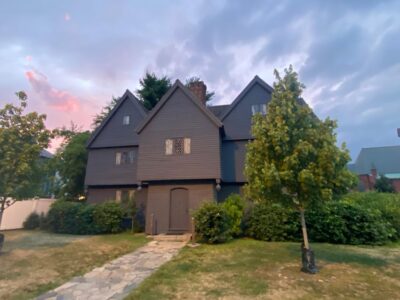
History and Hauntings of Salem Guided Walking Tour
Read our review →
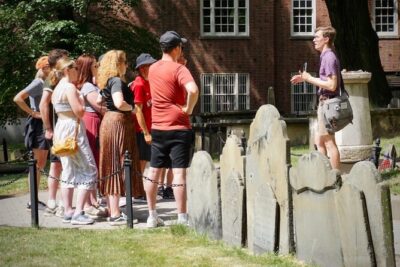
Freedom Trail History Small Group Walking Tour
Read our review →
Historic Charleston Guided Sightseeing Walking Tour
Read our review →
Tapas Walking Tour with Food, Wine, and History
Read our review →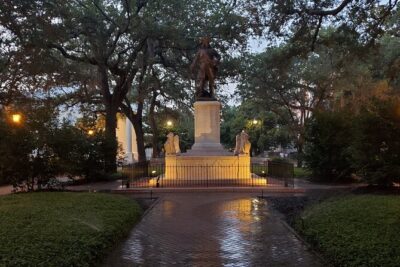
Savannah History and Haunts Candlelit Ghost Walking Tour
Read our review →
A History of Terror – Belfast City Centre Walking Tour
Read our review →Browse the lists this tour appears in