
Review · ATHENS
Paul”s Footsteps Ancient Corinth Biblical Tour
Follow Paul beyond Athens. This private six-and-a-half-hour tour links Corinth’s canal, ancient port, archaeological sites, and churches connected with the Apostle Paul. You travel in a private, air-conditioned vehicle with Wi-Fi, bottled water, and hotel, cruise, or Athens pickup.
I like the private format, which keeps the day flexible for your group of up to two. I also like the strong biblical focus, especially at Kenchreai and Ancient Corinth. The main consideration is price: at $350.68 per group, admission fees are extra, and a licensed guide inside the archaeological sites is not included.
The drivers and guides are a major part of the experience. Kostas is praised for clear English, early pickup, and easy explanations. Nick is described as kind and well informed, while Constantine and George also receive warm praise for their care and personal approach. Still, the tour may feel light on detailed biblical and social history if you expect a specialist lecture at every stop.
Key Points to Know Before You Go
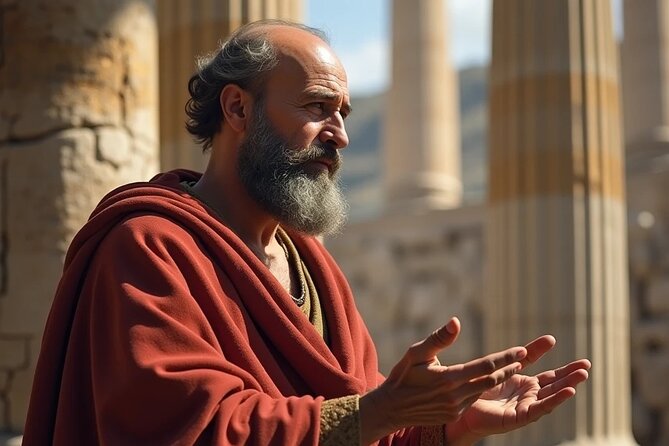
- Paul’s Corinth in one private day: Connect the canal, Diolkos, Kenchreai, Ancient Corinth, and Acrocorinth without moving between shared buses.
- A Mercedes van may be used: One group described the vehicle as clean, cool, and comfortable, a real help during a long Greek summer outing.
- Kenchreai adds a personal biblical link: This ancient port is tied to Paul, Priscilla, and Aquila, and includes a church connected with the early Christian period.
- Acrocorinth delivers the big view: The hilltop fortress rises to about 530 meters and offers wide views toward the canal and surrounding area.
- Budget for entrance fees: Archaeological site and museum admissions cost €15 per person and are not part of the quoted tour price.
- Lunch is not included: Your driver may suggest or arrange a stop, but the meal is paid separately.
Why This Tour Works for Paul’s Story
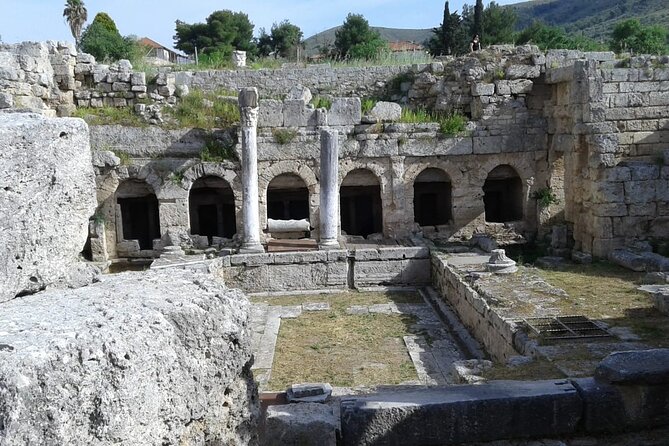
Corinth is a useful place to study Paul because the story is spread across several locations. You are not limited to one ruin and a quick explanation. The route connects the approach to the city, its trade routes, its port, its religious life, and the remains of Ancient Corinth.
The tour begins in Athens with pickup at your hotel, rental apartment, cruise port, or another location in the city. You receive a sign with your name, and drop-off is included. That simple arrangement matters because the day involves several stops and a fair amount of driving.
Your driver is an English-speaking guide for the biblical route. The vehicle has Wi-Fi, which is handy if you want to check a passage, look up a name, or share photos while moving between sites. Keep in mind that the tour does not include a licensed guide inside the archaeological sites. That distinction affects the depth of explanation you receive once you walk through the gates.
The quoted price is $350.68 per group of up to two people. For a couple or two friends, that can be reasonable when you value privacy, direct pickup, and a full day outside Athens. It is less attractive if you mainly want a low-cost transfer to Corinth. Add €15 per person for the archaeological sites and museum, plus lunch and a tip.
More Ancient History Tours in Athens
- Athens: Ancient Greek Theater Performance
★ 4.7 · 2,481 reviews - Historical Delphi One Day Tour with Arachova Stop & Expert Guide
★ 4.5 · 1,247 reviews - From Athens: Ancient Corinth Day Trip with Canal & VR Guide
★ 4.6 · 1,073 reviews
The Corinth Canal: A Modern Cut Through an Ancient Route
The first stop is the Corinth Canal, with about 20 minutes for photos and a look at the waterway. The canal is described as roughly four miles long, 80 meters high, and 27 meters wide. Its modern excavation began under King George in 1886 and was finally completed in 1896.
The biblical connection needs a little care. Paul passed through the Corinth area long before the modern canal was cut. The isthmus itself was already a major route, and ancient methods allowed boats to be moved across land on wooden rollers. The tour introduces this older transport system before showing you the modern canal.
This is a short stop, but it gives the day a strong opening. You can see why the narrow land bridge mattered. Ships and people moving between the Gulf of Corinth and the Saronic Gulf helped make Corinth an important commercial center.
A bridge crossing can make the visit even more memorable. One group happened to see the bridge sink to allow four boats or catamarans through. That timing cannot be promised, but it shows why a private vehicle and a little schedule flexibility are useful here.
Diolkos: The Ancient Portage Route
The 15-minute stop at Diolkos adds a practical piece to the canal story. This ancient rollway dates to about 2700 BC in the tour explanation and shows how boats were moved across the isthmus before the canal existed.
Do not expect a large site with hours of ruins. The value is in understanding the engineering problem. Corinth sat at a point where cargo and ships could avoid a long voyage around the southern Peloponnese. Diolkos helps you picture the work behind that shortcut.
This stop also gives the biblical route better context. Paul’s Corinth was not an isolated inland settlement. It was linked to sea traffic, trade, workers, merchants, and people passing through from many parts of the ancient world.
The Temple of Apollo and the Archaeological Museum
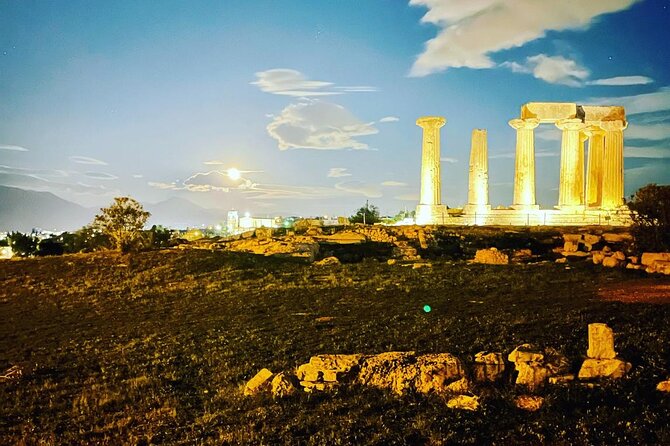
The Temple of Apollo receives about 30 minutes. It is presented as a sanctuary of Apollo, the Greek and Roman god associated with light and music. The surviving columns are among the clearest visual reminders that Corinth had a public and religious center long before the Christian era.
The site itself is more rewarding if your driver gives you a sense of the old city layout. Since a licensed site guide is not included, ask questions before entering or while walking around. You will get more from the remaining columns, stones, and foundations if you know which parts belong to the temple and which belong to later buildings.
Next comes the Archaeological Museum of Corinth, with about an hour inside. Admission is extra, and the full route lists site and museum fees at €15 per person. The museum adds detail that open-air ruins cannot provide.
You can expect statues, Roman imperial material, and amphoras in different styles. The tour also points to Corinth’s pottery and commercial life, including the familiar Greek key patterns. The collection helps connect everyday production with the larger city you are seeing outside.
The museum is especially useful if you want more than biblical associations. It places Paul’s time in a wider Roman setting. The tour has been praised for keeping enough time at the sites, but the amount of detailed interpretation depends heavily on your driver and your questions.
More Ancient History Tours in Greece
- Acropolis, Parthenon & Athens Old City Heritage Walking Tour
★ 4.5 · 876 reviews - Private Biblical Tour Ancient Corinth & Isthmus Canal from Athens
★ 5.0 · 762 reviews - Athens: Ancient Corinth & Nafplio Full Day Trip with Swim
★ 4.8 · 531 reviews - Athens Skip the Line: Open Air Ancient Greek Theatre Performance
★ 4.5 · 520 reviews
Acrocorinth: Corinth’s High Fortress
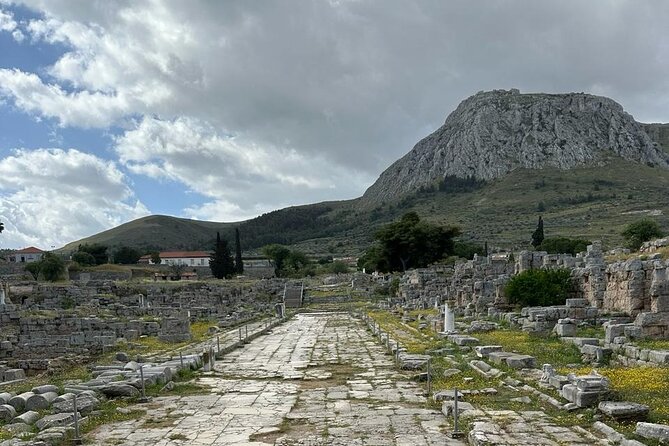
Acrocorinth is the day’s most dramatic stop. The fortress rises to about 530 meters and offers views toward the Corinth Canal and the surrounding area. A vehicle gets you close, but expect this visit to involve walking on historic ground, uneven surfaces, and an uphill setting.
The stop lasts about an hour. That is enough to see the main areas and take in the views, though it is not an exhaustive exploration of a very large fortified site.
The tour presents Acrocorinth as a fifth-century BC fortress and refers to its Roman-era importance, a palace associated with Caesar, the Temple of Aphrodite, and the ancient business linked with Priscilla and Aquila. Some of these claims are delivered as part of the tour’s interpretation, so ask your guide to separate established archaeology from later tradition.
The setting is the real reward. From this height, you understand the defensive value of Corinth and the control offered by the hill. The view also makes the canal and shipping route easier to grasp. One account describes the scenery as so striking that it left the group speechless.
Acrocorinth may be the least comfortable stop for anyone with mobility limits. The tour information says most people can participate and that child seats are available on request, but it does not promise step-free access or easy walking conditions. Wear sensible shoes and allow time for the climb and stone surfaces.
Kenchreai: Where Paul’s Corinth Meets the Sea
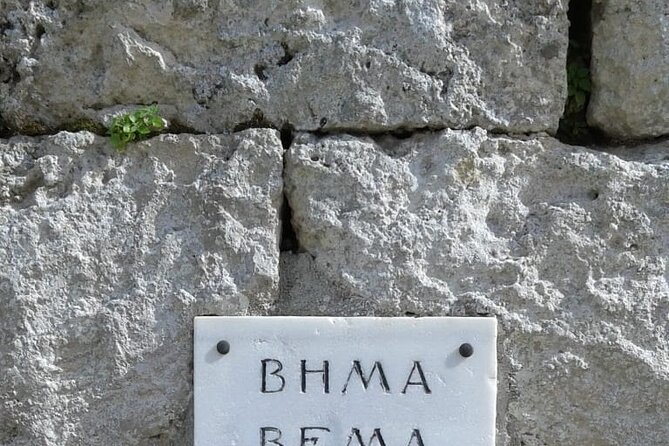
The ancient port of Kenchreai receives about 45 minutes. This is one of the most meaningful stops for people following Paul’s journey because the tour connects the port with Priscilla and Aquila, Paul’s tentmaking associates.
You can also see the remains of a very early Christian church. The site is free to enter according to the tour details, making it a good value stop within a day that otherwise includes paid archaeological areas.
Kenchreai changes the mood of the tour. Ancient Corinth can feel like a grand civic and religious center, while the port gives the route a more personal sense of movement. Paul’s story here is tied to work, travel, lodging, and departure, not only to public preaching.
The tour states that Paul spent nights here and later left for Ephesus after 16 months. If those details matter to you, ask your driver to explain the timeline and the relevant biblical references. The quality of this discussion may vary because the included escort is an English-speaking driver-guide rather than a licensed specialist accompanying you through every site.
Ancient Corinth: The Main Event
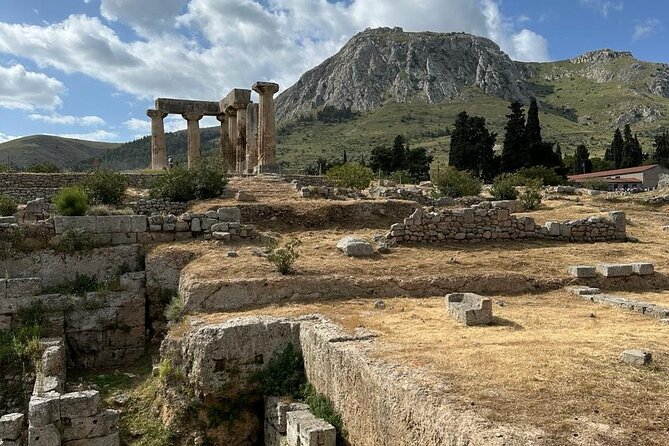
Ancient Corinth receives about two hours, the longest stop on the route. This is where the day’s separate threads come together: the Temple of Apollo, the Agora, the Octavia Temple, the ancient oracle, the museum area, and the church associated with Paul.
The site is described as a settlement with a history reaching back about 7,000 years, while the surviving remains you see come from several different periods. Take your time here. Two hours gives you room to look at the ruins, visit the museum if it is part of your entry plan, and pause at the locations connected with Paul.
The Agora is especially important for understanding city life. It was not simply a pile of columns. It was a public setting where trade, politics, religion, and daily business met. That context makes the Christian story more tangible. Paul was speaking in a working city with established customs and competing religious traditions.
The Temple of Apollo is another major highlight. The tour describes it as the second most famous Temple of Apollo after Delphi. Its surviving columns provide a strong visual anchor, but the surrounding remains are just as useful because they show the scale of the old settlement.
The Octavia Temple, connected in the tour explanation with Caesar’s mother, adds a Roman political note. Again, ask for clarification if you want precise dates and family connections. The route covers a lot in one day, and not every point receives the same level of detail.
A church associated with Paul is included in the visit. This is where the tour’s biblical focus becomes most direct. Some visitors find the stop reflective, especially when paired with the ancient port and the road back toward Athens.
Apostolos Pavlos Church and the Human Side of the Route
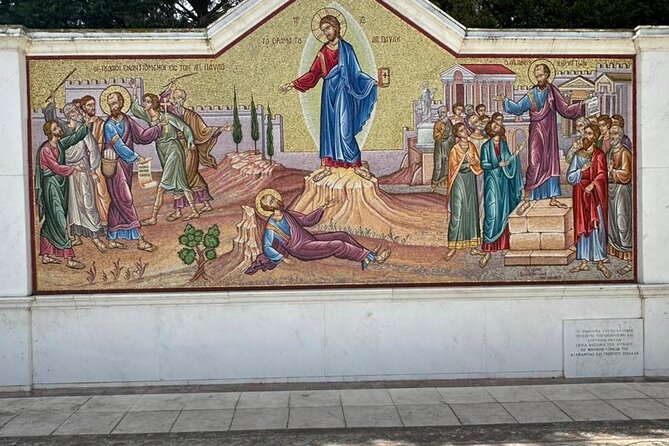
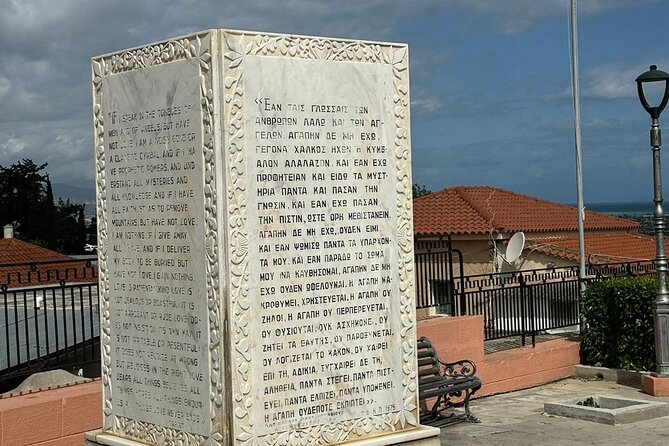
The final stop is Apostolos Pavlos Church, described as the ancient church of Paul from AD 51. The visit lasts about 20 minutes and is free.
This is a short stop, but it can give the day a quiet ending after the larger ruins and hilltop views. The church also reinforces the difference between physical evidence and devotional tradition. You may value it greatly as a place of faith, while another person in your group may focus more on the archaeological sites.
That mix is one reason the private format works well. You can spend more time on the biblical meaning if that is your priority, or give extra attention to architecture, Roman history, and trade if your interests are broader.
Guides, Vehicles, and the Pace of the Day
The strongest praise goes to the people handling the driving and explanation. Kostas is described as punctual, personable, and easy to understand. Nick receives praise for kindness and clear information. Constantine is singled out for going far beyond basic expectations, and George is credited with good pacing and a fortunate church opening.
Those names matter because this is not a large bus tour with one fixed presentation. Your experience depends heavily on the individual assigned to your group. The tour promises an English-speaking expert driver and guide, but not a licensed archaeological guide inside the sites.
Transport is a clear advantage. A clean, cool Mercedes van has been used for the route, and private transportation means you do not share the vehicle with strangers. Wi-Fi and bottled water are included. The day is listed at about six hours and 30 minutes, including the drives between Athens and Corinth.
Lunch is not included. One driver dropped a group at a restaurant near Ancient Corinth with a bird’s-eye view of the valley, and the meal was described as generous and delicious. Treat that as a possible arrangement, not a guaranteed restaurant or included service.
Who Gets the Best Value?
I would choose this tour if you want Paul’s Corinth in one private outing and prefer door-to-door transport. It suits couples, two friends, cruise passengers with enough time, and families who want a private vehicle and child seats on request.
It is also a good fit if you want to combine biblical sites with Greek and Roman archaeology. The route is not limited to churches. You see a canal, an ancient portage road, a museum, a fortress, a temple, and a major city center.
I would think twice if you want a formal theological tour led by a licensed biblical scholar. The driver-guides can provide useful explanations, but the basic price does not include a licensed guide inside the sites. One person found the learning experience limited compared with the cost, especially on Paul’s social and historical setting.
At $350.68 for up to two people, the private format is the main value. You are paying for transport, pickup, privacy, and a carefully arranged route. Add €15 per person for entrance fees, lunch, and gratuities when setting your budget. Airport pickup costs an additional $50 per booking.
Should You Book Paul’s Corinth Tour?
Book it if you want a private, efficient route through Corinth and care about the connection with Paul, Priscilla, and Aquila. The combination of Kenchreai, Ancient Corinth, and Acrocorinth gives you both personal biblical links and a strong sense of the ancient city.
Before booking, confirm what kind of guide you want. If you need detailed site interpretation, ask about adding a licensed guide. If you mainly want a comfortable vehicle, clear English, flexible attention, and the chance to visit every major stop in one day, this tour is a strong choice.
Free cancellation is available up to 24 hours before the start time. That gives you some flexibility, but changes or cancellations inside that window are not refunded.
FAQ
Where does the tour begin and end?
Pickup and drop-off are offered at hotels, rental apartments, cruise locations, or other places in Athens. The driver meets you with a sign showing your name.
How long does the experience last?
The tour lasts approximately six hours and 30 minutes.
How many people can join the private tour?
The quoted price is for a private group of up to two people.
Is transportation included?
Yes. Private transportation in an air-conditioned vehicle is included, along with hotel or cruise pickup and drop-off.
Is Wi-Fi available during the drive?
Yes. Wi-Fi is available onboard the vehicle.
Is lunch included?
No. Lunch is not included in the tour price.
Are archaeological admission fees included?
No. Entrance fees are separate and are listed at €15 per person for the archaeological sites and museums.
Is a licensed archaeological guide included?
No. The tour includes an English-speaking driver and guide, but a licensed guide to accompany you inside the archaeological sites is not included.
Is airport pickup available?
Yes, airport pickup can be arranged for an additional $50 per booking.
Can I cancel for a full refund?
Yes. You can cancel at least 24 hours before the start time for a full refund. Cancellations or changes made less than 24 hours before the tour are not accepted for a refund.
Just added around Athens
- The original Christian tour on Paul’s footsteps in Athens and ancient Corinth★ 4.5 · 25 reviews
- Small-Group Women History in Ancient Greece Walking Tour★ 5.0 · 38 reviews
- Athens: Combo Ticket for Acropolis & 6 ancient sites★ 3.0 · 21 reviews
- Ancient Sparta & Mystras Private Day Tour from Athens★ 5.0 · 52 reviews
- Ancient Olympia & Isthmus Canal Private Tour from Athens★ 5.0 · 20 reviews
- Ancient Agora & Temple of Hephaestus Entrance Ticket★ 3.5 · 22 reviews
- Half Day Historical Athens City Private Taxi Service Tour★ 5.0 · 79 reviews
- Ancient Corinth, Sanctuary of Hera, Blue Lake & Canal from Athens★ 5.0 · 26 reviews
Ancient History Tours, compared.
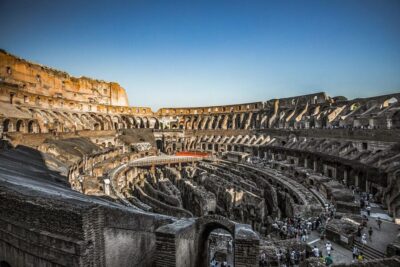
Colosseum: Underground and Ancient Rome Tour
Read our review →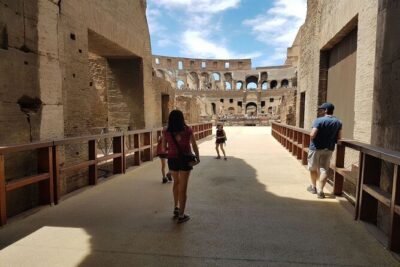
Colosseum & Ancient Rome with Arena Floor Option I Max 6 People
Read our review →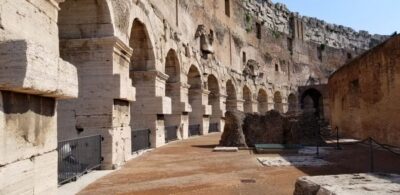
Colosseum, Ancient Rome Tour or AudioGuided Tour
Read our review →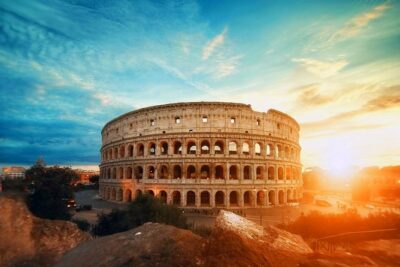
Colosseum Underground & Ancient Rome Guided Tour
Read our review →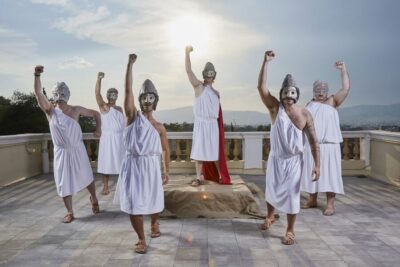
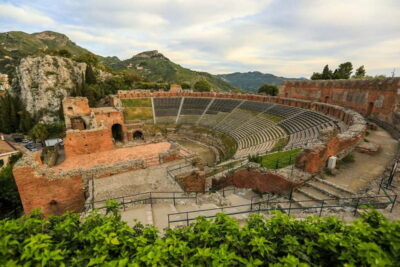
Taormina: Ancient Theater Skip-the-Line Ticket & Audio Guide
Read our review →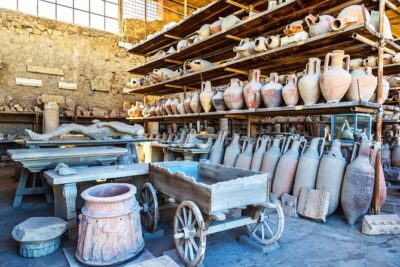
Discover the Ancient Ruins of Pompeii: Day Trip from Rome
Read our review →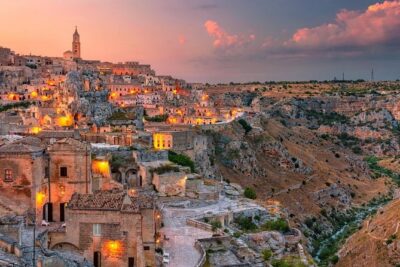
Discover Matera, the ancient city – English tour
Read our review →Browse the lists this tour appears in