
Review · SICILY
Palermo: UNESCO World Heritage Sites Guided Walking Tour
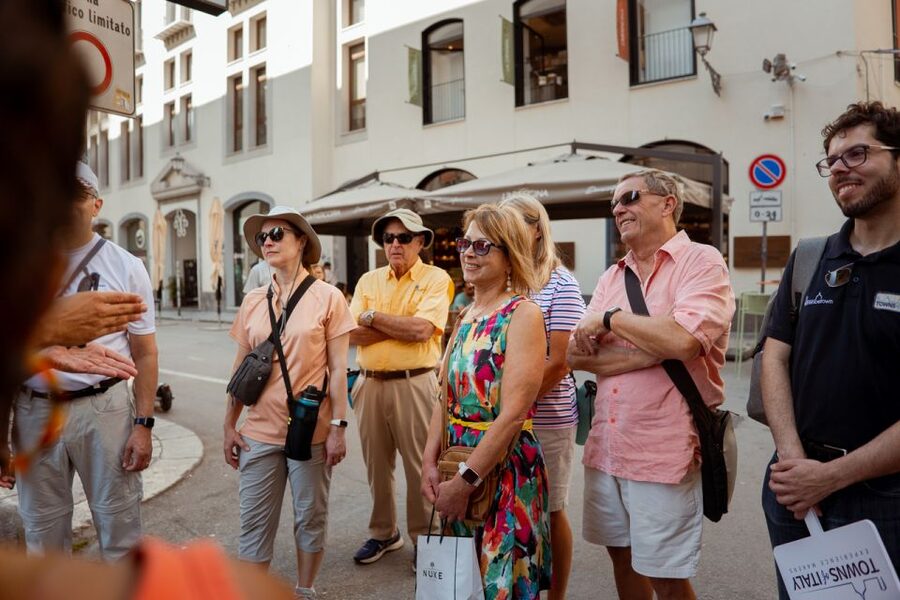
Palermo reveals itself one square at a time. I like the way this small-group walking tour links major sights with everyday street life, and I like that a local guide explains not only architecture but Sicilian customs, food, and modern Palermo. The main drawback is simple: most monuments are viewed from outside, and three hours is not enough to enter everything.
This is a strong first-day introduction, especially if Palermo feels confusing at first. Guides such as Simone, Renata, Stefania, Laura, and Valeria have been praised for clear explanations, humor, local stories, and good pacing. At $41 per person, the value is good if you want context and orientation, though visitors who prefer long indoor visits may find the included Cathedral entry too limited.
Key points at a glance
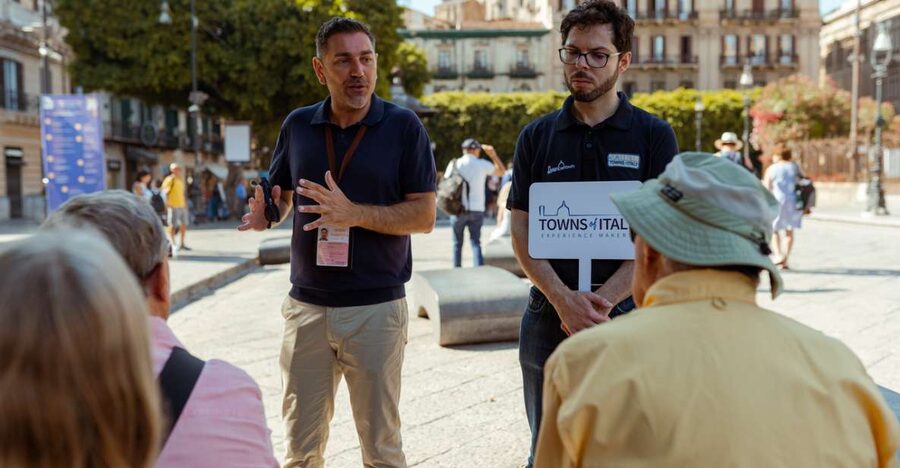
- A useful first walk: The route connects Teatro Massimo, Vucciria Market, Martorana Church, Piazza Pretoria, Quattro Canti, and Palermo Cathedral.
- Local stories add value: Guides explain Palermo’s history alongside everyday customs, food, and personal memories.
- The Cathedral is the main included interior: Other major buildings are generally viewed from the street unless you book the extended option.
- A Sicilian sweet is part of the experience: Depending on the guide and stop, this may be a cannolo, granita, or another local treat.
- The Norman Palace upgrade changes the day: The optional version adds a guided visit to the Norman Palace and Palatine Chapel, with a longer total duration and a second meeting point.
- Expect a real city walk: Comfortable shoes, water, and sun protection matter, particularly in summer.
Why this Palermo walk works so well at the start
Palermo can feel like several cities sharing the same streets. Norman towers sit near Arab-influenced details, Baroque façades frame busy roads, and a grand church may be only a few steps from a market stall selling pastries. This tour gives you a usable map of that mixture.
I especially like the balance between major monuments and ordinary city life. You do not spend the whole morning staring at façades in silence. You hear market chatter at Vucciria, pass cafés and pastry shops, and get explanations that connect Palermo’s buildings with Sicily’s changing rulers and cultures.
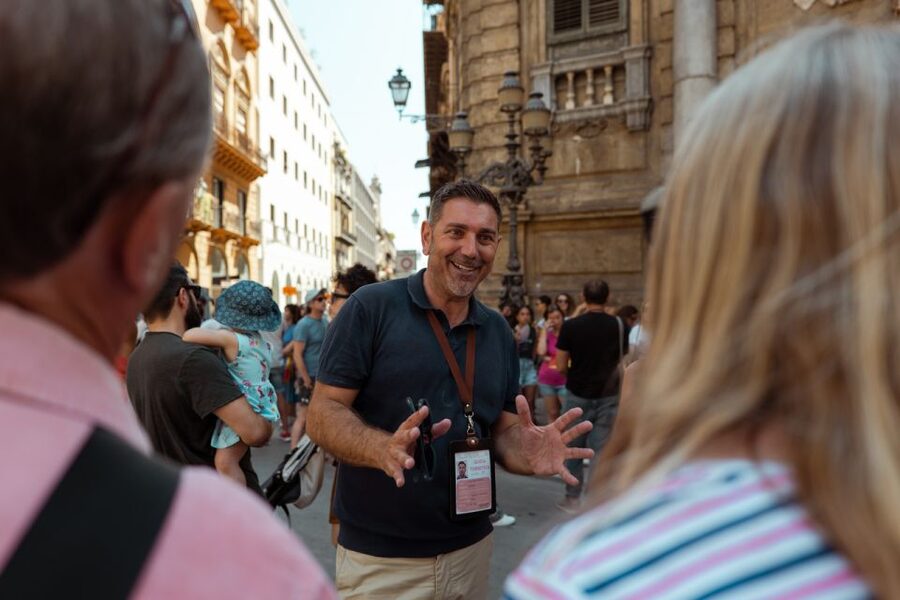
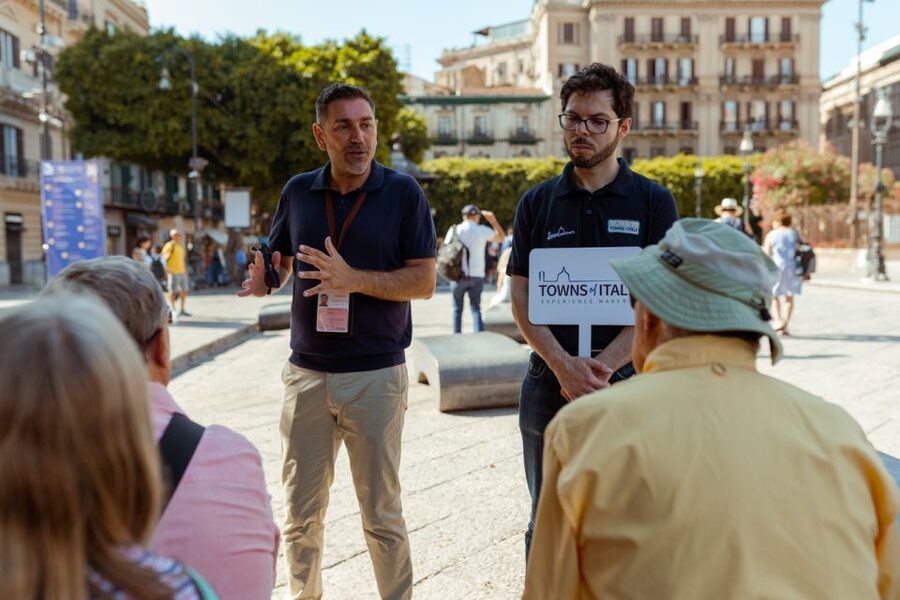
The guides are the heart of the experience. Simone has been praised for combining history with music, films, jokes, and even a little singing. Renata is known for her local perspective and practical suggestions. Stefania has been especially attentive on hot days, seeking shade and allowing stops for drinks. A guide such as Laura may also add personal memories of growing up in Palermo, which can make the city feel less like a collection of monuments and more like a lived-in place.
The tour is also useful because it helps you decide what deserves a return visit. One guide may point out a church or detail you would otherwise miss, while another can suggest where to go later for more time indoors. That is a better use of a first walk than trying to force every sight into one packed schedule.
More History Walking Tours in Italy
- Venice: City Center Historical Guided Walking Tour
★ 4.2 · 1,873 reviews - Palermo: Street Food and History Walking Tour
★ 4.9 · 1,486 reviews - Verona: History and Hidden Gems Guided Walking Tour
★ 5.0 · 1,379 reviews
Teatro Massimo and the beginning of the route
The usual meeting point is the Towns of Italy Tourist Hub and Cooking School on Via Volturno, 40, although the exact point depends on the option you book. From there, the route begins near Teatro Massimo, Palermo’s famous opera house.
Teatro Massimo is a grand opening sight. On the standard walk, you stop for an explanation and photographs rather than an interior visit. Your guide sets the tone here, explaining the building’s place in Palermo and giving you a sense of the city’s scale.
This first stop is also a reminder that the tour is not an indoor museum tour. You will see and discuss many important buildings, but the schedule favors a broad walk through the historic center. If your priority is opera-house interiors, make separate plans.
Church of Saint Dominic and Palermo’s changing streets
The Church of Saint Dominic gives the walk another architectural marker before the route turns toward the older market streets. The church is included as a photo and sightseeing stop, with the guide supplying the context.
The value here is not only the church itself. You begin to see how Palermo’s grand religious buildings share space with shops, traffic, and daily routines. That contrast is one of the city’s signatures.
The route is designed for walking, and past participants have described the pace as comfortable rather than rushed. It is still a three-hour walk, so you should expect plenty of time on your feet. A guide may pause for photographs, shade, or a short drink stop, but this is not a private car tour with long seated breaks.
Vucciria Market: Palermo beyond the monuments
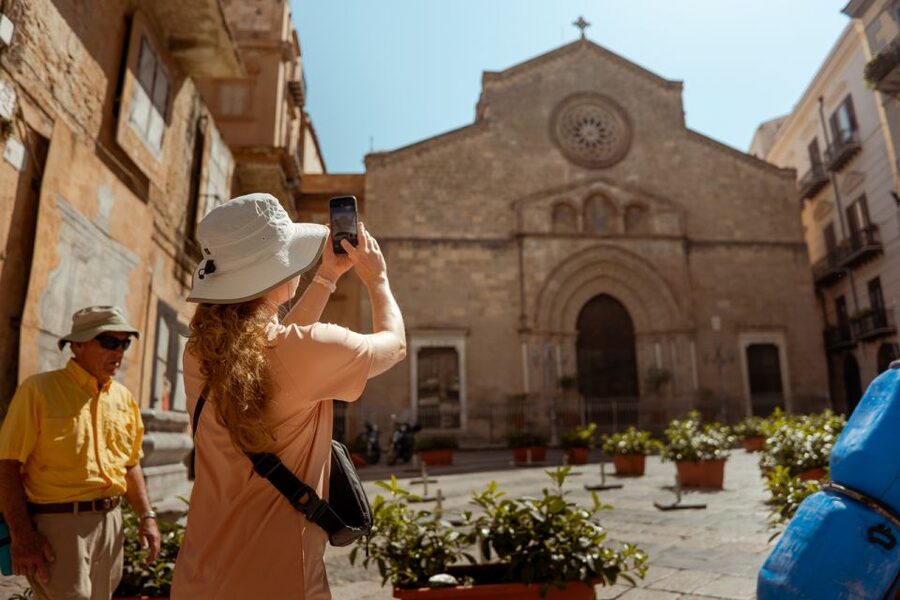
Vucciria Market adds sound, smell, and movement to the outing. Here you get a look at Palermo’s food culture and street life rather than only its official landmarks.
This is one of the best places for a local guide to explain how Palermo works today. The tour description emphasizes fresh pastries, market vendors, and Sicilian flavors, and guides often connect what you see with local customs. The market stop also keeps the walk from becoming a parade of stone buildings.
Conditions here can be less controlled than in a museum. The route passes through active city streets, so you need to keep close enough to hear the guide and watch your footing. That is part of the experience, but it also means you should not expect a quiet, perfectly ordered sightseeing path.
More UNESCO World Heritage Tours in Italy:
- SU NURAXI BARUMINI Unesco World Heritage Site
★ 5.0 · 129 reviews - World Heritage Shirakawa-go and Experience Tours from Kanazawa
★ 5.0 · 4,049 reviews - From Tirana: Berat UNESCO Heritage & Belshi Lake Tour
★ 4.9 · 3,863 reviews - Bali: Tanah Lot UNESCO World Heritage Sites Full-Day Tour
★ 4.7 · 1,947 reviews
Martorana Church and golden Norman-Arab art
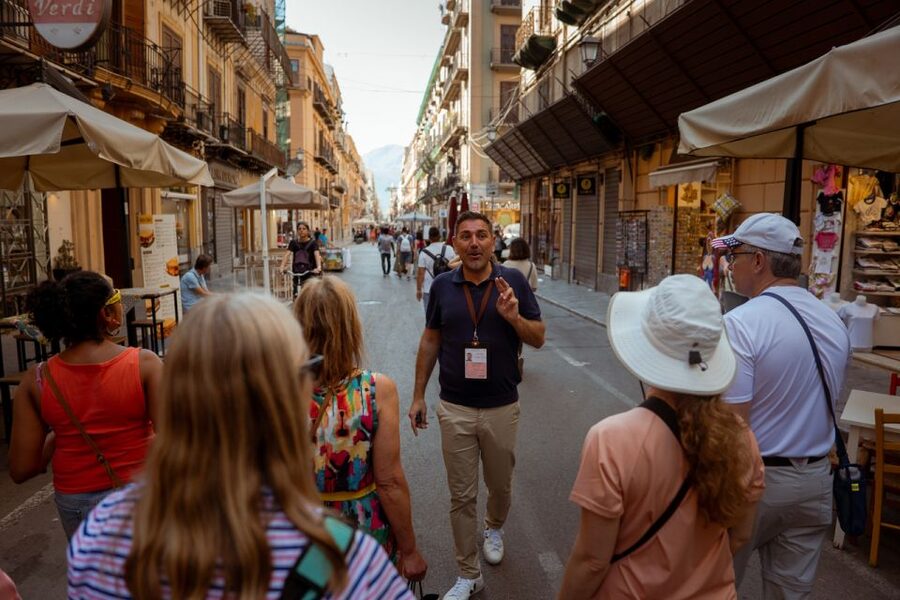
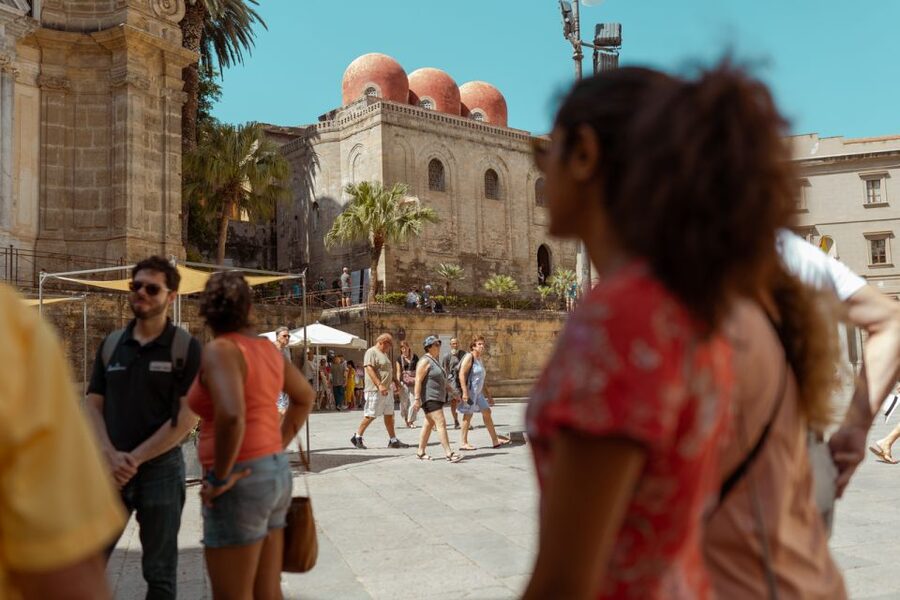
Martorana Church is one of the visual highlights. Its golden mosaics reflect the mixture of Byzantine, Norman, and Arab influences that makes Palermo’s historic center so special.
The guide explains the church and its art during the stop, but the standard tour information lists it as a sightseeing and pass-by visit. The included entry is specifically for Palermo Cathedral, so you should not assume that you will enter Martorana Church unless your booking details say so.
That distinction matters. From outside, you can appreciate the setting and hear the story, but the mosaics are best experienced indoors. If Martorana is high on your list, ask about access before booking or plan a separate visit.
Still, the stop earns its place on the route. It gives you a clear example of Palermo’s cultural mixture before you reach the larger public spaces of Piazza Pretoria and Quattro Canti.
Piazza Pretoria and the Baroque center
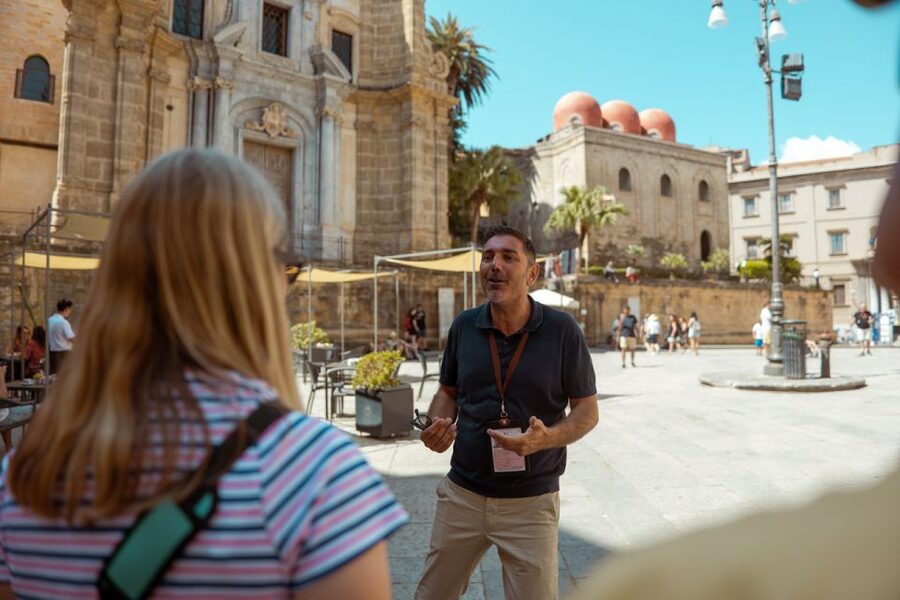
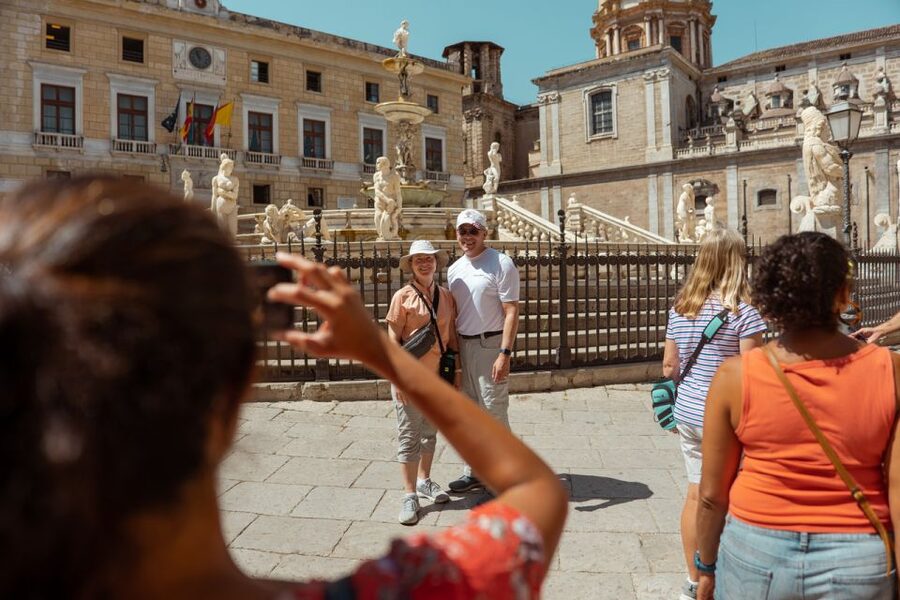
Piazza Pretoria is one of Palermo’s most dramatic open spaces. Its marble fountain, sculpted figures, and Baroque curves create a powerful contrast with the rougher, busier streets around it.
Your guide helps you read the square rather than simply photograph it. Statues, proportions, and nearby buildings tell different parts of Palermo’s story. The setting is also useful for understanding how public squares were designed to impress, control attention, and display power.
The Praetorian Palace, home to Palermo’s Town Hall since the fourteenth century, faces the square. The walk covers it from the outside. You might even see city officials moving through the building, but an interior visit is not part of the standard plan.
This is a good example of what you are paying for. You are not paying for entry to every major building. You are paying for a guide who can make a square meaningful in a few minutes, then connect it to the next part of the city.
Quattro Canti and the city’s crossroads
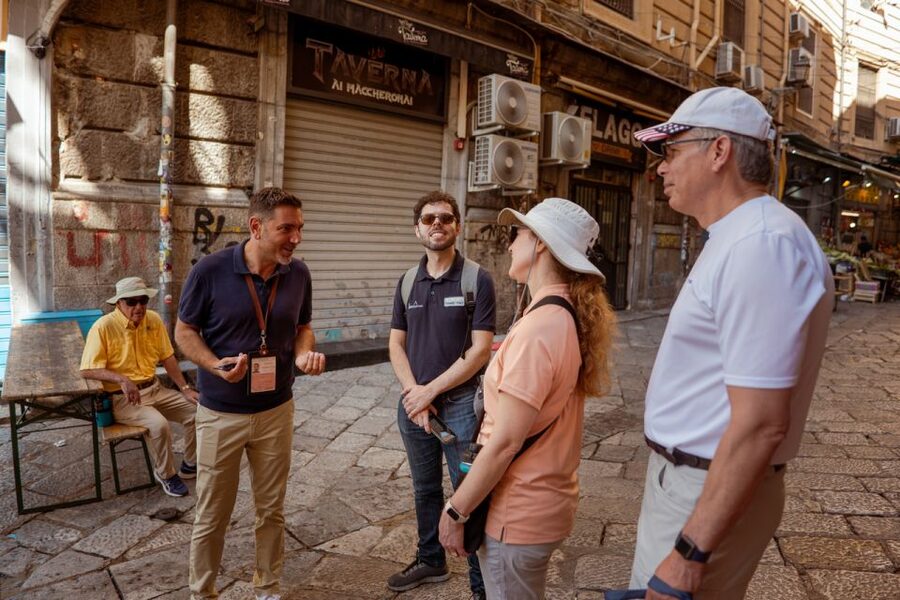
Quattro Canti is Palermo’s famous four-cornered Baroque intersection. Each corner carries elaborate architectural decoration, and the space acts as a natural hinge between several important streets.
It can be crowded and noisy, which makes a guide useful. A laser pointer has helped some groups follow details high above street level, especially when façades and ceilings are difficult to read from below. Not every guide will use the same equipment, but the tour’s strongest guides make an effort to help you notice details that would otherwise disappear in the traffic.
This is also a practical orientation point. After the tour, you can find your way back toward the Cathedral, the Norman Palace, or other parts of central Palermo more easily. I like tours that leave you with this kind of working knowledge rather than only a list of facts.
Palermo Cathedral and the main interior visit
Palermo Cathedral is the one major interior entry included in the standard tour. Its exterior is a remarkable blend of styles, reflecting the city’s Muslim, Norman, and Christian chapters.
Inside, you can expect the guide to point out the building’s layers and explain why the Cathedral does not fit neatly into a single architectural category. The tour information notes that the façade, towers, and arches show several cultural influences, and the Cathedral is the clearest place to see that idea in one complex.
The visit is guided, but the three-hour schedule limits how long you can spend examining every chapel, artwork, and architectural detail. One guide may use a laser pointer to direct your attention to high ceilings or distant features. That small tool can make a real difference in a large interior.
If you want a slow, detailed study of the Cathedral, you may want to return later. The tour gives you a strong introduction and helps you understand what you are seeing, but it cannot replace an unhurried visit.
The Norman Palace option and the Palatine Chapel
The standard walking route passes the Palace of the Normans and finishes near it. It does not include entry to the palace or Palatine Chapel.
The optional upgrade adds a separate guided visit to both. This creates a longer experience, listed at up to 5.5 hours, and uses two meeting points. You get the walking tour plus a guided visit to the Norman Palace and the richly decorated Palatine Chapel in one booking.
This option makes sense if you have limited time in Palermo and want a guide for the city walk and the palace complex. It is also the better choice if Norman-era art is your main reason for visiting. The trade-off is stamina: five and a half hours of sightseeing, much of it on foot, is a substantial part of the day.
Check the meeting instructions carefully for the upgraded version. The two parts use different meeting points, so this is not simply an extended walk with one start and one finish.
Food, pacing, and the human touch
The sweet stop is a welcome part of the outing. The experience description promises a Sicilian delicacy, and guides have served treats such as cannoli or granita. This is a small inclusion, but it fits the tour well because food is part of how Palermo is understood.
Do not judge the treat as a full meal. It is a pleasant taste during or at the end of the walk, not lunch. You should still plan your own meal before or after the tour.
Pacing appears to be one of the tour’s strongest points. Guides have adjusted for hot weather, looked for shade, allowed photo stops, and paused when someone needed a rest. That does not make the route effortless, but it makes it more manageable for mixed-age groups. One guide even slowed down for a tired participant and made room for a coffee stop.
The experience runs in rain or shine. Bring comfortable shoes, water, and weather protection. Special mobility needs should be shared in advance so the operator can try to help. Pets are not permitted because of allergy and comfort concerns.
What the $41 price really buys you
At $41, the tour sits in a reasonable range for a three-hour guided city walk with Cathedral admission and a local food taste. The best value comes from the guide’s interpretation, not from the number of entrances.
You are getting a licensed English-speaking guide, a planned route through Palermo’s central sights, and a structured introduction to the city’s history and culture. Spanish-language tours are also available, and an English audio guide may be offered as an option.
The price is less attractive if you want to enter several churches and palaces. Most monuments are seen from outside, and the Norman Palace and Palatine Chapel require the upgraded option. Add the cost of separate entries if you want a fuller indoor program.
For many people, though, the orientation is worth the money. A good guide can save you from walking past the most important details, and the practical advice about later visits may shape the rest of your stay.
Who should book this Palermo tour?
I would recommend it to first-time visitors, history fans, architecture lovers, and anyone who wants a clear introduction before exploring alone. It also suits people who enjoy hearing local stories rather than reading every explanation from a guidebook.
Families and older visitors may appreciate the moderate pace, but remember that the outing lasts about three hours and includes city walking. Summer heat can make the route tiring, even when the guide seeks shade.
You may want a different plan if you dislike group walks, need extensive time indoors, or already know Palermo well. The tour covers the main sights efficiently, but it does not offer long, quiet visits at every stop.
Should you book it?
Yes, if you want to get your bearings and understand why Palermo looks the way it does. Book it early in your stay, then return on your own to the Cathedral, Martorana Church, or other interiors that deserve more time.
Choose the longer Norman Palace and Palatine Chapel option if those interiors are central to your plans. Choose the standard walk if you want a focused three-hour introduction at a fair price.
The best reason to book is the guide. Simone, Renata, Stefania, Laura, Valeria, and the other local guides bring humor, personal stories, practical tips, and clear explanations to a city that can otherwise feel visually overwhelming. Just keep your expectations straight: this is a guided overview with one main interior entry, not a full museum day.
FAQ
How long does the Palermo UNESCO walking tour last?
The standard walking tour lasts about three hours. An upgraded option that adds the Norman Palace and Palatine Chapel can last up to 5.5 hours.
What languages are available?
Live tours are available in English and Spanish. An optional English audio guide may also be available.
Is Palermo Cathedral included?
Yes. Entry to Palermo Cathedral is included in the standard tour.
Can I enter the Martorana Church?
The standard tour includes a guided sightseeing stop at Martorana Church, but the listed inclusions do not specify entry. Check the details of your selected option if entering the church is important to you.
Is the Norman Palace included?
The standard tour passes by the Norman Palace but does not include entry. The upgraded option adds a guided visit to the Norman Palace and Palatine Chapel.
Is a hotel pickup included?
No. Hotel pickup and drop-off are not included. The meeting point depends on the option you book.
Is food included?
A Sicilian sweet is included as part of the walking experience. The description and tour experiences refer to treats such as cannoli or granita.
Does the tour run in bad weather?
Yes. The tour runs rain or shine. You should dress for the weather and wear comfortable shoes for city walking.
Just added around Italy
- Guided Cultural Tour of the Godfather Film in Messina★ 5.0 · 31 reviews
- SU NURAXI BARUMINI Unesco World Heritage Site★ 5.0 · 129 reviews
- Picnic aperitif in the vineyard of an ancient trullo in Martina Franca★ 5.0 · 21 reviews
- Brescia the Unexpected: History, Local Stories & a drink★ 5.0 · 31 reviews
- Bologna historical art walking tour with hidden gems and tastings★ 5.0 · 108 reviews
- Private or semi-private tour of the historic center of Bologna★ 5.0 · 34 reviews
- Best of Bologna in one day : Food, architecture, art and history★ 5.0 · 27 reviews
- Bolognese Cooking Class with Margherita in the Historic Center★ 5.0 · 26 reviews
UNESCO World Heritage Tours, compared.
World Heritage Shirakawa-go and Experience Tours from Kanazawa
Read our review →
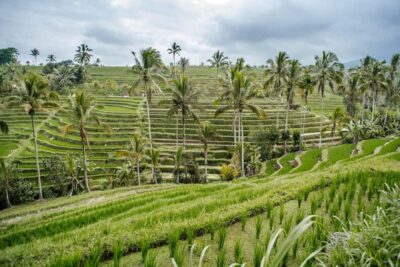
Bali: Tanah Lot UNESCO World Heritage Sites Full-Day Tour
Read our review →World Heritage Kyoto & Nara Uji Authentic Matcha Experience
Read our review →
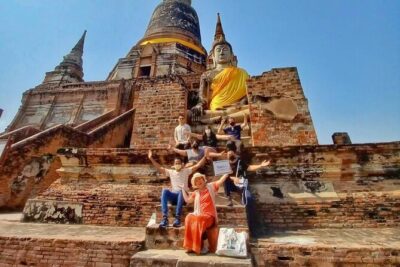
UNESCO’s Ayutthaya Historical Park: Full-Day Tour from Bangkok
Read our review →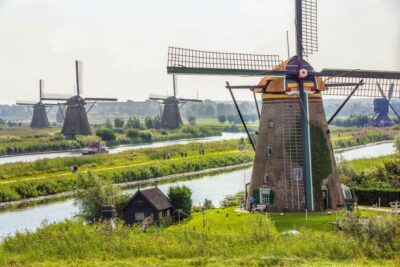
Rotterdam: Kinderdijk UNESCO World Heritage Entry Ticket
Read our review →
From Busan: Gyeongju UNESCO World Heritage Guided Day Tour
Read our review →Browse the lists this tour appears in