
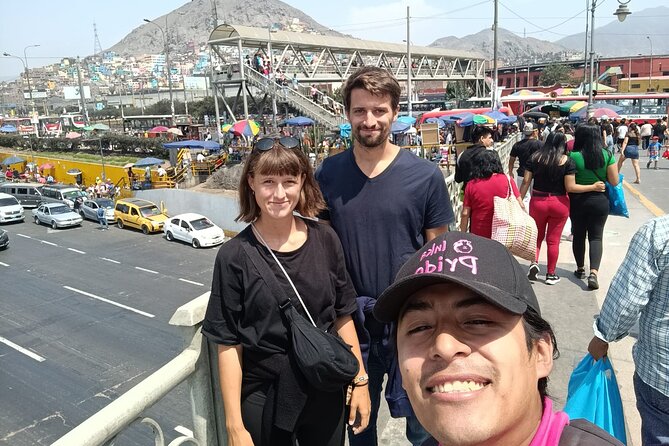
Review · LIMA
Lima Street Food Tour Beyond Netflix
Come hungry, leave curious. This 3.5-hour Lima food walk links the Central Market, Chinatown, Barrios Altos, and the Historic Center through generous tastings and clear local context. I like the way it goes beyond familiar Peruvian dishes, and I especially like the small group size, capped at 13 people.
The tour includes a wide spread of food, from lucuma juice and exotic fruit to ceviche, anticuchos, dim sum, carapulcra, and picarones. Guide Bruce also earns praise for his humor, cultural explanations, and willingness to offer less adventurous food choices. The main consideration is pace: this is a walking-and-eating tour through busy central districts, and it is not recommended for people with diabetes.
Key things to know before booking
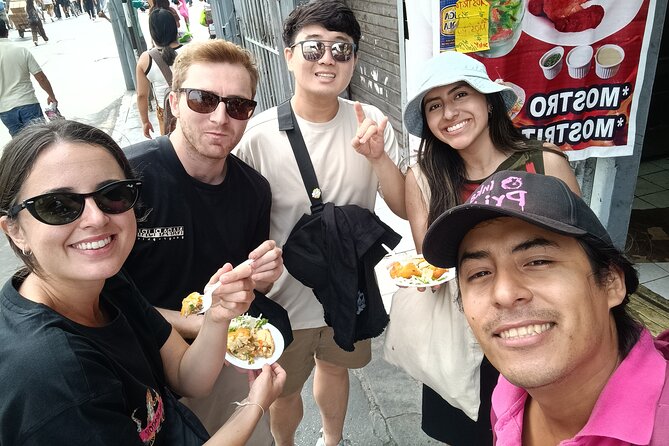
- The tasting list is unusually broad: You may try Peruvian street food, Chinese-Peruvian dishes, drinks, sweets, and seasonal fruit in one afternoon.
- Bruce brings local context: His explanations cover Chinese immigration, Peruvian food culture, Lima’s neighborhoods, and places worth visiting afterward.
- The Central Market starts the tour: You see ingredients first, then connect them to the dishes placed in front of you.
- Barrios Altos is the less polished stop: This part focuses on personal street-food recommendations beyond the dishes commonly shown on Netflix.
- The group is limited to 13 people: That should make it easier to ask questions and keep track of the food stops.
- The finish is practical: The tour ends at San Martin Square, a useful point for an Uber or a walk into more of Lima’s Historic Center.
Why this Lima food walk feels different
Lima has no shortage of food tours. What gives this one a clear purpose is its route. Instead of staying only around polished restaurants or famous viewpoints, it moves through places where shopping, migration, daily cooking, and street food meet.
I like that the tour begins with ingredients at Mercado Central. You are not simply handed a plate and told that it is traditional. You first see fruit, produce, and other market goods, then hear how local foods fit into Lima’s cooking. That order helps you understand the meal instead of treating it as a string of unrelated bites.
The second strength is variety. The included tastings cover several parts of Peru’s food culture:
- Choclo con queso
- Papa rellena
- Chicha morada
- Carapulcra
- Sopa seca
- Inca Kola
- Street ceviche
- Dim sum
- Anticuchos
- Picarones
- Seasonal exotic fruits
That is a serious amount of food for a 3.5-hour experience. You should arrive with an empty stomach. At the same time, the broad menu means the tour is best for people who want to sample many things rather than sit down for one long meal.
More Food and History Tours in Peru:
- Lima: Historic Center Street Food, Market, and Eateries Tour
★ 4.9 · 216 reviews - Sevilla Food Tour: Tapas, Wine, History & Traditions
★ 5.0 · 3,468 reviews - Victoria Guided Food and History Tour
★ 5.0 · 2,015 reviews
1:30 pm at Mercado Central
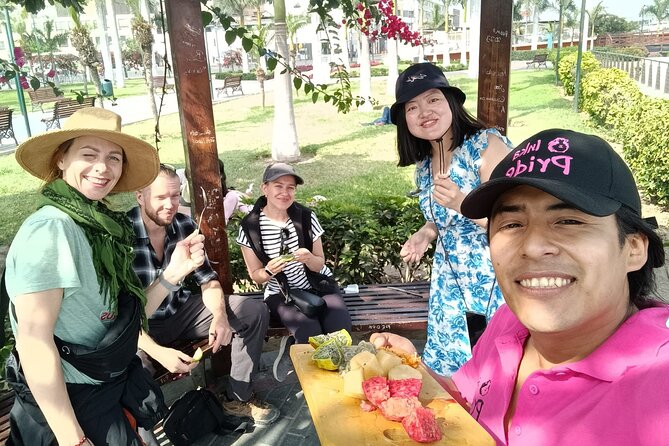
The tour begins at the Great Lima Public Library on Av. Abancay at 1:30 pm. From there, the first hour is spent around Mercado Central, where you see ingredients, receive explanations, try lucuma juice, buy fruit, and eat local dishes around the market.
This is a smart first stop because it gives the food some setting. Lucuma is one of Peru’s best-known fruits, and tasting it as a juice makes the market visit more than a sightseeing walk. You also have the chance to buy fruit, although any purchases beyond the included food are your responsibility.
The market portion is likely to suit you if you enjoy seeing food before it reaches the plate. You can ask about ingredients and connect the names of foods such as choclo, papa rellena, and chicha morada with what you are seeing around you.
The practical catch is that markets can be crowded and active. Keep your belongings close and wear shoes that are comfortable for walking and standing. The tour description does not promise seating at every tasting, so expect a casual market experience rather than a restaurant meal.
Chinatown and the Chinese-Peruvian connection
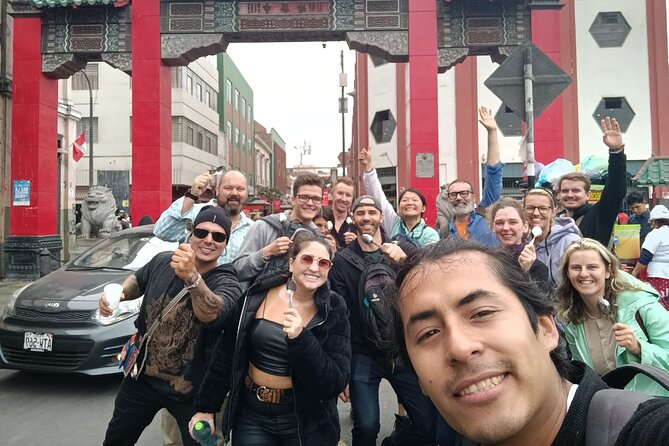
After the market, the group spends about 30 minutes in Lima’s Chinatown. Here, the focus shifts from native Peruvian ingredients to the influence of Chinese immigration on the country’s food.
You try siu mai and other dim sum, while Bruce explains how Chinese cooking joined Peruvian ingredients and habits. This is one of the most useful parts of the tour because it shows that Peruvian food is not one single tradition. Lima’s cooking has been shaped by different communities, and Chinatown offers a direct way to see that exchange.
The short time here is both a strength and a limitation. It keeps the tour moving and adds another food tradition without taking over the afternoon. If you want a long Chinatown history tour or a full dim sum meal, this is not that. Think of it as a focused introduction paired with a tasting.
I also like that the tour offers alternatives for people who are unsure about some foods. That flexibility matters on a menu that includes street ceviche, anticuchos, and other dishes you may not have tried before.
Barrios Altos and the food beyond television
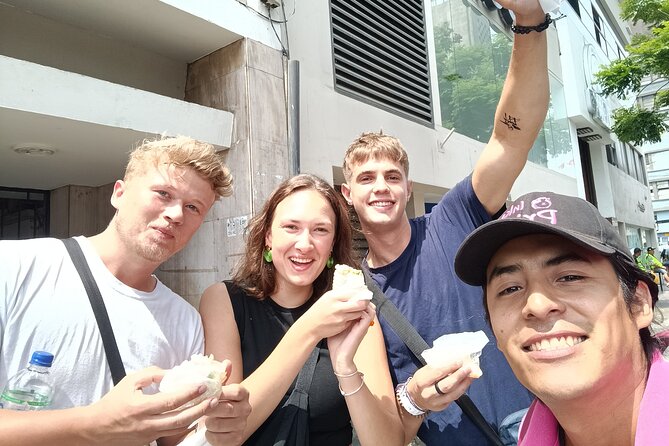
The Barrios Altos stop lasts about an hour and is described as the guide’s personal selection of street-food recommendations beyond Netflix. This gives the tour its strongest sense of personality.
Many Lima food experiences concentrate on dishes already familiar from television and travel media. Here, the point is to follow Bruce’s own recommendations and learn what he thinks deserves attention. That does not mean every bite will suit every palate, but it does make the experience less predictable.
The food list connected with the tour includes carapulcra, sopa seca, anticuchos, Inca Kola, seasonal fruit, and other tastings. You get a look at dishes with different textures, flavors, and cultural backgrounds, rather than repeating one style of snack.
Carapulcra and sopa seca are especially useful inclusions because they broaden your idea of Peruvian food beyond ceviche. Anticuchos add another familiar street-food name, while picarones provide a sweet finish somewhere along the route. The exact order of tastings is not specified, and seasonal fruit can change according to availability.
Barrios Altos is also where the guide’s personal knowledge matters most. Bruce is praised for giving recommendations about other places to visit in Lima, so I would keep a note on your phone and ask him for follow-up suggestions. His value is not limited to putting food in front of you. He helps you decide what to do next.
More Food Tours in Peru:
- Amsterdam Food and Cultural Tour with Tastings
★ 5.0 · 4,315 reviews - Barcelona: Tapas Walking Tour with Food, Wine, and History
★ 4.8 · 4,261 reviews - Madrid Tapas & Taverns Small Group Food & History Tour
★ 5.0 · 2,664 reviews - Historic Ybor City Food Walking Tour
★ 5.0 · 2,210 reviews
The Historic Center and an optional Pisco Sour
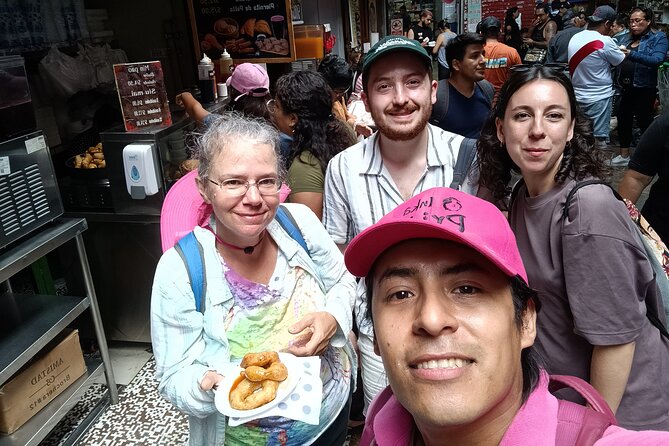
The final hour takes place around the Centro Historico de Lima and ends at San Martin Square. The setting gives the food walk a wider view of central Lima, while the optional Pisco Sour offers a traditional drink for those who want one.
The classic Pisco Sour costs an additional $8. It is not part of the $50 tour price, so decide before ordering if you want to keep the afternoon within a set budget. You already receive several drinks, including lucuma juice, chicha morada, and Inca Kola, so the cocktail is an extra experience rather than a necessity.
Ending at San Martin Square is convenient. The square is a useful place to arrange an Uber, continue exploring the Historic Center, or begin another city tour. The route therefore works well as an introduction to central Lima on your first full day, though you should allow enough time afterward if you plan to join another scheduled activity.
What the $50 price really covers
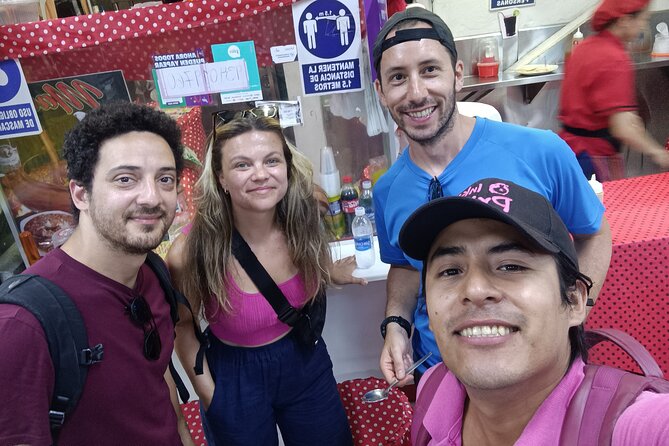
At $50 per person, the value depends on how much you would otherwise spend sampling these foods separately. The price includes a certified guide, bottled water, and a long list of food and drinks. It also combines four different areas of Lima, which would be harder to connect on your own in one afternoon.
I see the strongest value in the range of tastings. You are not paying only for a guide who points out food stalls. You are paying for a planned progression through the market, Chinatown, Barrios Altos, and the Historic Center, with cultural explanations attached to the food.
The group limit of 13 helps the price feel reasonable. A smaller group should make it easier to hear Bruce, ask questions, and receive guidance about unfamiliar dishes. It also avoids the feel of a large procession moving from stall to stall.
There are two added costs to keep in mind. A classic Pisco Sour is $8, and optional pickup or drop-off transport costs $10 per person. Public transportation is nearby, so you can avoid the transport fee if you are comfortable making your own way to the library and arranging your return from San Martin Square.
Food, portion sizes, and dietary considerations
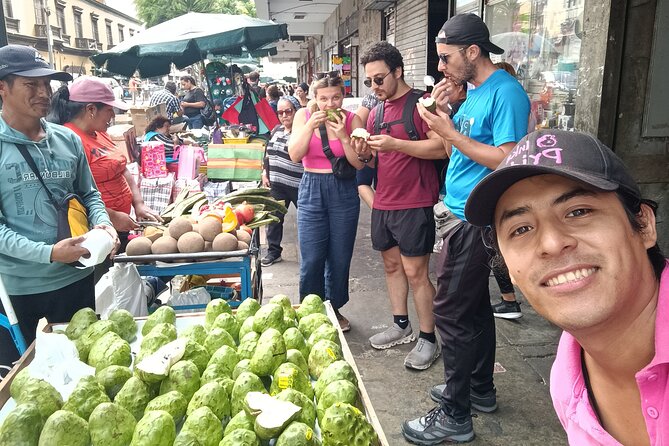
The tasting list is generous enough that you should not plan a large meal immediately before the tour. Start with a light lunch or wait for the tour, depending on your normal eating habits. You will be trying several dishes across the afternoon, not just taking one or two token samples.
The menu also contains foods that may be unfamiliar. That is part of the appeal, but it calls for an open mind. Bruce has been praised for offering alternatives to people who are less adventurous, which makes the tour more approachable for mixed groups.
The experience is not recommended for people with diabetes. That warning matters because the tour includes sweet drinks, fruit, picarones, and other foods whose sugar content may be difficult to manage. If you have a serious allergy or a strict dietary restriction, the supplied information does not promise substitutions, so ask before booking.
The tour includes street ceviche and market food. Anyone with a sensitive stomach should consider that before reserving. No special medical guidance is provided, so make your own decision based on your health and comfort with street food.
Bruce’s role in making the tour work
A food tour can easily become a list of dishes with no sense of place. Bruce appears to avoid that problem by linking food with Lima’s culture, migration, neighborhoods, and social life.
His style is described as humorous and informative. That combination matters during a long tasting route. You want enough explanation to understand what you are eating, but not so much that the afternoon feels like a lecture. Bruce also gives practical suggestions about places to see after the tour, which adds value for anyone still planning a Lima visit.
I would use the tour as a question-and-answer session. Ask about dishes you want to try again, neighborhoods to visit, and the best way to continue around the Historic Center. A guide can only offer useful local advice if you ask for it.
Timing, meeting point, and group size
The tour starts at 1:30 pm at the Great Lima Public Library, Av. Abancay 4, Lima 15001. The meeting point is near public transportation, but you should still allow time to find the correct entrance and gather before the start.
The stated duration is approximately 3 hours and 30 minutes. Since the route includes food stops, walking, explanations, and a market visit, the finish may not feel perfectly timed to the minute. Keep your evening plans flexible, especially if you want to stay for the optional Pisco Sour.
The group can have up to 13 people. That is not a private tour, but it is small enough for a more personal feel than a large bus-based outing. Most people can participate, though the food, walking, and central-city setting may not suit every mobility level.
The tour ends at San Martin Square on Av. Nicolás de Piérola, near Plaza San Martin. This is a useful ending point rather than a remote drop-off, particularly if you want to continue sightseeing or arrange a ride.
Who should book this experience
I would recommend this tour to you if you want a first look at Lima through food and daily life. It fits especially well for people who enjoy tasting many small dishes, learning why food traditions developed, and walking through central neighborhoods with a guide.
It is also a good match for curious eaters who want more than ceviche and pisco. The inclusion of Chinese-Peruvian food, market ingredients, carapulcra, sopa seca, anticuchos, and seasonal fruit gives you a wider picture of the city’s cooking.
You may want to skip it if you need a formal sit-down meal, have strict dietary needs, dislike street food, or cannot comfortably spend several hours walking and standing. The diabetes warning should be taken seriously.
Book at least several weeks ahead if your schedule is fixed. The experience is booked an average of 34 days in advance, and the 13-person cap can make popular dates unavailable.
Should you book the Lima Street Food Tour Beyond Netflix?
Yes, if you want a social, food-focused introduction to central Lima with a strong local angle. The best reasons to book are the wide tasting menu, the Chinatown and Barrios Altos route, Bruce’s personal recommendations, and the chance to learn about Chinese influence on Peruvian cooking.
The $50 price is fair for the amount of food, guiding, and neighborhood coverage included. Add the $8 Pisco Sour only if it appeals to you, and consider using public transportation to avoid the extra $10 pickup or drop-off charge.
I would choose this tour early in a Lima visit. You can sample the city’s food, learn which dishes deserve another try, and finish near places you may want to explore on your own. Just arrive hungry, stay open to unfamiliar flavors, and leave room for the fact that street food is part of the experience, not a polished restaurant substitute.
FAQ
How long does the Lima Street Food Tour Beyond Netflix last?
The tour lasts approximately 3 hours and 30 minutes.
What time does the tour begin?
The tour starts at 1:30 pm.
Where does the tour meet?
It begins at the Great Lima Public Library, Av. Abancay 4, Lima 15001, Peru.
Where does the tour end?
It ends at San Martin Square on Av. Nicolás de Piérola, near Plaza San Martin.
What food and drinks are included?
Included items include bottled water, choclo con queso, papa rellena, chicha morada, carapulcra, sopa seca, Inca Kola, street ceviche, dim sum, anticuchos, picarones, lucuma juice, and seasonal exotic fruits.
Is a Pisco Sour included?
No. A classic Pisco Sour is optional and costs $8.
Is transportation included?
No. Optional pickup or drop-off transport costs $10 per person.
How large is the group?
The tour has a maximum of 13 travelers.
Is the tour suitable for people with diabetes?
The tour is not recommended for people with diabetes.
Can I cancel for a full refund?
Yes. You can cancel at least 24 hours before the local start time for a full refund. Cancellations or changes made less than 24 hours before the start time are not accepted for a refund.
Just added around Peru
- Piramids of Tucume Tour, Sican Museum and Lambayeque city tour★ 5.0 · 30 reviews
- Arequipa, Historic and Colonial City and Santa Catalina Monastery★ 4.5 · 42 reviews
- Aymara Route Mystical Cultural Tour★ 4.7 · 27 reviews
- Machu Picchu: historical and photographic guided tour★ 4.9 · 27 reviews
- Lima: Historic Downtown, Miraflores & Catacombs Private Tour★ 4.5 · 28 reviews
- Lima: Historical, Colonial, and Modern City Tour★ 4.3 · 21 reviews
- Cusco: Historic Walking Tour with Pisco Sour and Music Show★ 4.6 · 65 reviews
- Cusco: Historical Guided City Tour with 4 Inca Ruins★ 4.5 · 99 reviews
Food & History Tours, compared.
Sevilla Food Tour: Tapas, Wine, History & Traditions
Read our review →
Dublin Historical Centre Food Tour with 8 Food Tastings & Drinks
Read our review →
The Great Indian Food Tour: Old Delhi Food and Heritage Walk
Read our review →
Browse the lists this tour appears in